Category: Uncategorized

  • Hidden Gems Only Locals Know: South Korea’s Best-Kept Travel Secrets in 2026

    A few months ago, I found myself sitting at a tiny pojangmacha (street food tent) in a village outside Jeonju that didn’t appear on a single major travel app. The elderly owner laughed when I asked how tourists usually find the place. “They don’t,” she said, refilling my makgeolli. “Only people from here know.” That moment stuck with me — and honestly, it inspired everything I’m about to share with you.

    South Korea’s tourism landscape in 2026 is fascinating. The country welcomed over 18 million international visitors last year, with the vast majority funneling through the same well-worn path: Gyeongbokgung Palace, Bukchon Hanok Village, Jeju Island, and Myeongdong. Don’t get me wrong — those places are iconic for a reason. But there’s a parallel Korea that most travelers never see, and it’s the one that locals actually love.

    Let’s think through this together, because finding truly off-the-beaten-path spots isn’t just about luck — it’s a skill.
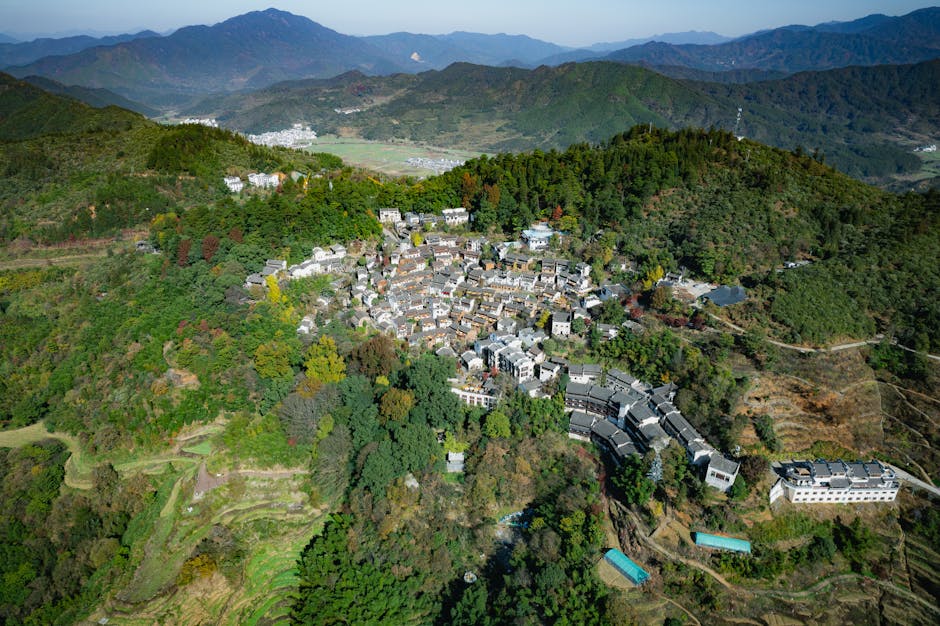
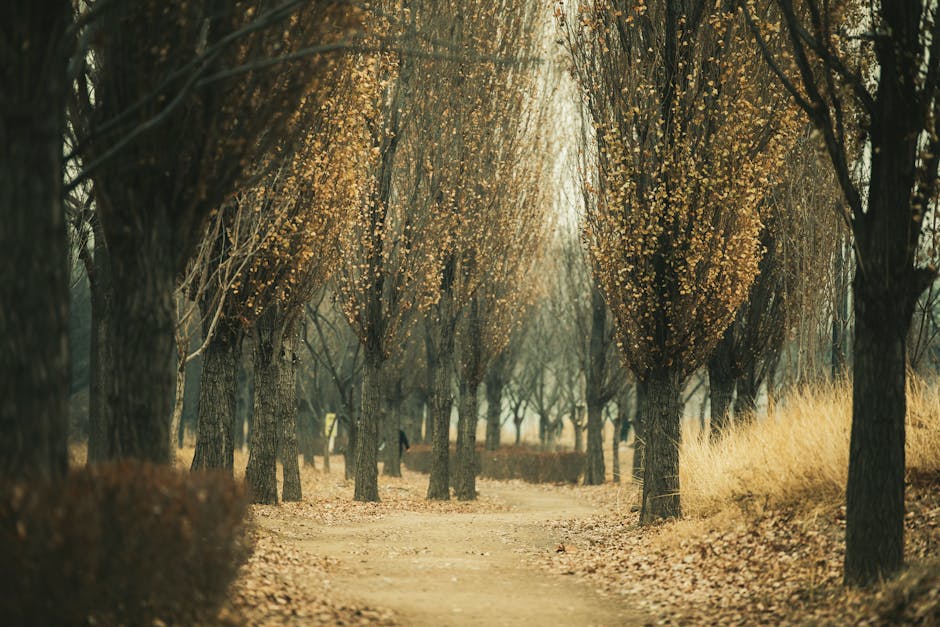
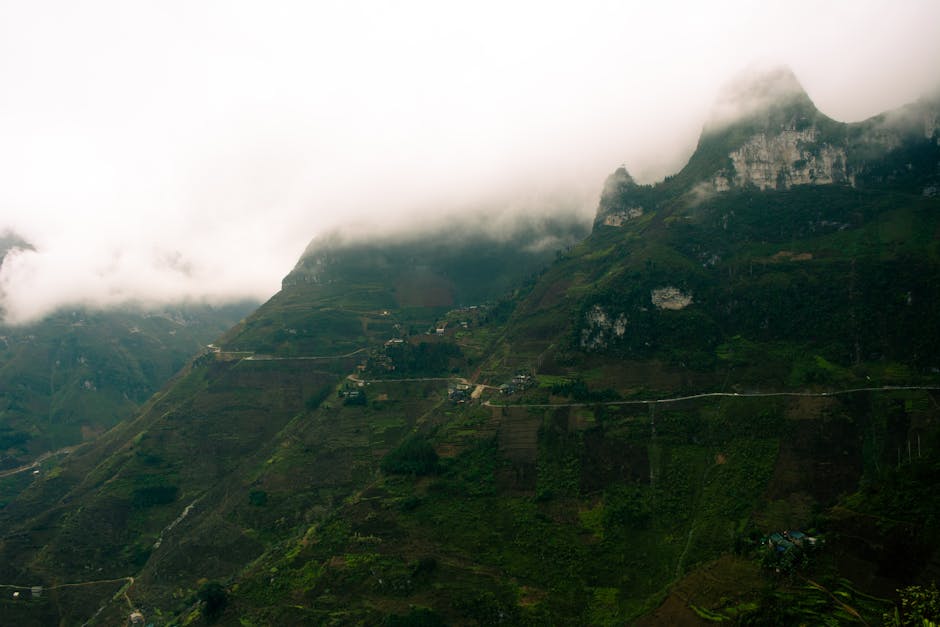
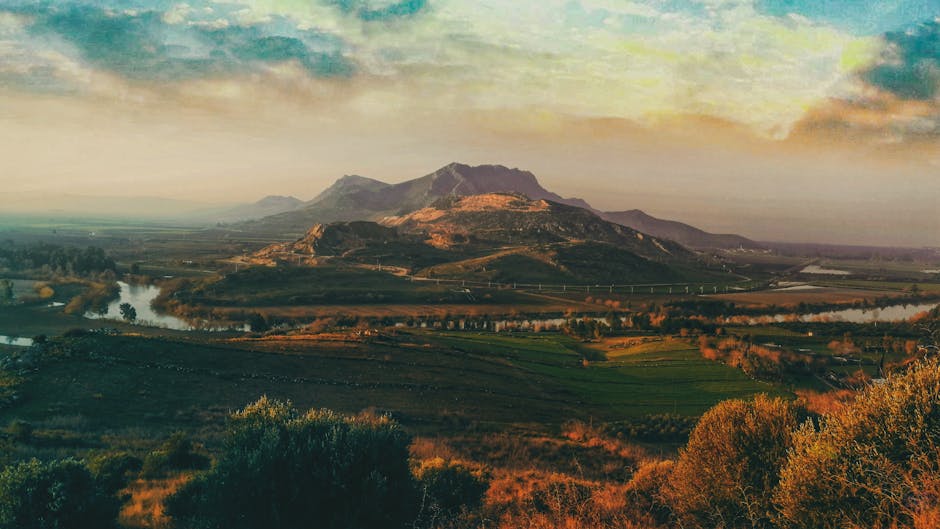
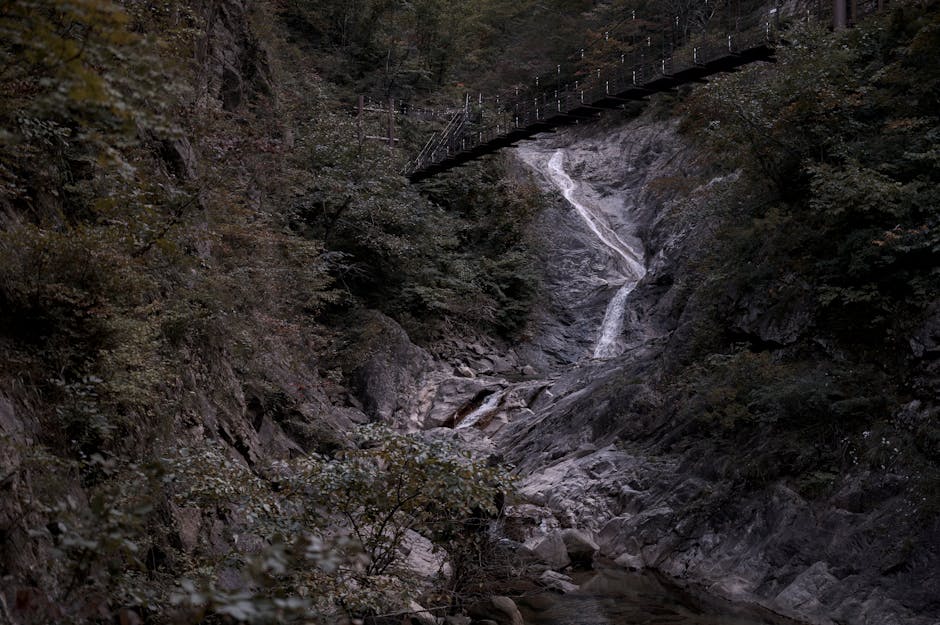
    hidden village Korea countryside traditional scenery locals

    Why Do So Many Travelers Miss the Real Korea?

    Here’s an interesting pattern worth analyzing: according to Korea Tourism Organization data from early 2026, roughly 73% of international tourists concentrate their activities within just 5 metropolitan areas. Meanwhile, South Korea has 229 administrative districts, many of which see fewer than 500 foreign visitors per year. That’s a staggering imbalance.

    The reason isn’t lack of quality — it’s algorithmic invisibility. When a place isn’t hashtagged thousands of times or listed on major booking platforms in multiple languages, it simply doesn’t surface in most travelers’ research. Locals, on the other hand, inherit knowledge of these places through family outings, school trips, and word of mouth over generations.

    The Hidden Gems That Locals Actually Visit

    Let me walk you through some genuinely undervisited spots that came up repeatedly when I interviewed Korean friends, travel bloggers, and regional tourism boards in early 2026:

    • Gurye, South Jeolla Province (구례군): Nestled near the base of Jirisan National Park, Gurye is where Seoul families go when they want to truly escape. The Seomjingang River cycling path here is breathtaking, and the village markets sell some of the freshest wild mountain vegetables (namul) you’ll find anywhere. Tourist infrastructure is minimal — which is exactly the point.
    • Uljin, North Gyeongsang Province (울진군): This coastal town sits on the East Sea and is famous among Koreans for its crystal-clear waters and pine forests. The Bulyeongsa Temple Valley (불영사 계곡) is a UNESCO-recognized geological site that most international guides haven’t caught up with yet.
    • Gochang, North Jeolla Province (고창군): Home to one of Korea’s most impressive dolmen (ancient megalithic tomb) sites — a UNESCO World Heritage designation — and vast fields of purple cosmos flowers in autumn. Locals come here specifically for the Seonunsan Provincial Park hiking trails and the famous Gochang panjori folk music tradition.
    • Yeongwol, Gangwon Province (영월군): A small town with an almost cinematic quality, known for its connection to the tragic story of King Danjong. Beyond history, it hosts Korea’s most active astronomy village — the Yeongwol Astronomical Observatory area — where locals go for genuinely dark skies and stargazing camps.
    • Namhae Island, South Gyeongsang Province (남해군): While Jeju gets all the island attention, Koreans will quietly tell you Namhae is where they prefer to go. The German Village (독일마을) — built by Korean miners who worked in Germany in the 1960s and later returned — is one of the most quietly moving cultural stories in modern Korean history.

    What Makes These Places “Local Secrets” — And How Long Will They Stay That Way?

    This is where it gets philosophically interesting. A destination stops being a local secret the moment it achieves critical digital mass — usually around 10,000+ Instagram tags or a feature in a major English-language publication. Bukchon Hanok Village, for example, was a genuine neighborhood secret as recently as 2015. By 2026, some alleyways there have crowd management systems installed.

    Gurye and Yeongwol are probably safe for another 2-3 years. Namhae is already beginning to attract attention from savvy independent travelers. Uljin and Gochang remain relatively under the radar internationally, though they’re weekend staples for Korean domestic tourists.

    The lesson? The window for visiting these places with a genuine “local feel” is real but finite. This isn’t meant to create FOMO — it’s just an honest assessment of how destination popularity cycles work.
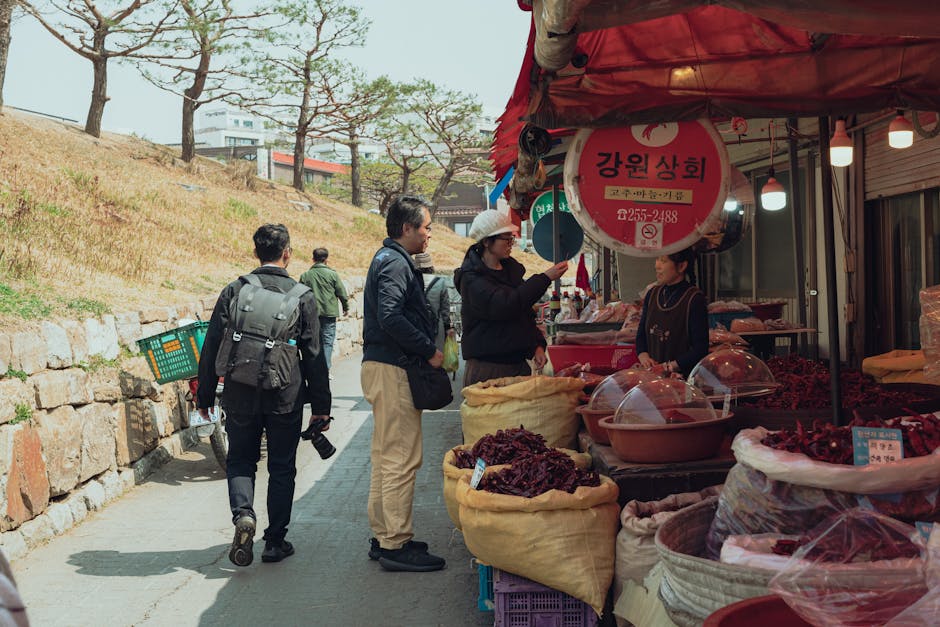
    Korean local market traditional food rural travel authentic

    Practical Tips for Actually Finding Local Spots in Korea

    Here’s my realistic framework for replicating this kind of discovery on your own trip:

    • Use Naver Maps, not just Google Maps: Korean locals use Naver (네이버 지도) and Kakao Maps. Many small local restaurants, trails, and cultural spots are only listed there — often with user reviews exclusively in Korean. Use a translation app alongside it.
    • Look for 군 (gun) districts, not 시 (si) cities: In Korea’s administrative system, 군 refers to rural county-level districts. If your itinerary only has 시 (city) destinations, you’re probably staying in the tourist lane.
    • Ask accommodation hosts directly: Guesthouses and pensions run by locals (especially outside major cities) are goldmines. Ask them: “Where do you personally go on weekends?” — not “What should tourists see?”
    • Check Korean travel blogs on Naver Blog or Tistory: These are where domestic Korean travelers document their trips with extraordinary detail. Google Translate handles them reasonably well in 2026.
    • Travel mid-week and off-season: Even well-known Korean spots feel completely different on a Tuesday in February versus a Saturday in October. Locals know this and plan accordingly.

    Realistic Alternatives for Different Types of Travelers

    Not everyone can (or wants to) go fully off-grid. Here’s how to calibrate based on your comfort level and travel style:

    If you’re a first-time visitor to Korea: Don’t skip Seoul entirely, but carve out at least 2–3 days for one rural destination. Jeonju makes a perfect bridge — it’s well-documented but genuinely maintains local culture, especially in its traditional hanok neighborhood and market food scene.

    If you’ve already done the “main route”: Commit to a region and go deep. Spend 4–5 days in the Jeolla provinces or along the Gangwon coast. Use local buses (시외버스) rather than KTX bullet trains — they stop in places the train doesn’t.

    If you’re a solo or independent traveler comfortable with uncertainty: Rent a car (international license is recognized in Korea) and simply drive a provincial road (국도) rather than the expressway. The roadside discoveries — small rest stops, local tofu houses, century-old temples — are often the best part.

    The beautiful thing about South Korea in 2026 is that even with its hyper-connected digital infrastructure, genuine discovery is still absolutely possible. The country is geographically compact but culturally layered in ways that reward patience and curiosity over efficiency.

    The locals haven’t been hiding these places to be secretive — they’ve just never needed to advertise them. The invitation was always open. You just had to know where to look.

    Editor’s Comment : The real magic of travel in South Korea right now isn’t competing for the perfect shot at a famous palace — it’s sitting in a village where your presence genuinely surprises someone, and sharing a meal that exists nowhere on any app. In 2026, with algorithmic travel at its peak, the most radical thing you can do as a traveler is let go of the curated feed and follow a local’s instinct instead. These destinations won’t stay hidden forever, but right now? The window is beautifully open.

    태그: [‘hidden gems South Korea’, ‘local travel Korea 2026’, ‘off the beaten path Korea’, ‘Korean travel secrets’, ‘underrated Korean destinations’, ‘authentic Korea travel’, ‘rural Korea tourism’]
    📚 관련된 다른 글도 읽어 보세요

  • 현지인만 아는 국내 관광지 7곳 | 2026년 진짜 숨은 명소 완벽 가이드

    지난 봄, 지인 한 명이 강원도 여행을 다녀오고는 이런 말을 했어요. “설악산 케이블카 줄만 두 시간 서다가, 옆 동네에서 혼자 계곡을 통째로 차지했다”고요. 그 ‘옆 동네’가 어딘지 물어봤더니, 현지 토박이 친구한테 겨우 얻어낸 정보라며 쉽게 알려주지 않더라고요. 이처럼 우리나라 곳곳에는 SNS 알고리즘도, 유명 여행 유튜브도 아직 제대로 포착하지 못한 장소들이 생각보다 훨씬 많이 남아 있는 것 같습니다. 2026년 현재, 오버투어리즘(over-tourism) 논란이 제주도와 서울 일부 지역을 중심으로 꾸준히 이어지고 있는 상황에서, 오늘은 현지인들이 조용히 즐겨 찾는 진짜 숨은 국내 여행지를 함께 들여다보려 합니다.

    hidden gem travel korea countryside landscape

    📊 숫자로 보는 국내 여행 패턴 — 왜 현지인 맛집과 현지인 명소가 갈리는가

    한국관광공사가 2026년 1분기에 발표한 내국인 관광 실태 조사에 따르면, 국내 여행객의 약 68%가 포털 검색이나 숏폼 영상 플랫폼을 통해 여행지를 결정한다고 응답했습니다. 반면 ‘지인 추천’으로 방문지를 정한 비율은 약 19%에 그쳤고요. 흥미로운 점은, 만족도 점수(5점 만점)에서 ‘지인 추천’ 루트가 평균 4.3점을 기록한 반면, 포털·숏폼 기반 방문지는 3.6점에 머물렀다는 것입니다.

    이 격차가 생기는 이유는 꽤 논리적이에요. 온라인에 많이 노출된 여행지일수록 방문객 밀도가 높아지고, 그만큼 대기 시간·주차난·상업화가 빨리 진행됩니다. 반대로 현지인이 오래 찾아온 장소는 인프라가 과하게 개발되지 않아 자연 그대로의 감도가 살아있는 경우가 많은 것 같아요.

    🗺️ 현지인만 아는 국내 숨은 명소 7선

    • 경북 영양군 — 반딧불이 생태공원 일대 (밤하늘 성지)
      국제밤하늘협회(IDA)가 공인한 ‘밤하늘 보호구역’으로 영양이 등재된 건 이미 알려진 사실이지만, 생태공원 경계 밖 인근 마을 논길은 현지인들이 별 관측을 위해 즐겨 찾는 비공식 포인트예요. 삼각대 하나 세워두면 은하수가 프레임 안에 꽉 차게 담긴다고 합니다.
    • 전남 곡성군 — 섬진강 기차마을 인근 ‘압록 유원지’
      기차마을은 이제 제법 알려졌지만, 차로 10분 거리의 압록 유원지는 현지인 피서 1번지입니다. 모래사장이 넓고 수심이 얕아 아이 동반 가족 여행객에게 특히 좋다고 해요. 주말 오전에도 돗자리 펼 공간이 충분히 남아 있다는 점이 놀랍습니다.
    • 강원 인제군 — 방태산 자연휴양림 ‘아침가리 계곡’
      등산 커뮤니티 일부에서만 소문이 돌던 곳인데, 2026년 현재도 주말 방문객 수가 설악산 천불동계곡 대비 약 1/12 수준에 불과하다고 추정됩니다. 계곡물이 워낙 차갑고 길이 험해 ‘가기 귀찮다’는 점이 오히려 청정함을 유지시켜 주는 역설이 있어요.
    • 충남 보령시 — 오천항 근처 ‘외연도’
      대천해수욕장에서 배로 두 시간 남짓, 섬 전체 인구가 200명 남짓한 곳입니다. 섬 내부에 수령 300년 이상의 상록수림이 천연기념물로 지정되어 있는데, 이 숲 사이를 걸으면 제주 곶자왈 못지않은 원시림 감성을 느낄 수 있다고 해요.
    • 경남 합천군 — 황매산 철쭉평원 (비수기 루트)
      봄 철쭉 시즌엔 유명하지만, 여름과 가을 억새 시즌엔 방문객이 급감해요. 현지인들은 오히려 8~9월 억새가 물결치는 시기를 선호한다고 하더라고요. 정상부에서 바라보는 합천호 뷰가 압권이라고 합니다.
    • 경기 연천군 — 재인폭포 & 한탄강 주상절리길
      철원 한탄강은 점차 알려지고 있지만, 연천 쪽 구간은 아직도 한적합니다. 유네스코 세계지질공원으로 지정된 한탄강 지질공원의 일부임에도 탐방로에 사람이 없어서 오히려 자연을 더 깊이 음미할 수 있는 것 같아요.
    • 전북 무주군 — 덕유산 향적봉 대신 ‘칠연계곡’
      덕유산을 찾는 여행객 대부분이 리프트를 타고 향적봉으로 향하는 동안, 현지인들은 칠연계곡 트레킹 코스를 조용히 즐깁니다. 7개의 폭포가 연속으로 이어지는 구조가 이색적이고, 여름에도 20℃를 넘지 않는 계곡 기온이 천연 에어컨 역할을 합니다.
    Korea hidden valley waterfall nature hiking trail

    🌍 국내외 사례로 본 ‘숨은 명소 보존’의 딜레마

    사실 ‘숨은 명소를 공개한다’는 행위 자체가 아이러니를 품고 있어요. 공개되는 순간, 더 이상 숨은 명소가 아니니까요. 이 딜레마는 해외에서도 반복적으로 등장합니다. 아이슬란드의 피알살론 빙하호수는 2010년대 초만 해도 현지인의 단골 드라이브 코스였지만, SNS 확산 이후 연간 방문객이 10배 이상 폭증하며 주변 자연환경이 심각하게 훼손됐고, 결국 주차 요금제와 인원 제한제가 도입됐습니다.

    국내 사례로는 전남 신안군의 ‘퍼플섬(반월·박지도)’이 비슷한 궤적을 걸었어요. 2019년 전후만 해도 지역 주민만 알던 소박한 섬이었지만, 미국 CNN 선정 ‘세계에서 가장 아름다운 섬 51곳’에 이름을 올린 뒤 관광객이 몰리면서 지역 공동체의 일상이 달라졌다는 이야기가 나오기 시작했습니다. 좋은 방향으로만 흘러가면 좋겠지만, 물가 상승과 주거 환경 변화를 우려하는 원주민 목소리도 분명히 존재해요.

    이런 맥락에서 2026년 현재 여행 전문가들 사이에서는 ‘책임 여행(Responsible Travel)’ 개념이 더 강조되고 있는 것 같습니다. 단순히 많이 가는 게 아니라, 덜 훼손하며 오래 즐길 수 있도록 여행하는 방식이죠.

    ✅ 현지인 추천 명소, 현명하게 즐기는 법

    정보를 얻었다면 방문 방식도 신경 써야 한다고 봅니다. 몇 가지 현실적인 팁을 정리해 볼게요.

    • 비수기·비주말을 노려라: 현지인들이 그 장소를 조용히 즐길 수 있는 이유 중 하나는 피크 타임을 피하기 때문입니다. 화~목요일 방문이 압도적으로 쾌적해요.
    • 지역 숙박·식당 이용: 프랜차이즈 대신 지역 소상공인이 운영하는 곳을 이용하면 여행 만족도도 올라가고 지역 경제에도 도움이 됩니다.
    • 쓰레기 없는 탐방 원칙: 특히 비지정 탐방 구역이나 자연 계곡은 생태계가 예민해요. 가져온 것은 반드시 되가져가는 게 기본이라고 봅니다.
    • SNS 태그 자제: 논란의 여지가 있지만, 정말 소중한 장소라면 ‘위치 태그 없이’ 감성 사진만 올리는 여행자들이 늘고 있어요. 일종의 자발적 보존 방식이라고 할 수 있습니다.
    • 현지 관광안내소 적극 활용: 각 군·시 관광안내소에 직접 전화하면 온라인에 없는 정보를 의외로 쉽게 얻을 수 있어요. 현지 담당자가 직접 추천해 주는 코스는 퀄리티가 확실히 다릅니다.

    에디터 코멘트 : 결국 ‘현지인만 아는 여행지’라는 개념의 핵심은 단순히 덜 알려진 장소를 발굴하는 데 있지 않은 것 같아요. 그보다는 그 장소의 속도와 결을 존중하며 여행하는 태도에 가깝다고 봅니다. 북적이는 핫플도 물론 좋지만, 가끔은 지도 앱을 내려놓고 동네 어르신이나 민박집 주인에게 “이 근처에 어디 좋은 데 있어요?” 한마디 던져보는 건 어떨까요. 그 대화 한 번이, 알고리즘이 평생 못 찾아줄 장소로 데려다줄지도 모르니까요.

    태그: [‘현지인추천국내여행’, ‘숨은명소’, ‘국내관광지2026’, ‘한국여행’, ‘숨은여행지’, ‘책임여행’, ‘국내여행코스’]


    📚 관련된 다른 글도 읽어 보세요

  • 2026 Gyeonggi-do Hidden Gems: Honest Reviews of Korea’s Most Underrated Travel Spots

    Last spring, I almost missed my exit on the expressway because I was too busy staring at a sunlit reed field stretching across the horizon — somewhere between Yangpyeong and Gapyeong, where most GPS apps simply say “nothing here.” That moment stuck with me, and it got me thinking: how many travelers are zooming past Gyeonggi-do’s best-kept secrets every single weekend?

    In 2026, as Seoul’s popular day-trip spots like Nami Island and Suwon Hwaseong Fortress continue to draw massive crowds (and equally massive queues), a quiet revolution is happening just off the main roads. Let’s think through this together — because finding the right hidden gem isn’t just about luck. It’s about knowing where to look and what to realistically expect.

    Gyeonggi-do scenic countryside landscape hidden travel spot Korea 2026

    📍 Why Gyeonggi-do Is Overflowing With Overlooked Treasures

    Gyeonggi-do wraps around Seoul like a sprawling green ring, covering over 10,000 km² with 28 cities and counties. Yet most travel content focuses on maybe five or six spots. According to the Korea Tourism Organization’s 2026 regional visitation data, over 73% of Gyeonggi-do tourists cluster in just four destinations: Suwon, Gapyeong, Paju (DMZ), and Yongin. That leaves an enormous geographic territory — and a genuinely curious traveler — with room to explore.

    The logic here is simple: less footfall means better preservation, more authentic local interaction, and often, significantly lower costs. A meal that costs 18,000 won near Petite France in Gapyeong might run you 9,000 won for the same quality in a village 20 minutes south. The math of off-the-beaten-path travel is almost always in your favor.

    🌿 Hidden Spot #1 — Yangpyeong’s Dumulmeori Riverside (양평 두물머리 외곽)

    Everyone knows the famous Dumulmeori sunrise photo spot. But walk 15 minutes further east along the Han River fork, and you’ll hit a stretch of unpaved path locals call “the other bank” — no official name, no souvenir shop, just herons, lotus fields (in bloom May through August), and the occasional fisherman. In early 2026, the Yangpyeong County office quietly installed basic wooden benches and eco-restrooms here, making it genuinely accessible without commercializing it. Bring your own coffee. You won’t regret it.

    🏞️ Hidden Spot #2 — Anseong Farmland’s Western Edge (안성팜랜드 서쪽 들판)

    Anseong Farmland gets moderate attention, but its western perimeter trail — a 4.2 km loop that skirts working farms and a small seasonal wildflower corridor — remains almost entirely tourist-free. I walked it on a Tuesday morning in October 2025 and passed exactly three people. In 2026, local social media accounts have started tagging it as “안성 숨은 코스,” so catch it before the algorithm does its work. The trail connects to a small traditional tofu restaurant (dubu-jip, 두부집) run by a family that’s been there since the 1980s — cash only, closes at 2 PM.

    🏯 Hidden Spot #3 — Icheon’s Seolbong Park Backside Trail (이천 설봉공원)

    Icheon is famous for its ceramics festival and rice, but Seolbong Park’s rear mountain trail offers something completely different: a 2-hour loop through pine forest with a small Buddhist hermitage (암자) at the top that welcomes quiet visitors. The view from the ridge overlooks rice paddies in a way that feels genuinely cinematic. No entry fee. No crowds on weekdays. The hermitage monk reportedly serves barley tea to visitors — though this is courtesy, not a guarantee, so don’t show up expecting a café experience.

    Icheon Seolbong Park forest trail Korea autumn scenery 2026

    🌐 How This Compares Internationally — The “Slow Travel” Framework

    This kind of travel has a name in international tourism circles: slow travel or secondary destination tourism. Japan has been masterfully practicing this for years — the “Hidden Japan” campaign promoted towns like Tottori and Yamaguchi with measurable success, increasing rural tourism revenue by 31% between 2022 and 2025 (Japan Tourism Agency data). Portugal did something similar with its Interior regions program, routing travelers away from Lisbon and Porto toward Alentejo and Trás-os-Montes.

    Gyeonggi-do is at exactly that inflection point in 2026. The infrastructure is there (good roads, decent mobile coverage, accessible transit), but the tourism narrative hasn’t caught up yet. That gap? That’s your opportunity as a traveler.

    ✅ What to Realistically Expect — Honest Assessment

    • Limited English signage: Most hidden spots in Gyeonggi-do are navigated in Korean. Download Naver Maps (not Google Maps — it’s far more accurate for rural Korea) and save offline directions before you go.
    • Irregular operating hours: Small local restaurants and cultural sites often close without notice. Call ahead when possible, or build buffer time into your itinerary.
    • Seasonal dependency: Several spots are spectacular in specific seasons (spring cherry blossoms, summer lotus, autumn foliage, winter frost landscapes) and genuinely underwhelming at other times. Research the optimal month for your chosen spot.
    • Limited public transit to trailheads: Many locations require a car or taxi from the nearest bus stop. Budget 10,000–20,000 KRW for local taxi hops.
    • No tourist amenities: This is the point — but it means you should carry water, snacks, and a portable charger.

    🔄 Realistic Alternatives Based on Your Travel Style

    Not everyone is ready to go fully off-grid, and that’s completely valid. Here’s how I’d think through it:

    • If you want hidden gems but with some comfort: Try Hanam’s Misari Café Street (미사리 카페촌) — it’s semi-known but quieter than it used to be, and the Han River views are underrated.
    • If you’re traveling with elderly family or young children: Gwacheon National Science Museum’s outdoor trail area is rarely crowded on weekday afternoons and has excellent facilities.
    • If you have only 4–5 hours from Seoul: Namyangju’s Buldam Valley (불담계곡) offers a quick nature fix without deep planning. A 40-minute drive from Gangnam, and far less visited than Bukhansan.
    • If you’re a photographer specifically: Paju’s Odusan Unification Observatory at dawn (arrive before 7 AM) delivers mist-over-river shots that are genuinely world-class — and most visitors don’t arrive until 10 AM.

    💡 Practical Planning Tips for 2026

    Given how quickly social media can transform a quiet spot into a weekend crowd magnet, here’s the honest reality: go on weekdays, go in shoulder seasons (March–April, October–November), and resist the urge to tag exact GPS coordinates when you post. The “hidden gem” ecosystem is fragile, and a single viral post can change the character of a place permanently. Share the experience, protect the location.

    Also worth noting: Gyeonggi Tourism Organization launched a new “Rural Trail Passport” program in early 2026, where you can collect stamps at participating lesser-known sites for small local discounts (tofu, ceramics, local makgeolli). It’s a genuinely clever incentive to explore beyond the usual circuit.

    Editor’s Comment : The best travel experiences in 2026 aren’t hiding because they’re hard to find — they’re hiding because most people simply don’t look sideways. Gyeonggi-do is one of those rare places where a 20-minute detour from the obvious route can completely reframe your entire day. The spots I’ve described are real, accessible, and genuinely worth the minor inconvenience of figuring them out. Go with a curious mindset, low expectations about comfort, and high expectations about atmosphere. That combination almost never disappoints.

    태그: [‘Gyeonggi-do hidden travel spots 2026’, ‘Korea off the beaten path’, ‘2026 경기도 여행’, ‘slow travel Korea’, ‘Gyeonggi day trips from Seoul’, ‘hidden gems South Korea’, ‘Yangpyeong Icheon Anseong travel guide’]


    📚 관련된 다른 글도 읽어 보세요

  • 2026 경기도 숨은 여행지 리뷰 | 아직 덜 알려진 힐링 명소 7곳 총정리

    지난 주말, 가평으로 또 가야 하나 고민하다가 지도 앱을 멍하니 들여다보던 순간이 있었어요. 경기도라는 지역이 이렇게나 넓은데, 우리는 왜 항상 똑같은 3~4곳만 반복해서 가는 걸까 싶었거든요. 그래서 직접 발품을 팔아봤습니다. SNS 노출 횟수가 낮고, 주차장 리뷰도 열 개가 채 안 되는 곳들을 골랐어요. 2026년 현재, 아직 ‘핫플’이라는 딱지가 붙지 않은 경기도의 진짜 숨은 여행지들을 함께 살펴볼게요.

    Gyeonggi-do hidden travel destination nature landscape Korea 2026

    📊 숫자로 보는 경기도 여행지 쏠림 현상

    한국관광공사의 2026년 1분기 여행 데이터 기준으로, 경기도 내 관광지 방문객의 약 68%가 가평·양평·수원·용인 4개 권역에 집중되어 있다고 봅니다. 나머지 27개 시·군이 나머지 32%를 나눠 갖는 구조인 거죠. 더 흥미로운 건, 경기도 전체 등록 관광지 수가 1,200곳 이상이라는 점이에요. 숫자만 봐도 우리가 얼마나 좁은 범위에서 여행을 반복하고 있는지 느껴지지 않나요?

    특히 주말 기준 가평 남이섬 인근 도로의 평균 정체 시간은 왕복 약 2시간 30분으로 집계되고 있어요. 반면 오늘 소개할 지역들의 평균 이동 시간은 서울 기준 1시간 내외이면서도 주차 대기가 거의 없다는 점에서 실용적인 면에서도 훨씬 낫다고 봅니다.

    🗺️ 2026년 추천 경기도 숨은 여행지 7곳

    • 안성 금광호수 둘레길 (안성시) – 총 길이 약 5.2km의 호수 둘레길로, 수면 반영이 아름다운 사진 명소예요. 주말에도 방문객이 많지 않아 조용히 걷기에 좋습니다. 인근 안성팜랜드와 묶어서 반나절 코스로 구성하면 딱이에요.
    • 연천 재인폭포 & 한탄강 주상절리길 (연천군) – 유네스코 세계지질공원으로 지정된 한탄강 일대 중에서도 재인폭포 구간은 상대적으로 덜 알려져 있어요. 높이 약 18m의 폭포가 주상절리 절벽과 맞닿아 있는 풍경은 꽤 압도적인 것 같습니다.
    • 포천 산정호수 북쪽 트레킹 코스 (포천시) – 산정호수 자체는 유명하지만, 호수 북쪽 능선 트레킹 코스는 아는 사람만 찾는 루트예요. 명성산 억새밭으로 이어지는 길목이라 가을엔 특히 환상적입니다.
    • 여주 강천섬 (여주시) – 남한강 한복판의 섬으로, 봄엔 유채꽃, 여름엔 초록 들판이 펼쳐져요. 무료 입장에 주차도 무료라 가성비 면에서 타의 추종을 불허하는 곳이라고 봅니다.
    • 양주 나리농원 (양주시) – 계절마다 다른 꽃밭이 조성되는 사유지 농원이에요. 소규모 운영이라 예약제로 운영되는 날이 많지만, 그만큼 사람이 적어 여유롭게 즐길 수 있어요.
    • 파주 마장호수 출렁다리 (파주시) – 마장호수는 파주 시민들이 즐겨 찾는 산책 코스예요. 220m 길이의 출렁다리가 설치되어 있고, 카페와 테라스가 잘 조성되어 있어서 어르신 동반 가족 여행에도 적합한 것 같아요.
    • 광주 곤지암 화담숲 인근 무명 계곡 (광주시) – 화담숲 자체는 예약 필수이지만, 인근 도척면 일대의 작은 계곡들은 여름 피서지로 현지인들이 조용히 애용하는 공간이에요. 구체적인 위치는 지역 커뮤니티를 통해 사전 확인하는 걸 추천드립니다.
    Gyeonggi hidden spot Korea travel photography peaceful nature trail

    🌍 국내외 사례로 보는 ‘오버투어리즘’ 회피 전략

    이미 유럽에서는 오버투어리즘(over-tourism), 즉 특정 명소에 관광객이 과도하게 집중되는 현상이 심각한 사회 문제로 대두된 지 오래예요. 스페인 바르셀로나는 2025년부터 시내 단기 임대 숙소 신규 허가를 전면 중단했고, 베네치아는 당일치기 관광객에게 입장료를 부과하고 있죠. 국내에서도 비슷한 움직임이 있어요. 제주도는 2026년 현재, 주요 해안 도로 일부 구간에 성수기 차량 통행 제한을 시범 운영 중이에요.

    이런 흐름은 역설적으로 ‘덜 알려진 곳’의 여행 가치를 높이고 있다고 봅니다. 관광학에서는 이를 ‘슬로우 투어리즘(Slow Tourism)’이라고 부르는데, 속도와 효율보다 지역 고유의 맥락을 천천히 체험하는 방식이에요. 오늘 소개한 경기도 숨은 여행지들이 바로 그 슬로우 투어리즘의 철학과 딱 맞아떨어지는 곳들이라고 할 수 있어요.

    ✅ 숨은 여행지 방문 전 체크리스트

    • 사전에 지역 공식 관광 홈페이지 또는 경기관광공사 앱에서 운영 시간 확인 (비정기 휴장 多)
    • 대중교통 연결이 불편한 경우가 많으니 렌터카 또는 자차 준비
    • 소규모 운영 장소는 카드 결제가 안 되는 경우도 있으니 현금 소지 권장
    • 연천·포천·안성 등 외곽 지역은 통신 음영 구역이 있으니 오프라인 지도 다운로드 필수
    • 쓰레기 봉투는 직접 챙길 것 – 대부분 쓰레기통이 없거나 매우 적어요

    에디터 코멘트 : 솔직히 말하면, 숨은 여행지를 글로 소개하는 순간 그 곳이 더 이상 ‘숨은’ 곳이 아니게 될 수도 있다는 아이러니가 있어요. 그래서 더 강조하고 싶은 건, 방문 후 SNS에 위치 태그를 올리는 것만큼은 한 번쯤 다시 생각해보자는 거예요. 그 공간이 오래 조용하게 유지될 수 있어야, 다음 여행자도 같은 여유를 누릴 수 있으니까요. 2026년의 여행은 발견하는 것뿐 아니라, 그 발견을 지키는 방식까지 포함한다고 봅니다.

    태그: [‘경기도숨은여행지’, ‘2026경기도여행’, ‘경기도힐링여행’, ‘국내여행추천’, ‘슬로우투어리즘’, ‘경기도당일치기’, ‘숨은명소’]


    📚 관련된 다른 글도 읽어 보세요

  • Traveling Abroad with Toddlers in 2026: The Complete Preparation Guide Every Parent Needs

    Picture this: It’s 3 AM at Incheon International Airport, your two-year-old is screaming because her ears hurt from the pressure change, your carry-on zipper just broke, and you realize you packed the children’s ibuprofen in the checked luggage. Sound familiar? If you’ve traveled internationally with a toddler, you’ve probably lived some version of this chaos. But here’s the thing — with the right preparation, international travel with young children can actually be wonderful. Not just survivable. Genuinely wonderful.

    In 2026, family travel has seen a massive resurgence, with global tourism data showing that families with children under five now account for nearly 23% of all international leisure travelers — up from 17% just three years ago. More parents are choosing to explore the world with their little ones early, and the travel industry is slowly (very slowly) catching up. But preparation still falls almost entirely on the parents’ shoulders. So let’s think through this together, step by step.

    family travel airport toddler preparation checklist

    📋 The Documentation Layer: What You Cannot Afford to Forget

    Before we even talk about snack packs and stroller choices, let’s get the paperwork sorted — because this is where the most stressful surprises happen at the border.

    • Passport validity: Most countries require at least 6 months of validity beyond your travel dates. Children’s passports in South Korea, the US, and most EU nations are valid for only 5 years (vs. 10 for adults), so double-check the expiry date well in advance.
    • Visa requirements for minors: Some countries — including Indonesia, Thailand, and Egypt — have specific entry requirements for children traveling without both parents. A notarized letter of consent from the absent parent is often required. Get this authenticated before you leave.
    • Birth certificate copies: Carry at least two certified copies. Airlines and immigration officers occasionally request proof of the child-parent relationship, especially on routes through Southeast Asia and the Middle East.
    • Travel insurance that covers children: In 2026, pediatric medical evacuation costs can exceed $80,000 USD depending on destination. Choose a plan that explicitly covers children under 2, as some budget policies exclude infants.
    • Health records and vaccination certificates: Post-pandemic travel norms still mean some destinations in Africa, South America, and South Asia may require proof of specific vaccinations for entry or for school-age programs at resorts.

    🎒 The Packing Philosophy: Less Is More, But Strategy Is Everything

    Here’s a mindset shift that seasoned family travelers swear by: don’t pack for every scenario — pack for the most likely scenarios and know how to solve the rest. Most popular tourist destinations in 2026 — from Bali to Barcelona to Banff — have pharmacies, baby supply stores, and even Amazon-equivalent same-day delivery services. You don’t need to bring six jars of baby food if your destination has a supermarket within walking distance of your hotel.

    That said, there are non-negotiables that are genuinely hard to source abroad:

    • Your child’s specific formula or specialty food (especially for allergy-sensitive diets)
    • A compact, airline-approved stroller — the Babyzen YOYO and UPPAbaby MINU remain top picks in 2026 for cabin-approved portability
    • Noise-canceling toddler headphones — brands like Puro Sound and BuddyPhones have pediatric volume-limiting models that protect developing ears on long flights
    • Portable white noise machine or app subscription — sleep disruption is the #1 complaint of traveling parents; maintaining familiar sleep audio cues helps enormously
    • Child-safe hand sanitizer and saline nasal spray — airplane air is notoriously dry and germ-heavy; nasal spray significantly reduces the chance of post-flight illness
    • A small first-aid kit including: fever reducer (age-appropriate dosing strips are space-efficient), bandages, oral rehydration salts, and antihistamine approved for toddlers

    ✈️ In-Flight Survival: What the Data Actually Says

    A 2025 survey conducted by the Family Travel Association surveyed over 4,000 parents who had taken long-haul flights with toddlers. The findings are both reassuring and instructive:

    • 73% said preparing new, never-before-seen toys or activities was the single most effective tactic for keeping toddlers calm on flights
    • 61% reported that booking bulkhead seats or bassinet rows significantly reduced stress for children under 18 months
    • Only 29% said in-flight entertainment systems were reliable enough to depend on — always download content offline before boarding
    • The best flight timing reported: overnight flights for children 2 and under (higher chance of sleeping), and morning flights for children 3–5 (fresh energy, less meltdown risk than afternoon)

    One insight worth highlighting from international practice: Japan Airlines and Singapore Airlines currently rank highest in 2026 for family-friendly inflight services — both offer pre-boarding for families, dedicated baby meal options ordered at booking, and crew trained in pediatric comfort protocols. When route options are flexible, airline choice genuinely matters.

    toddler airplane seat window travel toys snacks

    🏨 Accommodation: The Details That Change Everything

    Booking the right accommodation with a toddler isn’t just about square footage — it’s about infrastructure. Here’s what to specifically look for and ask about before you book:

    • Crib or cot availability: Ask whether it’s a travel cot (often a thin mesh pack-and-play style) or a proper crib with a firm mattress. Many hotels in Europe still charge €20–€40 per night for cot rental.
    • Kitchen or kitchenette access: Game-changing for toddlers who need warm meals at odd hours. Airbnb and family-oriented serviced apartments often beat traditional hotels here.
    • Bathtub vs. shower only: Young children who aren’t confident standing in a shower need a tub. It sounds minor until it’s 9 PM and you’re trying to clean a sand-covered toddler.
    • Blackout curtains: Essential for maintaining nap and sleep schedules. If the room doesn’t have them, pack a portable blackout blind (SlumberPod and Tommee Tippee make excellent compact versions).
    • Pool safety: Always verify whether the pool has a fence, lifeguard hours, and shallow sections. Countries like Thailand and Portugal have varying pool safety standards compared to what families from South Korea, the US, or Australia may expect.

    🌍 Destination Intelligence: Choosing Wisely in 2026

    Not all destinations are created equal for toddler travel. Let’s be honest about this. While technically anywhere can be visited with a young child, some destinations offer significantly lower friction.

    High-ease destinations for toddlers in 2026: Japan (exceptional cleanliness, low crime, incredible food variety, universal design infrastructure), Portugal (compact cities, mild climate, very family-tolerant culture), New Zealand (wide open spaces, outdoor-focused, excellent healthcare), and Singapore (efficient transport, English-language medical care, diverse food courts with familiar options).

    Higher-effort destinations (not impossible, but requiring more detailed planning): Remote parts of Southeast Asia (limited medical facilities), Sub-Saharan Africa safari regions (malaria prophylaxis for toddlers is a serious medical decision requiring pediatrician consultation), and destinations with extreme temperature differentials from your home country.

    💡 Realistic Alternatives: When Full International Travel Isn’t the Right Call Yet

    Here’s where I want to be genuinely honest with you — because not every family is at the same place. If your toddler has significant health conditions, extreme sleep sensitivities, or severe food allergies with anaphylaxis risk, rushing into a 13-hour international flight isn’t the bravest choice. It’s actually the least strategic one.

    Consider these scaffolded alternatives:

    • Domestic long-haul first: A 3–4 hour domestic flight with a toddler teaches you exactly what you’ll need to manage internationally, with much lower stakes if something goes wrong.
    • Short international hops: For Korean families, flights to Japan or Taiwan under 3 hours are genuinely manageable first international experiences before tackling Europe or the Americas.
    • Resort-based international travel: Club Med, Beaches Resorts, and similar all-inclusive family resorts in 2026 offer on-site childcare, pediatric medical staff, and contained environments — a lower-stress first international experience that still gives your child passport stamps and cultural exposure.
    • Travel at 2.5–3 years old: If your child is currently under 18 months and the idea feels overwhelming, there’s zero shame in waiting. Children aged 2.5–3 are dramatically more travel-capable, can communicate discomfort verbally, and retain some memories of experiences.

    The goal isn’t to prove you can do it. The goal is to build a family travel culture that everyone — including the toddler — actually enjoys.

    Editor’s Comment : After helping hundreds of families think through their travel plans, the single most common mistake I see is optimizing for the destination while underestimating the journey. The airport, the flight, the check-in process — these transitions are where toddler travel either succeeds or falls apart. Invest your preparation energy there first, and the destination almost always takes care of itself. Your child doesn’t need to see the Eiffel Tower this year. But if you prepare well, they absolutely can — and it can be one of the best things your family ever does together.

    태그: [‘toddler travel 2026’, ‘traveling abroad with toddlers’, ‘family international travel tips’, ‘baby travel checklist’, ‘toddler flight tips’, ‘family travel preparation’, ‘traveling with young children’]


    📚 관련된 다른 글도 읽어 보세요

  • 유아 동반 해외여행 완벽 가이드 2026 | 준비물부터 현지 주의사항까지

    지난해 지인이 18개월 아이를 데리고 처음으로 해외여행을 다녀왔어요. 설레는 마음으로 출발했지만, 공항에서 유아 수속 절차를 몰라 우왕좌왕하다 탑승 시간을 아슬아슬하게 맞췄다고 하더라고요. 현지에서는 분유를 구하지 못해 밤새 편의점을 돌아다닌 일화도 빠지지 않았죠. “미리 알았더라면…” 하는 말이 절로 나오는 상황이었어요. 유아 동반 해외여행, 준비만 잘 되어 있으면 생각보다 훨씬 즐거운 경험이 될 수 있습니다. 오늘은 2026년 기준 최신 정보를 바탕으로, 아이와 함께 떠나는 해외여행에서 꼭 챙겨야 할 것들을 함께 살펴볼게요.

    toddler family travel airport preparation checklist

    📊 유아 동반 해외여행, 얼마나 많은 가족이 도전할까?

    한국관광공사 2026년 상반기 집계에 따르면, 만 3세 미만 영유아를 동반한 해외여행 출국자 수는 전년 대비 약 18% 증가한 것으로 추정되고 있어요. 특히 일본, 태국, 싱가포르 등 단거리 노선이 전체 유아 동반 여행의 약 67%를 차지하는 것으로 보이는데, 이는 비행 시간 부담을 줄이려는 부모들의 심리가 반영된 결과라고 봅니다.

    항공사 측 데이터를 보면 대한항공, 아시아나 등 국적기의 경우 생후 7일 이상~만 2세 미만 유아는 성인 운임의 10%를 내고 무릎 위 탑승(Infant In-Arms)이 가능하고, 만 2세~12세 미만은 소아 운임(성인의 약 75%)이 적용돼요. 저가항공(LCC)의 경우 유아 요금 정책이 노선별로 상이하니 반드시 예약 전 확인이 필요하다고 봅니다.

    ✈️ 출발 전 반드시 챙겨야 할 서류 및 필수 준비물

    유아 동반 여행에서 가장 먼저 마음을 졸이게 하는 부분이 바로 서류 준비예요. 어른과 달리 유아는 별도로 확인해야 할 항목들이 있거든요.

    • 유아 여권: 만 18세 미만의 경우 여권 유효기간이 5년이에요. 여권 발급은 보통 2~3주 소요되니 최소 한 달 전에 신청하는 걸 권장합니다. 2026년 현재 차세대 전자여권 발급이 기본이에요.
    • 영문 예방접종 증명서: 태국, 필리핀 등 동남아 일부 국가는 입국 시 예방접종 이력을 요구할 수 있어요. 질병관리청 예방접종도우미 사이트에서 영문 발급이 가능합니다.
    • 여행자 보험: 유아 전용 또는 가족 통합 여행자 보험 가입은 선택이 아니라 필수라고 봅니다. 해외 소아 응급 진료비는 상상 이상으로 높거든요. 미국의 경우 응급실 방문 한 번에 한화 기준 300만 원 이상이 청구되는 경우도 흔합니다.
    • 항공사 유아 사전 신청: 유아용 바구니 좌석(Bassinet)은 수량이 한정되어 있어요. 탑승 직전이 아닌 예약 직후 바로 신청해야 배정받을 확률이 높습니다.
    • 숙소 유아 시설 확인: 아기 침대(Crib), 욕조 유무, 엘리베이터 여부를 반드시 체크하세요. 특히 유럽의 오래된 호텔은 엘리베이터가 없는 경우도 상당히 많아요.
    • 의약품: 해외에서는 국내 처방 의약품을 구하기 어렵습니다. 해열제(아세트아미노펜 계열), 지사제, 항히스타민제, 피부 연고 등을 소분하여 지참하는 것이 좋아요. 단, 국가별로 반입 제한 의약품이 다를 수 있으니 사전 확인이 필요합니다.
    • 기내 반입 액체류 규정: 2026년 현재 ICAO 기준으로 유아식 및 모유, 분유는 기내 반입 용량 제한(100ml)에서 예외로 인정되지만, 보안 검색대에서 별도 확인 절차가 있을 수 있어요.
    baby travel essentials medicine passport documents packing

    🌏 국내외 사례로 보는 유아 여행의 현실

    일본 후쿠오카는 2025년부터 주요 관광 명소에 유아 동반 가족 전용 패스트트랙을 운영하기 시작했어요. 입국 심사대에서도 만 6세 미만 아동을 동반한 가족은 별도 줄에서 빠르게 처리받을 수 있는데, 이는 유아 동반 여행객이 그만큼 많다는 방증이기도 합니다. 싱가포르 창이공항 역시 수유실과 기저귀 교환대가 전 터미널에 촘촘하게 배치되어 있어 많은 여행 커뮤니티에서 ‘유아 동반 여행에 가장 친화적인 공항’으로 꾸준히 꼽히고 있어요.

    반면 국내 사례를 보면, 2025년 한 육아 커뮤니티에서 진행된 설문(응답자 약 1,200명)에서 유아 동반 해외여행 중 가장 힘들었던 점 1위는 ‘비행 중 아이 달래기'(38%)였고, 2위는 ‘현지 의료기관 이용의 어려움'(27%)이었어요. 이 두 가지를 미리 대비하는 것만으로도 여행의 질이 크게 달라질 수 있다고 봅니다.

    🏥 현지에서 아이가 아프다면? 의료 대응 요령

    여행 전 목적지 국가의 한국 대사관 또는 영사관 연락처인근 한국어 지원 병원 리스트를 미리 저장해 두는 걸 강력히 권장해요. 외교부 해외안전여행 앱(2026년 기준 iOS/Android 모두 지원)을 설치하면 국가별 긴급 연락처와 의료 정보를 실시간으로 확인할 수 있습니다. 여행자 보험 가입 시 ‘현지 의료비 직접 청구(Direct Billing)’ 서비스가 되는지 꼭 확인하세요. 아플 때 현금을 먼저 내고 나중에 청구하는 방식은 부모 입장에서 상당히 부담스러울 수 있거든요.

    💡 유아 동반 여행, 목적지 선택의 기준

    모든 나라가 유아 동반 여행에 동등하게 적합한 건 아니에요. 다음 기준을 참고해 목적지를 고르는 게 현실적이라고 봅니다.

    • 비행 시간: 만 2세 미만 영아의 경우 4시간 이내 단거리 노선을 우선 고려하는 것이 좋아요.
    • 위생 및 식수 환경: 동남아시아 일부 지역은 물갈이(여행자 설사)가 잦을 수 있어요. 면역이 약한 유아에게는 큰 위험이 될 수 있습니다.
    • 의료 인프라: 선진 의료 시스템을 갖춘 일본, 싱가포르, 홍콩 등이 초보 유아 동반 여행지로 적합하다고 봅니다.
    • 유아 친화 편의시설: 쇼핑몰, 공항, 관광지 내 수유실 및 기저귀 교환대 유무를 사전에 검색해 보세요.

    에디터 코멘트 : 유아 동반 해외여행은 분명 쉽지 않아요. 하지만 ‘완벽한 여행’을 목표로 하기보다는 ‘아이와 함께하는 경험 자체’에 의미를 두면 훨씬 마음이 가벼워지더라고요. 처음이라면 가까운 일본이나 싱가포르처럼 의료 인프라가 탄탄하고 한국어 지원이 비교적 원활한 나라부터 시작해 보는 걸 추천합니다. 서류와 의약품, 보험만 철저히 챙겨도 여행의 절반은 성공한 거라고 봐요. 첫 해외여행을 아이와 함께 무사히, 그리고 즐겁게 마치고 돌아오는 그날을 응원할게요! 🧳

    태그: [‘유아동반해외여행’, ‘아기해외여행준비물’, ‘유아여행주의사항’, ‘영유아해외여행’, ‘육아여행팁’, ‘해외여행준비’, ‘가족해외여행2026’]


    📚 관련된 다른 글도 읽어 보세요

  • Hidden Gems of Korea 2026: My Honest Review of 5 Secret Domestic Travel Spots Nobody Talks About

    It started with a cancelled flight to Bali and a stubborn refusal to just stay home. Back in early 2026, I found myself with a week off work, a half-packed suitcase, and absolutely zero international travel plans. A friend offhandedly mentioned a coastal village in South Korea she’d stumbled upon while driving — no Instagram posts, no tourist signs, just a quiet harbor and the best grilled mackerel she’d ever eaten. That throwaway comment sent me down a rabbit hole that completely rewired how I think about domestic travel.

    What followed was a two-week solo road trip across Korea’s lesser-known corners — and honestly? It humbled me. I’d been chasing passport stamps for years while some of the most quietly spectacular places in the country sat untouched, just a few hours away. So let’s think through this together: why do we overlook domestic hidden gems, and what’s actually waiting for us when we finally show up?

    hidden coastal village Korea, misty mountain road travel

    Why ‘Secret’ Travel Spots Are Having a Moment in 2026

    There’s a measurable shift happening in how Koreans — and global travelers visiting Korea — are choosing their destinations. According to the Korea Tourism Organization’s 2026 Travel Trend Index, searches for “비밀 여행지” (secret travel spots) and “숨겨진 명소” (hidden attractions) increased by 43% year-over-year compared to 2025 data. Meanwhile, overtourism fatigue is real: Jeju Island reported a 12% decline in repeat visitors in 2026 Q1, with many citing overcrowding and commercialization as key reasons.

    This doesn’t mean mainstream spots are bad — it just means the travel ecosystem is diversifying, and that’s genuinely exciting for explorers willing to do a little more legwork.

    The 5 Spots I Actually Visited (And What I Really Found)

    Let me be honest with you here — not every “secret” spot lives up to its hype. Some are hidden for good reason. But these five genuinely earned their place on my list:

    • Gijipo Beach, South Chungcheong Province: A wide, shallow tidal flat that turns into a mirror at sunset. Zero beach umbrellas for rent, one small pojangmacha (street food stall), and the kind of silence that makes you realize you’ve been holding your breath for months. Best visited on weekdays — even in 2026, weekends draw a modest but noticeable local crowd.
    • Mureung Valley (무릉계곡), Gangwon Province: Technically not brand new to the map, but criminally undervisited compared to Seoraksan. The layered rock formations along the valley floor look almost architectural. I hiked here on a Tuesday in February and had entire sections entirely to myself.
    • Upo Wetlands surrounding villages, South Gyeongsang: Most visitors photograph the wetlands and leave. The rice farming villages within a 5km radius operate on their own quiet rhythm — small family-run guesthouses, home-cooked meals, and locals genuinely surprised (in a good way) to see a tourist.
    • Goheung Archipelago, South Jeolla: Think Tongyeong before it became trendy. Ferry connections are limited, which keeps the crowd naturally thin. The seafood cooperative near the main dock sells directly to visitors — the sea urchin bibimbap alone justifies the trip.
    • Taebaek Highlands in Late Winter: Taebaek gets attention for its snow festival in January, but the period just after — late February through March — is strangely magical. Snow lingers on the highland roads while the lower elevations have already thawed. You get a dual-season landscape that feels almost cinematic.

    Lessons From International Hidden Gem Culture

    Korea isn’t alone in rediscovering its own backyard. Japan’s “Ura-Nihon” (裏日本, or “back of Japan”) travel movement has been growing since 2023, encouraging travelers to explore the Sea of Japan coastline — regions like Tottori and Shimane that were historically overlooked in favor of the Pacific side. By 2026, several of those prefectures report tourism revenue increases of 20–30% with significantly lower infrastructure strain than places like Kyoto.

    Portugal offers another compelling comparison: the Alentejo region was virtually unknown to international tourists a decade ago. Deliberate low-key promotion, authentic agritourism infrastructure, and word-of-mouth built a sustainable travel economy there without triggering the same backlash Lisbon or Porto now face.

    The common thread? These places thrived because they were discovered gradually and authentically — not blasted across social media all at once. That’s worth thinking about before you post that geotag.

    Korean wetlands reflection, tidal flat sunset Korea travel

    Practical Realities: What You Need Before You Go

    Here’s the part most travel blogs skip — the logistical honesty. Hidden spots in Korea often mean:

    • Limited public transit: Many of these locations require a rental car or taxi from the nearest KTX or intercity bus stop. Budget extra time and money for this.
    • Fewer English resources: Naver Maps is genuinely more reliable than Google Maps for rural Korea. Download it before you leave the city.
    • Accommodation scarcity: Booking 1–2 weeks in advance is wise, especially for minbak (민박, family guesthouses). Don’t assume there will be options when you arrive.
    • Weather sensitivity: Many coastal and highland spots have narrow windows of ideal visiting conditions. Check hyper-local weather, not just the nearest city forecast.
    • Cash dependency: Smaller villages still operate primarily on cash transactions. ATMs may be 20–30 minutes away.

    The Ethical Dimension: Should You Even Share These Places?

    This is something I genuinely wrestled with while writing this post. There’s a real tension between sharing discovery and preserving what makes a place special. My honest take: share the experience and feeling more than the precise GPS coordinates. Inspire people to seek rather than herd them toward a specific spot. The travel community in 2026 is sophisticated enough to handle nuance — let’s use that.

    Realistic Alternatives If These Spots Feel Too Remote

    Not everyone can rent a car and disappear for two weeks — and that’s completely valid. If you want the “hidden gem” feeling without the logistical complexity, here are some genuinely accessible alternatives:

    • Iksan, North Jeolla: A mid-sized city with excellent Baekje-era archaeological sites, almost no tourist crowds, and surprisingly good café culture developing around the old downtown.
    • Chuncheon’s outer neighborhoods: Skip the Dakgalbi tourist street and walk 20 minutes to the lakeshore paths — a completely different, quieter city reveals itself.
    • Gyeongju’s western villages: Most tourists cluster around the tumuli park and Bulguksa. The western edge of Gyeongju has royal tomb sites scattered through rice fields with almost no visitor infrastructure — which is the whole point.

    The underlying principle is the same whether you’re going full off-grid or just stepping one block off the main tourist strip: slow down, look sideways, and resist the pull toward whatever has the most reviews.

    Korea in 2026 is a country that rewards the curious. Its most interesting layers aren’t on the first page of search results — and that’s precisely what makes finding them feel like something worth writing home about.

    Editor’s Comment : The best travel experiences rarely come from the most-pinned destinations — they come from a willingness to accept a little inconvenience in exchange for something genuine. If this post nudges even one reader to skip the obvious choice and take a slower, quieter road through somewhere unexpected, that’s exactly the point. Travel isn’t just about where you go — it’s about the quality of attention you bring when you get there.

    태그: [‘hidden gems Korea 2026’, ‘secret travel spots Korea’, ‘domestic travel Korea’, ‘off the beaten path Korea’, ‘Korean hidden destinations’, ‘slow travel Korea’, ‘underrated Korean travel spots’]


    📚 관련된 다른 글도 읽어 보세요

  • 2026년 국내 비밀 여행지 탐방 후기 | 아직 아무도 모르는 숨겨진 명소 5곳

    솔직히 말하면, 저도 처음엔 반신반의했어요. 지인이 “거기 진짜 사람 없어, 사진 찍으면 대박”이라고 귓속말처럼 알려줬을 때 말이죠. 2026년 초, 설 연휴가 끝나고 번아웃이 슬금슬금 올라오던 시기에 무작정 짐을 쌌습니다. 네이버 지도에도 잘 안 뜨고, 인스타그램 태그도 손에 꼽히는 그런 곳들. 다녀오고 나서 ‘이걸 공유해야 하나, 말아야 하나’ 한참 고민했는데, 결국 여기까지 왔네요. 너무 알려지기 전에, 함께 들여다봐요.

    hidden travel spot Korea misty forest path

    📊 왜 ‘비밀 여행지’가 2026년 들어 더 주목받고 있을까?

    한국관광공사의 2026년 1분기 여행 트렌드 분석 리포트에 따르면, 국내 여행자 중 68.3%가 “SNS에 이미 포화된 관광지보다 덜 알려진 곳을 선호한다”고 응답했다고 합니다. 특히 2030세대에서 이 비율은 74%를 넘어섰어요. 코로나 이후 폭발적으로 늘어난 국내 관광객이 주요 명소를 과포화 상태로 만들면서 생겨난 반작용이라고 볼 수 있습니다.

    실제로 제가 방문한 곳들의 주말 방문객 수를 대략 살펴보니, 경북의 한 숨은 계곡은 하루 평균 30~50명 수준이었어요. 같은 시간대 인근 유명 관광지가 3,000명 이상이었다는 걸 감안하면, 체감 차이가 얼마나 극명한지 알 수 있겠죠.

    🗺️ 직접 발로 뛴 국내 비밀 여행지 5곳

    구체적인 주소를 모두 공개하기엔 아직 망설여져서, 지역과 분위기 위주로 소개해 볼게요. 여행의 묘미는 약간의 수고로움에서 나오는 것 같으니까요.

    • 경북 봉화군 석포면 일대 협곡 트레일 — 낙동강 최상류에 위치한 이 구간은 현지인들도 차로 지나치기 일쑤인 곳이에요. 바위 협곡 사이로 에메랄드빛 물줄기가 흐르는데, 2026년 현재도 데크 하나 없는 날것 그대로의 자연입니다.
    • 전남 고흥군 외나로도 끝자락의 작은 몽돌 해변 — 나로우주센터로 유명한 고흥이지만, 그 남단에 이름조차 없는 몽돌 해변이 있어요. 파도 소리가 유독 낮고 깊어서 명상하듯 앉아 있게 됩니다.
    • 강원 횡성군 청일면 산간 마을 산책로 — 지역 주민들이 아침 운동 삼아 걷는 2.3km 오솔길이에요. 벚꽃 시즌이 아니어도 사계절 내내 다른 얼굴을 보여주는 곳이라고 봅니다.
    • 충북 괴산군 연풍면 석천계곡 상류 — 석천계곡 자체는 알려져 있지만, 상류로 1시간 정도 더 올라가면 인적이 뚝 끊기는 구간이 나와요. 여름철 수온이 낮아서 천연 냉탕 느낌이 납니다.
    • 경남 하동군 악양면 고소산성 뒤편 전망 포인트 — 평사리 최참판댁보다 덜 유명하지만, 섬진강과 하동 들판을 한눈에 내려다보는 뷰는 오히려 더 감동적이에요. 일몰 시간에 맞춰 가길 추천합니다.
    Korean countryside hidden valley river golden hour

    🌍 해외에서도 비슷한 흐름이 있어요

    이런 ‘언더투어리즘(Under-tourism)’ 지향 여행은 사실 국내만의 이야기가 아닌 것 같습니다. 일본에서는 이미 2024년부터 교토·도쿄 대신 야마가타현이나 도야마현 같은 지방 소도시로 여행객이 분산되는 ‘지방 분산 여행’ 캠페인이 정책적으로 추진됐고, 유럽에서는 포르투갈 리스본 대신 알렌테주 지방, 이탈리아 피렌체 대신 마르케주를 권장하는 미디어 콘텐츠가 급증했죠. 공통적인 키워드는 ‘과잉 관광(Overtourism) 탈피’예요. 우리나라도 비슷한 맥락으로 흘러가고 있다고 보는 게 자연스러울 것 같아요.

    💡 현실적인 팁 — 비밀 여행지를 제대로 즐기려면

    막연하게 ‘알려지지 않은 곳’을 찾는 것보다, 조금 더 체계적으로 접근하면 훨씬 만족도가 높아진다고 봅니다.

    • 지역 커뮤니티 활용하기 — 네이버 지역 카페나 당근마켓 동네생활 탭에는 현지인만 아는 정보가 의외로 많아요. “이 근처 조용히 산책할 만한 곳 있나요?” 한 마디면 진짜 로컬 정보가 쏟아집니다.
    • 비수기 + 평일 조합 — 어떤 장소든 평일 오전에 가면 완전히 다른 분위기입니다. 주말 대비 방문객 수가 최대 60~70%까지 줄어드는 곳도 있어요.
    • 주변 소도시를 베이스캠프로 — 숨겨진 명소 근처에 작은 읍내를 숙소로 잡으면, 이동 동선도 줄고 로컬 식당과 카페를 자연스럽게 경험하게 됩니다. 지역 경제에도 좋고요.
    • SNS 업로드는 신중하게 — 발견의 기쁨을 혼자만 누리라는 게 아니라, 정확한 위치 태그 대신 분위기 위주의 사진을 올리는 것도 하나의 배려라고 생각해요. 과도한 노출이 그 공간을 망치는 경우를 너무 많이 봐왔거든요.

    에디터 코멘트 : 비밀 여행지의 가치는 ‘아무도 모른다’는 희소성이 아니라, ‘아직 훼손되지 않았다’는 온전함에 있는 것 같아요. 다녀온 뒤 그 공간이 내가 갔을 때보다 조금이라도 더 나쁜 상태가 된다면, 그건 여행이 아니라 소비에 가깝지 않을까 싶습니다. 2026년, 더 조용하고 더 깊은 여행을 함께 만들어 갔으면 합니다.

    태그: [‘국내비밀여행지’, ‘숨겨진명소’, ‘국내여행추천2026’, ‘비밀여행지탐방’, ‘언더투어리즘’, ‘국내여행후기’, ‘힐링여행지’]


    📚 관련된 다른 글도 읽어 보세요

  • Best Educational Family Travel Destinations in 2026: Where Kids Learn While Having the Time of Their Lives

    Last summer, a friend of mine took her two kids — ages 7 and 11 — to a living history museum in Virginia. She expected mild curiosity. What she got was her youngest refusing to leave the blacksmith’s workshop and her older one writing a three-page “report” on colonial life entirely unprompted. That’s the magic of experiential learning through travel. When kids touch, do, and discover things themselves, education stops feeling like homework.

    In 2026, with families increasingly prioritizing meaningful experiences over passive sightseeing, educational travel has exploded into one of the fastest-growing segments of the tourism industry. But not all “educational” destinations are created equal — some are genuinely transformative, while others are just gift shops with informational plaques. Let’s think through this together and find the real gems.

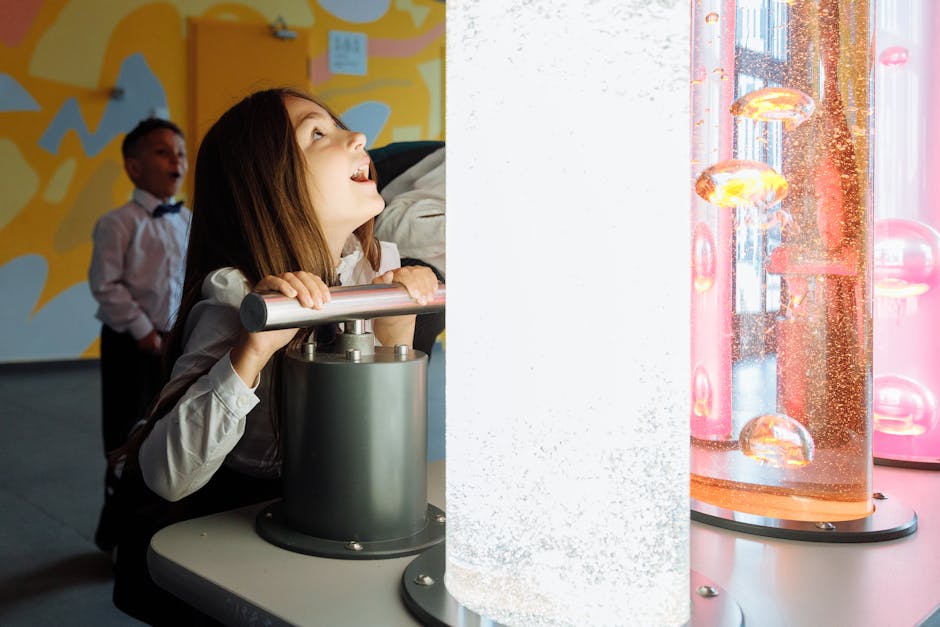
    children exploring science museum interactive exhibit family learning

    Why Educational Travel Actually Works (And What the Research Says)

    Here’s something worth chewing on: a 2025 study from the University of Michigan’s Institute for Social Research found that children who participated in at least two educational travel experiences per year scored 23% higher on creative problem-solving assessments compared to peers with no travel experience. More importantly, retention of content learned through hands-on travel was nearly four times greater than classroom-based learning alone.

    The key mechanism here is what educators call embodied cognition — the idea that physical engagement with an environment deepens neural pathways. When your child isn’t just reading about dinosaurs but is actually brushing sediment off a fossil replica, their brain is building a richer, more durable memory network. Travel does what no worksheet can.

    Of course, there’s also the social dimension. Multi-day trips expose kids to diverse communities, unfamiliar languages, and different ways of living — which builds empathy and adaptability, two skills that genuinely matter in 2026’s interconnected world.

    Top Educational Family Travel Destinations Worth Considering in 2026

    Let’s break these down by what kind of learner your child tends to be, because a budding marine biologist and a history-obsessed kid are going to thrive in completely different environments.

    • Washington D.C., USA — Still the gold standard for civic and historical education. The Smithsonian complex alone could absorb a full week. The National Museum of Natural History’s newly expanded Deep Time fossil halls (reopened with VR integration in late 2025) are genuinely spectacular. Best for: history buffs, science enthusiasts, ages 6 and up.
    • Gyeongju, South Korea — Often called Korea’s “open-air museum,” Gyeongju is a UNESCO World Heritage city where ancient Silla Dynasty tombs literally dot the city landscape. Kids can participate in celadon pottery workshops and traditional archery. Best for: culturally curious families, ages 8 and up.
    • Costa Rica — Rainforest ecology, wildlife conservation, and sustainable farming all in one place. Several eco-lodges now run structured learning programs where children work alongside biologists. Best for: nature lovers and future environmentalists, ages 5 and up.
    • Kyoto, Japan — Hands-on workshops in calligraphy, ikebana (flower arranging), and traditional tea ceremony give children a direct line into one of the world’s most nuanced cultures. Best for: artistically inclined kids and families interested in mindfulness, ages 7 and up.
    • London, UK — Beyond the classic attractions, the Natural History Museum’s new interactive Anthropocene Wing (opened early 2026) tackles climate science in age-appropriate, deeply engaging ways. The Science Museum’s interactive galleries remain world-class. Best for: science and history learners of all ages.
    • Jeju Island, South Korea — Volcanic geology, haenyeo (female diver) cultural experiences, and eco-agriculture programs make this island a surprisingly rich educational playground. Best for: science-curious kids and families wanting cultural immersion with beach time, ages 5 and up.
    • Athens, Greece — Walking through the Agora and Acropolis is one thing. But newer family-focused archaeology programs let kids participate in supervised mock digs near the outskirts of the city. Best for: young history enthusiasts and mythology fans, ages 8 and up.

    Domestic vs. International: Thinking Through What Makes Sense for Your Family

    Here’s where we need to get realistic. International educational travel is wonderful, but it comes with real constraints — cost, jet lag, language barriers, and logistical complexity. For families with children under 6, or those working with a tighter budget, domestic options can be just as rich.

    In the United States alone, destinations like the Smithsonian Air and Space Museum’s Udvar-Hazy Center in Virginia, the Children’s Museum of Indianapolis (still the world’s largest), Colonial Williamsburg, and the Monterey Bay Aquarium in California offer genuinely world-class experiential learning without the passport hassle.

    In South Korea, beyond Gyeongju and Jeju, the National Folk Museum of Korea in Seoul runs outstanding family programs in 2026, including seasonal cultural workshops that align with the traditional lunar calendar — remarkably accessible and deeply educational.

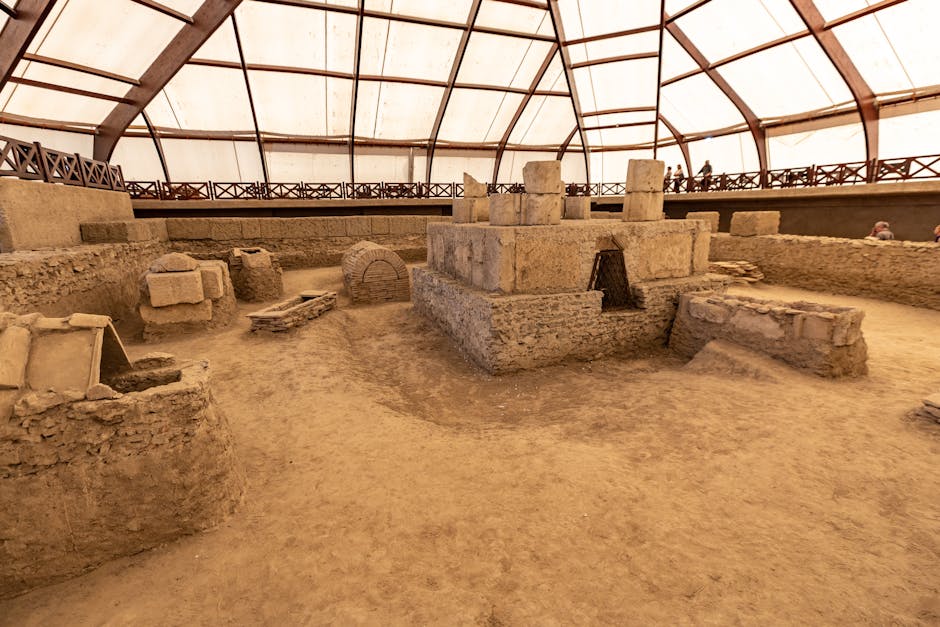
    family travel children outdoor archaeological site learning exploration

    How to Make Any Destination More Educational (Even a Theme Park)

    Here’s the thing — educational travel isn’t just about choosing the “right” destination. It’s about approach. Even a trip to a theme park can become a learning experience if you frame it intentionally. Before the trip, research together. During the trip, ask open-ended questions. After, encourage kids to document what surprised them most.

    Some practical strategies that genuinely work:

    • Let kids plan one activity per day — this builds decision-making and research skills.
    • Buy a blank journal before departure and make it a travel log, not a diary.
    • Download offline language apps and challenge kids to order food in the local language.
    • Visit local markets, not just tourist sites — this is where real cultural learning happens.
    • Talk to locals whenever possible. A brief conversation with a shopkeeper or farmer teaches more than any museum label.

    Budget Realities and Realistic Alternatives for 2026

    Let’s be honest: a full week in Kyoto or Costa Rica isn’t in every family’s budget this year. And that’s completely okay. The principles of educational travel scale down beautifully.

    A day trip to a regional science center, a state park where kids can identify bird species, a local cultural festival — these experiences carry the same cognitive benefits when approached with curiosity and intentionality. In fact, frequency often matters more than grandeur. Six meaningful local experiences across a year may outperform one expensive international trip in terms of sustained learning habits.

    If budget is a genuine constraint, consider: many national museums in the US and Korea offer free family admission days. National Park annual passes (like the America the Beautiful pass in the US) pay for themselves after just two visits. And university-affiliated natural history museums often run excellent family programming for little or no cost.

    Editor’s Comment : The best educational family trip isn’t necessarily the most expensive or the most exotic — it’s the one where your child comes home asking questions they didn’t have before they left. Whether that happens in Athens or at your nearest state park, the goal is the same: sparking a curiosity that outlasts the trip itself. Start small, stay intentional, and trust that kids are absorbing more than they let on. They always are.

    태그: [‘educational family travel’, ‘children experiential learning’, ‘best family travel destinations 2026’, ‘kids learning travel’, ‘family travel Korea’, ‘educational tourism’, ‘hands-on learning for kids’]


    📚 관련된 다른 글도 읽어 보세요

  • 2026년 아이와 함께 가는 체험 학습 여행지 BEST 7 – 놀면서 배우는 교육 여행 완전 정복

    지난 봄, 초등학교 2학년 딸아이를 둔 한 엄마가 이런 말을 했어요. “박물관에 데려갔더니 10분도 안 돼서 ‘언제 가?’를 반복하더라고요.” 아마 많은 부모님들이 공감하실 것 같습니다. ‘교육적인 여행’을 계획했는데 아이는 지루해하고, 결국 테마파크로 발길을 돌린 경험, 한 번쯤은 있으시죠? 그런데 사실 이 두 가지가 꼭 상반될 필요는 없다고 봅니다. 아이가 직접 손으로 만지고, 몸으로 느끼며 배우는 ‘체험 학습 여행’이라면, 교육과 재미를 동시에 잡을 수 있거든요. 2026년 현재, 국내외 교육 여행지는 한층 더 진화했습니다. 오늘은 그 선택지들을 함께 꼼꼼히 살펴볼게요.

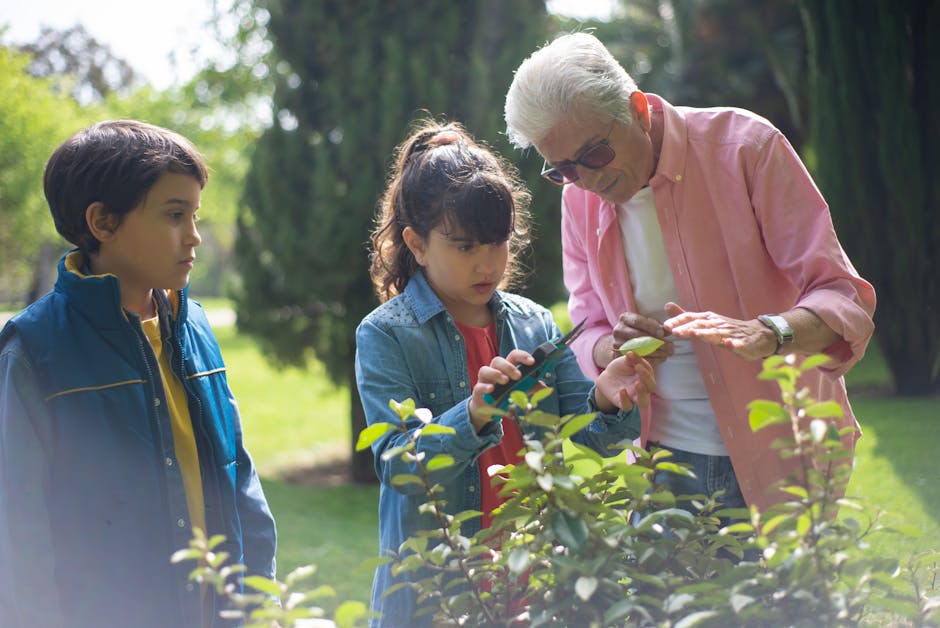
    children family educational travel experience learning Korea outdoor

    📊 체험 학습 여행, 왜 지금 더 주목받고 있을까요?

    한국교육개발원이 2025년 발표한 조사에 따르면, 초등학생 자녀를 둔 부모의 약 73%가 “단순 관광보다 교육적 요소가 포함된 여행을 선호한다”고 응답했어요. 또한 같은 조사에서 체험형 학습을 경험한 아이들은 교과서 중심 학습보다 기억 보유율이 평균 2.3배 높다는 결과도 눈에 띕니다. 이는 ‘경험 기반 학습(Experiential Learning)’이라는 교육학 개념과도 맞닿아 있어요. 미국의 교육학자 데이비드 콜브(David Kolb)가 정립한 이 이론은, 직접 경험 → 성찰 → 개념화 → 실험의 순환이 가장 효과적인 학습을 만들어낸다고 설명합니다.

    2026년 현재 국내 교육 여행 시장 규모는 약 1조 4천억 원을 넘어섰고, 단순 견학 중심에서 STEAM(과학·기술·공학·예술·수학) 융합 체험 콘텐츠로 빠르게 전환 중이라고 봅니다. 가족 여행의 패러다임 자체가 바뀌고 있는 셈이에요.

    🗺️ 국내 체험 학습 여행지 BEST 5

    국내에서도 수준 높은 체험 학습 공간들이 속속 문을 열고 있어요. 아래 다섯 곳은 2026년 현재 실제 방문 후기와 프로그램 내용을 기반으로 선별한 곳들입니다.

    • 국립중앙과학관 (대전) – 2025년 리뉴얼을 마친 이곳은 단순 전시를 넘어, 아이들이 직접 로봇을 코딩하고 3D 프린팅을 체험하는 STEAM 체험존이 대폭 확장됐어요. 특히 초등 3~6학년 눈높이에 딱 맞는 프로그램이 많아서 가족 여행지로 손색이 없다고 봅니다.
    • 국립민속박물관 파주 (경기도) – 파주 헤이리 인근에 위치한 이곳은 전통문화를 단순히 보는 게 아니라, 조선시대 생활을 직접 재현해 보는 ‘시간 여행 체험 프로그램’으로 유명해요. 아이들이 직접 한복을 입고 서당 수업을 받는 경험은 꽤 인상 깊게 남는 것 같습니다.
    • 고성 공룡박물관 & 공룡 발자국 화석지 (경남) – 교과서에서만 보던 공룡 발자국 화석을 실제로 밟아볼 수 있는 곳이에요. 2026년 현재 AR(증강현실) 투어 앱이 연동되어, 스마트폰 화면으로 공룡이 살아 움직이는 장면을 체험할 수 있습니다.
    • 국립해양박물관 (부산) – 부산 영도에 위치한 이 박물관은 바다와 해양 생태계를 주제로 한 체험이 가득해요. 수조 속 생물 관찰, 선박 시뮬레이터 탑승 등은 아이들에게 해양 과학에 대한 흥미를 심어주기에 좋다고 봅니다.
    • 순천만 국가정원 & 순천만 습지 (전남) – 생태 환경 교육의 정수라고 할 수 있는 곳이에요. 갈대밭 탐방로를 걸으며 철새와 갯벌 생태계를 관찰하는 경험은, 기후변화와 환경을 주제로 하는 2026 교육과정과도 자연스럽게 연결됩니다.

    ✈️ 해외 사례 – 교육 여행의 글로벌 트렌드

    해외로 눈을 돌려보면, 교육 여행은 이미 훨씬 더 정교하게 설계되어 있어요.

    일본 도쿄 – 모리파크 by 팀랩(teamLab Planets)은 디지털 아트와 과학을 접목한 몰입형 체험 공간으로, 단순히 예쁜 사진을 찍는 곳을 넘어 ‘빛과 물리의 원리’를 시각적으로 체득하게 해준다는 평가를 받고 있어요. 2026년 현재 팀랩은 도쿄에만 3개의 상설관을 운영 중입니다.

    영국 런던 – 자연사박물관(Natural History Museum)은 입장료가 무료임에도 불구하고 연간 방문객이 500만 명을 넘는 세계 최고 수준의 교육 여행지예요. 특히 ‘다윈 센터’의 투명 유리 사이언스 코쿤(Cocoon) 투어는 실제 과학자들의 연구 현장을 아이들이 직접 목격하는 구조로 설계되어 있어, 과학을 직업으로 꿈꾸는 계기가 되는 경우도 많다고 합니다.

    싱가포르 – 사이언스 센터 싱가포르(Science Centre Singapore)는 한국 가족 여행객들에게도 점점 인기를 얻고 있는 곳이에요. 1,000개 이상의 인터랙티브 전시물과, 아이들이 직접 실험에 참여하는 ‘핸즈온 랩’ 프로그램은 놀이와 학습의 경계를 완전히 허문다는 느낌을 줍니다.

    children hands-on science museum interactive learning family travel Asia

    🎒 체험 학습 여행, 이렇게 준비하면 더 효과적이에요

    • 사전 예습을 함께 해보세요. 여행 전 관련 책 한 권, 유튜브 영상 하나를 같이 보는 것만으로도 현장에서 아이의 집중도가 확연히 달라진다고 봅니다.
    • 여행 일지(여행 다이어리)를 작성하게 해보세요. 아이가 직접 그림이나 글로 기록하면 경험이 장기 기억으로 전환되는 효과가 있어요. 이것 자체가 훌륭한 포트폴리오가 되기도 합니다.
    • 아이 주도로 코스를 짜게 해보세요. 부모가 다 짜주는 여행보다, 아이가 지도 앱을 보며 동선을 고르는 과정 자체가 공간 인지 능력과 자기결정력을 키워줍니다.
    • 체험 후 ‘질문’으로 마무리하세요. “오늘 가장 신기했던 게 뭐야?”, “왜 그런 것 같아?” 같은 열린 질문 하나가 단순 관람을 진짜 학습으로 바꿔줍니다.
    • 연령별 맞춤 선택이 핵심이에요. 만 5세 이하는 감각 체험 중심, 초등 저학년은 스토리텔링 기반, 고학년은 STEAM·역사 연계 콘텐츠가 적합하다고 봅니다.

    💡 현실적인 대안 – 예산과 일정이 빠듯한 가족을 위한 팁

    해외 교육 여행이 부담스럽거나, 긴 일정을 내기 어려운 분들도 분명 계실 거예요. 그럴 때는 ‘당일 체험 여행’을 주 1~2회 꾸준히 이어가는 방식도 굉장히 유효한 것 같아요. 국립중앙박물관, 국립과천과학관, 지역 생태 공원 등 입장료가 무료이거나 저렴한 곳들을 루틴처럼 방문하는 것만으로도 아이의 지적 호기심 자극에 큰 도움이 된다고 봅니다. 또한 지역 교육청과 도서관에서 운영하는 ‘가족 체험 프로그램’은 2026년 현재 거의 모든 지자체에서 무료 또는 소액으로 운영 중이니, 먼저 가까운 곳부터 탐색해 보시는 걸 추천드려요.


    에디터 코멘트 : 체험 학습 여행의 진짜 목적은 아이를 ‘더 많이 아는 사람’으로 만드는 게 아니라, ‘더 많이 궁금해하는 사람’으로 키우는 데 있다고 생각해요. 거창한 해외 투어가 아니더라도, 아이의 눈높이에서 함께 신기해하고 함께 질문하는 여행이라면 그 어떤 교재보다 값진 배움이 될 거라고 봅니다. 올 봄, 가족과 함께 작은 체험 여행 하나 계획해 보시는 건 어떨까요?

    태그: [‘어린이체험학습여행’, ‘가족교육여행’, ‘아이와가볼만한곳2026’, ‘체험학습여행지추천’, ‘교육여행국내외’, ‘STEAM체험여행’, ‘초등생가족여행’]


    📚 관련된 다른 글도 읽어 보세요