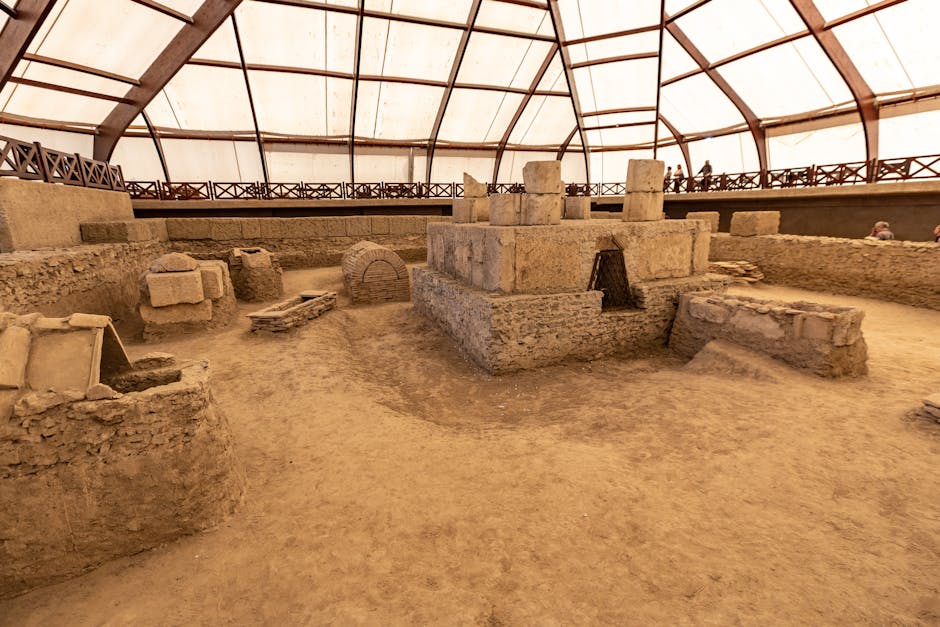
Last summer, I watched a seven-year-old completely ignore her tablet the moment she stepped inside a reconstructed ancient village — her eyes wide, hands reaching out to touch the rough stone walls, asking her dad, “Did real people actually live here?” That single moment of genuine curiosity? That’s worth more than any worksheet or history textbook chapter. And honestly, it’s exactly why planning a history and culture travel experience for your elementary schooler might be one of the best parenting decisions you make this year.
But here’s the thing — not every “historical site” is kid-friendly, and not every family has the budget or time for a two-week international adventure. So let’s think through this together, logically and practically, because the best trip is the one that actually works for your family.
Why History Travel Actually Works for Elementary-Age Kids (Ages 6–12)
Child development research consistently shows that kids in the 6–12 age range are in what psychologists call the “concrete operational stage” — they learn best through tangible, sensory experiences rather than abstract concepts. A 2026 survey by the National Geographic Learning Institute found that children who participate in hands-on cultural travel retain historical knowledge up to 3x longer than those who learn the same content in a traditional classroom setting. That’s not a small margin — that’s a fundamentally different kind of learning.
Here’s what makes a destination genuinely great for elementary kids (rather than just impressive on Instagram):
- Interactive elements: Can they touch, try, or participate — not just look?
- Digestible storytelling: Does the site offer kid-level audio guides, ranger talks, or illustrated materials?
- Physical variety: Is there room to walk, explore, and burn off energy?
- Manageable scale: A massive museum can overwhelm young visitors — smaller, focused sites often win.
- Safety and accessibility: Restrooms, food options, and shaded rest areas matter more than you think mid-trip.
- Proximity to downtime: Kids need balance — a nearby park or beach makes a history day feel like a reward, not a punishment.
Top Domestic Picks (Korea-Based Travelers): Hidden Gems Beyond the Obvious
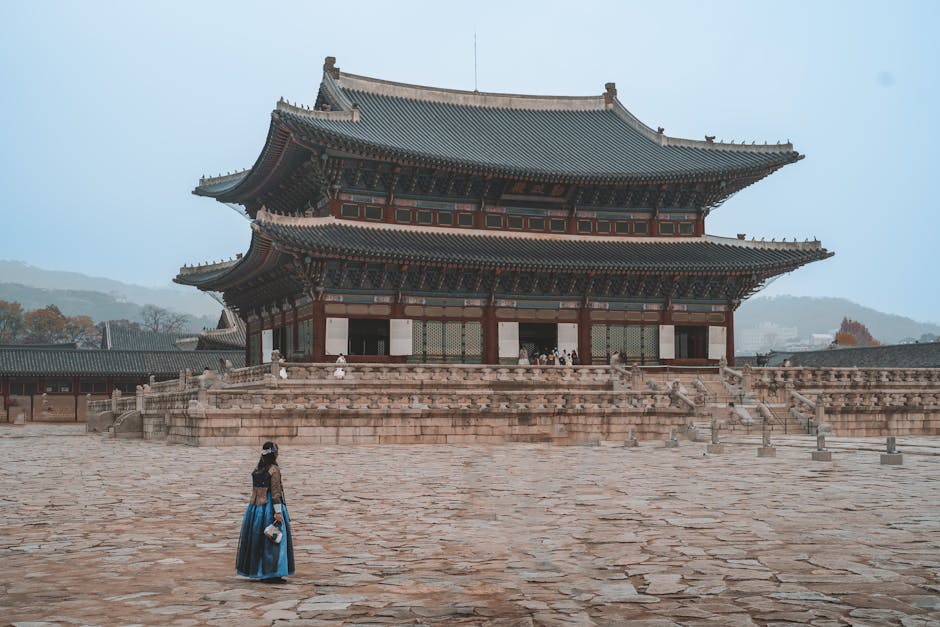
If you’re based in Korea or planning a Korean cultural trip in 2026, the options go well beyond the standard Seoul palace circuit. Yes, Gyeongbokgung Palace remains iconic and genuinely worthwhile — their royal guard-changing ceremony runs daily and kids consistently rank it as a highlight. But let’s look deeper:
Suwon Hwaseong Fortress (수원 화성) is arguably the most underrated family history destination in Korea. A UNESCO World Heritage Site, the fortress offers a circular walking trail that doubles as a playground of watchtowers, secret passages, and cannon demonstrations. The on-site Hwaseong Haenggung palace runs traditional dress-up experiences that elementary kids absolutely love. A full day here feels active, not passive.
Gyeongju (경주), often called “the museum without walls,” is unmatched for sparking curiosity. The burial mounds at Daereungwon — some as tall as small hills — are genuinely mysterious to young visitors. The Cheomseongdae astronomical observatory is the perfect hook for a quick conversation about ancient science. Pair it with a bicycle rental to explore the Bomun Lake area and you’ve got a perfectly balanced day.
For something more immersive, Hahoe Folk Village (하회마을) in Andong offers a living snapshot of Joseon-era village life. The traditional mask dance performances, scheduled on weekends, are theatrical enough to hold any child’s attention — and the concept of “why did people wear masks to tell stories?” opens up surprisingly rich conversations.
International Destinations Worth the Journey in 2026
If you’re planning an international trip and want to maximize the cultural learning value, here are destinations that reliably deliver for elementary-age kids — not just adult travelers:
Kyoto, Japan remains one of the most walkable, sensory-rich history destinations in Asia. The Fushimi Inari torii gate trail is essentially a giant outdoor adventure for kids, and the hands-on experiences at Nishiki Market turn food culture into a live history lesson. In 2026, Kyoto has also expanded its English-language cultural workshop offerings, including kid-specific pottery and calligraphy sessions bookable online in advance.
Rome, Italy can sound daunting, but approached strategically — say, one major site per morning maximum — it’s extraordinary. The Colosseum never fails to captivate kids (gladiators are basically ancient superheroes in their minds). The Vatican Museums now offer a dedicated “Young Explorers” guided route in 2026 that reimagines the art and architecture through storytelling, cutting the visit to a child-appropriate 90 minutes.
Xi’an, China with the Terracotta Army is arguably the single most jaw-dropping history experience available for a child. The scale is incomprehensible in the best way, and the “discovery pit” framing — warriors still being unearthed — makes it feel like a real archaeological mystery unfolding in real time.
Realistic Alternatives: What If You Can’t Travel Far?
Here’s where I want to think practically with you. Not every family can do international flights or even overnight domestic trips. And that’s completely fine — the goal is the experience quality, not the distance traveled. Consider these alternatives that genuinely work:
- Living history museums near you: Many regional cities in Korea have folk villages, traditional craft centers, or colonial-era sites that go undervisited. Check your provincial tourism board’s 2026 “heritage trail” maps — many were updated this year with new family programs.
- One-day “theme deep dives”: Pick a single historical topic (e.g., the invention of Hangul, the Silk Road, ancient Egypt) and combine a local museum visit with cooking a relevant dish at home that evening. The combination cements memory far better than either activity alone.
- Cultural festivals as micro-immersions: Korea’s 2026 cultural festival calendar is packed. The Andong Maskdance Festival (October), the Jeonju Bibimbap Festival, and the Boryeong Mud Festival all offer cultural depth wrapped in accessible, fun formats.
- Virtual + physical hybrid learning: Pair a virtual tour (the Smithsonian and British Museum both offer excellent free digital experiences) with a hands-on craft project. Build a paper version of the Colosseum, then plan to visit it “someday” — the anticipation itself becomes educational.
Pre-Trip Prep: The Secret Ingredient Most Parents Skip
One pattern I’ve noticed consistently among families who report amazing trips versus those who felt dragged through museums: preparation depth. Not hours of studying — just 20 minutes of targeted curiosity-building before you go. Watch a 5-minute YouTube explainer together. Read one picture book set in the destination. Let your child pick one thing they specifically want to find or see at the site. That ownership transforms the experience from passive to personal.
Editor’s Comment : The magic of history travel with elementary kids isn’t about delivering a perfect educational curriculum — it’s about creating the conditions for genuine wonder. A child who asks “Did real people actually live here?” has already learned something that no test can measure. Whether you’re walking the stone paths of Gyeongju or virtually touring ancient Rome from your living room in 2026, the investment in curiosity always pays compound interest. Start small, stay flexible, and let your kid’s questions lead the way. That’s the real itinerary.
태그: [‘history travel for kids 2026’, ‘elementary school cultural trips’, ‘family travel Korea’, ‘educational travel destinations’, ‘kids history experiences’, ‘cultural learning travel’, ‘family friendly heritage sites’]
📚 관련된 다른 글도 읽어 보세요
- Best Safe & Budget-Friendly Southeast Asia Family Package Tours in 2026: The Ultimate Guide for Stress-Free Travel
- Best Safe & Fun Southeast Asia Family Travel Destinations in 2026: A Practical Guide for Worry-Free Adventures
- Korea’s Hidden Gems in 2026: The Travel Trends Smart Tourists Are Following Right Now
Leave a Reply