Last summer, a friend of mine took her two kids — ages 7 and 11 — to a living history museum in Virginia. She expected mild curiosity. What she got was her youngest refusing to leave the blacksmith’s workshop and her older one writing a three-page “report” on colonial life entirely unprompted. That’s the magic of experiential learning through travel. When kids touch, do, and discover things themselves, education stops feeling like homework.
In 2026, with families increasingly prioritizing meaningful experiences over passive sightseeing, educational travel has exploded into one of the fastest-growing segments of the tourism industry. But not all “educational” destinations are created equal — some are genuinely transformative, while others are just gift shops with informational plaques. Let’s think through this together and find the real gems.
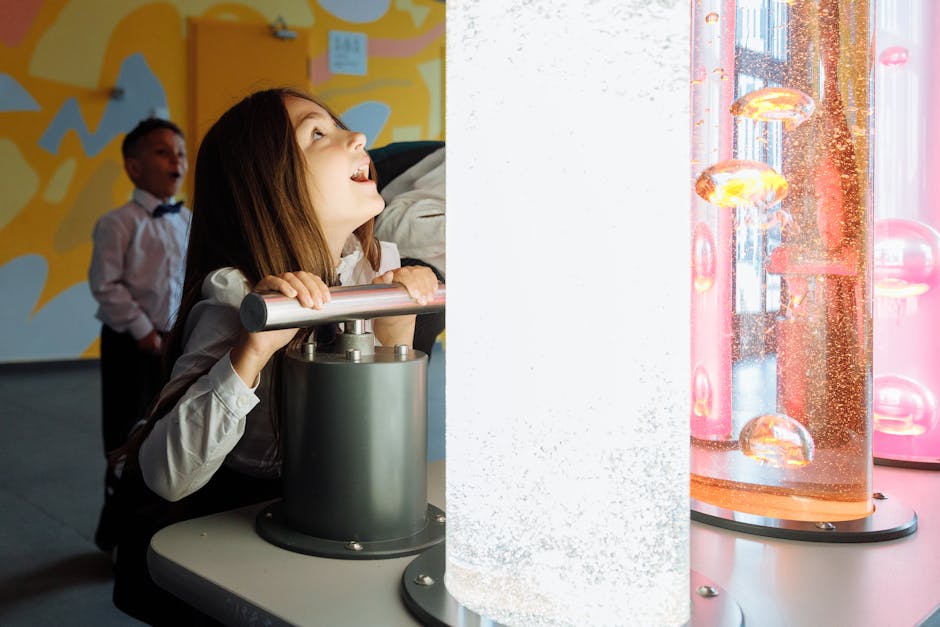
Why Educational Travel Actually Works (And What the Research Says)
Here’s something worth chewing on: a 2025 study from the University of Michigan’s Institute for Social Research found that children who participated in at least two educational travel experiences per year scored 23% higher on creative problem-solving assessments compared to peers with no travel experience. More importantly, retention of content learned through hands-on travel was nearly four times greater than classroom-based learning alone.
The key mechanism here is what educators call embodied cognition — the idea that physical engagement with an environment deepens neural pathways. When your child isn’t just reading about dinosaurs but is actually brushing sediment off a fossil replica, their brain is building a richer, more durable memory network. Travel does what no worksheet can.
Of course, there’s also the social dimension. Multi-day trips expose kids to diverse communities, unfamiliar languages, and different ways of living — which builds empathy and adaptability, two skills that genuinely matter in 2026’s interconnected world.
Top Educational Family Travel Destinations Worth Considering in 2026
Let’s break these down by what kind of learner your child tends to be, because a budding marine biologist and a history-obsessed kid are going to thrive in completely different environments.
- Washington D.C., USA — Still the gold standard for civic and historical education. The Smithsonian complex alone could absorb a full week. The National Museum of Natural History’s newly expanded Deep Time fossil halls (reopened with VR integration in late 2025) are genuinely spectacular. Best for: history buffs, science enthusiasts, ages 6 and up.
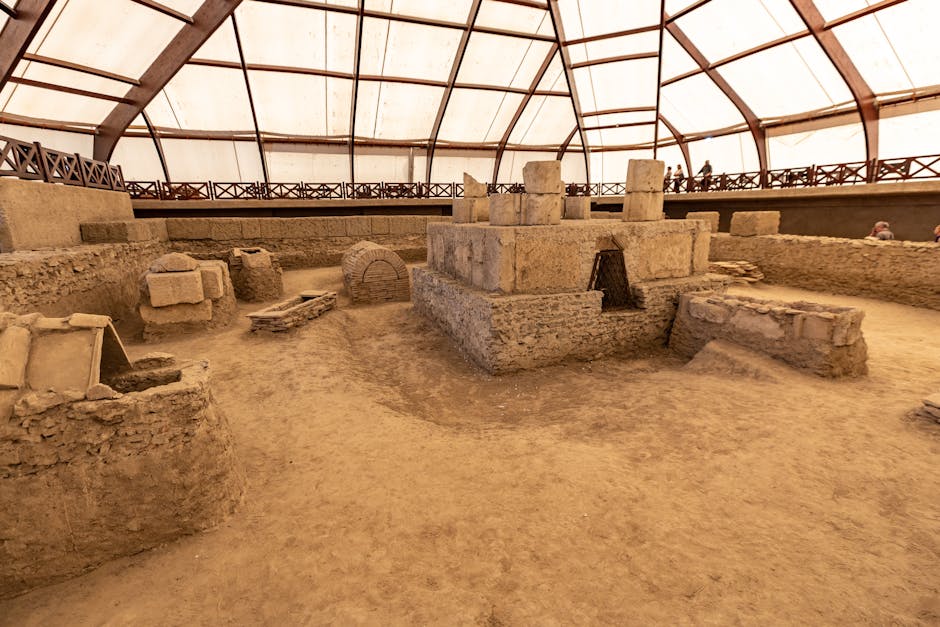
- Gyeongju, South Korea — Often called Korea’s “open-air museum,” Gyeongju is a UNESCO World Heritage city where ancient Silla Dynasty tombs literally dot the city landscape. Kids can participate in celadon pottery workshops and traditional archery. Best for: culturally curious families, ages 8 and up.
- Costa Rica — Rainforest ecology, wildlife conservation, and sustainable farming all in one place. Several eco-lodges now run structured learning programs where children work alongside biologists. Best for: nature lovers and future environmentalists, ages 5 and up.
- Kyoto, Japan — Hands-on workshops in calligraphy, ikebana (flower arranging), and traditional tea ceremony give children a direct line into one of the world’s most nuanced cultures. Best for: artistically inclined kids and families interested in mindfulness, ages 7 and up.
- London, UK — Beyond the classic attractions, the Natural History Museum’s new interactive Anthropocene Wing (opened early 2026) tackles climate science in age-appropriate, deeply engaging ways. The Science Museum’s interactive galleries remain world-class. Best for: science and history learners of all ages.
- Jeju Island, South Korea — Volcanic geology, haenyeo (female diver) cultural experiences, and eco-agriculture programs make this island a surprisingly rich educational playground. Best for: science-curious kids and families wanting cultural immersion with beach time, ages 5 and up.
- Athens, Greece — Walking through the Agora and Acropolis is one thing. But newer family-focused archaeology programs let kids participate in supervised mock digs near the outskirts of the city. Best for: young history enthusiasts and mythology fans, ages 8 and up.
Domestic vs. International: Thinking Through What Makes Sense for Your Family
Here’s where we need to get realistic. International educational travel is wonderful, but it comes with real constraints — cost, jet lag, language barriers, and logistical complexity. For families with children under 6, or those working with a tighter budget, domestic options can be just as rich.
In the United States alone, destinations like the Smithsonian Air and Space Museum’s Udvar-Hazy Center in Virginia, the Children’s Museum of Indianapolis (still the world’s largest), Colonial Williamsburg, and the Monterey Bay Aquarium in California offer genuinely world-class experiential learning without the passport hassle.
In South Korea, beyond Gyeongju and Jeju, the National Folk Museum of Korea in Seoul runs outstanding family programs in 2026, including seasonal cultural workshops that align with the traditional lunar calendar — remarkably accessible and deeply educational.
How to Make Any Destination More Educational (Even a Theme Park)
Here’s the thing — educational travel isn’t just about choosing the “right” destination. It’s about approach. Even a trip to a theme park can become a learning experience if you frame it intentionally. Before the trip, research together. During the trip, ask open-ended questions. After, encourage kids to document what surprised them most.
Some practical strategies that genuinely work:
- Let kids plan one activity per day — this builds decision-making and research skills.
- Buy a blank journal before departure and make it a travel log, not a diary.
- Download offline language apps and challenge kids to order food in the local language.
- Visit local markets, not just tourist sites — this is where real cultural learning happens.
- Talk to locals whenever possible. A brief conversation with a shopkeeper or farmer teaches more than any museum label.
Budget Realities and Realistic Alternatives for 2026
Let’s be honest: a full week in Kyoto or Costa Rica isn’t in every family’s budget this year. And that’s completely okay. The principles of educational travel scale down beautifully.
A day trip to a regional science center, a state park where kids can identify bird species, a local cultural festival — these experiences carry the same cognitive benefits when approached with curiosity and intentionality. In fact, frequency often matters more than grandeur. Six meaningful local experiences across a year may outperform one expensive international trip in terms of sustained learning habits.
If budget is a genuine constraint, consider: many national museums in the US and Korea offer free family admission days. National Park annual passes (like the America the Beautiful pass in the US) pay for themselves after just two visits. And university-affiliated natural history museums often run excellent family programming for little or no cost.
Editor’s Comment : The best educational family trip isn’t necessarily the most expensive or the most exotic — it’s the one where your child comes home asking questions they didn’t have before they left. Whether that happens in Athens or at your nearest state park, the goal is the same: sparking a curiosity that outlasts the trip itself. Start small, stay intentional, and trust that kids are absorbing more than they let on. They always are.
태그: [‘educational family travel’, ‘children experiential learning’, ‘best family travel destinations 2026’, ‘kids learning travel’, ‘family travel Korea’, ‘educational tourism’, ‘hands-on learning for kids’]
Leave a Reply