It started with a cancelled flight to Bali and a stubborn refusal to just stay home. Back in early 2026, I found myself with a week off work, a half-packed suitcase, and absolutely zero international travel plans. A friend offhandedly mentioned a coastal village in South Korea she’d stumbled upon while driving — no Instagram posts, no tourist signs, just a quiet harbor and the best grilled mackerel she’d ever eaten. That throwaway comment sent me down a rabbit hole that completely rewired how I think about domestic travel.
What followed was a two-week solo road trip across Korea’s lesser-known corners — and honestly? It humbled me. I’d been chasing passport stamps for years while some of the most quietly spectacular places in the country sat untouched, just a few hours away. So let’s think through this together: why do we overlook domestic hidden gems, and what’s actually waiting for us when we finally show up?
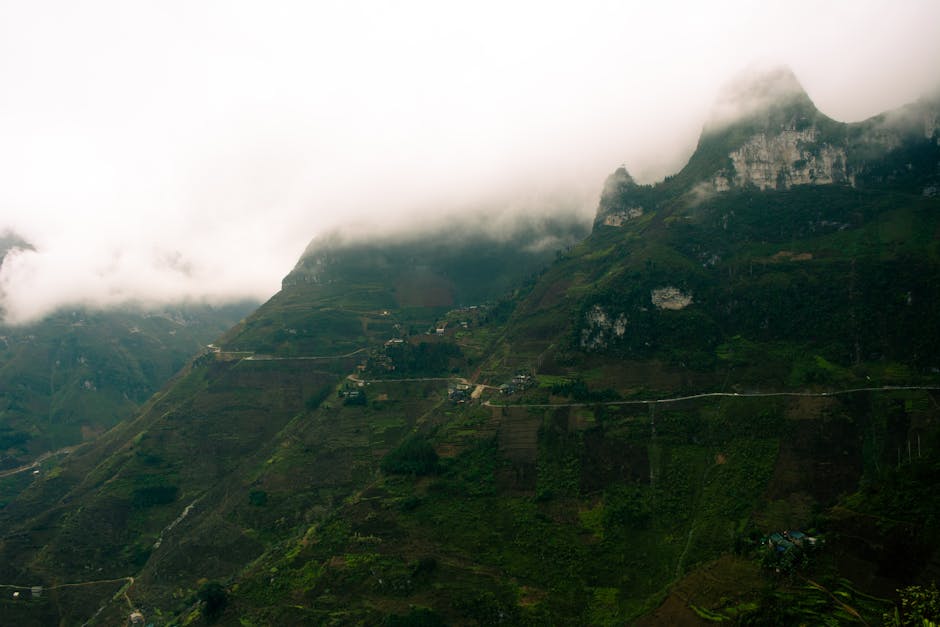
Why ‘Secret’ Travel Spots Are Having a Moment in 2026
There’s a measurable shift happening in how Koreans — and global travelers visiting Korea — are choosing their destinations. According to the Korea Tourism Organization’s 2026 Travel Trend Index, searches for “비밀 여행지” (secret travel spots) and “숨겨진 명소” (hidden attractions) increased by 43% year-over-year compared to 2025 data. Meanwhile, overtourism fatigue is real: Jeju Island reported a 12% decline in repeat visitors in 2026 Q1, with many citing overcrowding and commercialization as key reasons.
This doesn’t mean mainstream spots are bad — it just means the travel ecosystem is diversifying, and that’s genuinely exciting for explorers willing to do a little more legwork.
The 5 Spots I Actually Visited (And What I Really Found)
Let me be honest with you here — not every “secret” spot lives up to its hype. Some are hidden for good reason. But these five genuinely earned their place on my list:
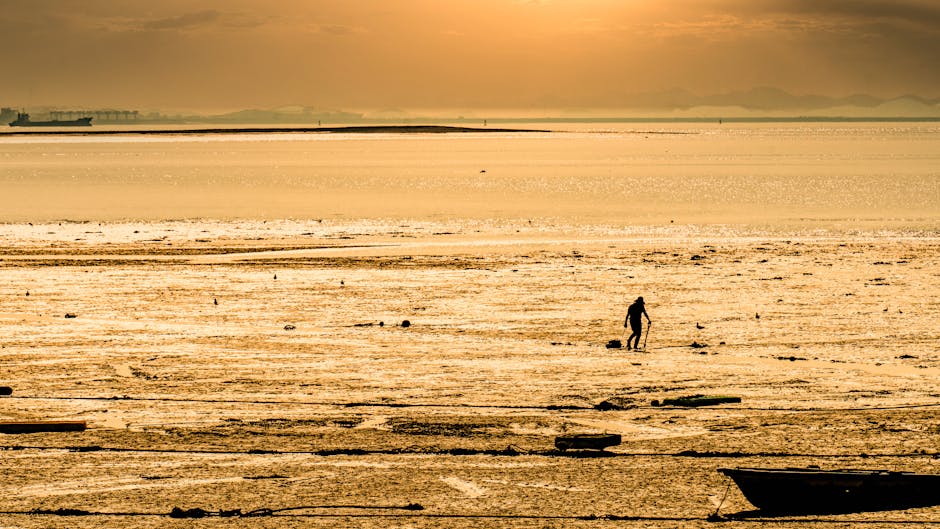
- Gijipo Beach, South Chungcheong Province: A wide, shallow tidal flat that turns into a mirror at sunset. Zero beach umbrellas for rent, one small pojangmacha (street food stall), and the kind of silence that makes you realize you’ve been holding your breath for months. Best visited on weekdays — even in 2026, weekends draw a modest but noticeable local crowd.
- Mureung Valley (무릉계곡), Gangwon Province: Technically not brand new to the map, but criminally undervisited compared to Seoraksan. The layered rock formations along the valley floor look almost architectural. I hiked here on a Tuesday in February and had entire sections entirely to myself.
- Upo Wetlands surrounding villages, South Gyeongsang: Most visitors photograph the wetlands and leave. The rice farming villages within a 5km radius operate on their own quiet rhythm — small family-run guesthouses, home-cooked meals, and locals genuinely surprised (in a good way) to see a tourist.
- Goheung Archipelago, South Jeolla: Think Tongyeong before it became trendy. Ferry connections are limited, which keeps the crowd naturally thin. The seafood cooperative near the main dock sells directly to visitors — the sea urchin bibimbap alone justifies the trip.
- Taebaek Highlands in Late Winter: Taebaek gets attention for its snow festival in January, but the period just after — late February through March — is strangely magical. Snow lingers on the highland roads while the lower elevations have already thawed. You get a dual-season landscape that feels almost cinematic.
Lessons From International Hidden Gem Culture
Korea isn’t alone in rediscovering its own backyard. Japan’s “Ura-Nihon” (裏日本, or “back of Japan”) travel movement has been growing since 2023, encouraging travelers to explore the Sea of Japan coastline — regions like Tottori and Shimane that were historically overlooked in favor of the Pacific side. By 2026, several of those prefectures report tourism revenue increases of 20–30% with significantly lower infrastructure strain than places like Kyoto.
Portugal offers another compelling comparison: the Alentejo region was virtually unknown to international tourists a decade ago. Deliberate low-key promotion, authentic agritourism infrastructure, and word-of-mouth built a sustainable travel economy there without triggering the same backlash Lisbon or Porto now face.
The common thread? These places thrived because they were discovered gradually and authentically — not blasted across social media all at once. That’s worth thinking about before you post that geotag.
Practical Realities: What You Need Before You Go
Here’s the part most travel blogs skip — the logistical honesty. Hidden spots in Korea often mean:
- Limited public transit: Many of these locations require a rental car or taxi from the nearest KTX or intercity bus stop. Budget extra time and money for this.
- Fewer English resources: Naver Maps is genuinely more reliable than Google Maps for rural Korea. Download it before you leave the city.
- Accommodation scarcity: Booking 1–2 weeks in advance is wise, especially for minbak (민박, family guesthouses). Don’t assume there will be options when you arrive.
- Weather sensitivity: Many coastal and highland spots have narrow windows of ideal visiting conditions. Check hyper-local weather, not just the nearest city forecast.
- Cash dependency: Smaller villages still operate primarily on cash transactions. ATMs may be 20–30 minutes away.
The Ethical Dimension: Should You Even Share These Places?
This is something I genuinely wrestled with while writing this post. There’s a real tension between sharing discovery and preserving what makes a place special. My honest take: share the experience and feeling more than the precise GPS coordinates. Inspire people to seek rather than herd them toward a specific spot. The travel community in 2026 is sophisticated enough to handle nuance — let’s use that.
Realistic Alternatives If These Spots Feel Too Remote
Not everyone can rent a car and disappear for two weeks — and that’s completely valid. If you want the “hidden gem” feeling without the logistical complexity, here are some genuinely accessible alternatives:
- Iksan, North Jeolla: A mid-sized city with excellent Baekje-era archaeological sites, almost no tourist crowds, and surprisingly good café culture developing around the old downtown.
- Chuncheon’s outer neighborhoods: Skip the Dakgalbi tourist street and walk 20 minutes to the lakeshore paths — a completely different, quieter city reveals itself.
- Gyeongju’s western villages: Most tourists cluster around the tumuli park and Bulguksa. The western edge of Gyeongju has royal tomb sites scattered through rice fields with almost no visitor infrastructure — which is the whole point.
The underlying principle is the same whether you’re going full off-grid or just stepping one block off the main tourist strip: slow down, look sideways, and resist the pull toward whatever has the most reviews.
Korea in 2026 is a country that rewards the curious. Its most interesting layers aren’t on the first page of search results — and that’s precisely what makes finding them feel like something worth writing home about.
Editor’s Comment : The best travel experiences rarely come from the most-pinned destinations — they come from a willingness to accept a little inconvenience in exchange for something genuine. If this post nudges even one reader to skip the obvious choice and take a slower, quieter road through somewhere unexpected, that’s exactly the point. Travel isn’t just about where you go — it’s about the quality of attention you bring when you get there.
태그: [‘hidden gems Korea 2026’, ‘secret travel spots Korea’, ‘domestic travel Korea’, ‘off the beaten path Korea’, ‘Korean hidden destinations’, ‘slow travel Korea’, ‘underrated Korean travel spots’]
Leave a Reply