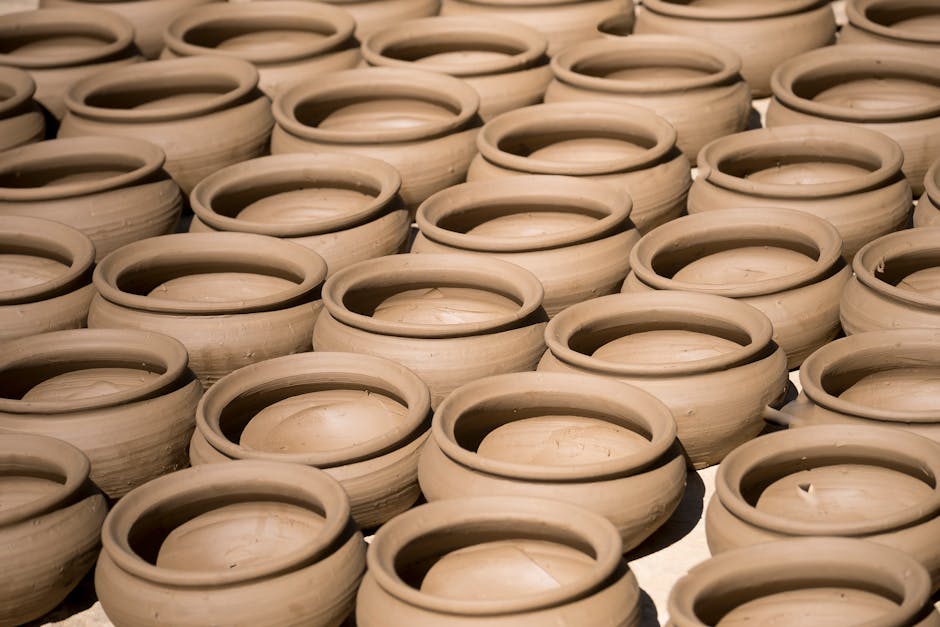
A friend of mine — a seasoned solo traveler who has visited South Korea four times — called me last month completely puzzled. She had just returned from Seoul and said, ‘It felt like I was the only tourist not heading to Gyeongbokgung.’ She had, instead, spent an afternoon wandering the ceramic workshops of Icheon and stumbled into a makgeolli tasting hosted by a third-generation brewer. ‘That,’ she told me, ‘was the real Korea.’ And honestly? She’s onto something that the broader travel world is just starting to catch up to in 2026.
Korea’s tourism landscape has shifted dramatically. The post-Hallyu wave has matured — travelers no longer arrive just to tick off K-drama filming locations or grab a bibimbap photo. In 2026, the most compelling Korean travel stories are being written far from the main stage. Let’s think through what’s actually happening and where the smart opportunities lie.
📊 What the Numbers Tell Us About Korea’s Shifting Tourism in 2026
The Korea Tourism Organization (KTO) reported in early 2026 that inbound tourism has rebounded strongly, with over 18 million international visitors projected for the full year — but here’s the fascinating twist: surveys now show that nearly 43% of repeat visitors deliberately plan itineraries that exclude Seoul’s top-five landmarks entirely.
Search trend data from Naver and Google Korea also reveals explosive growth in terms like ‘지역 투어’ (regional tours), ‘로컬 맛집’ (local eateries), and ‘느린 여행’ (slow travel) — all up by more than 60% compared to 2023 baselines. This isn’t accidental. It reflects a global traveler psychology shift toward depth over breadth, particularly among millennials and Gen Z visitors who spend significantly more per trip when engaged in immersive, community-rooted experiences.
Meanwhile, domestic Korean travelers are pioneering the way. “Staycation Korea” culture has pushed locals into their own backyard discoveries — and international visitors following Korean travel influencers on Instagram and TikTok are inheriting those recommendations organically.
🗺️ The Hidden Gem Regions Defining 2026 Korean Travel Trends
Let’s break down the actual destinations that are generating quiet buzz this year — each offering something the tourist trail hasn’t commodified yet.
- Yeongdeok, North Gyeongsang Province: Famous among Koreans for its snow crab (daege), Yeongdeok is now drawing international food tourists who want a seafood experience without the Busan crowds. The coastal cliffs here also rival anything you’d find on a postcard.
- Gochang, North Jeolla Province: A UNESCO Biosphere Reserve with prehistoric dolmen sites, mulberry fields, and perhaps the most underrated gochujang (red pepper paste) tasting culture in the country. Small-batch fermentation workshops here book out weeks in advance in 2026.
- Yanggu, Gangwon Province: Known as the “navel of Korea” for its geographic centrality, Yanggu offers DMZ-adjacent hiking trails that are atmospheric in a way no curated DMZ tour can replicate. The punchbowl crater (Haean Basin) is genuinely jaw-dropping.
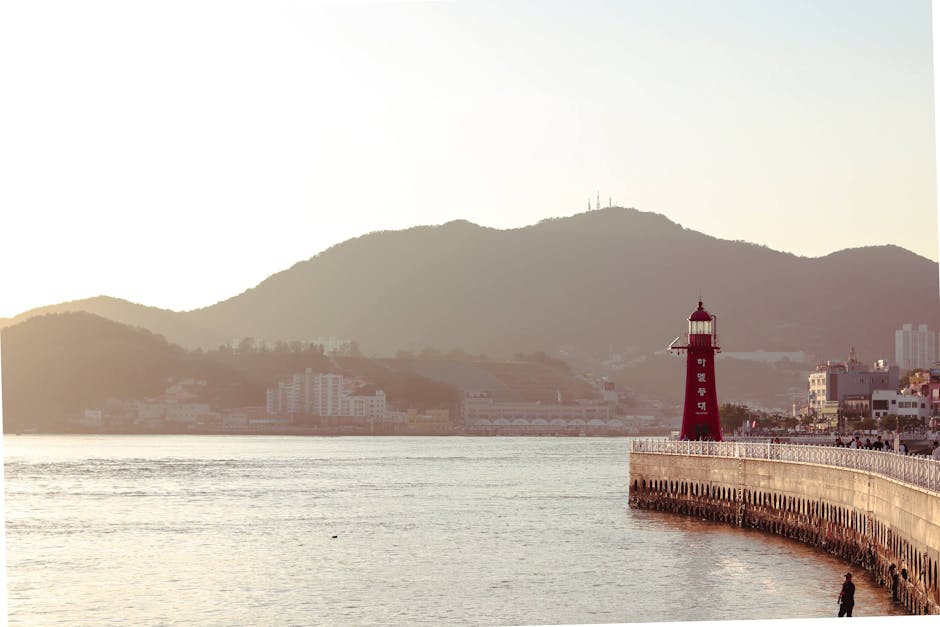
- Tongyeong, South Gyeongsang Province: Called the “Naples of Korea” by locals, Tongyeong’s island-dotted harbor, oyster culture, and the Yungdo cable car experience make it a slow-travel paradise. Artists have quietly colonized the hillside alleys here for decades.
- Namhae, South Gyeongsang Province: The German Village (Dogil Maeul) sounds like a quirky novelty, but Namhae’s real draw is its terraced garlic farms, fishing villages, and the kind of coastline that makes you genuinely reconsider your life choices — in the best way.
- Jeongseon, Gangwon Province: Home to one of Korea’s last traditional five-day markets and stunning limestone canyon scenery at Auraji, Jeongseon rewards travelers willing to take the train a little further than Pyeongchang.
🌍 How International Travelers Are Actually Discovering These Places
It’s worth looking at how both domestic and international examples illustrate this shift. Japan’s Satoyama (rural landscape) tourism boom of the early 2020s is a near-perfect blueprint for what Korea is experiencing in 2026. Just as travelers began flocking to Kanazawa, Takayama, and the Noto Peninsula rather than Kyoto and Tokyo, Korea’s secondary cities and rural provinces are now positioned as the “authentic alternative.”
American travel publication Condé Nast Traveler included Tongyeong on its 2026 “Places to Go” shortlist — a meaningful indicator since its recommendations typically lead to a 15–20% uptick in international bookings within months. Meanwhile, Korean travel creators on YouTube like those behind popular “Healing Trip Korea” series have racked up millions of views documenting exactly these off-circuit destinations, with comment sections full of international viewers planning trips accordingly.
KTX and KTX-Eum rail expansion in 2025–2026 also plays a huge role here. Several of these hidden-gem cities are now reachable from Seoul in under two hours, removing the logistics barrier that previously kept casual travelers away.
💡 Realistic Alternatives Based on Your Travel Style
Now, let’s be practical — because “go off the beaten path” is easy advice that ignores real constraints. Here’s how to think through your options:
- If you only have 5–7 days: Don’t abandon Seoul entirely. Instead, use it as a base for one or two day-trip detours. Icheon (ceramics + rice) and Yangpyeong (riverside slow-life) are both under 90 minutes from Gangnam by bus and offer dramatically different textures without demanding a full itinerary overhaul.
- If you have 10–14 days: Build a “Seoul + one deep regional focus” structure. Pair Seoul with either the Jeolla region (Gochang + Jeonju + Suncheon) for food and history depth, or the South Gyeongsang coast (Tongyeong + Namhae + Geoje) for scenery and seafood immersion. Both corridors have solid accommodation infrastructure now.
- If you’re a repeat visitor: Go full regional. Pick one province, rent a car or get a regional rail pass, and commit. Gangwon Province alone — from Sokcho down to Jeongseon — could absorb three weeks of genuine exploration in 2026.
- If budget is tight: Regional Korea is actually more affordable. Guesthouses and hanok stays in Jeongseon or Gochang run 30–50% cheaper than equivalent Seoul accommodations, and local markets mean food costs drop significantly.
- If you’re traveling with kids or older family members: Namhae and Tongyeong have excellent walkable waterfronts, fresh seafood restaurants with simple menus, and low-intensity nature experiences that work across generations.
⚠️ One Honest Caveat
Here’s something worth thinking through together: the very act of writing about hidden gems risks accelerating their transformation into crowded destinations. Gochang’s fermentation workshops, for example, are genuinely small-batch and community-run — if international demand spikes too fast, the authenticity that makes them special could erode. The travel community increasingly calls this the “Instagram effect” on fragile local economies.
The responsible move? Book directly with local operators where possible, travel in shoulder seasons (April–May and October–November are ideal in Korea), and engage with local guides rather than mass-tour operators. Your money, routed thoughtfully, becomes part of what keeps these places worth visiting.
Editor’s Comment : Korea in 2026 isn’t hiding its gems — it’s just that most tourists haven’t looked up from the standard itinerary long enough to spot them. The real opportunity isn’t about being contrarian for its own sake; it’s about matching your curiosity to places that still have room for it. Whether you’ve got five days or five weeks, there’s a version of Korea that will quietly rearrange your understanding of what travel can actually feel like. Start with one detour. See what happens.
태그: [‘Korea hidden gems 2026’, ‘South Korea travel trends 2026’, ‘off the beaten path Korea’, ‘Korean slow travel’, ‘Tongyeong travel guide’, ‘Gochang tourism Korea’, ‘Korea regional travel tips’]
Leave a Reply