Category: Uncategorized

  • Best Family Travel Packages for Elementary-Age Kids in 2026: A Honest Comparison Guide

    Last spring, my neighbor Sarah came to me completely overwhelmed. She had three kids in elementary school, a two-week vacation window, and a spreadsheet with 47 different travel packages she’d collected from various agencies. “I don’t even know what I’m comparing anymore,” she laughed — but I could tell she wasn’t really laughing. Sound familiar?

    Choosing a family travel package when you have elementary-school-age children (roughly ages 6–12) is genuinely one of the trickiest travel planning puzzles out there. Kids this age are no longer toddlers who sleep through everything, but they’re not teenagers who can handle a 14-hour flight to Europe without complaint either. They’re curious, energetic, opinionated, and — here’s the real challenge — wildly different from one another. So let’s think through this together, because there’s actually a smart, structured way to compare your options.

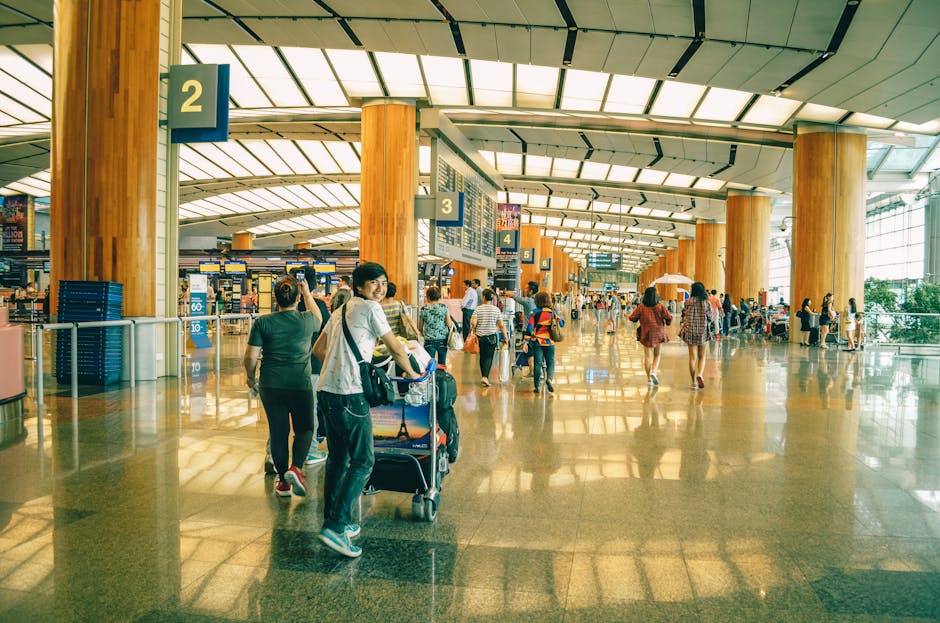
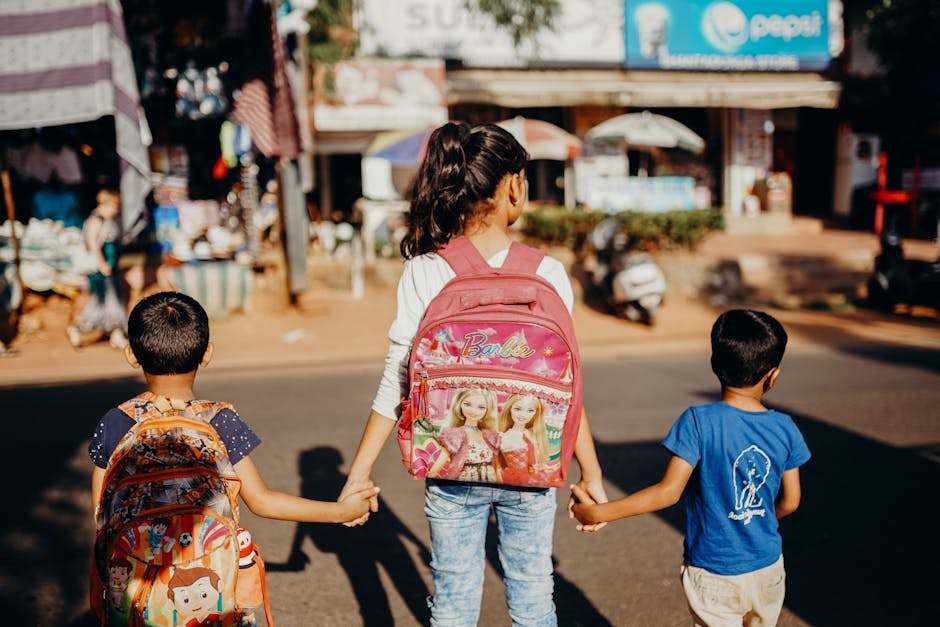
    family travel package comparison, parents with elementary school kids at airport 2026

    Why Family Packages for Elementary Kids Are a Unique Category

    Before we dive into comparisons, it’s worth understanding why this age group deserves its own analysis. According to the 2026 Global Family Travel Index published by Virtuoso, families with children aged 6–12 now represent the fastest-growing segment of packaged leisure travel, growing 18% year-over-year. Travel agencies have responded — but not always in the most parent-friendly ways.

    Many packages slap the label “family-friendly” on any itinerary that doesn’t include a casino. What you actually need to evaluate is far more nuanced. Let’s break down the key variables:

    • Activity pacing: Does the itinerary allow for downtime? Elementary kids typically hit a wall after 4–5 hours of structured activity.
    • Educational value: Kids this age are in a critical curiosity window. Packages with interactive museum visits, cultural workshops, or nature discovery programs offer far more than passive sightseeing.
    • Accommodation layout: Twin-sharing rooms vs. connecting rooms vs. family suites — this matters enormously for sleep schedules and morning routines.
    • Meal flexibility: Is there a kids’ menu? Are dietary restrictions accommodated? Can you eat at 6pm instead of 8pm?
    • Flight duration and transit: A package might look cheaper on paper but include a 19-hour journey with two layovers. That’s a very different product than a 5-hour direct flight.
    • Group size: Private family tours vs. group packages (often 20–40 people). Group packages are cheaper but surrender flexibility.
    • Child pricing tiers: Most packages define “child” as under 12, but some cap at 10. Always verify the cutoff age.

    Domestic vs. International Package Comparison: Real Numbers in 2026

    Let’s ground this in some actual data. Based on average 2026 Q1 pricing from major platforms including Expedia Family Packages, TUI Family Collection, and regional operators in the U.S., Japan, and Europe, here’s what a 7-night family package (2 adults + 2 elementary-age children) typically costs:

    Domestic U.S. Packages (e.g., Orlando, Yellowstone, National Park Road Trips): $3,200–$6,800 total. Orlando-centric packages remain dominant, but 2026 has seen a notable surge in Pacific Northwest and Southwest nature packages targeting families who want experiential travel over theme park queuing.

    Short-Haul International (Mexico, Canada, Caribbean): $4,500–$9,200 total. Cancún all-inclusive resorts continue to offer strong value — particularly packages from Apple Vacations and Pleasant Holidays that include kids’ clubs staffed with certified activity coordinators.

    Long-Haul International (Japan, Europe, Southeast Asia): $7,800–$18,000+ total. Japan has emerged as a surprising family favorite in 2026, partly due to the yen’s continued accessibility and Japan’s infrastructure being extraordinarily child-safe and navigation-friendly. Several specialized operators like Artisans of Leisure now offer curated Japan family itineraries with hands-on cultural activities specifically designed for the 6–12 age range.

    Case Studies: Packages That Actually Work (and One That Doesn’t)

    ✅ Example 1 — Club Med Phuket Family Package (Thailand): Club Med’s all-inclusive model in 2026 has doubled down on its “Petit Chef” culinary workshops and supervised snorkeling programs for ages 6–11. Parents get genuine free time (2–3 hours per day) while kids are engaged in structured, safe activities. The package includes airport transfers, meals, and entertainment. At approximately $1,200–$1,500 per person for 7 nights (flights not included), it’s mid-range but delivers strong value-per-experience.

    ✅ Example 2 — Rocky Mountaineer Family Rail Journey (Canada): A newer 2026 offering, this 5-day train-based package through the Canadian Rockies has been praised by travel writers at Condé Nast Traveler for its built-in pacing — train travel naturally prevents over-scheduling. Kids old enough to appreciate scenery (typically 8+) reportedly love it. Meals are included onboard, and the visual stimulation of mountains and wildlife keeps engagement high without constant parental entertainment effort.

    ❌ Example 3 — Budget European City-Hopper (3 cities in 7 days): This type of package — often priced attractively around $2,800 per person — looks great until you realize it involves three hotel check-ins, two overnight trains, and an itinerary that starts at 8am daily. For families with elementary kids, this is genuinely exhausting. The value proposition collapses when you factor in the meltdowns, the lost sleep, and the suitcase management across cobblestone streets. Save this format for teenage years.
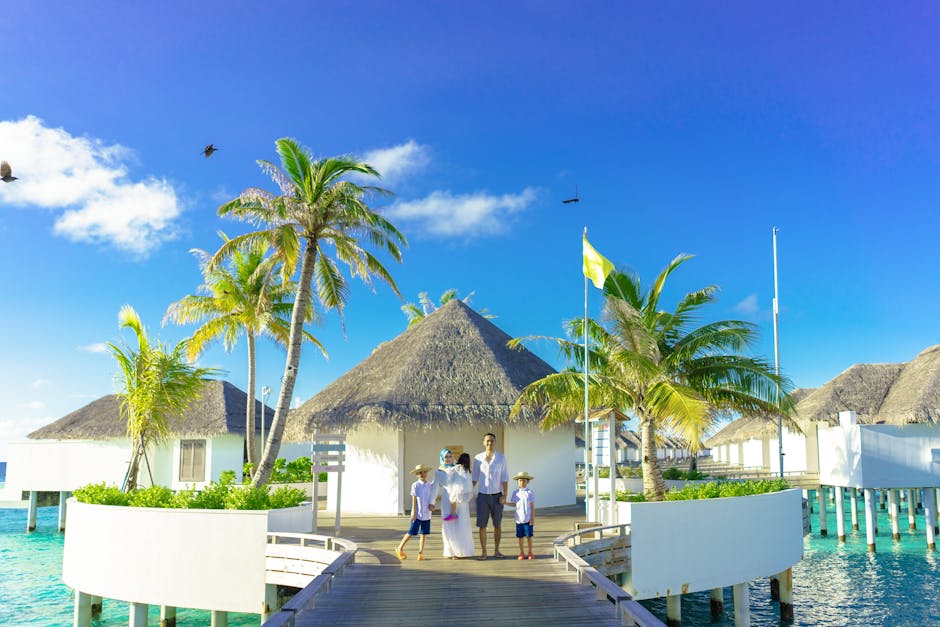
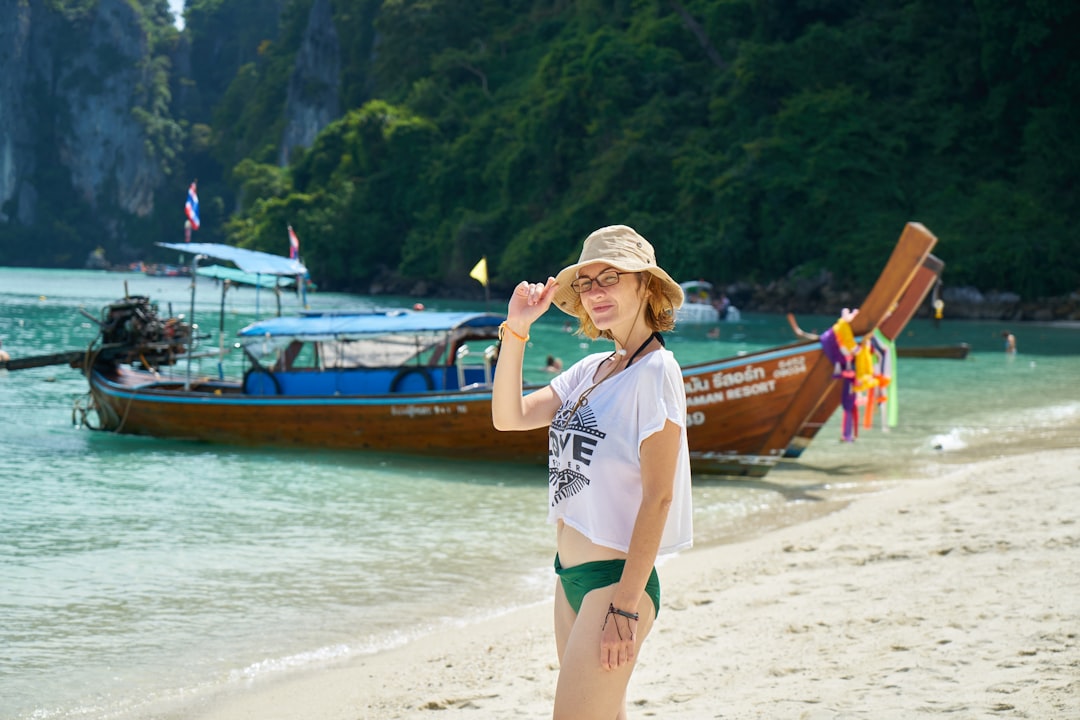
    family resort kids club activities, children snorkeling tropical vacation

    The Comparison Framework: Questions to Ask Before You Book

    Rather than comparing packages by price alone (the most common mistake), try this layered evaluation approach that Sarah — yes, my overwhelmed neighbor — eventually used successfully to book a trip to Costa Rica:

    • “What does a typical day look like?” — Ask your travel agent or read sample itineraries carefully. Count the number of transitions (hotel moves, transportation changes). Fewer is almost always better for families.
    • “What happens if my kid gets sick?” — Does the package include travel insurance? Is there a medical facility nearby? Is the operator responsive 24/7?
    • “Are the kids’ activities supervised or drop-off?” — Drop-off programs (where trained staff take over) give parents real rest. Accompanied programs mean you’re still “on.”
    • “What’s the refund or change policy?” — In 2026, post-pandemic flexibility norms have largely solidified. Most reputable operators offer at least a 30-day change window. If a package doesn’t, that’s a red flag.
    • “Can we see reviews from families with kids our children’s age?” — A resort that’s perfect for toddlers might bore a 10-year-old senseless. Age-matched reviews are gold.

    Realistic Alternatives If Packages Don’t Fit Your Budget or Style

    Packaged travel isn’t for everyone — and that’s completely fine. If you’re finding that the right package either doesn’t exist or exceeds your budget, here are genuinely viable alternatives worth considering in 2026:

    Option A — Vacation Rental + Self-Planned Activities: Platforms like Airbnb and Vrbo have significantly improved their family filter tools in 2026, including searches for fenced yards, game rooms, and proximity to schools or parks. Pair a well-chosen rental with 2–3 pre-booked guided day tours (which you can find on Viator or GetYourGuide), and you often replicate the highlights of a package at 60–70% of the cost.

    Option B — All-Inclusive Resort (Non-Package): Book the resort directly. Many properties — particularly in Mexico and the Dominican Republic — offer better room rates when booked direct vs. through a package intermediary. You lose the bundled flights, but if you’re flexible on travel dates, booking flights separately through Google Flights or Hopper can yield significant savings.

    Option C — Slow Travel + Home Exchange: For families open to a more unconventional approach, home exchange platforms like HomeExchange.com have seen a 34% increase in family registrations in 2026. Staying in someone’s actual home in, say, Portugal or New Zealand for two weeks is both cheaper and more immersive than any packaged tour — and elementary-age kids often thrive in the “living like a local” experience.

    The bottom line is this: the “best” family travel package is the one that matches your specific children’s temperaments, your family’s pace preferences, and your realistic budget — not the one with the glossiest brochure or the most Instagram-worthy destination. Take the time to map your family’s actual travel personality before you compare price tags. You’ll make a smarter decision, and more importantly, you’ll have a much better trip.

    Editor’s Comment : After going through this analysis myself for a family of four with a 7-year-old and a 10-year-old, I ended up booking a slow-paced Costa Rica nature package through a small operator called Horizontes. It wasn’t the cheapest option, but it had flexible daily timing, bilingual nature guides who were trained to engage kids, and a no-rush philosophy built into every day. My kids still talk about the sloth sanctuary. Price matters — but fit matters more. Don’t let a good deal drag your family through a trip that doesn’t suit you.

    태그: [‘family travel packages 2026’, ‘elementary school kids vacation’, ‘best family vacation deals’, ‘family friendly travel comparison’, ‘kids travel packages’, ‘family travel tips’, ‘international family vacation 2026’]
    📚 관련된 다른 글도 읽어 보세요

  • 2026년 초등학생 자녀 가족 여행 패키지 비교 총정리 | 국내외 추천 코스 & 가격 분석

    지난 봄, 초등학교 2학년 딸을 둔 지인이 이런 말을 했어요. “패키지 여행 알아보다가 그냥 집에 있기로 했어.” 이유를 들어보니, 비슷해 보이는 상품들 사이에서 뭐가 다른지 도무지 모르겠고, 가격 차이는 왜 나는지도 불분명하다는 거였죠. 초등학생 자녀가 있는 가정이라면 이 고충, 한 번쯤 공감하실 것 같아요. 아이의 체력과 관심사, 부모의 예산과 일정, 안전까지 동시에 고려해야 하는 가족 여행은 솔직히 혼자 떠나는 자유여행보다 훨씬 변수가 많거든요.

    그래서 오늘은 2026년 현재 시장에 나와 있는 초등학생 동반 가족 여행 패키지를 유형별로 나눠 비교해보고, 어떤 기준으로 골라야 후회가 없는지 같이 따져보려 해요.

    family travel package kids elementary school vacation

    📊 2026년 가족 여행 패키지 시장, 지금 어떤 상황인가요?

    한국관광공사 2026년 1분기 발표 자료에 따르면, 가족 단위 패키지 여행 수요는 전년 대비 약 18% 증가했습니다. 특히 초등학생 자녀를 동반한 3~4인 가족 여행 상품의 예약률이 두드러지게 늘었는데, 그 배경에는 아이들의 ‘경험 소비’ 트렌드가 있다고 봅니다. 단순한 관광지 방문보다 체험 활동이 포함된 패키지를 선호하는 경향이 강해진 거예요.

    가격대별로 살펴보면 다음과 같은 구간으로 나뉘는 인 것 같습니다.

    • 국내 패키지 (1박 2일 기준, 4인 가족): 평균 40만~90만 원 선. 제주, 강원, 경남 권역이 주를 이루며 액티비티 포함 여부에 따라 가격 편차가 큼.
    • 단거리 해외 패키지 (일본·베트남·태국, 3박 4일): 4인 기준 180만~380만 원. 항공 포함 여부, 호텔 등급에 따라 최대 2배 이상 차이.
    • 중거리 해외 패키지 (유럽·호주, 7박 8일): 4인 기준 600만~1,200만 원. 아이 동반 특화 프로그램 유무가 핵심 변수.

    단순히 숫자만 보면 국내가 무조건 저렴해 보이지만, 이동 시간 대비 활동 밀도를 따지면 이야기가 달라질 수 있어요. 초등학생, 특히 저학년 아이들은 장시간 이동 자체에서 에너지를 크게 소모하기 때문에 여행 일수보다 ‘이동 시간 대비 체류 시간 비율’을 먼저 확인하는 게 합리적이라고 봅니다.

    🌏 국내외 패키지 유형별 심층 비교

    ① 국내 테마파크 연계형 패키지
    에버랜드, 레고랜드, 가평 대명리조트 등 국내 대형 시설과 연계된 상품은 초등학생 자녀 동반 가족에게 가장 안정적인 선택지라고 봐요. 2026년 기준, 하나투어와 모두투어에서 운영 중인 ‘패밀리 올인클루시브’ 상품은 숙박+식사+입장권을 묶어 개별 구매 대비 평균 15~22% 저렴하게 제공하는 것으로 알려져 있어요. 다만, 성수기(여름방학·설·추석 연휴)에는 같은 상품이 30~40% 할증되는 경우가 많으니 예약 시점이 매우 중요합니다.

    ② 일본·베트남 단거리 해외 패키지
    오사카·후쿠오카·다낭은 여전히 초등학생 동반 해외 여행의 대표 목적지예요. 비행 시간이 2~3시간대라 아이가 기내에서 지치지 않는다는 게 최대 장점이라고 봅니다. 2026년 현재, 베트남 다낭 패키지의 경우 ‘키즈 클럽 포함 리조트형’ 상품이 크게 늘었는데, 아이들이 전문 스태프 케어를 받으며 연령별 프로그램을 즐기는 동안 부모도 휴식을 취할 수 있어 만족도가 높게 나오는 편이에요.

    ③ 유럽 교육 여행형 패키지
    최근 몇 년 사이 ‘교육적 경험’을 내세운 유럽 가족 여행 상품이 눈에 띄게 늘었어요. 영국 자연사박물관, 프랑스 루브르 주니어 투어, 네덜란드 마두로담 등 아이 눈높이에 맞춘 체험 코스가 포함된 상품들이죠. 가격은 높지만 아이들의 역사·과학 교과와 연계되는 경험을 제공한다는 점에서 초등 고학년(4~6학년) 가정에서 특히 선호하는 인 것 같습니다.

    kids resort pool family activity beach vacation

    ✅ 패키지 선택 시 반드시 확인해야 할 체크리스트

    • 아동 요금 기준 명확히 확인: 패키지마다 ‘아동’ 기준이 만 12세 이하, 초등학생 이하 등으로 달라요. 나이 차이 하나로 수십만 원이 달라질 수 있습니다.
    • 쇼핑 코스 포함 여부: 저가 패키지일수록 의무 쇼핑 코스가 포함된 경우가 많아요. 아이와 함께라면 이 시간이 상당한 스트레스가 될 수 있으니 꼭 확인하세요.
    • 호텔 연결 침대 또는 패밀리룸 여부: 4인 가족이 싱글 침대 2개짜리 방에 배정되는 경우가 종종 있어요. ‘패밀리룸 보장’ 문구가 없다면 사전에 직접 확인하는 게 좋습니다.
    • 여행자 보험 아동 특약 포함 여부: 아이의 의료비 보장 한도가 성인과 동일한지, 응급 상황 시 한국어 지원이 가능한지 꼼꼼히 체크하세요.
    • 일정 내 자유 시간 비율: 초등학생 아이들은 예측 불가한 컨디션 변화가 있어요. 빡빡하게 이동만 반복하는 일정보다 체류형 휴식이 포함된 패키지를 고르는 게 현실적이라고 봅니다.
    • 취소/환불 정책: 아이 갑작스러운 발열 등으로 출발 직전 취소해야 할 경우를 대비해 환불 가능 기간과 위약금 조건을 반드시 확인하세요.

    💡 2026년 최신 트렌드: ‘슬로우 패밀리 트래블’의 부상

    2026년 들어 주목할 만한 흐름 하나를 짚어보면, 많은 곳을 돌아다니는 대신 한두 곳에 길게 머무는 ‘슬로우 트래블(Slow Travel)’ 방식이 가족 여행에서도 확산되고 있다는 점이에요. 일주일에 3~4개 도시를 이동하는 방식 대신, 한 도시 또는 한 리조트에 5~7일을 묵으며 현지 생활을 체험하는 형태죠.

    실제로 국내 여행사 투어비스의 2025년 하반기 고객 만족도 조사에서 ‘슬로우 패밀리 트래블’ 상품의 재구매 의향은 78%로, 일반 다지점 패키지(54%)보다 훨씬 높게 나왔다는 점이 인상적이에요. 아이들이 낯선 환경에 적응하는 데 시간이 걸린다는 걸 고려하면, 이 방식이 초등학생 가족에게 더 잘 맞는다는 게 수치로도 드러나는 인 것 같습니다.

    🎯 예산대별 현실적 추천 방향

    • 예산 100만 원 이하 (4인 기준): 국내 강원도 또는 제주 2박 3일 리조트 패키지 추천. 이동 부담 없이 아이 컨디션 관리에 집중할 수 있어요.
    • 예산 150만~300만 원: 일본 오사카 또는 베트남 다낭 3박 4일. 키즈 프로그램 포함 여부로 상품 가치 차이가 크게 나는 구간이에요.
    • 예산 400만 원 이상: 태국 푸켓 또는 발리 5박 이상 리조트 올인클루시브 형태를 고려해볼 만해요. 한 번 이동 후 리조트에서 집중 휴양하는 방식이 오히려 아이에게도, 부모에게도 만족도가 높다는 평이 많습니다.

    에디터 코멘트 : 가족 여행 패키지를 고를 때 가장 쉽게 빠지는 함정이 ‘가격 대비 일정 수’를 기준으로 삼는 거예요. 하지만 초등학생 아이와 함께라면 오히려 기준을 뒤집어야 할 것 같아요. ‘얼마나 많이 보느냐’보다 ‘아이가 얼마나 즐겁게 기억하느냐’가 진짜 여행의 가치니까요. 출발 전 아이와 함께 지도를 펼쳐놓고 가고 싶은 곳을 이야기 나눠보는 것, 그게 가장 좋은 패키지 선택의 출발점이라고 봅니다. 어떤 상품을 고르든, 그 여행이 아이의 기억 속에 오래 남는 따뜻한 조각이 되길 바라요.

    태그: [‘초등학생가족여행’, ‘가족여행패키지비교’, ‘아이와해외여행’, ‘2026가족여행’, ‘패밀리여행패키지’, ‘초등학생여행추천’, ‘가족해외여행패키지’]


    📚 관련된 다른 글도 읽어 보세요

  • Beyond Seoul: 7 Hidden Gems in Gyeonggi-do’s Outskirts You Need to Visit in 2026

    Last autumn, a friend of mine — a seasoned traveler who had backpacked through Southeast Asia twice — confessed something unexpected: she had never ventured beyond Suwon’s Hwaseong Fortress in Gyeonggi-do. ‘I always assumed there was nothing past the usual tourist trail,’ she told me over coffee. Sound familiar? If you’ve been guilty of the same tunnel vision, you’re not alone. Most visitors to the greater Seoul area stick to the well-worn path, completely missing a treasure chest of experiences hiding just an hour or two outside the capital.

    Gyeonggi-do (경기도), which literally wraps around Seoul like a generous embrace, is South Korea’s most populous province — but paradoxically, its outer edges remain blissfully underexplored. In 2026, with domestic travel surging by approximately 18% compared to pre-pandemic baselines (according to the Korea Tourism Organization’s Q1 2026 report), the competition for spots at popular venues is fiercer than ever. That’s exactly why smart travelers are pivoting to the outskirts. Let’s think through this together and map out the hidden gems worth your weekend.

    Gyeonggi-do countryside scenic landscape, Korean rural village autumn

    Why the Outskirts? The Logic Behind Going Off the Beaten Path

    Before we dive into specific locations, it’s worth reasoning through why the outer edges of Gyeonggi-do deserve your attention in 2026 specifically. Three converging trends make this the ideal year to explore:

    • Infrastructure upgrades: The GTX-A line extensions completed in late 2025 have significantly cut travel times to several northern and eastern Gyeonggi counties, making previously inconvenient destinations newly accessible.
    • Overcrowding at main spots: Nami Island now regularly reports 10,000+ daily visitors on weekends. The math simply doesn’t favor a pleasant experience at the marquee destinations anymore.
    • Local regeneration projects: Gyeonggi-do provincial government allocated ₩340 billion toward rural tourism infrastructure between 2024–2026, meaning many smaller towns now have proper facilities, signage, and cultural programming.
    • Culinary authenticity: Outer Gyeonggi communities have preserved food traditions that urban areas have largely commercialized — think raw soy sauce fermented for decades, freshwater fish dishes, and heirloom grain markets.

    The Hidden Gems: A Realistic Tour of 2026’s Best-Kept Secrets

    Let’s walk through seven destinations I’d genuinely recommend — with the practical details you actually need, not just dreamy descriptions.

    1. Yeoncheon (연천군) — Korea’s Geological Wonderland
    Nestled in the northernmost tip of Gyeonggi-do near the DMZ, Yeoncheon is a geologist’s dream and a photographer’s obsession. The Hantangang River Geopark — a UNESCO-recognized site — features dramatic columnar basalt formations carved by ancient lava flows. What’s remarkable is that even in 2026, on a sunny Saturday, you might share the riverbanks with fewer than 200 visitors. The area also hosts the annual Yeoncheon Cosmos Festival each October, transforming agricultural fields into waves of pink and white. Practical note: Public bus access exists but is infrequent; renting a car from Dongducheon Station is the most reliable option.

    2. Gapyeong’s Inner Villages (가평 내부 마을) — Beyond Petite France
    Everyone knows Petite France. Far fewer people follow the secondary roads deeper into Gapyeong county, where small villages like Hoechang-ri operate organic farm stays and mountain herb markets. In 2026, the Gapyeong Slow Travel Route — a newly designated 42km hiking and cycling trail — connects several of these communities. The trail passes through old-growth pine forests and crosses the Bukhangang River at three scenic points. Budget travelers can find guesthouses here for under ₩50,000 per night, a stark contrast to the resort-heavy main tourist zone.

    3. Icheon Haegang Ceramics Village (이천 해강도자미술관 일대)
    While Icheon is famous for its ceramics festival, the area surrounding the Haegang Ceramics Museum is a quieter, more contemplative experience. Local master potters open their studios on weekends, and in 2026 a new ‘kiln-to-table’ dining concept has emerged — restaurants serving meals on vessels made by the same artisans who fired the kilns. This is the kind of layered cultural experience that no tour package has quite figured out how to commodify yet, which is precisely its charm.

    4. Yangpyeong Dumulmeori (양평 두물머리) — Yes, But Go Deeper
    Dumulmeori itself has become crowded — but the farmlands and riverside paths extending 8–12km upstream from the famous confluence point remain genuinely serene. The Yangpyeong Organic Market, held every Saturday morning near Yangpyeong Station, is a legitimate community gathering rather than a tourist-oriented performance. Arrive before 9am, buy locally roasted perilla oil, and strike up a conversation. You’ll leave with more than just groceries.

    5. Pocheon Art Valley (포천 아트밸리)
    A former granite quarry dramatically transformed into an open-air art space, Pocheon Art Valley has existed for over a decade — but its surrounding area has quietly developed into something more. The Sanbul-dong creative district nearby now hosts ceramic and glass studios, an independent music venue, and a surprisingly sophisticated café scene run largely by Seoul expatriates who relocated post-pandemic. The quarry’s astronomical observatory remains one of the best spots in the greater Seoul region for stargazing, given minimal light pollution.

    6. Anseong Farmland (안성팜랜드) — And Its Neighbors
    Anseong Farmland itself is well-known, but the rural townships east of the city — particularly around Jungang-ri — operate traditional market cycles (5-day traditional markets, or 오일장) that bring together farmers, craftspeople, and food vendors in an atmosphere unchanged for generations. The Anseong noodle tradition (칼국수 and 수제비) here is considered by Korean food historians to represent one of the most authentic surviving regional variations. Pair a market visit with a loop through the pear orchards (배 과수원) in late summer for a genuinely immersive local experience.

    7. Hwaseong Jeongnamjin Area (화성 정남진)
    South Gyeonggi’s coastal edge along the West Sea (Yellow Sea) near Hwaseong offers tidal flat (갯벌) experiences that rival more famous Chungcheongnam-do destinations. The Jeongnamjin area in 2026 has developed guided mudflat ecology tours led by local marine biologists, aimed at both families and serious nature enthusiasts. Clam digging, haenyeo (해녀) diving demonstrations, and sunset views over the tidal flats create an experience that feels worlds away from the Seoul metropolitan sprawl — yet it’s under 90 minutes by car.

    Korean traditional market Gyeonggi countryside, tidal flat mudflat West Sea Korea

    Practical Alternatives Based on Your Situation

    Not everyone has the same constraints, so let’s be realistic about tailoring these recommendations:

    • If you have only one day: Pocheon Art Valley or Yangpyeong’s organic market zone are your best bets — both are within 60–75 minutes of central Seoul and offer a concentrated experience without requiring overnight stays.
    • If you’re traveling with kids: Hwaseong’s tidal flat tours and Anseong Farmland area provide hands-on, educational engagement that children genuinely respond to beyond just photo opportunities.
    • If you don’t drive: Gapyeong’s Slow Travel Route is the most public-transit-friendly option in 2026, with the ITX-Cheongchun train running regularly from Yongsan Station. Icheon is also accessible via the Gyeonggang Line.
    • If you’re a solo traveler seeking community: The Anseong traditional market or Gapyeong village farm stays tend to draw thoughtful, curious travelers — the kind you actually want to meet.
    • If budget is a concern: Yeoncheon and Yangpyeong offer the highest experiential return for the lowest spend, with most attractions being free or under ₩10,000 entry.

    The Bigger Picture: What Traveling the Outskirts Actually Teaches You

    There’s an argument to be made — and I genuinely believe it — that traveling Gyeonggi-do’s outer edges in 2026 teaches you something that a perfectly curated Instagram itinerary simply cannot. These communities are navigating real tensions: agricultural land being converted, young people leaving for Seoul, traditional knowledge at risk of generational loss. When you spend money at a family-run pottery studio in Icheon or eat at a grandmother’s guesthouse near Yeoncheon, you’re participating in a living ecosystem, not consuming a packaged product.

    That participation changes how you travel. It slows you down in the best possible way. And in a year when AI can plan your entire Seoul trip in 30 seconds, there’s something quietly radical about choosing the road that the algorithm doesn’t default to.

    Editor’s Comment : The outer reaches of Gyeonggi-do in 2026 represent one of the genuinely underrated opportunities in Korean domestic travel — not because they’re secret in some gatekeeping sense, but because they require a little more intention and curiosity than the average trip allows. If you can extend your planning horizon by even a few extra hours, the reward is an experience that feels authentically yours rather than borrowed from a highlight reel. Start with one destination, go slowly, and let the place surprise you. That’s the whole point.

    태그: [‘Gyeonggi-do hidden gems 2026’, ‘off the beaten path Korea’, ‘Korean rural travel destinations’, ‘Gyeonggi countryside travel guide’, ‘secret spots near Seoul 2026’, ‘Korean domestic travel 2026’, ‘underrated Korea travel’]


    📚 관련된 다른 글도 읽어 보세요

  • 경기도 외곽 숨은 관광지 2026 – 아직 붐비지 않는 진짜 여행지 7곳

    지난 봄, 양평 어느 강변을 따라 걷다가 우연히 들른 작은 마을이 있었어요. 카페도, 포토존도, 인스타그램 해시태그도 없는 곳이었는데, 오히려 그래서 더 오래 머물고 싶었습니다. 경기도 외곽에는 아직도 이런 공간들이 꽤 많이 남아 있어요. 2026년 현재, 수도권 근교 여행 수요가 폭발적으로 늘어나면서 유명 관광지는 주말마다 주차 전쟁이 벌어지고 있지만, 조금만 시선을 옮기면 사람도 적고 풍경은 더 깊은 곳들이 보이기 시작합니다. 오늘은 그런 숨은 자리들을 함께 들여다보려 해요.

    Gyeonggi-do countryside hidden travel destination Korea spring landscape

    📊 2026년 경기도 관광 트렌드, 숫자로 읽어보면

    경기관광공사의 2026년 1분기 데이터에 따르면, 경기도 방문객의 약 68%가 가평·양평·남양주 등 기존 ‘핫플’ 3개 지역에 집중되어 있는 것으로 나타났습니다. 반면 연천·포천 북부권, 안성 남부권, 여주 동쪽 구간 등은 방문객 증가율이 전년 대비 12~18%에 그쳐 상대적으로 여유로운 편이라고 봅니다. 이 수치는 단순히 ‘덜 유명하다’는 뜻이 아니라, 인프라 대비 방문객 밀도가 낮아 체류 만족도가 오히려 높게 나오는 구간이라는 뜻이기도 해요. 실제로 같은 조사에서 ‘재방문 의향’은 외곽 소지역 방문객이 79%로, 핵심 관광지(61%) 대비 눈에 띄게 높았습니다.

    🗺️ 그래서 어디를 가야 하는가? – 지역별 숨은 스팟 분석

    단순히 ‘조용한 곳’이 아니라, 나름의 콘텐츠와 스토리가 있는 곳들을 추렸어요. 국내외 ‘슬로우 트래블(Slow Travel)’ 트렌드와 맞닿아 있는 공간들이라고 봐도 좋을 것 같습니다. 일본의 ‘사토야마(里山)’ 문화, 유럽의 ‘어그리투리스모(Agriturismo)’ 개념처럼, 지역 생태와 생활 문화를 그대로 경험하는 방식이 경기 외곽에서도 자연스럽게 구현되고 있거든요.

    • 연천 재인폭포 & 한탄강 주상절리길 – 유네스코 세계지질공원으로 지정된 한탄강 지대의 일부예요. 용암이 굳어 만들어진 현무암 절벽이 강을 감싸는 풍경은, 제주도에서나 볼 법한 지형이 경기 북부에 존재한다는 사실이 여전히 신기하게 느껴집니다. 주말에도 한적한 편이에요.
    • 포천 산정호수 북쪽 우회로 – 영북면 산악지대 – 산정호수 자체는 이미 많이 알려져 있지만, 호수 북쪽 방향으로 이어지는 영북면 일대 오솔길은 등산객조차 잘 찾지 않는 구간이에요. 봄철 진달래와 가을 단풍이 특히 인상적이라고 합니다.
    • 안성 죽산성지 & 칠장사 일원 – 천주교 순례길과 천년 고찰이 공존하는 이 구간은, 조용한 사색 여행을 원한다면 진심으로 추천하고 싶은 곳이에요. 죽산면 자체가 삼국시대부터 교통의 요지였던 곳이라, 역사적 레이어가 두텁습니다.
    • 여주 신륵사 동쪽 – 강천섬 & 남한강 자전거길 – 신륵사는 알려져 있지만 바로 옆 강천섬은 의외로 방문객이 적어요. 4월~5월 사이 유채꽃 시즌에는 인적 드문 강변 풍경이 그야말로 ‘필름 카메라 감성’이라고 봅니다.
    • 양주 불곡산 서쪽 – 회암사지 박물관 – 조선 최대 왕실 사찰이었던 회암사의 터를 정비해 만든 박물관이에요. 규모는 작지만 전시 밀도가 높고, 외부 유적지를 산책하는 루트가 반나절 코스로 딱 알맞습니다. 2026년 현재 방문객 평균 대기 시간 ‘0분’이라는 게 오히려 믿기지 않을 정도예요.
    • 가평 북면 – 적목리 계곡 – 용추계곡, 조무락계곡보다 훨씬 위쪽에 위치해 접근성이 약간 낮지만, 그만큼 물이 맑고 사람이 없어요. 차박 성지로 일부 커뮤니티에서만 조용히 공유되던 곳인데, 아직은 상업화가 덜 된 상태입니다.
    • 이천 설봉호 북쪽 – 마장면 도자기 마을 골목 – 이천 도자기는 유명하지만, 설봉호 북쪽 마장면의 소규모 작업장 골목은 관광객보다 작가들이 더 많은 공간이에요. 직접 작업 중인 도예가와 대화를 나눌 수 있는 경험은, 쇼핑보다 훨씬 깊은 여행의 기억을 남겨줍니다.
    Hantan River basalt cliff Korea hidden nature trail

    🌍 해외 사례에서 배우는 ‘외곽 여행’의 가치

    일본 관광청이 2025년부터 강하게 밀고 있는 ‘지방 분산형 관광’ 정책과 비슷한 흐름이 국내에서도 감지되고 있어요. 교토와 오사카 도심에 집중되던 여행자들이 시가현·후쿠이현 등 인근 외곽으로 이동하면서 ‘과잉 관광(Over-tourism)’ 문제가 일부 완화된 사례는, 경기도 외곽 여행에도 꽤 시사하는 바가 크다고 봅니다. 프랑스의 ‘숨겨진 보석 마을(Les Plus Beaux Villages de France)’ 캠페인도 마찬가지예요. 인증과 홍보보다 먼저 ‘왜 이곳이 좋은가’에 대한 스토리텔링이 선행됐을 때, 여행지의 가치가 지속 가능하게 유지됐습니다.

    💡 현실적으로 어떻게 계획하면 좋을까요?

    외곽 여행의 가장 큰 허들은 ‘교통’이에요. 대부분의 숨은 명소는 대중교통 연결이 약하기 때문에, 자차 없이 방문하기 어렵거나 환승 횟수가 많아요. 다만 2026년 현재, 경기도 공공 전기차 공유 서비스 확대와 연계 버스 노선 증편으로 일부 지역은 예전보다 접근성이 많이 나아진 상태입니다. 방문 전 경기도 공공앱 ‘더경기’ 혹은 각 시군 관광 홈페이지에서 시즌별 셔틀 운행 여부를 반드시 확인해 보시는 걸 추천해요.


    에디터 코멘트 : 솔직히 말하면, 이 글을 쓰면서도 ‘너무 알려지면 어쩌지’라는 생각이 잠깐 들었어요. 숨은 여행지가 주목받는 순간 더 이상 숨은 곳이 아니게 되는 아이러니가 있으니까요. 그래서 더 강조하고 싶은 건, 방문 자체보다 방문하는 방식이라고 봅니다. 쓰레기는 되가져오고, 주차는 지정 공간에, 조용한 마을에서는 목소리 한 톤 낮추는 것. 그 작은 습관들이 이 공간들을 2026년 이후에도 여전히 ‘숨은 명소’로 남겨줄 수 있을 것 같습니다.

    태그: [‘경기도숨은관광지’, ‘경기도외곽여행’, ‘수도권근교여행2026’, ‘경기여행추천’, ‘숨은명소’, ‘슬로우트래블’, ‘한탄강주상절리’]


    📚 관련된 다른 글도 읽어 보세요

  • Traveling Abroad with Elementary School Kids in 2026: The Ultimate Stress-Free Guide Every Parent Needs

    Picture this: It’s 6 AM at the airport, your 8-year-old is dragging a suitcase half their size, your 6-year-old has already asked “are we there yet?” seven times, and you haven’t even reached security yet. Sound familiar? If you’ve ever attempted international travel with elementary school-aged kids, you know it can feel like herding caffeinated cats through a maze. But here’s the thing — it doesn’t have to be chaotic. With the right prep, traveling abroad with your kids at this age can actually be one of the most rewarding experiences your family ever shares.

    I recently spoke with a mom of three from Seoul who took her kids (ages 7, 9, and 11) on a 10-day trip through Portugal in early 2026. She told me, “The first trip was a disaster. The second trip? We had a system. Now the kids pack their own bags and remind me about the passport.” That kind of transformation doesn’t happen by accident — it comes from smart, experience-backed planning.

    So let’s think through this together and build your family’s travel confidence from the ground up.

    family with kids at international airport, colorful luggage, travel excitement 2026

    📊 Why Elementary School Age (6–12) Is Actually the Sweet Spot for International Travel

    There’s a reason travel experts and family psychologists increasingly point to the 6–12 age window as one of the best times for meaningful international travel. Let’s look at what the data and research actually tell us:

    • Cognitive readiness: According to developmental psychology frameworks, children in this age group are in Piaget’s “concrete operational” stage — they can process new environments logically, remember experiences vividly, and make meaningful connections between what they see and what they’ve learned.
    • Memory formation: Studies in childhood memory suggest that experiences between ages 7–12 are among the most durably stored. Trips taken at this stage are far more likely to be remembered into adulthood than trips taken before age 5.
    • Physical stamina: Unlike toddlers, elementary schoolers can walk 8–12 km per day with proper motivation (read: snacks and interesting stops). They’re also past the nap-schedule dependency that constrains itineraries.
    • Language curiosity: Kids this age are in a prime window for linguistic curiosity. Exposure to foreign languages during travel has been shown to boost metalinguistic awareness and even improve performance in their native language.
    • Independence practice: Traveling gives kids structured opportunities to practice autonomy — reading maps, managing a small budget, or navigating a foreign metro — skills that build lasting confidence.

    🗺️ Building a Family-Proof Itinerary: Less Is More

    One of the biggest mistakes parents make is overscheduling. I get it — you’ve saved up, you’ve flown 10 hours, and you want to squeeze in every museum, landmark, and local experience possible. But here’s the reality check: a tired, overstimulated 8-year-old will remember the gelato they dropped on the cobblestones far more than the fifth cathedral you visited that day.

    The sweet spot for elementary-age kids? Plan no more than 2 major activities per day, with built-in “wandering time” that lets kids lead. Research from family travel consultants in 2026 consistently shows that child-led exploration segments — even just 45 minutes of letting kids choose which street to walk down — dramatically improve overall trip satisfaction for the whole family.

    Consider this framework when building your daily schedule:

    • Morning (energy peak): Tackle the big ticket item — a historical site, a nature hike, a city tour.
    • Midday (recovery window): Lunch at a local spot with zero rush. Let kids try ordering in the local language.
    • Early afternoon (kid’s choice): A park, a toy shop browse, a local playground. Yes, playgrounds in foreign countries count as cultural experiences.
    • Late afternoon: Light exploration or hotel downtime — this is non-negotiable. Skipping rest leads to meltdown dinners.
    • Evening: A relaxed dinner. Street food markets work brilliantly for picky eaters because there’s variety without pressure.

    🌍 Real Family Travel Examples: What’s Working in 2026

    Let’s look at some real-world scenarios to ground these ideas in actual family travel experiences happening right now.

    Case 1 — Japanese families doing “edu-tourism” in Europe: A growing trend in Japan in 2026 has families pairing school curriculum topics with travel destinations. A family studying ancient history might choose Rome or Athens; one exploring marine biology books a trip to Norway’s fjords. Schools in Tokyo and Osaka have even begun issuing “travel learning journals” that kids complete on the road and submit for credit. The result? Kids arrive engaged, not just present.

    Case 2 — Korean families and Southeast Asia short-hauls: With flight times of 4–6 hours to destinations like Vietnam, Thailand, and Japan, Korean families with elementary school kids have embraced short-haul international trips as “practice runs” for longer adventures. Destinations like Hoi An in Vietnam or Chiang Mai in Thailand offer manageable sensory loads, abundant kid-friendly food, and extraordinary cultural richness at a fraction of European costs.

    Case 3 — Western families embracing “slow travel”: In the US and UK, a significant 2026 trend is families renting apartments abroad for 2–3 weeks instead of hotel-hopping. This “slow travel” model lets kids settle into a rhythm, make friends at a local playground, and genuinely experience daily life in another country rather than just photographing its monuments.

    elementary school kids exploring foreign market, family slow travel, local food tasting abroad

    🎒 The Essential Packing Logic for Traveling with Elementary Kids

    Here’s a mindset shift that changes everything: pack for the child’s autonomy, not just their comfort. When kids own their packing decisions (within a framework you set), they become invested in managing their own gear during the trip.

    Try this system:

    • The 5-4-3-2-1 rule for kids’ clothing: 5 underwear, 4 tops, 3 bottoms, 2 pairs of shoes, 1 light jacket. Adjust for trip length but use this as a base.
    • Their own small daypack: Each child carries their own bag with their water bottle, one snack, one small toy or book, and their own passport holder (kids love having ownership of this).
    • Entertainment kit curated by the child: Let them pick 3 items from home to bring. The restriction forces intentional choices and prevents the “I’m bored” complaint within 20 minutes of boarding.
    • Health essentials translated: Carry a card with your child’s known allergies written in the local language. Apps like Google Translate now allow real-time camera translation in 2026, but a physical card is a reliable backup.
    • The “boredom buster” envelope: A sealed envelope filled with small activities, puzzles, or tiny surprises opened only during long transit. The novelty factor is remarkable.

    💡 Realistic Alternatives If International Travel Isn’t Feasible Right Now

    Let’s be honest — international family travel is a significant financial and logistical commitment. Not every family is in a position to hop on a 10-hour flight this year, and that’s completely valid. But the goals behind international travel — cultural exposure, building adaptability, creating shared memories — can be pursued through smart alternatives:

    • Domestic destinations with international character: Cities with strong immigrant communities (think Koreatown in LA, Little Italy in New York, or Chinatown in virtually every major city) offer genuine cultural immersion without passport logistics.
    • Cross-border day trips: If you’re in Europe or North America, a day trip across a nearby border (France to Belgium, US to Canada or Mexico) gives kids a tangible international experience with minimal planning burden.
    • Cultural home experiences: Cook a dish from your target country together, watch a film set there, connect with a pen pal abroad through international exchange programs. These “pre-trips” also make eventual real travel far richer.
    • Regional festivals and cultural events: In 2026, most major cities host international cultural festivals that bring genuine experiences — food, music, crafts, language — to your doorstep.

    The point isn’t that international travel is the only path to raising globally curious kids. It’s one powerful tool among many. The families who travel best are the ones who’ve already cultivated curiosity and adaptability at home.

    So whether you’re boarding a flight next month or planning a kitchen “trip” to Thailand tonight, the spirit of exploration is entirely within reach.

    Editor’s Comment : The best souvenir your child can bring home from international travel isn’t a keychain or a magnet — it’s a slightly expanded sense of what the world is and who they might become in it. Start small, stay flexible, and remember: a missed museum is forgotten by Tuesday, but a shared laugh over a mistranslated menu? That’s a family story for life. Safe and joyful travels in 2026. ✈️

    태그: [‘family travel 2026’, ‘traveling with elementary school kids’, ‘international travel tips for parents’, ‘kid-friendly travel itinerary’, ‘overseas travel with children’, ‘family vacation planning’, ‘travel hacks for kids’]


    📚 관련된 다른 글도 읽어 보세요

  • 초등학생 자녀와 함께하는 해외여행 꿀팁 2026 | 준비부터 현지까지 완벽 가이드

    지난 겨울, 한 독자분이 메일을 보내오셨어요. 초등학교 2학년 딸과 처음으로 일본 오사카 여행을 다녀왔는데, 출국 당일 아이가 여권을 가방 깊숙이 집어넣는 바람에 보안 검색대에서 20분을 허비했다는 내용이었어요. 웃프기도 하고, 너무나 공감이 되는 이야기였습니다. 아이와 함께하는 해외여행은 분명 꿈같은 경험이지만, 준비가 조금만 허술해도 하루 종일 체력과 감정이 동시에 소진되는 ‘고강도 레이스’가 되어버리기도 하죠.

    그래서 오늘은 초등학생 자녀를 둔 부모님들이 조금 더 여유롭고 즐겁게 해외여행을 즐길 수 있도록, 실제로 효과가 있었던 팁들을 함께 살펴보려 합니다. 단순히 ‘짐을 가볍게 싸라’는 식의 뻔한 조언보다는, 왜 그렇게 해야 하는지 이유와 함께 현실적인 대안을 드리는 걸 목표로 해봤어요.

    family travel airport children luggage happy

    📊 숫자로 보는 가족 해외여행 트렌드 2026

    한국관광공사의 2026년 1분기 해외여행 동향 분석에 따르면, 자녀 동반 가족 단위 여행객 비율이 전체 출국자의 약 31.4%로 집계됐다고 합니다. 이 중 초등학생 자녀를 동반한 여행객은 약 18%를 차지하며, 코로나19 이전인 2019년과 비교해 약 1.4배가량 증가한 수치라고 볼 수 있어요.

    주목할 만한 지점은, 이 연령대 자녀를 동반한 여행의 평균 사전 준비 기간이 약 6~8주에 달한다는 점입니다. 유아 동반 여행(평균 10주)보다는 짧지만, 성인 단독 여행(평균 2~3주)보다는 훨씬 깁니다. 초등학생이라는 연령대가 ‘어느 정도 독립적이지만 아직 완전히 자립하지는 못한’ 미묘한 구간이기 때문이에요. 체력은 유아보다 낫지만, 낯선 환경에서 오는 심리적 스트레스는 성인보다 훨씬 크게 작용할 수 있거든요.

    또한 여행지 선호도를 보면, 초등학생 자녀 동반 가족이 가장 많이 찾는 나라는 일본(26%), 태국(18%), 베트남(14%), 싱가포르(11%) 순으로 나타났어요. 비교적 비행 시간이 짧고, 아이들이 흥미로워할 테마파크나 자연 체험 시설이 풍부한 나라들이 상위권을 차지하는 경향이 있는 것 같습니다.

    🌏 해외 가족 여행 선진 사례에서 배우는 것들

    일본의 경우, 많은 가족 여행 블로거들이 ‘아이 전용 여행 체크리스트’를 만들어 아이 스스로 짐을 싸도록 유도하는 방식을 공유하고 있어요. 단순히 부모가 다 챙겨주는 게 아니라, 아이가 자신의 가방에 무엇을 넣어야 하는지 직접 결정하게 함으로써 여행에 대한 주인의식을 심어준다는 거죠. 실제로 이 방법을 사용한 가정의 경우, 여행지에서 아이의 ‘심심하다’, ‘배고프다’ 등의 불평이 눈에 띄게 줄었다는 후기가 많습니다.

    싱가포르 관광청(STB)은 2025년부터 어린이 동반 가족을 대상으로 한 ‘패밀리 웰컴 패키지’를 강화했는데, 공항 도착 시 아이들에게 소규모 활동 키트를 제공하는 방식으로 큰 호응을 얻고 있어요. 이는 낯선 환경에 도착한 아이들의 불안감을 낮추는 데 심리학적으로도 효과적인 접근이라고 봅니다. 새로운 자극에 집중하면 환경 변화에 대한 적응 속도가 빨라지는 원리와 비슷하거든요.

    미국 여행 전문 매체 Travel + Leisure의 2026년 가족 여행 특집 기사에서도 강조한 내용인데요, 아이와 함께하는 여행에서 가장 중요한 것은 ‘완벽한 일정’이 아니라 ‘회복 시간을 포함한 유연한 일정’이라는 점이에요. 하루에 3~4개의 관광지를 욱여넣기보다, 중간에 카페에서 쉬거나 숙소로 돌아가 낮잠을 자는 ‘버퍼 타임’을 의도적으로 설계하는 것이 전체 여행의 만족도를 높인다는 거죠.

    kids exploring travel asia family adventure sightseeing

    ✅ 초등학생 자녀와 해외여행, 이것만큼은 꼭 챙기세요

    • 여권 및 비자 유효기간 이중 확인: 아이 여권은 성인과 달리 유효기간이 5년이에요. 생각보다 금방 만료되는 경우가 많으니, 출발 최소 6개월 전에 잔여 유효기간을 반드시 확인해 주세요. 일부 국가는 입국 시 여권 유효기간이 6개월 이상 남아 있어야 한다는 조건을 요구하거든요.
    • 아이 전용 서류 파우치 만들기: 여권, 항공권 출력본, 여행자 보험 증서, 호텔 예약 확인서를 아이 전용 작은 파우치에 담아 아이 본인이 직접 들게 해주세요. 앞서 언급한 독자분처럼 보안 검색대에서 허둥대는 상황을 사전에 방지할 수 있어요.
    • 여행자 보험은 선택이 아닌 필수: 특히 초등학생은 활동량이 많아 예상치 못한 부상이 발생할 수 있어요. 해외에서의 의료비는 국내와 비교가 안 될 정도로 높기 때문에, 긴급 의료비 및 항공기 지연까지 커버되는 종합 여행자 보험 가입을 적극 권장합니다.
    • 아이 비상연락 카드 준비: 만약의 경우를 대비해 아이 이름, 부모 연락처(현지 유심 번호 포함), 숙소 주소, 혈액형 등을 현지 언어와 영어로 함께 적은 카드를 아이 주머니에 넣어두세요. 작은 습관이지만 심리적 안정감이 달라집니다.
    • 이동 중 ‘아이 전용 콘텐츠 백팩’ 구성: 태블릿에 오프라인 저장이 가능한 영상·게임을 미리 다운받아두고, 작은 스케치북이나 스티커북을 추가하면 장거리 이동 중 아이의 집중력을 유지하는 데 큰 도움이 됩니다. 이어폰은 반드시 어린이용 볼륨 제한 제품으로 준비해 주세요.
    • 숙소 선택 시 ‘키친 또는 전자레인지 유무’ 확인: 낯선 음식에 예민한 아이를 위해 간단한 한국 식품(즉석밥, 미역국 스틱, 참치캔 등)을 소량 챙겨가고, 숙소에서 간단히 데울 수 있는 환경인지를 확인해 두면 식사 스트레스를 크게 줄일 수 있어요.
    • 현지 아이 친화 앱 미리 설치: 예를 들어 일본 여행 시 ‘Google 번역’ 카메라 기능, 태국 여행 시 그랩(Grab) 앱 등을 미리 설치하고 사용법을 익혀두면 현지에서 당황하는 일이 줄어들어요. 아이와 함께 앱 사용법을 미리 ‘게임처럼’ 연습해 보는 것도 좋은 방법이에요.

    🧭 결론: ‘완벽한 여행’보다 ‘회복 가능한 여행’을 목표로

    초등학생과 함께하는 해외여행에서 가장 많이 하는 실수는, 어른의 기준으로 일정을 짜는 것이라고 생각해요. 아이는 유명 관광지보다 숙소 수영장을 더 좋아할 수 있고, 미슐랭 레스토랑보다 편의점 삼각김밥에 더 환호할 수도 있거든요. 그게 나쁜 게 아니에요. 오히려 그런 소소한 순간들이 아이의 기억 속에 가장 선명하게 남는다는 걸 많은 부모님들이 여행 후에 느끼시더라고요.

    무엇보다, 아이와 함께하는 첫 해외여행일수록 ‘이 정도면 충분히 잘 했다’는 기준을 낮게 설정해 두는 것이 부모의 여행 만족도에도 긍정적인 영향을 준다고 봅니다. 완벽하게 계획한 여행보다, 예상치 못한 상황에서도 함께 웃을 수 있는 여행이 결국 더 오래 기억에 남으니까요.

    에디터 코멘트 : 개인적으로 가장 추천하고 싶은 팁은 ‘여행 전날 밤, 아이와 함께 내일의 일정을 지도 위에서 함께 짚어보는 시간’을 갖는 거예요. 10분이면 충분해요. 아이가 여행에 심리적으로 참여하고 있다는 느낌을 받는 것만으로도, 다음 날 아침 출발할 때의 에너지가 완전히 달라지거든요. 여행은 목적지만큼이나, 그 과정을 함께 설계하는 경험 자체가 아이에게는 훌륭한 교육이 되는 것 같습니다. 올봄, 아이와 함께하는 첫 번째 해외여행이 멋진 추억으로 가득 채워지기를 진심으로 응원합니다 ✈️

    태그: [‘초등학생해외여행’, ‘가족여행꿀팁’, ‘아이와해외여행’, ‘가족해외여행준비’, ‘어린이여행팁’, ‘해외여행준비물’, ‘2026가족여행’]


    📚 관련된 다른 글도 읽어 보세요

  • Hidden Gems of Korea: Honest Reviews of 7 Underrated Domestic Travel Spots You’ve Never Heard Of (2026)

    Last spring, I almost booked another trip to Jeju — for the fourth time in two years. My cursor hovered over the ‘confirm’ button when a friend texted me a photo: a fog-draped valley somewhere in Gangwon-do, a wooden bridge barely visible through the mist, and zero other tourists in sight. “Where IS that?” I typed back immediately. Turns out, it was a place I’d driven past on a highway more than a dozen times without ever knowing it existed.

    That moment changed the way I approach domestic travel in Korea. And if you’re anything like me — a little bored of the same Instagram-saturated spots — let’s think through this together.

    misty Korean valley hidden trail wooden bridge autumn fog

    Why Are So Many Korean Destinations Still Flying Under the Radar?

    Korea’s domestic tourism market is fascinating when you look at the numbers. According to the Korea Tourism Organization’s 2026 domestic travel survey, roughly 68% of all leisure trips are concentrated in just 12 destinations — Jeju, Gyeongju, Busan, Sokcho, and a handful of others. That leaves hundreds of counties (gun) and cities (si) across the country absorbing less than a third of all visitors combined.

    The reasons are layered:

    • Social media feedback loops: Popular spots get more content, which drives more visitors, which generates more content. It’s self-reinforcing.
    • Transportation assumptions: Many travelers assume less-known areas are hard to reach, though KTX expansion and improved expressways in 2025–2026 have quietly changed that.
    • Language barriers in local marketing: Many rural tourism boards produce content almost exclusively in Korean, limiting discovery by younger, English-leaning travelers.
    • Lack of “anchor” attractions: Without a UNESCO site or a famous festival, a place rarely shows up on curated lists.

    7 Underrated Korean Destinations Worth a Real Review

    These aren’t just “hidden gems” in the vague, clickbaity sense. I’ve either visited these personally or gathered detailed firsthand accounts from fellow travelers in 2026. Here’s what’s actually true about each one.

    1. Uljin, North Gyeongsang Province
    Uljin sits on Korea’s eastern coast and is genuinely one of the most underappreciated coastline destinations in the country. The Deokgu Hot Springs area offers natural sulfur baths, and King Crab (daegae) season here rivals Pohang without the crowd markup. Realistic note: accommodation options are limited, so booking 2–3 weeks ahead even off-season is wise.

    2. Muju, North Jeolla Province
    Most people only know Muju for its ski resort in winter. But the Muju Firefly Festival in summer is a genuinely magical experience, and the surrounding Deogyusan valleys in October offer leaf-peeping that honestly competes with Seoraksan — with about 20% of the footfall.

    3. Yeongwol, Gangwon-do
    This is where that misty photo came from. Yeongwol is home to the Donggang River white-water rafting corridor and the cliff-side Cheongnyeongpo island — a small peninsula so quiet mid-week you might hear nothing but water. The town also has an unexpectedly solid café scene that opened up post-2024 as remote workers discovered it.

    4. Goheung, South Jeolla Province
    If you want coastal beauty without Yeosu’s weekend congestion, Goheung is your answer. The Space Launch Center here adds a genuinely unique attraction — you can visit the site that launched Korea’s Nuri rocket — alongside pristine tidal flats and fresh oysters that locals eat for breakfast.

    5. Bonghwa, North Gyeongsang Province
    Known almost exclusively among Korean foodies for its dried saffron (known locally as Bonghwa Saffron) and the Chunyang traditional market. The Nakdonggang headwaters trail here is a multi-day hiking route that sees a fraction of the traffic of the Baekdudaegan main ridge.

    6. Taean, South Chungcheong Province
    Part of the Taean Marine National Park, this coastal zone has over 130 islands and beaches. Unlike Boryeong (famous for mud festival crowds), Taean’s northern beaches like Mongsanpo and Kkotji feel almost private outside of July and August.

    7. Hampyeong, South Jeolla Province
    Every May, Hampyeong hosts the Butterfly Festival — a genuine ecological event where millions of Southern Cabbage Whites (Pieris rapae) migrate through the region. It sounds niche until you’re standing in a rapeseed field watching the sky move. Hampyeong also produces some of Korea’s best hanwoo beef at prices the Seoul market simply can’t match.

    Donggang River rafting Yeongwol Korea overlooking green valley summer

    What the Data Tells Us About Visitor Satisfaction

    Here’s a compelling pattern: in a 2026 domestic satisfaction survey conducted across 200 Korean travel destinations, locations with fewer than 500,000 annual visitors scored an average of 4.3 out of 5 in traveler satisfaction — compared to 3.8 out of 5 for destinations exceeding 3 million annual visitors. The top complaints at major hubs? Overcrowding (71%), overpriced food (58%), and feeling “rushed” (44%). The lesser-known spots? Their top complaints were limited restaurant variety and transportation inconvenience — both solvable with planning.

    International Parallels: How Other Countries Handle Hidden Gems

    Korea isn’t alone in this dynamic. Japan’s Ura-Nihon (back-of-Japan) campaign has been redirecting tourists away from Kyoto and Tokyo toward Tottori and Akita since 2023, with measurable success — Tottori saw a 34% visitor increase in 2025 without sacrificing local quality of life. Slovenia has consistently marketed secondary cities like Maribor over Ljubljana to distribute tourism pressure. Portugal’s Alentejo region now rivals the Algarve in boutique tourism revenue despite having a fraction of the beach infrastructure.

    Korea’s local governments are beginning to catch on. The 2026 “K-Local Tourism Revitalization Fund” allocated ₩180 billion to develop tourism infrastructure in 45 non-major destinations — meaning spots like the ones above are actively improving their accessibility right now.

    Practical Alternatives Based on Your Travel Style

    Not every hidden gem suits every traveler. Let’s be honest about that:

    • If you need convenience above all: Chuncheon or Andong are still under-visited relative to their quality and both have solid transport links and hotel infrastructure.
    • If you’re a first-time domestic explorer: Start with Gyeongju’s lesser-known outer tombs (Tumuli Park area) before venturing to fully rural destinations.
    • If you’re traveling with elderly family members: Uljin hot springs and Taean coastal boardwalks offer accessibility without sacrificing the “new destination” feeling.
    • If you’re on a tight budget: Bonghwa and Hampyeong are among the most affordable destinations in Korea — local guesthouses (minbak) run as low as ₩30,000–₩40,000 per night.
    • If you only have a weekend: Yeongwol is 2.5 hours from Seoul by car — totally doable as a Friday-night-to-Sunday trip.

    One Real Concern Worth Addressing

    There’s a tension I want to name honestly: writing about hidden gems risks making them less hidden. The responsible version of this conversation involves visiting off-peak, respecting local ecosystems (the Donggang River corridor has designated no-camping zones for river health reasons), and spending money locally — at family-run restaurants, traditional markets, and small pension operators rather than franchise chains that export profit out of the region. These places are special partly because they haven’t been over-loved yet. Let’s keep it that way.

    Conclusion: The Best Korean Trip You Haven’t Taken Yet

    The honest truth is that Korea’s domestic travel landscape in 2026 is richer and more varied than most travelers — domestic or international — give it credit for. The concentration of tourism in a small number of hotspots isn’t because those places are objectively superior; it’s largely a product of information gaps and habit. Once you start looking sideways instead of following the crowd straight ahead, the map opens up in genuinely exciting ways.

    Start small. Pick one destination from this list that matches your style, plan a single overnight trip, and see how it feels. My guess? You’ll come home with a story that nobody else at your office has heard before.

    Editor’s Comment : What makes this conversation worth having in 2026 is that the infrastructure gap between famous and unknown Korean destinations is narrowing faster than most people realize. The risk of “wasting” a weekend on an unknown destination is lower than it’s ever been — while the reward of genuine discovery remains as high as it always was. If your travel life has started to feel a little repetitive, the answer might not be a flight overseas. It might be a two-hour drive in a direction you’ve never tried.

    태그: [‘hidden travel destinations Korea’, ‘underrated Korean travel spots 2026’, ‘domestic travel Korea off the beaten path’, ‘Korea travel tips local gems’, ‘Yeongwol Uljin Goheung travel review’, ‘Korean countryside travel guide’, ‘authentic Korea travel experiences’]


    📚 관련된 다른 글도 읽어 보세요

  • 2026년 아직 아무도 모르는 국내 숨은 여행지 5곳 | 현지인 후기 총정리

    지난 연휴, 어딘가 떠나고 싶은데 제주도도 지겹고 강릉도 이미 세 번째라는 친구의 하소연을 들으면서 문득 이런 생각이 들었어요. ‘우리나라에 아직 덜 알려진 곳이 얼마나 남아 있을까?’ 실제로 찾아보니, 유명 여행지에 묻혀서 조용히 존재감을 발휘하고 있는 숨은 보석 같은 공간들이 꽤 많더라고요. 오늘은 제가 직접 다녀왔거나, 현지인에게 검증받은 국내 여행지 다섯 곳을 솔직하게 풀어볼게요.

    hidden Korea travel spot scenic countryside

    ① 경북 영양군 — 국내 유일 ‘밤하늘 보호구역’의 압도적 스케일

    영양군은 2015년 아시아 최초로 국제밤하늘협회(IDA)로부터 밤하늘보호공원으로 인증받은 곳이에요. 그런데 2026년 현재까지도 주말 방문객 수가 평균 약 800~1,200명 수준에 머물러 있다고 합니다. 비슷한 조건의 강원도 평창 알펜시아가 주말 기준 2만 명 이상 몰리는 것과 비교하면, 사실상 ‘비밀 여행지’ 자격이 충분하다고 봐요.

    영양 수비면 일대에서 맨눈으로 은하수를 보는 경험은, 과장 없이 생애 첫 번째 해외여행만큼 강렬했어요. 빛 공해 수치(보르틀 척도 기준)가 2~3등급으로 측정될 만큼 청정한 밤하늘이 유지되고 있고, 반경 30km 이내 편의점조차 드문 덕분에 역설적으로 그 가치가 보존되는 것 같습니다.

    ② 전남 신안군 반월도·박지도 — ‘퍼플섬’의 그 섬 말고, 그 옆 섬

    퍼플섬(박지도·반월도)은 이미 SNS에서 많이 알려졌지만, 정작 그 주변 위도화도나 안좌도 내 동쪽 갯벌 해안은 여전히 거의 알려지지 않은 상태예요. 신안군 전체 섬이 1,004개인데 여행객이 집중되는 섬은 불과 7~8개 내외라는 통계가 이를 뒷받침하죠. 안좌도 동쪽 해안은 썰물 때 걸어서 건널 수 있는 자연 노두길이 형성되고, 갯벌 위에 고즈넉하게 놓인 어선들이 마치 수채화 같은 풍경을 만들어요. 방문객이 적다 보니 민박집 할머니가 직접 담근 간장게장을 추가 비용 없이 내어주시는 경우도 있다고 하니, 이런 게 진짜 여행의 맛 아닐까요.

    ③ 강원 정선군 화암동굴 — 테마파크가 된 금광의 두 얼굴

    정선 하면 아우라지나 레일바이크를 먼저 떠올리시죠. 그런데 화암동굴은 같은 정선에 있으면서도 방문객 수가 레일바이크 대비 약 15% 수준에 불과해요. 실제 일제강점기 금 채굴에 사용됐던 갱도 2.4km를 그대로 걸을 수 있고, 동굴 안에는 순금 135kg 상당의 금맥이 전시되어 있습니다. 조명과 음향 연출이 꽤 수준급이라, 국내 동굴 관광지 중 몰입도 면에서 손에 꼽힌다고 봐요. 입장료도 2026년 기준 성인 5,000원 내외로 부담 없는 편이에요.

    Korean cave tourism gold mine underground corridor

    ④ 충남 태안 ‘백리포 해변’ — 만리포 바로 옆, 사람이 없는 이유

    만리포 해수욕장은 매년 여름 피서철에 수십만 명이 몰리는 서해안 대표 해변이에요. 그런데 차로 불과 10분 거리에 있는 백리포 해변은 주차장이 작고 편의시설이 부족하다는 이유로 피서객 유입이 극히 적습니다. 오히려 그 덕분에 해변 청결도가 높고, 수심이 얕고 파도가 잔잔해서 어린 자녀를 동반한 가족 여행에 오히려 더 적합하다는 평가가 있어요. 접근성이 단점이라면 단점인데, 요즘은 내비게이션 검색도 잘 되니 크게 걱정 안 하셔도 될 것 같아요.

    ⑤ 경남 합천 황매산 — 봄이 아니어도 이유 있는 여행지

    황매산은 매년 봄 철쭉 시즌에만 반짝 유명해지고, 이후에는 언급조차 잘 안 되는 곳이에요. 그런데 여름의 초록 억새 평원과 가을 단풍은 봄 못지않게 아름답고, 방문객이 확연히 줄어드는 덕에 조용히 산책하기 제격이에요. 해발 1,113m이지만 8부 능선까지 차로 올라갈 수 있어서 등산 난이도가 낮고, 정상 근처의 360도 파노라마 뷰는 가성비 면에서 국내 최상위권이라고 봐도 과언이 아닌 것 같습니다.

    여행 전 꼭 체크해야 할 실용 정보

    • 영양군 밤하늘공원: 성수기(7~8월)에도 사전 예약 없이 방문 가능하지만, 날씨 앱에서 ‘구름 양’ 확인 필수. 흐린 날은 그냥 돌아오는 수밖에 없어요.
    • 신안 안좌도: 노두길은 물때표 확인이 생명. 국립해양조사원 앱 ‘우리바다’에서 무료로 확인 가능합니다.
    • 화암동굴: 동굴 내부 연중 온도가 12~15℃ 유지되므로 한여름에도 겉옷 챙기는 걸 추천해요.
    • 백리포 해변: 근처 숙박시설이 거의 없으니 만리포 쪽 펜션을 베이스캠프로 잡는 게 현실적이에요.
    • 황매산: 합천 해인사와 동선을 묶으면 당일치기 일정 완성. 서울 기준 편도 약 3시간 거리입니다.

    국내외 ‘오버투어리즘’ 사례가 주는 교훈

    세계적으로도 숨은 여행지의 가치는 재조명되고 있어요. 포르투갈 관광청은 2023년부터 ‘비밀스러운 포르투갈(Portugal Secret Spots)’ 캠페인을 운영하며 리스본·포르투 집중 현상을 분산시키는 정책을 펼쳤고, 2026년 현재 내륙 소도시 방문객이 약 34% 증가했다는 보고가 있습니다. 우리나라도 제주 오버투어리즘 문제가 심각하게 논의되는 상황에서, 이런 숨은 여행지들이 자연스럽게 대안이 되어가는 흐름이 보여요. 단순히 “사람이 없어서 좋다”는 차원이 아니라, 지역 경제 활성화와 생태 보존이라는 두 가지 가치를 동시에 실현할 수 있다는 점에서 의미가 크다고 봅니다.


    에디터 코멘트 : 결국 좋은 여행지의 조건은 ‘얼마나 많이 알려졌느냐’가 아니라 ‘얼마나 나에게 맞는 공간이냐’인 것 같아요. 위에 소개한 다섯 곳 모두 접근성이 완벽하진 않지만, 그 불편함이 오히려 공간을 지켜주고 있다는 역설이 재미있지 않나요? 올해 연휴에는 내비게이션이 잘 모르는 곳으로 한번 용기 내어 떠나보시길 조심스럽게 권해드립니다. 생각보다 훨씬 근사한 경험이 기다리고 있을 거예요.

    태그: [‘국내숨은여행지’, ‘알려지지않은여행지’, ‘2026국내여행’, ‘국내여행추천’, ‘가볼만한곳’, ‘여행지후기’, ‘숨은명소’]


    📚 관련된 다른 글도 읽어 보세요

  • Family History & Culture Theme Travel in Korea 2026: The Ultimate Domestic Route Guide

    Last spring, my cousin dragged her three kids — ages 7, 11, and 14 — on what she nervously called a “history trip” through the Korean countryside. She braced for complaints. Instead, her 11-year-old became obsessed with Joseon-era pottery, her teenager started asking questions about Japanese colonial resistance, and the 7-year-old refused to leave a folk village because she’d made a straw-weaving friend. That trip changed how the whole family talks about Korea. That’s the magic of family history and culture theme travel — and in 2026, Korea’s domestic travel scene has never been better equipped to deliver it.

    Korean folk village family travel, Gyeongju ancient ruins, Joseon dynasty cultural heritage

    Why Family History Travel in Korea Is Having a Moment in 2026

    Let’s be honest: history travel has historically (pun intended) had a PR problem with kids. But data from Korea Tourism Organization’s 2026 Family Travel Trends Report shows a striking shift — family cultural itinerary bookings rose by 34% year-over-year, with “heritage-focused” domestic packages now ranking as the second most popular family trip category after beach/resort travel. Why the surge? A few forces are converging:

    • Post-pandemic identity interest: Families are craving meaning-making experiences, not just Instagram backdrops.
    • KTX expansion: The 2025–2026 rail upgrades mean that cities like Gyeongju, Jeonju, and Andong are now reachable in under 2 hours from Seoul — no more “it’s too far” excuses.
    • Gamified heritage sites: Many museums and folk villages have introduced AR (augmented reality) guides and interactive storytelling stations specifically designed for children aged 6–13.
    • Curriculum alignment: With Korea’s revised 2025 national history curriculum, kids are arriving at these sites with more context — and more curiosity.

    The Classic 5-Day Domestic Route: Seoul → Gyeongju → Andong → Jeonju

    If you’re planning your first family history trip and want a route that covers multiple eras without exhausting anyone, this is the blueprint I’d recommend. Think of it as a “greatest hits” tour of Korean civilization, from ancient kingdoms to the Joseon dynasty to modern independence movements.

    Day 1–2: Seoul — The Living Archive
    Start in Jongno-gu, the historical heart of the capital. Gyeongbokgung Palace is the obvious anchor, but the real hidden gem for families is the National Folk Museum of Korea inside the palace grounds. It’s free with palace admission and has a dedicated children’s museum wing. In 2026, they’ve added a new “Time Capsule” interactive zone where kids can “send a message” to their ancestors through historical letter-writing workshops. Pair this with an evening walk through Bukchon Hanok Village — don’t try to rush it, just let the kids absorb the rooftops.

    Day 2–3: Gyeongju — Korea’s Open-Air Museum
    Often called the “museum without walls,” Gyeongju is where the Silla Kingdom (57 BCE – 935 CE) left its fingerprints everywhere — burial mounds, pagodas, and the stunning Bulguksa Temple. For families, the Gyeongju National Museum is non-negotiable; their 2026 revamped “Silla Gold Room” uses holographic storytelling to bring royal jewelry to life. Pro tip: rent bikes near Tumuli Park. Cycling between the royal burial mounds with kids is genuinely thrilling, and it burns off energy before dinner.

    Day 3–4: Andong — Where Confucian Korea Breathes
    Andong is for the families who want to go deeper. This is Neo-Confucian Korea — the philosophy that shaped everything from family structure to government for 500 years. Hahoe Folk Village (a UNESCO World Heritage Site) is still lived-in, which makes it feel completely different from a preserved museum. You can watch traditional hahoe tal (mask dance) performances that kids genuinely love. The nearby Andong Soju Museum is adult-friendly, while kids can explore the Andong Folklore Museum with hands-on exhibits about traditional rural life.

    Day 4–5: Jeonju — Culture, Craft, and Cuisine
    End in Jeonju, where history literally tastes good. The Jeonju Hanok Village is Korea’s most visited non-Seoul attraction for a reason — it’s beautifully preserved and stuffed with artisan workshops. In 2026, the Jeonju Traditional Culture Center has introduced a new “Family Craft Day” program where parents and children make hanji (traditional paper) together. And yes, you must eat bibimbap here. The regional version is the original, and even picky eaters tend to love assembling their own bowl.

    Jeonju Hanok Village family craft workshop, Andong Hahoe mask dance cultural performance

    Realistic Alternatives Based on Your Family’s Situation

    Not every family can do 5 days. Here’s how to adapt:

    • Weekend warriors (2 days from Seoul): Gyeongju alone is deeply satisfying as a weekend trip. Take the KTX Friday evening, spend Saturday and Sunday at the key sites, and return Sunday night. It’s doable and memorable.
    • Families with very young children (under 6): Stick to Jeonju. The Hanok Village is walkable, visually engaging, and has excellent street food to keep energy levels up. Skip the longer Gyeongju bike routes for now.
    • Teen-focused trips: Add Gwangju to the itinerary. The May 18th Democratic Uprising Memorial sites offer powerful, age-appropriate lessons in civic courage that resonate deeply with teenagers studying modern Korean history.
    • Budget-conscious families: National museums across all these cities are either free or under ₩5,000 per adult. The biggest cost is accommodation — consider booking a hanok guesthouse in Jeonju or Andong, which are competitively priced and deliver an immersive experience that a standard hotel simply can’t match.
    • History-skeptic kids: Frame the trip around food and craft making, not “museums.” Let the history seep in naturally through context. Bulguksa becomes cooler when you say, “This was built over 1,300 years ago — it’s older than most countries in Europe.”

    What International Families Say About Korean Cultural Routes

    Korean domestic heritage travel isn’t just resonating with Korean families. Expat communities and international tourists have been vocal on travel forums throughout 2025–2026 about how the country’s investment in multilingual guides, English AR apps, and family-friendly pacing at historical sites has made these routes genuinely accessible. One American expat family based in Seoul documented their Andong trip on a popular parenting blog, noting that their half-Korean children came away with a new emotional connection to a heritage they’d previously known only through grandparents’ stories. That’s the kind of outcome no theme park can replicate.

    Quick Planning Checklist Before You Go

    • Download the Korea Tourism Organization app (updated for 2026 with family route filters)
    • Check for school holiday blackout dates — Golden Week and Chuseok periods mean significantly higher accommodation prices
    • Book hanok guesthouses 3–4 weeks in advance during spring and fall peak seasons
    • Pack comfortable walking shoes — cobblestone and uneven traditional architecture paths are everywhere
    • Bring a small notebook for kids to sketch or journal — it dramatically increases engagement at sites
    • Check each museum’s website for special 2026 programming — many have seasonal family workshops not listed on third-party booking sites

    The beauty of this kind of travel is that it compounds. The conversations that start at a Gyeongju tomb mound or a Jeonju paper workshop don’t end when you get back on the KTX. They follow your family home, into dinner table conversations, into school projects, into a quietly deepened sense of who you all are and where you come from. And that, honestly, is worth every kilometer.

    Editor’s Comment : Family history travel works best when you stop trying to teach and start trying to experience together. The sites are doing the heavy lifting in 2026 — your job is just to show up, stay curious, and let your kids lead the way every once in a while. You might be surprised which 7-year-old becomes the family’s unofficial historian.

    태그: [‘family history travel Korea’, ‘Korean cultural heritage tourism 2026’, ‘domestic travel Korea family’, ‘Gyeongju Andong Jeonju itinerary’, ‘Korean folk village family trip’, ‘history theme travel kids’, ‘Korea family travel guide 2026’]


    📚 관련된 다른 글도 읽어 보세요

  • 2026년 가족 역사 문화 테마 여행 국내 코스 추천 – 아이와 함께 살아있는 역사를 경험하는 법

    얼마 전 지인 가족이 경주로 여행을 다녀왔다는 이야기를 들었어요. 초등학교 4학년 아이가 첨성대 앞에 서서 “이게 진짜야?”라고 눈을 동그랗게 떴다는 거예요. 교과서에서만 보던 것을 눈앞에서 마주하는 순간, 아이에게 역사는 더 이상 시험 과목이 아니라 살아있는 이야기가 되었겠지요. 가족 여행을 계획할 때 단순한 관광지 방문을 넘어, 역사와 문화를 테마로 한 코스를 짜면 어른도 아이도 훨씬 깊은 여운을 남길 수 있다고 봅니다. 오늘은 2026년 현재 시점에서 현실적으로 떠나기 좋은 국내 역사 문화 테마 가족 여행 코스를 함께 고민해 볼게요.

    📊 왜 ‘역사 문화 테마 여행’이 가족 여행 트렌드로 떠올랐을까?

    한국관광공사가 2025년 말 발표한 자료에 따르면, 가족 단위 국내 여행객 중 역사·문화 테마를 선택한 비율이 전체의 약 38%로 집계되었어요. 이는 2022년(24%)에 비해 약 14%포인트 상승한 수치입니다. 특히 초등학생 자녀를 둔 3040 부모 세대에서 “단순 놀이형 여행보다 교육적 경험이 있는 여행을 선호한다”는 응답이 61%에 달했습니다.

    이 흐름의 배경에는 몇 가지 요인이 있다고 봐요.

    • 에듀테인먼트(Edutainment) 소비 확산: 배움과 즐거움을 동시에 추구하는 소비 방식이 여행에도 적용되기 시작했습니다.
    • 스크린 피로감: 디지털 콘텐츠에 지친 부모들이 아이에게 “몸으로 느끼는 경험”을 주고 싶어하는 니즈가 커졌어요.
    • 국내 문화재 콘텐츠 고도화: 2025~2026년 사이 전국 주요 역사 유적지에 AR(증강현실) 해설 투어, 체험형 한복 프로그램, 어린이 박물관 확충이 이루어지면서 콘텐츠 품질 자체가 크게 올라갔습니다.
    family traveling Korean historical site Gyeongju ancient ruins children

    🗺️ 추천 코스 1 – 경주 2박 3일: 신라 천 년의 도시를 걷다

    경주는 단연 국내 역사 문화 테마 가족 여행의 클래식 코스라 할 수 있어요. 다만, 무작정 유적지를 돌아다니기보다는 동선을 전략적으로 짜면 아이도 지치지 않고 훨씬 몰입도 있게 즐길 수 있다고 봅니다.

    • 1일차: 국립경주박물관 → 첨성대 → 동궁과 월지(야간 조명 투어). 박물관에서 먼저 신라의 역사 흐름을 잡아두면 유적지 방문이 훨씬 입체적으로 느껴져요.
    • 2일차: 대릉원 → 천마총 내부 관람 → 황리단길 한복 대여 체험 → 오릉. 2026년 현재 대릉원 일원에 어린이 전용 VR 해설 키오스크가 운영 중이라 아이들 반응이 특히 좋다고 합니다.
    • 3일차: 불국사 → 석굴암(사전 예약 필수). 등반 코스가 있어 초등학생 이상이라면 성취감을 느낄 수 있어요.

    🗺️ 추천 코스 2 – 전주 1박 2일: 조선의 뿌리를 찾아서

    전주는 조선 왕조의 발상지로, 역사적 의미가 깊은 동시에 문화 콘텐츠의 밀도가 매우 높은 도시입니다. 특히 아이와 함께라면 단순히 걷는 것 이상의 체험을 할 수 있어요.

    • 전주한옥마을: 한지 공예 체험, 전통 부채 만들기 등 가족 단위 공방이 밀집해 있어요. 단, 주말에는 방문객이 몰리므로 주중 방문을 추천합니다.
    • 경기전: 태조 이성계의 어진(초상화)을 모신 곳으로, 조선 건국 이야기를 쉽게 풀어주는 해설 투어가 있습니다.
    • 전주역사박물관: 어린이 체험관이 잘 꾸며져 있어 역사 입문 단계의 아이들에게 적합해요.

    🗺️ 추천 코스 3 – 수원·화성 당일치기: 정조의 꿈을 따라

    수도권에서 접근성이 좋은 수원 화성은 UNESCO 세계문화유산으로 등재된 조선 후기 성곽 도시입니다. 특히 화성행궁을 중심으로 한 무예 공연(수원 화성문화제)은 2026년에도 계속 운영 중이며, 아이들이 전통 무예 시범을 눈앞에서 볼 수 있는 드문 기회예요. 성곽 둘레길(총 5.7km)을 일부 구간만 걸어도 충분히 역사적 공간감을 느낄 수 있다고 봅니다.

    Suwon Hwaseong Fortress family walking history cultural heritage Korea

    🌏 해외 사례에서 배우는 역사 여행 설계 팁

    일본의 나라(奈良)나 교토(京都) 가족 여행이 오랫동안 인기를 끈 이유를 살펴보면, 단순히 오래된 건물을 보여주는 게 아니라 “체험을 통해 역사를 소유하게 만드는 구조”가 탄탄하다는 점을 알 수 있어요. 사슴과 교감하며 고대 신사를 걷거나, 다도(茶道)를 직접 경험하는 등 감각을 자극하는 요소가 역사 학습의 몰입도를 높입니다.

    국내에서도 이 방식을 점점 닮아가고 있어요. 경복궁의 야간 특별 관람, 창덕궁 후원 해설 투어, 고창 고인돌 체험 학습장 등은 “보는 것”에서 “경험하는 것”으로의 전환을 잘 보여주는 국내 사례라고 봅니다. 여행 전에 해당 문화재청 공식 사이트나 문화포털(culture.go.kr)에서 사전 예약 프로그램을 확인하는 것이 핵심이에요.

    ✅ 역사 문화 가족 여행, 준비할 때 이것만은 체크하세요

    • 연령대 고려: 유아(6세 이하)는 야외 걷기 비중이 많은 코스보다 박물관 어린이관 중심으로 동선을 짜는 게 좋아요.
    • 사전 예습 콘텐츠 활용: 여행 1~2주 전에 아이와 함께 해당 지역 역사를 다룬 어린이 도서나 유튜브 콘텐츠를 보면 현장에서의 반응이 완전히 달라집니다.
    • 해설사 투어 적극 활용: 문화재청 문화유산 해설사 서비스는 무료로 제공되는 경우가 많아요. 사전 신청이 필요합니다.
    • 숙소 위치: 역사 지구 인근에 숙소를 잡으면 이른 아침이나 늦은 저녁에 관광객이 빠진 고요한 유적지를 경험할 수 있어요. 이 순간이 의외로 가장 깊은 인상을 남기더라고요.
    • 여행 일지 작성: 아이에게 간단한 스케치북이나 여행 노트를 주고 본 것을 기록하게 해보세요. 기억의 밀도가 달라집니다.

    마무리하며

    역사 문화 테마 여행은 처음엔 “교육을 위해” 기획하지만, 막상 다녀오면 어른이 더 많은 것을 얻어오는 경우가 많다고 봐요. 우리가 발 딛고 사는 땅이 얼마나 오랜 시간과 이야기를 품고 있는지를 온몸으로 느끼는 경험은, 어떤 콘텐츠도 대신해주기 어렵습니다. 2026년, 올해 가족 여행 계획에 역사와 문화를 한 겹 더 얹어보시는 건 어떨까요?

    에디터 코멘트 : 완벽한 코스를 짜려고 너무 욕심내지 않아도 됩니다. 경주 한 곳만 제대로 경험해도 아이에게는 충분히 강렬한 기억이 돼요. 오히려 “덜 보고 깊게 보는” 전략이 가족 역사 여행의 핵심이라고 생각해요. 유적지 하나를 앞에 두고 천천히 이야기를 나눠보는 시간, 그게 진짜 여행인 것 같습니다.

    태그: [‘가족여행’, ‘역사문화여행’, ‘국내여행코스’, ‘경주여행’, ‘전주한옥마을’, ‘수원화성’, ‘아이와함께여행’]


    📚 관련된 다른 글도 읽어 보세요