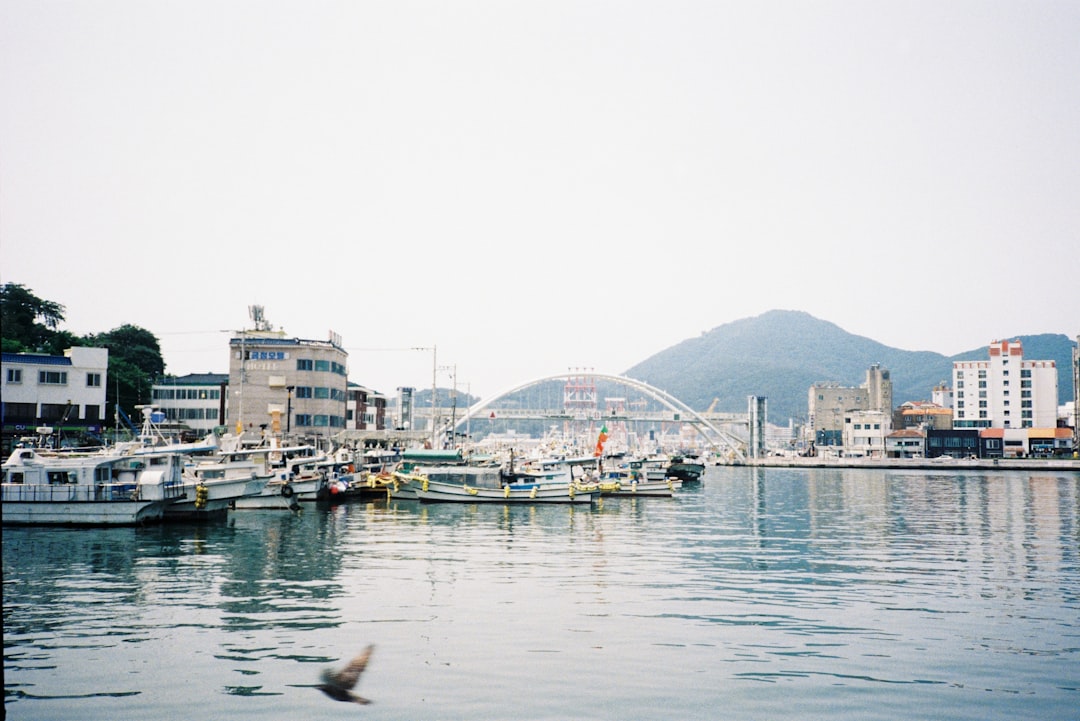
Last spring, a friend of mine packed a single backpack, skipped Seoul entirely, and spent five days wandering through Tongyeong — a port city in South Gyeongsang Province that most international tourists have never even Googled. She came back glowing, full of stories about fresh octopus, forgotten fortress walls, and a cable car ride that rivaled anything she’d seen in Switzerland. That trip cost her less than half of what a Seoul weekend would have, and she said it felt ten times more real. That got me thinking: in 2026, why are so many travelers still clustering in the same three Korean cities when the country’s smaller towns are having a genuine renaissance?
Let’s think through this together — because the smartest Korea travel itinerary right now might actually be the one that deliberately avoids the obvious.
Why Small Korean Cities Are Having a Moment in 2026
South Korea’s government has been actively investing in regional tourism infrastructure since 2023, and by 2026, that investment is paying off in visible ways. According to the Korea Tourism Organization’s Q1 2026 regional travel index, domestic tourism to non-metropolitan areas grew by approximately 34% compared to 2022, with cities like Gunsan, Andong, Jinju, Tongyeong, and Jeonju (beyond its already-famous hanok village) leading the surge. Budget airline routes from Gimpo and Gimhae have expanded, KTX connections have improved, and many small cities have opened English-language tourist information centers for the first time.
The cultural shift matters too. Post-pandemic travelers — both Korean and international — are increasingly craving depth over density. They want to actually sit in a café for two hours, talk to a local ceramicist, or figure out what that mysterious side dish at a small market stall actually is. Big cities don’t always allow that pace. Small cities do.
Top Small City Itineraries Worth Building Your 2026 Trip Around
- Tongyeong (2–3 days): Often called the “Naples of Korea,” Tongyeong sits on the southern coast and rewards slow exploration. Hit Dongpirang Village for street murals, take the Hanryeo Waterway cable car, and eat your weight in ggulbbang (honey bread) and fresh seafood. Best paired with a quick ferry hop to nearby Geoje Island.
- Gunsan (1–2 days): A city that wears its Japanese colonial-era architecture openly, Gunsan is a fascinating study in layered history. The Modern History Museum and Eunpa Lake Park make for a surprisingly emotional and beautiful day. The ppang (bread) culture here is also legendary — there are artisan bakeries that have been operating for 70+ years.
- Andong (2–3 days): The spiritual heartland of Korean Confucian culture. Hahoe Folk Village (a UNESCO World Heritage Site) is worth more than a half-day — stay nearby if you can. The Andong mask dance festival, if your timing aligns, is one of the most distinctive cultural experiences in the country. Try heotjesabap, a traditional feast-style meal.
- Jinju (1–2 days): Famous for the Jinju Lantern Festival (Yudeung Festival) every October, but honestly worth visiting year-round. Jinjuseong Fortress overlooking the Nam River at sunset is genuinely stunning. The city’s bibimbap variation is also distinct and worth seeking out.
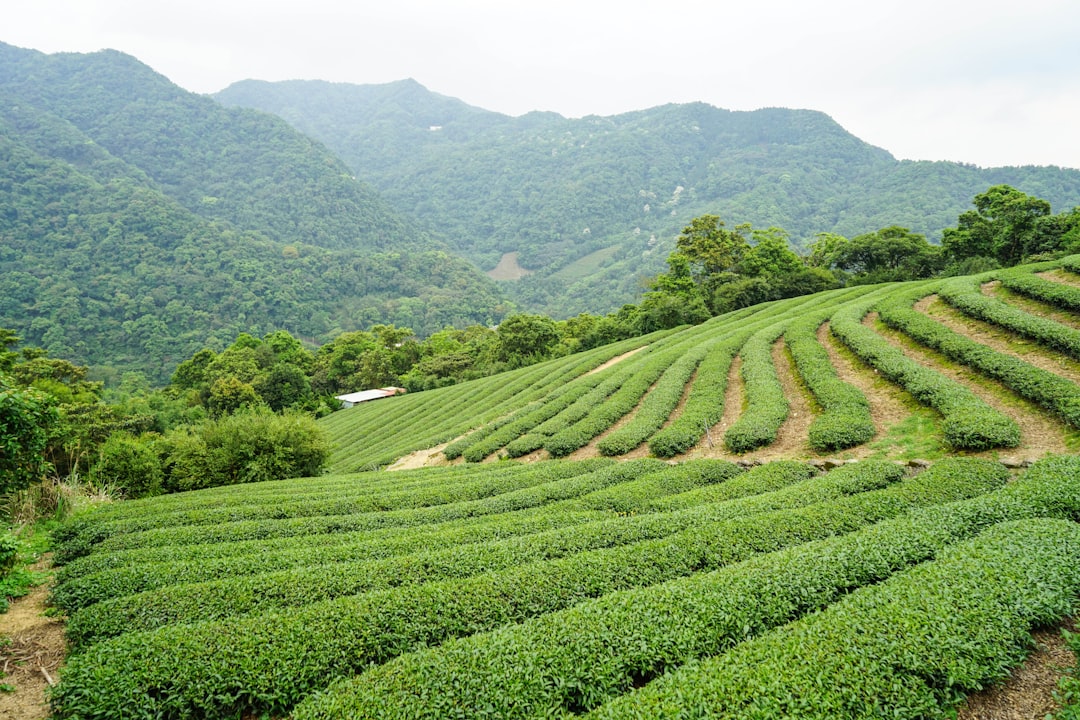
- Boseong (1 day, ideally as a longer stop): South Korea’s tea capital. The green tea fields of Boseong feel like stepping into a living painting. Go early morning for the mist. Combine with a night in nearby Suncheon for the Suncheon Bay Ecological Park — one of the most underrated natural spaces in East Asia.
How to Build a Realistic Multi-City Small Town Route
Here’s where a lot of travelers go wrong: they treat each small city as a one-stop day trip and end up feeling rushed. The better approach is to cluster geographically and give yourself permission to slow down.
A solid 7-day southern circuit for 2026 might look like this: Arrive Busan → Tongyeong (2 nights) → Jinju (1 night) → Boseong/Suncheon (2 nights) → Gwangju as a transport hub → Fly home from Gimhae or back through Busan. This loop keeps travel time manageable (mostly under 2 hours between stops by express bus or train), mixes coast with mountains and history, and gives you real breathing room.
For a central/northern circuit, consider: Seoul → Andong (2 nights) → Gyeongju (2 nights, technically medium-sized but deeply manageable) → Pohang coast (1 night) → back to Seoul. This is a cultural deep-dive that many experienced Korea travelers say they wish they’d done on their first trip.
Budget Reality Check: What Small Cities Actually Cost in 2026
Let’s be honest about numbers. Accommodation in Korea’s small cities averages 40,000–80,000 KRW per night for a decent guesthouse or budget hotel (roughly $28–$56 USD at current rates), compared to 100,000–180,000 KRW for equivalent comfort in central Seoul. Meals at local restaurants typically run 8,000–15,000 KRW per person. Intercity express buses, still Korea’s most underrated transport option, connect most of these cities for 10,000–25,000 KRW per leg. A realistic 7-day small city trip, including transport from Seoul, can come in around 500,000–700,000 KRW total ($350–$490 USD) — genuinely competitive with a weekend in Tokyo or Bangkok.
Who Should Consider This Type of Trip (And Who Might Struggle)
Small city Korea travel rewards travelers who are comfortable with limited English signage (improving but still patchy outside tourist centers), flexible schedules, and occasional “figure it out” moments. Having Google Translate’s camera function ready and downloading offline Korean maps on Naver Map (far more accurate than Google Maps in Korea) will save you real frustration. If you’re traveling with young children or elderly family members who need predictable infrastructure, clustering around one or two cities with good transit links (like Andong + Gyeongju) is smarter than ambitious multi-stop routes.
Alternatives If Small Cities Feel Too Adventurous Right Now
Not everyone is ready to go fully off the beaten path on their first Korea trip — and that’s genuinely okay. A realistic middle ground in 2026 is to base yourself in a larger regional hub (Busan, Daegu, or Gwangju) and take 1-day excursions into smaller surrounding towns. Busan, for instance, gives you excellent infrastructure and an international airport while putting Tongyeong, Jinju, and Gyeongju all within a 1–2 hour reach. You get the comfort safety net with genuine small-city exposure built in.
Another option: join one of the regional slow travel programs that have expanded significantly in 2026, where local guides lead small groups through 3–4 day immersive stays in single towns. These programs, often bookable through the Korea Tourism Organization’s official platform or platforms like Myrealtrip, remove the logistical stress while keeping the authenticity intact.
Editor’s Comment : The most exciting thing about Korea’s small cities in 2026 isn’t just that they’re cheaper or quieter — it’s that they’re genuinely confident now. Towns like Tongyeong and Gunsan aren’t positioning themselves as “Seoul alternatives.” They’re positioning themselves as destinations in their own right. And honestly? They’re right to. If your Korea trip so far has felt like a greatest hits album, consider this your invitation to find the deep cuts. They’re almost always better.
태그: [‘Korea small city travel 2026’, ‘Korean hidden gem destinations’, ‘domestic travel Korea itinerary’, ‘Tongyeong travel guide’, ‘Andong Hahoe village’, ‘Korea budget travel tips’, ‘off the beaten path Korea’]
Leave a Reply