Category: Uncategorized

  • Hidden Gem Small Cities in Korea: The Best Travel Itineraries You Need in 2026

    Last spring, a friend of mine packed a single backpack, skipped Seoul entirely, and spent five days wandering through Tongyeong — a port city in South Gyeongsang Province that most international tourists have never even Googled. She came back glowing, full of stories about fresh octopus, forgotten fortress walls, and a cable car ride that rivaled anything she’d seen in Switzerland. That trip cost her less than half of what a Seoul weekend would have, and she said it felt ten times more real. That got me thinking: in 2026, why are so many travelers still clustering in the same three Korean cities when the country’s smaller towns are having a genuine renaissance?

    Let’s think through this together — because the smartest Korea travel itinerary right now might actually be the one that deliberately avoids the obvious.
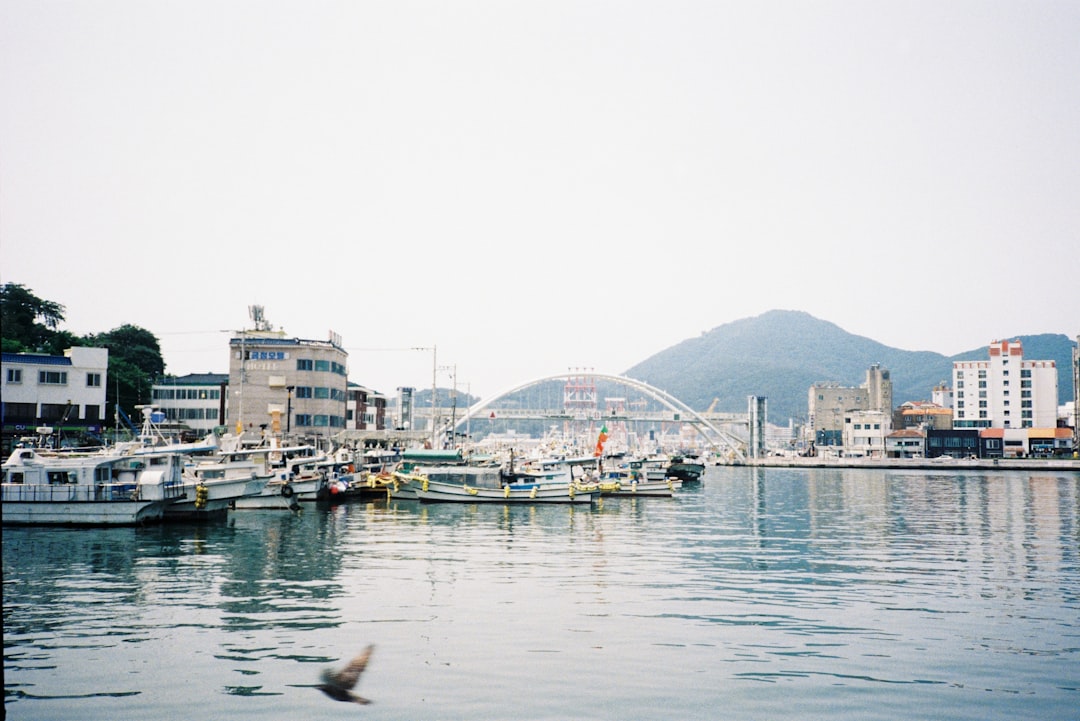
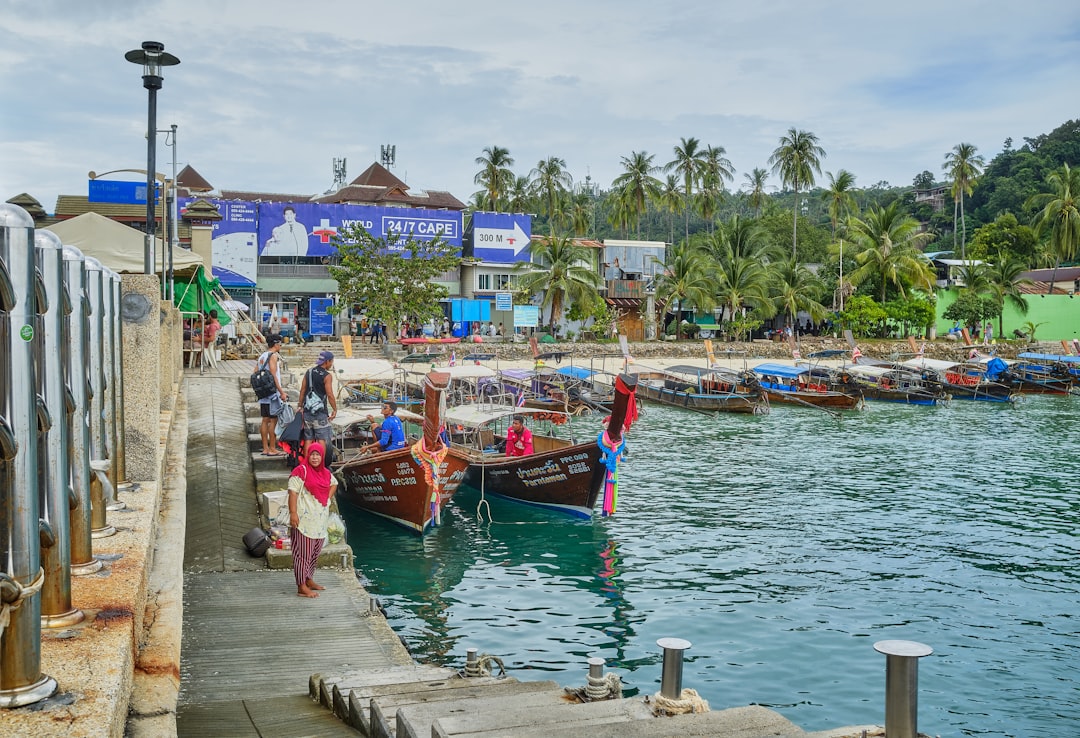
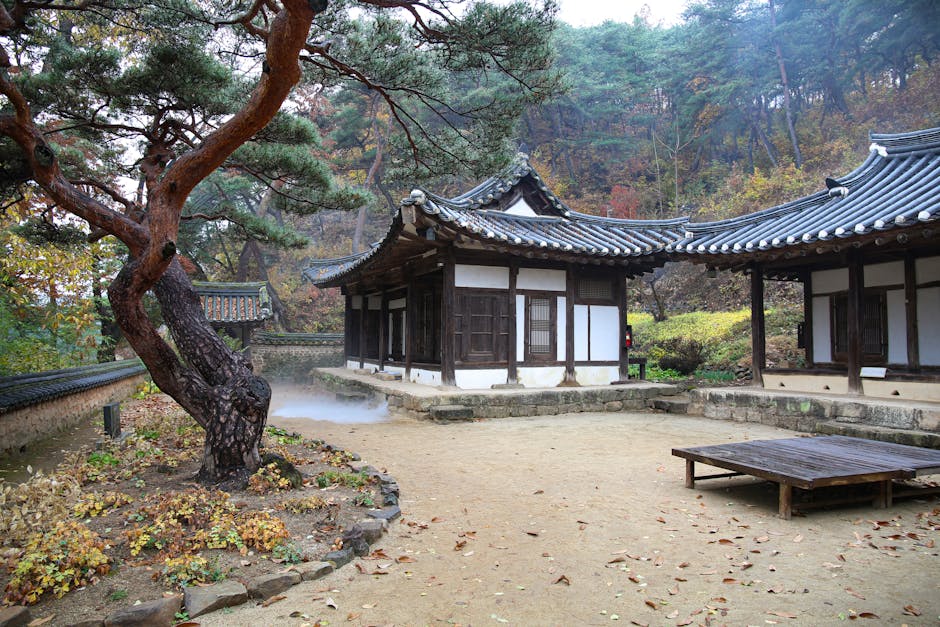
    Tongyeong Korea harbor small city travel 2026 scenic port

    Why Small Korean Cities Are Having a Moment in 2026

    South Korea’s government has been actively investing in regional tourism infrastructure since 2023, and by 2026, that investment is paying off in visible ways. According to the Korea Tourism Organization’s Q1 2026 regional travel index, domestic tourism to non-metropolitan areas grew by approximately 34% compared to 2022, with cities like Gunsan, Andong, Jinju, Tongyeong, and Jeonju (beyond its already-famous hanok village) leading the surge. Budget airline routes from Gimpo and Gimhae have expanded, KTX connections have improved, and many small cities have opened English-language tourist information centers for the first time.

    The cultural shift matters too. Post-pandemic travelers — both Korean and international — are increasingly craving depth over density. They want to actually sit in a café for two hours, talk to a local ceramicist, or figure out what that mysterious side dish at a small market stall actually is. Big cities don’t always allow that pace. Small cities do.

    Top Small City Itineraries Worth Building Your 2026 Trip Around

    • Tongyeong (2–3 days): Often called the “Naples of Korea,” Tongyeong sits on the southern coast and rewards slow exploration. Hit Dongpirang Village for street murals, take the Hanryeo Waterway cable car, and eat your weight in ggulbbang (honey bread) and fresh seafood. Best paired with a quick ferry hop to nearby Geoje Island.
    • Gunsan (1–2 days): A city that wears its Japanese colonial-era architecture openly, Gunsan is a fascinating study in layered history. The Modern History Museum and Eunpa Lake Park make for a surprisingly emotional and beautiful day. The ppang (bread) culture here is also legendary — there are artisan bakeries that have been operating for 70+ years.
    • Andong (2–3 days): The spiritual heartland of Korean Confucian culture. Hahoe Folk Village (a UNESCO World Heritage Site) is worth more than a half-day — stay nearby if you can. The Andong mask dance festival, if your timing aligns, is one of the most distinctive cultural experiences in the country. Try heotjesabap, a traditional feast-style meal.
    • Jinju (1–2 days): Famous for the Jinju Lantern Festival (Yudeung Festival) every October, but honestly worth visiting year-round. Jinjuseong Fortress overlooking the Nam River at sunset is genuinely stunning. The city’s bibimbap variation is also distinct and worth seeking out.
    • Boseong (1 day, ideally as a longer stop): South Korea’s tea capital. The green tea fields of Boseong feel like stepping into a living painting. Go early morning for the mist. Combine with a night in nearby Suncheon for the Suncheon Bay Ecological Park — one of the most underrated natural spaces in East Asia.

    How to Build a Realistic Multi-City Small Town Route

    Here’s where a lot of travelers go wrong: they treat each small city as a one-stop day trip and end up feeling rushed. The better approach is to cluster geographically and give yourself permission to slow down.

    A solid 7-day southern circuit for 2026 might look like this: Arrive Busan → Tongyeong (2 nights) → Jinju (1 night) → Boseong/Suncheon (2 nights) → Gwangju as a transport hub → Fly home from Gimhae or back through Busan. This loop keeps travel time manageable (mostly under 2 hours between stops by express bus or train), mixes coast with mountains and history, and gives you real breathing room.

    For a central/northern circuit, consider: Seoul → Andong (2 nights) → Gyeongju (2 nights, technically medium-sized but deeply manageable) → Pohang coast (1 night) → back to Seoul. This is a cultural deep-dive that many experienced Korea travelers say they wish they’d done on their first trip.
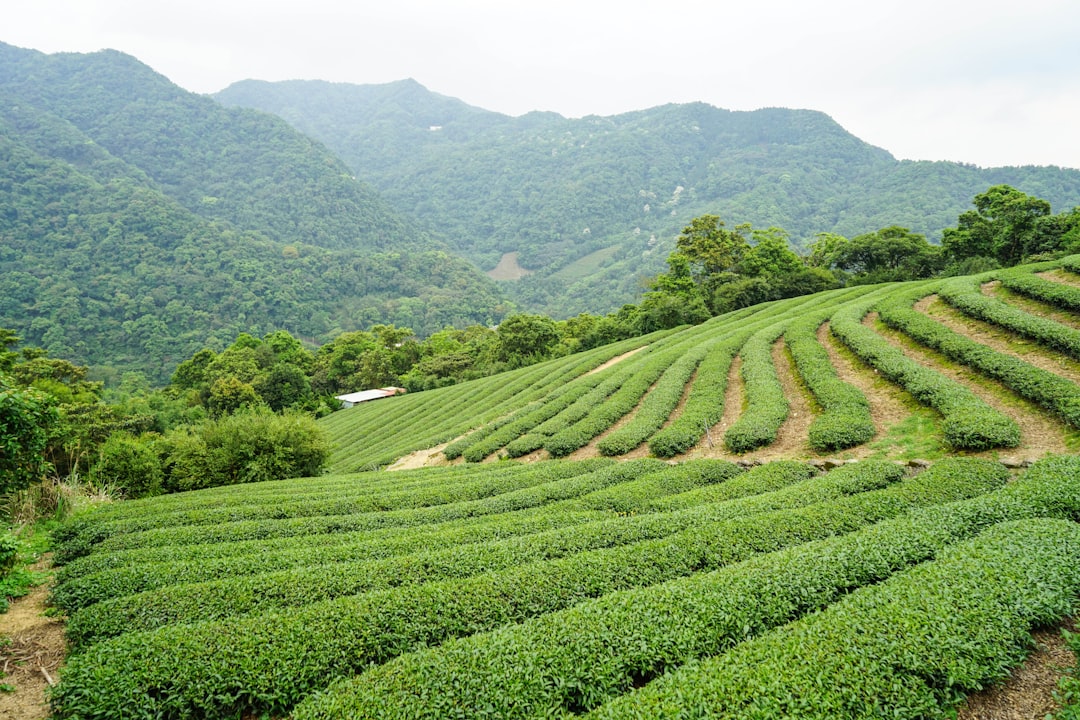
    Korean small town travel itinerary map green tea fields Boseong Andong Hahoe village

    Budget Reality Check: What Small Cities Actually Cost in 2026

    Let’s be honest about numbers. Accommodation in Korea’s small cities averages 40,000–80,000 KRW per night for a decent guesthouse or budget hotel (roughly $28–$56 USD at current rates), compared to 100,000–180,000 KRW for equivalent comfort in central Seoul. Meals at local restaurants typically run 8,000–15,000 KRW per person. Intercity express buses, still Korea’s most underrated transport option, connect most of these cities for 10,000–25,000 KRW per leg. A realistic 7-day small city trip, including transport from Seoul, can come in around 500,000–700,000 KRW total ($350–$490 USD) — genuinely competitive with a weekend in Tokyo or Bangkok.

    Who Should Consider This Type of Trip (And Who Might Struggle)

    Small city Korea travel rewards travelers who are comfortable with limited English signage (improving but still patchy outside tourist centers), flexible schedules, and occasional “figure it out” moments. Having Google Translate’s camera function ready and downloading offline Korean maps on Naver Map (far more accurate than Google Maps in Korea) will save you real frustration. If you’re traveling with young children or elderly family members who need predictable infrastructure, clustering around one or two cities with good transit links (like Andong + Gyeongju) is smarter than ambitious multi-stop routes.

    Alternatives If Small Cities Feel Too Adventurous Right Now

    Not everyone is ready to go fully off the beaten path on their first Korea trip — and that’s genuinely okay. A realistic middle ground in 2026 is to base yourself in a larger regional hub (Busan, Daegu, or Gwangju) and take 1-day excursions into smaller surrounding towns. Busan, for instance, gives you excellent infrastructure and an international airport while putting Tongyeong, Jinju, and Gyeongju all within a 1–2 hour reach. You get the comfort safety net with genuine small-city exposure built in.

    Another option: join one of the regional slow travel programs that have expanded significantly in 2026, where local guides lead small groups through 3–4 day immersive stays in single towns. These programs, often bookable through the Korea Tourism Organization’s official platform or platforms like Myrealtrip, remove the logistical stress while keeping the authenticity intact.


    Editor’s Comment : The most exciting thing about Korea’s small cities in 2026 isn’t just that they’re cheaper or quieter — it’s that they’re genuinely confident now. Towns like Tongyeong and Gunsan aren’t positioning themselves as “Seoul alternatives.” They’re positioning themselves as destinations in their own right. And honestly? They’re right to. If your Korea trip so far has felt like a greatest hits album, consider this your invitation to find the deep cuts. They’re almost always better.

    태그: [‘Korea small city travel 2026’, ‘Korean hidden gem destinations’, ‘domestic travel Korea itinerary’, ‘Tongyeong travel guide’, ‘Andong Hahoe village’, ‘Korea budget travel tips’, ‘off the beaten path Korea’]
    📚 관련된 다른 글도 읽어 보세요

  • 2026 국내 소도시 여행 코스 추천 – 붐비지 않아서 더 좋은 숨은 여행지 7선

    지난 봄, 충청남도 보령으로 훌쩍 떠난 친구가 이런 말을 했어요. “서울에서 두 시간도 안 걸리는데, 왜 이제야 왔을까.” 멸치국수 한 그릇에 폐광 투어, 해질 녘 대천해수욕장의 조용한 산책로. 인스타그램 알고리즘이 추천해 주는 핫플은 아니었지만, 오히려 그래서 더 깊게 남았다고 하더라고요.

    2026년 들어 국내 여행 트렌드에 뚜렷한 변화가 감지되고 있다고 봅니다. 한국관광공사의 2026년 1분기 여행 패턴 분석에 따르면, 수도권 및 제주·부산 같은 메이저 여행지보다 인구 30만 명 이하의 소도시를 선택한 여행객 비율이 전년 동기 대비 약 18% 증가했어요. 물가 부담, 오버투어리즘 피로감, 그리고 ‘느리게 여행하기(Slow Travel)’ 문화가 맞물린 결과인 것 같습니다.

    그래서 오늘은 2026년 현재 주목받고 있는 국내 소도시 여행 코스를 구체적으로 살펴보려 해요. 단순한 관광지 나열이 아니라, 각 도시의 동선과 맥락까지 함께 고민해 봤습니다.

    Korea small city travel peaceful countryside 2026

    ① 전남 담양 – 대나무 숲 너머 슬로시티의 진짜 얼굴

    담양은 이미 죽녹원으로 이름을 알렸지만, 사실 하루 코스로 소비되는 경우가 많았어요. 2026년 기준으로 담양군은 ‘슬로시티 연계 체류형 관광’ 프로그램을 확대 운영 중이라, 1박 2일로 계획하면 훨씬 풍부한 경험이 가능합니다.

    • 오전: 죽녹원 이른 아침 산책 (오전 7시 개장, 주말 혼잡 전 입장 추천)
    • 점심: 메타세쿼이아 가로수길 인근 떡갈비 거리 – 평균 식사 비용 1인 1만 2,000원~1만 5,000원 선
    • 오후: 소쇄원(명승 제40호) 방문 – 조선시대 민간 정원 문화의 정수를 직접 느낄 수 있어요
    • 저녁: 창평 슬로시티 마을 숙박 – 한옥 체험 민박 1박 평균 6만~9만 원 수준

    ② 경북 영주 – 유네스코 유산과 고요한 산사의 조합

    부석사(유네스코 세계유산, 2019년 등재)가 있는 영주는 문화유산 밀도 면에서 경주 못지않다고 봅니다. 그런데 방문객 수는 경주의 약 12분의 1 수준(2025년 문화체육관광부 통계 기준)이에요. 이 여백이 영주 여행의 진짜 매력입니다.

    소수서원 → 선비촌 → 부석사로 이어지는 코스는 거리상 차로 30분 내외라 효율적이고, 각 장소 간 이동 중 풍기읍 인삼 거리에서 인삼 막걸리 한 잔을 곁들이면 지역 경제에도 자연스럽게 기여하게 되는 구조예요.

    ③ 강원 삼척 – 동해안 중에서도 가장 덜 알려진 해안선

    속초, 강릉이 포화 상태에 가까워지면서 삼척이 새로운 대안으로 부상하고 있어요. 특히 덕산해수욕장장호항 스노클링 포인트는 2026년 여름 시즌 예약이 이미 빠르게 차고 있다고 하더라고요. 삼척시 관광 숙박 단가는 강릉 대비 평균 35% 저렴한 것으로 나타나 가성비 여행을 원하는 분들께 특히 적합한 것 같습니다.

    ④ 충남 공주 – 백제 문화의 중심, 그러나 조용한 골목의 도시

    공주는 2015년 유네스코 백제역사유적지구 등재 이후에도 부여에 비해 상대적으로 덜 붐비는 편이에요. 공산성 야경 프로그램이 2026년 봄부터 주 4회(목~일) 운영으로 확대됐고, 무령왕릉 국립공주박물관에서는 AR(증강현실) 기반 전시 체험도 새롭게 도입됐습니다. 반나절 역사 탐방 후 제민천 카페 거리에서 로컬 디저트로 마무리하는 동선이 최근 가장 인기 있는 루트인 것 같아요.

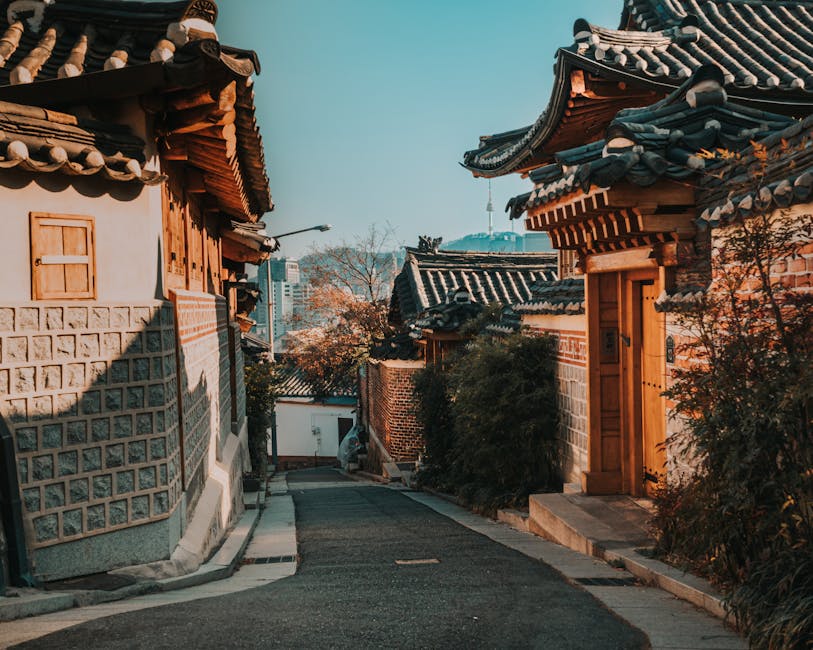
    Korean historic small town alley cafe local street 2026

    ⑤ 전북 남원 – 판소리와 지리산 자락의 복합 여행지

    춘향전의 고장 남원은 광한루원이라는 확실한 랜드마크를 갖고 있지만, 실제 여행의 깊이는 지리산 국립공원 자락의 뱀사골 계곡산내면 달궁계곡에서 만들어진다고 봅니다. 2026년 현재 남원시는 지리산 둘레길(총 274km) 완주 인증 스탬프 투어 프로그램을 활성화하고 있고, 단기 체류 여행객을 위한 ‘2박 3일 구간 추천 코스’ 안내 키오스크도 시내 주요 거점에 설치돼 있어요.

    ⑥ 경남 통영 – 해양 문화와 예술의 밀집도가 남다른 도시

    통영은 한국의 나폴리라고 불릴 만큼 지형미가 탁월하고, 윤이상 국제음악제(매년 3~4월), 동피랑 벽화마을, 한려해상국립공원을 하나의 도시 안에서 경험할 수 있는 보기 드문 소도시예요. 케이블카와 미륵산 정상에서 보이는 다도해 풍경은 국내 어디와도 비교하기 어렵다는 평가가 많습니다. 숙박은 강구안 항구 주변 게스트하우스부터 한옥 스타일 펜션까지 1박 5만~15만 원 범위에서 다양하게 선택 가능해요.

    ⑦ 충북 제천 – 청풍명월의 도시, 사계절 모두 이유가 있는 곳

    청풍호(충주호의 제천 구간) 유람선, 의림지(삼국시대 축조 추정 저수지), 제천 한방 바이오 엑스포 단지까지. 제천은 단일 테마가 아닌 자연·역사·웰니스가 균형 잡힌 여행지입니다. 특히 2026년에는 청풍호 라벤더 파크가 6월 성수기 예약을 이미 오픈했고, 주변 카페와 펜션 단지가 꾸준히 확장 중이에요. 수도권에서 KTX로 약 50분(서울역 기준) 거리라는 접근성도 큰 장점인 것 같습니다.


    소도시 여행, 이렇게 준비하면 더 잘 즐길 수 있어요

    • 대중교통 미리 확인: 소도시일수록 버스 배차 간격이 길기 때문에 시외버스·농어촌버스 시간표를 사전에 체크하는 게 필수예요. 네이버 지도보다 해당 지역 군청 홈페이지가 더 정확한 경우가 많아요.
    • 로컬 식당은 점심 공략: 소도시 맛집은 저녁보다 점심 영업에 집중하는 곳이 많고, 런치 메뉴 가성비가 훨씬 좋은 경향이 있습니다.
    • 숙박은 지역 민박·게스트하우스 우선: 체인 호텔보다 지역 경제에 직접적으로 기여하고, 운영자에게 진짜 로컬 정보를 얻을 수 있어요.
    • 주말 대신 평일 방문: 소도시도 유명세를 타기 시작하면 주말에는 붐빕니다. 가능하다면 목~금 방문이 가장 여유로운 것 같아요.
    • 지역 축제 일정과 연계: 한국관광공사 ‘대한민국 구석구석’ 앱에서 월별 지역 축제 일정을 확인하면 여행 밀도를 높일 수 있어요.

    결국 소도시 여행의 핵심은 ‘효율’을 내려놓는 것인 것 같습니다. 하루에 다섯 곳을 찍는 여행보다, 두 곳을 천천히 걸으며 그 도시의 리듬을 몸으로 느끼는 쪽이 훨씬 더 오래 기억에 남더라고요.

    에디터 코멘트 : 위에서 소개한 7개 도시 중 처음 소도시 여행을 시작하는 분이라면 통영 또는 공주를 첫 목적지로 권하고 싶어요. 접근성, 볼거리 밀도, 숙박 선택지의 균형이 가장 잘 잡혀 있거든요. 익숙해지면 영주나 제천처럼 좀 더 ‘속살’이 필요한 도시로 범위를 넓혀가는 방식이 현실적인 것 같습니다. 여행은 결국 자신의 속도를 찾아가는 과정이니까요.

    태그: [‘국내소도시여행’, ‘2026여행추천’, ‘국내여행코스’, ‘슬로트래블’, ‘숨은여행지’, ‘국내당일치기’, ‘소도시여행코스’]


    📚 관련된 다른 글도 읽어 보세요

  • Best Safe & Budget-Friendly Southeast Asia Family Package Tours in 2026: The Ultimate Guide for Stress-Free Travel

    Last spring, my friend Sarah packed up her two kids (ages 7 and 11), her husband, and a slightly overstuffed suitcase and headed to Southeast Asia for the first time. She told me afterward: “I was terrified it would be chaotic, but it turned out to be the most memorable trip our family ever took — and it cost less than a weekend in Paris.” That story stuck with me, and I think it captures exactly why Southeast Asia has become the go-to family travel destination in 2026.

    But here’s the thing — not every destination in Southeast Asia is equally family-friendly, equally safe, or equally kind to your wallet. Let’s think through this together, because the right choice depends a lot on your kids’ ages, your budget ceiling, and how adventurous your family really is.

    Southeast Asia family travel beach sunset kids happy resort 2026

    Why Southeast Asia Remains the Best Value for Family Travel in 2026

    According to the Global Family Travel Index 2026, Southeast Asian destinations continue to dominate the top 20 most affordable family holiday markets worldwide. With the Thai Baht, Vietnamese Dong, and Malaysian Ringgit maintaining favorable exchange rates against the US dollar and Euro, a family of four can realistically enjoy a week-long package — including flights, accommodation, and guided tours — for $2,500–$4,500 USD depending on the origin country.

    Compare that to a Disney World trip averaging $6,000–$9,000 for the same family size, and it’s honestly not a hard decision. But let me break down the top recommended destinations so you can weigh them properly.

    Top 5 Safe & Affordable Southeast Asia Destinations for Families in 2026

    • 🇹🇭 Chiang Mai, Thailand — Arguably the most family-friendly city in Southeast Asia right now. Temple tours, elephant sanctuaries (ethical ones have improved significantly by 2026), night markets, and cooking classes make it incredibly engaging for children of all ages. Average family package: $320–$450/night all-inclusive. Safety rating: High. The city has invested heavily in tourist infrastructure and multilingual emergency services.
    • 🇲🇾 Penang, Malaysia — An underrated gem for families. UNESCO World Heritage streets, incredible street food culture (great for picky eaters because the variety is enormous), and English is widely spoken. It’s particularly great for families with children aged 6–14 who enjoy interactive cultural exploration. Average package: $280–$380/night. Safety rating: Very High.
    • 🇻🇳 Hoi An, Vietnam — The lantern-lit streets of Hoi An feel like a fairy tale for kids. Tailoring workshops, bicycle tours through rice paddies, and cooking schools designed specifically for families have expanded tremendously. Vietnam’s healthcare infrastructure in major tourist zones has improved notably as of 2025–2026. Average package: $250–$360/night. Safety rating: High.
    • 🇮🇩 Bali, Indonesia (Ubud & Seminyak) — Still a classic, but now with smarter family-oriented resorts that offer children’s programs, cooking classes, and art workshops. Bali’s new family resort clusters launched in late 2025 offer better safety features and fewer traffic concerns than older areas. Average package: $300–$480/night. Safety rating: Moderate-High (pick resorts within curated family zones).
    • 🇸🇬 Singapore as a Hub — Not traditionally considered a “budget” destination, but using Singapore as your base and doing day trips or short flights to Bintan (Indonesia) or Johor Bahru (Malaysia) gives your family the safety of Singapore with the affordability of neighboring countries. It’s a smart hybrid strategy many families are using in 2026. Average stay: $180–$300/night for family rooms in mid-range hotels.

    What Makes a Destination Truly “Safe” for Family Travel?

    Safety is a multi-layered concept, and I want to be honest here rather than just listing destinations and calling them safe. When evaluating safety for families, you should look at:

    • Healthcare access: Are there international-standard hospitals or clinics nearby? Chiang Mai, Penang, and Singapore score highest here.
    • Food safety: Stick to cooked foods at reputable vendors, avoid raw salads at street stalls with young kids, and always carry oral rehydration salts. This is practical, not paranoid.
    • Traffic conditions: Vietnam and Indonesia have busier road environments. Book tours with licensed operators who use air-conditioned vans rather than open tuk-tuks for long distances with children.
    • Scam awareness: Tourist scams exist everywhere. Research common local scams before you depart — your kids will actually find this a fascinating pre-trip lesson!
    • Travel insurance: Non-negotiable. In 2026, comprehensive family travel insurance for a two-week Southeast Asia trip runs approximately $150–$250 USD and covers medical evacuation, trip cancellation, and lost luggage.
    family packing travel checklist kids Thailand Bali safety travel insurance 2026

    Real-World Package Examples: What Families Are Actually Booking in 2026

    Let me share a few real-style itineraries that families are gravitating toward this year:

    Example 1 — The Chiang Mai 7-Day Package (Family of 4, from Los Angeles): Round-trip flights (via Korean Air or Cathay Pacific with a short layover) average $3,200 for four. A curated family package through operators like G Adventures Family or Intrepid Family runs approximately $1,800 for 7 nights including breakfast, guided tours, and a signature elephant sanctuary day. Total budget: approximately $5,000–$5,500, well under the North American family vacation average of $7,000+.

    Example 2 — The Penang + Langkawi Combo (Family of 4, from London): Malaysian Airlines and Qatar Airways offer competitive family fares from Heathrow averaging £2,800 return for four. A 10-day package combining Penang’s cultural experience with Langkawi’s beach resort environment runs approximately £2,200 through operators like Exodus Travels. Total: approximately £5,000 — extraordinary value for a 10-day international family holiday.

    Practical Tips for Booking Smart in 2026

    • Book packages 4–6 months in advance for school holiday periods (especially June–August and December–January). Southeast Asian family packages sell out faster than ever in 2026 due to surging demand from European and North American families.
    • Look for packages that include airport transfers — navigating unfamiliar airports with children and luggage is genuinely exhausting, and this add-on is worth every dollar.
    • Check if the package includes a local SIM card or pocket Wi-Fi. Staying connected is a safety tool, not just a convenience.
    • Verify that your tour operator is certified by the destination country’s tourism authority. Thailand’s TAT (Tourism Authority of Thailand), Malaysia Tourism, and Vietnam National Administration of Tourism all maintain verified operator lists on their 2026 websites.
    • Consider traveling shoulder season — March–April or September–October — to save 15–25% on packages and enjoy thinner crowds.

    What If Southeast Asia Doesn’t Feel Right for Your Family Right Now?

    Here’s where I want to be genuinely helpful rather than just promotional. Southeast Asia is wonderful, but it’s not a one-size-fits-all answer. If your children are under 4, the long-haul flights (10–16 hours from North America/Europe) can be genuinely challenging. In that case, consider Bali via a connecting hub with a stopover hotel to break the journey — or honestly, look at Mexico’s Yucatán Peninsula or Portugal’s Algarve as equally beautiful, culturally rich alternatives with shorter travel times for Western families.

    If budget is extremely tight (under $3,000 total for a family), the flight costs to Southeast Asia may eat too much of your budget. In that scenario, a domestic road trip paired with one regional flight might give you better value with less stress.

    The right trip is the one that matches your family’s real energy, not the one that looks best on Instagram.

    Editor’s Comment : Southeast Asia in 2026 genuinely offers one of the best combinations of safety, cultural richness, and affordability for family travel — but the magic is in the details. Choose your destination based on your children’s ages and temperaments, not just price tags. A well-planned week in Penang will create more lasting memories than a rushed two-week hop across five countries. Plan thoughtfully, pack light, and let your kids lead some of the decision-making — you’ll be amazed at what they choose.

    태그: [‘Southeast Asia family travel 2026’, ‘budget family package tour’, ‘safe destinations for families’, ‘Chiang Mai family vacation’, ‘Penang family trip’, ‘Bali family holiday’, ‘affordable family travel Southeast Asia’]


    📚 관련된 다른 글도 읽어 보세요

  • 2026년 동남아 가족 패키지 여행, 안전하고 저렴한 추천지 5곳 완벽 정리

    2026년 동남아 가족 패키지 여행, 안전하고 저렴한 추천지 5곳 완벽 정리

    지난해 초등학생 두 아이를 데리고 첫 해외 가족여행을 계획했던 지인이 있었어요. 예산은 넉넉하지 않고, 아이들이 아플까봐 걱정되고, 긴 비행은 부담스럽고… 결국 수십 개의 여행 카페를 전전하다가 ‘그냥 국내 여행이나 가자’며 포기했다는 이야기를 들었을 때, 정말 공감이 됐어요. 가족 여행, 특히 어린 자녀와 함께하는 동남아 여행은 설레지만 동시에 안전, 위생, 비용이라는 세 가지 장벽이 늘 발목을 잡곤 하죠.

    2026년 현재, 엔데믹 이후 동남아 관광 인프라는 눈에 띄게 개선됐고, 항공 노선도 더욱 다양해졌어요. 패키지 여행 상품도 가족 맞춤형으로 세분화되면서 ‘가성비 있게 안전한 여행’이 예전보다 훨씬 현실적인 이야기가 됐다고 봅니다. 그래서 오늘은 실제 여행 비용과 안전 지수를 기반으로, 2026년 가족 패키지 여행으로 가기 좋은 동남아 추천지 5곳을 함께 살펴볼게요.

    Southeast Asia family travel beach resort children

    📊 본론 1. 숫자로 보는 동남아 가족여행 비용과 안전 지수

    ① 평균 패키지 여행 비용 비교 (4인 가족 기준, 2026년 상반기)

    아래 수치는 국내 주요 여행사(하나투어, 모두투어 등) 상품 기준으로 항공 + 숙박 + 일부 식사가 포함된 3박 5일~4박 6일 패키지의 평균가를 참고한 것이에요.

    • 태국 방콕 / 파타야: 4인 기준 약 200~280만 원 (1인 50~70만 원)
    • 베트남 다낭: 4인 기준 약 220~300만 원 (1인 55~75만 원)
    • 말레이시아 쿠알라룸푸르 / 코타키나발루: 4인 기준 약 240~320만 원 (1인 60~80만 원)
    • 필리핀 세부: 4인 기준 약 260~360만 원 (1인 65~90만 원)
    • 인도네시아 발리: 4인 기준 약 280~380만 원 (1인 70~95만 원)

    여기에 현지 투어, 식사, 쇼핑 비용을 추가로 감안하면 실제 총 지출은 위 금액의 1.3~1.5배가 된다고 보는 게 현실적이에요. 특히 어린 자녀를 동반할 경우, 아이 전용 좌석이나 어린이 입장료 등 추가 비용이 발생할 수 있어요.

    ② 가족 여행 안전 지수 체크 포인트

    글로벌 여행 안전 정보 플랫폼 Global Peace Index 2025 및 외교부 해외안전여행 사이트 기준으로, 동남아 주요 여행지의 여행 유의 등급(1단계) 국가는 태국, 베트남, 말레이시아, 인도네시아(발리 지역)가 해당돼요. 필리핀의 경우 세부·보라카이 등 관광지는 비교적 안전하지만, 일부 남부 지역은 여행 자제(2단계)가 유지되고 있으니 지역 세분화 확인이 필요해요.

    • 식수 안전: 말레이시아 > 태국 > 베트남 > 발리 > 필리핀 순으로 상대적으로 안전한 것으로 알려져 있어요.
    • 의료 접근성: 쿠알라룸푸르, 방콕은 아시아 최고 수준의 국제병원 접근이 가능해요.
    • 치안: 다낭, 코타키나발루는 가족 여행자들 사이에서 ‘조용하고 안전한 곳’으로 꾸준히 언급되고 있어요.

    🌏 본론 2. 추천지별 가족 여행 포인트 — 실제 사례 중심

    🥇 1위. 베트남 다낭 — 가성비와 안전의 균형이 가장 좋은 곳

    2026년 현재, 다낭은 가족 패키지 여행의 국민 성지로 자리잡았다고 해도 과언이 아닐 것 같아요. 인천에서 약 4시간 30분이면 도착하고, 미케 비치와 호이안 올드타운이 차로 30분 거리에 있어 다양한 일정을 짜기 좋아요. 실제로 2025년 한국관광공사 통계에 따르면, 베트남은 한국인 가족 여행자가 가장 많이 찾는 동남아 국가 1위를 차지하기도 했어요.

    특히 다낭의 빈펄 리조트, 풀만 다낭, 알카자르 리조트 등 가족 친화적 숙소는 키즈 클럽과 워터파크를 운영하고 있어, 아이들이 지루해할 틈이 없다는 게 큰 장점이에요.

    🥈 2위. 말레이시아 코타키나발루 — 자연과 안전이 동시에

    보르네오 섬 북쪽에 위치한 코타키나발루(코키)는 범죄율이 낮고 영어 소통이 원활하며, 말레이시아 특유의 친절한 문화 덕분에 가족 여행자들 사이에서 꾸준히 사랑받고 있어요. 선셋이 세계적으로 유명한 이곳은 스노클링, 반딧불 투어 등 아이들이 좋아하는 체험 활동도 풍부해요. 비행시간도 약 5시간 내외로 부담이 적은 편이에요.

    🥉 3위. 태국 방콕 + 파타야 콤보 — 오락과 편의의 집약

    방콕은 아이와 함께 즐길 수 있는 드림월드, 씨라이프 오션 월드, 사파리 월드 등 테마파크가 밀집해 있어, ‘아이를 위한 여행지’로 손꼽혀요. 파타야까지 이동하면 해변 리조트에서 휴양도 즐길 수 있죠. 다만, 도심 내 교통 혼잡과 야간 유흥지 근처 이동 시 주의가 필요하다는 점은 미리 알아두면 좋을 것 같아요.

    4위. 인도네시아 발리 — 힐링과 문화를 함께

    발리는 단순한 해변 휴양을 넘어 힌두 문화 체험, 라이스 테라스 탐방 등 아이들의 정서 발달에도 좋은 여행지예요. 우붓 지역 중심의 체험형 여행과 꾸따·스미냑 해변 휴양을 조합한 패키지가 인기가 많아요. 단, 직항 비행 시간이 약 7시간으로 긴 편이고, 여름 성수기에는 물가가 오른다는 점을 고려해야 해요.

    5위. 필리핀 세부 — 해양 스포츠 마니아 가족에게

    세부는 고래상어 투어, 산호초 스노클링 등 수중 생태 체험이 세계적 수준이에요. 2026년 현재 막탄 국제공항 확장 공사가 마무리되면서 접근성도 좋아졌어요. 다만 일부 지역 치안 이슈와 먹는 물 관리에 주의가 필요하다는 점, 그리고 패키지 가격이 상대적으로 높은 편임을 염두에 두면 좋아요.

    Danang Vietnam family resort kids pool travel 2026

    ✅ 가족 패키지 여행 선택 시 체크리스트

    • 아이 연령 확인: 만 2세 미만 유아 동반 시 좌석 및 침대 구성 옵션 필수 확인
    • 여행자 보험: 해외 의료비 커버리지 최소 1억 원 이상 상품 추천
    • 백신 접종 여부: A형 간염, 장티푸스 등 여행지별 권장 예방접종 미리 확인
    • 패키지 구성 꼼꼼히: ‘자유시간’ 비율이 높은 상품은 아이 동반 시 오히려 불편할 수 있어요
    • 현지 병원 정보 저장: 방콕 범롱랏병원, KL 글렌이글스 병원 등 국제 병원 번호 미리 메모
    • 출발 전 외교부 안전 등급 재확인: 출발 1~2주 전 최신 정보 업데이트 필수

    💬 결론 — 현실적인 선택 가이드

    2026년 기준으로 동남아 가족 여행의 진입 장벽은 분명 낮아졌어요. 하지만 ‘저렴하다’는 이유만으로 무작정 선택하기보다는, 아이의 연령대와 건강 상태, 가족의 여행 스타일(액티비티형인지 휴양형인지)을 먼저 파악하는 게 훨씬 중요한 것 같아요.

    예산이 빠듯하다면 다낭, 안전을 최우선으로 한다면 코타키나발루, 아이들이 테마파크와 체험을 좋아한다면 방콕이 가장 현실적인 선택이라고 봅니다. 패키지 여행의 경우, 얼리버드 상품을 노리면 동일 여행사 기준 15~25% 절감이 가능하니 출발 3~4개월 전 예약을 강력히 권장해요.

    에디터 코멘트 : 가족 여행에서 ‘완벽한 안전’은 없지만, ‘충분히 준비된 안전’은 만들 수 있어요. 외교부 해외안전여행 앱 하나만 설치해도 현지 위기 상황 알림을 실시간으로 받을 수 있고, 여행자 보험 하나만 잘 골라도 예상치 못한 의료 지출을 막을 수 있어요. 비용보다 ‘안심’이 먼저라는 걸 기억하면서, 올해는 꼭 아이들과

    태그: []


    📚 관련된 다른 글도 읽어 보세요

  • Hidden Gem Festival Travel Routes in Korea 2026: How to Pair Local Festivals with Off-the-Beaten-Path Spots

    Last spring, I almost made the rookie mistake that nearly every festival traveler makes — booking accommodation right next to the main festival grounds, spending two days in a crowd-packed plaza, and heading home thinking, “Well, that was… fine.” A local vendor selling makgeolli near the Jinhae Cherry Blossom Festival actually pulled me aside and said, “The real Jinhae is ten minutes that way.” That single redirect changed everything. I found a quiet harbor, a century-old stone alley, and a grandmother’s hand-pulled noodle shop that doesn’t even have a sign. That moment is exactly what this guide is about.

    In 2026, domestic travel in Korea has reached a fascinating inflection point. With over 1,200 registered regional festivals annually (according to the Korea Tourism Organization’s 2026 Regional Culture Tourism Report), the challenge is no longer finding a festival — it’s knowing how to layer it with the hidden geography around it. Let’s think through this together.

    Korean local festival street food hidden alley traditional village

    📊 Why Festival-Only Travel Leaves Value on the Table

    Here’s a data point worth sitting with: the Korea Culture & Tourism Institute reported in early 2026 that the average domestic festival visitor spends only 1.4 days at or near a festival site, with over 60% of that time spent within a 500-meter radius of the main stage or event venue. Meanwhile, regional tourism boards consistently report that satellite attractions within 20–30km of major festival sites see less than 15% of the foot traffic the festival itself generates.

    That gap is your opportunity. Think of it this way: the festival is your anchor event — it gives you a reason to be in that region at a specific time. But the surrounding area is the canvas. Let’s look at how to paint on it intelligently.

    🗺️ The “Festival + Radius” Planning Framework

    Before diving into specific routes, here’s the planning logic I use personally and recommend to readers:

    • Step 1 — Pick your anchor festival based on season and personal interest (food, culture, nature, arts).
    • Step 2 — Draw a 30km radius around the festival location on a map (Naver Map or Kakao Map work beautifully for this).
    • Step 3 — Identify “B-tier” attractions — places listed in regional tourism guides but rarely featured in national travel media. Look for municipal heritage sites, traditional markets, small-batch craft workshops, and coastal or mountain trailheads.
    • Step 4 — Time-block strategically. Most festivals are liveliest from 10am–4pm. Plan hidden-spot visits for early morning (before 9am) or late afternoon/evening when crowds have thinned.
    • Step 5 — Build in a “slow meal” stop. Regional hidden gems almost always involve a local eatery that requires no reservation and no Instagram fame — just patience and curiosity.

    🌸 Route Example 1: Jinhae Cherry Blossom Festival + Goseong Dinosaur Coast

    The Jinhae Gunhangje Festival (typically held in late March to early April) draws upward of 3 million visitors over ten days — making it one of Korea’s most attended spring events. Most visitors arrive, walk Yeojwacheon Stream, take photos, and leave. But here’s what they miss:

    Drive approximately 80km southwest to Goseong County, and you’ll find the Goseong Dinosaur Coast — a UNESCO-recognized site with actual dinosaur footprints embedded in coastal rock formations. In 2026, the Goseong County office has added a new guided tidal-flat walk program that operates with groups of just 8–10 people. The contrast of cherry blossom crowds versus this near-empty prehistoric coastline is genuinely surreal.

    Bonus hidden stop: On your way, pass through Goseong Dang항 (Danghang) fishing village — a small harbor community where local fishermen sell same-morning catches directly from dockside coolers. No menu. You point, they cook.

    🎆 Route Example 2: Boryeong Mud Festival + Chungcheong Inland Heritage Trail

    The Boryeong Mud Festival is a summer institution — internationally recognized, heavily marketed, and honestly a lot of chaotic fun. But Boryeong itself sits in South Chungcheong Province, which is arguably Korea’s most underrated travel region for cultural depth.

    After your mud-soaked afternoon, consider this 2-day inland extension:

    • Magoksa Temple (마곡사) — A UNESCO World Heritage Buddhist temple nestled in a valley forest, roughly 60km inland. Early morning visits in summer are ethereal — mist, silence, the smell of pine and incense.
    • Gongju Hanok Village Area — Gongju was once the capital of the Baekje Kingdom. The reconstructed Gongsanseong Fortress offers free sunset access and panoramic views that most domestic travelers don’t bother with.
    • Buyeo Jeongnimsaji (정림사지) — A flat, open archaeological site with a five-story stone pagoda that dates to the 7th century. Almost always uncrowded. The adjacent museum is small but surprisingly thoughtful.

    🍂 Route Example 3: Andong Mask Dance Festival + Hahoe Village’s Forgotten Paths

    Andong’s UNESCO-recognized Hahoe Village is well-known — but most visitors follow a predictable loop: entrance gate → thatched-roof houses → river view → exit. The village itself, though, has unmarked foot trails along the Nakdong River bend that wind through reed fields and pine groves. Local guesthouses (especially the older minbak-style ones) can point you toward these paths, which aren’t on any app.

    Pair this with a visit to Bongjeongsa Temple — about 20km north of Andong — which houses Korea’s oldest surviving wooden structure. The forest approach trail alone is worth the detour.

    Andong Hahoe village river bend autumn traditional Korean mask dance

    🛠️ Practical Considerations for 2026 Festival Travel

    A few logistical realities to keep in mind as you plan:

    • Transportation: For satellite-spot exploration, renting a car remains the most flexible option. In 2026, platforms like Kakao Mobility and Lotte Rent-a-Car offer one-way regional rentals with no return fee surcharge on select routes — useful if you’re creating a linear itinerary rather than a loop.
    • Accommodation: Consider staying outside the festival town at a nearby village guesthouse. Prices are 30–50% lower, crowds are absent, and you’ll often have a host who is an invaluable local guide.
    • Timing: Many regional festivals in 2026 have adopted staggered programming — opening ceremonies, peak days, and closing events spread across 1–2 weeks. Arriving on Day 3 or 4 (not opening weekend) often means thinner crowds while the full program is still running.
    • Language navigation: For signage in smaller villages, the Naver Papago camera translation function handles Korean-to-English in real time and has improved significantly in accuracy for regional dialect signage.

    🔄 Realistic Alternatives for Different Travel Styles

    Not everyone has the flexibility for a multi-day road trip. Here’s how to adapt this framework:

    For weekend travelers (2 days): Pick one festival + one hidden spot within 40km. Prioritize the hidden spot on Day 1 morning (before festival crowds build) and spend Day 1 afternoon/evening at the festival. Use Day 2 for the festival’s secondary programming, which is usually less attended.

    For solo travelers: Festival environments are actually fantastic for meeting people, but the hidden spots are where genuine local connection happens. Solo travelers often find that showing up at a small rural craft workshop or a fishing village dock sparks organic conversations that a crowded festival plaza simply doesn’t allow.

    For families with children: Pair high-energy festivals (mud, fire, water-themed events) with calmer natural sites the following morning — tidal flats, easy forest trails, or traditional craft demonstration centers where kids can participate hands-on.

    The underlying logic here is always the same: let the festival earn your trip’s momentum, and let the hidden places earn your trip’s meaning. Korea’s regional depth is genuinely remarkable — it just requires you to look slightly sideways from where everyone else is pointing their camera.

    Editor’s Comment : The best travel memories almost never come from the main stage. They come from the ten-minute detour a stranger recommended, the unmarked trail behind the temple, the soup that had no English sign and needed no translation. In 2026, with Korean regional tourism more developed than ever yet still vastly underexplored outside major nodes, the festival-plus-hidden-gem approach isn’t just a travel hack — it’s genuinely the most rewarding way to experience the country’s living culture. Plan the festival. Then plan what’s around it.

    태그: [‘Korean regional festivals 2026’, ‘hidden gem travel Korea’, ‘festival travel itinerary’, ‘off the beaten path Korea’, ‘domestic travel Korea 2026’, ‘cultural tourism routes’, ‘local festival hidden spots’]


    📚 관련된 다른 글도 읽어 보세요

  • 국내 지역 축제 + 숨은 명소 연계 여행 코스 2026 완전 가이드 | 축제만 보고 오면 손해

    몇 해 전, 진해 군항제를 보러 갔다가 벚꽃 터널 인증샷을 찍고 바로 귀경하는 여행자 옆에 서 있었던 적이 있어요. 그분은 분명 만족스러운 표정이었지만, 저는 속으로 이런 생각을 했습니다. ‘저기서 차로 15분만 가면 진해루에서 바다 내려다보는 뷰가 있는데…’ 축제를 중심으로 여행 일정을 짜다 보면, 정작 그 지역의 결정적인 분위기를 만들어내는 ‘주변 맥락’을 통째로 놓치게 되는 경우가 많습니다. 2026년 현재, 국내 여행 트렌드는 단순 ‘축제 방문’에서 ‘지역 정서를 경험하는 연계 코스’로 확연히 이동하고 있다고 봅니다. 오늘은 그 흐름을 따라가며, 실제로 써먹을 수 있는 연계 여행 코스들을 함께 짚어볼게요.


    Korean local festival travel hidden spot scenic route

    📊 숫자로 보는 2026 국내 지역 축제 여행 트렌드

    한국관광공사가 2026년 초 발표한 ‘국내 여행 행태 조사’에 따르면, 축제를 목적으로 지방을 방문한 여행객 중 67.3%가 축제 외 1개 이상의 주변 관광지를 함께 방문했다고 응답했습니다. 이는 2023년 대비 약 18%p 증가한 수치예요. 단순히 ‘축제장에서 사진 찍고 돌아오는’ 패턴에서 벗어나고 있다는 명확한 신호라고 봅니다.

    또한 국내 축제 방문객의 평균 체류 시간은 2026년 기준 1박 2일 이상이 54%를 넘어섰어요. 이는 연계 코스 수요가 실질적으로 존재한다는 의미이기도 합니다. 실제로 지역 소상공인 매출 분석에서도 축제 당일 매출보다 전날 혹은 다음 날 인근 식당·숙소 매출이 평균 2.3배 높게 나타났습니다. 축제는 ‘앵커(anchor)’, 즉 방문의 계기이고, 진짜 소비는 그 주변에서 일어나는 셈이에요.


    🗺️ 지역별 추천 축제 + 숨은 명소 연계 코스

    각 지역 축제를 기점으로, 자동차로 20~40분 이내에 접근 가능한 ‘덜 알려진 명소’들을 연결한 코스를 소개합니다. 단순 나열이 아니라, 동선의 흐름과 감성의 결을 고려해서 짠 코스라는 점에서 기존 여행 블로그와는 좀 다를 거예요.

    • 🌸 [봄] 전남 담양 대나무축제 → 메타세쿼이아 가로수길 → 죽녹원 뒷길 산책로 → 관방제림 (도보 연계 가능)
      담양 대나무축제는 매년 5월 초 열리는데, 죽녹원 안쪽 운수대통길이나 죽마고우길은 단체 관광객이 거의 안 가는 구간이에요. 관방제림은 천연기념물 제366호로 지정된 숲길인데, 정작 축제 때 여기까지 오는 분들이 많지 않습니다. 메타세쿼이아 가로수길과 하나의 루프 코스로 엮으면 오전 반나절이 꽉 찹니다.
    • 🍋 [여름] 전북 무주 반딧불축제 → 구천동 33경 트레킹 → 머루와인동굴 → 적상산 안국사
      무주 반딧불축제는 야간 프로그램이 핵심인 만큼, 낮 시간이 비어요. 이 빈 시간을 구천동 트레킹으로 채우면 완성도가 달라집니다. 머루와인동굴은 무주 IC에서 20분 거리에 있는데, 와인 시음과 동굴 서늘함을 동시에 즐길 수 있어서 여름 여행지로는 꽤 훌륭한 선택이라고 봐요.
    • 🍁 [가을] 경북 청송 사과축제 → 주왕산 국립공원 주왕계곡 → 달기약수탕 → 방호정
      청송 사과축제는 10월 중순에 열립니다. 주왕산은 익히 알려져 있지만, 주왕계곡 깊숙이 있는 ‘주왕굴’까지 다녀오는 코스는 의외로 한산해요. 달기약수탕은 탄산이 자연적으로 용출되는 약수로, 이 물로 끓인 백숙이 청송 로컬 별미인데 축제 방문객 중 10% 미만만 여기까지 들른다고 합니다.
    • ❄️ [겨울] 강원 화천 산천어축제 → 평화의댐 → 비수구미마을 → 용화산 전망대
      화천 산천어축제는 1월에 집중되는데, 비수구미마을은 겨울에도 도보 접근이 가능한 오지 마을로 화천에서 차로 30분 거리예요. ‘국내에서 이런 풍경도 있구나’ 싶은 감탄이 나오는 곳입니다. 평화의댐과 묶으면 안보 역사와 자연을 동시에 체험하는 독특한 코스가 됩니다.

    Korean countryside hidden village autumn festival scenic landscape

    🌍 국내외 ‘축제 연계 여행’ 성공 사례에서 배울 것

    일본의 경우, 교토 기온마쓰리(祇園祭) 방문객을 대상으로 나시키 시장 → 후시미이나리 → 우지 지역 소규모 말차 공방까지 연결하는 ‘축제 외연 확장 코스’를 관광청 차원에서 공식화한 바 있습니다. 그 결과 기온마쓰리 기간 교토 시내 체류 시간이 평균 0.8일 증가했다는 분석이 있었어요.

    국내 사례로는 2025년 강진군이 시범 운영한 ‘청자축제 + 강진만 생태공원 + 사의재 연계 스탬프 투어’가 있습니다. 참가자의 재방문 의향이 81%에 달했고, 강진군 숙박업소 이용률이 전년 축제 기간 대비 31% 상승한 것으로 집계됐어요. 이 사례가 중요한 이유는 ‘연계’가 단순한 관광 편의가 아니라, 지역 경제 활성화와 직결된다는 걸 보여주기 때문입니다.

    결국 여행자 개인 입장에서도, 지역 입장에서도 ‘연계 코스’는 서로에게 이득인 구조라고 봐요. 여행자는 더 풍부한 경험을 얻고, 지역은 더 긴 체류와 소비를 얻습니다.


    💡 연계 코스를 잘 짜기 위한 현실적 팁

    • 축제 공식 홈페이지의 ‘주변 관광’ 탭을 먼저 확인하세요. 2026년 현재 대부분의 지역 축제는 문화체육관광부 지원 하에 연계 코스 정보를 제공하고 있습니다. 하지만 거기에 나오지 않는 곳이 진짜 숨은 명소인 경우가 많아요.
    • 네이버 지도 ‘내 주변’ 기능보다 카카오맵 ‘로드뷰 + 리뷰 최신순 정렬’을 활용하면 최근 6개월 이내 방문자 후기를 기반으로 현재 상태를 가늠할 수 있어요.
    • 지역 관광 앱(예: 경북문화관광, 전남 e-관광 등)에는 공식 안내서에는 없는 로컬 큐레이션 코스가 종종 올라옵니다. 다운로드해두면 의외로 유용해요.
    • 숨은 명소는 ‘주차 가능 여부’를 반드시 사전 확인하세요. 축제 기간엔 인근 도로가 통제되는 경우가 많아, 도보·자전거 연계 동선을 미리 그려두는 게 훨씬 현명합니다.
    • 지역 주민 추천을 활용하고 싶다면 해당 지역명 + ‘주민추천’ 또는 ‘로컬맛집’으로 인스타그램 검색을 해보세요. 2026년 현재 지역 크리에이터 생태계가 꽤 성숙해서, 현지인 시각의 콘텐츠가 꽤 많습니다.

    🧭 마치며: 축제는 ‘입장권’이고, 진짜 여행은 그 다음부터

    축제를 보러 간다는 건 사실 그 지역에 ‘허락받고 들어가는’ 계기를 만드는 일이라고 생각해요. 군중이 모이는 축제장 안에서만 머물다 오면, 그 지역이 왜 그 축제를 만들게 됐는지, 어떤 자연과 역사 위에 세워진 곳인지를 느끼기 어렵습니다.

    2026년의 여행자라면, 축제 일정 전후로 반나절씩의 ‘여백’을 일부러 남겨두는 것을 권장하고 싶어요. 그 여백에 들어오는 풍경이, 결국 나중에 그 여행을 기억하게 만드는 장면이 되는 경우가 많거든요.

    에디터 코멘트 : 연계 코스를 너무 빽빽하게 짜는 것도 사실 추천하지 않아요. ‘한 코스에 2~3곳’ 정도를 기준으로, 이동 시간과 이동 자체의 풍경을 즐기는 여유를 남겨두는 게 좋다고 봐요. 축제장 주차장에서 출발해 처음 보이는 골목으로 무작정 꺾어 들어가는 것, 그게 어쩌면 가장 좋은 연계 코스일 수 있습니다.

    태그: [‘국내지역축제’, ‘숨은명소여행’, ‘축제연계코스’, ‘국내여행2026’, ‘지역여행추천’, ‘로컬여행코스’, ‘봄여름가을겨울축제’]


    📚 관련된 다른 글도 읽어 보세요

  • Flying with Toddlers in 2026: The Ultimate Stress-Free Travel Guide Every Parent Needs

    Picture this: You’re standing at the boarding gate, one hand gripping a carry-on bag, the other holding a squirming two-year-old who has somehow managed to lose one shoe between security and Gate C12. Sound familiar? If you’ve ever traveled with a toddler, you know that flying with little ones is less of a vacation preamble and more of a survival sport. But here’s the thing — it doesn’t have to be that chaotic.

    In 2026, with airlines continuing to adapt their family policies and a whole new generation of travel gear available, flying with young children has genuinely become more manageable than ever before — if you know the right strategies. Let’s think through this together, step by step.

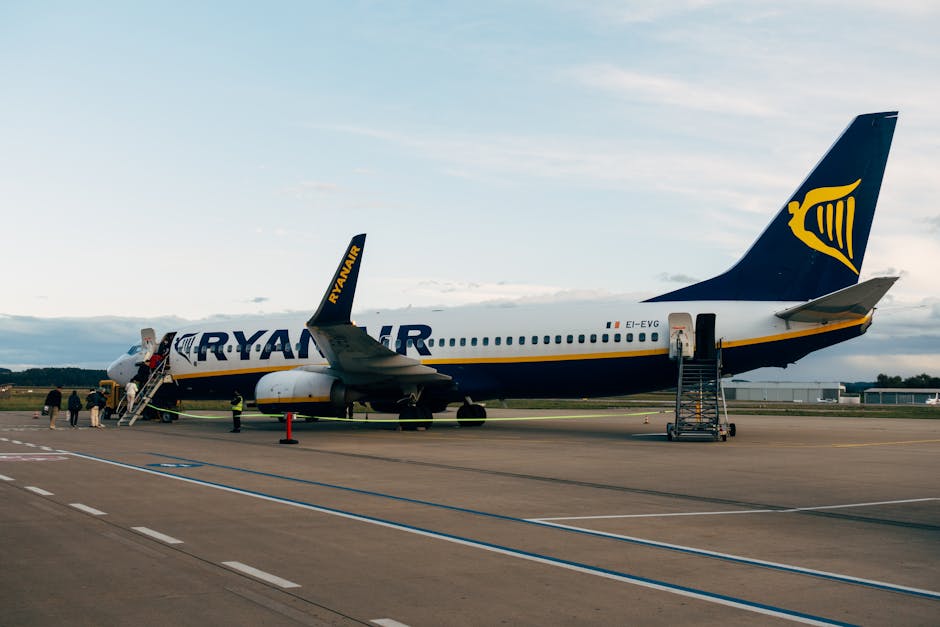
    parent toddler airport travel 2026 family boarding plane

    📊 What the Data Tells Us About Family Air Travel in 2026

    According to the 2026 Global Family Travel Index released by the International Air Transport Association (IATA), family travel bookings with children under age 5 have grown by 22% compared to pre-pandemic baselines. More parents are flying sooner with younger children, partly driven by remote-work flexibility enabling longer family trips.

    However, the same report flagged that 67% of parents with toddlers reported moderate-to-high anxiety before their flights, primarily around in-flight behavior management, ear pressure discomfort, and sleep disruption. The good news? These are all addressable challenges — not insurmountable ones.

    🧳 Before You Even Get to the Airport: The Planning Phase

    The secret sauce of a smooth family flight begins weeks before departure. Here’s how to set yourself up for success:

    • Book strategically: Early morning or post-nap afternoon flights tend to align better with toddler sleep rhythms. Red-eye flights can work brilliantly for some kids who sleep through them entirely — but know your child before committing.
    • Choose your seat wisely: In 2026, most major carriers including Delta, Singapore Airlines, and Korean Air now offer a dedicated “Family Zone” seating section on wide-body aircraft. These rows are near the bulkhead, offer bassinet mounts, and are grouped away from business travelers. Always call the airline directly to confirm availability.
    • Request a CARES harness approval: The FAA-approved CARES (Child Aviation Restraint System) harness remains one of the safest and most compact solutions for toddlers in their own seat. Confirm with your airline before flying — most major carriers accept it.
    • Pack the carry-on like a pro: Follow the 3-layer rule — comfort items on top, snacks in the middle, entertainment at the bottom. You should be able to access what you need without unpacking everything mid-flight.
    • Download offline entertainment: Streaming services like Netflix, Disney+, and YouTube Kids all offer robust offline download modes. Load up tablets the night before — don’t rely on in-flight Wi-Fi for toddler content.

    🌍 Lessons from Airlines Doing It Right: Global Examples in 2026

    Some airlines have raised the bar significantly for family-friendly flying, and we can learn a lot from their approaches.

    Singapore Airlines (International Example): In early 2026, Singapore Airlines expanded its “Little Flyers” program systemwide, which includes pre-boarding by 20 minutes for families with children under 6, complimentary toddler meal kits (finger food format, not the standard tray), and a dedicated cabin crew member trained in child comfort management on all routes over 6 hours. The program has received overwhelmingly positive feedback from parent travel bloggers across Asia and Europe.

    Southwest Airlines (Domestic U.S. Example): Southwest’s open seating model, while sometimes criticized for adults, actually works exceptionally well for families. Their Family Boarding policy (boarding between groups A and B) gives parents the best shot at securing a full row without premium seat fees. In 2026, they also introduced a “Family Essentials Bag” available at the gate for a nominal fee — containing wipes, a small activity pad, and earplugs for nearby passengers (a genius goodwill gesture).

    Korean Air (Asia-Pacific Example): Korean Air now provides a complimentary “Baby Kit” on international routes for passengers who pre-register infants and toddlers — including a small plush toy, bib, changing pad, and a noise-canceling earbud set designed for small ear canals. It’s a small touch, but it signals a broader cultural shift toward family-inclusive service.

    toddler airplane seat snack bag travel toys entertainment tablet

    👂 The Ear Pressure Problem: A Practical Deep-Dive

    One of the top complaints from parents isn’t misbehavior — it’s ear pain during ascent and descent, which toddlers cannot verbalize well and which leads to inconsolable crying. Here’s what actually works:

    • Nursing or bottle feeding during takeoff and landing encourages continuous swallowing, which equalizes ear pressure naturally. This is the gold standard for infants and young toddlers.
    • Older toddlers (2–4 years): Offer a chewy snack like fruit strips or gummy vitamins during descent specifically — the chewing and swallowing action does the same job.
    • EarPlanes Kids: These filtered earplugs are designed to slow pressure change in the ear canal. They’re available at most airport pharmacies and have been clinically studied. They work best when inserted before the descent begins — about 30–45 minutes before landing on most flights.
    • Avoid decongestants: Unless specifically prescribed by your pediatrician, over-the-counter decongestants are not recommended for children under 6 by the American Academy of Pediatrics as of 2026 guidelines.

    🎒 The Ultimate Toddler Flight Bag Checklist

    • 2–3 small new toys (novelty keeps attention longer than familiar items)
    • Favorite snacks in portioned zip bags
    • Loaded tablet with headphone splitter and toddler-sized headphones
    • Change of clothes (two sets — one for your child, one for you)
    • Sticker activity books (mess-free, endlessly engaging)
    • Silicone collapsible cup for drinks
    • Small nightlight or glow toy for longer flights
    • Your child’s comfort item (blanket, stuffed animal) — never check this!

    🔄 Realistic Alternatives: When the “Perfect Plan” Falls Apart

    Let’s be honest — even the best-prepared parents have tough flights. So here are your realistic fallback options when things go sideways:

    If your toddler is inconsolable and you’ve tried everything, take a walk. A slow walk to the back galley and back is not only a distraction but also a change of physical environment that genuinely resets a toddler’s mood in many cases. Most flight attendants in 2026 are empathetic — a quiet word with the crew can also open up a small standing area near the galley temporarily.

    If you’re on a long-haul flight and sleep just isn’t happening, recalibrate your expectations. A toddler who watches three consecutive episodes of Bluey and eats their weight in crackers is still a toddler who is calm and safe. That’s a win. Screen time limits exist for normal days at home — not for 14-hour flights over the Pacific.

    If you’re genuinely considering skipping air travel altogether for a trip under 6–8 hours, consider train travel as a seriously underrated alternative. In the U.S., Amtrak’s expanded 2026 corridor routes offer family compartments, no ear pressure, walking space, and a genuinely different adventure for toddlers. In Europe and Asia, high-speed rail remains the family traveler’s quiet secret.

    Editor’s Comment : Flying with a toddler will never be entirely effortless — and that’s okay. The goal isn’t a perfect flight; it’s an manageable one. What I love about family travel in 2026 is that airlines are genuinely starting to listen to parents, and the tools available to us — from smarter gear to better seat options — are meaningfully better than even five years ago. Plan thoughtfully, pack strategically, give yourself grace when things go off-script, and remember: every single seasoned traveler on that plane was a toddler once too. You’ve got this. ✈️

    태그: [‘flying with toddlers 2026’, ‘toddler airplane travel tips’, ‘family travel hacks’, ‘infant flight guide’, ‘best airlines for families’, ‘toddler carry-on essentials’, ‘stress-free travel with kids’]


    📚 관련된 다른 글도 읽어 보세요

  • 유아 동반 비행기 여행 꿀팁 2026 – 울음도, 짐도, 스트레스도 줄이는 완전 정복 가이드

    지난해 말, 지인이 18개월 아이를 데리고 방콕행 비행기를 탔다가 ‘다시는 비행기 안 탄다’고 선언했어요. 이착륙 때 귀 통증으로 울어대는 아이, 좁은 좌석에서 꿈틀대는 아이, 그리고 주변 승객의 따가운 시선… 그 조합이 얼마나 혹독한지는 경험해 본 부모라면 고개를 끄덕일 거라 봅니다. 그런데 흥미로운 건, 똑같은 구간을 타면서도 “생각보다 괜찮았어요”라고 말하는 부모들도 분명히 있다는 점이에요. 차이는 운이 아니라 준비의 밀도였습니다. 2026년 현재 달라진 항공사 정책과 최신 육아 트렌드를 반영해, 현실적으로 써먹을 수 있는 꿀팁들을 함께 정리해 볼게요.


    baby airplane travel family seat bassinet

    📊 숫자로 먼저 이해하는 유아 기내 환경

    왜 아이들이 비행기 안에서 유독 힘들어하는지, 수치로 들여다보면 이유가 명확해져요.

    • 기내 기압: 일반 항공기의 객실 기압은 해발 약 1,800~2,400m에 해당하는 수준으로 유지됩니다. 성인은 어느 정도 적응하지만, 유스타키오관(귀와 코를 연결하는 관)이 미성숙한 영유아는 이 기압 변화에 훨씬 민감하게 반응해요. 이착륙 시 귀 통증으로 우는 아이들의 90% 이상이 이 원인이라고 봅니다.
    • 기내 습도: 기내 평균 상대습도는 10~20% 수준으로, 사막 수준의 건조함이에요. 성인도 2시간 이상 탑승하면 눈과 목이 건조해지는데, 피부 장벽이 약한 영아는 더 빠르게 영향을 받습니다.
    • 소음: 기내 엔진 소음은 평균 75~85dB. 이 지속적인 백색소음은 오히려 영아를 잠재우는 데 도움이 되기도 해요. 실제로 비행 중 잠드는 아이들이 많은 이유 중 하나입니다.
    • 바시넷(Bassinet) 이용 가능 연령: 대부분의 국적기 및 외항사 기준 생후 0~12개월, 몸무게 11kg 이하인 경우 신청 가능합니다. 2026년 현재 대한항공·아시아나항공 모두 사전 좌석 예약 시 바시넷 요청이 가능하며, 일찍 신청할수록 확보 확률이 높아요.

    🌍 국내외 부모들은 어떻게 대처하고 있을까?

    일본의 육아 커뮤니티 ‘마마스타’에서 2025년 말 실시한 설문에 따르면, 유아 동반 비행 경험이 있는 부모 중 68%가 ‘귀 통증 대처’를 가장 어려운 문제로 꼽았어요. 이에 대한 해결책으로 가장 많이 사용된 방법은 이착륙 시 수유 또는 노리개 젖꼭지 물리기(64%), 귀마개 전용 이어머프 착용(21%) 순이었습니다.

    반면 북유럽 부모들 사이에서는 ‘플라이트 키트(Flight Kit)’를 미리 준비하는 문화가 자리 잡혀 있어요. 아이의 평소 감각 자극 선호도에 맞춰 스티커북, 촉감 완구, 미니 플레이도우 등을 소분해 투명 파우치에 담아두고, 기내에서 30분마다 하나씩 새 것처럼 꺼내 주는 방식이에요. 새로운 물건에 대한 호기심이 아이의 주의를 분산시키는 원리를 활용한 거라고 봅니다.

    국내에서는 2026년 들어 유아 동반 승객 전용 우선 탑승(Family Boarding) 서비스가 제주항공·티웨이항공에서도 공식 정책으로 확대 시행되고 있어요. 짐 정리와 아이 착석에 충분한 시간을 확보할 수 있어 탑승 스트레스가 크게 줄었다는 후기가 많습니다.

    toddler airplane snack activity kit window seat

    🎒 짐 싸기: 적게 들고 현명하게 대비하는 법

    유아 동반 여행에서 짐은 ‘많을수록 좋다’는 생각이 오히려 독이 될 수 있어요. 이동 자체가 체력 소모가 크기 때문에, 기내 반입 가방은 최대한 가볍게, 그러나 핵심은 빠짐없이 챙기는 게 포인트입니다.

    • 기내 필수템 리스트
      • 여분 기저귀 (비행 시간 + 2~3개 여유분)
      • 지퍼백 여러 장 (오염된 옷, 쓰레기 분리용)
      • 아이 여분 옷 2벌 + 부모 여분 상의 1벌
      • 수유쿠션 or 목 베개 (좁은 자리에서 수면 보조)
      • 아이가 좋아하는 간식 (단, 냄새 강한 음식은 주변 배려 차원에서 자제)
      • 노이즈캔슬링 유아용 이어머프 (이착륙 귀 보호 겸용)
      • 태블릿 + 오프라인 다운로드 영상 (와이파이 없이도 재생 가능하게 미리 설정)
      • 소형 야광 야간등 (밤 비행 시 기저귀 교체 시 유용)
    • 수하물 팁: 유모차는 대부분의 항공사에서 탑승구 수하물(Gate Check)로 무료 위탁 가능해요. 단, 접이식 경량 유모차라도 기내 반입 여부는 항공사별로 다르니 출발 전 반드시 확인하세요.
    • 액체류 반입: 2026년 현재 국제선 기준, 유아 식품(분유, 이유식, 모유)은 합리적인 양에 한해 100ml 제한 없이 반입 가능합니다. 다만 보안 검색 시 별도 검사를 거쳐야 할 수 있으니 꺼내기 쉬운 위치에 챙겨두는 게 좋아요.

    🪑 좌석 선택 전략: 어디에 앉느냐가 절반을 결정한다

    유아 동반 여행에서 좌석 선택은 단순한 편의의 문제가 아니에요. 벌크헤드 좌석(Bulkhead Seat), 즉 앞쪽 벽면이 있는 자리는 바시넷 장착이 가능하고 발 공간이 넓어 아이가 바닥에서 잠깐 움직일 수 있어요. 단점은 앞 좌석 등받이 뒷주머니가 없고, 팔걸이가 고정되어 있어 누울 공간이 제한된다는 점입니다.

    반대로 창가 좌석은 아이가 창밖을 보며 집중하는 시간을 확보해 주고, 통로 측 이동 없이 반독립적 공간이 생겨 심리적 안정감이 높다는 부모들의 후기가 많아요. 두 명이 여행하는 경우, ‘창가 + 통로’ 조합으로 예약하면 가운데 자리가 비워질 가능성이 높아 실질적으로 세 자리처럼 쓸 수도 있습니다 (물론 보장은 아니에요).

    💡 이착륙 귀 통증, 이렇게 대처하세요

    • 수유 또는 공갈젖꼭지: 삼키는 동작이 이관을 열어 기압 균형을 맞춰줘요. 이착륙 10~15분 전부터 준비해 두는 게 좋아요.
    • 이유식/간식 먹이기: 수유 중이 아닌 아이라면 씹고 삼키는 행동 자체가 도움이 됩니다.
    • 유아용 이어 플레인: ‘이어 플레인(EarPlanes)’이라는 유아 전용 기압 조절 귀마개 제품이 있어요. 국내 온라인 쇼핑몰에서도 구입 가능하며, 실제 사용 후기가 꽤 긍정적인 편입니다.
    • 절대 피해야 할 것: 아이가 울 때 비행기 안에서 주스나 과자를 억지로 먹이면 오히려 기도에 위험할 수 있어요. 차분하게 안아서 달래는 것이 우선입니다.

    🕐 비행 시간대 선택의 지혜

    가능하다면 아이의 평소 낮잠 시간이나 취침 시간에 맞춰 비행 스케줄을 잡는 게 이상적이에요. 특히 야간 비행(밤 10시~새벽 2시 출발)의 경우, 아이가 자연스럽게 잠드는 경우가 많아 오히려 짧은 낮 비행보다 수월했다는 경험담이 많습니다. 단, 부모의 체력 소모가 크다는 점도 감안해야 해요.


    에디터 코멘트 : 유아 동반 비행이 힘든 건 아이 때문이 아니라, ‘아이가 폐를 끼칠까봐’ 전전긍긍하는 부모의 심리적 부담이 절반이라고 봐요. 실제로 준비를 충분히 했을 때 부모가 여유를 갖게 되고, 그 여유가 아이에게도 전달되더라고요. 완벽하게 조용한 비행은 없어요. 하지만 ‘잘 준비된 여행’은 분명히 가능합니다. 첫 비행이 트라우마가 아닌 좋은 추억이 될 수 있도록, 오늘 알아본 팁들이 조금이나마 실질적인 도움이 됐으면 합니다. ✈️

    태그: [‘유아동반비행’, ‘아기비행기여행’, ‘비행기꿀팁2026’, ‘아이와해외여행’, ‘영유아항공여행’, ‘기내준비물’, ‘유아여행준비’]


    📚 관련된 다른 글도 읽어 보세요

  • Hidden Gems of Korea’s Nature: The Best Underrated Natural Spots You’ve Never Heard Of (2026 Guide)

    A few months ago, a friend of mine returned from a solo trip through rural Korea with that unmistakable glow — the kind you only get from genuinely escaping the crowds. She hadn’t gone to Jeju’s Hallasan or the famous Seoraksan peaks. Instead, she’d wandered into places most Koreans themselves haven’t visited. “I felt like I discovered something that wasn’t on anyone’s radar,” she said. That conversation sent me deep into research mode, and honestly? Korea’s underrated natural landscape is nothing short of extraordinary.

    So let’s think through this together — why do most travelers (domestic and international alike) cluster around the same five destinations when Korea quietly hosts dozens of breathtaking, crowd-free natural wonders? Part of it is marketing, part of it is habit, and part of it is simply not knowing where to look. Let’s fix that today.

    hidden Korea nature landscape misty mountains valley

    1. Unbong Wetland (운봉 습지), Namwon — Korea’s Forgotten Bog

    Located in the highlands of Namwon, North Jeolla Province, the Unbong Wetland sits at roughly 500 meters above sea level, making it one of Korea’s rare highland marsh ecosystems. According to the National Institute of Ecology’s 2025 biodiversity survey, this wetland supports over 340 plant species and serves as a critical migratory stopover for at least 28 endangered bird species. Yet annual visitor numbers hover around just 12,000 — a fraction of what Suncheon Bay receives in a single week.

    What makes it special is the seasonal fog that rolls through the basin every morning between April and October, creating an almost cinematic atmosphere. If you’re someone who enjoys solitary hiking or nature photography, this is genuinely elite-level terrain that won’t cost you a cent in entrance fees.

    2. Mureung Valley (무릉계곡), Donghae — The Poet’s Waterfall

    Tucked into the eastern coast city of Donghae in Gangwon Province, Mureung Valley has been celebrated in Korean classical poetry since the Joseon Dynasty — yet it remains dramatically undervisited compared to nearby Naksansa or Odaesan. The valley features Ssangpokpo (twin waterfalls) cascading over ancient granite formations that geologists estimate at over 600 million years old.

    A 2024 Korea Tourism Organization report noted that Donghae City as a whole receives about 15% of the tourist traffic that nearby Gangneung does, despite having comparable (and arguably superior) natural assets. This gap is almost entirely due to transportation infrastructure and promotion budgets — not quality.

    3. Sebyeong Valley (세병계곡), South Chungcheong — The Crystal Stream

    South Chungcheong Province isn’t typically associated with dramatic natural scenery, but Sebyeong Valley near Cheongyang County is a stunning exception. The stream here runs exceptionally clear due to the surrounding granite bedrock filtering the water naturally — local environmental monitoring data from 2025 consistently rates it among the top three cleanest freshwater streams in the peninsula.

    The valley is lined with old-growth chestnuts and oaks, and because it lacks formal tourist infrastructure, it has retained a genuinely wild character. Locals from nearby towns come for summer swimming, but it’s virtually unknown beyond the region.

    4. Gijang Coastal Trail (기장 해안길), Busan — The Overlooked Sea Cliff Walk

    Everyone knows Busan for Haeundae Beach and the famous Gamcheon Culture Village. But just 30 minutes north by local bus lies Gijang County’s coastal trail system — a rugged clifftop walk with views that honestly rival anything you’d find on Ireland’s Wild Atlantic Way or New Zealand’s Coromandel Peninsula. The trail runs approximately 22km and integrates sea caves, fishing villages, and dramatic basalt formations.

    What’s remarkable is that despite being within metropolitan Busan, this trail averages fewer than 200 daily walkers on non-holiday weekdays, according to Gijang County’s 2025 visitor management data.

    Korea coastal trail sea cliff rocky shoreline sunrise

    5. Yongyeon Pond (용연못), Jeju — The Other Side of Jeju

    Jeju Island is saturated with tourists at its headline attractions, but Yongyeon Pond near Jeju City is a genuinely overlooked gem. This volcanic crater pond — technically a maar lake formed by an ancient phreatomagmatic eruption — is surrounded by columnar basalt cliffs and home to a rare endemic aquatic ecosystem. Unlike the tourist-heavy Cheonjeyeon or Cheonjiyeon waterfalls, Yongyeon sees relatively modest foot traffic and offers an intimate encounter with Jeju’s volcanic geology.

    What These Places Have in Common — And What That Tells Us

    Here’s an interesting pattern worth noting: every single spot on this list shares these characteristics:

    • Limited transportation access — none are directly served by major express bus or KTX routes, requiring some logistical planning
    • Minimal English signage — which inadvertently filters out casual international tourists and creates a more authentic experience
    • Low or zero entrance fees — suggesting they haven’t been commercialized yet
    • High ecological sensitivity — several are under informal conservation advisories, meaning visiting responsibly is genuinely important
    • Peak season avoidance potential — even in summer, these spots remain uncrowded compared to mainstream alternatives
    • Strongest in shoulder seasons — April–May and September–October offer the best balance of weather and solitude
    • Local food culture nearby — each location is within 30 minutes of towns with excellent, non-touristy regional cuisine

    Realistic Alternatives If You Can’t Visit

    Let’s be honest — not everyone can casually hop a bus to Cheongyang County on a Tuesday. Here’s how to think about this realistically:

    If you’re based in Seoul and can only do a day trip, Mureung Valley is your best bet — the Cheongnyangni-to-Donghae train takes about 2 hours on the new tilting train service, and you can do a solid 4-hour valley walk and return by evening. If you’re already planning a Jeju trip, adding Yongyeon requires literally no additional travel days — it’s 10 minutes from Jeju City center. For Busan visitors, the Gijang trail is the easiest add-on of them all.

    And if international travel is your preference right now, comparable hidden-nature experiences exist in Taiwan’s Taroko Gorge side trails, Japan’s Shimokita Peninsula, or Vietnam’s Ba Be National Park — all similarly undermarketed relative to their quality.

    Editor’s Comment : What strikes me most about Korea’s underrated natural spots isn’t just their beauty — it’s the quiet irony that some of the peninsula’s most ecologically significant and visually stunning landscapes remain hidden simply because no one assigned them a hashtag. In 2026, when over-tourism is actively damaging iconic destinations worldwide, choosing the road less traveled isn’t just a romantic notion — it’s arguably the most responsible and rewarding travel decision you can make. Go find your fog-filled wetland. It’s waiting for you, completely unbothered.

    태그: [‘hidden natural spots Korea’, ‘underrated Korea travel 2026’, ‘Korea nature hiking’, ‘off the beaten path Korea’, ‘Korean travel guide’, ‘eco tourism Korea’, ‘best nature destinations Korea’]


    📚 관련된 다른 글도 읽어 보세요

  • 진짜 여행자들만 아는 국내 숨겨진 자연 명소 베스트 10 (2026년 최신판)

    몇 해 전, 제주도 성산일출봉 앞에서 셀카봉 숲을 헤쳐가며 ‘이게 여행인가’ 싶었던 적이 있어요. 그때 옆에 있던 현지 분이 슬쩍 귀띔해주셨죠. “거기서 차로 20분만 가면 사람 한 명도 없는 오름이 있는데요.” 그 말 한 마디가 이후 제 여행 방식을 완전히 바꿔놨습니다. 오늘은 그런 경험을 함께 나눠보려 해요. 유명 관광지 뒤에 조용히 숨어 있는, 국내 자연 명소 중에서도 아직 대중에게 덜 알려진 곳들을 소개해 드릴게요.

    hidden nature trail Korea misty forest path

    📊 왜 ‘잘 모르는’ 명소가 오히려 더 가치 있을까? — 수치로 보는 현실

    한국관광공사가 2025년 말 발표한 국내 여행 트렌드 리포트에 따르면, 국내 여행객의 약 73%가 반복 방문하는 여행지가 상위 20개 명소에 집중되어 있다고 합니다. 반면 실제 국내에 등록된 자연 명승지는 110개소 이상이고, 지자체가 관리하는 생태탐방로만 해도 전국에 1,300km가 넘는다고 해요. 그럼에도 관광객의 발길이 닿는 곳은 그중 극히 일부인 셈이죠.

    더 흥미로운 점은, 방문객 만족도 조사에서 ‘덜 알려진 자연 명소’를 다녀온 여행자들의 재방문 의향이 약 89%로, 대형 관광지(약 61%)보다 훨씬 높다는 거예요. 붐비지 않으니 자연 그대로를 느끼고, 그래서 더 깊은 인상을 남기는 게 아닌가 싶습니다.

    🗺️ 진짜 여행자들만 아는 국내 숨겨진 자연 명소 베스트

    아래 소개하는 곳들은 ‘완전 미공개’라기보다는, 알 사람은 알지만 아직 대중화되지 않아 호젓하게 즐길 수 있는 곳들이라고 보시면 좋을 것 같아요.

    • 경북 봉화 — 분천 산타마을 뒤편 낙동강 협곡 트레일
      산타마을로 유명한 분천역 인근에는 낙동강 최상류 협곡을 따라 걷는 비밀스러운 트레일이 있어요. 왕복 약 8km, 소요 시간 3시간 내외로 강물 소리와 단풍이 어우러지는 가을철이 특히 환상적입니다.
    • 전남 신안 — 반월·박지도 퍼플섬 외곽 갯벌 습지
      보라색 마을로 알려진 퍼플섬이지만, 관광객 대부분이 다리 위에서 사진만 찍고 돌아가요. 섬 외곽의 갯벌 습지와 해식 절벽 구간은 거의 사람이 없어서 제대로 된 서해 섬 생태를 만날 수 있습니다.
    • 강원 인제 — 방태산 적가리골 계곡
      방태산은 등산인들 사이에서 ‘원시림의 보고’라 불리지만, 일반 여행자에겐 아직 생소한 이름이에요. 적가리골은 수량이 풍부하고 물이 맑아 여름철 피서지로 제격인데, 국립공원도 아니라 입장료도 없습니다.
    • 경남 합천 — 황매산 모산재 기암 능선
      황매산 철쭉은 유명하지만, 그 옆 모산재의 기암괴석 능선은 상대적으로 조용해요. 바위 틈새를 통과하는 코스가 있어 아이와 함께하는 가족 트레킹으로도 꽤 재미있는 곳이라고 봅니다.
    • 충북 단양 — 도담삼봉 상류 잔도길(남한강 절벽 잔도)
      도담삼봉은 알아도 그 상류 쪽 잔도길은 모르는 분이 많아요. 절벽 옆으로 이어진 나무 데크 구간이 약 1.2km로 짧지만, 강과 절벽이 만들어내는 경관은 중국 장자계 못지않다는 평도 있습니다.
    • 제주 — 저지오름 곶자왈 순환로
      제주의 곶자왈(화산 용암 위에 형성된 원시 숲) 중에서도 저지오름 인근 구간은 탐방객이 적어 ‘제주의 허파’를 온전히 체험할 수 있어요. 습도가 높아 이끼와 양치류가 풍성하며, 빛이 투과하는 낮 시간대가 특히 몽환적입니다.
    • 전북 무주 — 나제통문 인근 구천동 원시림 숲길
      무주 구천동 33경은 유명하지만, 나제통문에서 이어지는 옛 원시림 구간은 관광 동선에서 벗어나 있어요. 600년이 넘은 노거수들이 터널처럼 이어지는 구간은 계절에 상관없이 시원하고 깊은 인상을 남깁니다.
    • 경기 연천 — 재인폭포 현무암 주상절리 협곡
      한탄강 주상절리는 알아도 재인폭포 협곡은 모르는 분이 많아요. 현무암 절벽이 폭포를 감싸는 구조가 독특해서, 지질학적 경이로움과 자연 경관을 동시에 느낄 수 있는 곳입니다. 수도권에서 1시간 30분 거리라 당일치기로도 충분해요.
    • 강원 삼척 — 미인폭포 & 덕풍계곡
      덕풍계곡은 여름철 오지 트레킹 마니아 사이에서 ‘국내 최고의 비경 계곡’으로 불려요. 4~5회 도강(渡江)을 해야 하는 코스 특성상 접근성이 낮지만, 그 덕분에 계곡이 때 묻지 않은 상태로 유지되고 있습니다.
    • 전남 보성 — 초암산 편백숲 & 득량만 낙조 전망대
      보성 하면 녹차밭이지만, 초암산 편백숲과 그 능선 끝에서 바라보는 득량만 낙조는 거의 알려지지 않은 보성의 숨겨진 얼굴이에요. 피톤치드 가득한 숲길과 서해 낙조를 하루에 동시에 즐길 수 있다는 점이 특별합니다.
    Korea hidden valley waterfall lush green gorge sunlight

    🌍 해외에도 비슷한 사례가 있을까? — 오버투어리즘과 대안 여행의 흐름

    사실 이런 ‘숨겨진 명소 찾기’ 트렌드는 글로벌하게도 주목받는 현상이에요. 아이슬란드 관광청은 2022년부터 ‘오프 더 비튼 패스(Off the Beaten Path)’ 캠페인을 공식적으로 운영하며, 골든서클 외 지역으로 관광객을 분산시키고 있어요. 일본도 교토·도쿄 집중 문제를 해결하기 위해 ‘숨겨진 일본(Hidden Japan)’ 루트를 정부 차원에서 홍보하고 있죠.

    우리나라도 2026년 현재 문화체육관광부가 ‘지역 관광 활성화 프로젝트’를 통해 비수도권 비인기 지역 자연 자원 발굴에 예산을 투입하고 있다고 합니다. 오버투어리즘(overtourism)—특정 관광지에 과도한 방문객이 몰려 자연·문화 자원이 훼손되는 현상—에 대한 반성이 국내에서도 서서히 정책으로 반영되는 모습이라고 봅니다.

    💡 실제로 어떻게 찾아가야 할까? — 현실적인 팁

    숨겨진 명소는 정보가 부족한 만큼 사전 준비가 더 중요해요. 몇 가지 실용적인 방법을 공유할게요.

    • 국립공원공단 및 지자체 공식 생태관광 포털 확인: 일반 포털에 잘 안 잡히는 생태탐방로 정보가 여기에 정리돼 있어요.
    • 산림청 ‘숲길’ 앱 활용: 등록된 숲길 1,300여 개 코스의 난이도·거리·시설 정보를 확인할 수 있어요.
    • 지역 블로거·등산 커뮤니티 후기 참조: 최신 탐방 후기는 네이버 카페 ‘산사랑’, ‘트랭글’ 앱 기록 등에서 찾을 수 있어요.
    • 방문 전 날씨·출입 가능 여부 반드시 확인: 오지형 명소일수록 우기나 산불 시즌에 출입이 통제되는 경우가 많습니다.
    • 생태계 보호 에티켓 준수: 취사·야영 금지 구역 확인, 쓰레기 되가져오기, 야생동식물 채집 금지는 기본 중의 기본이에요.

    에디터 코멘트 : 솔직히 ‘숨겨진 명소’라는 말은 약간 모순적인 데가 있어요. 소개되는 순간 더 이상 숨겨진 곳이 아닐 수 있으니까요. 그래서 이 글의 진짜 의도는 특정 장소를 알리는 것보다, “나만의 명소를 발굴하는 시선을 갖자”는 쪽에 더 가깝습니다. 유명 관광지 근처의 작은 샛길 하나, 이정표 없는 능선 하나가 때로는 평생 기억에 남는 풍경이 되더라고요. 2026년, 조금 다른 방식의 국내 여행을 시도해 보시길 권해드립니다.

    태그: [‘국내숨겨진명소’, ‘잘모르는자연명소’, ‘국내여행추천2026’, ‘힐링여행지’, ‘오지트레킹’, ‘국내비경’, ‘생태관광’]


    📚 관련된 다른 글도 읽어 보세요