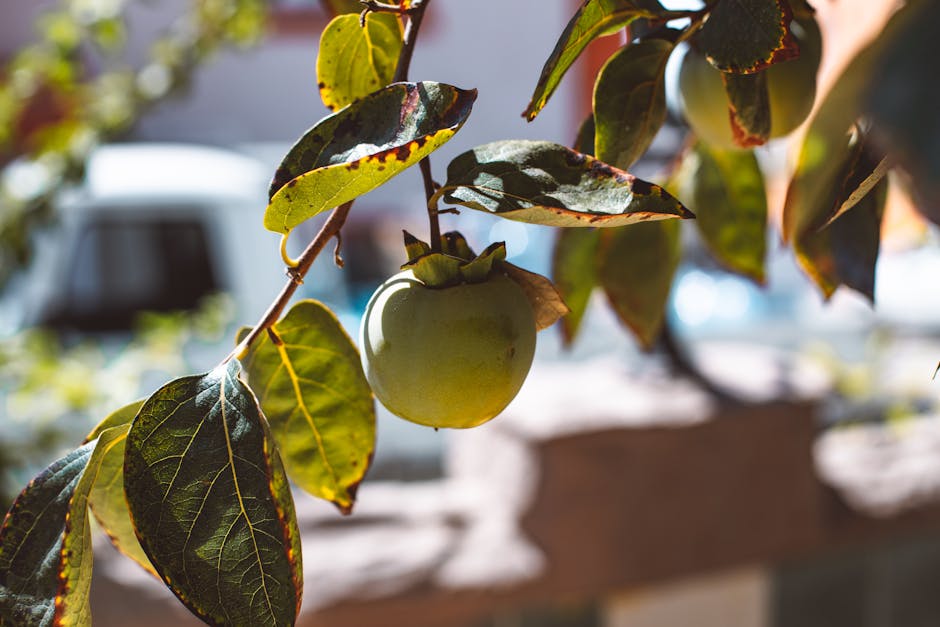
Last spring, a friend of mine — a self-described “anti-tourist” — stumbled upon a narrow alley in Tongyeong, a coastal city in South Gyeongsang Province, where an elderly grandmother had been drying persimmons on a rope strung between two weathered walls for over 40 years. She photographed it, posted it on Instagram, and within three weeks, that alley had a line of visitors stretching half a block. By summer, the grandmother had quietly moved her persimmons to the backyard.
This little story captures something important: the lifecycle of a Korean “hotspot” (핫플, short for hot place) is accelerating at a pace we’ve never seen before. And if you want to be the one discovering rather than following, you need to rethink how you search entirely.
Let’s think through this together — logically, creatively, and with a healthy dose of wanderlust.
📊 Why Hidden Places Don’t Stay Hidden Long: The 2026 Data Reality
Here’s something worth sitting with: according to Korea Tourism Organization’s digital trend report released in early 2026, the average time it takes for a “discovered” Korean location to go from its first Instagram tag to peak visitor traffic has shrunk to just 11 days — down from roughly 6 weeks in 2022. The algorithm is simply that efficient now.
Instagram’s Reels discovery engine, combined with KakaoMap’s real-time “trending spots” feature and Naver Blog’s AI-curated travel feeds, means that any genuinely photogenic place in Korea is essentially on a countdown clock the moment someone posts it. Even obscure tags in niche communities like 감성스냅 (emotional snap photography) or 필름카메라여행 (film camera travel) are being scraped and surfaced faster than ever.
So what does this mean practically? It means that finding hidden hotspots requires moving upstream — getting into the discovery flow before the algorithm catches up.
🗺️ The Real Methodology: How Savvy Korean Travelers Find Hidden Gems First
Let me walk you through the actual playbook that experienced Korean travel enthusiasts use in 2026. It’s less about knowing where to look and more about knowing how to look.
- Search by geographic coordinates, not place names: Instead of searching “Gyeongju hidden café,” try zooming into Google Maps or Kakao Maps in rural areas and looking for pins with fewer than 50 reviews. Fewer reviews = less algorithmic exposure. This is especially powerful in counties (군, gun) rather than cities.
- Follow local photographers, not travel influencers: There’s a massive difference. Local photographers in cities like Mokpo, Chuncheon, or Pohang post for community — not for reach. Their tagged locations are goldmines because they’re not optimizing for virality.
- Use Naver Café communities, not hashtags: Naver Cafés dedicated to specific regional hobbies (hiking clubs in Gangwon, cycling groups in Jeollanam-do) often share spots that never make it to Instagram at all. These communities are relatively closed ecosystems — a significant delay buffer before viral exposure hits.
- Check local government tourism blogs: This sounds boring, but hear me out. County-level tourism bureaus in Korea (e.g., Hadong-gun, Boseong-gun) regularly publish posts about attractions they’re trying to promote — which means they’re not yet promoted. You get a 2-3 month head start before national media picks it up.
- Reverse-engineer from seasonal events: Search for upcoming local festivals (축제) on the Korea Tourism Organization’s English portal. Locations that host small festivals are almost always surrounded by visually stunning but under-photographed landscapes.
- Look at train and bus terminus towns: Many Koreans skip towns that require transfers or aren’t on express lines. Places like Yeongwol in Gangwon, Gochang in North Jeolla, or Namhae in South Gyeongsang remain beautifully overlooked precisely because getting there is slightly inconvenient.
🌏 Learning from Examples: Domestic and International Discovery Models
South Korea isn’t alone in grappling with this tension between discovery and overcrowding. Let’s look at a few instructive cases.
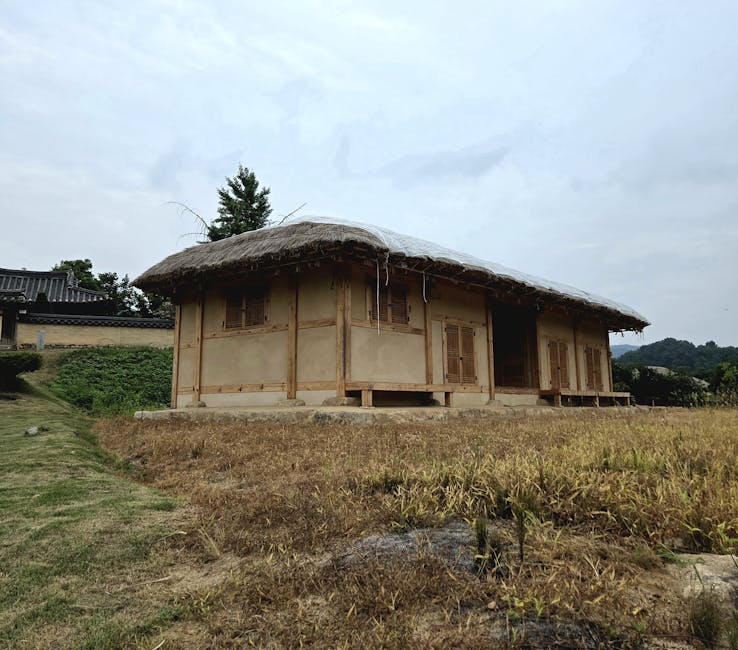
Domestic — The Guryongpo Japanese Village (구룡포 일본인 가옥거리), Pohang: This preserved Japanese colonial-era village in Pohang was virtually unknown outside local history circles until a single Netflix drama scene featured its stone walls in 2023. By 2024, it was saturated. But here’s the insight: neighboring streets and courtyards that share the same aesthetic character remain almost empty even today in 2026. The lesson? When a hotspot blows up, its immediate surroundings become the new hidden gems.
Domestic — Wido Island (위도), North Jeolla: Accessible only by ferry from Buan, Wido has a tidal flat ecosystem and traditional fishing village architecture that’s genuinely stunning. It’s appeared on exactly zero major travel listicles as of early 2026. The reason? No Instagram-friendly café, no English signage, no glamping site. Which, frankly, is exactly why it’s worth going.
International Model — Japan’s “Ura Kyoto” Strategy: Facing the same overtourism crisis, Kyoto’s tourism board officially began promoting what they called “Ura Kyoto” (裏京都, or “behind Kyoto”) — lesser-known neighborhoods and towns within the same region. Korea could genuinely benefit from adopting this framing. Think “Ura Jeonju” or “Ura Gyeongju” as discovery frameworks rather than just alternatives to the main city.
⚖️ The Ethics of Sharing: Should You Even Post What You Find?
This is the part most travel content doesn’t want to address, but let’s be honest with ourselves. When you find something genuinely special — a garden tended by an elderly couple, a beach that’s clean because nobody goes there, a mountain temple that still feels sacred — the act of posting it begins its transformation.
Some realistic alternatives to consider:
- Post without geotagging: Share the beauty, withhold the coordinates. Your followers get the inspiration, the place gets some protection.
- Delay posting by a season: Visit in autumn, post in spring. By then you’ve had the experience fully, and the seasonal mismatch reduces the immediate stampede effect.
- Advocate for visitor caps: If you have an audience, use it. Mention in your caption that a place has limited capacity and encourage respectful visiting behavior explicitly.
- Support local businesses, not just locations: The real value exchange is spending money in these communities — eating at the local sikdang, buying from the grandmother’s stall — not just photographing and leaving.
🧭 Practical Starting Points for 2026
If you’re planning a trip right now and want to apply everything we’ve discussed, here are some genuinely underexplored regions worth investigating through the methodology above:
- Sinan Archipelago (신안군): The “Purple Island” got famous, but there are 1,004 islands here, and perhaps 990 of them have never appeared in a travel blog.
- Yeongyang, North Gyeongsang: Known for its firefly-watching spots and pristine night skies — officially certified as one of Korea’s darkest sky areas. Minimal Instagram presence, maximum atmosphere.
- Gochang, North Jeolla: UNESCO Biosphere Reserve with dolmen sites, pansori culture, and coastal wetlands. Criminally undervisited.
- Uljin, North Gyeongsang: Hot springs, pine forests, and a coastline that rivals Gangwon without the weekend traffic. Three hours from Seoul by express bus.
The beauty of Korea in 2026 is that despite the hyper-connected travel culture, there are still places that exist in their own quiet rhythm. Finding them isn’t just about photography — it’s about the quality of attention you bring to a place. And frankly, that quality is what makes a photo worth looking at in the first place.
So before you open Instagram to plan your next trip, maybe open a county-level map instead. Zoom in. Look for the roads that don’t have names yet.
Editor’s Comment : The best hidden spots in Korea aren’t hidden because they’re hard to find — they’re hidden because most people aren’t willing to look sideways. In a travel culture increasingly shaped by algorithmic recommendation, the most radical act might simply be choosing a direction the algorithm hasn’t optimized yet. Go there. Take your time. And maybe — just maybe — keep it between you and the persimmon grandmother.
태그: [‘Korea hidden travel spots’, ‘Instagram hotspot discovery 2026’, ‘Korean travel tips’, ‘undiscovered Korea destinations’, ‘Korean countryside travel’, ‘travel photography Korea’, ‘anti-overtourism travel’]
Leave a Reply