Category: Uncategorized

  • 어릴때 이것 키워주지 않으면 후회해도 소용없어요 — 2026년 기준 코딩 교육, 지금 시작 안 하면 진짜 늦습니다

    얼마 전에 초등학교 4학년 아이를 둔 친한 형한테 연락이 왔어요. “야, 우리 애 코딩 학원 보내야 하냐? 근데 너무 어린 거 아니야?” 저는 딱 이렇게 답했어요. “형, 솔직히 말하면 이미 좀 늦었어.”

    형이 당황하더라고요. 근데 이건 협박이 아니에요. 지금 초등 3~4학년 기준으로 주변 아이들이 어떻게 움직이고 있는지, 그리고 중학교 입학 이후 교육과정이 어떻게 바뀌었는지를 알면 자연스럽게 나오는 말이에요. 15년 동안 현장에서 개발하고, 아이들 코딩 교육 커리큘럼도 직접 짜봤던 입장에서 오늘은 ‘언제, 어떻게, 얼마나’ 구체적으로 얘기해드릴게요.

    child coding education, elementary school programming, kids learning computer

    • 📌 코딩 교육, 왜 지금이 진짜 마지노선인가
    • 📌 나이별 커리큘럼 — 7세부터 중학생까지 로드맵
    • 📌 비용 비교표 — 학원 vs 온라인 vs 방문 수업
    • 📌 2026년 기준 국내외 코딩 교육 플랫폼 실제 후기
    • 📌 절대로 하지 말아야 할 실수 5가지
    • 📌 자주 묻는 질문(FAQ)
    • 📌 결론 — 지금 당장 해야 할 딱 한 가지

    코딩 교육, 왜 지금이 진짜 마지노선인가

    2026년 현재 기준으로, 국내 초중고 교육과정에서 ‘정보’ 과목은 선택이 아닌 필수로 전환됐습니다. 2022 개정 교육과정이 완전히 적용된 시점에서 초등학교는 연간 34시간, 중학교는 68시간의 정보·코딩 수업이 의무화되어 있어요. 여기서 핵심은 수업 시간이 느는 게 아니라, 수업의 ‘깊이’가 달라졌다는 점이에요.

    예전엔 ‘스크래치로 고양이 움직이기’ 수준이었다면, 지금은 중학교 1학년 1학기에 파이썬(Python) 기초 문법, 조건문·반복문, 데이터 구조 개념이 들어가 있어요. 이걸 학교에서 처음 접하는 아이와, 이미 1~2년 손에 익힌 아이의 격차는 수학 선행 격차보다 훨씬 빠르게 벌어집니다. 왜냐면 코딩은 논리적 사고 근육이라 하루아침에 따라잡기가 불가능하거든요.

    실제로 서울대 컴퓨터공학부 입학생 대상 설문(2025년 기준)에서 응답자의 78%가 ‘초등학교 시절부터 코딩 관련 경험이 있었다’고 답했습니다. 그리고 국내 IT 기업 신입 채용 공고의 62%가 ‘코딩 테스트 필수’를 명시하고 있죠. 미래 얘기가 아니에요, 지금 얘기입니다.

    python programming beginner, coding curriculum elementary school, Korea education 2026

    나이별 커리큘럼 — 7세부터 중학생까지 로드맵

    나이별로 뭘 배워야 하는지 헷갈려하는 분들이 많아서 정리해드릴게요. 이건 제가 직접 커리큘럼 설계하면서 검증한 순서입니다.

    • 7세 ~ 초등 1학년: 컴퓨팅 사고력 기초. 알고리즘 개념을 ‘블록 쌓기’처럼 접근. 도구: 엔트리(Entry), 코드닷오알지(code.org) 무료 과정. 목표: ‘순서대로 생각하기’ 습관화.
    • 초등 2~3학년: 스크래치(Scratch) 기반 프로젝트. 게임, 애니메이션 직접 만들기. 창의력과 논리력 동시 자극. 이 시기가 ‘재미 훅(Hook)’을 심어주는 골든타임.
    • 초등 4~5학년: 텍스트 코딩 입문. 파이썬 기초 문법(변수, 조건문, 반복문). 이 시기부터 시작 못 하면 중학교 정규 수업에서 ‘낯섦’을 느끼기 시작함.
    • 초등 6학년 ~ 중학교 1학년: 파이썬 심화 + 알고리즘 기초. 리스트, 딕셔너리, 함수 개념. 학교 시험 대비도 이 시기부터 병행 필요.
    • 중학교 2~3학년: 자료구조, 정렬 알고리즘, 웹 기초(HTML/CSS). 고등학교 AP Computer Science 또는 정보올림피아드(KOI) 준비 가능 구간.

    비용 비교표 — 학원 vs 온라인 vs 방문 수업

    가장 많이 물어보는 게 비용이에요. 2026년 현재 서울 기준 실제 시세로 정리했습니다.

    구분 월 비용 (서울 기준) 수업 횟수 장점 단점 추천 대상
    코딩 학원 (대형 프랜차이즈) 15만~25만 원 주 2회 (80분) 체계적 커리큘럼, 또래 경쟁 이동 시간, 획일화된 진도 초등 3학년 이상, 자기주도 부족한 아이
    코딩 학원 (소규모 개인) 12만~18만 원 주 2회 (60분) 개인화 가능, 유연한 커리큘럼 강사 실력 편차 큼 특정 프로젝트 목표 있는 아이
    온라인 플랫폼 (코드잇, 엘리스) 3만~8만 원 무제한 수강 가성비 최고, 자기 페이스 자율성 필요, 피드백 부족 중학생 이상, 자기주도 높은 아이
    방문 1:1 과외 30만~60만 원 주 2회 (90분) 완전 맞춤형, 즉각 피드백 비용 부담 매우 큼 대회 준비 or 단기 집중 필요 시
    유튜브+무료 플랫폼 0원 자유 완전 무료 방향성 없으면 시간 낭비 부모가 함께 가이드할 수 있는 경우

    제 솔직한 의견: 초등 저학년은 학원 or 방문 수업으로 ‘재미’를 먼저 심어주고, 초등 고학년부터 온라인 플랫폼 병행하는 게 가장 효율적이에요. 처음부터 유튜브로 독학시키면 90%는 2개월 안에 포기합니다.

    2026년 기준 국내외 코딩 교육 플랫폼 실제 후기

    직접 써보거나, 아이들한테 써본 플랫폼 기준으로만 얘기할게요.

    1. 엔트리(entry.org) — 무료, 국내 최고 입문 플랫폼
    한국교육학술정보원(KERIS)이 운영하는 국산 플랫폼이라 한글 지원이 완벽해요. 스크래치와 유사한 블록 코딩인데, 실제 학교 정보 수업과 연동되어 있어서 학교 과제와 시너지가 나요. 초등 1~4학년에게 강력 추천. 단, 텍스트 코딩으로 넘어가는 순간 한계가 있어서 이후엔 다른 플랫폼으로 이동해야 해요.

    2. 코드잇(Codeit) — 유료, 중학생 이상 최고 가성비
    월 4만 9천 원대에 파이썬, 자바스크립트, 알고리즘 강의를 무제한으로 들을 수 있어요. 강의 퀄리티가 국내 플랫폼 중에서 제일 높다고 생각하고, 특히 ‘개념 설명 → 퀴즈 → 미션’ 구조가 자기주도 학습에 최적화되어 있습니다. 단, 영상만 보고 코딩 안 하면 당연히 소용없어요.

    3. 코드닷오알지(code.org) — 무료, 영어지만 비주얼이 직관적
    마인크래프트, 스타워즈, 겨울왕국 테마로 알고리즘 개념을 배울 수 있어서 아이들 집중도가 엄청나요. 영어로 되어있지만 7~8세도 충분히 따라갈 수 있는 수준. 특히 ‘아워 오브 코드(Hour of Code)’ 커리큘럼은 글로벌 표준이에요.

    4. 백준 온라인 저지(BOJ) — 무료, 중등 이상 알고리즘 심화
    알고리즘 문제풀이 플랫폼으로, 정보올림피아드(KOI) 준비하거나 고등학교 이후 코딩 테스트를 목표로 한다면 필수예요. 다만 입문자에게 바로 들이밀면 멘탈 붕괴 옵니다. 파이썬 기초가 잡힌 이후에 시작하세요.

    절대로 하지 말아야 할 실수 5가지

    • ❌ 실수 1: “일단 학원 보내면 되겠지” 방치 — 학원에 보낸 뒤 부모가 전혀 관심 안 가지면 아이는 ‘시험 대비용’으로만 배우고 흥미를 잃어요. 주 1회라도 “오늘 뭐 만들었어?” 대화가 필수입니다.
    • ❌ 실수 2: 성적이나 결과물로 압박하기 — 코딩은 ‘틀려도 다시 돌리면 되는’ 시행착오의 학문이에요. 처음부터 “왜 이것밖에 못 해?”하면 논리적 사고보다 눈치 보기를 배웁니다. 결과가 아닌 과정을 칭찬하세요.
    • ❌ 실수 3: 너무 이른 자격증 준비 (SW코딩자격증 등) — 국내 코딩 자격증들이 있긴 한데, 솔직히 취업이나 입시에서 실질적 메리트는 크지 않아요. 자격증 준비 시간에 차라리 프로젝트 하나 더 만드는 게 포트폴리오로 훨씬 가치 있습니다.
    • ❌ 실수 4: 코딩 도구를 너무 자주 바꾸기 — 스크래치 2개월 하다가 파이썬 갔다가 자바 갔다가 하면 아무것도 깊어지지 않아요. 하나 정해서 최소 6개월은 파야 ‘내가 만들 수 있다’는 자신감이 생깁니다.
    • ❌ 실수 5: 중학교 입학 후 처음 시작하기 — 이게 가장 많이 보이는 케이스인데, 중학교 1학년 2학기부터 정보 수업이 본격화되면 학교 수업 따라가면서 동시에 기초까지 잡으려면 아이 입장에선 너무 힘들어요. 최소 초등 5학년, 이상적으론 3~4학년이 시작 타이밍입니다.

    자주 묻는 질문 (FAQ)

    Q1. 수학을 못해도 코딩을 잘 할 수 있나요?

    초등~중등 수준의 코딩에서는 수학 실력과 코딩 실력의 상관관계가 생각보다 낮아요. 기초 알고리즘과 프로그래밍 논리는 수학보다 ‘순서대로 생각하는 능력’과 더 깊이 연결되어 있거든요. 다만 고등학교 이후 알고리즘 심화(그래프 이론, 동적 프로그래밍 등) 단계로 가면 수학적 사고력이 분명히 필요해집니다. 초중등 단계에서는 수학 걱정 말고 일단 시작하는 게 정답이에요.

    Q2. 딸아이인데 코딩이 맞을까요? 성별 차이가 있나요?

    결론부터 말하면 성별 차이는 없어요. 오히려 최근 데이터 보면 여학생들이 UI/UX, 데이터 분석 쪽에서 강점을 보이는 경우가 많고, 구글·애플 같은 글로벌 빅테크 기업들이 여성 개발자 채용을 적극적으로 늘리는 추세입니다. 2026년 현재 국내 SW 관련 학과 여학생 비율도 꾸준히 증가 중이에요. 오히려 ‘여자애가 코딩을?’ 하는 주변 시선이 더 문제입니다.

    Q3. 학원 선택 시 가장 중요하게 봐야 할 기준이 뭔가요?

    세 가지만 보세요. 첫째, 강사가 실제 개발 경험이 있는가(자격증만 있는 강사는 피하세요). 둘째, 커리큘럼이 ‘프로젝트 기반’인가(이론 강의 위주라면 흥미 유지 어려움). 셋째, 반 인원이 8명 이하인가(그 이상이면 개인 피드백이 사실상 불가능). 이 세 가지 충족하면 브랜드 이름은 크게 안 중요해요.

    결론 — 지금 당장 해야 할 딱 한 가지

    오늘 이 글을 읽고 ‘그렇구나~’ 하고 넘기면 아무 의미 없어요. 지금 당장 아이랑 같이 code.org 들어가서 ‘아워 오브 코드’ 딱 한 시간만 같이 해보세요. 무료고, 한글 지원되고, 게임처럼 재미있어요. 그 한 시간이 아이한테는 ‘코딩이 무서운 게 아니구나’라는 첫 인식을 심어줄 수 있어요. 그게 전부입니다. 완벽한 학원 찾고, 커리큘럼 비교하다가 또 6개월 흘러가요.

    한 줄 평: 코딩 교육은 시작이 늦을수록 따라잡는 비용(시간+돈+스트레스)이 기하급수적으로 증가하는 투자다. 지금이 가장 빠른 시점이다.

    읽어주셔서 감사합니다. 궁금한 점은 댓글로 남겨주세요! 아이 나이, 현재 수준, 목표만 알려주시면 구체적인 방향 잡는 거 도와드릴 수 있어요. 저도 처음엔 다 몰랐습니다. 같이 찾아가면 됩니다.


    📚 관련된 다른 글도 읽어 보세요

    태그: 코딩교육, 어린이코딩, 초등코딩학원, 파이썬교육, 코딩학원비용, 2026교육과정, 소프트웨어교육
  • 차 사기 전에 제발 이것만 확인해 — 2026년 기준 전기차 vs 하이브리드 실구매 비교

    지난달에 친한 형이 전화해서 이런 말을 했어요. “야, 나 전기차 샀다가 6개월 만에 팔았어. 충전이 이렇게 스트레스인 줄 몰랐다.” 반대로 제 동생은 하이브리드 샀다가 “기름값이 생각보다 별로 안 줄었는데?” 하고 투덜거리고 있고요. 둘 다 잘못된 게 아니에요. 그냥 자기 라이프스타일에 맞지 않는 차를 산 거예요.

    2026년 현재, 전기차 보조금은 또 줄었고 하이브리드 대기는 여전히 6개월이 넘는 모델이 있어요. 이 글은 ‘전기차가 좋다, 하이브리드가 좋다’는 편 가르기가 아닙니다. 여러분의 상황에 맞는 선택을 하도록 팩트로만 비교해드릴게요.

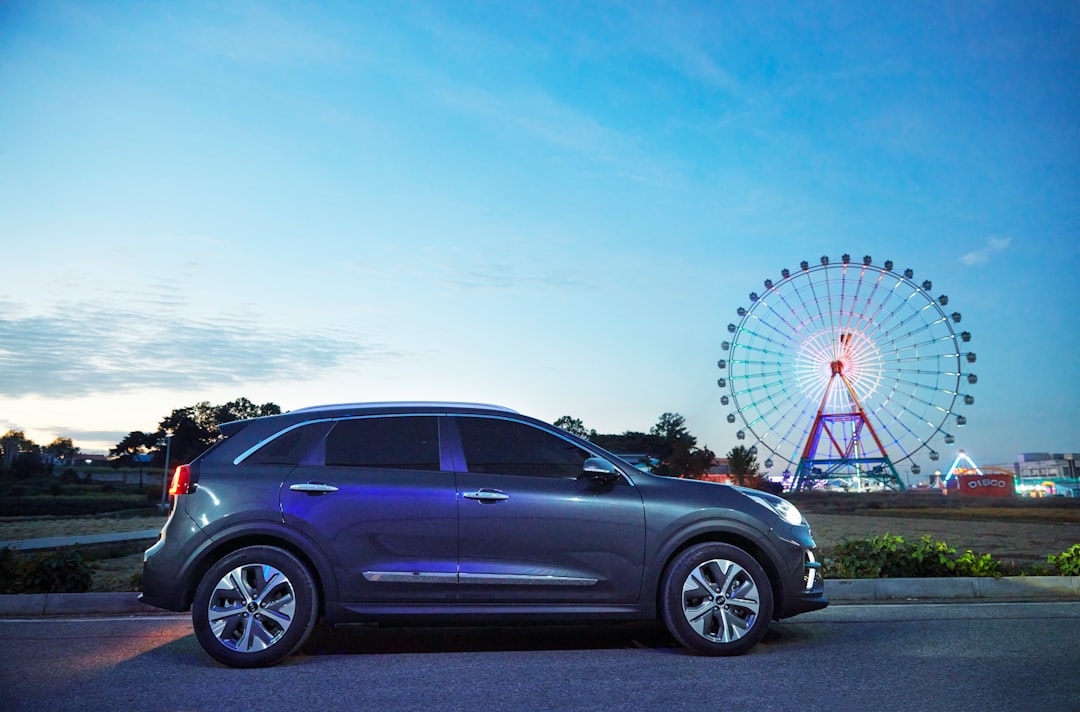
    electric vehicle vs hybrid car comparison 2026, Korean EV charging station

    • 📌 2026년 기준 실보조금 & 실구매가 비교
    • 📌 연간 유지비 계산 — 진짜 얼마나 차이나나
    • 📌 전기차 타면 생기는 문제들 (충전 현실, 배터리 열화)
    • 📌 하이브리드의 숨겨진 함정 — 이걸 모르고 샀다간 후회
    • 📌 국내외 실사용자 데이터로 본 만족도
    • 📌 절대로 하지 말아야 할 실수 체크리스트
    • 📌 FAQ — 독자들이 가장 많이 묻는 질문 3가지

    💰 2026년 기준 실보조금 & 실구매가 비교

    2026년 환경부 전기차 보조금은 국고 기준 최대 580만 원(승용 기준, 차량 가격 5,500만 원 이하)으로 2024년 대비 약 15% 감소했어요. 여기에 지자체 보조금을 더하면 서울시 기준 추가 200만 원 정도 받을 수 있어요. 반면 하이브리드는 보조금이 없습니다. 없어요. 0원이에요.

    현실적인 숫자로 비교해볼게요.

    항목 전기차 (아이오닉6 롱레인지) 하이브리드 (쏘나타 HEV) 내연기관 (쏘나타 가솔린)
    출고가 약 5,200만 원 약 3,300만 원 약 2,700만 원
    국고+지자체 보조금 (서울) 약 -780만 원 0원 0원
    실구매가 약 4,420만 원 약 3,300만 원 약 2,700만 원
    연간 연료비 (1.5만km 기준) 약 45만 원 (완속 충전) 약 160만 원 약 280만 원
    연간 유지보수비 (평균) 약 30만 원 약 55만 원 약 80만 원
    5년 총 소유비용 (추산) 약 4,795만 원 약 4,375만 원 약 4,500만 원

    보이시나요? 전기차가 연료비에서 압도적으로 유리하지만, 5년 총 소유비용으로 보면 하이브리드랑 큰 차이가 안 나요. 출고가 갭이 워낙 크거든요. 여기서 “그래도 전기차가 낫지 않아?” 하는 분들을 위해 다음 섹션이 준비돼 있습니다.

    EV ownership cost breakdown chart, hybrid vs electric annual fuel cost

    ⚡ 전기차 타면 생기는 진짜 문제들

    이건 카탈로그에 없는 이야기예요. 실제 1년 이상 타고 있는 오너들한테 직접 들은 내용 위주로 정리했어요.

    1. 충전 스트레스는 생각보다 훨씬 심하다
    아파트 지하주차장에 개인 충전기 설치가 안 되는 경우가 2026년 현재도 전체 공동주택의 약 40%에 달해요. 환경부 충전 인프라 보급 통계(2026년 1분기)에 따르면 급속 충전기 1기당 전기차 대수는 수도권 기준 약 8.2대로, 2022년(14.3대)에 비해 개선됐지만 여전히 주말 저녁엔 줄 서는 게 현실이에요.

    2. 배터리 열화 — 10만km 탄 차의 진실
    국내 전기차 동호회 데이터 기준, LFP 배터리(모델Y 등)는 10만km 이후 약 5~8% 용량 저하, NCM 계열(아이오닉5/6)은 약 8~12% 저하가 보고되고 있어요. 이게 1회 충전 주행거리로 환산하면 약 30~45km 감소예요. 겨울에는 여기서 추가로 20% 더 빠져요. 실주행 400km짜리 차가 겨울엔 실제로 280km밖에 못 달리는 경우도 있어요.

    3. 급속 충전 비용의 역습
    완속 충전은 저렴하지만, 급속 충전을 자주 쓰면 얘기가 달라져요. 2026년 현재 급속충전 단가는 kWh당 약 400~450원 수준인데, 이 경우 100km 주행 비용이 약 70~80원 수준으로 올라가요. 여전히 가솔린보다는 싸지만, ‘전기차=공짜 수준’이라는 인식은 버리세요.

    🔋 하이브리드의 숨겨진 함정

    하이브리드가 만능은 아니에요. 이것도 뼈 때리는 포인트가 있어요.

    1. 고속도로 위주 드라이버라면 하이브리드 효과 반감
    하이브리드의 연비 이득은 회생제동이 자주 작동하는 도심 주행에서 극대화돼요. 고속도로 100km/h 정속 주행에서는 일반 가솔린 대비 연비 향상이 약 15~20%에 그쳐요. 도심 주행에서는 30~40% 향상인데, 고속도로 장거리가 주된 사용 패턴이라면 프리미엄을 지불하고 살 이유가 약해져요.

    2. 고전압 배터리 교체 폭탄
    하이브리드 배터리는 제조사 보증이 보통 10년/20만km예요. 그 이후 교체 비용은 모델에 따라 150만~300만 원이에요. 그냥 “영원히 공짜”가 아니라는 거예요.

    3. 대기 기간 + 감가 현실
    2026년 현재 렉서스 UX 하이브리드, 카니발 HEV 등 인기 모델은 출고 대기가 4~8개월이에요. 그 사이에 중고 전기차 시세는 내려가고 있어서, 타이밍을 잘못 잡으면 기회비용이 생겨요.

    비교 항목 전기차 하이브리드
    초기 구매 비용 높음 (보조금 후 중간~높음) 중간
    연료비 절감 매우 높음 (완속 기준) 보통~높음 (도심 기준)
    충전/주유 편의성 낮음~보통 (인프라 의존) 높음 (주유소 어디나)
    장거리 여행 편의성 보통 (급속 충전 시간 필요) 매우 높음
    유지보수 복잡도 낮음 (부품 수 적음) 중간 (엔진+전기 이중 관리)
    5년 후 잔존가치 낮음~보통 (배터리 상태 따라 변동) 보통~높음
    추천 사용 환경 개인 충전 가능한 주거환경, 도심 출퇴근 장거리 출장 多, 아파트 충전 불가

    📊 국내외 실사용자 데이터로 본 만족도

    한국소비자원이 2025년 말 발표한 전기차·하이브리드 사용자 만족도 조사(표본 약 2,800명) 결과를 보면, 전기차 종합 만족도는 100점 만점 기준 74.3점, 하이브리드는 79.8점이었어요. 전기차의 경우 ‘충전 인프라 및 편의성’ 항목에서 61점으로 가장 낮게 나왔고요.

    미국 J.D. Power 2025 EV Experience 보고서에서도 비슷한 결과가 나왔어요. 퍼블릭 충전기 관련 불만 사항이 전체 불만의 37%를 차지했고, 이 중 “충전기 고장/사용 불가”가 48%로 압도적 1위였어요. 충전기가 있어도 고장 난 충전기는 소용없다는 거죠.

    반면 테슬라 슈퍼차저 네트워크 이용자 만족도는 89점으로, 타사 충전 네트워크(평균 66점) 대비 압도적으로 높았어요. 전기차를 선택한다면 충전 네트워크가 탄탄한 브랜드를 고르는 것도 하나의 전략이에요.

    🚫 절대로 하지 말아야 할 실수 — 구매 전 체크리스트

    • 주거 환경 확인 없이 전기차 계약 — 아파트 관리사무소에 전기차 충전기 설치 가능 여부를 반드시 먼저 확인하세요. 설치 불가 판정 나면 완속 충전이 아예 불가능해요.
    • 보조금 확정 전에 계약금 납입 — 보조금 예산은 선착순이고, 지자체마다 소진 시점이 달라요. 계약 시점과 출고 시점 사이에 보조금이 소진될 수 있어요.
    • 겨울 주행거리를 카탈로그 기준으로 계산 — 공인 주행거리의 70~75%를 실겨울 주행거리로 잡으세요. 특히 히터 full로 켜면 더 빠져요.
    • 하이브리드 = 무조건 연비 좋다는 착각 — 고속도로 장거리 위주 드라이버라면 하이브리드 프리미엄 회수에 7~8년이 걸릴 수 있어요.
    • 중고 전기차 배터리 상태 미확인 — 중고 전기차 구매 시 반드시 BMS 리포트(배터리 잔존 용량 확인)를 요청하세요. 배터리 상태 80% 미만 차량은 가격을 대폭 낮춰야 정상이에요.
    • 급속충전 비용 무시하고 수익성 계산 — 집에서 완속 충전이 가능한 환경인지 아닌지에 따라 전기차 경제성은 완전히 달라져요.

    ❓ FAQ — 자주 묻는 질문

    Q1. 전기차 보조금, 2026년에도 받을 수 있나요?

    네, 받을 수 있어요. 다만 2026년 국고 보조금은 차량 가격 5,500만 원 이하 기준 최대 580만 원으로 줄었고, 5,500만~8,500만 원 구간은 50% 적용돼요. 8,500만 원 초과는 보조금이 없어요. 지자체 보조금은 각 지역 환경부 지원 사이트에서 실시간 확인이 필수예요. 예산 소진되면 그 해에 더 이상 안 나오거든요.

    Q2. 플러그인 하이브리드(PHEV)는 어때요? 전기차랑 하이브리드 중간 아닌가요?

    맞아요, 개념적으로는 중간인데요. 실사용에서는 ‘두 가지 단점의 합집합’이 될 수도 있어요. 전기 모드 주행거리가 50~80km 수준이라 짧은 거리는 전기로, 장거리는 엔진으로 달리는 건데, 충전을 안 하면 그냥 무거운 가솔린 차가 돼요. 실제로 국내 PHEV 오너 중 약 30%가 충전 자체를 안 한다는 데이터도 있어요. 귀찮은 거 싫으면 일반 하이브리드가 낫고, 집에서 매일 충전 가능하다면 PHEV도 좋은 선택이에요.

    Q3. 5년 뒤 팔 때 어느 쪽이 잔존가치가 더 높나요?

    2026년 현재 중고차 시장 데이터를 보면, 전기차 잔존가치는 출고 후 5년 기준 평균 원가 대비 45~55% 수준이에요. 하이브리드는 55~65% 수준이고요. 전기차는 배터리 상태와 충전 이력이 감가의 핵심 변수예요. 단, 테슬라 모델3/Y는 브랜드 프리미엄 덕에 전기차 중에서는 잔존가치가 상대적으로 잘 유지되는 편이에요. 하지만 전기차 전반적으로는 하이브리드보다 잔존가치 방어가 어렵다는 게 현재까지의 시장 흐름이에요.


    📝 한 줄 평: 집에 충전기 설치 가능하고 연 1만5천km 이상 도심 출퇴근 → 전기차. 그 외 조건이면 → 하이브리드가 덜 스트레스. 차는 틀린 선택이 아니라 ‘내 상황에 안 맞는 선택’이 있을 뿐이에요.

    오늘도 현명한 소비를 응원합니다 — 계약서에 도장 찍기 전에, 이 글 한 번만 더 읽어보세요. 6개월 뒤 팔아치우면서 후회하는 것보다, 지금 30분 더 고민하는 게 훨씬 이득이에요.


    📚 관련된 다른 글도 읽어 보세요

    태그: []

  • Why I Almost Quit After Week One — Honest 2025 Guide to Starting Thai Boxing

    A friend of mine — let’s call him Marcus — signed up for a Muay Thai gym back in January with zero prior martial arts experience. By day three, his shins looked like he’d played soccer barefoot on a gravel road, his hips couldn’t rotate past 45 degrees, and his coach kept telling him to ‘relax’ while he was anything but. He called me on a Thursday night ready to cancel his membership. I talked him out of it. Six months later, he competed in his first interclub. Here’s everything I wish I’d handed him in week one — the stuff no YouTube tutorial or gym website actually tells you upfront.

    What Muay Thai Actually Demands (That Nobody Warns You About)

    Most combat sports recruit one or two dominant physical qualities. Boxing is hand-eye coordination and footwork. Wrestling is core strength and leverage. Muay Thai uses all eight limbs — fists, elbows, knees, and kicks — which means your body has to develop coordination patterns it has likely never used before, all at the same time.

    In 2025, data from the World Muay Thai Council’s beginner tracking programs across Southeast Asian academies shows that the average new practitioner takes 8–12 weeks just to execute a technically clean teep (push kick) without losing balance. That’s not failure — that’s neuromuscular adaptation. Your brain is literally building new motor pathways. The frustration Marcus felt wasn’t weakness; it was biology.

    Here’s the honest breakdown of what your body goes through in the first month:

    • Weeks 1–2: Shin conditioning begins. Micro-fractures in the tibia actually heal denser over time (that’s the science behind why veteran fighters have shins that feel like baseball bats). Expect bruising. Expect tenderness. Ice, elevate, and keep going.
    • Weeks 2–4: Hip flexor soreness peaks. Roundhouse kicks require hip rotation your desk-job body probably hasn’t done in years. Prioritize hip mobility work — pigeon pose and couch stretch are your best friends outside the gym.
    • Weeks 3–6: Cardiovascular adaptation. Muay Thai rounds are 3 minutes with 1-minute rest. Your aerobic base needs to catch up. Don’t be embarrassed by gasping — every fighter has been there.
    • Week 6+: Coordination starts clicking. The stance, the guard, the basic combination (jab-cross-kick) begins to feel less like a foreign language and more like a reflex.
    Muay Thai beginner training, shin guard sparring session

    Gear: What You Actually Need vs. What Gyms Try to Sell You

    This is where beginners consistently overspend or — more dangerously — underspend. Let me break it down clearly.

    Non-negotiables from day one:

    • Mouth guard: A boil-and-bite from Shock Doctor (~$20–$30) is completely fine to start. Don’t let anyone talk you into a custom guard until you know you’re sticking with the sport.
    • Hand wraps: 180-inch cotton wraps. Fairtex and Twins Special both make excellent options in the $8–$15 range. Learn the knuckle-wrist wrap technique on YouTube before your first bag session — unwrapped hands plus heavy bag equals sprained wrists.
    • Gym gloves (loaner or own): If your gym loans gloves, use them for the first two weeks just to assess sizing. When you buy your own, 14oz gloves are the standard for bag and pad work for most adults. Fairtex BGV1 (~$80) and Twins Special BGVL3 (~$75) are the most-recommended entry-level options that also last 3–5 years with proper care.

    Wait before buying:

    • Shin guards: Borrow from the gym for 2–3 weeks. Once you know your preferred fit (instep vs. full-length), then invest in a pair like the Hayabusa T3 (~$70) or Fairtex SP5 (~$65).
    • Headgear: Only necessary when you start sparring — typically 4–8 weeks in, depending on gym policy.
    • Shorts: Traditional Muay Thai shorts are cut high and wide to allow full hip extension. Any pair works. Don’t spend more than $30 until you care about aesthetics.

    Choosing the Right Gym — The Question That Changes Everything

    In 2025, Muay Thai has exploded globally. Thailand still produces the world’s elite (Lumpinee Stadium in Bangkok remains the gold standard of competitive Muay Thai, with televised cards drawing millions of viewers), but quality coaching now exists across the US, Europe, and Australia at genuinely high levels.

    Here’s how to evaluate a gym without getting fooled by aesthetics:

    • Coach credentials: Ask directly. A coach who trained in Thailand, competed professionally, or holds WBC Muay Thai / IFMA-affiliated certification is a green flag. Vague answers are a yellow flag.
    • Beginner class structure: Good gyms separate beginner and advanced classes, at least partially. If you’re thrown into a single open class on day one with fighters who’ve been training for years, the gym prioritizes revenue over development.
    • Sparring culture: Observe a sparring session before joining. Are people going hard and reckless, or is there clear control and respect? High injury rates in beginners are a coach accountability problem, not a “sport is dangerous” inevitability.
    • Trial class availability: Most reputable gyms offer a free or discounted first class. Any gym that demands a month’s commitment before you’ve trained once is a soft red flag.
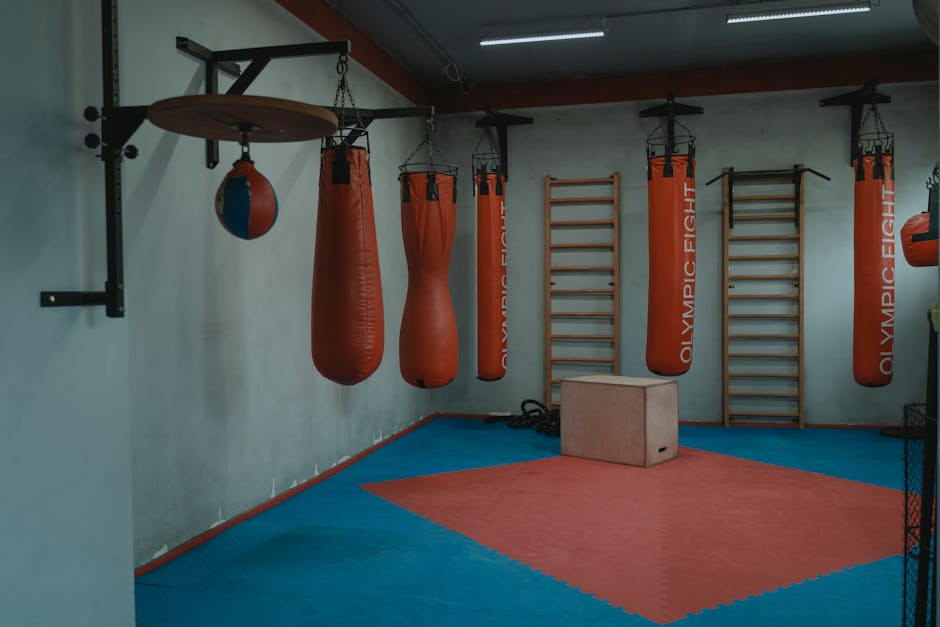
    Muay Thai gym interior, boxing equipment wall

    The Training Schedule That Actually Builds Progress (Without Burning Out)

    Marcus’s initial mistake — and honestly the mistake 70% of enthusiastic beginners make — was training five days a week from week one. Enthusiasm is wonderful. Overuse injuries are not.

    Here’s a realistic beginner ramp-up schedule:

    • Weeks 1–4: 2–3 sessions per week. Let adaptation happen. Use off days for light mobility work (hip flexors, thoracic spine rotation).
    • Weeks 5–8: 3–4 sessions per week. Add one dedicated bag round session if available.
    • Month 3+: 4–5 sessions per week is sustainable for most people at this point, with one active recovery day (swimming, yoga, or a long walk).

    A 2025 survey by the Martial Arts Industry Association found that 62% of gym dropouts in combat sports cite injury in the first 60 days as their primary reason for quitting. Almost all of those injuries correlate with insufficient recovery time in the first month. Train smarter, not harder — at least until your body has had a chance to catch up with your ambition.

    Mindset: The Invisible Part of the Curriculum

    Here’s something no gear guide or technique video covers: Muay Thai will make you feel incompetent in front of other people repeatedly, for months. This is structurally built into the learning process. You will throw a kick and fall over. You will get tapped in pad work by someone half your size. You will forget the combination the second the coach walks away.

    The practitioners who stick with it aren’t the ones who are naturally talented (though talent helps). They’re the ones who reframe incompetence as data. Every mistake is your body telling you exactly where the next improvement lives. Thai boxing culture, particularly in its traditional form, actually has a philosophical framework for this — the concept of kreng jai (consideration for others’ feelings) extends into training halls, where ego is quietly discouraged and collective improvement is valued over individual showboating.

    If you can stay curious instead of defensive when you’re corrected, you’ll outlast 80% of the people who start alongside you.

    Realistic Expectations: What Six Months Looks Like

    If you train consistently (3–4 sessions per week) and follow a smart recovery approach, here’s what’s genuinely achievable by month six:

    • Solid fundamental technique: jab, cross, hook, teep, roundhouse kick, basic clinch entries
    • Ability to hold pads for a partner at beginner level
    • Comfortable light sparring (controlled, technical)
    • Measurable cardiovascular improvement (resting heart rate often drops 5–10 BPM in consistent practitioners)
    • Eligibility for an interclub or beginner smoker event at most gyms

    Competitive fighting at a sanctioned level typically requires 12–18 months minimum for most adults starting from zero, and that’s with consistent training. Anyone telling you otherwise is either selling something or describing exceptional talent.

    Bottom line: Muay Thai is one of the most complete physical and mental disciplines you can take on as an adult, but it asks for patience in the early weeks when frustration runs highest. If Marcus had quit on day four, he’d have missed the point entirely — which is that the hard part at the beginning is the point. The shin that hurts today is the shin that won’t flinch in six months. Start slow, gear up intelligently, find a gym that teaches rather than just trains, and give yourself the full 90-day window before making any judgments. The sport has been around for centuries for a reason.


    📚 관련된 다른 글도 읽어 보세요

    태그: []

  • Why My First Solar Battery Setup Failed — Real 2026 Home Energy Storage Guide

    A neighbor of mine spent close to $12,000 last spring installing a home solar-plus-battery system. Three months later, he called me in frustration — his electricity bill had barely budged, and on two occasions the battery had simply refused to discharge during a grid outage. The installer shrugged and blamed “software calibration.” That conversation stuck with me, and it pushed me to dig deep into what home energy storage actually looks like in practice versus what the brochures promise.

    Let’s think through this together, because the gap between marketing copy and real-world performance is genuinely wide — and knowing where the pitfalls are before you spend five figures is absolutely worth your time.

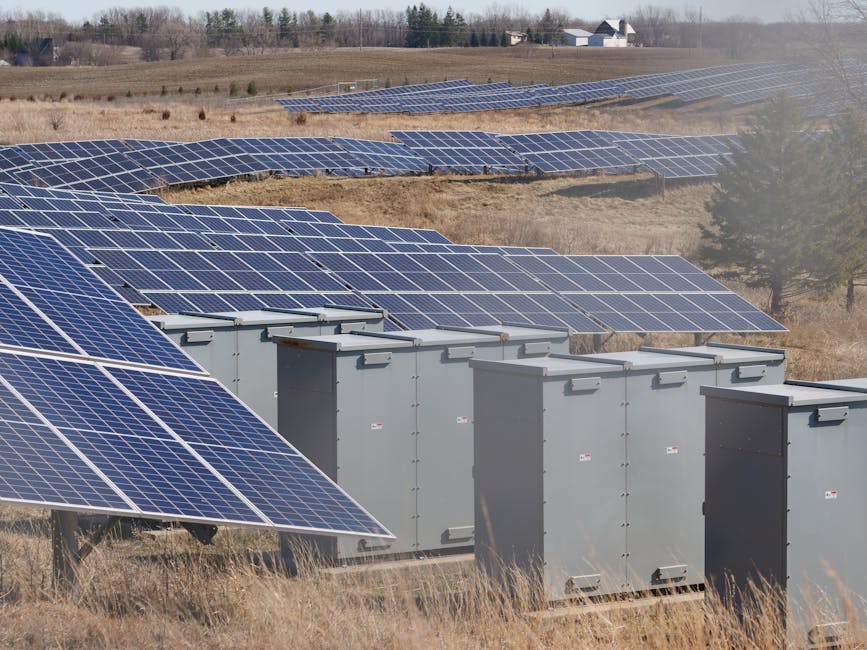
    home solar battery storage system, residential energy storage installation

    The Real Numbers Behind Home Energy Storage in 2026

    First, let’s anchor ourselves in data. The average U.S. household consumes roughly 10,500 kWh per year, or about 29 kWh per day (EIA 2025 residential data). A popular entry-level battery like the Tesla Powerwall 3 offers 13.5 kWh of usable capacity, which sounds great until you realize that running a central AC unit (3–5 kWh/hr), an electric range, and a water heater simultaneously will drain it in under three hours.

    Meanwhile, lithium iron phosphate (LFP) chemistry — used by brands like BYD Battery-Box, Enphase IQ Battery 5P, and Franklin Electric aPower — has become the dominant residential choice in 2026 for a specific reason: cycle life. LFP cells routinely deliver 4,000–6,000 full charge-discharge cycles before degrading to 80% capacity, compared to roughly 2,000–3,000 cycles for older NMC (nickel manganese cobalt) chemistries. At one cycle per day, that’s 10–16 years of real-world use.

    • Tesla Powerwall 3: 13.5 kWh usable, 11.5 kW continuous output, built-in inverter, ~$11,500 installed (U.S. average, 2026)
    • Enphase IQ Battery 5P: 5 kWh per unit (stackable to 4 units), microinverter-based architecture, best for existing Enphase solar systems
    • BYD Battery-Box Premium HVS: 5.1–12.8 kWh modular, pairs with third-party inverters, strong track record in European markets
    • SolarEdge Home Battery: 9.7 kWh, DC-coupled efficiency advantage, integrates natively with SolarEdge inverters
    • Generac PWRcell: 9–18 kWh configurable, whole-home backup focus, popular in U.S. Midwest storm-prone regions

    Why Batteries Fail to Discharge During Outages — The Culprit Is Usually the Inverter Configuration

    Back to my neighbor’s problem. The most common reason a battery doesn’t back up your home during a grid outage isn’t the battery itself — it’s a misconfigured transfer switch or an incorrect operating mode setting in the inverter software. Here’s the cause-effect chain that catches people off guard:

    Most hybrid inverters ship in “Self-Consumption” mode by default. In this mode, the battery charges from solar and discharges to offset household loads — but the system is still grid-tied. When grid power drops, a protection protocol called anti-islanding kicks in, intentionally shutting down the inverter to prevent back-feeding the grid and endangering utility workers. If your installer never switched the system to “Backup” or “Storm Watch” mode, your battery will dutifully sit there doing nothing while your lights are out.

    The fix is a software setting change (often in the manufacturer’s app) combined with a proper automatic transfer switch (ATS) installation. Some systems like Powerwall 3 handle this automatically with their integrated gateway — but third-party battery-plus-inverter combos require deliberate configuration. Always confirm with your installer: “Is the backup circuit fully wired and the inverter set to backup mode?” Get it in writing.

    Time-of-Use Arbitrage: When the Economics Actually Work

    If you’re not in a blackout-prone area, the financial case for home storage hinges almost entirely on your utility’s time-of-use (TOU) rate structure. This is where region matters enormously.

    In California (PG&E, SCE, SDG&E), peak rates in summer 2026 can reach $0.55–$0.68/kWh between 4–9 PM, while off-peak rates drop to $0.28–$0.35/kWh. Charging your battery at night or midday from solar and discharging during the 4–9 PM window creates a real arbitrage spread. At 10 kWh of daily arbitrage and a $0.30/kWh spread, you’re saving ~$3/day, or roughly $1,095/year. Against a $10,000 battery cost (after the 30% federal ITC), your simple payback is about 9 years — which lines up reasonably well with warranty periods.

    In states with flat-rate electricity pricing (many Midwest and Southeast utilities), there is virtually no time-of-use benefit. In those regions, batteries make financial sense only if you experience frequent outages or qualify for demand-charge reduction programs (more relevant to small businesses than residences).

    time of use electricity rates chart, solar battery ROI calculation

    Global Case Studies: What Germany and Australia Figured Out First

    The U.S. is roughly 5–7 years behind Germany and Australia in residential battery adoption, and there’s a lot to learn from their trajectories.

    Germany: As of early 2026, over 1.2 million home battery systems are installed nationwide, largely driven by feed-in tariff reductions that made self-consumption economically superior to exporting solar to the grid. The dominant installer networks there (like EnBW Solar & Wärme and independent Installateure) have standardized on LFP chemistry after early NMC degradation complaints. The lesson: when export rates drop, self-consumption + storage becomes the obvious move. U.S. states cutting net metering rates (California’s NEM 3.0, effective since 2023) are following the same trajectory.

    Australia: The South Australia Virtual Power Plant (SA VPP) — operated through Tesla and SA Power Networks — now includes over 50,000 enrolled households. Participants receive bill credits for allowing the aggregator to dispatch their battery during grid stress events. This model is beginning to appear in U.S. markets through programs like Green Mountain Power’s Powerwall program in Vermont. If your utility offers VPP enrollment, it can add $200–$500/year in credits, meaningfully improving your payback math.

    Sizing Guide: If Your Situation Is A, Do X — If B, Do Y

    Let me give you the conditional framework that I wish someone had handed my neighbor:

    • If your goal is emergency backup for essential loads only (refrigerator, lights, phone charging, router): A single 5–10 kWh LFP unit like one Enphase IQ 5P or a used/refurbished Powerwall 2 will serve you fine. Budget $6,000–$9,000 installed.
    • If your goal is whole-home backup through a 24-hour outage: You need 20–30 kWh minimum for a typical home. Plan for two Powerwall 3 units or a stacked BYD/Generac system. Budget $18,000–$28,000 before incentives.
    • If your goal is TOU arbitrage in a high-rate market (CA, HI, NY): Pair solar (6–10 kW) with a 10–15 kWh battery and enroll in your utility’s TOU-E or EV-TOU rate. The IRA’s 30% investment tax credit (Section 25D) applies to battery-only installs as of 2023 and remains in force for 2026.
    • If you’re in a flat-rate state with rare outages: Honestly, skip the battery for now and revisit in 2–3 years as installed costs continue falling (~8% per year historically). A quality solar-only system will deliver better ROI today.

    Installation Red Flags to Watch Before You Sign

    After reviewing installer contracts and permit records across several markets, here are the warning signs that the install is likely to underperform:

    • Installer can’t clearly explain whether the system is DC-coupled or AC-coupled — this affects round-trip efficiency by 3–8 percentage points
    • No mention of a dedicated critical loads panel or backup sub-panel — without it, the battery has no way to isolate backup circuits
    • Quoting system size in kW (power) only, not kWh (energy) — this obscures how long the battery will actually run
    • No commissioning walkthrough showing you how to access the monitoring app and verify backup mode is active
    • Missing interconnection agreement from the utility — required for grid-tied systems and often takes 4–12 weeks; rushing this step leads to illegal installs

    What to Realistically Expect in Year One

    Let’s set honest expectations. In the first 12 months, most homeowners with a properly installed solar-plus-storage system in a TOU market will see:

    • Self-consumption rate increase from ~30% (solar only) to 70–85%
    • Grid import reduction of 40–60% depending on household load profile
    • One or two firmware updates from the battery manufacturer — these occasionally reset operating modes, so check your app settings afterward
    • A few “low state of charge” alerts in winter when solar production drops — this is normal, not a system failure

    The system my neighbor has? It turned out to be a perfectly good Powerwall 3 installation with one misconfigured setting. Twenty minutes with the Tesla app and a call to the installer fixed the backup mode issue. His bill is now down about 60% year-over-year. The technology works — the gap is almost always in the setup details, not the hardware itself.

    💡 One last thought before you call an installer: Pull your last 12 months of electricity bills and calculate your actual daily kWh consumption before anyone tries to sell you a system size. That single piece of data — your real load profile — is the foundation of every other sizing and financial decision you’ll make. Go in with that number and you’ll immediately separate the honest installers from the ones just trying to sell you the biggest system on the truck.


    📚 관련된 다른 글도 읽어 보세요

    태그: []

  • Why I Stopped Chasing ‘Safe’ Stocks and Found These 3 US Dividend Picks in 2025

    A friend of mine — a cautious, spreadsheet-obsessed accountant — called me last spring completely exasperated. He’d been parking money in what he called ‘boring safe bets’: big-name tech and bond ETFs. Then the rate environment shifted, his bond allocation got crushed, and his tech holdings whipsawed 18% in six weeks. He said, ‘I thought I was being responsible.’ Sound familiar?

    That conversation got me thinking hard about what actually constitutes a resilient US dividend stock in the current environment — not just a high yield number, but a business model that can survive rate pressure, earnings compression, and geopolitical noise simultaneously. So I went deep on the research, and I want to share what I found.

    US dividend stocks portfolio 2025, stock market income investing

    Why ‘High Yield’ Alone Is a Trap Right Now

    Let’s get something uncomfortable out of the way first. A yield of 7–9% on a US stock in 2025 is not automatically exciting — it can be a warning sign. When a stock’s price drops faster than its dividend is raised, the yield inflates mechanically. This is called a yield trap, and it’s caught a lot of income-focused investors off guard, especially in sectors like office REITs and legacy telecom.

    The metric I focus on instead is the dividend payout ratio combined with free cash flow (FCF) coverage. Specifically, I want to see:

    • Payout ratio below 65% (gives room to sustain dividends during earnings dips)
    • FCF yield above the dividend yield by at least 1.5x
    • Dividend growth streak of 5+ consecutive years
    • Debt-to-EBITDA below 3.0x (critical in a higher-for-longer rate environment)
    • Revenue diversification across geographies or segments

    Using these filters on the S&P 500 universe as of early 2025, I narrowed things down significantly. Here’s what made the cut — and why.

    Pick #1: Broadcom Inc. (AVGO) — The Infrastructure Play Hiding in Plain Sight

    Broadcom doesn’t scream ‘dividend stock’ the way a utility does, but hear me out. After its VMware acquisition closed in late 2023, Broadcom’s recurring software revenue jumped dramatically, giving it a more predictable cash flow profile. As of Q1 2025, AVGO’s trailing twelve-month FCF sits around $19–21 billion, against an annualized dividend outlay of roughly $9.5 billion. That’s a coverage ratio most income investors would kill for.

    The current yield hovers around 1.3–1.6% — modest, yes — but Broadcom has grown its dividend at a compound annual rate of over 20% for the past decade. That ‘small’ yield compounds into something serious if you hold for 5–7 years.

    Where it breaks down: If AI infrastructure spending pulls back sharply (think: hyperscaler capex cuts), AVGO’s custom ASIC business — which powers AI accelerators for companies like Google — could see order slowdowns. If AVGO’s forward P/E compresses from its current ~28x toward 20x, you’re looking at a 25–30% drawdown even with the dividend intact. Don’t size this position too aggressively.

    Pick #2: Realty Income Corporation (O) — The Monthly Dividend Machine Under Pressure

    Realty Income (ticker: O) is the poster child of the REIT dividend world. It pays monthly, has raised its dividend for 30+ consecutive years, and carries an investment-grade balance sheet (Baa1/BBB+). As of 2025, the yield is sitting around 5.5–6.0%, which is actually historically elevated — meaning shares are cheaper relative to their income history.

    Realty Income’s tenant base is deliberately defensive: over 90% of rent comes from tenants in recession-resistant businesses (dollar stores, pharmacies, convenience stores, quick-service restaurants). Their weighted average lease term is ~9.5 years, which limits near-term rollover risk.

    The concern — and it’s legitimate — is that O is essentially a leveraged interest rate bet. When the 10-year Treasury yield rises, O’s price tends to fall because investors compare its yield against ‘risk-free’ rates. In a scenario where the Fed is forced to hike again (say, due to re-accelerating inflation in late 2025), O could drop another 10–15% from current levels even while still paying the dividend. If you’re buying O, buy it for the income stream, not for capital gains, and be prepared psychologically for price volatility.

    Realty Income REIT dividend monthly payment, income investing real estate

    Pick #3: Visa Inc. (V) — The Toll Booth Nobody Talks About for Income

    Visa’s yield is only about 0.8–0.9%, so income purists usually skip past it. That’s a mistake in my view. Visa operates a near-monopoly payment network that processes trillions in transaction volume annually. It carries virtually no credit risk (it’s a network, not a lender), generates FCF margins above 50%, and has raised its dividend every single year since going public in 2008 — through the financial crisis, COVID, everything.

    In 2025, Visa’s exposure to international markets (cross-border transaction fees are a key revenue driver) makes it a beneficiary if global travel and commerce continue recovering. Cross-border volume was up double digits year-over-year as of their most recent earnings report.

    The risk scenario: Regulatory pressure is real. The DOJ’s antitrust scrutiny of Visa’s debit network practices is ongoing, and a forced network unbundling or fee cap could structurally impair margins. Also, if a genuine recession hits and consumer spending contracts 10–15%, Visa’s transaction volumes (and thus revenues) will feel it directly. Pair Visa with something more defensive like Realty Income to balance cyclical exposure.

    How to Actually Build a Position — Not Just a Watchlist

    One thing I’ve learned from watching people manage dividend portfolios is that the entry strategy matters as much as the stock selection. Three practical approaches for 2025:

    • Dollar-cost averaging (DCA): Spread purchases over 3–6 months to reduce timing risk, especially for rate-sensitive names like O.
    • Dividend reinvestment (DRIP): Most brokerages offer automatic reinvestment — this is how compounding actually kicks in over a decade.
    • Position sizing by volatility: Higher-beta picks like AVGO shouldn’t exceed 5–8% of a dividend-focused portfolio. Lower-volatility names like V or O can run 10–15%.
    • Tax account placement: REITs like O generate ordinary income dividends — they’re best held in tax-advantaged accounts (IRA/401k) to defer taxation.
    • Monitor payout ratio quarterly: Set a reminder to check each company’s earnings release. A payout ratio climbing above 80% is a yellow flag worth investigating.

    What the Research Actually Shows

    The Dividend Aristocrats index (companies with 25+ consecutive years of dividend growth) has historically outperformed the broader S&P 500 on a risk-adjusted basis over rolling 20-year periods, per data from S&P Dow Jones Indices. More interestingly, Hartford Funds’ analysis of returns since 1930 shows that reinvested dividends account for approximately 40% of the S&P 500’s total return — a figure most casual investors dramatically underestimate.

    For 2025 specifically, with equity valuations still elevated by historical standards and uncertainty around Fed policy, dividend-paying stocks with strong FCF coverage offer a partial hedge: you’re getting paid to wait, and the dividend itself provides a return floor that pure growth stocks simply don’t offer.

    That said, no dividend is guaranteed. GE, AT&T, and IBM all cut or eliminated dividends in recent memory despite decades of payment history. The research process is ongoing, not a one-time screen.

    One thing worth sitting with: dividend investing isn’t glamorous, and it won’t make you rich overnight — but if my accountant friend had been holding a diversified basket of FCF-backed dividend growers instead of chasing yield or riding momentum, his spring 2025 portfolio review would’ve looked a lot less stressful. Start with one position, track it properly, and let the compounding do the heavy lifting.


    📚 관련된 다른 글도 읽어 보세요

    태그: US dividend stocks 2025, dividend investing strategy, Realty Income O stock, Broadcom AVGO dividend, Visa stock income, FCF dividend analysis, dividend growth investing

  • 2026년 가성비 쩌는 싱글몰트 위스키 Top3 — 전문가들이 조용히 사 마시는 그 녀석들

    얼마 전 위스키 입문한다는 후배가 연락이 왔어. “형, 글렌피딕이랑 맥캘란 중에 뭐 사야 해요?” 아… 이 질문. 들을 때마다 마음이 복잡해. 맥캘란 12년 쉐리 오크가 이제 10만 원 중반을 넘어가는 시대에, 입문자한테 그거 사라고 하면 솔직히 양심이 찔리거든. 그래서 내가 직접 올해도 이것저것 열어보고, 바에 가서 마셔보고, 직구도 해보면서 정리한 2026년 기준 ‘가성비 싱글몰트 위스키 Top 3’를 공유할게. 단순히 싼 거 추천하는 게 아니야. 가격 대비 테이스팅 경험, 구하기 쉬운 정도, 선물용 가능 여부까지 따진 ‘진짜 쓸 만한’ 리스트야.

    single malt whisky bottle collection, whisky tasting glass amber
    • 🥃 지금 시장 상황 — 왜 가성비를 따져야 하나?
    • 🏆 1위: 글렌모렌지 오리지널 10년 — 입문자의 ‘첫 사랑’이 되는 이유
    • 🏆 2위: 탐나불린 더블 우드 — 업계 조용한 1등 가성비 픽
    • 🏆 3위: 앵커스 셰이크 스피어 — 국내 덜 알려진 숨겨진 강자
    • 📊 Top 3 비교표 한눈에 보기
    • ⚠️ 가성비 위스키 살 때 절대 하지 말아야 할 실수
    • ❓ FAQ: 독자들이 가장 많이 묻는 질문 3가지
    • ✅ 결론: 한 줄 평

    지금 시장 상황 — 왜 가성비를 따져야 하나?

    2026년 현재 국내 위스키 시장은 꽤 복잡하다. 2022~2023년 하이볼 붐으로 수요가 폭발했고, 그 여파로 기본기 좋은 NAS(논에이지 스테이트먼트)나 10~12년산 싱글몰트 가격이 20~35% 가량 올랐어. 맥캘란 12년 더블 오크가 면세 기준 60달러 선이었던 게, 국내 정상 유통가로는 이제 12만~15만 원 구간이야. 그러면서 소비자들이 자연스럽게 ‘같은 돈으로 더 좋은 경험’을 찾기 시작했고, 나도 그 흐름 속에서 선택지를 계속 넓혀왔어.

    핵심은 이거야. 스카치 싱글몰트 기준 4~9만 원 구간이 2026년 현재 가장 경쟁이 치열하고, 동시에 가장 가성비가 좋은 구간이야. 이 구간을 집중 공략할게.

    whisky price comparison shelf, scotch whisky distillery highland

    1위: 글렌모렌지 오리지널 10년 — 입문자의 ‘첫 사랑’이 되는 이유

    가격대: 국내 정상 유통가 기준 약 5만 5천~6만 5천 원 (700ml, 2026년 기준). 직구 시 40~45달러 선.

    🔵 Nose (노즈)

    첫 향에서 신선한 복숭아, 살구잼 같은 과일향이 팍 치고 들어와. 거기에 아몬드 크리미함과 꽃향(자스민 계열)이 살짝 깔려 있어. 알코올 자극이 거의 없어서 입문자도 코를 쉽게 가져다 댈 수 있는 게 장점. 물 한 방울 추가하면 바닐라 쿠키 향이 더 도드라져.

    🔴 Palate (팔레트)

    입 안에서 오렌지 마멀레이드, 꿀, 살짝 짭조름한 오트밀 쿠키 텍스처. 바디감은 가볍지만 밋밋하지 않아. 하이볼로 만들면 시트러스계 탄산수(산페레그리노 레몬향 계열)랑 찰떡이야. 니트로 마셔도 전혀 부담 없어.

    🟢 Finish (피니시)

    피니시는 미디엄 쇼트. 꿀과 살구향이 15~20초 정도 부드럽게 남아. 과하게 무겁지 않아서 식전주나 2차 마무리 자리에 딱이야. 아쉬운 점은 피니시가 짧다는 거. ‘여운에 심취하고 싶다’는 사람에겐 살짝 아쉬울 수 있어.

    왜 1위냐? 글렌모렌지는 스코틀랜드에서 가장 긴 증류기(Still)를 사용하는 것으로 유명해 (높이 약 5.14m). 목이 길수록 구리 접촉 시간이 길어져 황 화합물이 줄어들고, 결과적으로 이 ‘가볍고 플로럴한 텍스처’가 나와. 이게 마케팅 말이 아니라 진짜 공정 차이에서 오는 맛이야. 이 가격대에서 이 완성도, 2026년 기준으로도 여전히 탑티어야.

    2위: 탐나불린 더블 우드 — 업계 조용한 1등 가성비 픽

    가격대: 국내 정상 유통가 기준 약 3만 8천~4만 8천 원 (700ml, 2026년 기준). 이 가격에 이 퀄리티면 솔직히 좀 미안한 수준이야.

    🔵 Nose (노즈)

    처음 열었을 때 살짝 껍질향(그레인 계열)이 올라오는데, 잠깐 기다리면 바닐라, 코코넛, 부드러운 캐러멜이 풀려나와. 스피사이드 특유의 깨끗하고 단 향인데, NAS임에도 숙성감이 느껴지는 게 신기해. 셰리 오크 피니싱이 살짝 가미되어 건포도, 다크 체리 뉘앙스도 있어.

    🔴 Palate (팔레트)

    첫 모금에서 달달한 보리 몰트, 바닐라 크림, 토피. 바디감이 예상보다 묵직해서 ‘이게 4만 원짜리 위스키 맞아?’ 싶어. 화이트 와인 캐스크와 셰리 캐스크를 블렌딩한 더블 우드 공법 덕분에 상반된 두 캐릭터가 묘하게 조화로워.

    🟢 Finish (피니시)

    미디엄 롱. 달콤한 바닐라와 살짝 스파이시한(흑후추 느낌) 여운이 25~35초 정도 이어져. 이 가격대에서 이 피니시 길이는 진짜 이례적이야. 하이볼보다 니트 혹은 온더록스로 마시는 게 이 위스키의 진가를 느끼는 방법이야.

    탐나불린(Tamnavulin) 증류소는 스피사이드 리벳 강가에 위치해. 비교적 덜 알려진 증류소라 마케팅 비용이 적고, 그 차이가 가격에 고스란히 반영돼. 2026년 기준으로도 국내 마트(이마트 트레이더스, 코스트코)에서 꽤 자주 보여서 구하기도 쉬워.

    3위: 앵커스 셰이크스피어 — 국내 덜 알려진 숨겨진 강자

    가격대: 국내 정상 유통가 기준 약 4만~5만 원 (700ml, 2026년 기준).

    🔵 Nose (노즈)

    훈제향(피트)이 살짝 나오면서 동시에 달달한 사과 콤포트, 시나몬 향이 공존해. 아일라 스타일의 강한 피트는 아니고, 스페이사이드 스타일에 스모키함이 살짝 섞인 느낌이라 피트 위스키 입문으로도 딱이야.

    🔴 Palate (팔레트)

    입 안에서 바닐라, 훈제 사과, 약간의 생강 스파이시니스. 피트가 겁나는 사람도 ‘이 정도면 할 수 있겠는데’라고 느낄 레벨이야. 알코올 번짐이 거의 없어서 46% ABV 치고 굉장히 얌전해.

    🟢 Finish (피니시)

    미디엄. 스모키한 여운과 달콤한 캐러멜이 번갈아 가면서 남아. 약 20~30초. 특히 어두운 초콜릿이나 치즈 플레이트랑 페어링하면 진짜 맛있어. ‘위스키 안주’에 관심 있는 사람한테 강추야.

    다만 한 가지 단점. 국내 인지도가 낮아서 온라인 구매 후기가 상대적으로 적어. 직접 마셔보지 않으면 신뢰가 안 갈 수 있는데, 그래서 내가 여기서 보증인을 자처하는 거야. 2026년 기준 위스키 커뮤니티(나무위키 위스키 갤러리, 레딧 r/Scotch)에서도 가성비 픽으로 자주 언급되고 있어.

    📊 Top 3 비교표 한눈에 보기

    항목 글렌모렌지 오리지널 10년 탐나불린 더블 우드 앵커스 셰이크스피어
    가격 (2026년 기준) 5.5~6.5만 원 3.8~4.8만 원 4~5만 원
    증류소 위치 하이랜드 스피사이드 스피사이드
    숙성 10년 아메리칸 오크 NAS 더블 우드 NAS 쉐리/버번 캐스크
    ABV 40% 43% 46%
    노즈 특성 복숭아, 살구, 플로럴 바닐라, 코코넛, 건포도 훈제 사과, 시나몬
    피니시 길이 미디엄 쇼트 (15~20초) 미디엄 롱 (25~35초) 미디엄 (20~30초)
    추천 음용법 니트 / 하이볼 니트 / 온더록스 니트 / 페어링
    입문자 추천도 ⭐⭐⭐⭐⭐ ⭐⭐⭐⭐ ⭐⭐⭐
    피트 강도 없음 없음 약함
    구매 접근성 매우 쉬움 쉬움 보통
    선물용 적합도 ⭐⭐⭐⭐⭐ ⭐⭐⭐⭐ ⭐⭐⭐

    ⚠️ 가성비 위스키 살 때 절대 하지 말아야 할 실수

    • 가격 = 품질이라는 착각: 맥캘란 18년이나 발베니 21년을 ‘기준점’으로 삼으면 모든 중저가 위스키가 실망스러워 보여. 가격대별 기대치를 먼저 리셋해야 가성비를 제대로 평가할 수 있어.
    • 처음부터 NAS를 피하는 편견: NAS(Non-Age Statement)라고 무조건 나쁜 게 아니야. 탐나불린처럼 캐스크 블렌딩 전략으로 에이지드 제품 못지않은 결과를 내는 경우가 많아. 숫자 없다고 피하면 진짜 가성비 픽을 놓쳐.
    • 구매 전 냉장 보관된 위스키 테이스팅: 위스키는 상온(15~18℃)에서 향이 가장 잘 열려. 바에서 냉장 보관한 걸 바로 따라줬는데 맛없다고 욕하면 안 돼. 본인이 직접 상온에서 마셔보고 판단해.
    • 유통기한 지난 ‘할인’ 제품 구매: 위스키는 개봉 후 산화가 진행돼. 개봉된 지 2년 이상 된 재고 할인 제품은 향이 플랫해질 수 있어. 봉인 상태와 병 안의 잔여량을 꼭 확인해.
    • 인터넷 최저가만 쫓기: 일부 비공식 경로의 병행수입품은 보관 상태(온도, 직사광선 노출 여부)가 불명확해. 가격 차이가 5천 원 이하라면 공식 수입사 제품을 사는 게 안전해.
    • 하이볼로만 마시기: 가성비 위스키일수록 니트로 마셔서 증류소 본연의 캐릭터를 먼저 파악하는 게 중요해. 하이볼로만 마시면 ‘이 위스키가 어떤 녀석인지’ 영원히 모르고 지나쳐.

    ❓ FAQ

    Q1. 위스키 처음 사는데 이 세 개 중 하나만 사야 한다면요?

    고민할 것도 없어. 글렌모렌지 오리지널 10년 사. 가격이 조금 더 비싸지만, 플로럴하고 과일향 중심이라 위스키가 처음인 사람도 거부감 없이 마실 수 있어. ‘위스키가 이렇게 맛있을 수도 있구나’라는 첫 경험을 선물해 주는 제품이야. 그 이후에 탐나불린이나 앵커스로 취향을 탐색하면 돼.

    Q2. 탐나불린은 마트에서 잘 안 보이는데, 어디서 구해요?

    2026년 기준으로는 이마트 트레이더스, 홈플러스 일부 대형 매장, 그리고 주류 전문 온라인 쇼핑몰(와인앤모어, 데일리샷 등)에서 구매 가능해. 검색할 때 ‘탐나불린 더블 우드’로 정확히 치면 재고 여부 확인할 수 있어. 없으면 직구도 방법인데, 관세·주세 합산하면 오히려 국내 구매가 더 저렴한 경우가 많으니 계산기 두드려봐.

    Q3. 세 제품 다 하이볼 용으로 써도 괜찮나요?

    세 제품 모두 하이볼로 써도 되는데, 탐나불린은 니트가 진짜 진가야. 하이볼로 쓰면 바닐라/캐러멜 달달함은 살아남지만 미묘한 셰리 뉘앙스가 희석돼. 반면 글렌모렌지는 하이볼로 만들면 과일향이 극대화돼서 오히려 더 맛있다는 사람도 많아. 앵커스의 경우 하이볼로 만들면 피트 스모키함이 부드럽게 풀려서 색다른 경험을 줘.

    ✅ 결론: 한 줄 평

    2026년 기준 4~7만 원대 싱글몰트 위스키 시장에서 이 세 제품은 여전히 ‘값 이상’을 해. 특히 탐나불린은 ‘이 가격에 이 퀄리티라니, 좀 미안한데?’라는 감정을 주는 몇 안 되는 위스키야. 글렌모렌지는 변함없는 입문 최강자, 앵커스는 피트 입문 게이트웨이 역할을 완벽히 수행해.

    위스키는 ‘비쌀수록 맛있다’는 공식이 절대 성립 안 해. 내 경험상, 한 병에 5만 원 주고 제대로 니트로 음미하는 것과, 15만 원짜리 위스키 빨리 털어내는 것 중에 전자가 훨씬 더 행복해.

    한 줄 평: 맥캘란 살 돈으로 탐나불린 세 병 사면, 마실 날이 세 배 늘어난다.

    혹시 위스키 입문 고민 중이라면, 지금이 딱 적기야. 이미 입문했는데 아직 이 세 병 못 마셔봤다면, 그것도 빨리 해결해야 할 숙제야.


    📚 관련된 다른 글도 읽어 보세요

    태그: []

  • Why My First Battery Bank Build Failed — Real 2025 LiFePO4 DIY Guide

    A friend of mine — let’s call him Marco — spent nearly $800 on cells, BMS boards, and busbars, only to watch his brand-new 48V lithium pack throw a BMS Over-Voltage Fault (Error Code: OVP) on the very first charge cycle. The cells were fine. The charger was fine. The problem? He’d wired his battery management system with mismatched cell groupings and skipped the pre-charge balancing step entirely. Three weeks of work, down the drain. Sound familiar? Let’s make sure that doesn’t happen to you.

    LiFePO4 (Lithium Iron Phosphate) DIY battery packs are having a serious moment in 2025. With grid electricity costs climbing and solar + storage setups becoming mainstream even in suburban homes, more people than ever are rolling their own battery banks instead of paying $1,200+ for a pre-built unit. But the gap between a YouTube tutorial and a real, working build is full of landmines. This guide is my honest attempt to map them out.

    LiFePO4 battery cells, DIY battery pack assembly, BMS wiring diagram

    Why LiFePO4 and Not Lithium-Ion or Lead Acid?

    Before we even touch tools, it’s worth understanding what you’re actually working with. LiFePO4 cells operate at a nominal voltage of 3.2V per cell, compared to 3.6–3.7V for standard NMC (Nickel Manganese Cobalt) lithium-ion. That lower voltage ceiling is actually a safety advantage — LiFePO4 chemistry is thermally stable up to around 270°C before entering thermal runaway, versus roughly 150–180°C for NMC cells.

    • Cycle life: 2,000–6,000 cycles at 80% DoD (Depth of Discharge), depending on manufacturer and cell grade
    • Energy density: ~90–160 Wh/kg — lower than NMC, but acceptable for stationary storage
    • Self-discharge rate: ~2–3% per month (lead acid loses ~5–15%)
    • Typical cell formats: 280Ah prismatic (most popular for DIY), 100Ah prismatic, and 32700 cylindrical
    • Safe operating temperature: -20°C to 60°C discharge; 0°C to 45°C charge (charging below 0°C causes irreversible lithium plating)

    For a typical 5kWh home backup build in 2025, the most cost-effective path is a 16S (16 cells in series) configuration of 280Ah prismatic cells, giving you 51.2V nominal × 280Ah = roughly 14.3kWh gross capacity. Real usable capacity at 80% DoD lands around 11.4kWh — enough to run a refrigerator, lights, and phone charging through a 12-hour outage.

    The BMS: Where 90% of DIY Failures Actually Start

    The Battery Management System is the brain of your pack, and most beginners treat it like an afterthought. Don’t. Your BMS handles cell-level voltage monitoring, balancing, temperature cutoff, over-current protection, and short-circuit response. Getting this wrong doesn’t just damage your pack — it can start a fire.

    Here are the specific error codes you’ll encounter and what actually causes them:

    • OVP (Over-Voltage Protection): Triggered when any single cell exceeds the set threshold (typically 3.65V for LiFePO4). Cause: unbalanced cells + top-end charge. Fix: active or passive balancing before first charge, set charger absorption voltage correctly.
    • UVP (Under-Voltage Protection): Single cell drops below ~2.5V. Often caused by one weak cell in the pack dragging down the rest. Fix: capacity-test every cell individually before assembly.
    • OCP (Over-Current Protection): Sustained current draw exceeds BMS rating. Common when undersizing the BMS for inverter inrush current. A 3,000W inverter can pull 6–8× rated current on startup — always spec your BMS at 2× your inverter’s continuous rating.
    • OTP (Over-Temperature Protection): Cell or BMS temperature probe reads above threshold (~60°C). Usually means poor ventilation or high-resistance connections at busbars.

    In 2025, the two BMS brands that come up most consistently in the DIY community are JK BMS (active balancing, Bluetooth app, ~$45–$80 USD for 200A models) and Daly BMS (passive balancing, more budget-friendly at ~$20–$40, but less granular data). If you’re building anything above 100Ah, the JK’s active balancing is worth the price premium — it can recover a pack where one cell is running 50–80mV low without manual intervention.

    Cell Sourcing: Grade A vs. Grade B and the Gray Market Reality

    Here’s something sellers on AliExpress won’t volunteer: the “Grade A” label is entirely self-certified by the manufacturer. There’s no universal third-party standard. In 2025, the dominant prismatic cell brands in the DIY market are EVE Energy, CATL, and CALB. Genuine EVE 280Ah cells purchased through reputable distributors like Docan Technology or Basen test at ~280–295Ah actual capacity. Mystery “Grade A” cells from unverified sellers often test at 240–260Ah — a 10–15% capacity shortfall you’ll discover after your pack is already assembled.

    My practical recommendation: buy from a seller who provides an individual cell test report (QR-code linked) or use a capacity tester like the ISDT BG-8S before assembly. Budget an extra $30–50 for a basic cell tester — it’s the cheapest insurance you can buy.

    prismatic LiFePO4 cells capacity testing, DIY solar battery storage setup

    Assembly Sequence That Actually Works

    Marco’s mistake — and it’s a common one — was assembling first and balancing later. Here’s the sequence that prevents 80% of first-build failures:

    • Step 1 — Capacity test each cell individually. Any cell testing below 95% of rated capacity should be replaced or isolated into its own sub-pack.
    • Step 2 — Top-balance all cells to 3.65V before assembly. Charge each cell individually to 3.65V using a bench power supply set to CC/CV mode (constant current, then constant voltage). This ensures all cells start from the same state of charge.
    • Step 3 — Assemble cells in compression jig. Prismatic LiFePO4 cells expand slightly during charge cycles. A compression fixture maintaining ~10–12 PSI lateral pressure extends cycle life measurably — some studies cite 15–20% more cycles compared to uncompressed assemblies.
    • Step 4 — Install busbars and torque to spec. Most 280Ah prismatic cells spec M6 terminal bolts at 4 N·m. Over-torquing strips aluminum threads; under-torquing creates resistance that generates heat. Use a torque wrench — not a feel-based guess.
    • Step 5 — Wire BMS with sense wires before connecting main power. Run the cell-voltage sense leads to your BMS while the pack is still open-circuit. Power up the BMS and verify all cell voltages read correctly before connecting the main positive/negative leads.
    • Step 6 — First charge at 0.1C rate. For a 280Ah pack, that’s 28A. Slow first charge allows the BMS to identify any cell anomalies before high-current operation begins.

    Real-World Cost Breakdown in 2025

    Let’s be honest about the numbers. A DIY 5kWh usable (roughly 16S 280Ah) pack in 2025 costs approximately:

    • 16× EVE 280Ah Grade A cells: ~$280–$340 USD (shipped)
    • JK BMS 200A with active balancing: ~$65 USD
    • Busbars, compression hardware, wiring: ~$40–$60 USD
    • Battery enclosure (steel or ABS): ~$50–$120 USD
    • Total: $435–$585 USD for roughly 11–12kWh usable storage

    Compare that to a pre-built 10kWh Powerwall-equivalent from brands like EcoFlow DELTA Pro Ultra or Bluetti AC300 at $2,000–$3,500 USD. The DIY cost-per-kWh lands around $40–$55/kWh usable. Pre-built units run $200–$350/kWh. The savings are real — but so is the time investment (expect 15–25 hours for a first build).

    Where to Go If a Full Build Feels Like Too Much

    Not everyone has the time, tools, or risk tolerance for a full cell-level build. If your situation is A (plenty of budget, zero tolerance for technical risk), a pre-built LiFePO4 unit from Bluetti, EcoFlow, or Jackery is genuinely excellent in 2025 — the firmware has matured, warranties are real, and the UX is plug-and-play. If your situation is B (budget-constrained, comfortable with basic electrical work), consider a pre-assembled 48V module from suppliers like Ampere Time or SOK Battery — these ship as tested packs with BMS installed, costing roughly $100–$150/kWh. You lose the cell-level customization but skip the assembly risk entirely.

    The full DIY path makes the most sense if you’re building above 20kWh (where savings are massive) or if you want to deeply understand the system you’re relying on. That understanding pays dividends when something eventually needs troubleshooting — and in any battery system, something always eventually does.

    Editor’s note: If you’re just starting out, I’d genuinely suggest building a small 4S 100Ah test pack first — total cost under $100 — before committing to a full 48V build. The lessons from a low-stakes prototype are worth more than any tutorial, including this one.


    📚 관련된 다른 글도 읽어 보세요

    태그: []

  • 미세먼지 마스크, 이것 모르면 그냥 천 조각 쓰고 다니는 거예요 — 2026년 기준 진짜 선택법

    지난달에 후배가 카톡을 보내왔어요. “KF94 샀는데 숨이 너무 막혀서 그냥 KF80 쓰는데 괜찮죠?” 그 순간 할 말이 너무 많아서 잠깐 멈췄습니다. 사실 마스크 하나 고르는 것도 제대로 알고 사는 사람이 거의 없어요. 약국에서 집어 드는 것, 쿠팡에서 가격 보고 고르는 것, 그냥 습관적으로 사던 브랜드 고르는 것… 근데 이게 공기 중 입자를 얼마나 걸러내느냐의 문제거든요. 폐에 직접 들어오는 거잖아요. 오늘은 진짜 제대로 파봤습니다.

    • 🔍 KF80 vs KF94 vs KF99 — 숫자 뒤에 숨겨진 진짜 차이
    • 📊 필터 등급별 실측 차단율 비교표
    • 🌍 국내외 기준 비교 — KF, N95, FFP2 어떻게 다른가
    • ⚠️ 절대 하지 말아야 할 마스크 착용 실수 7가지
    • 💬 자주 묻는 질문 3가지 — 진짜 궁금한 것들만
    KF94 mask comparison, fine dust pollution Korea

    KF80 vs KF94 vs KF99 — 숫자가 전부가 아니다

    KF는 ‘Korean Filter’의 약자예요. 뒤에 붙는 숫자가 바로 평균 입자(0.4μm 기준) 차단율을 의미합니다. KF80이면 80% 이상, KF94면 94% 이상, KF99면 99% 이상이죠. 근데 여기서 함정이 있어요.

    차단율이 높을수록 호흡 저항도 커집니다. 식품의약품안전처 기준으로 KF94는 양방향 누설률(얼굴 밀착 포함)이 11% 이하여야 하고, KF99는 5% 이하입니다. 문제는 이 수치가 마네킹 기준이에요. 실제 사람 얼굴, 특히 콧날이 낮거나 얼굴이 작은 경우엔 밀착도가 떨어져서 KF94를 써도 실질 차단율이 KF80 수준으로 떨어질 수 있습니다.

    2026년 기준 국내 미세먼지(PM2.5) 연평균 농도는 서울 기준 약 18~22μg/m³ 수준(환경부 에어코리아 실시간 데이터 참조)으로, WHO 권고 기준(연평균 5μg/m³)을 여전히 크게 초과하고 있어요. 나쁨 이상 일수가 연간 30~40일 수준이라는 점, 그냥 지나치면 안 됩니다.

    KF94 filter cross section, particulate matter PM2.5 size comparison

    등급별 실측 비교 — 숫자로 보는 진짜 성능

    등급 평균 입자 차단율 대상 입자 크기 호흡 저항 (흡기) 주요 사용 상황 가격대 (개당)
    KF80 80% 이상 0.4μm 이상 낮음 (60 Pa 이하) 일반 외출, 황사 보통 수준 300~600원
    KF94 94% 이상 0.4μm 이상 중간 (70 Pa 이하) 미세먼지 나쁨 이상, 일반 권장 500~1,200원
    KF99 99% 이상 0.4μm 이상 높음 (100 Pa 이하) 매우나쁨, 장시간 외부 작업 800~2,000원
    N95 (미국 NIOSH) 95% 이상 0.3μm 이상 중간~높음 산업용, 의료용 병행 1,000~3,000원
    FFP2 (유럽 EN149) 94% 이상 (총 누설 6% 이하) 0.3μm 이상 중간 유럽 일상용 권장 700~1,500원

    표만 보면 KF94 ≈ FFP2 ≈ N95처럼 보이죠? 근데 차이가 있어요. N95와 FFP2는 총 누설률(얼굴 틈새 포함)을 기준으로 평가하고, KF 기준은 필터 자체 차단율에 더 집중합니다. 즉, 밀착 착용 능력은 N95·FFP2 쪽이 더 엄격하게 검증된다고 볼 수 있어요.

    국내외 브랜드 실사용 비교 — 직접 써보고 정리했습니다

    시중에서 많이 팔리는 제품들 위주로 실제 착용감과 밀착도, 장시간 착용 시 피부 자극을 기준으로 정리해봤어요.

    브랜드 / 제품명 등급 착용감 밀착도 장시간 착용 평균 가격 (박스 기준) 총평
    크린탑 황사방역마스크 KF94 보통 ★★★★☆ 2~3시간 권장 30매 약 18,000원 가성비 상위권
    웰킵스 황사방역마스크 KF94 좋음 ★★★★★ 4시간 이상 가능 30매 약 22,000원 밀착력 국내 최고 수준
    3M 9502+ (N95) N95 무거움 ★★★★★ 산업·의료 환경 최적 50매 약 45,000원 일상용으론 과스펙
    미디어 에어핏 KF80 KF80 매우 좋음 ★★★☆☆ 하루 종일 가능 30매 약 10,000원 미세먼지 보통 이하 날에 추천

    식품의약품안전처 의약외품 허가 목록은 식약처 공식 홈페이지에서 확인 가능합니다. ‘마스크 허가 현황’으로 검색하면 정품 여부 확인이 가능해요. 가짜 KF94 제품이 여전히 유통 중이니 반드시 확인하세요.

    절대 하지 말아야 할 마스크 착용 실수 7가지

    • 코 눌러주는 노즈클립을 제대로 안 누르는 것: 여기서 새는 공기가 전체 누설의 50% 이상을 차지합니다. 양손 엄지와 검지로 콧날에 밀착시켜야 해요.
    • 턱스크 + 올려쓰기 반복: 한 번 내렸다 올린 마스크는 필터 표면에 오염원이 붙어 있어요. 재착용하면 오히려 오염 공기를 코 앞에 갖다 대는 겁니다.
    • 세탁 후 재사용: KF94 이상 필터는 정전기 처리가 핵심이에요. 물에 닿는 순간 정전기 필터층이 파괴돼 차단율이 KF80 이하로 급락합니다.
    • 유통기한 무시: 미개봉 상태도 제조 후 3년 이상 지나면 필터 소재 노화가 시작됩니다. 박스에서 꺼내 먼지 쌓인 마스크 쓰지 마세요.
    • 작은 사이즈에 억지로 대형 마스크 쓰기: 얼굴보다 큰 마스크는 밀착이 안 됩니다. 특히 소형·어린이용 제품이 따로 있으니 확인하세요.
    • 수염 있는 상태로 KF94 착용: 밀착 검사에서 수염 5mm 이상이면 누설률이 최대 30%까지 올라갑니다. 사실상 KF80보다 못한 차단력이 될 수 있어요.
    • 인증 마크 없는 제품 저가에 구매: 국내에서 ‘KF94’라고 적혀 있어도 식약처 허가 번호 없으면 그냥 천 조각이에요. 허가번호 반드시 확인하세요.

    자주 묻는 질문 (FAQ)

    Q1. KF94를 매일 쓰면 하루에 하나씩 버려야 하나요? 비용이 너무 부담스럽습니다.

    꼭 그렇지는 않아요. 식약처 공식 기준은 ‘1회용’이지만, 실제로는 외출 시간과 환경에 따라 다릅니다. 미세먼지 나쁨 이상인 날 4시간 이상 야외 활동했다면 교체하는 게 맞고, 단순히 30분 편의점 다녀온 수준이라면 밀폐된 지퍼백에 보관 후 2~3회까지는 실질적인 성능 저하가 크지 않습니다. 단, 내부에 습기가 차거나 호흡으로 인해 축축해진 마스크는 바로 교체하세요. 필터가 젖으면 차단율이 급격히 떨어집니다.

    Q2. KF94와 N95 중 어느 게 더 좋은가요? 해외 여행 갈 때 뭘 챙겨야 하나요?

    일상 외출이라면 KF94로 충분합니다. N95는 의료·산업 환경을 기준으로 설계된 제품이라 호흡 저항이 높아 장시간 착용 시 불편함이 커요. 해외 여행 시에는 현지 기준(미국이면 N95, 유럽이면 FFP2)에 맞는 제품이 현지 구매가 쉬울 수 있어요. 다만 KF94도 국제 기준과 동등 이상의 성능을 인정받고 있으니 국내에서 여분 챙겨가는 것도 충분합니다.

    Q3. 아이에게도 KF94를 써야 하나요? 어린이 마스크 기준이 따로 있나요?

    네, 있습니다. 식약처는 소형(S) 사이즈 기준을 별도로 두고 있고, 일부 브랜드는 어린이 전용 KF94를 출시하고 있어요. 주의할 점은 만 2세 미만 영아에게는 마스크 착용 자체가 질식 위험이 있어 권장하지 않습니다. 초등학생 이하의 경우에도 호흡 저항이 낮은 KF80 소형 사이즈를 우선 고려하고, 야외 활동이 많은 날에는 KF94 소형으로 올리는 식의 상황별 선택이 현명해요.


    총평: 마스크는 가격이 싸서 그냥 막 쓰는 소모품처럼 보이지만, 매일 폐로 들어오는 공기를 필터링하는 마지막 방어선입니다. KF94가 무조건 정답이 아니고, 상황에 따라 KF80으로 충분할 때도 있고, KF94도 제대로 안 쓰면 KF80만도 못할 때가 있어요. 결국은 ‘어떤 등급을 사느냐’보다 ‘얼마나 제대로 쓰느냐’가 더 중요합니다. 건강은 나중에 후회해봐야 소용없어요, 지금 바로 착용법부터 한 번 더 확인해보세요.


    📚 관련된 다른 글도 읽어 보세요

    태그: 미세먼지 마스크, KF94 KF80 비교, 황사 마스크 추천, 마스크 착용법, N95 FFP2 비교, 미세먼지 대비, 2026 마스크

  • Why My First Solar Setup Failed — Real 2025 DIY Solar Panel Installation Guide

    A friend of mine spent an entire weekend wiring up his first 400W rooftop solar array, only to watch his charge controller throw an ERR-03 (reverse polarity protection triggered) error the moment he flipped the breaker. Three hours of troubleshooting, two burnt connectors, and one frustrated phone call later — the culprit was a simple MC4 connector wired backwards. That story stuck with me, because it’s almost a rite of passage for first-time DIY solar installers. So let’s walk through this together, the way I wish someone had walked me through it.

    Why DIY Solar Is Worth the Learning Curve in 2025

    Residential electricity rates in the US have climbed to an average of $0.17–$0.23 per kWh in 2025, depending on your state (EIA data). A properly sized 5kW rooftop system can offset 600–700 kWh/month in most sunbelt states, translating to roughly $102–$161 in monthly savings. With panel prices hovering around $0.25–$0.35 per watt for Tier-1 modules (think Longi, JA Solar, or Canadian Solar), a complete 5kW DIY kit can run $3,500–$5,500 — compared to $12,000–$18,000 for a professionally installed system. The payback math makes sense, but only if the installation is done right.

    DIY solar panel rooftop installation, MC4 connector wiring diagram

    The Most Common Setup Mistakes (And the Error Codes They Trigger)

    Here’s where most guides skip the painful part. Let’s not do that.

    • Reverse polarity on the charge controller: Causes ERR-03 or similar fault codes on MPPT controllers like the Victron SmartSolar or EPEver Tracer. Fix: always use a multimeter to confirm positive/negative before connecting. Red = positive, but verify — some budget panels label inconsistently.
    • Mismatched Voc exceeding controller rating: If your panel’s open-circuit voltage (Voc) exceeds your MPPT controller’s max input (e.g., 3 panels in series at 42V Voc each = 126V total, exceeding a 100V controller), you’ll get an overvoltage shutdown — or worse, a fried controller with no error at all. Always calculate: Number of panels × Voc × 1.25 temperature coefficient < Controller max input voltage.
    • Undersized wiring causing voltage drop: Running 10AWG wire over 30 feet between panels and controller at 20A causes roughly 3–5% voltage drop, bleeding efficiency daily. Upgrade to 8AWG for runs over 20 feet on higher-current setups.
    • No fusing between battery and inverter: This is a fire hazard, not just an error code. Add an ANL fuse (200A–300A depending on inverter size) within 18 inches of the battery terminal. NEC 2023 and most local codes now require this even for off-grid setups.
    • Grounding omission: An ungrounded array is both a code violation and a lightning risk. Ground the frame to an 8-foot ground rod using 6AWG bare copper.

    Choosing the Right Components: A Practical 2025 Breakdown

    The market has matured significantly. Here’s how to think about each component tier:

    Panels: Longi Hi-MO 6 and JA Solar Deep Blue 4.0 are leading the efficiency race at 22–23% module efficiency. For most residential roofs with limited space, monocrystalline PERC or TOPCon panels are the clear choice. Avoid polycrystalline panels — the price gap no longer justifies the efficiency loss.

    MPPT Charge Controllers (for off-grid/hybrid): Victron SmartSolar 100/50 (~$180) remains the gold standard for reliability and Bluetooth monitoring. EPEver Tracer AN series is a solid budget alternative at ~$60–$90, though firmware updates require a proprietary cable that’s annoyingly easy to lose.

    Inverters: For grid-tie, Enphase IQ8 microinverters ($180–$220 each) offer per-panel monitoring and shade tolerance. For string inverters, SolarEdge and Growatt offer competitive 2025 pricing. Off-grid? The EG4 6000XP has been generating strong community reviews at around $1,400 for a 6kW hybrid unit.

    Batteries: LiFePO4 chemistry is non-negotiable for cycle life. EG4 LifePower4 48V 100Ah (~$700) and SOK batteries offer solid value. Avoid lead-acid for anything but a temporary or ultra-budget setup — the cycle life difference (500 vs. 3,000+ cycles) makes LiFePO4 cheaper per kWh stored over time.

    solar panel wiring diagram, MPPT charge controller battery bank connection

    Real-World Case Studies Worth Learning From

    The DIYSolar forum on Reddit (r/solar and r/DIYsolar) is arguably the best crowd-sourced troubleshooting resource available. A well-documented 2025 thread followed a user in Arizona building a 10kW off-grid cabin system using all Longi panels, an EG4 inverter, and 30kWh of LiFePO4. Key takeaways: their system initially underperformed by 18% because panel tilt was set to roof pitch (15°) rather than latitude-optimized angle (33° for Phoenix). Adjusting tilt recovered nearly 200 kWh/month.

    On the professional side, EnergySage’s 2025 market data shows that homeowners who get 3+ installer quotes save an average of $5,000–$7,000 on full installations. If DIY feels overwhelming but cost is the concern, a hybrid approach — buying panels and doing prep work yourself, hiring an electrician only for interconnection — can cut pro install costs by 30–40%.

    Step-by-Step: The Installation Sequence That Actually Works

    Follow this order and you’ll avoid 80% of common errors:

    • Step 1 — Design first: Use PVWatts (NREL’s free tool) to simulate your system output by ZIP code before buying a single panel.
    • Step 2 — Permit before drilling: Most US counties require a permit for grid-tied systems. Download the single-line diagram template from your local AHJ (Authority Having Jurisdiction) website early — approval can take 2–6 weeks.
    • Step 3 — Mount rails before wiring: Install racking, lay panels, torque bolts to spec (typically 15–20 ft-lbs for L-foot mounts). Do NOT connect MC4 connectors yet.
    • Step 4 — Wire in this order: Panels → combiner box (if multiple strings) → charge controller or inverter → battery/grid connection. Always connect the battery to the controller FIRST before connecting panels — connecting panels to a controller without battery can spike voltage and damage the unit.
    • Step 5 — Test before closing: Use a clamp meter to verify current flow matches expected irradiance-corrected output. A 400W panel at noon in summer should produce roughly 340–380W after real-world derating.
    • Step 6 — Inspection and PTO: For grid-tied systems, don’t flip the switch until your utility grants Permission to Operate (PTO). Backfeeding without PTO can result in fines and system disconnection.

    Realistic Alternatives If Full DIY Feels Like Too Much

    If the permit process and electrical work feel genuinely risky for your situation, that’s a valid call. A few middle-ground options worth considering:

    • Plug-in balcony solar kits (popular in Germany, now arriving in the US): Units like the Anker SOLIX RS40P allow 400–800W of panel-to-outlet generation with no permit required in most states — though check local codes.
    • Community solar subscriptions: Programs like Arcadia or local utility co-ops let you subscribe to a portion of a shared solar farm and receive bill credits — zero installation required.
    • Portable solar generators: For camping or backup use, Jackery Explorer 2000 Plus or EcoFlow DELTA Pro handle 400–800W of solar input with zero installation complexity.

    Bottom line from someone who’s wired a few of these systems: the most expensive mistake in DIY solar isn’t buying the wrong panel — it’s skipping the design phase and the permit process. Spend an afternoon on PVWatts and your local AHJ’s website before touching a single tool, and you’ll save yourself weeks of headaches. The math genuinely works in 2025; the key is letting the engineering lead, not the enthusiasm.


    📚 관련된 다른 글도 읽어 보세요

    태그: DIY solar installation, solar panel setup guide, MPPT charge controller, off-grid solar system, residential solar 2025, LiFePO4 battery, solar energy savings

  • 어릴때 이것 키워주지 않으면 후회해도 소용없어요 — 2026년 기준 아이 영어 조기교육 진짜 효과 있나?

    얼마 전 초등학교 3학년 아이를 둔 친구가 전화해서 물어봤어요. “야, 우리 애 영어 학원 보내야 하나? 주변에서 다 보내는데 나만 안 보내면 뒤처지는 거 아니야?” 그 순간 솔직히 할 말이 너무 많았어요. 왜냐면 저도 두 아이를 키우면서 똑같은 고민을 했고, 직접 여러 방법을 시도해보고 돈도 꽤 날려봤거든요.

    결론부터 말하면 — 영어 조기교육, 제대로 된 방법으로 제때 시작하면 진짜 효과 있습니다. 근데 ‘제대로’랑 ‘제때’를 모르면 그냥 돈 낭비예요. 그리고 이 타이밍을 한번 놓치면, 나중에 두 배 세 배 노력해도 따라잡기가 진짜 힘들어집니다. 뇌과학이 그렇게 말해요. 제가 하는 말이 아니에요.

    child learning english, early education classroom

    • 🧠 왜 ‘지금’이 결정적인가 — 뇌 발달과 언어 습득 골든타임
    • 💰 비용 대비 효과 현실 분석 — 학원 vs 영어유치원 vs 홈러닝
    • 📊 방법별 비교표 — 우리 아이 상황에 맞는 선택지
    • 🌍 해외 사례 인용 — 핀란드·싱가포르는 어떻게 했나
    • 🚫 절대 하지 말아야 할 실수 체크리스트
    • ❓ FAQ — 부모들이 가장 많이 묻는 것들

    🧠 왜 ‘지금’이 결정적인가 — 뇌 발달과 언어 습득 골든타임

    MIT 미디어랩과 하버드 교육대학원의 공동 연구에 따르면, 인간의 언어 습득 민감기(Critical Period)는 만 3세~7세 사이에 가장 강렬하게 형성됩니다. 이 시기에 제2언어에 충분히 노출되면, 모국어와 유사한 신경 회로를 뇌에 구축할 수 있어요.

    구체적으로 숫자로 보면:

    • 만 5세 이전 시작 시, 원어민 발음 습득 확률 약 73% (University of Washington, 2022 메타분석)
    • 만 8세 이후 시작 시, 동일 조건에서 원어민급 발음 확률 약 12%로 급락
    • 언어 처리 속도(Fluency) 기준, 7세 이전 시작 그룹은 12세 이후 시작 그룹 대비 평균 1.8배 빠름

    이게 무섭다기보다는 — 이 시기가 지나면 ‘불가능’이 아니라 ‘훨씬 더 힘들어진다’는 뜻이에요. 성인도 영어 잘 합니다. 근데 그 노력의 양이 달라요. 초등 고학년에 시작한 아이와 유아기에 시작한 아이가 같은 수준에 도달하려면 투입 시간 차이가 3~5년 납니다. 이 차이가 나중에 수능이나 대학, 취업에서 보이지 않는 격차로 나타나죠.

    brain development child language acquisition, bilingual kids neural pathway

    💰 비용 대비 효과 현실 분석 — 학원 vs 영어유치원 vs 홈러닝

    2026년 현재 기준, 서울 기준 영어교육 비용 현실을 솔직하게 봐볼게요.

    교육 방식 월 비용 (서울 기준) 하루 영어 노출 시간 발음 교정 가능성 장점 단점
    영어유치원 (풀타임) 100~180만원 6~8시간 매우 높음 몰입 환경, 사회성 동시 발달 비용 부담 극심, 커리큘럼 편차 큼
    영어학원 (주 3~5회) 25~60만원 1~2시간 중간 비용 효율적, 검증된 커리큘럼 노출 시간 절대적으로 부족
    화상영어 (원어민) 10~25만원 0.5~1시간 높음 (1:1) 저비용, 스케줄 유연, 1:1 집중 자기 주도성 없으면 효과 반감
    홈러닝 (OTT+앱 병행) 2~8만원 1~3시간 (부모 관여 필요) 낮음 최저 비용, 흥미 중심 학습 체계 없으면 흐지부지됨
    혼합 전략 (학원+화상+OTT) 35~70만원 2~4시간 높음 균형잡힌 노출, 비용 효율 최적 스케줄 관리 부모 부담

    현실적으로 영어유치원은 전업주부+맞벌이 고소득 가정 아니면 유지하기 힘들어요. 월 150만원이면 1년에 1800만원이에요. 그 돈으로 초등~중등 전체 영어를 다 커버할 수 있어요.

    제가 직접 시도해본 조합 추천: 화상영어(원어민, 주 3회) + OTT 영어 콘텐츠(넷플릭스 Kids 영어 자막) + 파닉스 앱(Starfall, Hooked on Phonics). 월 비용 약 20~30만원 선에서 하루 1.5~2시간 노출 가능합니다. 이걸 만 4~7세에 2년만 꾸준히 하면 웬만한 영어학원 3~4년치 효과 납니다.

    🌍 해외 사례 인용 — 핀란드·싱가포르는 어떻게 했나

    영어 교육 성공 국가들을 보면 공통점이 있어요.

    싱가포르: EF EPI(영어 능숙도 지수) 2025년 기준 아시아 1위. 핵심 전략은 ‘이중언어 정책(Bilingual Policy)’으로, 만 3세부터 영어와 모국어를 병행 노출합니다. 단순 암기가 아니라 일상 생활 언어로의 완전한 통합이 목표예요. 싱가포르 교육부 공식 데이터에 따르면, 초등 입학 전 영어 노출이 있는 아이는 그렇지 않은 아이 대비 읽기 능력 테스트에서 평균 34점 이상 높게 나옵니다.

    핀란드: PISA 성적 최상위권 국가. 핀란드는 초등 1학년부터 영어를 제2외국어로 가르치지만, 핵심은 ‘놀이 기반 학습(Play-based Learning)’이에요. 플래시카드 암기, 시험 위주가 아닌 — 영어로 게임하고, 영어로 노래하고, 영어로 이야기 짓기. 이 방식이 스트레스 없이 언어를 뇌에 각인시키는 가장 효율적인 방법으로 검증됐습니다.

    한국의 현실: EF EPI 2025 기준 한국은 전체 113개국 중 49위. 영어 교육에 쏟아붓는 돈은 OECD 최상위 수준인데 결과는 중위권이에요. 이유는 명확해요 — 입력(Input)은 많은데, 출력(Output)을 연습할 환경이 없어요. 학원에서 문법 배우고 단어 외워봤자, 실제로 영어로 말하고 듣는 환경이 없으면 뇌에 안 붙어요.

    🚫 절대 하지 말아야 할 실수 — 구매 및 교육 전 체크리스트

    • 7세 이후 “이제 시작하면 늦었지” 포기 마인드: 늦었다고 포기하는 순간이 진짜 늦는 거예요. 7세 이후도 방법을 바꾸면 충분히 따라잡을 수 있어요.
    • 비싼 학원 = 효과 있다는 착각: 월 100만원짜리 영어유치원 다녀도 집에서 한국어만 쓰면 효과 반감. 가정 내 영어 환경이 핵심이에요.
    • 단기 집중 후 중단: 6개월 열심히 하다가 그만두면 리셋 됩니다. 영어는 꾸준한 노출이 생명. 하루 20분씩 3년이 하루 3시간씩 6개월보다 낫습니다.
    • 아이 흥미 무시하고 부모 주도 학습: 강요받은 영어는 트라우마가 됩니다. 실제로 영어 거부 반응 보이는 아이들 상당수가 강압적 조기교육 경험자예요.
    • 파닉스 건너뛰고 회화부터: 파닉스(소리-철자 대응 규칙)가 기반 없으면 나중에 읽기·쓰기에서 반드시 벽을 만납니다. 회화와 파닉스는 병행이에요.
    • 체크리스트 — 지금 우리 아이에게 필요한 것:
      • 현재 아이 나이: 만 몇 세인가? (3~5세: 노출 중심 / 6~8세: 파닉스+회화 / 9세 이상: 문법 병행)
      • 하루 영어 노출 시간이 최소 30분 이상 확보 가능한가?
      • 아이가 영어에 흥미를 보이는 소재가 있는가? (공룡, 유니콘, 마인크래프트 등 활용 가능)
      • 부모 중 한 명이라도 영어 환경을 만들어줄 의지가 있는가?
      • 학원 선택 시 — 강사가 원어민인가, 수업 중 실제 발화 시간은 얼마인가?

    ❓ FAQ

    Q1. 영어유치원 안 보내면 나중에 진짜 뒤처지나요?

    솔직히 말하면 — 영어유치원 안 보내도 전혀 문제없습니다. 단, 조건이 있어요. 집에서 부모가 영어 노출 환경을 꾸준히 만들어주거나, 화상영어 같은 대안을 병행해야 해요. 영어유치원의 진짜 강점은 ‘하루 6~8시간 몰입 환경’이에요. 이걸 집에서 대체할 수 있다면 월 150만원 낼 이유 없어요. 대부분의 영어유치원 졸업생도 초등 이후 영어 환경이 유지 안 되면 실력이 급격히 퇴보합니다.

    Q2. 한국어도 아직 완전하지 않은데 영어 동시에 시작해도 되나요?

    네, 됩니다. 이중언어 연구의 오랜 결론은 ‘두 언어가 서로를 방해하지 않는다’는 거예요. 오히려 이중언어 아이들은 언어 전환 능력(Cognitive Flexibility)이 발달해 문제 해결력이 높다는 연구가 다수 있어요. 단, 모국어 노출이 현저히 적어지는 상황(예: 집에서도 영어만 강요)은 피해야 해요. 두 언어 모두 자연스럽게 노출하는 환경이 이상적입니다.

    Q3. 유튜브·넷플릭스로 영어 노출만 해도 효과 있나요?

    보조 수단으로는 매우 효과적이에요. 단, 영상만으로는 한계가 명확해요. ‘수동적 노출(Passive Input)’만으로는 발화 능력이 잘 안 생깁니다. 영상으로 귀와 어휘를 키우되, 주 1~2회는 실제로 영어로 말해보는 기회(화상영어, 부모와 간단한 영어 대화 등)를 반드시 병행하세요. 아이가 좋아하는 영어 콘텐츠 찾는 게 먼저예요 — 페파피그, 블루이, 뽀로로 영어버전 다 활용해보세요.


    📊 2026년 기준 종합 평가:

    평가 항목 점수 (10점 만점) 코멘트
    골든타임 효과 (과학적 근거) ⭐ 9/10 뇌과학으로 검증된 사실
    비용 효율 (현실 가능성) ⭐ 7/10 방법에 따라 천차만별
    장기 ROI (수능/취업 연계) ⭐ 8/10 조기 시작의 복리 효과 큼
    부모 부담 (현실 적용 난이도) ⭐ 6/10 의지와 환경 세팅이 관건

    한 줄 평: 영어 조기교육, ‘할까 말까’ 고민하는 시간이 제일 비싼 시간이에요. 완벽한 방법 찾느라 1년 허비하는 것보다, 지금 당장 유튜브 영어 채널 하나 켜주는 게 낫습니다.

    또리씨가 한마디 덧붙이자면 — 아이에게 영어를 가르치는 가장 좋은 방법은 ‘영어를 좋아하는 경험’을 먼저 만들어주는 거예요. 문법 틀려도 괜찮고, 발음 이상해도 괜찮아요. 영어로 말했을 때 부모가 기뻐하고, 영어 영상이 재미있고, 원어민 선생님이 친절하다는 경험이 쌓이면 — 아이는 스스로 영어를 찾게 됩니다. 그게 시작이에요.


    📚 관련된 다른 글도 읽어 보세요

    태그: 영어조기교육, 아이영어, 영어유치원, 초등영어, 이중언어교육, 골든타임, 영어학습법