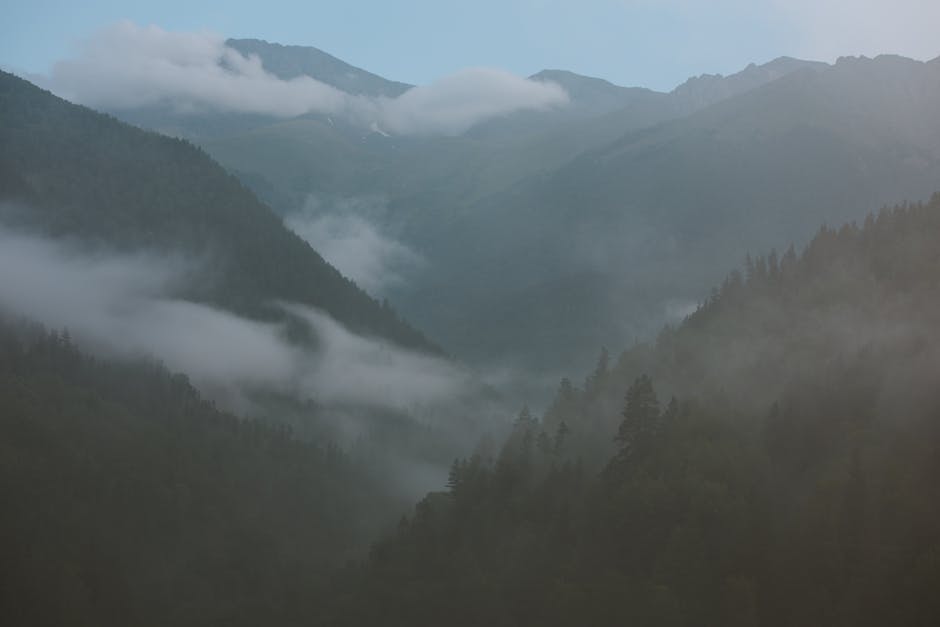
Picture this: it’s a crisp Tuesday morning in early spring 2026, and instead of jostling for parking space at Seoraksan or Naejangsan alongside hundreds of other visitors, you’re standing completely alone at the edge of a fog-drenched valley in North Gyeongbuk, listening to nothing but wind moving through pine trees. That’s the promise — and increasingly the reality — of Korea’s growing untact travel culture. “Untact” (언택트), a uniquely Korean coinage blending “un-” with “contact,” describes the deliberate choice to travel without crowds, tourist infrastructure, or social friction. And in 2026, it’s no longer just a pandemic-era trend — it’s a full-blown lifestyle philosophy.
So let’s think through this together: where exactly are these hidden spots, why are they still under the radar, and how do you responsibly find your way there?
Why Untact Travel Is Having Its Biggest Moment in 2026
According to Korea Tourism Organization (KTO) data released in early 2026, domestic travel volume has rebounded to pre-pandemic peaks — but the distribution has shifted dramatically. While flagship destinations like Jeju Island and Gyeongju still attract millions, a measurable 34% increase in searches for “rural trail” and “off-grid camping Korea” was recorded between 2024 and early 2026. Apps like Naver Map and KakaoMap have quietly added “congestion indicators” to popular nature spots, and savvy travelers are using that data to actively avoid the red zones.
What’s driving this? A combination of factors:
- Remote work normalization: With hybrid work now the dominant model across Korean industries in 2026, mid-week “workation” escapes to quieter regions have become structurally possible for a much larger demographic.
- Wellness fatigue: After years of optimized Instagram itineraries, many Korean travelers — particularly millennials and Gen Z — are actively seeking decompression rather than curated experiences.
- EV infrastructure expansion: The national EV charging network has now reached even remote counties in Gangwon and South Jeolla, making previously inaccessible areas driveable without range anxiety.
- Aging population, quieter tastes: Korea’s 50+ demographic is one of the fastest-growing travel segments, and they tend to gravitate toward serene, low-density environments.
Five Hidden Nature Spots Flying Under the Radar in 2026
Let’s get specific. These aren’t completely unknown — but they’re significantly less visited than their natural quality deserves, and that gap is exactly where the untact magic lives.
1. Mureung Valley (무릉계곡), Donghaesi, Gangwon
Most people drive straight past Donghae on their way to Sokcho or Gangneung. That’s a mistake. Mureung Valley — a designated National Scenic Area — offers emerald pools and Buddhist rock carvings dating back to the Joseon Dynasty. Weekday visitor counts here are typically a fraction of comparable Gangwon valleys. Best visited April through June before summer humidity sets in.
2. Gajisan Provincial Park, South Gyeongnam
Sandwiched between the more famous Jirisan and Gayasan, Gajisan operates almost anonymously. Its ridge trail connecting Neundonggol Valley to the summit offers genuine wilderness — thick old-growth forest, minimal trail signage (bring offline maps!), and views that rival anything in Korea’s national park system.
3. Upo Wetlands (우포늪) at Dawn, South Gyeongnam
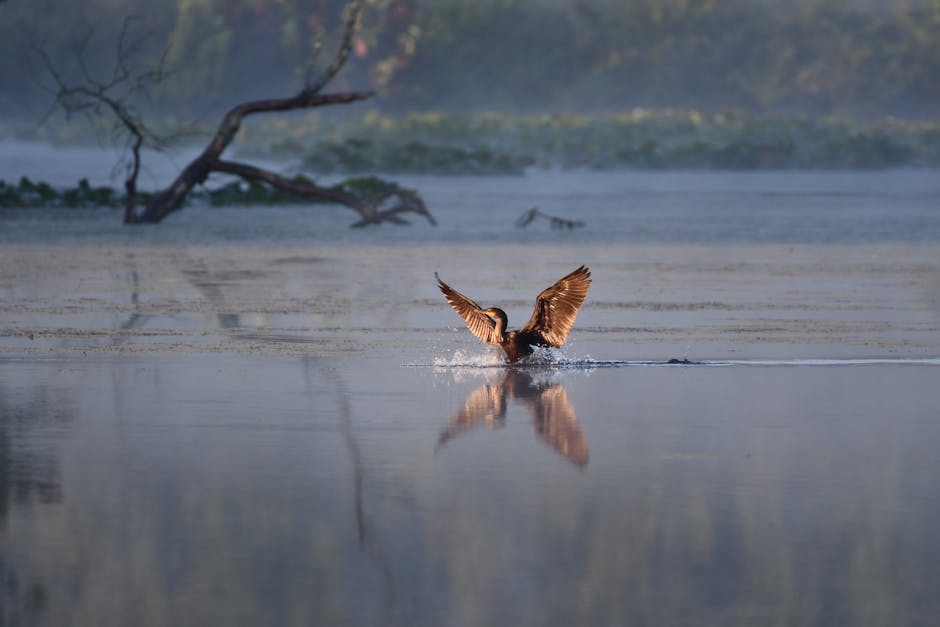
Upo gets day visitors, but the secret is arriving before 6 AM. Korea’s largest inland wetland transforms at dawn — reed beds catching low light, gray herons fishing in absolute silence, morning mist rolling off the water surface. The car park is empty, the observation decks are yours. This is one of those places where untact travel delivers a genuinely cinematic experience.
4. Seocheon Coastal Mudflat Trail, South Chungnam
Seocheon’s tidal flats (갯벌) were designated a UNESCO World Heritage Site as part of the Korean Tidal Flat cluster. Yet the town itself remains far less trafficked than nearby Boryeong. The Honeyman Trail along the coast offers rare access to coastal ecosystem walking with minimal infrastructure — meaning you’ll likely have it entirely to yourself outside peak summer weekends.
5. Seonunsan Provincial Park, North Jeolla
Famous among Koreans primarily for its camellia blossoms in late autumn, Seonunsan is virtually empty for nine months of the year. The deep ravine trail leading to Dosolam Hermitage — perched improbably on a cliff face — is one of Korea’s most atmospheric short hikes, and the complete absence of crowds in spring or winter makes it feel like a private discovery.
Learning from Global Untact Travel Models
Korea isn’t inventing this wheel alone. Looking at international precedents gives us useful frameworks:
- Slovenia’s “Green Scheme”: Slovenia’s national tourism board certifies destinations based on sustainability and low-impact visitor management. Several Korean county governments (군청) have been quietly studying this model since 2024, with Gochang County in North Jeolla leading pilot programs in 2026.
- Japan’s “Ura-Nihon” (back-of-Japan) movement: The Sea of Japan coastal prefectures — Toyama, Ishikawa, Niigata — have deliberately marketed themselves as anti-Kyoto destinations. Korea’s equivalent would be the “back-road” counties of North Gyeongbuk and South Chungnam.
- New Zealand’s “Tiaki Promise”: A traveler-pledge model encouraging visitors to protect natural spaces. Korea’s National Park Service launched a loosely analogous “Nature Guardian Pledge” program in January 2026, asking hikers to self-commit to Leave No Trace principles.
Practical Tips for Planning Your Untact Nature Trip
- Use Naver Map’s real-time congestion overlay — available for most provincial parks — and target locations showing green (low traffic) status.
- Book midweek, off-season whenever possible. Tuesdays and Wednesdays between October and May are statistically your best bet for solitude.
- Consider 농촌민박 (rural homestay) accommodations rather than pensions or glamping sites — they’re cheaper, more authentic, and often located near genuinely off-the-beaten-path trail access points.
- Download offline maps via KakaoMap or Maps.me before entering remote valleys — cell coverage in places like inner Gajisan or Mureung can be unreliable.
- Check local county tourism websites (not just the big national platforms) — many hidden gems are only listed at the 군/시 level, not on mainstream travel aggregators.
Realistic Alternatives If You Can’t Go Far
Not everyone can drive four hours to South Gyeongnam on a Wednesday. That’s completely valid — and untact principles scale down beautifully. If you’re Seoul-based, consider: the dawn hours at Bukhansan’s less-frequented Dobongsan ridgeline, the midwinter tidal flats at Incheon’s Ganghwa Island, or even a weekday morning walk through the Cheonggyecheon stream before 7 AM. The core principle of untact travel isn’t geography — it’s timing, intentionality, and a willingness to step slightly sideways from the crowd’s script.
If international travel is in scope, destinations like Taiwan’s Hualien County, Japan’s Shimane Prefecture, or Vietnam’s Ha Giang Loop offer remarkably similar “hidden nature” energy with comparably low tourist density in 2026.
Editor’s Comment : The best untact spots in Korea in 2026 aren’t secrets because they lack quality — they’re secrets because most travelers are still following the same well-worn maps. The real untact move isn’t just avoiding crowds; it’s developing the curiosity to look one map layer deeper than everyone else. Start with one of the five spots above, go on a Tuesday, arrive at dawn, and I genuinely believe you’ll understand what all the quiet fuss is about.
태그: [‘untact travel Korea 2026’, ‘hidden nature spots Korea’, ‘Korean off-the-beaten-path’, ‘언택트 여행 2026’, ‘domestic travel Korea 2026’, ‘slow travel Korea’, ‘Korean provincial parks’]
Leave a Reply