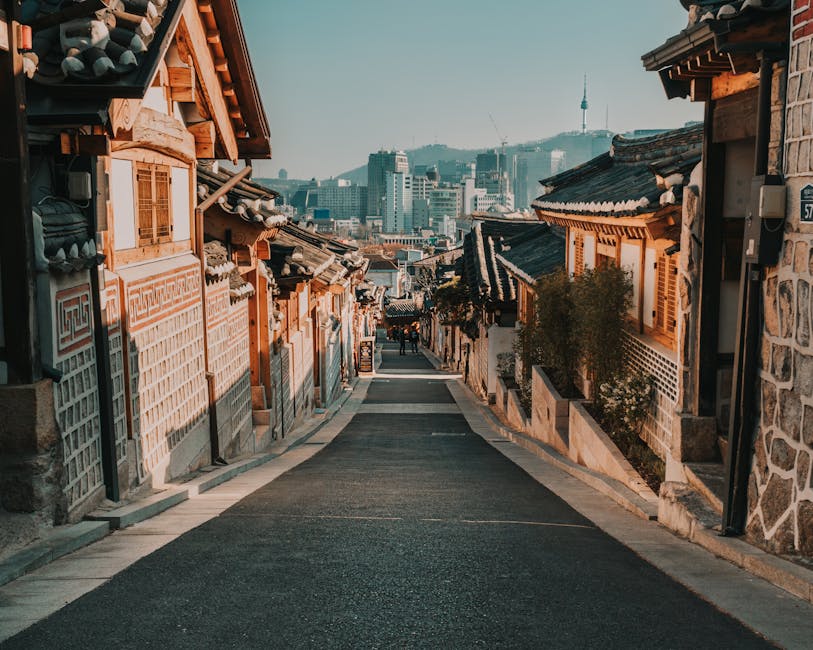
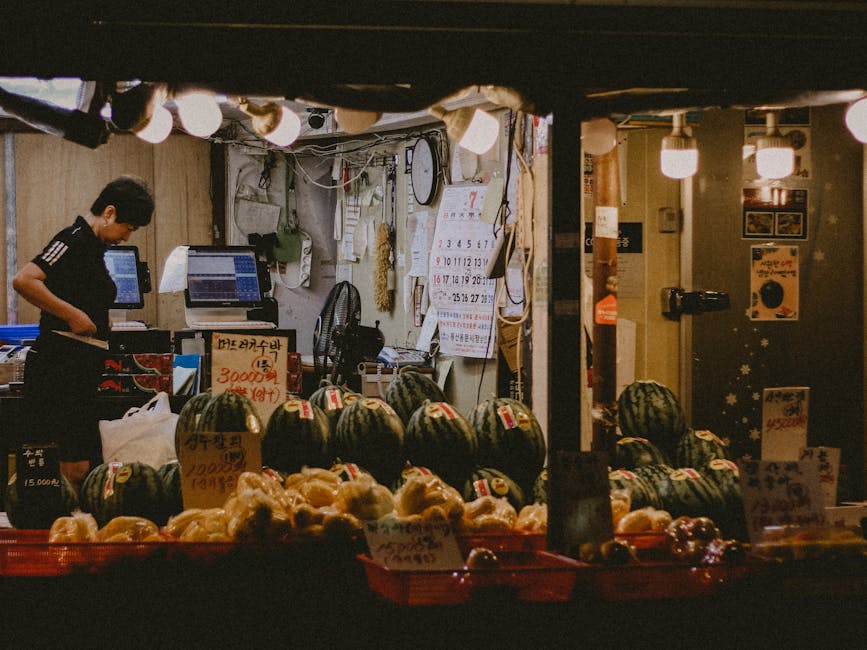
Let me tell you something that happened to a friend of mine last spring. She spent three days in Seoul hitting every spot on the “Top 10 Korea Travel” list — Gyeongbokgung, Bukchon Hanok Village, Myeongdong — and came back feeling vaguely disappointed. Not because those places aren’t beautiful, but because she felt like she was shuffling through a museum with 10,000 other people. Then, on her last afternoon, a local shopkeeper in Ikseon-dong quietly whispered: “If you really want to feel Seoul, go to Mangwon market at 7am.” That single tip transformed her entire trip.
That’s the magic of locally-kept secret travel spots — the Korean concept of 숨겨진 여행지 (hidden travel destinations). In 2026, with domestic tourism more saturated than ever thanks to post-pandemic wanderlust and short-form travel content flooding social media, finding genuinely off-the-beaten-path experiences has become both harder and more rewarding. So let’s think through this together — where are the real gems, and how do you actually find them?
Why Locals Know Better: The Data Behind Overcrowded Tourism
According to the Korea Tourism Organization’s 2026 domestic travel report, the top 20 most-visited domestic destinations account for over 68% of all domestic tourist footfall — meaning the remaining thousands of destinations share just 32% of visitors. That’s a massive imbalance. Places like Jeju Island, Gyeongju, and Nami Island continue to see record numbers (Jeju alone welcomed over 15 million visitors in 2025), while entire regions like Gochang in North Jeolla Province or Uljin in North Gyeongsang Province quietly offer world-class experiences with a fraction of the crowd.
The economic reality is also worth noting: locally-recommended spots tend to support small-scale family businesses rather than large tourism conglomerates. Your travel spending genuinely impacts the community — something more travelers in 2026 are consciously prioritizing.
The Locally Recommended Secret Spots Worth Your Time in 2026
Here’s where it gets exciting. I’ve gathered tips from local travel communities, Korean lifestyle forums like Naver Café travel boards, and conversations with regional tourism insiders. These aren’t just pretty — they each have a distinct character that mass-tourism destinations often lose.
- Gochang Unification Park & Juknokwon Bamboo Forest, North Jeolla: Yes, Damyang gets all the bamboo forest fame — but Gochang’s bamboo groves feel genuinely wild. Combine it with the UNESCO-listed Gochang Dolmen Sites and you have a full day of unhurried exploration. Local guesthouses here charge roughly ₩50,000–₩70,000 per night versus Jeju’s ₩150,000+ average.
- Uljin Bulyeong Valley, North Gyeongsang: A 15km forest trail through dramatic limestone cliffs and emerald streams. Locals call it “the canyon Seoul people haven’t found yet.” The nearby deungsim hanu (local grass-fed beef) at family-run restaurants is reason alone to make the trip.
- Ganghwa Island’s Western Coast Mudflats (Ganghwado Seohae): Most visitors stick to Ganghwa’s historical fortresses — completely missing the haunting beauty of the western tidal flats at sunset. It’s a 90-minute bus ride from Seoul and feels like a different planet.
- Hadong Ssanggyesa Temple Area, South Gyeongsang: While Haeinsa and Tongdosa get the tourist buses, Ssanggyesa sits along a wild tea-growing valley with cherry blossom tunnels in spring. The monk-run tea ceremony here is genuinely unhurried — you won’t be rushed for a photo op.
- Yeongwol, Gangwon Province: This small town was the exile location of the tragic young Joseon king Danjong, and that melancholy history permeates every stone path. The Donggang River rafting here is legitimately thrilling, and the memil (buckwheat) cuisine is exceptional.
- Boryeong Mud Flats (off-season visit), South Chungcheong: Everyone knows Boryeong for its summer mud festival, but visiting in October or November? The flats become this surreal, quiet landscape. Local fishermen sell fresh gejang (raw crab marinated in soy) right off their boats.
How Locals Actually Find These Places: The Method Behind the Magic
Let’s be real — Googling “hidden travel spots Korea” is inherently contradictory. The moment something trends, it stops being hidden. So here’s how Korean locals actually discover and share these spots in 2026:
Naver Café communities remain the gold standard. Unlike Instagram, these forums are text-heavy and search-indexed in Korean, creating a natural language barrier that keeps international tourist crowds thinner. Look for cafes tagged 여행 (travel) + specific province names. KakaoMap reviews in Korean often contain hyper-local tips that don’t appear in English-language travel content. And don’t underestimate asking your Airbnb or guesthouse host directly — in smaller towns especially, hosts take genuine pride in showing off their community’s less-photographed corners.
Realistic Alternatives: When “Secret” Isn’t Practical for Your Trip
Now, let’s think practically. Not every traveler can spend three weeks hunting down obscure valleys. If you’re on a tight schedule or visiting Korea for the first time, here’s a smarter middle-ground approach:
- Visit popular spots at off-peak hours: Bukchon Hanok Village before 8am is genuinely magical and nearly empty. The experience difference is enormous.
- Use popular spots as anchors, secret spots as fillers: Stay near Gyeongju (a major hub) but day-trip to Yangdong Folk Village — 20 minutes away, a fraction of the visitors, and equally stunning.
- Follow the local lunch crowd: In any town, walk away from the tourist signage around noon and follow office workers. That restaurant with no English menu and a handwritten board? Almost always extraordinary.
- Embrace Slow Travel in one region: Instead of the classic Seoul-Busan-Jeju triangle, consider spending your entire trip in a single province like Gangwon or Jeonnam. Depth beats breadth when it comes to authentic discovery.
The truth is, Korea’s real travel wealth isn’t hidden because it’s hard to find — it’s hidden because most itineraries simply don’t slow down enough to look. In 2026, with travel content noisier than ever, the most radical travel choice you can make is going slower and asking locals.
Editor’s Comment : The best travel experiences I’ve ever had in Korea weren’t on any list — they came from a grandma pointing me down an unmarked path, a market vendor insisting I try something I couldn’t identify, and a guesthouse owner drawing a hand-sketched map on a napkin. No algorithm curates those moments. Go off-script in 2026. Your most memorable trip is almost certainly waiting somewhere without a hashtag.
태그: [‘hidden travel spots Korea 2026’, ‘secret Korean destinations locals recommend’, ‘off the beaten path Korea’, ‘domestic travel Korea 2026’, ‘Korea travel tips’, ‘authentic Korean travel experiences’, ‘underrated Korea travel destinations’]
Leave a Reply