Picture this: It’s spring break 2026, and instead of watching your kids scroll through their phones at a beach resort, they’re knee-deep in a rice paddy in rural Japan, learning how traditional farming connects to the food on their dinner table. Your teenager — yes, the one who barely looks up from screens — is actually fascinated. That’s not a fantasy anymore. That’s exactly the kind of trip families are booking right now.
Over the past couple of years, something fundamental has shifted in how families think about travel. The old “go somewhere beautiful, relax, come home” formula still exists, but a growing wave of parents and kids are asking a deeper question: What do we actually take home from this trip beyond photos? Welcome to the 2026 family travel landscape — where healing and education aren’t add-ons, they’re the whole point.
Let’s think through what’s driving this, where people are going, and — critically — how you can realistically join this trend without blowing your budget or overcomplicating your family’s next getaway.
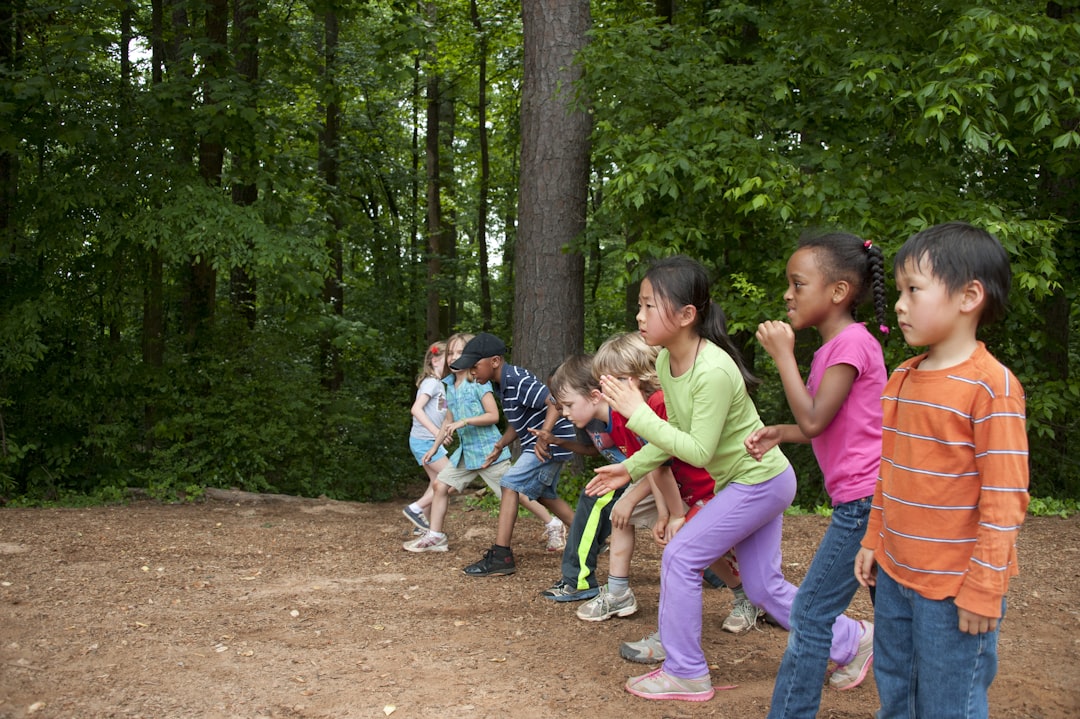
📊 What the Data Actually Tells Us About 2026 Family Travel
According to the Global Travel & Tourism Council’s 2026 Family Segment Report, 67% of family travelers now prioritize “experiential value” over destination prestige when choosing a trip. That’s a dramatic jump from just 48% in 2022. Booking platforms like Airbnb Experiences and GetYourGuide report that family-oriented cultural and nature workshops saw a 41% year-over-year increase in bookings heading into 2026.
Meanwhile, burnout culture — especially post-pandemic fatigue that lingered well into the mid-2020s — pushed many parents to seek what wellness researchers now call “restorative travel”: trips designed to reduce cortisol levels, rebuild family connection, and return home feeling genuinely recharged rather than exhausted from over-packed itineraries.
There’s also a generational driver here. Gen Z teens and Gen Alpha kids (roughly ages 6–16 in 2026) respond remarkably well to hands-on, meaningful experiences. Traditional sightseeing — standing in front of a famous building for a photo — doesn’t register as meaningful for this cohort. But making something, learning something, or contributing to something? That lands differently.
🌿 The Two Pillars of 2026 Family Travel: Healing + Education
These two concepts might seem like opposites — healing sounds passive, education sounds effortful — but the magic of 2026’s top family travel experiences is that they’ve figured out how to blend both seamlessly. Think of it as “active restoration”: activities that engage the mind and body in purposeful ways that actually reduce stress rather than add to it.
Here’s how the split tends to work in practice:
- Healing-focused travel often means forest bathing (called shinrin-yoku in Japan), slow farm stays, wellness retreats designed for families rather than solo adults, coastal eco-lodges, or unplugged mountain cabin experiences where the Wi-Fi is intentionally limited.
- Education-focused travel leans toward archaeological digs designed for young participants, marine biology snorkeling programs, traditional craft workshops (pottery, weaving, bread-making), cooking schools that teach regional food history, and language immersion day camps embedded within a broader family trip.
- Hybrid experiences — and this is where the real sweet spot is — combine both. A family spends mornings on a working organic farm (physical, grounding, healing) and afternoons learning about the region’s agricultural history and food culture (educational, contextual, meaningful).
🗺️ Real Destinations Leading the Trend in 2026
Let’s get specific, because vague inspiration isn’t very useful when you’re actually trying to plan something.
Domestically (within the U.S.): The Hudson Valley in New York has quietly become one of the hottest family travel corridors of 2026. Farms like Stone Barns Center for Food & Agriculture offer family-oriented programs where kids participate in seasonal harvests and learn soil science through play. The Great Smoky Mountains now feature several “forest school” pop-up programs designed specifically for visiting families during peak seasons.
In South Korea (a key market given the original keyword context): Slow villages or 슬로우 시티 destinations like Cheongsando Island and Damyang have developed family package programs in 2026 that combine bamboo forest walks (deeply restorative) with traditional Korean papermaking (hanji) workshops. Families report these as some of the most memorable trips they’ve ever taken — and among the most affordable.
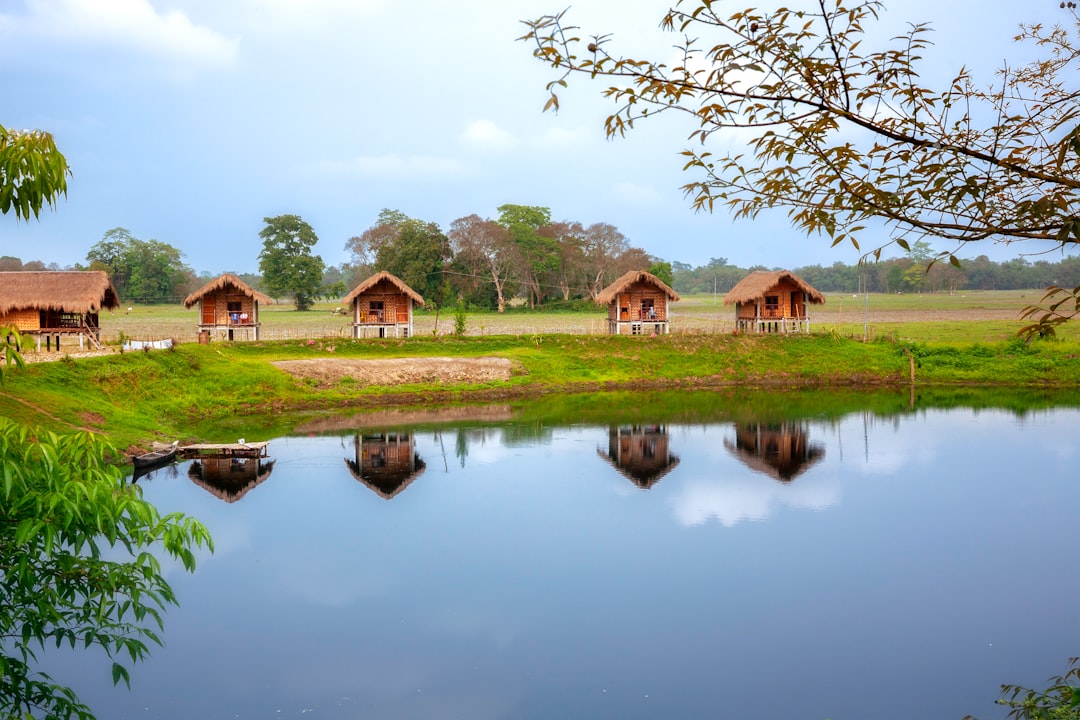
Internationally: Costa Rica remains a dominant force in eco-educational family travel, with its combination of cloud forest biology tours, turtle conservation volunteer days designed for children as young as 8, and certified wellness lodges that incorporate jungle soundscapes into sleep hygiene programs. Japan’s rural satoyama villages — traditional agricultural landscapes — have opened dozens of new family-oriented farm-stay programs, particularly in Kyoto’s outskirts and Niigata Prefecture.
💡 How to Actually Make This Work for Your Family
Here’s where I want to think realistically with you, because not every family has the budget for a two-week Japan immersion trip or the logistics for a remote Costa Rican eco-lodge. The good news? The principles of healing and educational travel scale beautifully.
- Start local, think intentionally: A weekend at a nearby state park with a ranger-led junior naturalist program costs very little and delivers genuine educational and healing value. The distance doesn’t determine the depth of the experience.
- Choose one “anchor experience” per trip: Rather than cramming five different workshops into a week, pick one meaningful activity — a cooking class, a farm visit, an art workshop — and let the rest of the trip breathe around it. This is actually more restorative for both kids and adults.
- Use platforms like Airbnb Experiences, Viator, or local tourism boards: Many destinations now tag experiences specifically as “family-friendly” and “educational,” making it easier to filter before you book.
- Involve your kids in the planning: Research consistently shows that children who participate in trip planning engage more deeply with the destination. Give them one decision — the anchor experience — and watch their investment in the trip increase dramatically.
- Build in downtime deliberately: The 2026 trend isn’t about packing more in — it’s about packing better. A half-day completely unscheduled, especially in a natural setting, is one of the most healing things a family can experience together.
🔑 What Separates a Good Trip from a Transformative One
After thinking through dozens of family travel stories and destination reports, a pattern emerges: the trips that families remember most vividly — the ones that genuinely change something in a child or reconnect a marriage — almost always involve making something with their hands or contributing to something larger than themselves. Whether that’s planting seeds on a farm, releasing a sea turtle into the ocean, or kneading dough in a centuries-old Italian kitchen, the act of doing creates memories that passive observation simply cannot.
This is actually backed by cognitive science. Episodic memory — the kind of long-term memory tied to personal experience — is dramatically stronger when physical action, novelty, and emotional resonance are all present simultaneously. A great family travel experience in 2026 is essentially engineering those conditions on purpose.
So as you start thinking about your next family trip, the question isn’t just “where do we go?” — it’s “what will we make, learn, or contribute while we’re there?” Answer that first, and the destination almost picks itself.
Editor’s Comment : If I had to boil down 2026’s family travel movement to one sentence, it would be this: the best family trips aren’t the most expensive ones — they’re the ones where everyone, kids and adults alike, comes home changed in some small but real way. Whether you’re planning a two-week overseas adventure or a long weekend two hours from home, the healing + education formula is genuinely accessible. Start small, choose depth over breadth, and trust that a single meaningful experience will outlast a hundred beautiful photos.
태그: [‘2026 family travel trends’, ‘healing travel with kids’, ‘educational family vacation’, ‘eco travel family 2026’, ‘experiential family trips’, ‘slow travel family’, ‘best family travel destinations 2026’]
Leave a Reply