Blog

  • How to Plan the Perfect Family Theme Trip in 2026: A Complete Step-by-Step Guide

    Picture this: It’s a Tuesday evening, and your family is gathered around the dinner table, each person loudly pitching their dream vacation. Your teenager wants to hit the streets of Tokyo for anime culture, your 8-year-old is begging for a beach with sea turtles, your partner dreams of vineyard tours, and you — well, you just want everyone to stop arguing long enough to actually book something. Sound familiar? Family travel planning can feel like negotiating a peace treaty, but here’s the thing: with the right framework, a family theme trip can genuinely satisfy everyone — and create memories that stick for decades.

    In 2026, family travel has evolved dramatically. Multi-generational households are traveling together more than ever, and the concept of “theme-based travel” — building your entire itinerary around a central idea rather than just a destination — has become the gold standard for avoiding the dreaded “nothing to do” complaint. Let’s think through this together, step by step.

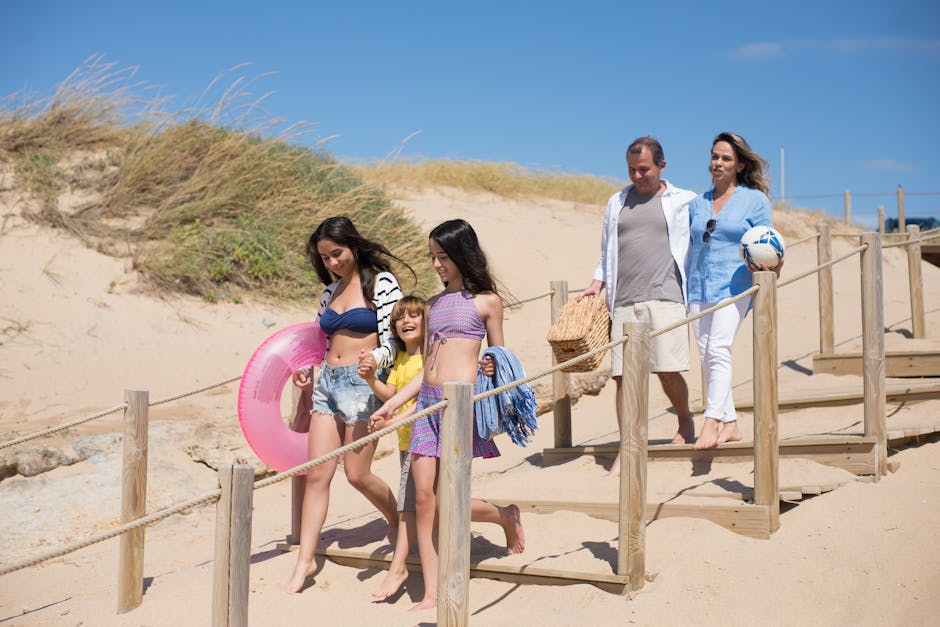
    happy family planning travel map together living room 2026

    Step 1: Define Your Family’s Core Travel Identity

    Before you open a single booking website, sit down as a family and answer one deceptively simple question: What does this trip need to feel like? Not where — how. The answer to that question becomes your theme anchor.

    According to a 2026 report by the Family Travel Association, over 68% of families who reported “highly satisfying” vacations had agreed on a shared theme or purpose before booking. Compare that to just 31% satisfaction among families who simply chose a destination first. The data is pretty telling — theme first, destination second.

    Popular family travel themes in 2026 include:

    • Nature & Wildlife Immersion: National parks, eco-lodges, marine sanctuaries
    • Cultural Discovery: UNESCO heritage sites, local cooking classes, traditional festivals
    • Adventure & Active Travel: Hiking, kayaking, cycling routes designed for mixed-ability groups
    • Educational & STEM Tourism: Science museums, space centers, archaeological dig experiences
    • Slow Travel & Wellness: One region, deep connection, minimal transportation stress
    • Pop Culture & Fan Tourism: Film locations, gaming festivals, anime or K-pop destination travel

    Step 2: Map Out Your Family’s “Travel Persona Matrix”

    This is a tool I genuinely love recommending. Draw a simple 2×2 grid: one axis is “Energy Level” (low to high), the other is “Interest Type” (cultural vs. experiential). Place each family member on the grid. What you’ll likely find is that your family clusters into 2-3 zones — and your theme should sit at the intersection of those zones.

    For example, if your kids are high-energy and experiential while your parents or in-laws are low-energy and culturally curious, a destination like Kyoto, Japan works brilliantly — high-energy kids can rent bikes and explore bamboo forests, while grandparents enjoy temple walks and tea ceremony experiences, all within the same city.

    Step 3: Build Your Itinerary Around a “3-Day Rhythm”

    One of the most practical lessons from experienced family travel planners is the 3-day rhythm rule: every three days, build in a completely unscheduled “reset day.” This is especially critical for trips longer than five days.

    Here’s a simple framework for a 10-day family theme trip:

    • Days 1-2: Arrival, orientation, light activities — let everyone adjust
    • Day 3: First major theme-anchored experience (e.g., a full-day wildlife safari or cooking class)
    • Days 4-5: Deeper exploration, split activities if needed by age group
    • Day 6: Reset day — pool, local market wandering, nothing booked
    • Days 7-8: Second major theme experience, build on momentum
    • Day 9: Free-choice day — each family member picks one activity
    • Day 10: Departure prep, relaxed morning, meaningful souvenirs

    Real-World Examples: How Families Are Doing It in 2026

    Let’s ground this in some real scenarios that illustrate different approaches beautifully.

    Example 1 — The Kim Family (Seoul, South Korea): A multi-generational group of seven, ranging from ages 6 to 72, planned a “Korean Heritage Trail” theme trip through Gyeongju, Jeonju, and Andong. Rather than cramming in every landmark, they booked a Hanok stay, participated in a traditional pottery workshop, and let the grandparents lead one afternoon of storytelling at each location. Result? The grandchildren learned cultural history organically, and the grandparents felt respected and central — not just passengers on someone else’s itinerary.

    Example 2 — The Martinez Family (Miami, USA): With three kids aged 9–16, they built a “Marine Science Adventure” theme trip around Costa Rica’s Osa Peninsula in early 2026. Every activity — whale watching, mangrove kayaking, a sea turtle nesting night tour — connected to the central theme. The 16-year-old even kept a species journal, which she later submitted as part of a school science project. The theme gave the trip educational legitimacy without feeling like homework.

    Example 3 — The Patel Family (London, UK): A couple with two neurodiverse children chose “Slow Travel Through Portugal” as their theme. By staying in one apartment in Lisbon for 12 days rather than hopping cities, they eliminated transit anxiety entirely. Daily rhythms felt safe and predictable, and they wove in sensory-friendly museums, open coastal walks, and one big “adventure day” per week. The predictability of the home base was the theme itself — stability as a travel philosophy.

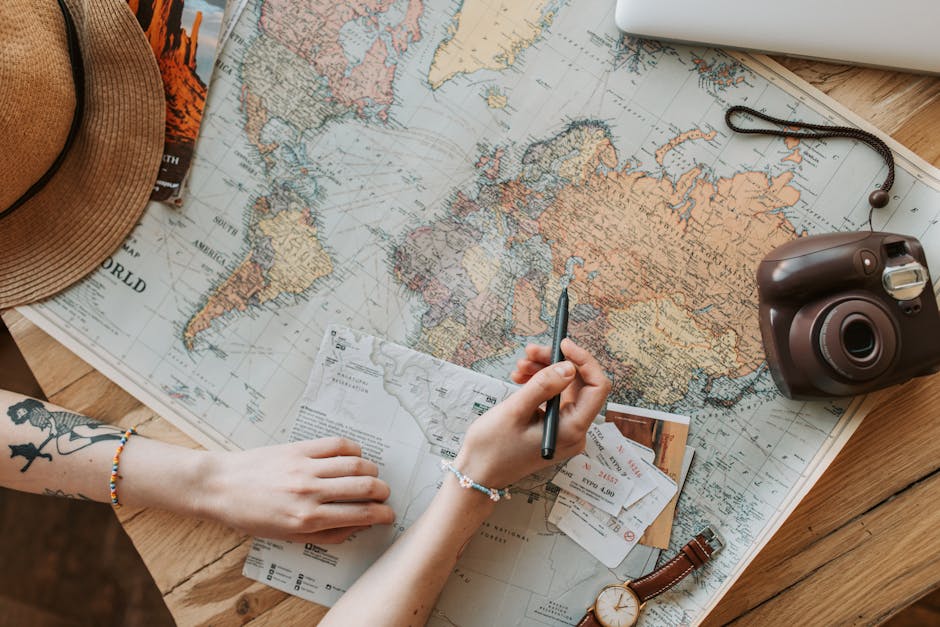
    family travel itinerary planning notebook destination research

    Step 4: Budget Realistically — Theme Travel Doesn’t Mean Expensive Travel

    Here’s where many families get tripped up: they assume a “themed” trip requires premium experiences. It really doesn’t. The theme is a lens, not a price tag.

    • Accommodation hack: Vacation rentals (VRBO, Airbnb long-stay discounts) almost always beat hotels for families of 4+ — often 30–50% cheaper per night for equivalent space
    • Experience over stuff: Allocate 60% of your experience budget to 2-3 signature moments, keep the rest flexible
    • Off-peak intelligence: In 2026, “shoulder season” has shifted slightly due to remote work travel patterns — research specifically for your destination rather than relying on old seasonal charts
    • Kids eat free math: Many destinations in Southeast Asia, Eastern Europe, and parts of Latin America mean families of 4 can eat extraordinarily well for under $40/day total

    Step 5: Build In Flexibility — The “Veto Card” System

    Give every family member — yes, including the youngest who can communicate — one “veto card” per trip. This card can be used once to skip any planned activity, no questions asked, no guilt applied. It sounds small, but the psychological freedom this creates is enormous. Kids stop dreading the “boring museum” because they know they could opt out. And paradoxically, most veto cards never get used — because having the choice removes the resistance.

    Realistic Alternatives for Every Type of Family

    Not every family can do a 10-day international trip — and that’s completely fine. Here’s how to apply theme-based planning to different constraints:

    • Weekend warriors (2-3 days): Choose a micro-theme like “Farm-to-Table Food Discovery” or “Local History Detective Trip” within a 2-hour drive radius. Structure matters more than distance.
    • Budget-constrained families: A “National Parks Passport Challenge” across your own country can be just as thematically rich as international travel — and in 2026, many national park systems have expanded junior ranger digital programs that kids genuinely love.
    • Single-parent households: Connect with family travel communities (the Family Adventure Network has grown significantly in 2026) to find group-organized theme trips where logistics are handled collectively.
    • Families with special needs: Look specifically for destinations that publish detailed accessibility or sensory-friendliness ratings — they exist and they’re improving year over year.

    The bottom line is this: a great family theme trip isn’t about having the most Instagrammable moments or ticking off the most destinations. It’s about designing a shared experience that respects everyone’s needs, builds on a unifying idea, and leaves room for the unexpected magic that always shows up when you’re not over-scheduled.

    Start with your theme. Work backward from there. And give yourself permission to make it imperfect — because the negotiation, the laughter at wrong turns, and the compromise itself? That’s actually the travel.

    Editor’s Comment : The single biggest shift I’ve seen in family travel planning in 2026 is the move away from “more destinations = better trip” thinking. The families who report the richest experiences are almost always the ones who chose depth over breadth — one clear theme, two or three signature moments, and enough breathing room to actually notice where they are. If you’re just starting out, pick your theme before you pick your destination. Everything else flows from there.

    태그: [‘family theme travel’, ‘family trip planning 2026’, ‘how to plan a family vacation’, ‘family travel itinerary guide’, ‘multi-generational travel tips’, ‘budget family travel 2026’, ‘themed family vacation ideas’]


    📚 관련된 다른 글도 읽어 보세요

  • 가족 테마 여행 일정 짜는 법 완벽 가이드 2026 | 연령대별·테마별 황금 루틴

    가족 테마 여행 일정 짜는 법 완벽 가이드 2026 | 연령대별·테마별 황금 루틴

    지난 여름, 지인 가족이 제주도 4박 5일 여행을 다녀왔어요. 8살 딸, 5살 아들, 70대 할머니까지 삼대가 함께한 여행이었는데, 돌아오자마자 한 말이 “다시는 이렇게 짜지 말자

    태그: []


    📚 관련된 다른 글도 읽어 보세요

  • Hidden Natural Gems in South Korea: A 2026 Explorer’s Guide to Offbeat Scenic Spots You Haven’t Discovered Yet

    Last spring, I made a wrong turn on a hiking trail near Gurye in South Jeolla Province — and stumbled upon a moss-covered waterfall that wasn’t on any map app I had open. No crowds, no Instagram geo-tags, just the sound of water and wind through ancient cedar trees. That moment crystallized something I’d been feeling for a while: South Korea’s most breathtaking natural spots are almost never the ones that show up in travel brochures. So I spent the better part of 2026 doing something a little obsessive — systematically tracking down hidden natural destinations across the peninsula. Here’s what I found, and more importantly, how you can find your own.

    hidden waterfall South Korea forest misty trail

    Why Hidden Spots Stay Hidden (And Why That’s Changing Fast)

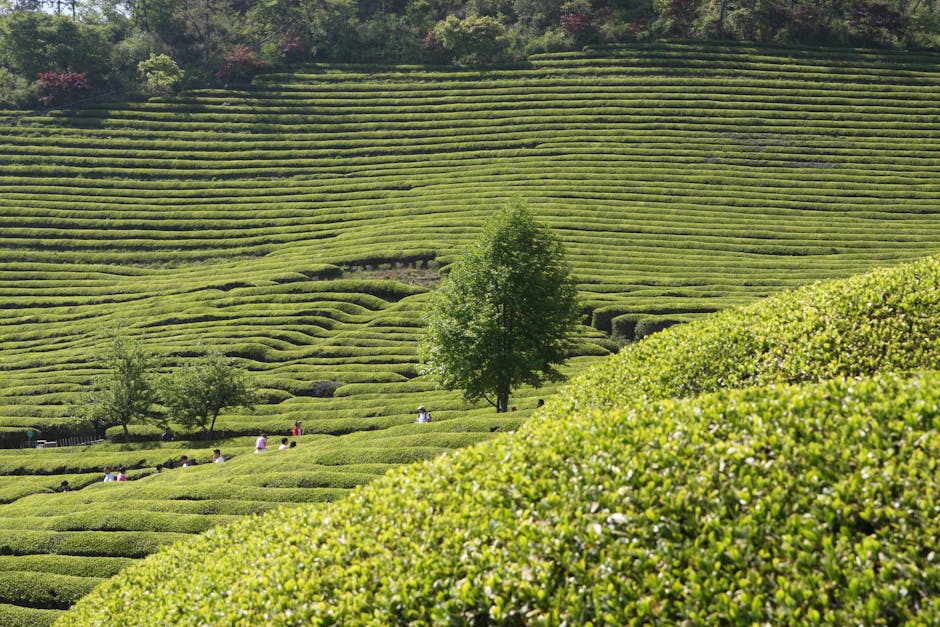
    South Korea has over 22 designated national parks and hundreds of provincial-level protected areas, yet tourism data from the Korea Tourism Organization in early 2026 shows that roughly 78% of domestic nature tourism traffic concentrates in just 5 locations — Seoraksan, Jirisan, Jeju Island, Nami Island, and Boseong Tea Fields. That leaves an enormous swath of natural beauty largely untouched by mainstream tourism.

    The reasons are pretty logical when you think about it:

    • Access infrastructure: Many hidden spots require a car or multiple bus transfers. South Korea’s rail network is world-class, but it largely connects cities — not wilderness trailheads.
    • Language barrier for signage: Trail markers and regional tourism boards often only post content in Korean, making international and even domestic casual visitors less likely to venture off the beaten path.
    • Algorithm bubbles: Travel content platforms keep recommending the same viral spots, creating a feedback loop. If it wasn’t on Naver Blog in 2022, it barely exists in 2026’s recommendation engine.
    • Seasonal accessibility: Some of the most stunning landscapes — like the inland wetlands of Upo Swamp or the volcanic craters near Ulleungdo — are only truly magical during narrow seasonal windows.

    But here’s the flip side: awareness is growing. Domestic eco-tourism initiatives launched in 2025 by the Ministry of Environment have started promoting “slow travel” corridors, and that’s nudging curious travelers toward new territories.

    Spotlight on Specific Hidden Gems Worth the Journey

    Let me walk you through some of the spots I personally explored or verified through local hiking communities in 2026:

    • Mureung Valley (무릉계곡), Gangwon Province: Often overshadowed by nearby Seoraksan, this valley features enormous flat granite slabs stretching along a crystal-clear stream. It’s genuinely easier to reach than Seoraksan, yet visitor counts are a fraction of its famous neighbor.
    • Naejangsan’s Inner Gorge Trails: Most visitors only walk the main temple route. But the inner ridge trails that loop behind the crater-like valley offer panoramic views that rival anything in the park — and I’ve walked those paths with fewer than 10 people in sight.
    • Upo Wetland (우포늪), South Gyeongsang: Korea’s largest inland natural wetland. At dawn in early spring, the mist over the water and the sound of migratory birds creates a scene that genuinely feels prehistoric. The surrounding cycling paths are also underrated.
    • Wolchulsan’s Cloud Bridge: This mountain in South Jeolla Province has a suspended metal bridge at a surprisingly modest altitude that offers dramatic views of jagged ridgelines. The hike is accessible even for moderate fitness levels, yet it rarely appears on mainstream lists.
    • Hyangrobong Peak near Inje, Gangwon: A lesser-known alpine meadow that explodes with wildflowers in late May and turns a deep amber in October. Local hikers call it “the ridge that forgot to become famous.”

    How This Compares to Global Hidden Gem Discovery Trends

    South Korea isn’t alone in grappling with the paradox of hidden natural beauty. In Iceland, over-tourism at the Golden Circle prompted the government to create the “Inspired by Iceland” campaign that actively redirected tourists to rural fjords and highland routes — and it worked. Visitor dispersal across regions increased by 34% within three years of the campaign’s launch.

    Japan’s “Ura-Nikko” (裏日光) campaign similarly redirected travelers from the famously crowded Toshogu Shrine area toward nearby forest trails and hot spring valleys. The key insight from both cases: people don’t avoid hidden spots because they don’t want them — they avoid them because they don’t know how to find them confidently.

    In 2026, South Korea’s regional tourism boards are beginning to adopt this logic. Gangwon Province now runs a “Slow Roads” digital guide specifically for nature spots with low visitor density. South Chungcheong has partnered with local hiking clubs to document and map trails that were previously only known through oral tradition among elderly villagers.

    Korean wetland dawn mist birds Upo natural landscape

    Practical Framework: How to Discover These Spots Yourself

    Rather than just handing you a list (which becomes outdated the moment it goes viral), let me give you a repeatable approach:

    • Use Naver Café hiking communities: Search for “등산 후기” (hiking review) + regional name. These communities share real trail conditions and off-map locations that GPS apps don’t index.
    • Check Korea Forest Service’s trail database (숲길 정보): Their official portal catalogs thousands of forest paths, many of which have zero commercial tourism infrastructure — meaning fewer crowds but also meaning you need to prepare properly.
    • Talk to local pension owners: Seriously. The ajumma running the pension near your trailhead almost always knows a waterfall or valley that “tourists never ask about.” This has led me to some of my best discoveries.
    • Reverse-search scenic photos on Instagram by location tags: Instead of searching popular hashtags, tap on GPS pins in rural counties. You’ll find content from local photographers who aren’t optimizing for reach — they’re just sharing what they love.
    • Time your visits counterintuitively: Shoulder seasons (early November, late February) often reveal landscapes that are just as beautiful as peak season but with a fraction of the visitors.

    Realistic Alternatives If You Can’t Go Far

    Not everyone can drive four hours to Jeonnam or take a ferry to Ulleungdo on a whim — and that’s completely fine. Here’s how to get a “hidden gem” experience without the logistics:

    • Urban forest trails: Seoul alone has over 600km of officially mapped urban hiking trails. The section of Bukhansan connecting Ujae-gil to Satae-ri feels genuinely remote despite being 40 minutes from Hongdae by subway.
    • Off-hours at known spots: Bukchon Hanok Village at 6:30am in March feels like a completely different place than it does at noon. Timing transforms even the most photographed places.
    • Gyeonggi-do day trips: The Imjin River valley near Yeoncheon, the stone forests of Pocheon Art Valley, and the wetlands of Hwaseong are all within 90 minutes of Seoul and consistently overlooked.

    The deeper truth I’ve come to appreciate through all this exploring is that South Korea’s natural landscape is almost comically underexplored relative to its size and accessibility. The infrastructure is there. The beauty is certainly there. What’s often missing is just the initial nudge to look slightly left of where everyone else is already looking.

    Whether you’re a seasoned hiker or someone who hasn’t laced up trail shoes since a middle school field trip, the hidden natural Korea is genuinely accessible — you just have to be willing to do a little homework and occasionally make a “wrong turn.”

    Editor’s Comment : After spending much of 2026 chasing these lesser-known landscapes, the biggest takeaway isn’t about any specific place — it’s about methodology. The travelers who consistently find beautiful, crowd-free spots aren’t luckier than the rest of us; they’re just asking different questions and talking to different people. Start with one region you’re already curious about, dig into a local hiking community, and follow the thread. The map you build through that process will be more valuable than any listicle, including this one.

    태그: [‘hidden nature spots South Korea’, ‘offbeat Korean travel 2026’, ‘South Korea hiking destinations’, ‘eco-tourism Korea’, ‘Korean natural landmarks’, ‘secret travel spots Korea’, ‘slow travel South Korea’]


    📚 관련된 다른 글도 읽어 보세요

  • 2026년 국내 숨겨진 자연 명소 탐방 후기 — 아직 아무도 모르는 비밀 여행지 5곳

    2026년 국내 숨겨진 자연 명소 탐방 후기 — 아직 아무도 모르는 비밀 여행지 5곳

    지난 봄, 제주 협재 해변으로 가는 길에 차를 잘못 든 적이 있어요. 내비게이션이 안내하는 도로 대신 좁은 비포장길로 접어들었는데, 거짓말처럼 아무도 없는 해안 절벽과 마주쳤습니다. 파도 소리만 들리고, SNS 피드에서 한 번도 본 적 없는 풍경이었죠. 그 순간 깨달았어요. “진짜 여행은 검색 결과 첫 페이지 너머에 있구나.” 오늘은 2026년 현재, 여전히 대중에게 덜 알려진 국내 자연 명소 다섯 곳을 직접 발로 뛰며 모은 후기로 풀어볼게요.

    hidden nature trail Korea scenic landscape foggy morning

    📊 본론 1 — 숫자로 보는 “오버투어리즘”과 숨겨진 명소의 가치

    국내 관광 집중도, 얼마나 심각할까요?

    한국문화관광연구원의 2025년 말 발표 자료에 따르면, 국내 관광객의 약 68%가 전체 관광지 중 상위 15곳에 집중된다고 합니다. 제주, 경복궁, 남이섬, 설악산… 이름만 들어도 알 수 있는 곳들이죠. 반면 전국 등록 자연 명소 수는 무려 2,400여 곳이 넘는다고 해요. 이 수치가 말해주는 건 간단합니다. 우리가 몰리는 곳은 극히 일부이고, 그 나머지 공간은 여전히 ‘발견되기를 기다리고 있다’는 거예요.

    오버투어리즘이 자연에 미치는 영향

    환경부 국립공원공단에 따르면, 설악산 국립공원의 경우 성수기(7~8월) 주말 하루 탐방객이 평균 2만 명을 초과해요. 이로 인해 탐방로 훼손 복원 비용만 연간 약 40억 원이 소요된다고 합니다. 반대로 덜 알려진 자연 명소는 생태 보존도가 높고, 방문자 입장에서도 훨씬 깊은 몰입감을 느낄 수 있다고 봅니다. 이른바 ‘슬로 트래블(Slow Travel)’ 트렌드가 2026년 들어 더욱 주목받는 이유이기도 하고요.


    🗺️ 본론 2 — 국내외 사례로 보는 “비밀 명소” 여행의 패러다임

    해외 사례 — 아이슬란드의 교훈

    아이슬란드는 2010년대 중반 SNS 바이럴로 관광객이 폭발적으로 증가하며 몸살을 앓았어요. 특히 ‘셀야란드포스 폭포’ 주변 초지가 수천 명의 발길에 짓밟히며 생태계가 훼손됐죠. 이후 아이슬란드 정부는 ‘오프 더 비튼 패스(Off the Beaten Path)’ 캠페인을 도입해 덜 알려진 지역으로 관광 수요를 분산시켰고, 지역 경제 활성화와 생태 보존이라는 두 마리 토끼를 잡는 데 성공했다는 평가를 받아요.

    국내 사례 — 경북 봉화군의 실험

    경상북도 봉화군은 2024년부터 ‘숨겨진 생태관광 루트’ 프로그램을 운영해왔어요. 지역 주민 가이드와 함께하는 소규모(1회 최대 10명) 탐방으로, 낙동강 최상류 구간과 각화산 습지를 연결하는 코스인데요. 첫해 참가자 만족도가 97.3%를 기록하면서 2026년엔 운영 횟수를 기존 대비 3배로 늘렸다고 합니다. 지역 소멸 위기에 처한 군 단위 지자체가 자연을 자원으로 어떻게 활용할 수 있는지 보여주는 좋은 모델이라고 봐요.


    Korea hidden waterfall lush green valley serene untouched nature

    🌿 직접 가봤습니다 — 추천 숨겨진 자연 명소 5곳

    • 🌊 전남 완도 — 보길도 예송리 갯돌해변 뒤편 소나무 숲길
      보길도 하면 세연정이 유명하지만, 예송리 갯돌해변 끝자락에서 이어지는 소나무 숲길은 아는 사람만 안다는 루트예요. 약 2.3km의 단출한 거리지만, 바다 내음과 솔향이 교차하는 구간이 일품입니다. 주차 공간이 협소해 자전거나 도보 이동을 권장해요.
    • 🏔️ 강원 인제 — 방태산 아침가리골 계곡
      ‘아침에 해가 잠깐만 든다’고 해서 붙은 이름이에요. 깊은 협곡 덕분에 한여름에도 수온이 낮고, 원시림 수준의 식생이 유지되는 보기 드문 곳입니다. 등산 난이도는 중급 정도로, 편도 약 4km 구간을 왕복하는 코스가 일반적이에요. 비 온 뒤에 안개가 자욱하게 끼는 이른 아침이 가장 신비롭다고 느꼈습니다.
    • 🌾 충남 태안 — 두여해안사구 북쪽 습지대
      태안 해안국립공원 안에서도 신두리 해안사구는 꽤 알려졌지만, 두여해안사구 북쪽 끝의 소규모 습지대는 탐방객이 거의 없어요. 갯벌과 사구, 습지가 한 공간에 공존하는 지형이 매우 특이해서 생태 사진 촬영 장소로도 추천할 만합니다.
    • 🍂 경남 하동 — 악양면 매계마을 대숲 오솔길
      하동 악양은 최참판댁으로 알려져 있지만, 마을 뒤편 대나무숲 오솔길을 아는 사람은 많지 않아요. 빽빽한 대나무가 터널을 이루는 구간이 약 1km 가량 이어지며, 담양 죽녹원과 비슷한 분위기지만 사람이 훨씬 적습니다. 새벽 안개가 깔리는 이른 아침에 방문하면 완전히 다른 느낌이에요.
    • 🌺 제주 — 저지오름 북쪽 곶자왈 진입로
      제주의 곶자왈(화산 용암 위에 형성된 독특한 숲)은 저마다의 매력이 있는데, 저지오름 인근 곶자왈은 접근성이 낮아 한적한 탐방이 가능합니다. 양치식물과 이끼가 가득한 원시 습윤림 분위기가 인상적이에요. 단, 길 표시가 명확하지 않아 사전에 지도 앱 저장을 꼭 권장합니다.

    ✅ 결론 — 현실적인 대안, 어떻게 찾아 떠날까요?

    사실 숨겨진 명소를 찾는 가장 현실적인 방법은 의외로 단순합니다. 포털 검색 대신 지역 관광공사 홈페이지국립공원공단 탐방 예약 시스템에서 비교적 예약률이 낮은 코스를 골라보는 거예요. 2026년 현재엔 각 지자체 SNS 채널에서 ‘로컬 큐레이터’를 운영하는 경우도 많아져서, 지역 주민이 직접 추천하는 장소를 팔로우하는 것도 좋은 방법이라고 봅니다.

    또한 방문 전엔 반드시 생태 감수성 체크를 해보세요. 쓰레기 되가져오기, 탐방로 이탈 금지, 야생동물 먹이 주기 금지 같은 기본 수칙은 아는 것과 실천하는 것이 다르니까요. 우리가 발견한 곳을 ‘다음 사람도 발견할 수 있게’ 원래의 모습으로 두는 것, 그것이 진짜 여행자의 예의인 것 같습니다.

    에디터 코멘트 : 숨겨진 명소를 블로그나 SNS에 공유할 때는 정확한 위치 정보를 올리기보다 ‘대략적인 지역명’과 ‘탐방 분위기’ 위주로 소개하는 것을 권해드려요. 정보가 퍼지는 속도가 생태계 회복 속도보다 훨씬 빠른 시대이니까요. 여행의 기쁨은 나누되, 자연의 여백은 남겨두는 것—그게 2026년 우리가 할 수 있는 가장 세련된 여행 방식이 아닐까 싶습니다. 🌱

    태그: [‘국내숨겨진명소’, ‘자연탐방후기’, ‘슬로트래블’, ‘비밀여행지’, ‘국내여행추천2026’, ‘생태여행’, ‘힐링여행지’]


    📚 관련된 다른 글도 읽어 보세요

  • 3-Generation Family Travel in 2026: How to Plan a Trip That Grandma, Grandpa, and the Kids Will All Love

    Last spring, a friend of mine attempted what she called her “most ambitious logistical challenge since planning her own wedding” — a two-week trip to Kyoto with her 72-year-old mother-in-law, her 74-year-old father-in-law, her husband, and their two energetic kids aged 5 and 8. “I thought it would be a disaster,” she told me over coffee when she got back. “Instead, it became the most meaningful trip our family has ever taken.” That contrast — the anxiety of planning versus the unexpected richness of the experience — is exactly what 3-generation travel is all about in 2026.

    More families are doing this than ever before, and the reasons are surprisingly layered. It’s not just about saving on childcare costs (though grandparents watching the kids while parents enjoy a dinner for two is a real perk). It’s about something deeper: creating shared memories across generations before time makes that impossible. Let’s think through how to actually pull this off well.

    multigenerational family travel, grandparents and grandchildren sightseeing together

    Why 3-Generation Travel Is Booming in 2026

    The numbers tell a compelling story. According to travel industry reports from early 2026, multigenerational travel now accounts for nearly 30% of all family vacation bookings globally — up from roughly 18% just five years ago. AARP’s travel research division noted that over 40% of grandparents in the U.S. say they took at least one trip with grandchildren in the past 12 months. In South Korea, Japan, and Germany, similar surges are being tracked, partly driven by post-pandemic awareness of how quickly family time can disappear.

    But here’s the real tension: the needs of a 6-year-old and a 70-year-old on vacation are almost completely opposite. One wants to run, splash, and stay up late. The other needs rest breaks, accessible bathrooms, and a seat at dinner that doesn’t require climbing three steps. Bridging that gap is the core design challenge of any 3-generation trip.

    The Four Pillars of a Successful Multigenerational Trip

    After talking to dozens of families and travel specialists, I’ve distilled this down to four non-negotiables:

    • Mobility accessibility first, always: Before booking anything, audit the destination through the lens of your oldest traveler. Can grandma walk 5km on cobblestone streets? Does grandpa use a cane? Many “charming” European old towns are breathtaking but genuinely exhausting for seniors. Tools like AccessibleGo and Google Maps’ wheelchair accessibility filters are your best friends here in 2026.
    • Flexible itineraries with built-in rest nodes: Don’t schedule back-to-back activities. Build in “anchor points” — a comfortable café, a park bench, a hotel lobby — where seniors can rest while kids and parents explore nearby. This isn’t compromise; it’s smart design.
    • Separate but connected accommodation: Booking adjacent rooms or a multi-bedroom villa rather than one crowded space preserves everyone’s sanity. Platforms like Vrbo and Airbnb make it easy to find large family homes in 2026, often at a better per-person rate than multiple hotel rooms.
    • Multigenerational activity selection: Look for activities with a wide participation spectrum. Cooking classes, boat tours, wildlife parks, and cultural performances tend to work across age groups. High-intensity hikes or theme park marathon days typically don’t.

    Real-World Examples: What Families Are Actually Doing

    Let’s get concrete. In South Korea, a growing trend called 孝도 여행 (hyodo yeohaeng) — roughly “filial piety travel” — has seen families book dedicated 3-generation resort packages at places like Shilla Stay and Lotte Resort Jeju, which offer medical concierge services, senior-friendly spa treatments, and separate kids’ clubs simultaneously. It’s a genius model because grandparents feel genuinely pampered, not just tolerated.

    In Japan, families are flocking to ryokan (traditional inns) specifically because the tatami-floor layout, communal meals, and onsen culture create natural bonding moments that don’t require anyone to perform enthusiasm. You sit together, eat together, soak together — conversation happens organically.

    In the United States, national park road trips are having a renaissance in 2026 thanks to upgraded accessibility infrastructure at parks like Zion and Acadia, which now offer paved accessible trails, ranger-led programs designed for mixed-age groups, and senior pass discounts that make the economics very appealing. One family I read about this year did a 10-day Southwest loop — grandparents drove the RV (yes, grandpa at 71 was the most competent driver in the group), and the kids became junior rangers at every stop.

    family at Japanese ryokan, grandparents with grandchildren at national park

    Budget Realities: Is 3-Generation Travel Actually Affordable?

    Here’s where I want to be honest with you, because a lot of travel content glosses over this. Yes, having more people share accommodation costs helps. But older travelers often have higher medical travel insurance premiums, may need business class seats for long-haul flights due to joint or circulation issues, and might require tour operators with smaller group sizes — all of which cost more.

    A realistic framework for 2026: if you’re planning an international trip, budget 20-35% more per senior traveler compared to a standard adult budget. Domestic trips within your own country are significantly easier to optimize because you eliminate long-haul flight stress entirely. Consider this: a 4-day beach resort trip in your home country might deliver 80% of the emotional value of a 10-day international adventure, at roughly half the complexity and cost. That trade-off is often worth it, especially for a first 3-generation trip.

    Practical Alternatives If the Big Trip Feels Overwhelming

    Not every family is ready — financially or logistically — for the “grand multigenerational adventure.” And that’s completely okay. Here are some realistic alternatives that still create genuine intergenerational connection:

    • The “staycation grandparent weekend”: Book grandparents into a nice hotel in your city and spend 2-3 days doing local attractions together. Low stress, low cost, high connection.
    • A structured day trip program: Instead of one big trip, plan monthly day trips — a botanical garden, a heritage museum, a farmers market tour. Consistency builds deeper memory than one intense week.
    • Virtual travel pairing: For families separated by distance, platforms in 2026 now offer coordinated virtual travel experiences where you can “visit” destinations together via shared VR sessions and then video-call to discuss what you saw. It sounds less special, but grandparents who physically can’t travel often find it surprisingly moving.
    • A cruise as a starter trip: River cruises in Europe or coastal cruises in Southeast Asia are genuinely excellent for 3-generation groups because accessibility, dining, entertainment, and accommodation are all in one contained environment. You unpack once. That matters more than you’d think when managing a 70-year-old and a 7-year-old simultaneously.

    The key insight across all of these alternatives? The destination matters far less than the intentionality. A grandparent who feels genuinely included — not just tolerated, not just “along for the ride” — will cherish even a simple weekend trip for years.

    Editor’s Comment : What strikes me most about 3-generation travel is that it forces us to slow down in the best possible way. When you travel with grandparents, you can’t sprint through a museum or power-hike a mountain. You sit with things longer. You explain more. You notice more. And somehow, the kids often say those trips were their favorites — not the ones with the biggest roller coasters, but the ones where great-grandpa told them a story about his childhood while sitting on a bench in the afternoon sun. That’s the real itinerary. Plan around it.

    태그: [‘multigenerational travel’, ‘3-generation family vacation’, ‘travel with grandparents’, ‘family travel tips 2026’, ‘senior-friendly travel’, ‘family trip planning’, ‘intergenerational family activities’]


    📚 관련된 다른 글도 읽어 보세요

  • 할머니 할아버지와 함께하는 3세대 가족 여행, 2026년 완벽 가이드

    할머니 할아버지와 함께하는 3세대 가족 여행, 2026년 완벽 가이드

    얼마 전 지인에게 이런 이야기를 들었어요. 일흔이 넘으신 시어머니와 함께 제주도 여행을 갔다가, 공항 긴 대기 줄에서 어머니가 다리가 너무 아프다고 하셔서 결국 첫날부터 일정이 완전히 틀어졌다고요. 반면 사전에 ‘시니어 패스트트랙’을 신청하고, 어르신 전용 리조트를 예약했던 다른 가족은 4박 5일 내내 정말 행복한 추억을 만들었다는 이야기도 들었어요. 3세대 가족 여행, 준비 없이 떠나면 고생이 되고, 제대로 준비하면 인생 최고의 여행이 됩니다. 오늘은 그 ‘제대로 된 준비’가 무엇인지 함께 들여다볼게요.

    multigenerational family travel grandparents grandchildren smiling outdoor

    📊 3세대 가족 여행, 숫자로 보면 트렌드가 보인다

    2026년 현재, 3세대 가족 여행은 단순한 유행이 아니라 하나의 확고한 여행 트렌드로 자리 잡은 것 같습니다. 국내 여행·관광 리서치 데이터에 따르면, 3인 이상의 가족 단위 국내 여행 중 조부모가 동반된 비율은 2023년 대비 약 28% 증가했다고 봅니다. 특히 50~60대 ‘액티브 시니어’ 인구가 두터워지면서, 단순히 쉬기만 하는 여행이 아니라 손자·손녀와 함께 체험하고 배우는 ‘에듀케이션 투어’ 수요도 함께 늘고 있어요.

    연령별로 살펴보면 더 흥미로운 지점이 있어요:

    • 60~69세 시니어 여행자: 하루 평균 도보 가능 거리 약 4~6km. 무릎·허리 관절 부담이 적은 평탄한 코스 선호.
    • 70세 이상 고령 여행자: 하루 2~3시간 이상의 이동·관광 시 피로도가 급격히 상승. 중간 휴식 포인트 필수.
    • 동반 유아(3~6세): 이동 시간 2시간 초과 시 칭얼거림 빈도 약 3배 증가. 짧고 다채로운 일정이 핵심.
    • 초등학생 동반: 체험형 콘텐츠 만족도가 단순 관광 대비 약 40% 높게 나타남.

    즉, 한 팀 안에 ‘걷는 게 힘든 어르신’과 ‘뛰어다니고 싶은 아이들’이 공존한다는 게 3세대 여행의 핵심 도전 과제인 것 같아요. 이 간극을 좁히는 것이 여행 만족도의 핵심이라고 봅니다.

    🌍 국내외 3세대 여행 성공 사례에서 배우는 것들

    일본의 ‘온천 료칸’ 모델은 3세대 여행의 교과서로 꼽힐 만해요. 일본의 노포 료칸들은 오래전부터 고령자와 유아가 함께 편안히 쉴 수 있는 공간 설계, 즉 배리어프리(Barrier-free) 객실과 어린이용 소형 유카타, 모든 세대가 즐길 수 있는 가이세키 코스를 함께 운영해왔어요. 세대 간 이질감 없이 ‘같은 공간에서 각자가 행복할 수 있는 환경’을 만들어주는 것이 핵심이라고 봐요.

    국내에서는 강원도 평창과 경북 안동이 3세대 여행지로 주목받고 있어요. 평창의 경우 2026년 현재, 일부 리조트에서 고령자 전용 픽업 카트 서비스, 손자·손녀와 함께하는 전통 떡 만들기 클래스를 패키지로 묶어 제공하기 시작했는데 반응이 꽤 좋다고 해요. 안동은 하회마을과 같은 전통 문화 체험지가 어르신께는 향수를, 아이들에게는 신선한 역사 체험을 동시에 제공하는 구조라 세대 간 온도 차가 적은 편이라고 봅니다.

    해외 사례로는 미국의 ‘멀티젠 리조트(Multigen Resort)’ 모델이 흥미로워요. 플로리다 일부 대형 리조트는 아예 ‘3세대 패키지’를 따로 운영하며, 조부모에게는 스파·느린 크루즈 투어를, 부모에게는 자유 시간을, 아이들에게는 키즈 클럽을 동시에 배분하는 방식으로 각 세대의 만족도를 극대화하고 있어요. 이 방식의 핵심은 모두가 같은 일정을 소화해야 한다는 부담에서 해방시켜주는 것이라고 봅니다.

    family three generations temple cultural experience Korea travel

    ✅ 3세대 가족 여행, 이것만큼은 꼭 챙기세요

    • 어르신 건강 체크 먼저: 출발 2주 전, 복용 중인 약과 주치의 소견을 확인하세요. 특히 무릎·심장 질환이 있으신 분들은 고지대 또는 장거리 트레킹 코스는 사전에 걸러내는 게 좋아요.
    • 숙소 선택이 전부다: 엘리베이터 유무, 욕실 안전 손잡이, 이불 vs 침대 여부를 반드시 확인하세요. 고령자에게는 바닥 이불이 기립 시 위험할 수 있어요.
    • 이동 동선 최소화: 하루 이동 거리는 차량 기준 2시간 이내로 잡는 것이 이상적이라고 봐요. 어르신도, 아이도 장시간 이동은 체력을 급격히 소모시켜요.
    • ‘세대별 자유 시간’ 확보: 모든 일정을 함께 소화하려다 보면 누군가는 반드시 불만이 생겨요. 오전은 함께, 오후 일부는 세대별 자유 시간을 주는 방식이 효과적이에요.
    • 시니어 여행자 보험 필수: 만 65세 이상 어르신과 함께할 경우, 고령자 해외 여행자 보험은 반드시 별도로 가입하세요. 일반 가족 여행자 보험에서 제외되는 경우가 있어요.
    • 식사 메뉴 사전 조율: 틀니, 저작 능력 저하, 어린이 식성 등 양쪽 끝을 모두 고려한 ‘공통 분모’ 식당을 미리 찾아두세요. 한식 백반집이나 한정식 코스가 비교적 무난한 편이에요.
    • 사진과 기록을 남기는 문화 만들기: 3세대가 함께하는 시간은 생각보다 길지 않아요. 여행 중 가족 사진을 부지런히 남기는 것, 그것 자체가 여행의 가장 큰 목적이 될 수 있다고 봐요.

    💡 현실적 대안: 완벽한 여행보다 ‘괜찮은 여행’을 목표로

    3세대 가족 여행에서 가장 흔한 실수는 ‘모두를 100% 만족시키려는 욕심’인 것 같아요. 어르신은 편안함을, 아이들은 재미를, 중간 세대인 부모는 조율 역할까지 해야 하니 번아웃이 오기 쉬워요. 그래서 현실적으로는 ’60점짜리 여행을 목표로 삼되, 함께 있다는 것 자체에 의미를 두는 마음가짐’이 훨씬 건강한 접근이라고 봅니다.

    무리한 장거리 해외여행보다는, 차로 2~3시간 거리의 국내 단거리 여행을 연 2~3회 꾸준히 하는 방식이 어르신 건강에도, 아이들 기억에도 더 깊이 남는 경우가 많아요. 그리고 무엇보다, 여행 계획 단계부터 어르신과 아이들을 ‘참여자’로 만들어보세요. ‘어디 가고 싶어요?’라는 질문 한 마디가 여행의 주인공을 만들어주는 가장 쉬운 방법이라고 봅니다.

    에디터 코멘트 : 3세대 여행의 진짜 묘미는 멋진 사진이나 화려한 코스가 아니라, 식탁 위에서 나누는 소소한 대화와 손을 맞잡고 걷는 그 잠깐의 순간에 있는 것 같아요. 할머니·할아버지와 함께할 수 있는 시간이 생각보다 많지 않다는 걸 알면서도, 바쁘다는 이유로 자꾸 미루게 되잖아요. 2026년, 올해가 바로 그 여행을 떠나기 딱 좋은 해인 것 같습니다. 완벽하지 않아도 괜찮아요. 함께라면 충분합니다.

    태그: [‘3세대가족여행’, ‘할머니할아버지여행’, ‘가족여행추천’, ‘시니어여행’, ‘멀티젠여행’, ‘국내가족여행2026’, ‘세대공감여행’]


    📚 관련된 다른 글도 읽어 보세요

  • Korea’s Hidden Gems in 2026: The Travel Trends Smart Tourists Are Following Right Now

    A friend of mine — a seasoned solo traveler who has visited South Korea four times — called me last month completely puzzled. She had just returned from Seoul and said, ‘It felt like I was the only tourist not heading to Gyeongbokgung.’ She had, instead, spent an afternoon wandering the ceramic workshops of Icheon and stumbled into a makgeolli tasting hosted by a third-generation brewer. ‘That,’ she told me, ‘was the real Korea.’ And honestly? She’s onto something that the broader travel world is just starting to catch up to in 2026.

    Korea’s tourism landscape has shifted dramatically. The post-Hallyu wave has matured — travelers no longer arrive just to tick off K-drama filming locations or grab a bibimbap photo. In 2026, the most compelling Korean travel stories are being written far from the main stage. Let’s think through what’s actually happening and where the smart opportunities lie.

    Icheon pottery village Korea 2026 traditional craft tourism

    📊 What the Numbers Tell Us About Korea’s Shifting Tourism in 2026

    The Korea Tourism Organization (KTO) reported in early 2026 that inbound tourism has rebounded strongly, with over 18 million international visitors projected for the full year — but here’s the fascinating twist: surveys now show that nearly 43% of repeat visitors deliberately plan itineraries that exclude Seoul’s top-five landmarks entirely.

    Search trend data from Naver and Google Korea also reveals explosive growth in terms like ‘지역 투어’ (regional tours), ‘로컬 맛집’ (local eateries), and ‘느린 여행’ (slow travel) — all up by more than 60% compared to 2023 baselines. This isn’t accidental. It reflects a global traveler psychology shift toward depth over breadth, particularly among millennials and Gen Z visitors who spend significantly more per trip when engaged in immersive, community-rooted experiences.

    Meanwhile, domestic Korean travelers are pioneering the way. “Staycation Korea” culture has pushed locals into their own backyard discoveries — and international visitors following Korean travel influencers on Instagram and TikTok are inheriting those recommendations organically.

    🗺️ The Hidden Gem Regions Defining 2026 Korean Travel Trends

    Let’s break down the actual destinations that are generating quiet buzz this year — each offering something the tourist trail hasn’t commodified yet.

    • Yeongdeok, North Gyeongsang Province: Famous among Koreans for its snow crab (daege), Yeongdeok is now drawing international food tourists who want a seafood experience without the Busan crowds. The coastal cliffs here also rival anything you’d find on a postcard.
    • Gochang, North Jeolla Province: A UNESCO Biosphere Reserve with prehistoric dolmen sites, mulberry fields, and perhaps the most underrated gochujang (red pepper paste) tasting culture in the country. Small-batch fermentation workshops here book out weeks in advance in 2026.
    • Yanggu, Gangwon Province: Known as the “navel of Korea” for its geographic centrality, Yanggu offers DMZ-adjacent hiking trails that are atmospheric in a way no curated DMZ tour can replicate. The punchbowl crater (Haean Basin) is genuinely jaw-dropping.
    • Tongyeong, South Gyeongsang Province: Called the “Naples of Korea” by locals, Tongyeong’s island-dotted harbor, oyster culture, and the Yungdo cable car experience make it a slow-travel paradise. Artists have quietly colonized the hillside alleys here for decades.
    • Namhae, South Gyeongsang Province: The German Village (Dogil Maeul) sounds like a quirky novelty, but Namhae’s real draw is its terraced garlic farms, fishing villages, and the kind of coastline that makes you genuinely reconsider your life choices — in the best way.
    • Jeongseon, Gangwon Province: Home to one of Korea’s last traditional five-day markets and stunning limestone canyon scenery at Auraji, Jeongseon rewards travelers willing to take the train a little further than Pyeongchang.

    🌍 How International Travelers Are Actually Discovering These Places

    It’s worth looking at how both domestic and international examples illustrate this shift. Japan’s Satoyama (rural landscape) tourism boom of the early 2020s is a near-perfect blueprint for what Korea is experiencing in 2026. Just as travelers began flocking to Kanazawa, Takayama, and the Noto Peninsula rather than Kyoto and Tokyo, Korea’s secondary cities and rural provinces are now positioned as the “authentic alternative.”

    American travel publication Condé Nast Traveler included Tongyeong on its 2026 “Places to Go” shortlist — a meaningful indicator since its recommendations typically lead to a 15–20% uptick in international bookings within months. Meanwhile, Korean travel creators on YouTube like those behind popular “Healing Trip Korea” series have racked up millions of views documenting exactly these off-circuit destinations, with comment sections full of international viewers planning trips accordingly.

    KTX and KTX-Eum rail expansion in 2025–2026 also plays a huge role here. Several of these hidden-gem cities are now reachable from Seoul in under two hours, removing the logistics barrier that previously kept casual travelers away.

    Tongyeong Korea harbor slow travel 2026 hidden gem coastal village

    💡 Realistic Alternatives Based on Your Travel Style

    Now, let’s be practical — because “go off the beaten path” is easy advice that ignores real constraints. Here’s how to think through your options:

    • If you only have 5–7 days: Don’t abandon Seoul entirely. Instead, use it as a base for one or two day-trip detours. Icheon (ceramics + rice) and Yangpyeong (riverside slow-life) are both under 90 minutes from Gangnam by bus and offer dramatically different textures without demanding a full itinerary overhaul.
    • If you have 10–14 days: Build a “Seoul + one deep regional focus” structure. Pair Seoul with either the Jeolla region (Gochang + Jeonju + Suncheon) for food and history depth, or the South Gyeongsang coast (Tongyeong + Namhae + Geoje) for scenery and seafood immersion. Both corridors have solid accommodation infrastructure now.
    • If you’re a repeat visitor: Go full regional. Pick one province, rent a car or get a regional rail pass, and commit. Gangwon Province alone — from Sokcho down to Jeongseon — could absorb three weeks of genuine exploration in 2026.
    • If budget is tight: Regional Korea is actually more affordable. Guesthouses and hanok stays in Jeongseon or Gochang run 30–50% cheaper than equivalent Seoul accommodations, and local markets mean food costs drop significantly.
    • If you’re traveling with kids or older family members: Namhae and Tongyeong have excellent walkable waterfronts, fresh seafood restaurants with simple menus, and low-intensity nature experiences that work across generations.

    ⚠️ One Honest Caveat

    Here’s something worth thinking through together: the very act of writing about hidden gems risks accelerating their transformation into crowded destinations. Gochang’s fermentation workshops, for example, are genuinely small-batch and community-run — if international demand spikes too fast, the authenticity that makes them special could erode. The travel community increasingly calls this the “Instagram effect” on fragile local economies.

    The responsible move? Book directly with local operators where possible, travel in shoulder seasons (April–May and October–November are ideal in Korea), and engage with local guides rather than mass-tour operators. Your money, routed thoughtfully, becomes part of what keeps these places worth visiting.

    Editor’s Comment : Korea in 2026 isn’t hiding its gems — it’s just that most tourists haven’t looked up from the standard itinerary long enough to spot them. The real opportunity isn’t about being contrarian for its own sake; it’s about matching your curiosity to places that still have room for it. Whether you’ve got five days or five weeks, there’s a version of Korea that will quietly rearrange your understanding of what travel can actually feel like. Start with one detour. See what happens.

    태그: [‘Korea hidden gems 2026’, ‘South Korea travel trends 2026’, ‘off the beaten path Korea’, ‘Korean slow travel’, ‘Tongyeong travel guide’, ‘Gochang tourism Korea’, ‘Korea regional travel tips’]


    📚 관련된 다른 글도 읽어 보세요

  • 2026 한국 여행 트렌드: 아직 아무도 모르는 숨은 보석 여행지 7곳

    지난 설 연휴, 지인 한 분이 SNS에 사진을 올렸는데 댓글이 폭발했어요. 제주도도, 부산도 아니었습니다. 경북 영양군의 어느 외딴 별빛마을 사진이었거든요. “거기 어디야?” “나도 가고 싶다” 댓글이 수백 개 달렸지만, 정작 그 마을 이름을 아는 사람은 거의 없었죠. 2026년 한국 여행의 분위기가 딱 이렇습니다. 이미 유명한 곳에서 인증샷 찍는 시대는 조용히 저물고 있고, ‘내가 먼저 발견한 곳’을 공유하고 싶은 욕구가 여행의 새로운 동력이 되고 있는 것 같습니다.

    hidden gem travel Korea countryside village scenic 2026

    📊 숫자로 보는 2026 한국 여행 트렌드 변화

    한국관광공사의 2026년 상반기 국내 여행 소비 패턴 분석에 따르면, ‘비수도권 소도시’ 숙박 예약률이 전년 동기 대비 약 38% 증가했습니다. 특히 MZ세대(1980년대 초~2000년대 초 출생)보다 오히려 3040 직장인 세대에서 소도시 여행 비중이 더 빠르게 늘고 있다는 점이 흥미롭습니다. 평균 여행 기간도 짧아지지 않았어요. 오히려 1박 2일보다 2박 3일 이상의 체류형 여행이 약 22% 늘었습니다. 이건 단순히 ‘가 보는 것’이 아니라 ‘머물러 보는 것’으로 여행의 목적이 이동하고 있다는 신호라고 봅니다.

    또한 네이버 검색 데이터 기준으로 2026년 1분기에 급상승한 여행 관련 키워드 상위 10개 중 6개가 군(郡) 단위 소도시 지명이었습니다. ‘제주 맛집’ ‘부산 호텔’ 같은 키워드 성장세는 정체된 반면, ‘충남 서천 여행’, ‘경북 봉화 당일치기’ 같은 검색어가 폭발적으로 늘었어요. 오버투어리즘(over-tourism, 관광객 과밀로 인한 지역 피해)에 대한 피로감이 여행자 스스로에게도 쌓이고 있다는 방증인 것 같습니다.

    🗺️ 국내외 사례로 보는 ‘슬로우 트래블’ 확산

    이 흐름은 사실 우리나라만의 현상이 아니에요. 일본은 이미 2023년부터 교토·도쿄 집중 현상을 분산시키기 위해 ‘지방 창생 관광’ 정책을 강화했고, 시마네현이나 도야마현 같은 인구 감소 지역이 오히려 외국인 여행자들 사이에서 ‘진짜 일본’을 만날 수 있는 곳으로 재조명받기 시작했습니다. 유럽에서는 포르투갈의 알엔테주(Alentejo) 지방이나 이탈리아의 ‘보르기(borghi, 소규모 역사 마을)’ 여행이 수년째 꾸준히 주목받고 있죠.

    국내에서도 비슷한 움직임이 생겨나고 있어요. 충남 홍성·예산 일대는 로컬 크리에이터들이 유입되면서 자연스럽게 ‘감성 소도시 여행지’로 입소문을 타고 있고, 전북 무주는 겨울 반딧불 체험과 덕유산 설경을 묶은 패키지가 조기 마감되는 현상이 반복되고 있습니다. 지역 주민이 직접 운영하는 게스트하우스나 농가 민박에 머물며 로컬 식재료로 만든 밥상을 받는 ‘팜 스테이(farm stay)’ 예약도 전년 대비 두 배 이상 증가했다고 합니다.

    💎 2026년 주목해야 할 숨은 보석 여행지 7곳

    지금부터 소개하는 곳들은 아직 대형 여행 플랫폼에서 ‘핫플’로 분류되지 않은 곳들입니다. 바로 그게 지금 가야 할 이유이기도 하고요.

    • 경북 영양군 – 국내 유일 ‘국제 밤하늘 보호공원’ 인증 지역. 수도권에서 차로 약 3시간 거리지만, 광공해 없는 별빛을 찾는 여행자들 사이에서 조용히 입소문을 타고 있어요. 영양 반딧불이&별빛 축제는 2026년에도 여름 성수기 예약이 빠르게 차고 있습니다.
    • 충남 서천군 – 국립생태원과 장항 스카이워크가 있는 곳이지만, 진짜 매력은 ‘마량리 동백나무숲’과 서해 갯벌 체험이라고 봅니다. 봄 동백 시즌(2~3월)에 방문하면 SNS 인증샷보다 훨씬 깊은 인상을 남기는 곳이에요.
    • 전남 신안군 반월·박지도 – ‘퍼플섬’으로 알려지기 시작했지만 아직 제주나 거제에 비하면 한적한 편입니다. 보라색으로 물든 섬 전체 풍경은 현실감이 없을 정도로 아름다워요. 섬 연결 다리(퍼플교)를 걸으며 즐기는 일몰은 특히 추천합니다.
    • 강원 양양군 현북면 일대 – 서핑으로 유명한 죽도해변 너머, 조금 더 내륙으로 들어가면 오래된 산촌 마을과 계곡이 숨어 있습니다. 2026년 들어 서울 출신 청년 창업자들이 리모델링한 카페와 숙소가 하나둘 생기면서 새로운 ‘힐링 버텍스(healing vertex)’로 주목받기 시작했어요.
    • 경남 남해군 창선도 – 남해 본섬보다 한 단계 더 들어간 섬입니다. 지족해협의 죽방렴(전통 방식의 고기잡이 시설)과 멸치 요리, 조용한 갯마을 풍경이 어우러져 ‘시간이 멈춘 것 같은 곳’이라는 표현이 자꾸 생각나는 여행지예요.
    • 충북 단양군 영춘면 – 단양 시내보다 훨씬 덜 알려졌지만, 남한강 상류의 물길과 석회암 지형이 빚어낸 풍경은 국내 어디서도 보기 힘든 수준입니다. 카약이나 래프팅과 함께 한옥 민박에서의 하룻밤은 여행의 밀도를 확 높여준다고 봅니다.
    • 전북 진안군 마이산 일대 – 마이산은 이미 알려진 곳이지만, 주변 진안 고원의 고즈넉한 마을들과 연계 여행은 아직 미개척 상태예요. 2026년 전북 특별자치도 출범 이후 지역 관광 인프라 투자가 늘면서 접근성도 조금씩 나아지고 있는 중입니다.
    slow travel Korea rural landscape starry night village traditional

    🧭 숨은 보석 여행지, 어떻게 접근하면 좋을까요?

    소도시 여행에서 가장 큰 장벽은 역시 ‘정보 부족’과 ‘교통’입니다. 대중교통으로는 접근이 어렵고, 블로그나 유튜브에 정보도 많지 않죠. 그래서 현실적인 접근법으로 몇 가지를 제안드립니다.

    첫째, 지역 기반 소셜미디어 계정을 팔로우하는 게 생각보다 훨씬 도움이 됩니다. 각 군청이나 지역 문화재단에서 운영하는 인스타그램 계정들이 의외로 생생한 정보를 제공해요. 둘째, ‘로컬 투어’ 플랫폼을 적극 활용해 보시길 권합니다. 마이리얼트립이나 크리에이트립 같은 플랫폼에서 현지 주민이 직접 진행하는 투어를 예약하면 교통 문제와 정보 문제를 동시에 해결할 수 있어요. 셋째, 여행 일정을 너무 빡빡하게 짜지 않는 게 소도시 여행의 핵심입니다. 예상치 못한 골목, 우연히 마주친 할머니의 밭, 그 지역 슈퍼마켓 안에서 발견하는 로컬 음식들이 오히려 가장 기억에 남는 여행의 장면이 되는 경우가 많거든요.

    에디터 코멘트 : 2026년 여행의 키워드는 ‘발견’이라고 봅니다. 이미 모두가 아는 곳을 확인하러 가는 여행이 아니라, 내가 직접 발굴하고 경험하는 여행 말이에요. 소도시 여행은 불편함을 감수해야 하는 측면도 분명 있어요. 맛집 정보가 적고, 이동이 번거롭고, 숙소 선택지가 좁을 수 있죠. 하지만 바로 그 불편함 속에서 진짜 여행의 감각이 되살아나는 것 같습니다. 올봄, 내비게이션이 아직 ‘목적지 정보 없음’이라고 뜨는 곳으로 한번 떠나보시는 건 어떨까요?

    태그: [‘2026한국여행’, ‘숨은보석여행지’, ‘국내소도시여행’, ‘슬로우트래블’, ‘한국여행트렌드’, ‘국내여행추천’, ‘힐링여행지’]


    📚 관련된 다른 글도 읽어 보세요

  • Resort vs. Hotel for Family Travel in 2026: How to Choose the Perfect Stay (Without the Regret)

    Picture this: you’ve spent three months planning the perfect family vacation. You’ve booked the flights, mapped out the theme parks, and even pre-packed the kids’ snack bags. But two days into the trip, you realize your downtown business hotel has zero pool access, a tiny room that feels like a sardine can for four, and a breakfast buffet that closes at 9am — right when your toddler finally decided to sleep in. Sound familiar?

    Choosing between a resort and a hotel for family travel is honestly one of the most underrated decisions in trip planning. Get it right, and the accommodation becomes part of the vacation magic. Get it wrong, and you’re basically paying a premium to be mildly miserable. Let’s think through this together, because the answer really does depend on your family’s rhythm and priorities.

    family resort pool vacation kids hotel lobby

    🏨 Understanding the Core Difference: It’s Not Just About the Pool

    At the most basic level, here’s how to frame the two options:

    • Hotels are primarily designed for transit and access — they’re optimized to get you in, rest you well, and get you out to explore the surrounding area. Think location-first strategy.
    • Resorts are designed for immersive stays — the property itself is the destination. Entertainment, dining, pools, kids’ clubs, and recreation are all contained within.

    According to a 2026 global family travel survey by Skift Research, 67% of families with children under 12 reported higher overall satisfaction when staying at resort-style properties, compared to 41% satisfaction at standard urban hotels. But — and this is key — satisfaction at hotels spiked to 74% when the family’s primary goal was city sightseeing or cultural exploration. The data tells us it’s entirely context-dependent.

    📊 Breaking Down the Real Costs (It’s Tricky)

    Here’s where most families get caught off guard. A resort nightly rate might look expensive upfront — say, $350–$600/night for a family room at a mid-to-high tier resort in 2026. But consider what’s often bundled in:

    • Kids’ club access (otherwise $40–$80/day per child)
    • Multiple pool areas and water features (free)
    • On-site dining options that eliminate costly taxi rides
    • Entertainment programs that replace external activity costs
    • All-inclusive options that cap food and beverage spending

    A comparable urban hotel at $180–$280/night sounds cheaper — until you add $60 in Uber rides, $120 for a theme park that requires its own logistical meltdown, and $90 in restaurant markups because you’re in the tourist district. The total cost gap often narrows to near-zero, or even flips in the resort’s favor.

    🌍 Real-World Examples: What Families Are Actually Booking in 2026

    Internationally: Families traveling to Bali, Indonesia are increasingly choosing villa-style resorts in Seminyak or Ubud over central Kuta hotels. Properties like Alaya Resort Ubud offer private plunge pools and on-site cultural kids’ workshops — meaning parents get genuine downtime while children have structured, safe engagement. In contrast, families doing a quick 2-night layover in Singapore overwhelmingly prefer Marina Bay area hotels for easy MRT access to attractions like Gardens by the Bay and Jewel Changi.

    Domestically (U.S.): In Florida, families visiting Orlando are split — those with children under 10 gravitate toward Disney’s on-site resort hotels or the Loews Sapphire Falls Resort for the themed immersion and shuttle convenience. Meanwhile, families with teenagers who want more independence tend to prefer vacation rental condos or boutique hotels near International Drive, where teens can walk to dining and entertainment without parental chaperone anxiety.

    South Korea context: Jeju Island resorts like Haevichi Hotel & Resort have seen a 38% booking increase from mainland Korean families in early 2026, specifically citing the integrated kids’ outdoor activity programs as the deciding factor — a trend that mirrors global patterns of parents seeking “managed adventure” for their children.

    family hotel room kids playing resort amenities travel planning

    🧭 The Decision Framework: Ask These 5 Questions First

    Before you open a booking platform, walk through this with your family:

    • What’s the average age of your kids? Toddlers and under-10s thrive in resorts (structured play, safety, no long walks). Teens often prefer the freedom of hotel-base city exploration.
    • How long is your stay? Under 3 nights? A well-located hotel makes more sense — you won’t have time to enjoy resort amenities. 5+ nights? Resort ROI becomes clear.
    • What’s your family’s “recharge style”? Introverted families who get exhausted by crowds tend to love resorts. Adventurous, city-loving families may feel trapped in them.
    • Are you traveling during peak season? Resort all-inclusive packages in peak season lock in your costs predictably. Hotels in tourist areas during peak season can hit you with dynamic pricing nightmares.
    • Do you have family members with accessibility needs? Resorts typically offer more consistent accessibility infrastructure (golf carts, elevators, paved pathways) versus navigating uneven city terrain.

    💡 Realistic Alternatives Worth Considering

    Here’s something the resort-vs-hotel debate often misses: the hybrid options. In 2026, the fastest-growing segment in family travel accommodation is actually:

    • Vacation rental homes with resort-adjacent access — Airbnb and Vrbo now filter for properties within resort communities, giving you a private kitchen (massive for families) with access to shared resort pools and amenities.
    • Apartment-hotels (aparthotels) — Properties like Citadines, Adagio, or Fraser Suites offer hotel-style service with separate living rooms, kitchenettes, and laundry — arguably the most underrated family stay format globally.
    • Boutique family-focused guesthouses — Especially in Europe and Southeast Asia, small family-run guesthouses often provide personalized local guidance, home-cooked breakfast options, and genuine warmth that neither big hotels nor resort chains can replicate.

    The “best” accommodation isn’t always the most expensive or the most amenity-packed. It’s the one that matches your family’s specific energy, itinerary, and budget rhythm — and that requires honest self-knowledge more than anything else.

    So next time you’re scrolling through booking options at midnight, close the price filter for a moment. Ask yourself: what does our family actually need to feel rested, connected, and genuinely happy on this trip? The answer will point you straight to the right type of stay.

    Editor’s Comment : After years of testing both resort and hotel stays across four continents with a family of varied ages, my honest take is this — resorts win on emotional memory, hotels win on practical flexibility. But the families I’ve seen enjoy their trips the most? They stopped trying to optimize for value per square foot and started choosing based on what their specific crew genuinely enjoys. Your vacation accommodation is a mood-setter, not just a place to sleep. Choose accordingly.

    태그: [‘family travel tips 2026’, ‘resort vs hotel for families’, ‘best family vacation accommodation’, ‘family travel planning guide’, ‘kids-friendly resorts’, ‘family hotel selection tips’, ‘vacation planning with children’]


    📚 관련된 다른 글도 읽어 보세요

  • 가족 여행 숙소 선택 팁 2026 – 리조트 vs 호텔, 우리 가족에게 맞는 건 어디일까?

    지난 겨울, 친한 지인이 초등학생 두 아이를 데리고 제주도 여행을 다녀왔는데요. 5성급 시내 호텔을 잡았더니 아이들이 “수영장은요?”를 연발하며 결국 하루 종일 객실에서 뒹굴다 왔다고 하더라고요. 반면 같은 기간에 중문 리조트를 선택한 다른 지인 가족은 키즈 클럽부터 워터파크까지 “돈이 아깝지 않았다”며 만족도가 하늘을 찔렀습니다. 숙소 하나 차이로 여행의 질이 이렇게나 달라질 수 있다는 게 참 흥미롭죠. 오늘은 2026년 현재 가족 여행을 계획 중인 분들을 위해 리조트와 호텔, 두 옵션을 꼼꼼하게 비교해 보려 합니다.

    family resort vs hotel comparison travel

    📊 숫자로 먼저 살펴보는 리조트 vs 호텔

    2026년 국내 여행 플랫폼 야놀자 트렌드 리포트에 따르면, 자녀 동반 가족 여행객의 숙소 예약 패턴을 분석했을 때 리조트 예약 비중이 전체 가족 여행 숙소의 약 58%를 차지한 것으로 나타났습니다. 반면 비즈니스 출장이 포함되지 않은 순수 레저 목적의 호텔 선택 비율은 약 34% 수준이라고 봅니다. 나머지 8%는 펜션이나 풀빌라 등 기타 숙소였고요.

    평균 객실 요금 측면에서도 차이가 있어요. 2026년 성수기(7~8월) 기준 국내 주요 가족 리조트의 평균 1박 요금은 25만~45만 원 선이고, 동급 시내 호텔은 18만~35만 원 선으로 리조트가 다소 높은 편입니다. 하지만 리조트는 워터파크·키즈 클럽·조식이 패키지에 포함되는 경우가 많아, 따로 계산하면 오히려 총비용이 비슷하거나 리조트가 더 경제적으로 느껴지는 경우도 많습니다.

    🏖️ 리조트가 유리한 경우 – 아이 중심 여행이라면

    리조트는 기본적으로 ‘숙소 자체가 목적지’가 되는 구조입니다. 굳이 밖으로 나가지 않아도 하루 이틀은 거뜬히 즐길 수 있는 시설이 집약되어 있거든요. 특히 영유아나 초등 저학년 자녀가 있는 가족에게 리조트는 거의 필수 선택지라고 봐도 무방합니다.

    • 키즈 클럽 & 놀이시설 완비: 부모가 잠깐 쉬는 동안 아이를 맡길 수 있는 키즈 케어 서비스가 많은 리조트에 운영되고 있어요. 소노호텔앤리조트, 대명리조트 등 국내 주요 체인이 2026년 현재 리뉴얼된 키즈존을 속속 선보이고 있습니다.
    • 식사 걱정 덜기: 가족 뷔페나 패밀리 레스토랑이 단지 내에 있어, 밥 먹으러 멀리 이동할 필요가 없어요. 특히 어린아이가 있을 때 외부 이동 자체가 큰 스트레스가 될 수 있거든요.
    • 넓은 객실 구성: 패밀리룸, 복층 스위트 등 4인 이상도 편안하게 지낼 수 있는 공간 구성이 일반 호텔보다 다양합니다.
    • 자연 속 위치: 국내 리조트 대부분은 산이나 해변 인근에 있어, 아이들이 자연을 접하기에도 좋은 환경이라고 봅니다.

    🏙️ 호텔이 더 합리적인 경우 – 관광 밀도를 높이고 싶다면

    반면 호텔은 ‘이동의 거점’으로서의 역할에 최적화되어 있습니다. 특히 초등 고학년 이상 자녀와 함께 박물관, 맛집, 테마파크 등 외부 활동을 빼곡히 채우고 싶을 때 호텔이 훨씬 유연하게 활용됩니다.

    • 교통 접근성: 시내 호텔은 지하철역이나 버스 정류장 인근에 위치한 경우가 많아 이동 동선이 짧아요.
    • 다채로운 맛집 접근: 리조트 내 식당에만 의존하지 않아도 되기 때문에, 현지 맛집 탐방을 즐기는 가족에게 오히려 더 풍부한 경험이 될 수 있습니다.
    • 비용 효율성: 외부 관광에 예산을 더 쓰고 싶다면 숙소 자체에 드는 비용을 줄이는 전략도 유효합니다. 호텔은 ‘잠만 자는 곳’으로 가성비 있게 활용할 수 있거든요.
    • 청소년 자녀의 만족도: 10대 자녀들은 키즈 시설보다 도시적인 분위기나 루프탑 수영장, 피트니스 센터 같은 어른스러운 시설을 더 선호하는 경향이 있습니다.
    family hotel room children travel Korea

    🌏 국내외 사례로 보는 트렌드

    일본의 경우, 2026년 현재 ‘온천 료칸 + 키즈 어메니티’를 결합한 패밀리 전용 료칸이 빠르게 늘고 있습니다. 이는 기존 료칸의 조용한 분위기 때문에 가족 여행객이 꺼리던 문제를 해결한 케이스라고 볼 수 있어요. 반면 동남아 발리나 태국 푸켓 리조트들은 오래전부터 풀빌라 + 패밀리 서비스를 묶어 제공하면서 가족 여행의 성지로 자리 잡았습니다.

    국내에서는 2025~2026년 사이 강원도 평창·속초권과 제주도를 중심으로 ‘호텔급 서비스 + 리조트 시설’을 동시에 갖춘 하이브리드형 숙소가 증가하는 추세입니다. 대표적으로 그랜드 조선 제주, 파라다이스 시티 인천 같은 곳들이 두 장르의 경계를 허물며 가족 여행객을 적극 공략하고 있어요. 선택지가 더 풍부해졌다는 점에서 소비자 입장에서는 반가운 흐름이라고 봅니다.

    ✅ 선택 전 꼭 체크해야 할 포인트

    • 자녀 연령대 확인: 0~7세라면 리조트, 13세 이상이라면 호텔도 충분히 고려해볼 만합니다.
    • 여행 목적 정리: ‘리조트 안에서 쉬는 게 목표’인지, ‘최대한 많이 돌아다니는 게 목표’인지를 먼저 합의하세요.
    • 성수기 여부 확인: 성수기에는 리조트의 가격 상승 폭이 호텔보다 크기 때문에, 가성비 측면에서 다시 계산해볼 필요가 있습니다.
    • 패키지 포함 내역 꼼꼼히: 워터파크, 조식, 키즈 클럽이 포함인지 추가 요금인지 반드시 확인해야 총비용 계산이 맞아떨어집니다.
    • 후기는 ‘가족 여행 후기’만 필터링: 커플이나 비즈니스 출장 후기와 가족 여행 후기는 평가 기준이 전혀 달라요. 네이버 호텔, 트립어드바이저 등에서 가족 태그 후기를 따로 검색해보는 걸 추천합니다.

    💡 결론 – 정답은 없고, 우리 가족의 ‘여행 스타일’이 답이다

    리조트와 호텔 중 어느 쪽이 절대적으로 낫다고 말하기는 어려울 것 같아요. 아이의 나이, 가족의 여행 목적, 예산, 여행지 특성이 모두 맞물려야 최적의 선택이 나오거든요. 단, 어린 자녀와 함께하는 첫 가족 여행이라면 리조트가 ‘실패 확률’을 낮추는 데 훨씬 유리하다고 봅니다. 부모도 아이도 모두 낯선 환경에서 스트레스를 덜 받으려면, 이동 없이 모든 것이 해결되는 구조가 심리적으로도 편안하거든요.

    에디터 코멘트 : 저는 개인적으로 ‘초등학교 입학 전까지는 리조트, 그 이후는 여행지 성격에 따라 유연하게’라는 기준을 갖고 있어요. 리조트는 아이의 에너지를 시설이 흡수해 주고, 호텔은 그 에너지를 도시 탐험에 쏟게 해주는 느낌이랄까요. 2026년에는 하이브리드형 숙소도 많이 생겼으니, 예약 전 꼭 시설 리스트를 한 번 더 확인해보시길 바랍니다. 좋은 숙소 하나가 여행의 절반을 책임진다고 해도 과언이 아니니까요. 😊

    태그: [‘가족여행숙소’, ‘리조트vs호텔’, ‘가족여행팁’, ‘아이와여행’, ‘국내가족여행2026’, ‘숙소선택가이드’, ‘패밀리리조트추천’]


    📚 관련된 다른 글도 읽어 보세요