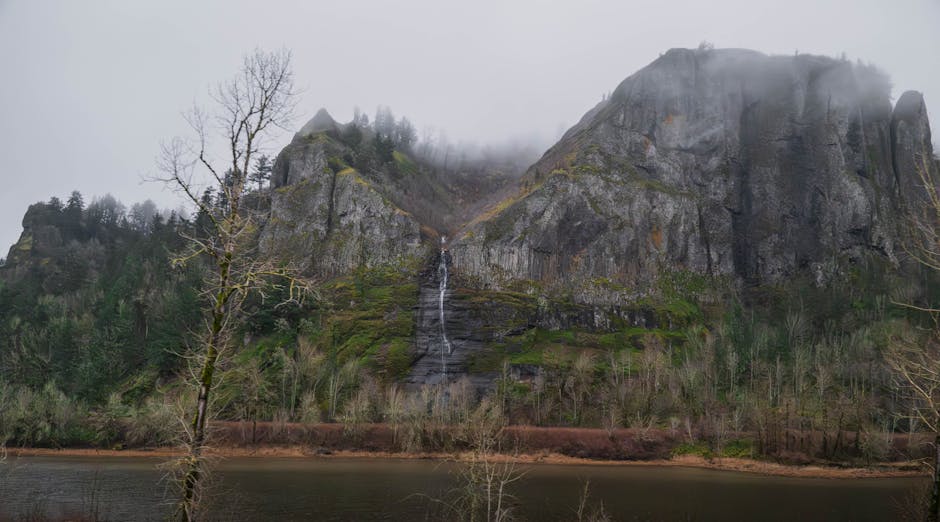
Last spring, I made a wrong turn on a hiking trail near Gurye in South Jeolla Province — and stumbled upon a moss-covered waterfall that wasn’t on any map app I had open. No crowds, no Instagram geo-tags, just the sound of water and wind through ancient cedar trees. That moment crystallized something I’d been feeling for a while: South Korea’s most breathtaking natural spots are almost never the ones that show up in travel brochures. So I spent the better part of 2026 doing something a little obsessive — systematically tracking down hidden natural destinations across the peninsula. Here’s what I found, and more importantly, how you can find your own.
Why Hidden Spots Stay Hidden (And Why That’s Changing Fast)
South Korea has over 22 designated national parks and hundreds of provincial-level protected areas, yet tourism data from the Korea Tourism Organization in early 2026 shows that roughly 78% of domestic nature tourism traffic concentrates in just 5 locations — Seoraksan, Jirisan, Jeju Island, Nami Island, and Boseong Tea Fields. That leaves an enormous swath of natural beauty largely untouched by mainstream tourism.
The reasons are pretty logical when you think about it:
- Access infrastructure: Many hidden spots require a car or multiple bus transfers. South Korea’s rail network is world-class, but it largely connects cities — not wilderness trailheads.
- Language barrier for signage: Trail markers and regional tourism boards often only post content in Korean, making international and even domestic casual visitors less likely to venture off the beaten path.
- Algorithm bubbles: Travel content platforms keep recommending the same viral spots, creating a feedback loop. If it wasn’t on Naver Blog in 2022, it barely exists in 2026’s recommendation engine.
- Seasonal accessibility: Some of the most stunning landscapes — like the inland wetlands of Upo Swamp or the volcanic craters near Ulleungdo — are only truly magical during narrow seasonal windows.
But here’s the flip side: awareness is growing. Domestic eco-tourism initiatives launched in 2025 by the Ministry of Environment have started promoting “slow travel” corridors, and that’s nudging curious travelers toward new territories.
Spotlight on Specific Hidden Gems Worth the Journey
Let me walk you through some of the spots I personally explored or verified through local hiking communities in 2026:
- Mureung Valley (무릉계곡), Gangwon Province: Often overshadowed by nearby Seoraksan, this valley features enormous flat granite slabs stretching along a crystal-clear stream. It’s genuinely easier to reach than Seoraksan, yet visitor counts are a fraction of its famous neighbor.
- Naejangsan’s Inner Gorge Trails: Most visitors only walk the main temple route. But the inner ridge trails that loop behind the crater-like valley offer panoramic views that rival anything in the park — and I’ve walked those paths with fewer than 10 people in sight.
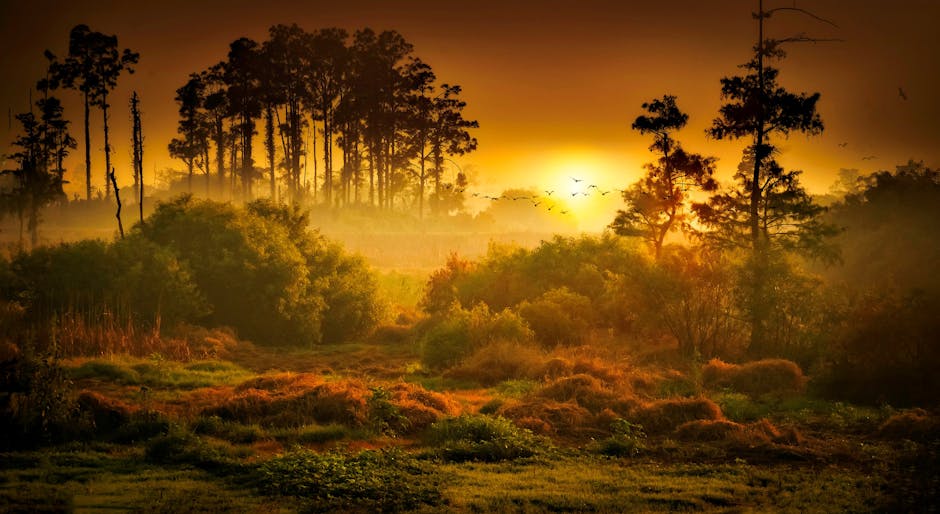
- Upo Wetland (우포늪), South Gyeongsang: Korea’s largest inland natural wetland. At dawn in early spring, the mist over the water and the sound of migratory birds creates a scene that genuinely feels prehistoric. The surrounding cycling paths are also underrated.
- Wolchulsan’s Cloud Bridge: This mountain in South Jeolla Province has a suspended metal bridge at a surprisingly modest altitude that offers dramatic views of jagged ridgelines. The hike is accessible even for moderate fitness levels, yet it rarely appears on mainstream lists.
- Hyangrobong Peak near Inje, Gangwon: A lesser-known alpine meadow that explodes with wildflowers in late May and turns a deep amber in October. Local hikers call it “the ridge that forgot to become famous.”
How This Compares to Global Hidden Gem Discovery Trends
South Korea isn’t alone in grappling with the paradox of hidden natural beauty. In Iceland, over-tourism at the Golden Circle prompted the government to create the “Inspired by Iceland” campaign that actively redirected tourists to rural fjords and highland routes — and it worked. Visitor dispersal across regions increased by 34% within three years of the campaign’s launch.
Japan’s “Ura-Nikko” (裏日光) campaign similarly redirected travelers from the famously crowded Toshogu Shrine area toward nearby forest trails and hot spring valleys. The key insight from both cases: people don’t avoid hidden spots because they don’t want them — they avoid them because they don’t know how to find them confidently.
In 2026, South Korea’s regional tourism boards are beginning to adopt this logic. Gangwon Province now runs a “Slow Roads” digital guide specifically for nature spots with low visitor density. South Chungcheong has partnered with local hiking clubs to document and map trails that were previously only known through oral tradition among elderly villagers.
Practical Framework: How to Discover These Spots Yourself
Rather than just handing you a list (which becomes outdated the moment it goes viral), let me give you a repeatable approach:
- Use Naver Café hiking communities: Search for “등산 후기” (hiking review) + regional name. These communities share real trail conditions and off-map locations that GPS apps don’t index.
- Check Korea Forest Service’s trail database (숲길 정보): Their official portal catalogs thousands of forest paths, many of which have zero commercial tourism infrastructure — meaning fewer crowds but also meaning you need to prepare properly.
- Talk to local pension owners: Seriously. The ajumma running the pension near your trailhead almost always knows a waterfall or valley that “tourists never ask about.” This has led me to some of my best discoveries.
- Reverse-search scenic photos on Instagram by location tags: Instead of searching popular hashtags, tap on GPS pins in rural counties. You’ll find content from local photographers who aren’t optimizing for reach — they’re just sharing what they love.
- Time your visits counterintuitively: Shoulder seasons (early November, late February) often reveal landscapes that are just as beautiful as peak season but with a fraction of the visitors.
Realistic Alternatives If You Can’t Go Far
Not everyone can drive four hours to Jeonnam or take a ferry to Ulleungdo on a whim — and that’s completely fine. Here’s how to get a “hidden gem” experience without the logistics:
- Urban forest trails: Seoul alone has over 600km of officially mapped urban hiking trails. The section of Bukhansan connecting Ujae-gil to Satae-ri feels genuinely remote despite being 40 minutes from Hongdae by subway.
- Off-hours at known spots: Bukchon Hanok Village at 6:30am in March feels like a completely different place than it does at noon. Timing transforms even the most photographed places.
- Gyeonggi-do day trips: The Imjin River valley near Yeoncheon, the stone forests of Pocheon Art Valley, and the wetlands of Hwaseong are all within 90 minutes of Seoul and consistently overlooked.
The deeper truth I’ve come to appreciate through all this exploring is that South Korea’s natural landscape is almost comically underexplored relative to its size and accessibility. The infrastructure is there. The beauty is certainly there. What’s often missing is just the initial nudge to look slightly left of where everyone else is already looking.
Whether you’re a seasoned hiker or someone who hasn’t laced up trail shoes since a middle school field trip, the hidden natural Korea is genuinely accessible — you just have to be willing to do a little homework and occasionally make a “wrong turn.”
Editor’s Comment : After spending much of 2026 chasing these lesser-known landscapes, the biggest takeaway isn’t about any specific place — it’s about methodology. The travelers who consistently find beautiful, crowd-free spots aren’t luckier than the rest of us; they’re just asking different questions and talking to different people. Start with one region you’re already curious about, dig into a local hiking community, and follow the thread. The map you build through that process will be more valuable than any listicle, including this one.
태그: [‘hidden nature spots South Korea’, ‘offbeat Korean travel 2026’, ‘South Korea hiking destinations’, ‘eco-tourism Korea’, ‘Korean natural landmarks’, ‘secret travel spots Korea’, ‘slow travel South Korea’]
Leave a Reply