Blog

  • Hidden Gems of Korean Rural Villages: The Ultimate Off-the-Beaten-Path Guide for 2026

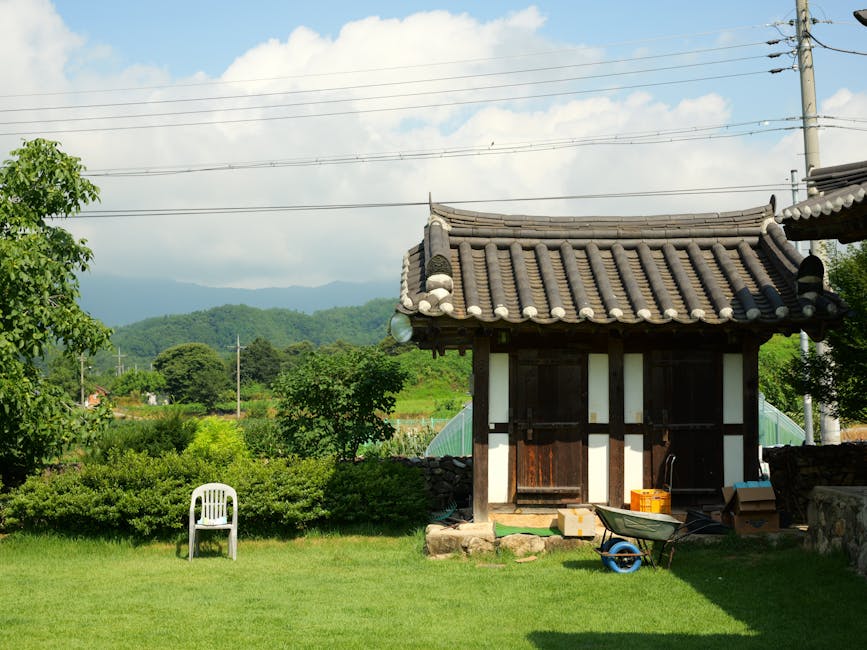
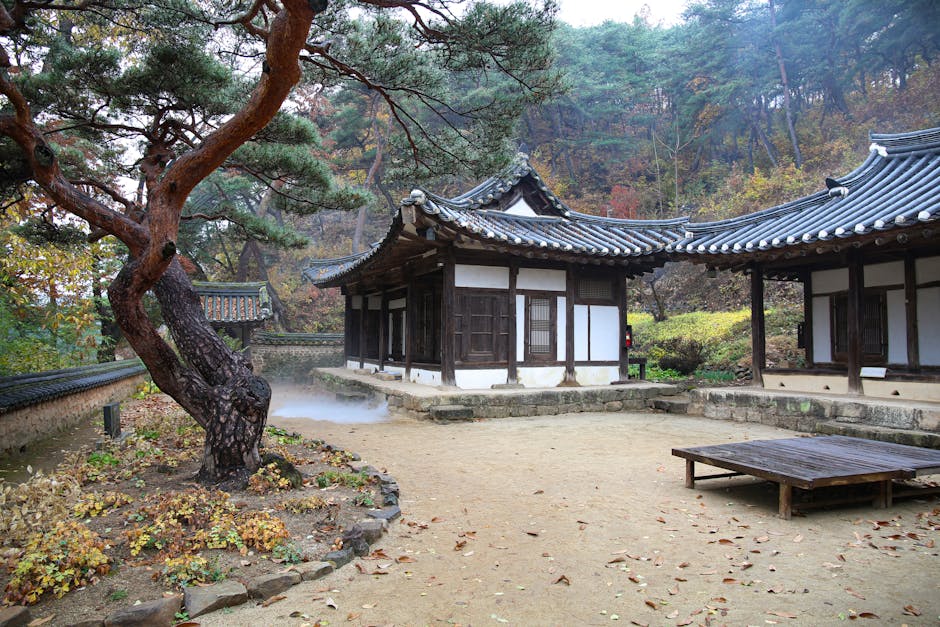
    Picture this: It’s a crisp Tuesday morning in 2026, and instead of shuffling through the crowds at Gyeongbokgung Palace or waiting 45 minutes for a table at a trendy Seoul café, you’re sitting on the wooden daecheong (대청, the open-air wooden floor) of a 300-year-old hanok, watching an elderly farmer guide an ox through terraced rice paddies. Nobody is filming it for content. Nobody is hashtagging it. It’s just… real. That moment — quiet, unscripted, and deeply Korean — is exactly what’s waiting for travelers who dare to venture beyond the tourist trail into Korea’s hidden rural villages.

    Korea’s rural landscape has been quietly undergoing a fascinating transformation. While Seoul and Busan continue to dominate travel itineraries, a growing community of adventure travelers, slow-travel enthusiasts, and cultural seekers are discovering that the soul of Korea lives not in its skylines, but in its hillside villages, forgotten fishing ports, and mist-draped mountain hamlets. Let’s think through this together — where exactly are these places, why do they matter, and how do you actually get there?

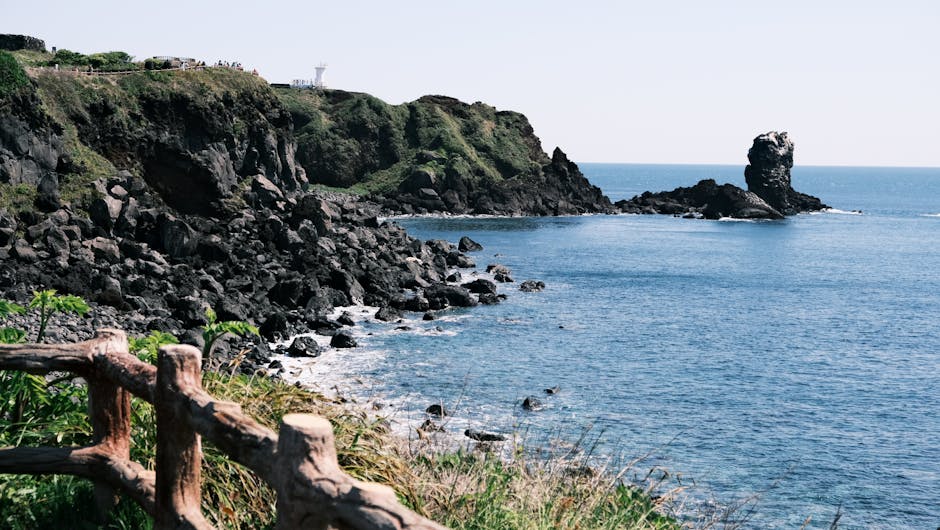
    Korean rural village hanok traditional house misty mountains terraced fields

    Why Korean Rural Villages Are Having a Major Moment in 2026

    The numbers tell a compelling story. According to Korea Tourism Organization data from early 2026, rural and agritourism visits in Korea increased by approximately 34% compared to pre-pandemic baselines, with international visitors specifically seeking “authentic cultural immersion” over conventional sightseeing. This isn’t just a trend — it’s a recalibration of what meaningful travel looks like.

    Several forces are converging to make rural Korea more accessible than ever:

    • Expanded KTX and ITX rail routes now connect smaller provincial towns like Gurye, Hadong, and Yeongyang to major hubs in under 2-3 hours.
    • The “Slow City” (슬로시티) movement has officially designated 17 Korean municipalities as Cittaslow members, committing them to preserving traditional food, crafts, and pace of life.
    • Government-backed rural revival programs have funded restoration of traditional village structures and created bilingual signage and visitor infrastructure.
    • Short-term rental platforms now list hanok homestays in remote villages that were previously inaccessible to solo or international travelers.
    • Social media micro-communities dedicated to “진짜 한국” (real Korea) are actively mapping and sharing undiscovered spots in real time.

    Five Hidden Villages Worth Building Your Trip Around

    Let’s get specific. Here are five rural villages that rarely appear in mainstream travel guides but are increasingly buzzing among in-the-know travelers in 2026:

    1. Oeam Folk Village (외암 민속마을), Chungcheongnam-do — Unlike the often-crowded Hahoe Village, Oeam is a living village where actual families still reside in centuries-old stone-walled homes. The Eunjin Song clan has maintained this settlement for over 500 years. You can walk lanes lined with jangdokdae (earthenware jar stands), taste locally fermented doenjang, and have genuine conversations with residents — not performers.

    2. Gurye’s Sandong Village (산동면), Jeollanam-do — Every spring, Korea’s largest wild sanmaeul (mountain village) corridor blooms with yellow sansuyu (cornelian cherry) flowers, but the village itself offers a year-round appeal: traditional tea cultivation, hanji (Korean paper) workshops, and hiking paths threading through granite formations that feel plucked from a Song Dynasty painting.

    3. Yeongyang (영양군), Gyeongsangbuk-do — This county holds the remarkable distinction of being South Korea’s only UNESCO-designated Dark Sky area. Rural stargazing tourism here has exploded, and the surrounding villages — Ipam-myeon in particular — offer traditional chili pepper farming experiences. Yes, Korea’s famous gochugaru largely comes from here.

    4. Gochang’s Upcountry Villages, Jeollabuk-do — Gochang is already known for its dolmen UNESCO site, but venture 15-20 minutes inland from the town center and you’ll find villages where women still practice mosi (ramie cloth weaving), a craft so intricate that UNESCO inscribed it on its Intangible Cultural Heritage list. Watching master weavers work is genuinely humbling.

    5. Hamyang (함양군), Gyeongsangnam-do — Often called Korea’s “secret Jinan,” Hamyang sits in a valley surrounded by three major mountain ranges. Its 1,000-year-old village forest (sangsarim) — where scholars and local Confucian academies once deliberated — creates a microclimate so cool that even August feels manageable.

    Korean village stargazing dark sky countryside traditional pottery ceramic craft

    Real-World Traveler Profiles: Who Thrives in Rural Korea?

    Let’s be honest with ourselves — rural village travel isn’t for everyone, and that’s perfectly fine. Here’s a realistic breakdown to help you figure out if this style of travel matches your situation:

    • Solo cultural travelers (28-45 age range): This is the sweet spot demographic. You’re comfortable with minimal English signage, willing to use Naver Maps and Papago translation apps, and genuinely curious about daily life rhythms. Rural Korea will feel like a revelation.
    • Families with children under 10: It can work wonderfully IF you book a dedicated agritourism farm that offers hands-on activities (rice planting, kimchi making, pottery). Pure wandering without a program can wear little ones out fast.
    • Older travelers or those with mobility considerations: Be realistic about terrain. Many traditional villages involve uneven stone pathways and inclines. Research accessibility in advance, and consider villages with designated visitor centers and flat walking circuits.
    • Group travelers on tight schedules: Rural village visits reward slow, open-ended time. If your itinerary allows only 2 hours before the next destination, you’ll barely scratch the surface. Consider dedicating a full day or overnight stay.

    Practical Navigation: Getting There Without a Tour Bus

    This is where many travelers stumble, so let’s think through the logistics carefully. Korea’s intercity bus system (시외버스) is genuinely excellent and covers routes that KTX doesn’t reach. Apps like Naver Maps now include rural bus schedules with surprising accuracy. For the absolute last mile — reaching a specific village from the nearest town — options include:

    • Rural minibuses (마을버스): Run 2-4 times daily in most counties. Timing is everything, so check schedules the day before.
    • Bicycle rentals: Many county tourism offices now offer e-bike rentals specifically for village circuit routes. Hamyang and Gochang both have excellent programs.
    • Car rental from regional cities: Renting from Gwangju, Daegu, or Jinju gives you the most flexibility. Korean roads to rural areas are exceptionally well-maintained.
    • Organized micro-tours: Several Seoul-based boutique travel companies now run 1-2 day rural village experiences with bilingual guides — a great bridge option if you’re nervous about navigating independently.

    What to Eat, What to Buy, What to Leave Behind

    Rural Korean food is its own universe. Expect hanjeongsik (Korean table d’hôte) at family-run restaurants where the banchan (side dishes) rotate with the seasons. In autumn, that means chestnuts, persimmons, and mountain herbs you won’t find anywhere else. In Hadong and Gurye, green tea culture means you’ll encounter hand-roasted ujeon (first-flush tea) — some of the finest in Asia.

    For responsible souvenir shopping, look for items directly sold by craftspeople at village markets rather than mass-produced replicas at tourist shops. Hanji notebooks, natural-dyed pojagi (wrapping cloth), and local sauces (ganjang, doenjang, gochujang aged in village onggi pots) are genuinely meaningful gifts that directly support rural artisans.

    And what to leave behind? Please leave the fast expectations. Rural Korea operates on a different clock — meals take time, conversations meander, and that’s not inefficiency. That’s the entire point.

    Realistic Alternatives If Full Rural Immersion Feels Like a Stretch

    Not ready to dive straight into a remote hillside village with minimal English infrastructure? That’s a completely valid position, and there are thoughtful middle-ground options:

    • Day trips from secondary cities: Base yourself in Jeonju, Gyeongju, or Chuncheon, and take organized rural day trips that return you to comfortable city accommodations each night.
    • Designated folk village complexes: Places like Suwon Hwaseong area or Namsangol Hanok Village in Seoul offer curated traditional experiences with full visitor infrastructure — a great first step before deeper rural exploration.
    • Agritourism programs through Korea Rural Community Corporation (한국농어촌공사): Their official rural experience program connects visitors with vetted farm families offering structured 1-3 day immersion packages with English language support.
    • Off-season urban neighborhoods: Districts like Ikseon-dong in Seoul or Namchon in Gwangju preserve old-town village atmospheres within urban settings — genuinely charming and logistically easy.

    The beauty of rural Korea is that it meets you wherever you are on the travel confidence spectrum. Start small, build familiarity, and before you know it, you’ll be the one confidently boarding the 7:20am village minibus to Hamyang with nothing but a daypack and an appetite for the extraordinary ordinary.

    Editor’s Comment : What strikes me most about Korean rural village travel in 2026 is how profoundly counter-cultural it feels — not in a performative way, but in the way that genuinely slowing down always feels a little radical. These villages aren’t theme parks. They’re living archives of everything Korea was before the economic miracle reshuffled priorities. Whether you’re a seasoned traveler or planning your very first Korean adventure, I’d encourage you to book at least one night in a rural hanok homestay. Not for the Instagram shot (though the shots will be incredible), but for the moment just before sunrise when the rooster does its job, the fog clings to the valley, and you realize that the best experiences rarely come with a reservation system.

    태그: [‘Korean rural travel’, ‘hidden villages Korea’, ‘off-the-beaten-path Korea’, ‘Korean countryside tourism’, ‘authentic Korea travel 2026’, ‘hanok village experience’, ‘Korean agritourism’]


    📚 관련된 다른 글도 읽어 보세요

  • 2026년 한국 시골 마을 숨은 명소 탐방 : 아무도 모르는 그 길의 끝에서 찾은 것들

    지난 가을, 우연히 내비게이션이 먹통이 되는 바람에 충남 어느 이름 모를 마을 골목길로 접어든 적이 있어요. 짜증이 치밀어 오르려는 찰나, 돌담 너머로 감나무가 주렁주렁 달린 마당이 보였고, 할머니 한 분이 툇마루에 앉아 고구마를 깎고 계셨죠. 그 장면이 어찌나 고요하고 아름답던지, 저도 모르게 차를 세우고 사진을 찍었어요. 그 날 이후로 저는 ‘길을 잃는 것’을 두려워하지 않게 됐습니다. 오히려 계획에 없던 길이야말로 한국 시골이 숨겨 둔 진짜 보물로 향하는 지름길이라는 걸 알게 됐거든요.

    2026년 현재, 국내 여행 트렌드는 빠르게 바뀌고 있습니다. ‘핫플레이스’와 ‘인스타 성지’에 지친 여행자들이 조용하고 진정성 있는 공간을 찾아 시골 마을로 눈을 돌리고 있어요. 오늘은 그 흐름 속에서 주목할 만한 숨은 명소들, 그리고 그 장소들이 왜 특별한지를 함께 살펴보겠습니다.

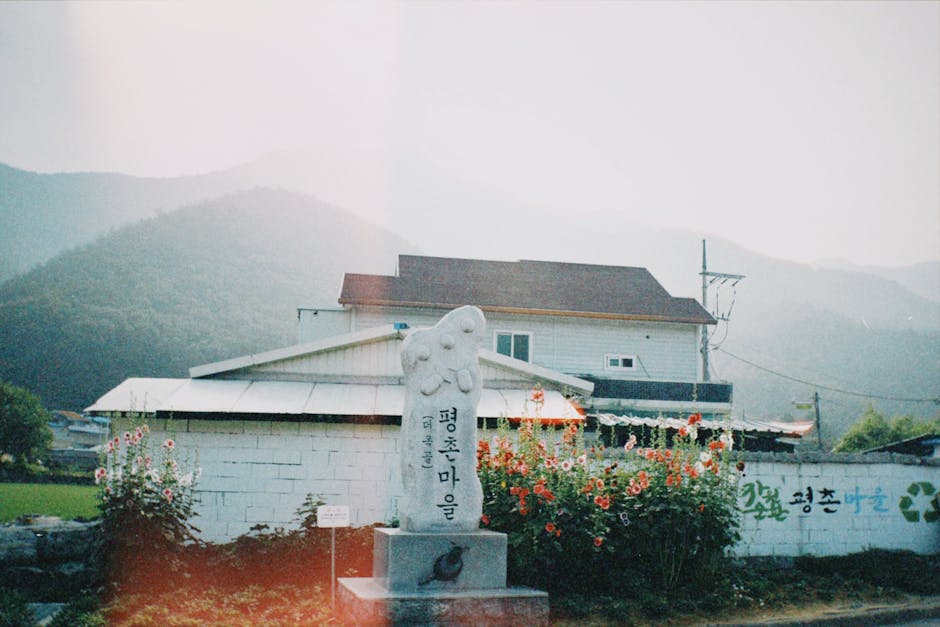
    Korean countryside village autumn scenery stone wall traditional house

    📊 숫자로 보는 시골 여행 트렌드 : 왜 지금 시골인가?

    한국관광공사 자료에 따르면, 2026년 1분기 기준으로 농촌 체험 관광 수요는 전년 동기 대비 약 23% 증가했습니다. 특히 20~30대 MZ 세대의 농촌 여행 비율이 전체의 38%를 차지하며, 이는 3년 전인 2023년의 21%에 비해 두 배 가까이 늘어난 수치예요. 단순히 ‘힐링’을 위한 여행이 아니라, 로컬 문화와 음식, 공예 등 체류형 경험을 원하는 수요가 폭발적으로 늘고 있는 것이라고 볼 수 있습니다.

    또한 숙박 플랫폼 데이터를 보면, 전통 한옥 스테이와 농가 민박의 평균 예약률이 도심 숙박 시설보다 15~20% 높은 주말 점유율을 기록하고 있어요. 시골 여행이 단순한 유행이 아니라 하나의 라이프스타일로 자리 잡고 있다는 신호인 것 같습니다.

    🗺️ 이런 곳이 있었어? : 지역별 숨은 명소 탐방

    국내외 사례를 살펴보면, 시골 여행의 매력을 극대화하는 핵심 요소는 ‘과잉 개발되지 않은 자연성’과 ‘주민과의 교감’이라는 점이 반복적으로 확인됩니다. 일본의 ‘시마네현 니마 마을’은 인구 200명 남짓한 오지 마을임에도 불구하고, 주민 주도의 스토리텔링 투어를 도입한 후 연간 방문객이 10배로 늘었어요. 국내에서도 비슷한 움직임이 나타나고 있는데, 전라남도 곡성군의 ‘섬진강 기차마을 인근 자연 부락’이나 경북 영양군의 ‘반딧불이 생태 마을’이 대표적인 사례라고 봅니다.

    아래는 2026년 현재 여행자들 사이에서 조용히 입소문을 타고 있는 시골 마을 숨은 명소들이에요.

    • 충남 청양 알프스마을 (장곡면 일대) : 해발 400m 대치마을을 품은 산촌으로, 봄에는 벚꽃과 진달래, 가을에는 단풍이 장관을 이루는 곳이에요. 관광지화가 거의 되어 있지 않아 ‘진짜 시골’의 냄새가 납니다.
    • 전북 무주 안성면 공정리 마을 : 덕유산 자락에 위치한 이 마을은 반딧불이 서식지로도 유명하지만, 최근에는 직접 손두부를 만들고 메주를 쑤는 ‘발효 문화 체험’이 여행자들에게 큰 호응을 얻고 있어요.
    • 경남 하동 악양면 평사리 : 박경리 소설 『토지』의 배경지로, 최참판댁과 섬진강 자락의 고즈넉함이 공존하는 곳입니다. 봄의 매화와 벚꽃, 여름의 대나무 숲이 계절마다 다른 얼굴을 보여줘요.
    • 강원 인제 기린면 현리 마을 : 내린천 상류를 끼고 있는 이 마을은 래프팅 성지로 알려진 외린천 하류와는 달리 고요하고 야생적인 분위기를 그대로 간직하고 있어요. 겨울에는 빙벽도 관찰할 수 있습니다.
    • 전남 강진 병영면 일대 : 조선 시대 전라병영성이 있던 곳으로, 성벽 돌담길과 전통 주막 골목이 살아있어 타임슬립하는 듯한 기분을 줍니다. 다산 정약용의 유배지인 다산초당과 연계해 하루 코스로 짜기 좋아요.
    Korean rural village hiking trail river valley scenic view

    ✅ 시골 마을 탐방, 이렇게 하면 더 깊이 즐길 수 있어요

    숨은 명소를 제대로 즐기려면 ‘준비하지 않는 준비’가 필요하다고 생각해요. 너무 촘촘한 일정보다는 여백을 남겨 두는 것이 핵심입니다. 아울러 지역 주민과의 접점을 자연스럽게 만드는 것도 중요해요. 마을 앞 슈퍼나 정자에서 시작되는 대화가 어떤 여행 가이드북보다 훨씬 생생한 정보를 줄 때가 많거든요.

    또 한 가지, 방문 전에 해당 지역 군청이나 면사무소 홈페이지를 꼭 확인해 보세요. 2026년 현재 많은 지자체들이 ‘마을 해설사 동행 프로그램’이나 ‘농가 식사 체험’을 무료 또는 저렴하게 운영하고 있는 경우가 많습니다. 외부에서 봤을 때 아무것도 없어 보이는 마을도, 그 마을 사람의 눈으로 보면 이야기가 넘쳐 흐르는 경우가 대부분이에요.

    에디터 코멘트 : 시골 마을을 여행할 때 가장 조심해야 할 것이 있다면, 그건 ‘소비하듯 여행하는 태도’인 것 같아요. 마을을 배경으로 인증샷만 남기고 떠나는 방문은 오히려 주민들에게 피로감을 줄 수 있어요. 반대로 작은 가게에서 뭔가를 사 먹고, 길에서 마주친 어르신께 말 한마디 건네는 것만으로도 그 마을은 훨씬 따뜻하게 기억됩니다. 결국 좋은 여행이란 ‘내가 다녀간 자리가 조금 더 좋아지는 여행’이 아닐까요? 시골 마을의 숨은 명소는 우리가 그것을 아껴줄 때 비로소 오래도록 숨은 명소로 남을 수 있다고 봅니다.

    태그: [‘한국시골여행’, ‘숨은명소’, ‘국내여행2026’, ‘농촌관광’, ‘힐링여행’, ‘시골마을탐방’, ‘로컬여행’]


    📚 관련된 다른 글도 읽어 보세요

  • Family Summer Vacation Trends 2026: Where Are Families Actually Going (And What Makes Total Sense)

    Last summer, a friend of mine spent three weeks agonizing over where to take her family of four — two kids under ten, one motion-sick husband, and a budget that had seen better days. She scrolled through Instagram, watched endless YouTube vlogs, and ultimately… booked the same beach resort she’d gone to five years prior. Sound familiar? Here’s the thing: that instinct isn’t wrong. But in 2026, the why behind where families choose to go has gotten a lot more deliberate — and honestly, a lot more interesting.

    Let me walk you through what’s actually shaping family summer vacation trends in 2026, backed by real data and some genuinely smart alternatives you might not have considered.

    family summer vacation beach resort 2026 happy kids travel

    📊 The Numbers Are Telling a Story

    According to the 2026 Global Family Travel Index published by the Family Travel Association, 68% of families with children under 15 are now prioritizing destinations that offer a mix of structured activities and unstructured downtime — what researchers are calling the “Flex Itinerary” model. Gone are the days of jam-packed schedules where every hour is accounted for. Parents are pushing back against travel burnout, and kids are reportedly happier for it.

    Meanwhile, a Skyscanner report from Q1 2026 shows that family travel bookings are up 22% compared to this same period in 2024, with a significant shift toward:

    • Shoulder-peak travel — booking late June or mid-August instead of the July 4th or peak August crush
    • Secondary cities over capital cities — think Porto over Lisbon, Chiang Mai over Bangkok, or Medellín over Bogotá
    • Nature-adjacent stays — glamping, lakeside cabins, and agriturismo-style farms where kids can actually touch a goat
    • Multi-generational trips — grandparents are back in the mix, and destinations that cater to wide age ranges are booming
    • Slow travel — staying in one place for 7–14 days instead of country-hopping

    🌍 International Hotspots Families Are Loving in 2026

    Let’s get specific. Here are destinations that are genuinely trending among families right now — and the logical reasons why:

    1. The Azores, Portugal 🇵🇹
    With direct transatlantic routes expanding in 2025, the Azores jumped onto North American family radars fast. Why does this make sense? Mild summer temperatures (averaging 24°C/75°F), whale watching, volcanic hot springs, and a pace of life that doesn’t require you to rush. It’s visually spectacular but without the crowd density of Santorini or Barcelona. For families: lower costs, English widely spoken, and genuinely kid-safe infrastructure.

    2. Hokkaido, Japan 🇯🇵
    While Tokyo remains a perennial favorite, Hokkaido in summer is quietly becoming the family insider pick of 2026. Lavender fields, dairy farms, wildlife, and summer temperatures that hover around 22–25°C make it a relief compared to the sweltering heat of Honshu cities. The culinary experiences alone — fresh crab, soft-serve ice cream, ramen — are family-proof crowd-pleasers.

    3. Colombian Coffee Region (Eje Cafetero) 🇨🇴
    Medellín gets the press, but families are increasingly routing through the Eje Cafetero — staying in working coffee haciendas, riding the traditional jeepao wagons, and letting kids collect coffee cherries by hand. It’s affordable, culturally immersive, and offers a slower pace that makes long-haul travel feel worth it.

    4. Domestic USA: The Ozarks & Upper Midwest Lakes Region 🇺🇸
    Not everyone needs a passport. In 2026, the Ozarks (Missouri/Arkansas) and the Minnesota/Wisconsin lake districts are having a genuine moment. Affordable cabin rentals, freshwater swimming, kayaking, and a low-stimulation environment that parents are consciously choosing over theme park overload. Search trends on Airbnb show a 41% year-over-year increase in lakefront cabin bookings for families in summer 2026.

    family travel Azores Portugal kids outdoor adventure nature 2026

    🏡 The Domestic vs. International Calculation

    Here’s where I want to think through this with you logically, because the “should we go international or stay domestic?” question deserves honest reasoning rather than Instagram-fueled FOMO.

    If your kids are under 6: Domestic or short-haul international almost always makes more practical sense. Long-haul flights with toddlers can undo the entire restorative purpose of a vacation. A beautiful lake house three hours from home can be more genuinely memorable than a chaotic 14-hour journey to somewhere “impressive.”

    If your kids are 8–14: This is the golden window for international travel. They can handle logistics, engage with culture, and actually remember it. This age bracket is where the investment in a bigger trip pays dividends — both in shared memories and in broadening their worldview.

    If you’re multi-generational: Prioritize destination accessibility, medical infrastructure proximity, and accommodations that allow for both togetherness and personal space. Villa rentals across Southern Europe or Japan’s ryokan culture score exceptionally well here.

    💡 Realistic Alternatives Worth Considering

    Not every family has a $10,000 summer budget — and that’s completely fine. Here’s how to apply 2026 trends without breaking the bank:

    • Instead of the Azores → Try Prince Edward Island, Canada — Similar coastal charm, ferry adventures, and literary magic (hello, Anne of Green Gables) at a fraction of the cost
    • Instead of Hokkaido → Try Vermont or the Finger Lakes in summer — Farm experiences, cooler temperatures, scenic beauty, no jet lag
    • Instead of Colombia → Try Oaxaca, Mexico — Cultural richness, food culture, artisan markets, and reasonable flight times from most US cities
    • Instead of a luxury resort → Try a regional glamping collective — Many states now have curated glamping networks with communal fire pits, guided hikes, and kids’ programming that rival resort amenities at 40–60% lower cost

    The honest truth? The best family summer vacation in 2026 isn’t necessarily the most exotic one. It’s the one where everyone — including the adults — actually comes home feeling replenished rather than exhausted.

    Think less about checking a destination off a list, and more about what your specific family actually needs this summer. Rest? Adventure? Cultural exposure? Connection? Let the answer to that question lead you to the destination, not the other way around.

    Editor’s Comment : The most underrated family travel strategy in 2026 is simply being honest about what you’re recovering from. If it’s been a chaotic school year, a beautiful, low-stimulation lake cabin might do more for your family than a bucket-list international trip. Give yourself permission to choose boring-but-nourishing. Next summer can always be the year of the big adventure.

    태그: [‘family summer vacation 2026’, ‘family travel trends 2026’, ‘best family vacation destinations 2026’, ‘summer travel with kids’, ‘international family travel’, ‘budget family vacation ideas’, ‘slow travel families’]


    📚 관련된 다른 글도 읽어 보세요

  • 2026 가족 여름휴가 여행지 트렌드 완벽 분석 | 국내외 추천 베스트

    지난해 여름, 한 지인 가족이 제주도 대신 강원도 산간 지역의 작은 펜션을 예약했다가 ‘인생 휴가’를 경험했다는 이야기를 들었어요. 붐비는 해변 대신 계곡 앞에 앉아 바비큐를 굽고, 아이들은 디지털 기기 없이 하루 종일 물놀이를 했다고요. 그 가족이 선택한 건 단순한 ‘장소’가 아니라 하나의 ‘경험’이었던 거죠. 2026년 여름, 가족 여행의 패러다임이 바로 그 방향으로 빠르게 이동하고 있다고 봅니다.

    물가 상승, 항공권 가격 변동, 그리고 팬데믹 이후 달라진 가족의 ‘함께하는 방식’에 대한 기준이 높아지면서, 2026년 여름휴가 여행지 트렌드는 이전과 꽤 다른 양상을 보이고 있어요. 오늘은 데이터와 실제 사례를 바탕으로 올여름 어디로, 어떻게 가야 할지 함께 고민해볼게요.

    family summer vacation travel destination 2026 Korea nature

    📊 2026 가족 여행 트렌드, 숫자로 읽어보면

    국내 주요 여행 플랫폼들의 2026년 상반기 예약 데이터를 살펴보면 몇 가지 뚜렷한 흐름이 보입니다.

    • 도심 근교 ‘슬로우 트래블’ 급부상: 수도권 기준 차량으로 2~3시간 이내 접근 가능한 강원 내륙, 충남 서해안 지역 가족 단위 예약이 전년 동기 대비 약 38% 증가한 것으로 집계됩니다.
    • 해외 단거리 노선 경쟁 심화: 일본(오키나와, 규슈), 베트남(다낭, 나트랑), 태국(치앙마이) 노선의 가족 패키지 예약이 전체 해외 여행의 약 61%를 차지하고 있어요. 특히 직항 노선이 늘어난 베트남 다낭이 다시 주목받고 있는 인 것 같습니다.
    • ‘글램핑+액티비티’ 패키지 인기: 단순 숙박이 아닌 카약, 숲 체험, 천문대 관측 등 체험형 프로그램을 포함한 패키지 상품의 예약 전환율이 일반 숙박 대비 2.4배 높게 나타나고 있습니다.
    • 여름 비수기(8월 말~9월 초) 분산 현상: 8월 중순 극성수기를 피해 8월 25일 이후를 선택하는 가족 비율이 작년 대비 22%포인트 증가했어요. 비용 절감과 쾌적함을 동시에 잡으려는 전략인 것으로 보입니다.
    • 1인당 여행 예산 상승: 가족 여행 1인당 평균 지출 예산이 2024년 대비 약 15% 높아졌지만, 여행 횟수는 줄이고 ‘한 번에 제대로’ 가려는 경향이 뚜렷합니다.

    🌏 국내외 주목할 만한 여행지 사례

    🇰🇷 국내 — 강원도 인제 & 양양
    강원도 인제군은 2026년 여름, ‘내린천 수상 레저 특구’ 지정 이후 가족 단위 방문객이 폭발적으로 늘었어요. 래프팅, 수영, 낚시를 하루에 모두 즐길 수 있고, 숲속 글램핑 단지들이 대거 들어서면서 ‘아이와 함께하는 첫 캠핑’을 위한 완충 지대 역할을 하고 있는 것 같습니다. 양양은 서핑 성지라는 이미지가 굳혀지면서 10대 자녀를 둔 가족에게 특히 인기가 높아요.

    🇻🇳 해외 — 베트남 다낭
    다낭은 2026년에도 ‘가성비 해외 가족 여행지’ 1순위 자리를 지키고 있다고 봅니다. 인천에서 약 4시간 30분, 직항편 증편으로 접근성이 더 좋아졌고, 바나힐·호이안·미케 비치를 묶어 3박 4일로 알차게 소화할 수 있어요. 무엇보다 영유아 동반 가족에게 우호적인 리조트 인프라와 상대적으로 낮은 물가가 강점입니다.

    🇯🇵 해외 — 일본 오키나와
    ‘가까운 몰디브’라고 불리는 오키나와는 산호초 스노클링, 추라우미 수족관 같은 어린이 친화 콘텐츠가 풍부해요. 2026년에는 한국어 서비스를 갖춘 리조트가 더 늘면서 언어 장벽이 거의 사라졌다고 봐도 무방합니다. 다만 7~8월 성수기 항공권 가격이 꽤 높은 편이라, 앞서 언급한 ‘비수기 분산 전략’과 결합하면 훨씬 합리적이에요.

    Okinawa family snorkeling beach resort summer holiday

    💡 2026년 가족 여행, 이런 키워드가 뜨고 있어요

    • 디지털 디톡스 여행: 와이파이 없는 숙소나 ‘핸드폰 반납 룸’ 서비스를 의도적으로 선택하는 가족이 늘고 있어요. 아이들과의 진짜 대화, 보드게임, 자연 탐방이 핵심 콘텐츠가 됩니다.
    • 에듀케이션 트래블(Edu-Travel): 단순 관광이 아닌 역사 탐방, 생태 학습, 도자기 만들기 등 교육 요소가 결합된 여행. 방학 숙제와 여행을 동시에 해결하려는 부모들의 수요가 반영된 것으로 보입니다.
    • 멀티제너레이션 트래블(Multi-Gen Travel): 조부모와 손주, 부모가 함께하는 3세대 여행. 배리어프리(무장애) 시설이 갖춰진 리조트나 한옥 스테이에 대한 수요가 높아지고 있어요.
    • 야간 액티비티 패키지: 낮의 더위를 피해 일몰 후 시작되는 야간 수영장, 별자리 관측, 야시장 투어 등 저녁형 프로그램을 중심으로 일정을 짜는 가족이 많아졌습니다.

    🗓️ 2026 여름, 현실적인 가족 여행 계획 세우는 법

    트렌드를 파악했다면 이제 실전이에요. 가족 여행에서 가장 자주 발생하는 문제는 ‘기대치 불일치’라고 봅니다. 어른은 쉬고 싶고, 아이는 놀고 싶고, 조부모는 맛집 투어를 원하는 상황이죠. 그래서 일정 설계 단계에서 가족 구성원 각자의 ‘원하는 것 한 가지’를 반드시 반영하는 게 중요합니다.

    예산 측면에서는, 숙박과 항공은 최소 3~4개월 전 예약이 필수예요. 2026년 기준 7월 마지막 주~8월 둘째 주 구간이 최성수기이므로, 그 전후로 1~2일만 당기거나 미뤄도 비용 차이가 상당히 크게 날 수 있습니다.

    그리고 ‘완벽한 일정’보다 ‘여유 있는 일정’이 결국 더 좋은 기억으로 남는 것 같아요. 하루에 관광지 2곳이 3곳보다 훨씬 낫다는 걸, 아이와 여행해본 부모라면 대부분 동의할 거라 봅니다.


    에디터 코멘트 : 2026년 여름 가족 여행의 핵심 키워드는 결국 ‘경험의 질’인 것 같아요. 어디를 가느냐보다 어떻게 함께하느냐가 훨씬 중요해진 시대입니다. 고가의 해외 리조트도, 근처 계곡도 — 가족이 스마트폰을 내려놓고 서로에게 집중하는 시간이 담긴다면 그게 바로 최고의 여름휴가라고 봐요. 올여름, 완벽한 여행지를 찾기보다 ‘우리 가족다운 여행’을 먼저 정의해보시길 추천드립니다.

    태그: [‘가족여름휴가’, ‘2026여행트렌드’, ‘여름휴가여행지추천’, ‘국내가족여행’, ‘해외가족여행’, ‘다낭가족여행’, ‘여름휴가계획’]


    📚 관련된 다른 글도 읽어 보세요

  • Hidden Gems in Small Towns 2026: The Underrated Travel Destinations You’re Sleeping On

    Last spring, a friend of mine packed her bags for a weekend trip — not to Paris, not to Tokyo, not even to a major city. She headed to a tiny coastal town in Portugal called Comporta, population roughly 1,200. She came back absolutely glowing, talking about empty white-sand beaches, a rice paddy that stretched to the horizon, and a seafood dinner that cost less than a cup of coffee in Lisbon. Meanwhile, I’d been stressing over booking overpriced hotels in oversaturated tourist traps. That conversation genuinely changed how I think about travel.

    Here’s the thing — in 2026, over-tourism is no longer just an environmental buzzword. It’s a lived experience. According to data from the UNWTO (World Tourism Organization), global tourist arrivals are projected to exceed 1.8 billion by the end of 2026, with nearly 60% of that traffic funneling into just 15% of the world’s destinations. The math isn’t hard: the places everyone talks about are increasingly exhausting, expensive, and honestly? A little hollow.

    So let’s think through this together — what does it actually mean to find a “hidden gem” in 2026, and how do you do it without accidentally ruining the place yourself?

    small town scenic travel hidden gem village countryside 2026

    📊 Why Small-Town Travel Is Having Its Biggest Moment Yet in 2026

    The post-pandemic travel boom didn’t just revive tourism — it reshuffled priorities. A 2025 Booking.com Traveler Sentiment Survey found that 71% of global travelers now actively prefer “authentic, off-the-beaten-path” experiences over landmark-heavy itineraries. That’s up from 54% in 2022. Remote work flexibility, which remains widespread in 2026, means more people can extend trips into quieter, less connected areas without sacrificing productivity.

    There’s also an economic angle worth noting. Small-town accommodation costs in 2026 average 40–60% less than equivalent stays in major tourist hubs, according to Airbnb’s annual travel index. Your money stretches further, your experience feels more genuine, and frankly, the food is almost always better when locals are actually eating there too.

    But here’s the nuance most travel blogs skip over: not every small town is “hidden” anymore. Thanks to social media algorithms, a single viral TikTok can transform a quiet fishing village into a weekend madhouse within three months. The real skill in 2026 isn’t just finding a hidden gem — it’s knowing when to visit, how to engage responsibly, and what signs indicate a town is still genuinely under the radar.

    🌍 Real Examples: Small Towns Worth Your Attention Right Now

    Let’s get specific, because vague travel advice helps no one.

    1. Gjirokastër, Albania — This UNESCO-listed Ottoman stone city in southern Albania has been quietly building buzz since 2023, but as of early 2026, it still sees a fraction of the visitors that Dubrovnik or Santorini absorb. The architecture is jaw-dropping, the locals are extraordinarily welcoming, and a full day of sightseeing plus dinner runs you under $30. Albania’s improving road infrastructure means access is easier than it was even two years ago.

    2. Yuanyang, Yunnan Province, China — The terraced rice fields here are among the most photogenic landscapes on Earth, yet visitor numbers remain manageable compared to other Chinese scenic areas. The Hani ethnic minority culture adds genuine anthropological depth to a visit. Best timing: November through April when the fields are flooded and mirrored.

    3. Matera’s Surrounding Villages, Basilicata, Italy — Matera itself has become well-known, but the tiny hillside villages radiating outward — places like Craco (a hauntingly beautiful ghost town) and Aliano — remain virtually tourist-free. Literary travelers will appreciate that Aliano was where Carlo Levi was exiled and wrote Christ Stopped at Eboli.

    4. Gyeongju’s Rural Outskirts, South Korea — While central Gyeongju draws history buffs, the outlying countryside villages with traditional hanok guesthouses offer an experience that feels genuinely removed from tourism infrastructure. The Yangdong Folk Village, about 16km outside the city center, sees far fewer visitors than its reputation deserves.

    5. Oaxaca’s Sierra Norte, Mexico — The capital city of Oaxaca is firmly on every foodie’s map now, but the mountain communities of the Sierra Norte — places like Benito Juárez and Lachatao — offer community-run ecotourism at its most honest. You’re sleeping in village-operated cabins, hiking trails maintained by locals, and eating food that hasn’t been adjusted for tourist palates.

    hidden village travel authentic local culture small town exploration

    🗺️ How to Actually Find Hidden Gems (Without Ruining Them)

    This is where I want to be really practical with you, because the romanticized version of “just wander off the map!” isn’t a real strategy.

    • Use Google Maps’ satellite view strategically: Look for clusters of buildings without tourist pins or review clusters. If a town has under 50 Google reviews total, it’s likely still under the radar.
    • Cross-reference with regional tourism boards, not travel magazines: National travel magazines have publishing cycles that lag 12–18 months. Local tourism board websites often list festivals, accommodations, and attractions that haven’t hit the mainstream yet.
    • Talk to locals in the nearest big city: This is old-school but gold. Ask a shopkeeper, a taxi driver, or a restaurant owner in a well-known city where they go on weekends. The answers are almost always better than any algorithm.
    • Check train and bus routes, not just flights: Destinations accessible only by local transport networks (regional buses, slow trains) tend to remain less visited because the barrier to entry is higher for mass tourism.
    • Time your visit around shoulder season: Even semi-popular small towns become genuinely quiet in shoulder season. Late October in coastal towns, January in mountain villages — the math usually works in your favor.
    • Look at language-specific travel forums: Reddit’s r/travel skews English-speaking and therefore Anglophone-bias. Japanese travel forums, French travel blogs, or Korean travel communities often surface completely different — and less crowded — destinations.
    • Consider “second-tier” proximity destinations: If a major destination is famous (e.g., Kyoto, Amsterdam, Prague), the towns 30–90 minutes away by local transport often offer 80% of the cultural richness with 10% of the crowds.

    ⚠️ The Ethical Reality of Seeking Hidden Gems

    Here’s something worth sitting with: the act of publicizing a hidden gem begins its transformation into something else. It’s a genuine paradox. The responsible approach in 2026 involves a few practical commitments — staying in locally-owned accommodation rather than international chains, eating at family-run restaurants, buying crafts directly from artisans, and honestly? Not posting highly specific geotags for naturally fragile sites.

    The concept of “regenerative travel” — where your visit actively contributes to a community rather than just extracting experiences from it — has moved from niche philosophy to mainstream travel principle this year. It’s not complicated in practice: spend money locally, ask before photographing people, learn a few words of the local language, and follow posted environmental guidelines.

    🔄 Realistic Alternatives If You Can’t Get Off the Beaten Path Right Now

    Maybe you only have a long weekend. Maybe you’re traveling with kids or elderly family members who need predictable infrastructure. Maybe your budget actually doesn’t stretch to international flights. These are completely valid constraints, and the answer isn’t “just push through it.”

    Consider this: even in heavily touristed destinations, hyper-local neighborhoods function as hidden gems. In Barcelona, that’s Poblenou instead of the Gothic Quarter. In Tokyo, it’s Koenji instead of Shibuya. In New York, it’s Ridgewood, Queens instead of Manhattan’s High Line. The principle of “second-tier proximity” applies domestically too.

    Alternatively, domestic small-town travel is genuinely underrated in 2026. With rising international airfares and stricter visa processing times in several regions, a road trip to a small town two or three hours from your home city might deliver a richer experience than a rushed international trip. The key is approaching it with the same curiosity and intentionality you’d bring to abroad.

    Editor’s Comment : The best travel experiences in 2026 aren’t about ticking off the most Instagrammable locations — they’re about the quality of genuine encounter you have with a place and its people. Small towns offer that in abundance, precisely because they haven’t been packaged and polished for mass consumption yet. That’s both their gift and their fragility. Travel there thoughtfully, spend generously with locals, and resist the urge to broadcast every coordinate. The hidden gem you protect today is the extraordinary memory someone else gets to discover tomorrow.

    태그: [‘hidden gem travel 2026’, ‘small town destinations’, ‘off the beaten path travel’, ‘sustainable travel tips’, ‘underrated travel spots’, ‘authentic travel experiences’, ‘budget travel 2026’]


    📚 관련된 다른 글도 읽어 보세요

  • 소도시 여행 숨은 명소 2026 — 유명 관광지가 지겨워진 당신을 위한 진짜 여행지 가이드

    지난 연휴, 지인이 경북의 작은 마을 영양군을 다녀왔다는 이야기를 꺼냈어요. 처음엔 ‘거기가 어디야?’라는 반응이 나왔지만, 사진을 보는 순간 다들 조용해졌습니다. 반딧불이가 날아다니는 밤하늘, 사람 한 명 없는 돌담길, 막 수확한 고추를 말리는 마당. 익숙한 관광지에서는 절대 찍을 수 없는 장면들이었거든요. 2026년 지금, 국내 소도시 여행이 하나의 진지한 트렌드로 자리 잡은 이유가 바로 이런 ‘밀도감 있는 일상 풍경’ 때문이라고 봅니다.

    넘쳐나는 SNS 피드 속 제주도와 부산 해운대, 경복궁 사진들에 피로감을 느끼는 여행자들이 많아졌어요. 그 피로감이 자연스럽게 소도시로 시선을 돌리게 만들고 있습니다. 오늘은 2026년 현재 실제로 주목받고 있는 국내외 소도시 숨은 명소들을 함께 살펴볼게요.

    small town Korea hidden gem travel countryside 2026

    📊 숫자로 보는 소도시 여행 열풍 — 얼마나 커졌나?

    한국문화관광연구원이 2026년 초 발표한 국내 여행 트렌드 보고서에 따르면, 인구 10만 명 이하 소도시를 목적지로 선택한 국내 여행자 비율이 2023년 대비 약 34% 증가한 것으로 나타났습니다. 특히 2030세대(25~39세)에서 이 비율이 가장 높게 나타났는데, 이들은 ‘사람이 적고 조용한 곳’, ‘현지인의 삶을 엿볼 수 있는 곳’을 여행지 선택의 핵심 기준으로 꼽았어요.

    숙박 플랫폼 에어비앤비 코리아의 2026년 1분기 통계에서도 흥미로운 데이터가 나왔습니다. 검색 상위 20개 지역 중 절반 이상이 인구 5만 명 이하의 군 단위 지역이었어요. 충남 서천, 전남 강진, 경북 청송 같은 곳들이 서울·제주 다음으로 검색량 상위권에 이름을 올렸다는 사실, 꽤 놀랍지 않나요?

    이런 현상의 배경에는 워케이션(Workation) 문화의 확산도 있다고 봐요. 주 4일제 논의가 구체화되고 원격 근무가 일상화된 2026년의 직장 환경에서, ‘어디서든 일할 수 있다면 굳이 비싼 도심 숙소에 있을 필요가 없다’는 인식이 자리 잡은 거죠. 저렴한 숙박비와 한산한 분위기를 갖춘 소도시가 워케이션의 최적지로 떠오른 이유입니다.

    🌍 국내외 소도시 숨은 명소 — 실제 사례로 보는 매력

    [국내] 경북 영양군 — 한국 최초 국제밤하늘보호공원
    영양은 인공조명이 거의 없는 청정 지역으로, 국제밤하늘협회(IDA)가 공식 지정한 아시아 최초의 국제밤하늘보호공원을 품고 있어요. 여름 밤이면 은하수를 맨눈으로 볼 수 있다는 것만으로도 충분한 이유가 됩니다. 반딧불이 생태체험 프로그램은 2026년 기준 예약이 평균 3주 전에 마감될 정도로 인기를 끌고 있어요.

    [국내] 전남 강진군 — 청자의 고장, 다산의 흔적
    강진은 고려청자 발상지이자 다산 정약용이 18년간 유배 생활을 한 곳이에요. ‘다산초당’에서 바라보는 강진만의 풍경은 어떤 포털 사진으로도 전달이 안 되는 종류의 감동이 있습니다. 인근 ‘마량미항’의 동백꽃 군락지는 2월~3월이면 인스타그램보다 훨씬 아름다운 실물을 마주할 수 있어요.

    [해외] 일본 돗토리현 — 모래언덕과 만화의 성지
    일본에서도 소도시 여행은 뜨거운 트렌드입니다. 돗토리현은 일본 내 인구가 가장 적은 현이지만, 거대한 모래언덕(돗토리 사구)과 게게게노 기타로의 작가 미즈키 시게루 기념관으로 독특한 여행지를 형성하고 있어요. 2026년 현재 한국 LCC 항공사들이 인천-돗토리 노선을 정기 운항 중이라 접근성도 훨씬 좋아졌습니다.

    [해외] 포르투갈 오비두스 — 중세가 살아있는 성곽 도시
    리스본에서 버스로 1시간 거리에 있는 오비두스는 인구 1만 명 남짓의 작은 마을이지만, 완벽하게 보존된 중세 성벽 안에서 하룻밤을 보낼 수 있는 포사다(Pousada, 포르투갈 전통 국영 숙박시설)를 운영하고 있어요. 여름 성수기를 피해 봄·가을에 방문하면 거의 독점에 가까운 고즈넉함을 경험할 수 있다고 봅니다.

    hidden gem small city travel Europe Japan Korea scenic village 2026

    🗺️ 2026년 주목할 국내 소도시 숨은 명소 리스트

    • 충남 서천 — 장항 스카이워크 & 국립생태원: 갯벌 위를 걷는 스카이워크와 세계 각지 생태계를 한 공간에 담은 국립생태원이 공존하는 독특한 조합. 아이 동반 가족 여행지로도 손색없어요.
    • 경북 청송 — 주왕산 국립공원 & 달기약수터: 수직 절벽과 폭포가 이어지는 주왕산은 사계절 내내 다른 표정을 보여줍니다. 주왕산 아래 달기약수를 넣어 끓인 닭백숙은 이 지역에서만 먹을 수 있는 이유가 있어요.
    • 전북 고창 — 고인돌 유적지 & 선운사 동백: 유네스코 세계문화유산인 고인돌 유적과 선운사의 동백꽃, 복분자 와이너리까지. 하루로는 부족하고 1박 2일이 딱 맞는 곳입니다.
    • 강원 양양 — 서핑 문화 & 낙산사 해변: 부산만큼 붐비지 않으면서도 국내 서핑 1번지로 자리 잡은 양양. 2026년에는 서핑과 명상을 결합한 ‘마인드서프’ 프로그램이 인기를 끌고 있어요.
    • 경남 합천 — 황매산 철쭉 & 해인사 팔만대장경: 5월 황매산 정상부의 철쭉 군락은 실제로 보면 압도적입니다. 해인사 팔만대장경은 세계기록유산으로, 국내 여행자도 의외로 많이 놓치는 명소 중 하나예요.
    • 제주 애월·한림 (구시가지 골목): 제주 자체가 소도시는 아니지만, 관광객이 몰리는 중심지를 벗어나 애월 구도심 골목이나 한림 금능해변 주변은 여전히 로컬 감성이 살아있어요. 2026년에는 제주 구도심 재생 프로젝트로 새로운 공간들이 생겨나고 있습니다.

    💡 소도시 여행, 이것만 알면 훨씬 더 즐겁다

    소도시 여행이 처음인 분들이 가장 자주 실수하는 부분은 ‘도심 여행과 같은 방식으로 계획을 짠다’는 거예요. 소도시는 대중교통이 제한적이고, 맛집이나 카페가 일찍 문을 닫거나 주말에만 운영하는 경우가 많습니다. 여행 전 반드시 아래 사항을 체크해 보세요.

    • 렌터카 또는 카셰어링 서비스 필수 여부 사전 확인 (대부분의 소도시는 대중교통 배차 간격이 1~2시간)
    • 방문하고 싶은 식당·카페의 운영 요일 및 시간 인스타그램·네이버 플레이스로 직접 확인
    • 지역 축제 일정과 여행 날짜 겹침 여부 확인 — 축제 시즌엔 오히려 사람이 몰릴 수 있어요
    • 숙소는 현지 소규모 게스트하우스나 농가 민박을 우선 고려 — 현지인과의 대화가 여행의 깊이를 더함

    소도시는 ‘느리게 움직여야’ 매력이 보이는 곳입니다. 하루에 5~6곳을 돌아다니는 방식보다는, 2~3곳을 천천히 걸으며 현지 시장에서 먹거리를 사 먹고, 동네 어르신과 짧은 대화를 나누는 방식이 훨씬 풍성한 기억으로 남는다고 봐요.


    에디터 코멘트 : 솔직히 말하면, 소도시 여행의 가장 큰 매력은 ‘아무것도 하지 않아도 되는 허락’인 것 같아요. 유명 관광지에선 ‘여기까지 왔으니 다 봐야 한다’는 강박이 생기지만, 소도시에선 그냥 돌담길 앞 평상에 앉아 하늘 보는 것만으로 충분합니다. 2026년, 여행이 다시 진짜 쉼이 되길 바란다면 일단 포털에 ‘군 단위 지역 숙소’부터 검색해 보세요. 생각보다 훨씬 가까이에 당신만의 숨은 명소가 기다리고 있을 거예요.

    태그: [‘소도시여행’, ‘숨은명소2026’, ‘국내여행추천’, ‘소도시명소’, ‘워케이션여행지’, ‘한국여행2026’, ‘소도시여행코스’]


    📚 관련된 다른 글도 읽어 보세요

  • Best Family Ocean Theme Destinations for Water Sports in 2026: Where Adventure Meets Unforgettable Memories

    Picture this: your kids are screaming with delight as a gentle wave lifts their first paddleboard attempt, your partner is grinning ear-to-ear after finally nailing a kayak turn, and you’re standing waist-deep in crystal-clear water thinking, “Why didn’t we do this sooner?” That moment — that specific, irreplaceable family moment — is exactly what a well-planned ocean theme travel experience can deliver in 2026.

    With post-pandemic travel patterns now fully matured, families in 2026 are no longer satisfied with resort pools and beach chairs alone. According to the Global Adventure Travel Trade Association’s 2026 Family Travel Index, 68% of families with children aged 5–16 now prioritize active water experiences when selecting vacation destinations. The demand for structured, safe, and genuinely fun water sports programs has never been higher — and thankfully, destinations around the world have answered the call brilliantly.

    So let’s think through this together: What makes a destination truly family-friendly for water sports? And which spots around the globe are delivering the full package right now?

    family water sports ocean beach children paddleboard kayak tropical destination

    What Actually Makes a Destination “Family Water Sports Ready”?

    Before we dive into specific locations, it’s worth logically breaking down what separates a great family ocean destination from a merely pretty one. Not every beach with blue water is equipped for families with kids of varying ages and swimming abilities.

    Here’s what to look for:

    • Certified Instructors & Age-Appropriate Programs: Look for destinations with PADI-certified dive centers, IKO (International Kiteboarding Organization) certified surf schools, or nationally recognized water safety programs. In 2026, many top resorts now offer tiered programs starting as young as age 4.
    • Calm, Protected Waters: Bays, lagoons, and reef-protected coastlines dramatically reduce risk for beginners. A 7-year-old learning to snorkel needs flat, clear water — not open ocean swells.
    • Equipment Quality & Safety Standards: Modern life vests, helmets for activities like jet skiing, and well-maintained boards matter enormously. ISO-certified rental operations are now the benchmark standard in 2026.
    • Medical Infrastructure Nearby: This sounds alarming, but responsible family travel planning includes knowing the nearest hyperbaric chamber (for scuba-related incidents) or urgent care clinic is within reasonable distance.
    • Non-Water Alternatives: Realistically, not every family member will want to be in the water every day. Great destinations balance ocean activities with beachside options like marine life tours, glass-bottom kayaks, or coastal hiking.

    Top Global Destinations for Family Ocean & Water Sports Experiences in 2026

    Let’s explore some standout locations that are genuinely delivering exceptional family water experiences this year.

    1. Okinawa, Japan — The Structured Safety Champion
    Okinawa has quietly become one of Asia’s premier family water sports destinations. The Kerama Islands, a 30-minute ferry from Naha, offer some of the world’s clearest waters (visibility regularly exceeds 50 meters). What’s particularly impressive in 2026 is that the Okinawa Prefecture Tourism Board partnered with local operators to launch the Umi Kazoku (Ocean Family) certification program — ensuring that all registered operators meet strict child safety and instructor qualification standards. Activities range from beginner snorkeling for ages 3+ to family submarine scooter tours (yes, they’re as cool as they sound).

    2. Turks & Caicos, Caribbean — The Luxury-Meets-Adventure Balance
    Grace Bay Beach consistently ranks among the world’s top beaches, and it earns that title for families too. The protected barrier reef means the inner lagoon water is bath-warm and wave-minimal — perfect for stand-up paddleboarding (SUP) lessons with little ones. In 2026, several operators now offer family multi-day “Ocean Discovery Packages” combining snorkeling, beginner kiteboarding, and a boat-based coral restoration workshop — teaching kids marine conservation alongside the fun.

    3. Jeju Island, South Korea — The Rising Star for Asian Families
    Jeju has undergone a remarkable transformation from a domestic honeymoon spot to a fully-fledged family adventure destination. The island’s Hamdeok Beach and Jungmun Marine Park now host year-round water sports programs with Korean, English, and Chinese language instruction. The unique selling point? Jeju’s Haenyeo (traditional female divers) cultural experience programs now include child-friendly versions where kids can learn breath-hold techniques in supervised shallow pools — a genuinely unforgettable cultural-athletic hybrid.

    4. Algarve, Portugal — Europe’s Family Water Sports Goldmine
    Portugal’s Algarve coastline continues to lead Europe in value-for-money family ocean experiences. The sheltered Ria Formosa lagoon system near Faro is practically tailor-made for families — flat, warm, shallow water extending for miles. Kayaking through the lagoon’s channels, spotting flamingos, and stopping at sandbar beaches is a legitimately magical half-day experience even for very young children. Several surf schools in Sagres now offer family surf clinics specifically designed for mixed-ability groups, with patient instructors and foam boards for all ages.

    5. Queensland, Australia (Whitsundays) — The Comprehensive Experience
    The Whitsundays in 2026 remain perhaps the most complete family marine destination on the planet. Between the Great Barrier Reef snorkeling, Whitehaven Beach visits, sailing day charters, and the family-focused programs at Airlie Beach’s water sports centers, you could spend two full weeks without running out of genuinely exciting options. The Queensland government’s 2026 reef restoration initiatives also mean guided family tours now include hands-on coral planting experiences — something children genuinely remember for years.

    Whitsundays family snorkeling Great Barrier Reef sailboat children ocean adventure Queensland

    Water Sports Comparison: What’s Right for Your Family’s Age Mix?

    One of the most common planning mistakes families make is booking a destination without matching activities to their specific kids’ ages. Here’s a quick framework:

    • Ages 3–6: Shallow snorkeling with floatation vests, glass-bottom kayaking, guided tide pool exploration, beginner paddleboard (parent-assisted)
    • Ages 7–11: Independent beginner snorkeling, stand-up paddleboarding, sea kayaking, introductory surfing on foam boards, banana boat rides
    • Ages 12–15: Junior open-water snorkeling, beginner surfing on real boards, intro to kiteboarding (ground school), jet ski (with adult), PADI Bubblemaker scuba intro
    • Ages 16+: Full surf lessons, PADI Open Water scuba certification, kiteboarding, wakeboarding, sailing courses
    • Adults (mixed ability): Group surf lessons, guided sea kayaking tours, yoga paddleboard sessions, deep-sea snorkeling trips

    Realistic Alternatives: When the “Dream Destination” Isn’t in Budget

    Here’s where I want to be genuinely useful rather than just inspiring. Not every family can fly to the Whitsundays or Turks & Caicos in 2026 — and that’s completely okay. The good news is that exceptional family water sports experiences don’t require international flights.

    If you’re in East Asia, consider Biseoul or Yangyang in South Korea for surf camps, or Kenting National Park in Taiwan for snorkeling and kayaking at a fraction of Okinawa’s cost. If you’re in Europe, Croatia’s Dalmatian Coast and the Greek island of Lefkada offer incredible calm-water family kayaking and sailing at very reasonable price points compared to established Western Mediterranean destinations. In North America, the Florida Keys remain exceptional value for family snorkeling and glass-bottom kayaking, while the San Juan Islands in Washington State offer unique calm-water sea kayaking among orcas and seals — a wildlife experience that genuinely rivals anything tropical.

    The key is to prioritize program quality and water safety over Instagram aesthetics. A well-run local water sports center in a less glamorous destination will beat a poorly organized operation at a famous beach every single time.

    So whether you’re planning a bucket-list trip to the Great Barrier Reef or booking a weekend coastal getaway closer to home, the framework is the same: match activities to ages, verify safety certifications, find calm protected water, and leave room for spontaneous beach moments. Those unplanned moments, I promise you, become the stories families tell for decades.

    Editor’s Comment : The best family ocean travel experiences in 2026 aren’t necessarily the most expensive or the most exotic — they’re the ones that meet your family exactly where they are, ability-wise and enthusiasm-wise. Start with one activity that every family member can access comfortably, and let curiosity do the rest. The ocean has an extraordinary way of hooking people for life, regardless of age.

    태그: [‘family water sports travel 2026’, ‘ocean theme family vacation’, ‘best water sports destinations families’, ‘kids water sports beach travel’, ‘family snorkeling kayaking trips’, ‘marine adventure family travel’, ‘safe water sports for children’]


    📚 관련된 다른 글도 읽어 보세요

  • 2026년 가족 해양 테마 여행 완벽 가이드 | 아이와 함께 즐기는 수상스포츠 체험 추천지 7곳

    지난 여름, 초등학교 2학년 딸아이를 데리고 제주도 협재 해변을 찾았을 때의 일이에요. 아이는 처음 보는 바다카약 앞에서 발을 동동 구르며 ‘나도 할 수 있어?’를 연발했고, 결국 가이드의 안내 아래 얕은 수면 위를 노를 저으며 나아가던 그 눈빛이 아직도 생생합니다. 그날 이후로 저는 확신하게 됐어요. 가족 여행에서 ‘같이 몸을 움직이는 경험’은 어떤 테마파크 입장권보다 진한 기억을 남긴다고요.

    2026년 현재, 국내외 해양 테마 여행 시장은 눈에 띄게 성숙해졌습니다. 단순히 바다를 ‘보는’ 여행에서 벗어나, 온 가족이 함께 ‘참여하는’ 수상스포츠 체험 중심의 패키지가 빠르게 확산되고 있는 흐름이라고 봅니다. 오늘은 그 흐름을 타고 어디서, 어떻게 즐기면 좋을지 함께 살펴볼게요.

    family water sports ocean vacation kayak children summer

    📊 수치로 보는 2026년 가족 해양 레저 트렌드

    한국해양수산개발원(KMI)의 최근 조사에 따르면, 2026년 국내 해양 레저 참여 인구는 약 1,340만 명으로 추산되며, 이 중 가족 단위(2인 이상, 자녀 포함) 참여 비율이 전체의 43%를 차지하는 것으로 나타났습니다. 5년 전인 2021년 대비 약 22%포인트 증가한 수치예요.

    특히 주목할 만한 건 ‘안전 인증 수상스포츠 체험 프로그램’에 대한 수요입니다. 2026년 기준, 해양경찰청 공인 수상레저 안전 가이드 자격을 보유한 업체 수는 전국 약 1,870개소로, 2023년 대비 35% 이상 증가했어요. 이는 가족 단위 여행객들이 ‘재미’와 ‘안전’을 동시에 요구하고 있다는 시장 신호인 것 같습니다.

    평균 체험 비용도 살펴보면, 국내 1인 기준 수상스포츠 패키지(2시간 내외)의 가격대는 35,000원~85,000원 사이에 분포하며, 4인 가족 기준 하루 해양 체험 비용은 숙박 제외 20만~40만 원 선으로 테마파크 대비 비교적 합리적인 편입니다.

    🌊 국내 추천지 — 가족과 함께 가기 좋은 수상스포츠 체험 명소

    국내에서도 지역별로 특색 있는 해양 체험 환경이 잘 갖춰져 있어요. 아래 추천지들은 어린이 동반 가족을 위한 안전 설비, 접근성, 프로그램 다양성을 종합적으로 고려해서 추려봤습니다.

    • 제주도 협재·금능 해변 (제주특별자치도) — 수심이 얕고 물이 맑아 유아~초등학생 자녀를 둔 가족에게 특히 적합해요. 바다카약, 투명카약, 스탠드업패들(SUP) 체험 업체가 밀집해 있습니다. 여름 시즌 기준 SUP 1인 50분 체험이 약 40,000원 선.
    • 경남 거제 학동·몽돌해변 (경상남도 거제시) — 파도가 잔잔한 내만 지형 덕분에 웨이크보드 입문 체험과 바나나보트, 제트스키 동반 탑승 등 다양한 프로그램이 가능합니다. 거제 씨월드와 연계한 당일 패키지도 인기예요.
    • 강원도 속초 영랑호·청초호 수상레저 존 (강원특별자치도) — 바다가 아닌 석호(潟湖, 바다와 연결된 호수형 지형)를 활용한 곳이라 조류나 파도 걱정 없이 카누, 페달보트, 윈드서핑 입문 수업을 즐길 수 있어요. 어린아이도 비교적 안심하고 탑승 가능합니다.
    • 전남 여수 돌산도·웅천 친수공원 (전라남도 여수시) — 2026년 리뉴얼을 마친 웅천 친수공원에는 패밀리 전용 수상레저 구역이 새로 조성되어, 수상자전거부터 보트 낚시 체험까지 연령 제한 없이 즐길 수 있는 프로그램이 확충됐습니다.
    • 인천 을왕리·왕산 해변 (인천광역시 강화·옹진) — 수도권 접근성이 가장 좋은 해양 레저 지역 중 하나예요. 당일치기 가족 여행지로 손꼽히며, 튜브 트레일, 웨이크서핑 체험 클래스 등이 꾸준히 운영됩니다.

    🌍 해외는 어떨까? — 글로벌 가족 해양 테마 여행 사례

    해외 사례를 보면, 가족 해양 여행의 ‘완성형’이 어떤 모습인지 가늠해볼 수 있는 것 같아요.

    태국 끄라비(Krabi)는 2026년 현재 동남아 가족 해양 여행 1순위 지역으로 꼽힙니다. 하이라이트는 ‘4 Islands 패밀리 스노클링 투어’로, 수심 2~4m의 산호초 지대를 어린이 전용 구명 장비와 함께 체험할 수 있어요. 가이드가 수중 생태 설명까지 병행하는 에코 투어 방식이라 교육적 효과도 좋습니다.

    일본 오키나와(沖縄)는 ‘마린레저 패밀리 팩’이 체계화된 곳으로 유명해요. 만 3세부터 참여 가능한 수중 유리보트 투어, 해양 생물 터치 풀 체험, 초보자 대상 스탠드업패들 클래스가 원스톱으로 묶인 패키지가 2026년에도 인기를 이어가고 있습니다. 현지 료칸과 해양 체험을 결합한 상품은 4인 가족 기준 2박 3일 약 50만~80만 엔(한화 약 450만~720만 원) 수준이에요.

    호주 케언즈(Cairns)의 그레이트배리어리프(Great Barrier Reef)는 워낙 유명하지만, 최근에는 산호초 보호 관점에서 저영향(Low-impact) 체험 프로그램이 강화됐어요. 어린이를 위한 ‘주니어 레인저 스노클링 클래스’가 2025년부터 공식 인증 프로그램으로 운영되고 있으며, 환경 감수성과 해양 체험을 동시에 키울 수 있다는 점에서 주목받고 있습니다.

    family snorkeling tropical ocean children safety gear clear water reef

    ✅ 가족 수상스포츠 체험 전 반드시 체크해야 할 것들

    신나는 체험 못지않게 ‘안전한 체험’이 전제돼야 해요. 특히 아이가 있는 경우라면 아래 항목들을 미리 확인해두시는 게 좋을 것 같습니다.

    • 연령·신장 제한 확인 — 대부분의 수상스포츠는 만 7세 이상 또는 신장 120cm 이상을 기본 조건으로 두는 경우가 많아요. 예약 전 반드시 공식 안내 페이지에서 확인하세요.
    • 구명조끼 규격 체크 — 어린이용 구명조끼는 성인용과 부력 기준이 다릅니다. 업체에서 소아용 조끼를 별도 보유하고 있는지 사전에 문의하는 것이 좋습니다.
    • 날씨 및 파고 확인 — 기상청 해양 기상 예보(marine.kma.go.kr)에서 체험 당일 파고(波高, 파도 높이)를 확인하세요. 일반적으로 1m 이상 파고에서는 초보자 체험이 중단되는 경우가 많아요.
    • 보험 가입 여부 — 2026년 현재 국내 수상레저사업자는 레저보험 의무 가입 대상이지만, 보상 한도를 꼭 확인해 두세요. 가족 여행자 보험을 별도로 가입하는 것도 현명한 방법입니다.
    • 자외선 차단 및 래쉬가드 착용 — 수면 위 UV 반사 지수는 지상보다 높습니다. SPF 50 이상 워터프루프 선크림과 래쉬가드는 선택이 아닌 필수예요.

    💡 예산별 현실적인 가족 해양 체험 플랜 제안

    여행 예산이 다양하듯, 해양 체험의 형태도 그에 맞춰 조율할 수 있어요. 무조건 비싼 프로그램이 좋은 기억을 남기는 건 아니니까요.

    • 예산 절약형 (4인 가족 기준 체험 비용 10만 원 이내) — 국내 국립해양공원 내 무료·저가 카누·카약 대여 프로그램 활용. 전남 완도, 경남 통영 국립공원 내 프로그램이 대표적이에요.
    • 표준형 (10~30만 원) — 제주·여수·거제 등 국내 주요 해양 관광지에서의 반일 패키지. 투명카약 + 스노클링 또는 SUP + 바나나보트 조합 상품이 가성비 좋은 선택입니다.
    • 프리미엄형 (30만 원 이상 또는 해외 연계) — 오키나와, 끄라비, 세부 등 해외 리조트형 해양 체험 패키지. 이 경우 숙박+체험+이동이 패키지로 묶인 상품을 선택하면 개별 예약보다 10~20% 저렴한 경우가 많아요.

    에디터 코멘트 : 가족 해양 여행에서 가장 중요한 건 프로그램의 화려함이 아니라, 아이와 눈을 맞추며 같은 파도 위에 있다는 그 공유의 감각인 것 같아요. 거창한 준비보다는, 오늘 소개한 곳 중 한 곳만 골라 일단 예약 버튼을 눌러보시길 권합니다. 물 위에서 함께 노를 젓다 보면

    태그: []


    📚 관련된 다른 글도 읽어 보세요

  • Beyond the Algorithm: How to Discover Korea’s Hidden Instagram Hotspots in 2026 (Before Everyone Else Does)

    Last spring, a friend of mine — a self-described “anti-tourist” — stumbled upon a narrow alley in Tongyeong, a coastal city in South Gyeongsang Province, where an elderly grandmother had been drying persimmons on a rope strung between two weathered walls for over 40 years. She photographed it, posted it on Instagram, and within three weeks, that alley had a line of visitors stretching half a block. By summer, the grandmother had quietly moved her persimmons to the backyard.

    This little story captures something important: the lifecycle of a Korean “hotspot” (핫플, short for hot place) is accelerating at a pace we’ve never seen before. And if you want to be the one discovering rather than following, you need to rethink how you search entirely.

    Let’s think through this together — logically, creatively, and with a healthy dose of wanderlust.

    hidden alley Korea persimmon traditional wall travel photography

    📊 Why Hidden Places Don’t Stay Hidden Long: The 2026 Data Reality

    Here’s something worth sitting with: according to Korea Tourism Organization’s digital trend report released in early 2026, the average time it takes for a “discovered” Korean location to go from its first Instagram tag to peak visitor traffic has shrunk to just 11 days — down from roughly 6 weeks in 2022. The algorithm is simply that efficient now.

    Instagram’s Reels discovery engine, combined with KakaoMap’s real-time “trending spots” feature and Naver Blog’s AI-curated travel feeds, means that any genuinely photogenic place in Korea is essentially on a countdown clock the moment someone posts it. Even obscure tags in niche communities like 감성스냅 (emotional snap photography) or 필름카메라여행 (film camera travel) are being scraped and surfaced faster than ever.

    So what does this mean practically? It means that finding hidden hotspots requires moving upstream — getting into the discovery flow before the algorithm catches up.

    🗺️ The Real Methodology: How Savvy Korean Travelers Find Hidden Gems First

    Let me walk you through the actual playbook that experienced Korean travel enthusiasts use in 2026. It’s less about knowing where to look and more about knowing how to look.

    • Search by geographic coordinates, not place names: Instead of searching “Gyeongju hidden café,” try zooming into Google Maps or Kakao Maps in rural areas and looking for pins with fewer than 50 reviews. Fewer reviews = less algorithmic exposure. This is especially powerful in counties (군, gun) rather than cities.
    • Follow local photographers, not travel influencers: There’s a massive difference. Local photographers in cities like Mokpo, Chuncheon, or Pohang post for community — not for reach. Their tagged locations are goldmines because they’re not optimizing for virality.
    • Use Naver Café communities, not hashtags: Naver Cafés dedicated to specific regional hobbies (hiking clubs in Gangwon, cycling groups in Jeollanam-do) often share spots that never make it to Instagram at all. These communities are relatively closed ecosystems — a significant delay buffer before viral exposure hits.
    • Check local government tourism blogs: This sounds boring, but hear me out. County-level tourism bureaus in Korea (e.g., Hadong-gun, Boseong-gun) regularly publish posts about attractions they’re trying to promote — which means they’re not yet promoted. You get a 2-3 month head start before national media picks it up.
    • Reverse-engineer from seasonal events: Search for upcoming local festivals (축제) on the Korea Tourism Organization’s English portal. Locations that host small festivals are almost always surrounded by visually stunning but under-photographed landscapes.
    • Look at train and bus terminus towns: Many Koreans skip towns that require transfers or aren’t on express lines. Places like Yeongwol in Gangwon, Gochang in North Jeolla, or Namhae in South Gyeongsang remain beautifully overlooked precisely because getting there is slightly inconvenient.

    🌏 Learning from Examples: Domestic and International Discovery Models

    South Korea isn’t alone in grappling with this tension between discovery and overcrowding. Let’s look at a few instructive cases.

    Domestic — The Guryongpo Japanese Village (구룡포 일본인 가옥거리), Pohang: This preserved Japanese colonial-era village in Pohang was virtually unknown outside local history circles until a single Netflix drama scene featured its stone walls in 2023. By 2024, it was saturated. But here’s the insight: neighboring streets and courtyards that share the same aesthetic character remain almost empty even today in 2026. The lesson? When a hotspot blows up, its immediate surroundings become the new hidden gems.

    Domestic — Wido Island (위도), North Jeolla: Accessible only by ferry from Buan, Wido has a tidal flat ecosystem and traditional fishing village architecture that’s genuinely stunning. It’s appeared on exactly zero major travel listicles as of early 2026. The reason? No Instagram-friendly café, no English signage, no glamping site. Which, frankly, is exactly why it’s worth going.

    International Model — Japan’s “Ura Kyoto” Strategy: Facing the same overtourism crisis, Kyoto’s tourism board officially began promoting what they called “Ura Kyoto” (裏京都, or “behind Kyoto”) — lesser-known neighborhoods and towns within the same region. Korea could genuinely benefit from adopting this framing. Think “Ura Jeonju” or “Ura Gyeongju” as discovery frameworks rather than just alternatives to the main city.

    Korean countryside ferry island tidal flat scenic rural landscape

    ⚖️ The Ethics of Sharing: Should You Even Post What You Find?

    This is the part most travel content doesn’t want to address, but let’s be honest with ourselves. When you find something genuinely special — a garden tended by an elderly couple, a beach that’s clean because nobody goes there, a mountain temple that still feels sacred — the act of posting it begins its transformation.

    Some realistic alternatives to consider:

    • Post without geotagging: Share the beauty, withhold the coordinates. Your followers get the inspiration, the place gets some protection.
    • Delay posting by a season: Visit in autumn, post in spring. By then you’ve had the experience fully, and the seasonal mismatch reduces the immediate stampede effect.
    • Advocate for visitor caps: If you have an audience, use it. Mention in your caption that a place has limited capacity and encourage respectful visiting behavior explicitly.
    • Support local businesses, not just locations: The real value exchange is spending money in these communities — eating at the local sikdang, buying from the grandmother’s stall — not just photographing and leaving.

    🧭 Practical Starting Points for 2026

    If you’re planning a trip right now and want to apply everything we’ve discussed, here are some genuinely underexplored regions worth investigating through the methodology above:

    • Sinan Archipelago (신안군): The “Purple Island” got famous, but there are 1,004 islands here, and perhaps 990 of them have never appeared in a travel blog.
    • Yeongyang, North Gyeongsang: Known for its firefly-watching spots and pristine night skies — officially certified as one of Korea’s darkest sky areas. Minimal Instagram presence, maximum atmosphere.
    • Gochang, North Jeolla: UNESCO Biosphere Reserve with dolmen sites, pansori culture, and coastal wetlands. Criminally undervisited.
    • Uljin, North Gyeongsang: Hot springs, pine forests, and a coastline that rivals Gangwon without the weekend traffic. Three hours from Seoul by express bus.

    The beauty of Korea in 2026 is that despite the hyper-connected travel culture, there are still places that exist in their own quiet rhythm. Finding them isn’t just about photography — it’s about the quality of attention you bring to a place. And frankly, that quality is what makes a photo worth looking at in the first place.

    So before you open Instagram to plan your next trip, maybe open a county-level map instead. Zoom in. Look for the roads that don’t have names yet.

    Editor’s Comment : The best hidden spots in Korea aren’t hidden because they’re hard to find — they’re hidden because most people aren’t willing to look sideways. In a travel culture increasingly shaped by algorithmic recommendation, the most radical act might simply be choosing a direction the algorithm hasn’t optimized yet. Go there. Take your time. And maybe — just maybe — keep it between you and the persimmon grandmother.

    태그: [‘Korea hidden travel spots’, ‘Instagram hotspot discovery 2026’, ‘Korean travel tips’, ‘undiscovered Korea destinations’, ‘Korean countryside travel’, ‘travel photography Korea’, ‘anti-overtourism travel’]


    📚 관련된 다른 글도 읽어 보세요

  • 인스타그램 핫플 말고, 진짜 국내 숨은 여행지 발굴하는 법 2026

    지난 연휴, 지인이 SNS에서 본 ‘인생 사진 명소’를 찾아 4시간을 달려갔다가 허탈하게 돌아왔다는 이야기를 들었어요. 막상 도착해 보니 이미 수백 명이 줄을 서 있고, 정작 그 장소의 분위기는 사진 속과 전혀 달랐다는 거죠. 아마 한 번쯤은 비슷한 경험을 해보신 분들이 계실 것 같습니다. 이제는 ‘인스타그램 핫플’이 오히려 여행의 피로감을 높이는 역설적인 상황이 되어버렸어요. 그렇다면 진짜 ‘나만 아는 여행지’는 어디서, 어떻게 찾아야 할까요? 함께 그 방법을 고민해 볼게요.


    📊 숫자로 보는 ‘핫플 피로감’ — 2026년 여행 트렌드

    한국관광공사가 2026년 초 발표한 내국인 여행 행태 조사에 따르면, 국내 여행 경험자 중 약 68%가 “SNS에서 본 명소에 실망한 경험이 있다”고 응답했다고 합니다. 특히 20~30대 응답자의 74%는 “이미 너무 알려진 곳보다 덜 알려진 곳을 직접 발굴하는 여행을 선호한다”고 밝혔어요. 이런 흐름을 업계에서는 ‘디스커버리 트래블(Discovery Travel)’, 즉 발굴형 여행이라고 부르기 시작했습니다.

    실제로 인스타그램 내 국내 여행 관련 해시태그 데이터를 보면, #국내여행 게시물이 2026년 1분기 기준 약 2,300만 건을 넘어선 반면, #숨은여행지#로컬여행 같은 키워드 게시물의 증가율이 전년 대비 약 41%로 훨씬 가파르게 올라가고 있어요. 사람들이 이미 알고리즘이 추천하는 장소에서 벗어나려는 움직임이 시작된 것이라고 봅니다.

    hidden travel spots Korea local discovery road trip

    🗺️ 국내외 사례 — ‘알고리즘 밖’에서 여행지를 찾는 사람들

    일본의 경우, 오버투어리즘(Over-tourism) 문제를 겪은 교토와 도쿄 외곽 지역 관광청이 2024년부터 ‘숨은 명소 공식 지도’를 별도로 제작해 배포하기 시작했어요. 여행자들이 이 지도를 활용해 지역 소도시를 방문하자 해당 상권의 매출이 평균 23% 상승하는 긍정적인 효과가 나타났습니다. 유럽에서도 포르투갈 관광청이 “리스본 말고 이 도시들”이라는 슬로건으로 내륙 소도시 캠페인을 펼쳐 큰 호응을 얻었죠.

    국내에서도 비슷한 움직임이 있어요. 경상북도 영양군, 전라남도 곡성군 같은 곳들이 ‘관광객 유치’보다는 ‘진짜 여행자 환영’이라는 컨셉으로 로컬 투어 프로그램을 운영하면서 입소문을 타고 있어요. 알려지지 않았기 때문에 오히려 더 진정성 있는 경험을 제공하는 곳들이라고 봅니다.

    🔍 숨은 여행지, 이렇게 발굴해 보세요

    단순히 “덜 알려진 곳”을 찾는 것이 목표가 아니에요. 나에게 맞는 결이 있는 장소를 발굴하는 게 핵심입니다. 아래 방법들을 참고해보세요.

    • 네이버 블로그 ‘오래된 포스팅’ 검색법: 네이버 블로그에서 여행지를 검색할 때 필터를 ‘최신순’이 아닌 ‘3~5년 전 날짜’로 설정해 보세요. 당시엔 주목받지 못했지만 아직도 존재하는 조용한 명소들이 숨어있는 경우가 많아요.
    • 지역 Facebook 그룹 활용: ‘○○군 주민 모임’, ‘○○시 사는 사람들’ 같은 지역 주민 커뮤니티에서 진짜 현지인이 자랑하는 숨은 장소들을 발견할 수 있어요. 알고리즘이 절대 추천해주지 않는 정보들이 그 안에 있습니다.
    • 국토지리정보원 지도 탐색: 국토지리정보원의 ‘브이월드(V-World)’ 플랫폼에서 특정 지형지물을 직접 살펴보며 루트를 짜는 방식이에요. 직접 지도를 보다 보면 “여기 뭐가 있을까?” 하는 호기심이 생기고, 그게 여행의 시작이 되기도 하거든요.
    • 지역 소상공인 SNS 팔로우: 전국 각지의 작은 카페, 독립서점, 공방 계정을 팔로우해 두면, 그들이 자연스럽게 주변 풍경이나 가볼 만한 곳을 소개해주는 콘텐츠를 올려요. 여행지 추천이 아니라 일상 기록이기 때문에 훨씬 진짜 정보에 가깝습니다.
    • ‘로드뷰’ 드라이브 시뮬레이션: 네이버 지도나 카카오맵 로드뷰로 특정 국도나 지방도를 미리 ‘가상 드라이브’해 보세요. 아무도 소개하지 않았지만 경치가 압도적인 구간을 발견하게 되는 경우가 꽤 있어요.
    • 폐역·간이역 찾기: 코레일이나 지역 철도청 자료를 보면 현재 사용되지 않는 폐역이나 간이역 목록을 확인할 수 있어요. 이런 장소들은 시간이 멈춘 듯한 감성이 있어서, SNS 핫플과는 전혀 다른 분위기를 경험할 수 있습니다.
    Korea countryside local cafe old train station hidden gem aesthetic

    ⚠️ 주의할 점 — ‘발굴’이 ‘파괴’가 되지 않으려면

    한 가지 꼭 짚고 넘어가고 싶은 게 있어요. 숨은 여행지를 발굴하는 것 자체는 좋은 일이지만, 그걸 무분별하게 SNS에 태그하고 정확한 위치를 공유하기 시작하는 순간, 그 장소는 다시 또 다른 ‘핫플’이 되어버린다는 거예요. 실제로 국내 여러 생태 습지나 비공개 폭포들이 일부 인플루언서의 게시물 하나로 훼손된 사례가 있었어요. ‘좋은 여행지는 소수가 아끼고, 많은 사람과는 감성만 공유한다’는 원칙을 기억해두면 어떨까요.


    에디터 코멘트 : 결국 숨은 여행지를 잘 발굴하는 사람과 그렇지 못한 사람의 차이는 ‘정보력’이 아니라 ‘관찰력’인 것 같아요. 알고리즘이 보여주는 것만 보는 습관에서 벗어나, 지도를 직접 들여다보고, 현지인의 일상 언어를 들으려는 태도 자체가 이미 여행의 절반이라고 봅니다. 올해 연휴에는 검색창 대신 지도를 먼저 펼쳐보는 것, 한번 시도해 보시는 건 어떨까요? 분명히 다른 여행이 시작될 거예요.

    태그: [‘숨은여행지’, ‘국내여행’, ‘인스타그램핫플’, ‘로컬여행’, ‘여행지발굴’, ‘2026여행트렌드’, ‘디스커버리트래블’]


    📚 관련된 다른 글도 읽어 보세요