Blog

  • History & Culture Travel with Your Elementary Schooler: The Ultimate Family Adventure Guide for 2026

    Last summer, a friend of mine packed up her two kids — ages 7 and 10 — and headed to a historic coastal village with nothing but a hand-drawn map, a bag of snacks, and zero itinerary. She came back not just with photos, but with a 7-year-old who could explain the difference between a fortress wall and a city gate. That moment stuck with me. There’s something almost magical about the way a living, breathing historical site can teach children what no textbook ever could. So let’s think through this together — how do you actually plan a history and culture trip with elementary-age kids without it turning into a cranky, overstimulated disaster?

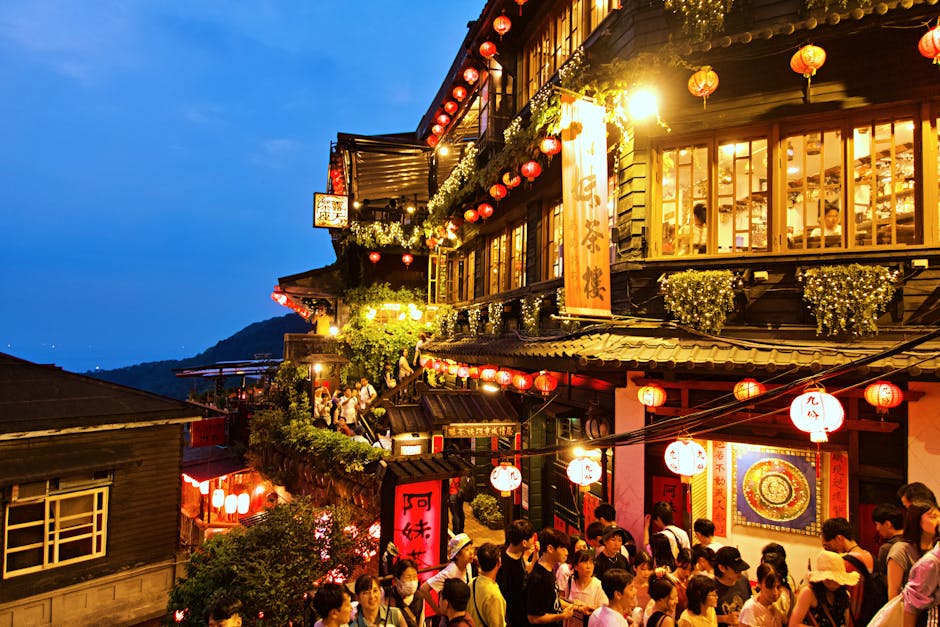
    family exploring ancient historical site, children touching old stone walls, cultural heritage travel

    Why History Travel Works So Well for Elementary-Age Kids (The Science Behind It)

    Children between ages 6 and 12 are in what developmental psychologists call the concrete operational stage — a time when they learn best through tangible, hands-on experiences rather than abstract concepts. A 2024 longitudinal study published in the Journal of Environmental Education found that children who participated in at least two culturally immersive travel experiences before age 12 demonstrated 34% higher retention of historical knowledge compared to peers who only received classroom instruction. That’s not a small gap.

    In 2026, with AI-powered learning apps everywhere, it might feel like a museum visit is “old school.” But here’s the counterintuitive truth: physical, multisensory environments activate the hippocampus — the brain’s memory center — far more effectively than screen-based learning. When your child touches a centuries-old stone wall, smells the incense at a traditional temple, or watches a blacksmith demonstration, their brain is essentially recording that experience in high definition.

    The sweet spot for elementary schoolers? Sites that combine visual storytelling + interactive elements + short walking distances. Anything that demands more than 45 minutes of standing still is a recipe for meltdown, no matter how fascinating the curator finds it.

    Choosing the Right Destination: What Actually Works vs. What Looks Good on Paper

    Not all historical sites are created equal for young travelers. A stunning but entirely roped-off palace with no interactive component can feel like a prison to a 9-year-old. Here’s the framework I recommend when evaluating destinations:

    • Touchable history: Does the site allow kids to participate — try on armor, grind grain, fire pottery? Hands-on workshops are worth three audio guides.
    • Story-driven narrative: Are there clear characters and stories tied to the place? Kids connect to people, not to dates. “This is where a 12-year-old soldier once stood” beats “Built in 1392” every time.
    • Manageable scale: A focused village or single historic district beats a sprawling national museum complex for kids under 10. Think depth over breadth.
    • Kid-friendly infrastructure: Restrooms, shaded rest areas, nearby food options — these aren’t luxuries, they’re logistics that determine whether everyone survives the afternoon.
    • Proximity to nature: Combining a historical site with a nearby park, river, or open field gives kids a place to decompress between absorbing new information.

    Domestic & International Destinations Worth Considering in 2026

    Let’s look at some real-world examples that consistently deliver for families with elementary-age children:

    📍 Gyeongju, South Korea — Often called “the museum without walls,” Gyeongju is extraordinary because history literally spills out of the ground. Royal burial mounds sit alongside convenience stores. Kids can ride bikes between ancient tumuli, visit hands-on cultural centers where they make traditional crafts, and eat street food steps away from thousand-year-old pagodas. The Silla History Science Museum now offers (as of 2026) a fully updated AR experience that overlays ancient city reconstructions onto your phone camera — genuinely captivating for digitally fluent kids.

    📍 Colonial Williamsburg, Virginia, USA — This is the gold standard for living history museums. Every single interpreter is in character, every building is functional, and kids can participate in blacksmithing, printing, and cooking demonstrations. The format is built for children, with specific “Junior Interpreter” programs running throughout 2026. The genius here is that history feels like play.

    📍 Rothenburg ob der Tauber, Germany — A medieval walled town so well-preserved it looks like a film set. The Night Watchman’s tour is specifically designed for families and runs at dusk — it’s theatrical, slightly spooky in the best way, and told entirely as a first-person narrative. For kids who love fantasy novels, this is essentially stepping inside one.

    📍 Hoi An, Vietnam — A UNESCO World Heritage town where the history is woven into daily life. Lantern-making workshops, tailor visits, traditional cooking classes — the interactive culture here is embedded at every corner. It’s also one of the most affordable family destinations in Asia, which matters when you’re factoring in activities for multiple children.

    family at traditional cultural workshop, child making pottery or lanterns, hands-on history activity

    Practical Planning: Building a Trip That Actually Runs Smoothly

    Here’s where most well-intentioned families stumble — the gap between a beautiful itinerary and a realistic one. A few principles I’ve found genuinely useful:

    • The 2-3 rule: Plan no more than 2-3 main activities per day. Elementary kids need downtime to process experiences, not a packed schedule that turns everything into a blur.
    • Pre-trip storytelling: Read a picture book or watch a short documentary about the destination before you go. When kids arrive with context, their curiosity activates immediately. They’re looking for what they already know.
    • Give them a mission: A small travel journal or scavenger hunt list (“Find three things older than your grandparents’ grandparents”) transforms passive sightseeing into active exploration.
    • Budget for workshops: Interactive experiences cost more than passive ones, but the ROI in engagement and memory is enormous. Prioritize one hands-on workshop per destination over three standard museum entries.
    • Timing is everything: Visit major sites early morning or late afternoon to avoid crowds. An overwhelmed, overstimulated child can’t absorb anything meaningful.

    Realistic Alternatives for Different Budgets and Circumstances

    Not every family can hop on a plane to Europe or Southeast Asia, and that’s genuinely okay — great history and culture travel doesn’t require a passport or a large budget. Here are some realistic alternatives worth considering:

    If international travel isn’t feasible right now, look at your own region with fresh eyes. Most countries have undervisited historical towns within a 2-3 hour drive that locals take for granted. A 19th-century industrial heritage site, a reconstructed indigenous village, or even a well-curated local history museum with participatory exhibits can deliver the same developmental benefits as a headline destination. The key ingredient isn’t the prestige of the location — it’s the quality of the story and the degree of engagement.

    For families with very limited time, consider a day trip framework: pick one focused historical neighborhood in your nearest city, design a walking route around 3-4 specific stories (not monuments — stories), pack lunch, and treat it like a full expedition. Kids respond to intentionality. When you say “today we’re explorers on a mission,” a local cemetery from the 1800s becomes an adventure.

    If budget is tight, many national parks, heritage sites, and living history museums offer free family days, educator passes, or reduced admission for residents. In 2026, most major cultural institutions also have solid digital pre-visit resources — virtual tours, illustrated timelines, downloadable activity sheets — that can meaningfully deepen even a single-day visit.

    The real takeaway here is this: the goal isn’t to expose your child to the most impressive historical sites. It’s to help them develop a relationship with history — a sense that the past is full of real people, real choices, and real consequences that connect directly to the world they’re growing up in. That’s a gift that compounds over a lifetime.

    Editor’s Comment : As someone who thinks a lot about how we learn and grow, I genuinely believe that one well-planned history trip with your elementary schooler will do more for their curiosity and empathy than an entire semester of social studies. The trick is resisting the urge to cram in everything, and instead choosing depth over breadth — one great story told well, in a place where they can actually feel it. Start small, follow their curiosity, and let the trip surprise you both.

    태그: [‘history travel with kids’, ‘family cultural travel 2026’, ‘elementary school travel activities’, ‘educational family trips’, ‘living history museums’, ‘hands-on learning travel’, ‘kids heritage travel’]


    📚 관련된 다른 글도 읽어 보세요

  • 초등학생 자녀와 함께하는 역사 문화 체험 여행 2026 완벽 가이드 – 아이도 부모도 즐거운 여행법

    지난 봄, 경주로 가족 여행을 떠난 한 가족의 이야기를 들었어요. 초등학교 3학년 딸이 첨성대를 직접 보고는 “엄마, 교과서에서 봤던 거잖아!”라고 소리쳤다고 하더라고요. 그 순간, 아이 눈이 반짝였고 집에 돌아와서도 신라 역사를 스스로 찾아봤다는 거예요. 교실에서 배운 지식이 현장에서 ‘살아 있는 경험’으로 바뀌는 그 순간, 역사 문화 체험 여행의 진짜 힘이 발휘된다고 봅니다.

    그런데 막상 “어디로 가야 하지?”부터 막히는 분들이 많으시죠. 이번 글에서는 초등학생 자녀와 함께하는 역사 문화 체험 여행을 제대로 준비하고 즐기는 방법을 함께 고민해 보려 해요.

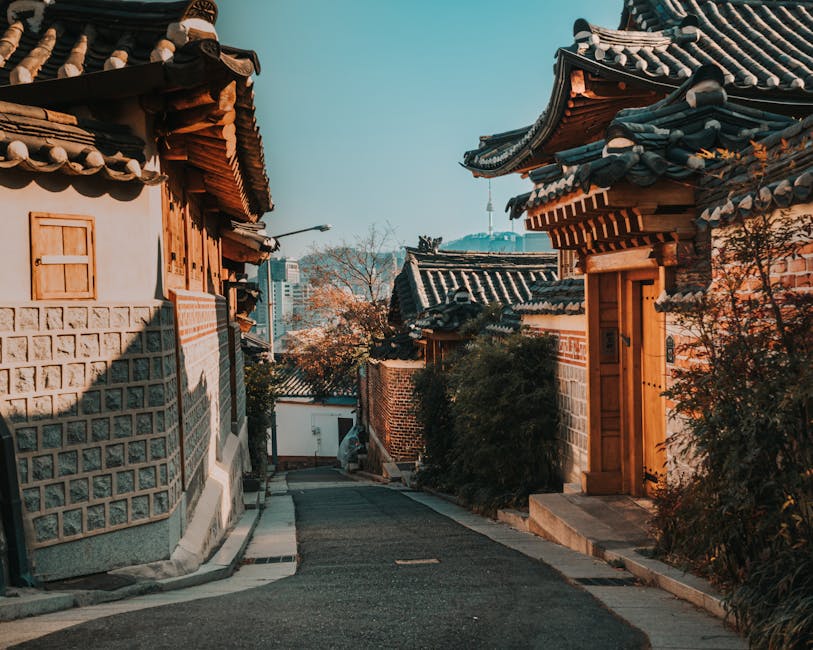
    Korean history cultural trip family children ancient sites

    📊 숫자로 보는 역사 체험 여행의 교육 효과

    단순히 “경험이 좋다”는 막연한 이야기가 아니에요. 실제로 수치가 뒷받침해 주는 부분이 있어요.

    • 한국교육개발원의 2025년 조사에 따르면, 현장 체험 학습을 경험한 초등학생은 그렇지 않은 학생보다 역사 과목 흥미도가 평균 41% 높은 것으로 나타났어요.
    • 문화체육관광부의 2026년 국민 여행 트렌드 보고서에서는 ‘교육형 가족 여행’ 수요가 전년 대비 28% 증가했으며, 그 중 역사 문화 테마가 전체의 35%를 차지했다고 밝혔습니다.
    • 미국 교육심리학 저널(Journal of Educational Psychology)의 연구에서는 현장 방문 후 학습 내용의 기억 유지율이 강의식 수업보다 최대 60% 높다는 결과도 있어요.
    • 초등학생 자녀를 둔 부모 1,200명을 대상으로 한 국내 설문(2025년 하반기)에서는 역사 체험 여행 후 자녀의 독서량이 증가했다고 응답한 비율이 53%에 달했습니다.

    이 수치들이 말해주는 건 간단해요. 역사 문화 체험 여행은 ‘노는 여행’이 아니라 아이의 학습 태도와 지적 호기심을 바꾸는 장기 투자에 가깝다는 거예요.

    🗺️ 국내외 역사 문화 체험 여행 추천 사례

    실제로 어떤 여행지가 초등학생에게 효과적인지, 국내외 사례를 나눠서 살펴볼게요.

    🇰🇷 국내 추천지
    • 경주 (경상북도) – 신라 천 년의 역사를 온몸으로 느낄 수 있는 도시예요. 대릉원, 불국사, 석굴암, 국립경주박물관까지 하루 동안 시간 여행을 떠난 기분이 드는 곳이에요. 특히 2026년부터 경주시에서 운영하는 ‘신라 왕족 체험 프로그램’은 한복 착용과 토기 만들기 워크숍이 결합돼 있어 아이들 반응이 아주 좋다고 합니다.
    • 전주 한옥마을 (전라북도) – 조선시대 생활 문화를 체험할 수 있는 대표 명소예요. 한지 공예, 전통 음식 만들기 체험이 초등학생 눈높이에 맞게 잘 구성돼 있어요. 전주역사박물관도 동선에 함께 넣으면 시너지가 좋아요.
    • 공주·부여 (충청남도) – 백제 문화의 핵심 거점이에요. 무령왕릉, 국립공주박물관, 부소산성 등 초등학교 5~6학년 교과 과정과 직접 연결되는 유적지들이 많아요. 아이와 함께 교과서를 미리 펼쳐보고 가면 효과가 배가돼요.
    • 서울 북촌·인사동·경복궁 루트 – 수도권에 사는 분들에게는 당일치기 코스로 딱이에요. 경복궁 내 국립민속박물관 어린이박물관은 특히 저학년 아이들에게 강력 추천합니다. 2026년 현재 체험 예약제로 운영 중이니 미리 온라인 예약은 필수예요.
    🌏 해외 역사 문화 체험 여행지
    • 일본 교토 (京都) – 아시아에서 역사 문화 체험 여행지로 가장 접근성이 좋은 해외 목적지 중 하나예요. 금각사, 기온 거리, 후시미이나리 신사 등 시각적으로 강렬한 유적들이 많아 아이들이 직관적으로 역사에 흥미를 느끼기 쉬워요. 2026년 기준 한일 항공 노선이 대폭 확대되면서 접근성이 더 좋아졌습니다.
    • 중국 시안 (西安) – 병마용갱은 초등학생에게 ‘살아있는 역사책’ 같은 경험을 줘요. 규모에서 오는 압도감이 아이의 세계관을 넓혀준다고 봅니다. 다만 이동 거리가 있으니 최소 4박 5일 일정을 권장해요.
    • 베트남 호이안 (Hội An) – 동남아시아 역사 문화 여행지로 새롭게 주목받고 있는 곳이에요. 유네스코 세계문화유산으로 등재된 올드타운에서 전통 등불 만들기, 바틱 체험 등 핸즈온(hands-on) 프로그램이 풍부해요. 물가 부담도 상대적으로 낮아 가성비 있는 선택이라 할 수 있어요.
    family travel children history museum hands-on learning Korea

    📝 초등학생 역사 문화 체험 여행, 이렇게 준비하면 달라져요

    같은 여행지라도 어떻게 준비하느냐에 따라 아이의 반응이 완전히 달라지더라고요. 아래 체크리스트를 참고해 보세요.

    • 출발 전 ‘사전 학습’을 게임처럼 – 딱딱한 예습이 아니라, 여행지에 관한 그림책이나 유튜브 다큐멘터리를 함께 보는 방식이 효과적이에요. 아이가 “거기 가면 뭐 있어?”라고 먼저 물어보게 만드는 게 목표예요.
    • 아이 전용 여행 노트 준비 – 방문한 유적지에서 인상 깊은 것을 스케치하거나 한 줄 메모를 남기는 습관을 들이면, 귀가 후에도 기억이 오래 남아요. 스탬프 투어가 있는 곳이라면 더욱 좋고요.
    • 체험 프로그램은 반드시 사전 예약 – 2026년 현재 대부분의 국내 주요 문화재 체험 프로그램은 예약제로 운영되고 있어요. 방문 2~3주 전에 ‘문화재청 공식 누리집’ 또는 각 지자체 관광 앱을 통해 예약하는 게 좋아요.
    • 하루 방문지는 최대 2~3곳으로 제한 – 초등학생, 특히 저학년은 집중력이 길지 않아요. 많이 보려다가 아무것도 기억 못 하는 ‘여행 과부하’ 상태가 되기 쉬워요. 깊이 있게 한두 곳을 경험하는 게 훨씬 효과적이라고 봐요.
    • 아이에게 ‘선택권’을 주기 – 오늘 이 중에서 뭘 더 보고 싶어? 라고 물어보는 것만으로도 아이의 참여도가 달라져요. 여행의 주체가 아이라는 느낌을 주는 게 중요해요.
    • 귀가 후 ‘여행 후기’ 대화 나누기 – 사진을 함께 보며 “가장 신기했던 게 뭐야?”라고 가볍게 대화를 나누면 기억이 장기 기억으로 전환되는 데 도움이 된다고 해요. 일종의 ‘복습 루틴’이에요.

    💡 여행 예산, 현실적으로 따져보기

    역사 문화 체험 여행이 거창하게 들릴 수 있지만, 반드시 큰돈이 드는 건 아니에요. 국내 당일 코스 기준으로 교통비 + 입장료 + 식비를 합산하면 4인 가족 기준 10~15만 원 내외로 충분히 알찬 여행이 가능해요. 경주나 전주처럼 숙박이 필요한 경우도 한국관광공사에서 운영하는 ‘가족 여행 지원 사업(2026년 상반기 기준 1인 최대 3만 원 할인 쿠폰 제공)’을 활용하면 부담을 많이 줄일 수 있어요. 알뜰하게 준비할수록 여행의 밀도는 더 높아지는 것 같아요.


    에디터 코멘트 : 역사 문화 체험 여행은 아이에게 ‘공부’를 시키러 가는 여행이 아니에요. 부모와 함께 같은 것을 보고, 같은 감동을 나누고, 집에 돌아와서도 그 이야기를 꺼낼 수 있는 ‘공통의 기억’을 만드는 여행이라고 봐요. 2026년, 아직 봄이 가기 전에 가까운 역사 유적지 한 곳만 골라 떠나보시는 건 어떨까요? 거창하지 않아도 괜찮아요. 아이 손 잡고 첨성대 앞에 서는 것만으로도 이미 충분히 훌륭한 시작이에요.

    태그: [‘초등학생역사여행’, ‘가족문화체험여행’, ‘아이와함께역사여행’, ‘역사체험학습’, ‘경주가족여행’, ‘교육여행2026’, ‘초등가족여행추천’]


    📚 관련된 다른 글도 읽어 보세요

  • Hidden in Plain Sight: The Best Local-Only Travel Spots in Korea That Tourists Almost Never Find (2026 Guide)

    Last spring, I found myself completely lost in a narrow alley somewhere between Jeonju’s famous hanok village and a neighborhood that didn’t appear on any tourist map. A grandmother with a cart full of fresh perilla leaves pointed me toward a small courtyard café — no English sign, no Instagram geotag, no queue of selfie sticks. Just cold makgeolli, warm sunlight, and the kind of quiet that reminds you why you travel in the first place. That moment crystallized something I’d been thinking about for years: the best places in Korea are the ones locals guard like family recipes.

    So in 2026, with overtourism hitting Bukchon and Gyeongbokgung harder than ever — weekend foot traffic reportedly up 34% compared to pre-pandemic baselines according to the Korea Tourism Organization’s Q1 2026 data — it feels more urgent than ever to talk about the spots that haven’t been Instagrammed into oblivion. Let’s dig in together.

    hidden Korea village alley traditional courtyard local travel

    Why “Local-Only” Spots Are Disappearing Faster Than Ever

    Here’s a pattern worth understanding: a neighborhood stays hidden until one travel influencer posts about it, then within 18 months it’s on every “must-visit Seoul” listicle, and within 3 years it’s got a convenience store and a character mascot. We saw this happen to Ikseon-dong, Mangwon Market, and more recently to parts of Sokcho’s Abai Village. The cycle is speeding up in 2026 thanks to short-form video algorithms that can send a niche alley globally viral overnight.

    That said, knowing why a spot stays hidden helps you find others like it. Locals tend to protect places that share these characteristics:

    • Poor public transport access — requires a local bus, a 15-minute walk from the nearest station, or a ride-share
    • No English menus or signage — filters out most international tourists organically
    • Functional, not decorative — it serves an actual community need (morning market, neighborhood bathhouse, fishing pier)
    • Seasonal or time-specific — only worth visiting at dawn, on weekdays, or during a specific harvest period
    • Known by reputation, not by algorithm — word-of-mouth among residents, not viral posts

    The Spots: A Reasoned, Region-by-Region Breakdown

    1. Gamcheon Culture Village’s Forgotten Upper Tier — Busan
    Yes, Gamcheon itself is well-known. But here’s what most visitors miss: they walk the designated tourist trail on the lower and middle levels and leave. The upper residential sections — accessible by continuing uphill past the point where most people turn back — are still genuinely inhabited, with elderly residents tending rooftop gardens and small shrine spaces. The view from up there is arguably better, and you’ll share it with almost no one. Go on a Tuesday morning.

    2. Ganggyeong Salt Marsh Trails — South Chungcheong Province
    Ganggyeong (강경) is more famous among foodies for its fermented seafood (jeotgal) market, but the salt marsh walking trails along the Geumgang River estuary are genuinely stunning in autumn and early spring. Local birding clubs frequent this area — it’s a stopover point for migratory species — but it registers almost zero on mainstream travel radar. The nearby traditional wholesale market operates on a 5-day cycle (장날), and timing your visit to coincide with market day adds an entirely different layer of authenticity.

    3. Upo Wetlands’ Northern Edge — South Gyeongsang Province
    Upo Wetlands (우포늪) has been on the UNESCO tentative list and does attract some visitors. But almost all of them walk the southern observation deck loop. The northern perimeter trail — a 4.2 km unpaved path — is used primarily by local farmers and the occasional birdwatcher. In early morning fog, it looks like a scene from a Joseon-era painting. There are no facilities, no cafés, no restrooms. Bring your own water and go with that expectation.

    4. Inje Baro Reservoir Villages — Gangwon Province
    When the Soyang Dam was built in the 1970s, several villages were partially submerged. During drought years — and 2026 has seen historically low snowpack in the northern Taebaek range — the foundations of submerged structures and old village roads emerge from the water near the Inje inlets. Local fishermen and older residents sometimes gather here in the early morning. It’s quiet, a little melancholy, and deeply historical in a way that no tourist attraction can manufacture.

    5. Mokpo’s Yudalsan Sunset Ridge — South Jeolla Province
    Mokpo (목포) gets occasional tourist attention for its Japanese colonial-era architecture district, but Yudalsan’s ridge trail — a 40-minute climb from the back entrance near the local apartment complex (not the main tourist entrance) — offers a panoramic harbor view that locals use for evening walks. The trick: use Naver Maps, not Google Maps, and search for “유달산 뒷길” (Yudalsan back path). The official tourist entrance leads to a paved road; the back entrance puts you on a proper trail.

    Korea wetlands misty morning rural trail local fishermen sunrise

    What Domestic Travelers Know That International Guides Often Miss

    Korean domestic travel culture operates on a few assumptions that international travel content rarely captures. For one, Koreans broadly trust Naver Blog reviews from real users over polished travel guides — and those blog posts are often written in hyper-local detail (“turn left at the blue awning, park near the red brick wall”). Learning to use Naver Blog search — even with a translation tool — unlocks a completely different tier of destination intelligence.

    Additionally, Korean travel communities on platforms like Daum Café and niche hiking forums (산행기 communities) document trails and spots years before they surface anywhere in English. The Ganggyeong salt marsh trails I mentioned above, for instance, have been discussed in a Chungnam birding café since at least 2019 — but as of early 2026, there’s still almost no English content about them.

    Realistic Alternatives: When You Can’t Access the Hidden Stuff

    Let’s be honest — not everyone visiting Korea has the flexibility, language skills, or transportation access to chase these off-grid spots. And that’s completely valid. Here are some realistic middle-ground strategies:

    • Go early or go late. Even busy spots like Bukchon Hanok Village are genuinely quiet before 8 AM. The experience isn’t the same as a hidden gem, but it’s meaningfully different from the midday crowd.
    • Use the KTO’s “Rural Tourism Program.” The Korea Tourism Organization’s 2026 rural immersion initiative connects visitors with farming village homestays that are deliberately off the mainstream circuit. The program has expanded significantly this year with 47 new participating villages.
    • Follow local food, not scenery. Joining a morning jangbogi (market trip) tour organized by a local guesthouse often takes you places that no scenery-focused tour would. The destination is secondary; the local rhythm is the point.
    • Hire a local guide, not a national tour company. Local guides working freelance (searchable via platforms like WithLocals or Airbnb Experiences) often share the kind of neighborhood-specific knowledge that national tour operators simply don’t have.
    • Visit on a weekday in the off-season. This sounds obvious, but a November Tuesday in Jeonju versus a Saturday in May are almost two different cities in terms of crowd density and local atmosphere.

    A Note on Responsible Visiting

    This is worth saying plainly: sharing these spots widely comes with responsibility. Some of these locations are genuinely residential. Photographing residents without consent, parking improperly on narrow village roads, or leaving behind trash doesn’t just damage the spot — it damages the relationship between locals and visitors that makes access possible in the first place. Treat hidden spots like you’re a guest in someone’s home, because in many cases, you literally are.

    The goal isn’t to find a place and post it. The goal is to have an experience that actually changes how you see a place — and those experiences are only possible when the spot still has the texture of real life in it.


    Editor’s Comment : The most honest thing I can say about hidden travel spots in 2026 is this — the moment a list like this goes viral, the spots on it start becoming less hidden. The real skill isn’t finding the secret places; it’s developing the sensibility to recognize the version of “hidden” that still exists all around you, even in well-visited areas. Slow down, talk to the person at the market stall, take the uphill path instead of the paved loop. Korea rewards curiosity more generously than almost any country I’ve spent time in — you just have to be willing to wander slightly past the edge of the map.

    태그: [‘hidden Korea travel spots’, ‘local-only Korean destinations 2026’, ‘off the beaten path Korea’, ‘authentic Korea travel guide’, ‘rural Korea tourism’, ‘Korea travel tips locals’, ‘underrated Korean travel destinations’]


    📚 관련된 다른 글도 읽어 보세요

  • 현지인만 아는 국내 숨은 관광지 베스트 2026 | 오버투어리즘을 피하는 진짜 여행법

    지난 봄, 지인이 SNS에서 본 어느 해안 마을을 찾아갔다가 주차장에서 두 시간을 허비했다는 이야기를 들었어요. 경치는 분명 예뻤지만, 인파에 치여 사진 한 장 제대로 못 찍고 돌아왔다고 하더라고요. 반면 그 마을 토박이 지인은 차로 15분 거리에 있는 전혀 다른 해변에서 한적하게 하루를 보냈다고 했습니다. 같은 지역, 전혀 다른 경험 — 이 차이가 바로 ‘현지인 정보’의 힘이라고 봅니다.

    2026년 현재, 국내 여행 트렌드는 확실히 ‘디-매스(De-mass) 여행’, 즉 대형 관광지를 피하고 소규모·비정형 공간을 찾는 방향으로 이동하고 있어요. 오늘은 현지인들이 굳이 알리고 싶어 하지 않는, 하지만 꼭 한 번쯤 가봐야 할 국내 숨은 관광지들을 함께 살펴볼게요.

    hidden Korean village travel scenic countryside road

    📊 왜 ‘오버투어리즘’을 피해야 할까? — 수치로 보는 2026년 국내 관광 현황

    한국관광공사 자료에 따르면 2025년 기준 국내 관광객의 약 68%가 전체 관광지 중 상위 5%에 집중된다고 합니다. 제주 성산일출봉, 경복궁, 순천만 습지 등 이른바 ‘인증샷 성지’에 방문객이 몰리는 현상이죠. 성수기 주말의 경우 이들 명소의 체감 혼잡도는 적정 수용 인원의 2.3배를 초과하는 것으로 분석되기도 했어요.

    반면 동일 권역 내 비주류 관광지는 같은 기간 방문객이 평균 30~40% 감소했습니다. 즉, 조금만 발길을 돌리면 ‘나만의 공간’을 훨씬 여유 있게 즐길 수 있다는 뜻이기도 해요. 여행 만족도 조사에서도 ‘한적한 여행지를 찾았을 때’의 만족도 점수는 주요 관광지 대비 평균 22점(100점 만점 기준) 높게 나타났습니다.

    🗺️ 현지인만 아는 국내 숨은 관광지 베스트

    • 경북 영양군 — 반딧불이 생태공원 일대
      국내 최초 국제밤하늘보호공원(IDA 인증)으로 지정된 곳이에요. 여름철 반딧불이 시즌이 아니더라도 사계절 내내 은하수를 육안으로 확인할 수 있어 천문 애호가들 사이에서 조용히 입소문 난 명소입니다. 인근 주민들은 일부러 별 보러 오는 외지인들을 위해 비공식 ‘하늘 해설’을 해주기도 한다고 하더라고요.
    • 전남 신안군 압해도 — 천사대교 너머 소금밭 마을
      천사대교는 이미 유명해졌지만, 다리를 건넌 뒤 주민들이 다니는 해안 소로를 따라가면 미처 개발되지 않은 소금밭과 낙조 포인트가 나옵니다. 관광지도에도 잘 나오지 않는 곳이라 현지 어민들에게 물어봐야 찾을 수 있는 루트예요.
    • 강원 인제군 — 방태산 자연휴양림 계곡
      설악산과 오대산에 밀려 상대적으로 덜 알려진 방태산은 원시림 수준의 울창함을 자랑해요. 현지인들은 여름 계곡 피서지로 인근 ‘아침가리 계곡’을 최고로 꼽는데, 트레킹 없이는 접근이 어려워 자연스럽게 인파 필터링이 된다는 점이 매력이라고 봅니다.
    • 충남 서천군 — 마량리 동백나무 숲
      천연기념물 169호로 지정된 곳으로, 겨울에서 초봄 사이 동백꽃이 절정을 이루는 시기에도 방문객이 많지 않아요. 인근 서천특화시장에서 현지 해산물을 먹는 코스로 묶으면 당일치기 일정으로 완벽합니다.
    • 경남 거창군 — 수승대 계곡과 구연서원
      조선 시대 선비들이 즐겨 찾던 풍류의 공간으로, 계곡과 고건축이 어우러져 있어요. 거창 읍내 주민들도 여름이면 돗자리 펴고 오는 곳인데 외지 관광객은 여전히 드물다고 합니다. 계곡 주변에 야영 공간도 있어 1박 코스로도 좋아요.
    • 제주 — 애월 한담해변 말고 ‘곽지해변 서쪽 용천수 지대’
      제주 현지인들이 여름철 즐겨 찾는 비공개(?) 물놀이 포인트예요. 바닷물과 민물이 섞이는 용천수 특성 덕분에 수온이 조절되고, 모래사장이 아닌 돌바닥이라 관광객 선호도가 낮지만 현지인들은 오히려 그 점을 좋아한다고 하더라고요.
    Korea hidden gem travel local secret spot nature

    🌍 국내외 사례로 보는 ‘슬로우 투어리즘’의 부상

    이런 흐름은 비단 한국만의 이야기가 아니에요. 일본 교토시는 2025년부터 일부 골목 관광 구역에 입장 제한 제도를 도입했고, 스페인 바르셀로나는 관광세를 대폭 올리며 분산 여행을 유도하고 있습니다. 공통된 메시지는 하나예요 — “덜 알려진 곳에 더 큰 보상이 있다.”

    국내에서도 2026년 들어 지자체들이 ‘비주류 관광지 인센티브 패키지’를 확대 운영 중입니다. 영양군의 경우 관내 숙박 시 지역화폐를 추가 지급하는 방식으로 방문객 유입을 늘리고 있고, 서천군 역시 로컬 크리에이터와 협력한 ‘시크릿 투어 프로그램’을 운영 중이에요. 정책 차원에서도 숨은 관광지에 힘을 실어주고 있는 셈이라고 볼 수 있습니다.

    💡 현실적인 여행 팁 — 어떻게 찾고, 어떻게 준비할까?

    현지인 정보를 얻는 가장 효과적인 루트는 의외로 단순해요. 대형 여행 커뮤니티보다는 해당 지역 기반의 소규모 SNS 계정(지역 맛집 탐방러, 향토 사진가 계정 등)을 팔로우하거나, 지역 관광두레·마을기업 홈페이지를 직접 방문해 보는 게 훨씬 생생한 정보를 얻을 수 있다고 봐요. 또한 이런 숨은 명소들은 대부분 편의시설이 부족하기 때문에, 간단한 비상식량·충전 보조배터리·오프라인 지도 앱(Maps.me 또는 네이버 지도 오프라인 다운로드) 준비는 필수라고 생각합니다.

    에디터 코멘트 : 유명 관광지를 마다할 필요는 없지만, 여행의 진짜 재미는 ‘계획되지 않은 발견’에 있는 것 같아요. 위에서 소개한 곳들이 이 글로 인해 갑자기 유명해져 버리는 아이러니가 생기지 않길 바라면서도… 그만큼 충분히 가볼 가치가 있는 곳들이라고 자신 있게 말씀드릴 수 있습니다. 여행 전날 밤, 검색창 대신 지역 주민의 블로그 하나를 읽어보는 것만으로도 여행의 결이 완전히 달라질 거예요. 🌿

    태그: [‘현지인추천관광지’, ‘국내숨은여행지2026’, ‘오버투어리즘’, ‘슬로우투어리즘’, ‘국내여행추천’, ‘비주류여행지’, ‘한국숨은명소’]


    📚 관련된 다른 글도 읽어 보세요

  • 3-Generation Family Travel in 2026: The Ultimate Guide to Planning Trips Your Grandparents, Parents & Kids Will All Love

    Last summer, my friend Jenna attempted a 3-generation family vacation — grandparents in their early 70s, two exhausted parents, and three kids under ten. By day two, grandma’s knees were aching from cobblestone streets, the kids were bored at the historical museum, and dad was stress-eating gelato alone near the gift shop. Sound familiar? The truth is, multigenerational travel — what travel insiders in 2026 are calling “3-gen trips” — is one of the fastest-growing travel trends globally, yet it remains one of the hardest to execute well.

    But here’s the good news: with some smart planning and a realistic look at everyone’s needs, a trip that genuinely works for grandparents, parents, and young grandchildren is absolutely achievable. Let’s think through this together.

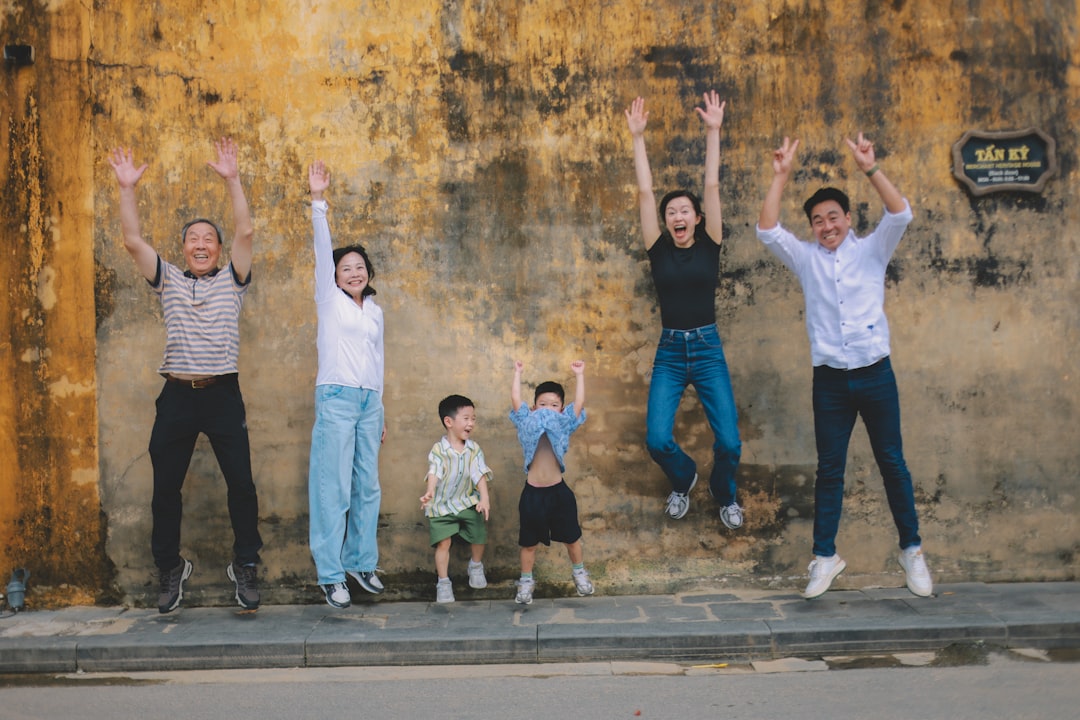
    three generations family travel grandparents grandchildren outdoor vacation smiling

    📊 Why 3-Gen Travel Is Booming in 2026

    According to the Global Family Travel Index 2026, multigenerational trips now account for approximately 28% of all leisure travel bookings worldwide — up from around 18% just five years ago. Several forces are driving this shift:

    • Post-pandemic closeness: Families are prioritizing shared experiences after years of distance.
    • Aging population + active seniors: Today’s 65–75 year-olds are far more mobile and travel-hungry than previous generations.
    • Childcare synergy: Grandparents on vacation = built-in babysitters, which parents quietly (and gratefully) appreciate.
    • Meaningful memory-making: Studies in behavioral psychology consistently show that shared experiences between generations create stronger long-term family bonds than material gifts.

    However, the failure rate of these trips is also high — largely because itineraries are built around one demographic and everyone else just… tolerates it.

    🔑 The Core Challenge: Designing for Three Completely Different Pace Profiles

    Here’s the key insight most travel blogs skip over: the three generations don’t just have different interests — they have fundamentally different physical and cognitive pace profiles.

    • Grandparents (60s–70s): Need rest intervals every 2–3 hours, prefer predictable schedules, value cultural depth and comfort seating, sensitive to extreme heat or crowds.
    • Parents (30s–50s): Want efficiency, Instagram-worthy moments, good food, and ideally a moment of adult conversation.
    • Young children (4–12): Require novelty every 45–60 minutes, physical outlets (running, climbing, splashing), and snack access at all times.

    The magic of a great 3-gen itinerary is finding “overlap zones” — activities and environments that naturally satisfy all three pace profiles simultaneously.

    🌏 International Destination Examples That Work Beautifully in 2026

    1. Kyoto & Arashiyama, Japan
    Japan remains one of the world’s best destinations for multigenerational travel. The combination of flat zen garden walks (grandparent-friendly), bullet train efficiency (parent-approved), and interactive cultural experiences like mochi-making workshops or deer parks in nearby Nara (kid-magnet) creates natural overlap. Accessibility has improved dramatically in recent years, with most major temples now offering ramp access and rental wheelchairs.

    2. Mallorca, Spain
    The Balearic island ticks every box: calm Mediterranean beaches for grandparents who want to sit and read, excellent seafood restaurants (multi-gen win), water sports rental for active kids and parents, and enough historic villages to satisfy cultural curiosity without marathon walking days. Many finca (farmhouse villa) rentals in 2026 now specifically market themselves as “3-gen friendly” with single-floor layouts and private pools.

    3. Banff & Lake Louise, Canada
    For families where grandparents are still physically active, the Canadian Rockies offer something extraordinary: gondola access to dramatic alpine views that require zero hiking. The Banff Gondola and Lake Louise Gondola both operate with full accessibility features. Kids get wildlife spotting (elk and ground squirrels are basically everywhere), parents get jaw-dropping scenery, and grandparents get the kind of slow, magnificent beauty that genuinely moves people.

    multigenerational family Banff lake mountains gondola scenic

    🏡 Domestic (Korea-Inspired) Course Recommendations

    If you’re planning within a Korean context or looking at Korea as a destination, here are three circuits that work exceptionally well for 3-gen groups in 2026:

    • Gyeongju 2-Night Circuit: UNESCO heritage sites with flat walking paths, Bomun Lake Resort with accessible amenities, Cheomseongdae Observatory at dusk (beautiful for all ages), and traditional hanok stay options that grandparents often find deeply nostalgic.
    • Jeju Island 3-Night Package: Avoid the volcanic hike-heavy itineraries. Instead: Spirited Garden (wheelchair-friendly), Aqua Planet (kids go wild), Olle Trail Section 7 (gentle coastal walk for all), and fresh seafood at any haenyeo-run restaurant.
    • Jeonju + Damyang 2-Night: Jeonju Hanok Village for cultural immersion, Damyang’s bamboo forest (Juknokwon) for shaded, flat walking — perfect for summer — and bibimbap experiences everyone can participate in.

    🧩 Practical Planning Framework: The 60/30/10 Rule

    Here’s a rule I’ve started recommending: structure each travel day so that 60% of activities work for all three generations, 30% are slightly tilted toward one group (rotate fairly across the trip), and 10% is pure free time where everyone splits and does exactly what they want without guilt.

    That 10% is more important than it sounds. Grandma spending an hour at a local craft market while kids hit the splash pad and parents find a decent café — that’s not failure. That’s sustainable travel design.

    🛏️ Accommodation Strategy: The “Hub Model”

    Instead of booking hotel rooms, consider renting a large villa, pension, or vacation home as your “hub.” This approach offers:

    • A shared kitchen, which saves money and accommodates grandparents’ dietary preferences or health needs
    • Common living space where everyone naturally gathers in evenings without restaurant noise
    • Separate bedrooms = everyone sleeps on their own schedule (critical for multi-gen harmony)
    • A base to return to midday for grandparent rest time while parents and kids continue exploring

    💡 Realistic Alternatives When Ideal Travel Isn’t Possible

    Not every family can fly to Japan or rent a Spanish villa — and that’s completely fine. Here are genuinely good alternatives:

    • Staycation resort weekend: Book a resort within 2 hours of home that has a pool, accessible rooms, and buffet dining. The “trip” feeling comes from being together in a new environment, not the distance traveled.
    • National park day trips: String together 3–4 day trips to different parks or historic sites over a long weekend. Grandparents sleep in their own beds, kids stay energized, and logistics are minimal.
    • Home-based “cultural travel”: Cook foods from a chosen destination together, watch documentary films, do craft activities from that culture. Sounds modest, but intergenerational bonding research shows these shared creative experiences rival the emotional impact of travel for grandparent-grandchild relationships.

    The honest truth? A badly planned trip to Mallorca will be remembered less fondly than a thoughtfully designed weekend at a local resort. Intentionality matters more than destination prestige.

    Editor’s Comment : The best 3-generation trips I’ve seen succeed aren’t the most expensive or exotic — they’re the ones where someone (usually a quietly heroic parent) took 30 extra minutes to think about grandma’s knee pain and the 7-year-old’s attention span before finalizing the itinerary. Start with the constraints, not the dream destination, and you’ll be surprised how good a trip you can design within them. Happy traveling — all three generations of you. 🌿

    태그: [‘multigenerational family travel’, ‘3 generation trip ideas 2026’, ‘grandparent friendly destinations’, ‘family vacation planning’, ‘accessible travel for seniors’, ‘kids and grandparents travel’, ‘family travel tips 2026’]


    📚 관련된 다른 글도 읽어 보세요

  • 조부모 포함 3세대 가족 여행 코스 추천 2026 | 할머니 할아버지도 함께 즐기는 완벽 플랜

    작년 추석, 저희 지인 가족은 오랜만에 할머니, 할아버지를 모시고 제주도 여행을 계획했다가 첫날부터 난관에 부딪혔다고 해요. 손주들은 ATV 체험장을 가고 싶다 하고, 70대 어르신들은 무릎이 좋지 않아 오름 트레킹은 엄두도 못 내는 상황. 결국 세대 간 동선이 완전히 따로 놀면서 ‘함께 왔지만 함께하지 못한’ 여행이 되어버렸다는 이야기를 들었어요. 아마 이 글을 읽고 계신 분들 중에도 비슷한 경험이 있으실 거라 봅니다.

    3세대 가족 여행은 단순히 ‘많이 모인 여행’이 아니에요. 체력 편차, 이동 거리 민감도, 관심사 차이를 동시에 조율해야 하는 꽤 복잡한 기획 작업에 가깝습니다. 그래서 오늘은 2026년 현재 실제로 많이 선택되는 국내외 3세대 여행 코스와, 각 세대가 모두 만족할 수 있는 구성 방법을 함께 고민해 보려 해요.


    multigenerational family travel korea grandparents grandchildren

    📊 3세대 여행, 왜 이렇게 어려울까 — 세대별 체력·이동 데이터로 보기

    한국관광공사가 2026년 초 발표한 「가족 유형별 여행 행태 조사」에 따르면, 3세대 이상이 함께하는 여행에서 가장 큰 불만 요소 1위는 ‘동선 체력 불균형'(38.4%)으로 나타났어요. 이어서 ‘식당·메뉴 선택 갈등(22.1%)’, ‘흥미 포인트 차이(19.7%)’ 순이었습니다.

    구체적인 수치로 살펴보면, 65세 이상 고령자의 하루 적정 보행 거리는 평균 3~5km 수준인 반면, 초등학생 이하 어린이는 체력 자체는 넘치더라도 집중력 유지 시간이 짧아 2시간 이상 연속 관람이 어렵다는 연구 결과가 있어요. 반면 30~40대 부모 세대는 두 세대를 ‘관리’해야 하는 부담까지 더해져 여행 만족도가 오히려 가장 낮게 나오는 아이러니한 결과가 보고되기도 합니다.

    이 세 가지 변수를 동시에 해결하는 키워드가 바로 ‘거점 체류형 + 선택 분기형’ 코스 설계입니다. 숙소를 중심으로 반경 10km 내에서 세대별로 원하는 활동을 선택할 수 있게 구성하면, 억지로 함께 움직이지 않아도 자연스럽게 합류하고 헤어질 수 있어요.


    🇰🇷 국내 추천 코스 — 세대 모두 만족하는 3박 4일 플랜

    국내에서 3세대 여행지로 꾸준히 상위권을 차지하는 곳은 경주, 전주, 여수 세 지역입니다. 각각의 이유가 있어요.

    경주는 어르신들에게는 역사·문화 콘텐츠가, 아이들에게는 자전거 대여와 야외 체험이, 부모 세대에게는 한옥 숙소와 카페 문화가 공존하는 구조라 세대 간 접점이 넓습니다. 불국사나 안압지(동궁과 월지) 같은 주요 명소는 대부분 평지이거나 경사가 완만해 휠체어·유모차 접근성도 비교적 좋은 편이에요.

    여수는 케이블카, 수산시장, 해양 레포츠가 공존하면서 ‘먹거리’라는 공통 분모가 강한 곳이에요. 어르신들이 가장 반응이 좋은 여행 요소 중 하나가 ‘맛있는 음식’이라는 점을 고려하면, 여수 돌산갓김치부터 갓 잡은 회까지 이어지는 미식 동선이 세대 통합의 역할을 한다고 볼 수 있습니다.

    아래는 경주 3박 4일 3세대 추천 코스 예시예요.

    • 1일차 (도착·적응) — 황리단길 한옥 숙소 체크인 → 첨성대 야경 산책(평지, 20분 소요) → 가족 한식 저녁
    • 2일차 (역사 중심) — 불국사·석굴암 오전 방문(어르신 전동 카트 이용 가능) → 국립경주박물관 관람 → 오후: 어린이·부모는 자전거 대여, 어르신은 숙소 휴식
    • 3일차 (체험 중심) — 신라밀레니엄파크 or 경주월드(키즈 어트랙션·시니어 전용 좌석 구역 분리 운영 중) → 온천 족욕 카페에서 전 세대 합류
    • 4일차 (귀가) — 교촌한옥마을 아침 산책 → 최부잣집 전통 한상 브런치 → 출발

    여기서 포인트는 2일차 오후처럼 ‘의도적인 분리 시간’을 넣는 거예요. 억지로 모든 일정을 함께하려다 보면 체력이 다른 세대 모두 지치거든요. 분리 후 저녁에 다시 만나는 구조가 오히려 유대감을 높입니다.


    🌏 해외 사례 — 일본·대만이 3세대 여행에 강한 이유

    해외로 나갈 경우, 2026년 현재 한국 3세대 가족 여행객에게 가장 많이 선택되는 국가는 일본(오사카·교토 권역)대만입니다. 두 나라의 공통점은 ‘짧은 이동 거리 + 높은 대중교통 접근성 + 저자극 자연환경’이에요.

    특히 일본 교토의 경우, 란덴(嵐電) 노면전차를 이용해 아라시야마 대나무 숲 → 료안지 석정원 → 니시키 시장으로 이어지는 코스는 어르신들이 무리 없이 소화할 수 있는 대표적인 3세대 동선으로 알려져 있어요. 란덴 전철은 탑승 플랫폼 단차가 낮아 노약자나 유아 동반 이동에 매우 적합합니다.

    대만 지우펀(九份)·예류(野柳) 코스는 당일치기 거점 여행이 가능해서, 타이베이 시내에 숙소를 두고 어르신들은 온천 구역에서 여유롭게 시간을 보내는 동안 아이들은 해안 지형 탐험을 즐기는 분기 구성이 가능합니다. 2026년부터 타이베이 주요 관광지에 한국어 오디오 가이드 서비스가 확대 도입된 점도 어르신들에게 반응이 좋다고 해요.

    kyoto family travel grandparents children arashiyama

    ✅ 3세대 여행 준비 체크리스트 — 출발 전 반드시 확인할 것들

    • 어르신 건강 상태 사전 확인 — 무릎·고관절 상태에 따라 이동 수단(전동 스쿠터, 휠체어 대여 가능 여부)을 미리 알아두세요.
    • 숙소 선택 기준: 1층 또는 엘리베이터 필수 — 계단이 많은 한옥 독채나 리조트 빌라는 어르신에게 위험할 수 있어요.
    • 식사 장소 사전 예약 — 단체 예약 시 어르신용 연화식(부드러운 음식) 또는 어린이 메뉴 제공 여부를 미리 확인하는 것이 좋습니다.
    • 여행자 보험 — 전 연령 포함 가족 플랜 선택 — 어르신 포함 시 70세 이상 고령자 커버 여부를 반드시 확인하세요. 일부 보험은 65세 이상 별도 가입이 필요합니다.
    • 이동 속도 여유 있게 설정 — 일반 성인 기준 이동 시간의 1.5~2배로 일정을 여유롭게 잡는 것이 현실적이에요.
    • 휴식 거점 확보 — 매 2~3시간마다 앉아서 쉴 수 있는 카페, 벤치, 휴게공간이 있는 동선인지 확인하세요.
    • 어르신 선호 활동 사전 조율 — 출발 전 간단한 가족 채팅방 투표만으로도 ‘기대 미스매치’를 줄일 수 있어요.

    💡 결론 — 완벽한 코스보다 ‘조율된 코스’가 답입니다

    3세대 여행의 핵심은 모든 세대가 ‘같은 것’을 즐기게 만드는 게 아니라, 각자의 방식으로 즐기되 다시 합류하는 구조를 만드는 데 있다고 봅니다. 분리와 합류의 리듬이 자연스러울수록 여행 만족도가 올라가요.

    2026년에는 국내외 관광지에서 시니어 접근성 인프라가 많이 개선된 만큼, 과거보다 선택지가 훨씬 넓어진 것도 사실이에요. 조금만 사전에 동선을 고민해 둔다면, 할머니 할아버지와 손주가 함께 웃는 사진 한 장을 충분히 남길 수 있습니다.

    에디터 코멘트 : 개인적으로 가장 추천하고 싶은 조합은 ‘국내 경주 2박 + 일본 오사카 3박’을 연계한 5박 일정이에요. 국내에서 장거리 이동에 적응한 뒤 짧은 해외 일정으로 마무리하는 구성이라, 어르신들의 체력 부담을 단계적으로 조절할 수 있거든요. 물론 가장 중요한 건 어르신들이 ‘내가 짐이 되는 건 아닐까’ 하는 마음을 갖지 않도록, 처음부터 함께 일정을 짜는 과정 자체를 여행의 일부로 만드는 거라고 생각합니다.

    태그: []


    📚 관련된 다른 글도 읽어 보세요

  • Hidden Gems of Korea: 7 Underrated Domestic Travel Spots You Need to Visit in 2026

    A few months ago, a friend of mine came back from a solo trip to the Korean countryside looking absolutely refreshed — not the kind of refreshed you get from a spa day, but the deep, bone-level kind that only comes from genuine discovery. When I asked where she went, she named a village I’d never heard of, despite having lived in Korea for years. That conversation sent me down a rabbit hole of research, local travel forums, and conversations with regional tourism boards, and what I found genuinely surprised me.

    Korea’s most beloved destinations — Jeju Island, Gyeongju, Bukchon Hanok Village — are iconic for good reason. But in 2026, with domestic travel surging by approximately 18% year-over-year according to the Korea Tourism Organization’s latest quarterly report, the crowds at those spots have reached a tipping point. Ticket queues, packed parking lots, and over-commercialized street food stalls can drain the magic fast. So let’s think about this together: what if the best Korean travel experiences aren’t the ones on every itinerary?

    hidden Korean village countryside scenic landscape 2026

    1. Gurye, South Jeolla Province — Korea’s Slow-Living Capital

    Nestled at the foot of Jirisan, Korea’s first national park, Gurye (구례) is a masterclass in understated beauty. The town itself has a population of under 27,000, yet it hosts one of the most spectacular cherry blossom corridors in the country along the Seomjingang River — and barely a fraction of the tourists who swarm Jinhae each spring. The 2026 Seomjingang Cherry Blossom Festival (typically early April) is genuinely worth planning around.

    • Stay: Small guesthouses along Sansuyu Village offer rooms from ₩60,000/night
    • Eat: Wild mountain herb bibimbap is hyper-local and deeply satisfying
    • Do: The Jirisan둘레길 (Dulle-gil) trail system has 22 sections — pick just one for a half-day hike
    • Best for: Solo travelers, couples seeking quiet, nature photographers

    2. Uljin, North Gyeongsang Province — The Underdog Coastal Town

    While Gangneung and Sokcho dominate East Coast travel content, Uljin quietly offers cleaner water, less congested beaches, and the extraordinary Sungnyu Cave — one of Korea’s largest limestone caves, yet strangely absent from most travel blogs. The drive along Route 7 through Uljin is legitimately one of the most scenic coastal roads in Northeast Asia, according to several international travel journalists who covered it in early 2026.

    3. Boeun, North Chungcheong Province — Pine Forest Therapy

    Boeun’s Songnisan National Park is reasonably well-known, but the town itself — and especially the Beopjusa Temple complex — is almost always experienced as a day trip from Daejeon, meaning most visitors miss the forest bathing trails that open at dawn. Staying overnight in the temple stay program (약 ₩80,000 for a two-day program including meals) completely transforms the experience. Forest therapy, or shinrin-yoku as the Japanese popularized the concept, has measurable effects on cortisol reduction — and Boeun’s dense pine canopy is among the best environments for it in Korea.

    Korean temple forest pine trees dawn mist peaceful

    4. Yeongyang, North Gyeongsang Province — Korea’s Stargazing Mecca

    Here’s a data point that still surprises people: Yeongyang County has the lowest light pollution levels of any inhabited area in South Korea, officially recognized as an International Dark Sky Reserve. In 2026, with urban light pollution worsening in Seoul and other major cities, this matters more than ever. The Yeongyang Firefly Ecology Park and the nearby stargazing observatory draw a small but passionate community of astronomers and romantics. On a clear night, the Milky Way is visible with the naked eye — something most Koreans under 40 have genuinely never experienced.

    5. Hampyeong, South Jeolla Province — The Butterfly Festival Town

    Hampyeong is perhaps most famous for its annual Butterfly Festival, but what locals know and visitors overlook is that the surrounding wetlands and eco-forest are extraordinary year-round. The Hampyeong Eco Park has invested heavily in sustainable tourism infrastructure since 2023, with accessible walking paths, insect biodiversity tours, and a surprisingly excellent regional food market every weekend.

    6. Jeongseon, Gangwon Province — Rail Bike Capital of Korea

    If you’ve only heard of Jeongseon in the context of the 2018 Winter Olympics, you’re missing the real story. The town’s 레일바이크 (rail bike) experience along a decommissioned mountain railway is genuinely unique — you pedal a four-wheeled cart through tunnels and over river bridges with mountain scenery on all sides. For families or groups, it’s one of the most memorable few hours you can spend in Korea. Jeongseon also has a traditional five-day market (장날) that rotates dates — check ahead, because the local gondre namul rice and corn makgeolli sold there is as authentic as Korean food gets.

    7. Taean, South Chungcheong Province — The Coastal Park That Gets Overlooked

    Taean National Marine Park stretches over 377 square kilometers of coastline, islands, and tidal flats — and yet most Koreans will point you toward Jeju or Busan for a beach trip. Taean’s beaches like Mallipo and Mongsanpo are wide, white-sand, and significantly less crowded than their southern counterparts. The clam digging experience (조개잡이) on the tidal flats is a hands-on, deeply Korean activity that families with children especially love.

    Realistic Alternatives: Matching Your Personality to the Right Destination

    Not everyone is ready to go fully off-grid, and that’s completely valid. Here’s a practical framework for thinking about which of these spots fits your travel style:

    • You want beauty without effort: Gurye or Taean — both are accessible by public transport and have decent hospitality infrastructure
    • You want a genuine challenge or adventure: Jirisan in Gurye or the Jeongseon rail bike plus hiking combo
    • You want cultural depth: Boeun’s temple stay or Jeongseon’s traditional market
    • You want to completely unplug: Yeongyang — seriously, the lack of light pollution also coincides with genuinely slow internet, which is either a crisis or a blessing depending on your mindset
    • You’re traveling with kids: Hampyeong’s butterfly park or Taean’s tidal flat activities

    One practical note: most of these destinations are easiest to reach by car or intercity bus. Korea’s intercity bus network (시외버스) is underrated — it’s affordable, punctual, and reaches towns that KTX and subway maps simply don’t. Apps like Bustago (버스타고) or Kobus are your friends here.

    The broader point worth sitting with is this: Korea’s tourism infrastructure has matured to the point where the country’s lesser-known places are no longer rough around the edges. You don’t have to sacrifice comfort for authenticity anymore — you just have to be willing to look slightly further than the first page of search results.

    Editor’s Comment : The best trips I’ve taken in Korea have almost never been to the places I initially planned. There’s something genuinely exciting about showing up somewhere small and realizing that the locals are almost surprised — and then quietly delighted — that you made the effort. In 2026, when algorithm-driven travel recommendations are more homogenized than ever, choosing the road slightly less traveled isn’t just romantic advice. It’s practically the only way to have a travel experience that feels truly yours.

    태그: [‘hidden gems Korea 2026’, ‘underrated Korean travel destinations’, ‘domestic travel Korea’, ‘off the beaten path Korea’, ‘Korean countryside travel’, ‘Korea travel guide 2026’, ‘slow travel Korea’]


    📚 관련된 다른 글도 읽어 보세요

  • 2026년 아직 아무도 모르는 국내 숨은 여행지 5곳 | 진짜 현지인만 아는 곳

    지난 연휴, 제주도 유명 카페 앞에 줄을 서다가 문득 이런 생각이 들었어요. ‘내가 지금 쉬러 온 건지, 기다리러 온 건지 모르겠다.’ 어렵게 낸 연차인데, 인스타그램에 나온 곳은 어딜 가도 사람이 가득하고, 정작 ‘쉼’이라는 감각은 어디서도 찾기가 어렵더라고요. 그래서 이번엔 조금 다른 방향으로 리서치를 해봤어요. 여행 플랫폼 상위 노출 순위가 아니라, 지역 주민 커뮤니티와 블로그 깊숙한 곳, 그리고 직접 발로 뛴 경험을 바탕으로 2026년 현재 아직 크게 알려지지 않은 국내 여행지 5곳을 정리해봤습니다.

    hidden Korean travel destination quiet countryside road

    📊 얼마나 ‘덜 알려진’ 곳인가요? — 숫자로 보는 여행지 포화도

    한국관광공사의 2026년 1분기 데이터에 따르면, 국내 여행지 검색량의 약 73%가 상위 20개 관광지에 집중되어 있다고 봅니다. 쉽게 말해서, 우리가 ‘국내 여행’이라고 검색하면 결국 비슷한 곳만 계속 보게 되는 구조예요. 반면 이 글에서 소개하는 여행지들은 월평균 블로그 포스팅 수가 50건 이하이거나, 네이버 플레이스 리뷰가 300개 미만인 곳들로 추려봤어요. 과잉 관광(Over-tourism)으로 몸살을 앓는 핫스팟과 달리, 이 기준에 해당하는 여행지는 현지 생태계와 주민 삶이 아직 온전히 살아있는 경우가 많거든요.

    🗺️ 숨은 여행지 5곳 상세 리뷰

    • ① 경북 영양군 — ‘반딧불이 생태공원’ 일대
      국내 유일의 ‘빛공해 제로 지역’ 중 하나로 지정된 영양군은 밤하늘 천문 여행지로 서서히 주목받고 있어요. 여름철에는 반딧불이 군무를 맨눈으로 볼 수 있고, 겨울에는 은하수가 선명하게 관측되는 몇 안 되는 곳입니다. 숙박 시설이 많지 않아 캠핑카나 글램핑 텐트를 미리 예약하는 게 핵심 팁이라고 봐요.
    • ② 전남 강진군 — 마량항 & 까막섬 둘레길
      완도나 여수에 가려 잘 보이지 않는 강진의 마량항은, 새벽 일출 사진 명소로 사진작가들 사이에서만 조용히 공유되던 곳이에요. 까막섬으로 이어지는 노두길(조수간만의 차로 물길이 열리는 길)은 걸어서 건널 수 있는 시간이 하루에 딱 두 번뿐이라 타이밍이 여행의 묘미를 더해줍니다.
    • ③ 강원 양구군 — 두타연 계곡
      민간인 출입통제구역(민통선) 인근에 위치해 있어서 방문하려면 신분증을 지참하고 출입 신청을 해야 해요. 이 번거로움 덕분에 역설적으로 자연이 완벽하게 보존된 계곡입니다. 맑은 날 에메랄드빛으로 변하는 물색은 제주 에메랄드 빛 바다와 비교해도 손색이 없다는 평이 많아요. 산양(천연기념물 217호) 서식지이기도 해서 운이 좋으면 야생 동물도 관찰할 수 있습니다.
    • ④ 충남 태안군 — 몽산포 솔숲 & 안면도 꽃지 너머 ‘방포항’
      안면도 꽃지해수욕장은 이미 유명하지만, 바로 옆 방포항은 아직 조용한 어촌 분위기가 살아있어요. 몽산포 솔숲은 수십 년 된 소나무 수천 그루가 해안선을 따라 펼쳐져 있어서, 걷는 내내 피톤치드가 느껴지는 힐링 코스라고 봅니다. 해루질(야간 갯벌 체험) 투어도 소규모로 운영되고 있어서 아이들과 함께하기에도 좋아요.
    • ⑤ 경남 합천군 — 황매산 철쭉 평원 & 영상테마파크 인근 한옥마을
      황매산은 철쭉 시즌(4~5월)에만 반짝 유명해지고 그 외엔 한적한 편이에요. 하지만 가을 억새밭과 겨울 설경이 오히려 더 장관이라는 의견도 많습니다. 근처 합천영상테마파크 1960~70년대 세트장은 오래된 감성의 ‘레트로 포토존’으로 MZ세대 사이에서 조용히 인기를 얻고 있는 곳이기도 해요.
    Korean hidden valley river emerald water nature unspoiled

    🌍 해외에서도 통하는 ‘슬로우 트래블’ 트렌드

    이런 흐름은 비단 국내만의 이야기가 아니에요. 이탈리아 관광청은 2025년부터 베네치아·피렌체 같은 과포화 도시 대신 ‘이탈리아 보르게(borghi, 소도시)’ 캠페인을 통해 인구 5천 명 이하의 작은 마을에 여행자를 분산시키는 정책을 적극 펼치고 있습니다. 일본도 마찬가지예요. 교토·오사카 대신 시마네현, 돗토리현 같은 산인(山陰) 지방을 밀면서 ‘방문자가 적을수록 경험의 질이 높아진다’는 슬로우 트래블(Slow Travel) 철학을 관광 정책의 핵심으로 삼고 있어요. 우리나라도 지방소멸 위기와 맞물려, 덜 알려진 지역 여행이 여행자에게도 지역에게도 실질적으로 이로운 방향이 될 수 있다고 봅니다.

    🧭 현실적인 여행 준비 팁

    숨은 여행지는 인프라가 부족한 경우가 많아요. 막상 도착했을 때 편의점도 없고, 내비게이션이 먹통인 곳도 있거든요. 아래 사항들을 미리 체크해두면 훨씬 여유로운 여행이 될 거예요.

    • 오프라인 지도 저장: 구글맵 또는 네이버 지도의 오프라인 저장 기능을 출발 전에 꼭 활용하세요.
    • 현지 전화 확인: 식당·숙소 운영 여부를 SNS나 플랫폼보다 직접 전화로 확인하는 것이 훨씬 정확합니다.
    • 여유 있는 일정: 알려지지 않은 곳일수록 ‘예상치 못한 발견’이 많아요. 빡빡한 동선보다 하루에 한두 곳만 정해두는 것을 권장합니다.
    • 지역 소비: 프랜차이즈 대신 지역 식당과 숙소를 이용하면 여행의 맥락이 훨씬 풍부해지고, 지역 경제에도 직접 도움이 됩니다.
    • 계절 확인: 소개된 여행지 중 일부는 계절에 따라 접근 가능 여부가 달라질 수 있으니 방문 전 지자체 공식 누리집을 한 번 더 확인해보는 게 좋아요.

    에디터 코멘트 : 사실 ‘잘 알려지지 않은’ 여행지라는 표현이 아이러니하게도, 이 글이 퍼질수록 그 의미가 사라질 수 있다는 걸 알아요. 그래서 더 간곡하게 부탁드리고 싶은 게 있어요. 가시게 된다면 흔적을 최소화하고, 현지 주민분들께 먼저 인사를 건네보세요. 좋은 여행지를 ‘발굴’하는 것보다, ‘지켜내는’ 여행자가 되는 것이 진짜 여행 고수의 자세라고 봅니다. 올 한 해, 조금 느리고 조금 불편하지만 훨씬 깊은 여행을 경험해보시길 바라요.

    태그: [‘국내숨은여행지’, ‘잘알려지지않은여행지’, ‘2026국내여행’, ‘슬로우트래블’, ‘국내비밀여행지’, ‘한국여행추천’, ‘힐링여행지’]


    📚 관련된 다른 글도 읽어 보세요

  • Hidden Gems at 2026 Local Festivals: How to Skip the Crowds and Find the Real Magic

    Last spring, a friend of mine spent three hours stuck in traffic trying to reach a famous cherry blossom festival, only to find it packed shoulder-to-shoulder with tourists, overpriced street food, and barely a glimpse of the actual blossoms. Meanwhile, just 20 minutes down the road, a small village was hosting its own quiet flower festival — handmade lanterns, local artisans, freshly brewed makgeolli, and almost no crowds. That contrast stuck with me. And honestly? It changed how I think about attending local festivals entirely.

    With 2026 shaping up to be a banner year for regional and local festivals worldwide — fueled by post-pandemic cultural revival funding and a growing appetite for authentic travel experiences — now is the perfect time to talk about how to uncover the hidden gems that most visitors walk right past.

    local festival hidden spot crowd-free village celebration 2026

    Why 2026 Is a Turning Point for Local Festival Culture

    According to the Global Events & Festivals Report (2026 edition), over 14,000 registered local and regional festivals are expected to take place across Asia, Europe, and North America this year alone — a 22% increase from just three years ago. Governments and municipal tourism boards have been channeling significant funding into hyper-local cultural events, partly to distribute tourist traffic away from over-saturated iconic sites.

    In South Korea, for example, the Ministry of Culture, Sports and Tourism allocated roughly ₩380 billion in 2026 to support local festivals across all 17 administrative regions — with a special emphasis on non-metropolitan areas. This has quietly birthed dozens of remarkable festivals in towns most people have never heard of. The same trend is playing out in Japan’s rural prefectures, Portugal’s interior villages, and small-town America.

    What this data tells us is simple but powerful: the best experiences in 2026 aren’t in the spotlight — they’re just beside it.

    What Makes a Festival Spot “Hidden” in the First Place?

    Let’s think through this together. A hidden festival gem usually checks a few specific boxes:

    • Low social media saturation: If the hashtag has fewer than 50,000 posts, you’re probably onto something good.
    • Local-first programming: Events designed primarily for residents, not tourists — think regional cooking contests, folk music competitions, or artisan craft fairs.
    • Off-peak timing: Weekday events, early morning ceremonies, or late-afternoon secondary stages that most visitors skip.
    • Geographic adjacency: Located within 30–60 minutes of a major festival venue, these spots absorb almost none of the overflow crowd.
    • Word-of-mouth discovery: No major travel blog has covered it yet — your best intel comes from locals, guesthouses, or community boards.

    Real-World Examples: Hidden Festival Spots Worth Noting in 2026

    Let’s ground this in some concrete examples, both domestic (Korean) and international, because I think seeing real cases makes the strategy click.

    🇰🇷 Korea — Uiseong Garlic Festival Side Stages (North Gyeongsang Province): While the main Uiseong Garlic Festival draws respectable crowds to the central plaza, the surrounding farming villages host informal jeongja (pavilion) gatherings where elderly locals perform traditional pungmul percussion music. No entrance fee, no ticket line — just ask at your guesthouse which village is holding its evening gathering that night.

    🇯🇵 Japan — Hida Furukawa vs. Takayama Matsuri: Most travelers flock to the internationally famous Takayama Festival. But Hida Furukawa, just 15 minutes north by local train, hosts its own Furukawa Matsuri — a UNESCO Intangible Cultural Heritage event with dramatic okoshi daiko drumming and far more intimate access to the floats and performers. Attendance in 2026 remains a fraction of Takayama’s crowds.

    🇵🇹 Portugal — Monsanto Village Festivals (Castelo Branco District): While Lisbon’s festivals get all the Instagram love, Monsanto — a medieval village literally built into giant boulders — hosts intimate summer solstice celebrations in 2026 that feel like stepping into another century. The village has fewer than 800 residents, and the festival is run almost entirely by community volunteers.

    🇺🇸 USA — Side Events at Mardi Gras Beyond Bourbon Street: Most visitors lock themselves onto Bourbon Street during New Orleans’ Mardi Gras season. But the Treme neighborhood — the oldest African American neighborhood in the US — hosts its own brass band second-line parades and cultural gatherings that offer far deeper historical and musical richness, often simultaneously.

    hidden local festival authentic cultural experience artisan village 2026

    How to Actually Find These Hidden Spots: A Practical Framework

    Okay, so knowing they exist is one thing. Actually finding them before your trip is another. Here’s how I approach it:

    • Use regional tourism boards, not national ones: County-level or municipal tourism websites often list events that never make it to the national tourism app.
    • Join local Facebook Groups or Naver Cafes: Sounds old-school, but hyper-local community groups are gold mines for festival insider knowledge.
    • Ask accommodation hosts directly: Guesthouses and minbaks in smaller towns almost always know about nearby village events that week.
    • Check municipal cultural center calendars: Korean 문화원 (Cultural Centers), Japanese 公民館 (Kominkan), and European Maison de la Culture boards post local event schedules weeks in advance.
    • Arrive a day early: Showing up the day before a major festival gives you time to explore surrounding areas before the crowds descend.

    Realistic Alternatives If You Can’t Travel Far

    Not everyone can hop on a plane or take a multi-day road trip to chase festival hidden gems — and that’s completely okay. Here’s how you can apply the same philosophy closer to home:

    If you’re in a major city, look for neighborhood-level festivals rather than city-wide events. In Seoul, for instance, the Seochon Village Hanok Festival or the Mangwon Market seasonal events offer an intimate, crowd-light experience compared to the massive Hangang Park festivals. In New York, borough-level street fairs in Queens or the Bronx regularly outshine Manhattan’s overcrowded equivalents in terms of cultural authenticity and food quality.

    The core principle stays the same whether you’re traveling internationally or just across town: move one layer deeper than the obvious choice, and that’s usually where the real experience lives.

    Editor’s Comment : The best travel memories I’ve collected over the years almost never came from the most famous spot on the itinerary. They came from the detour — the small stage no one was rushing to, the village elder who explained a ceremony nobody else stopped to ask about, the bowl of stew from a grandma’s pot that had no menu and no price sign. In 2026, as festival culture is genuinely booming with fresh energy and funding, the hidden gems are more plentiful than ever. The only question is whether you’re willing to look just a little bit sideways from the crowd. I think you are — otherwise you wouldn’t have read this far.

    태그: [‘2026 local festivals’, ‘hidden festival gems’, ‘crowd-free travel 2026’, ‘authentic cultural experiences’, ‘festival travel tips’, ‘off-the-beaten-path festivals’, ‘local travel 2026’]


    📚 관련된 다른 글도 읽어 보세요

  • 2026 지역 축제 숨은 명소: 관광객이 모르는 진짜 로컬 축제 7곳

    지난해 봄, 경남 합천의 작은 마을 축제를 찾아갔다가 완전히 예상을 빗나간 경험을 한 적이 있어요. SNS에서 유명한 벚꽃 명소 대신 우연히 들른 황매산 자락의 소규모 봄꽃 축제였는데, 인파에 치이지 않고 마을 어르신들이 직접 내어주시는 두부 막걸리 한 잔에 오히려 더 깊은 여행의 맛을 느꼈거든요. 2026년, 축제 시즌이 다시 돌아왔습니다. 그런데 혹시 느끼지 않으셨나요? 매년 뉴스에 오르내리는 그 축제들, 갈수록 사람만 많고 정작 ‘축제다운 축제’의 감동은 옅어진다는 것을요. 오늘은 그 이유를 짚어보면서, 진짜 로컬의 향기가 살아있는 2026년 숨은 지역 축제 명소들을 함께 들여다보려 합니다.

    Korean local festival traditional village spring landscape

    📊 왜 ‘메가 축제’는 점점 공허해지는가 — 수치로 보는 축제 과밀화

    문화체육관광부의 지역축제 실태조사(2025년 기준 최신 자료)에 따르면, 국내 등록 지역 축제는 약 1,100여 개에 달합니다. 그런데 이 중 방문객 10만 명 이상을 기록하는 ‘대형 축제’는 전체의 약 8%에 불과하지만, 관련 예산의 60% 이상이 이 소수 축제에 집중되는 구조라고 봐야 해요.

    반면 방문객 1만 명 미만의 소규모 지역 축제는 전체의 약 55%를 차지하는데, 이 축제들의 방문객 만족도 조사에서 ‘재방문 의향’이 대형 축제보다 평균 17%p 높게 나타났다는 점은 꽤 시사적입니다. 규모가 작을수록 오히려 ‘진정성 있는 경험’을 제공할 가능성이 높다는 거죠. 2026년 현재, 지자체들도 이 흐름을 읽고 소규모 특색 축제 육성에 조금씩 눈을 돌리고 있는 추세라고 봅니다.

    🌍 국내외 ‘슬로우 페스티벌’ 트렌드 — 작고 깊은 것의 귀환

    이탈리아의 ‘슬로우 푸드 페스티벌(Salone del Gusto)’은 대규모 음식 박람회임에도 불구하고, 지역 생산자가 직접 참여하는 소규모 마을 행사를 병행 운영하는 것으로 유명해요. 방문객들이 유명 셰프 강연보다 오히려 농부의 텃밭 투어에 더 긴 줄을 선다는 사실은 꽤 유명한 일화입니다.

    국내에서도 비슷한 흐름이 감지됩니다. 전북 남원의 ‘흥부골 자연밥상 축제’나 강원 정선의 ‘아리랑 민속장터’ 같은 행사들은 화려한 무대 장치 없이도 입소문만으로 해마다 마니아 방문객을 끌어모으고 있어요. 이런 축제들의 공통점은 ‘지역민이 주인공’이라는 점입니다. 외부 기획사가 아닌 마을 주민이 직접 프로그램을 기획하고 운영하는 구조가 방문객에게 다른 차원의 몰입감을 준다고 봅니다.

    🗺️ 2026년 꼭 가봐야 할 지역 축제 숨은 명소 7곳

    다음은 2026년 현재 기준으로 주목할 만한 숨은 지역 축제 명소들이에요. 대부분 대중교통보다는 자가용 접근이 편하고, 사전 예약 없이도 여유롭게 즐길 수 있는 곳들로 골랐습니다.

    • 경남 합천 황매산 철쭉제 (4~5월) — 해발 1,108m 황매산 정상부를 뒤덮는 철쭉 군락. 진달래와 혼동되는 경우가 많지만, 특유의 짙은 분홍빛이 안개와 어우러지는 새벽 경관은 국내 어디에도 없는 풍경이라고 봐요.
    • 전남 곡성 섬진강 기차마을 토마토 축제 (7월) — 증기기관차를 타고 이동하며 직접 토마토를 수확하는 체험형 프로그램. 아이 동반 가족 여행객에게 특히 추천합니다.
    • 충북 괴산 유기농 산채 축제 (5월) — 대형 마트에서는 절대 만날 수 없는 희귀 산채 30여 종을 직접 맛보고 구입할 수 있는 곳. 농가 직판이라 가격도 합리적이에요.
    • 경북 영양 반딧불이 별빛 축제 (8월) — 국내 유일 국제밤하늘보호공원 인근에서 열리는 축제. 인공 조명을 최소화해 실제 반딧불이와 은하수를 함께 볼 수 있는 몇 안 되는 기회입니다.
    • 강원 인제 빙어·얼음 송어 축제 (1~2월) — 유명 화천 산천어 축제에 가려져 있지만, 대기 줄이 훨씬 짧고 인제 소양강 특유의 설경이 더해져 사진 퀄리티가 뛰어나다는 마니아 평이 많아요.
    • 전북 무주 반딧불 대축제 (9월) — 환경부 지정 생태 우수 지역에서 열리는 환경 축제. 단순 볼거리를 넘어 생태 해설사와 함께하는 야간 탐방 프로그램이 이 축제의 진짜 핵심입니다.
    • 제주 가파도 청보리 축제 (3~4월) — 국내에서 가장 낮은 섬인 가파도 전체가 청보리밭으로 변하는 시기. 배편이 제한적이라 오히려 과잉 관광이 억제되고, 섬 특유의 고요함이 유지됩니다.
    hidden Korean local festival firefly night sky rural nature experience

    💡 숨은 축제를 더 잘 즐기는 실전 팁

    좋은 축제를 발견했다고 해도 준비 없이 가면 아쉬운 경험이 될 수 있어요. 몇 가지 현실적인 팁을 드리자면, 우선 지자체 공식 홈페이지보다는 해당 군·읍·면 단위의 문화관광 담당 부서에 직접 전화하는 방법이 가장 정확한 정보를 얻는 길입니다. SNS 후기도 좋지만, 소규모 축제일수록 정보 업데이트가 늦을 수 있으니까요.

    또 하나, 주말보다 금요일 오전이나 평일 방문을 적극 권장합니다. 같은 축제인데 방문 시간대에 따라 경험의 질이 하늘과 땅 차이라는 걸 실제로 여러 번 느꼈거든요. 주차 걱정 없이 여유롭게 돌아보는 것 자체가 숨은 명소 여행의 묘미이기도 하고요.


    에디터 코멘트 : 2026년, 여행의 패턴이 조금씩 바뀌고 있다는 걸 체감합니다. ‘몇 만 명이 다녀간 축제’보다 ‘나만 아는 작은 축제’를 SNS에 올리고 싶어하는 심리, 그리고 진짜 지역 사람들의 일상을 엿보고 싶다는 욕구가 커지고 있는 것 같아요. 이 글에서 소개한 곳들이 ‘완벽한 여행지’라고 단정짓기는 어렵지만, 적어도 군중 속에서 허탈감을 느끼는 대신 작은 진심과 마주칠 확률은 훨씬 높은 곳들이라고 봅니다. 올봄, 지도 한 귀퉁이에 있는 작은 축제 하나에 슬쩍 기웃거려 보시는 건 어떨까요?

    태그: [‘2026지역축제’, ‘숨은명소’, ‘국내여행추천’, ‘로컬축제’, ‘소규모축제’, ‘주말나들이’, ‘2026봄여행’]


    📚 관련된 다른 글도 읽어 보세요