Blog

  • Hidden Gem Small Towns in Korea: The Best Secret Spots You Haven’t Discovered Yet in 2026

    Last spring, I almost booked another flight to Jeju — again. My cursor was hovering over the ‘confirm purchase’ button when a friend texted me a photo: a misty riverside village in Uiseong, North Gyeongsang Province, where the fog sat so perfectly between ancient pine trees it looked like a painting someone forgot to finish. I immediately closed that tab. Sometimes the best travel decisions are the ones you almost didn’t make.

    If you’ve been stuck in the Seoul-Busan-Jeju triangle of Korean travel (no judgment — we’ve all been there), 2026 is honestly the perfect year to break out. Domestic tourism in Korea’s small cities has quietly exploded with infrastructure investment, local food scenes that rival major metros, and a growing ‘slow travel’ culture that rewards the curious. Let’s think through this together and find your next favorite place.

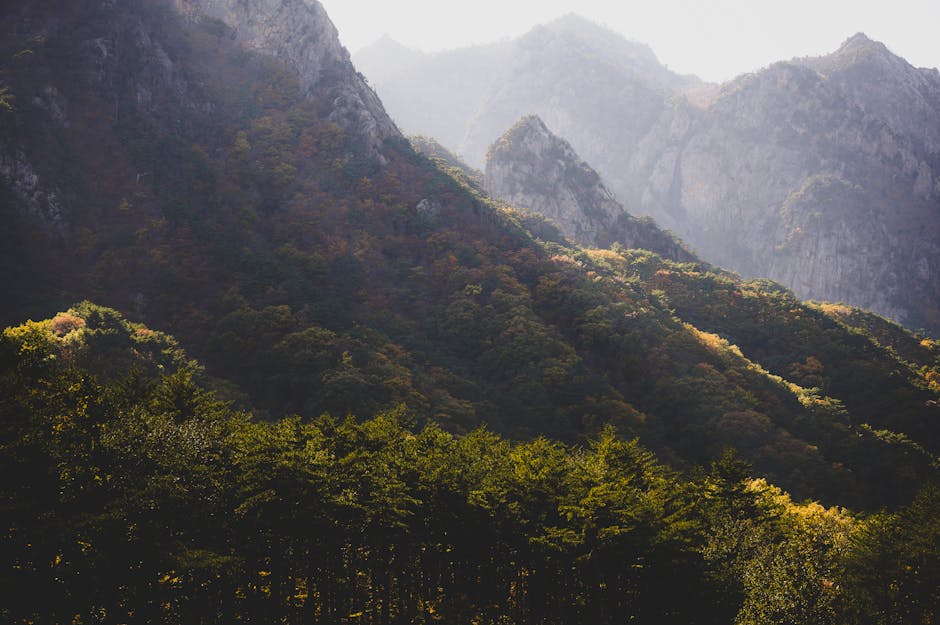
    misty Korean countryside small town river valley morning fog

    Why Small-Town Korea Is Having a Serious Moment Right Now

    Here’s something worth sitting with: according to the Korea Tourism Organization’s 2026 domestic travel index, visits to cities with populations under 150,000 increased by roughly 34% compared to 2022 figures. That’s not a blip — that’s a trend with legs. A few reasons are driving this:

    • Remote work normalization: With hybrid and fully remote work now standard for roughly 41% of Korean office workers, the ‘need to rush back Monday morning’ constraint has loosened considerably.
    • K-travel content boom: Short-form travel content creators have shifted focus from big cities to ‘discovery tourism,’ and their audiences are following suit.
    • Local government investment: Regional cities have poured money into renovating old hanok districts, upgrading trailheads, and creating genuinely good cafe and restaurant scenes — not just tourist traps.
    • Overcrowding fatigue: Bukchon Hanok Village queues, Jeju traffic on summer weekends — people are exhausted by crowds and actively seeking alternatives.

    The Hidden Gems Worth Planning a Trip Around

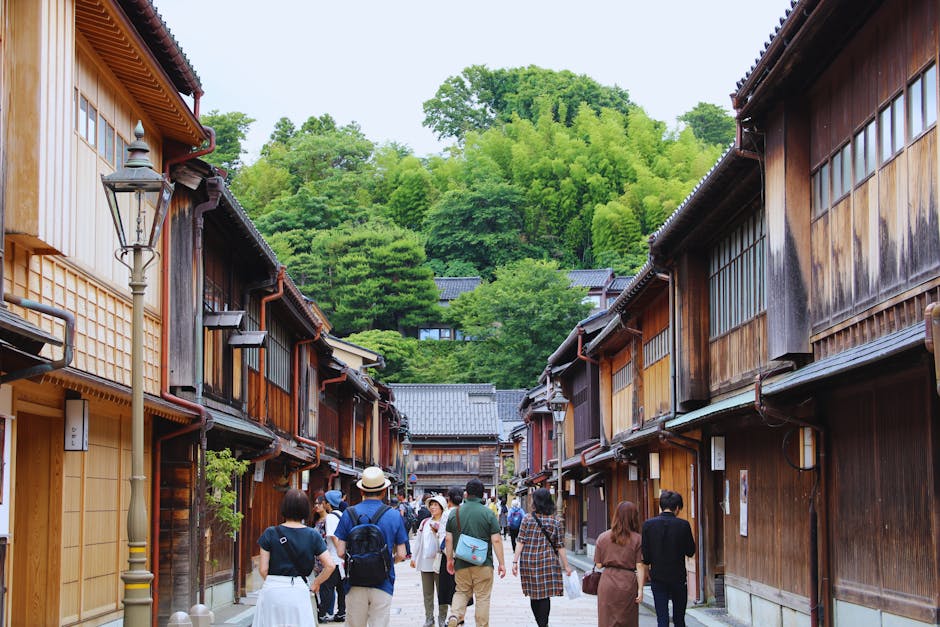
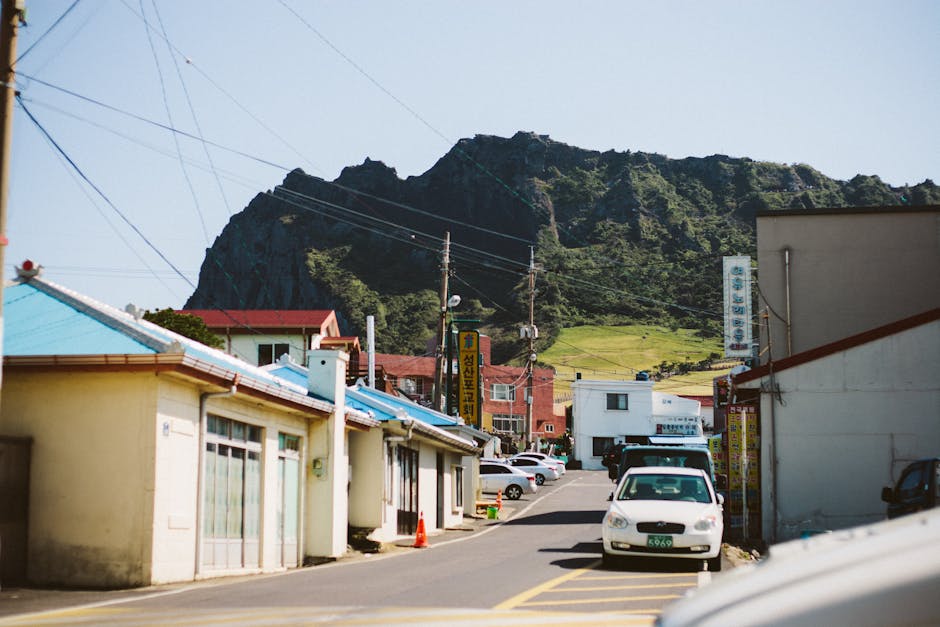
    Let me walk you through some spots that consistently surprise first-time visitors. These aren’t completely unknown — that would be irresponsible to promise — but they’re dramatically undervisited relative to their quality.

    Uiseong (의성), North Gyeongsang: Famous for its garlic (seriously, the best in Korea) and increasingly recognized for its slow travel scene. The Uiseong Ice Cave — a natural phenomenon where ice forms inside a rocky hillside even in summer — is one of those experiences that makes you feel like you’ve found a cheat code in a video game. Combine it with a visit to the Socheon Hanok Village and you’ve got a genuinely full, unhurried weekend.

    Gochang (고창), North Jeolla: This one operates on a different frequency than most Korean small towns. Gochang is home to a UNESCO World Heritage dolmen site — prehistoric burial monuments scattered across green fields like something from a fantasy novel — alongside Seonunsa Temple, one of the most serene Buddhist complexes in the country. Cherry blossoms here in early April rival anything you’ll see in Seoul, with about one-tenth of the crowd.

    Yeongwol (영월), Gangwon: Perched in a dramatic river bend, Yeongwol punches way above its weight. It has a surprisingly rich arts district (the Donggang International Photo Festival draws serious photographers), a tragic historical site connected to King Danjong, and some of the most photogenic rafting terrain in Korea. The town is compact enough to walk most of it, which is rare and lovely.

    Namhae (남해), South Gyeongsang: Technically an island but connected by bridge, Namhae has a reputation among Korean foodies as a kind of quiet paradise. The German Village — yes, a literal community founded by Koreans who returned from working in Germany in the 1960s and 70s — is charmingly bizarre and historically fascinating. The garlic bread sold at roadside stalls near the terraced rice paddies of Daraengi Village deserves its own travel article.

    Boryeong (보령), South Chungcheong: Most people know Boryeong only from its famous mud festival in summer. But the city in autumn and winter is a completely different, much more intimate experience. The Daecheon Beach promenade is peaceful, the fresh seafood is absurdly affordable, and the nearby Oeyeon Island ferry trip gives you views that feel like you’ve stumbled into a maritime watercolor.

    Gochang dolmen site UNESCO heritage Korea green fields stone monuments

    How to Actually Plan a Small-Town Korean Trip Without Frustration

    Here’s where I want to be genuinely honest with you, because small-town travel has real logistical friction that travel content creators often gloss over. Most of these destinations are not well-served by public transit from Seoul. Here’s a realistic breakdown:

    • If you don’t drive: Focus on Yeongwol (accessible by intercity bus from Seoul’s Dong Seoul Terminal in about 2.5 hours) or Boryeong (direct KTX connection from Seoul takes about 1 hour 40 minutes). Both have enough to do that you won’t feel stranded.
    • If you can rent a car: Gochang, Uiseong, and Namhae open up beautifully. The drives themselves — especially through rural Jeolla Province — are part of the experience.
    • Accommodation strategy: Skip the chains entirely. Local guesthouses and renovated hanok stays in these towns are often 40–60% cheaper than equivalent experiences in major cities and dramatically more atmospheric. Book at least 2–3 weeks ahead in 2026, because even ‘hidden’ spots now fill up on weekends.
    • Food planning: Research one or two specific local dishes before you go. Each of these regions has a signature — Gochang’s complex bokbunjaju (black raspberry wine), Namhae’s raw sea squirt bibimbap, Yeongwol’s memil (buckwheat) dishes. Having that culinary anchor makes the trip feel intentional rather than random.

    Learning from Global Slow Travel Trends

    Korea isn’t alone in this pivot. Japan’s ‘satoyama’ rural tourism movement has been building for over a decade, with villages like Shirakawa-go and Teshima Island drawing visitors specifically because they feel antithetical to Tokyo’s pace. Portugal’s interior towns — Monsaraz, Marvão — have seen visitor numbers grow 60% since 2022 as Lisbon overflow pushed curious travelers inland. The pattern is consistent globally: when major destinations hit a saturation point, quality-seeking travelers redistribute toward authenticity.

    Korea’s small towns are at exactly that inflection point right now in 2026. The infrastructure is getting good enough to be comfortable, but the crowds haven’t arrived in force yet. That window won’t stay open forever.

    Realistic Alternatives Based on Your Travel Style

    Not everyone has a full weekend to dedicate to a small-town trip, and that’s completely fine. Here are some calibrated options:

    • Day-tripper from Seoul: Yeongwol or Chuncheon (slightly larger but has hidden corners near Soyang Lake worth discovering). Depart early, return by evening.
    • First-time small-town traveler: Start with Boryeong — it has just enough amenities to feel safe while still feeling genuinely different from city travel.
    • Experienced domestic traveler looking for a challenge: Uiseong or the islands of South Jeolla (Sinan archipelago) where you’ll need to piece together ferry schedules and genuinely improvise.
    • Traveling with elderly family members: Gochang is unusually well-configured for multi-generational travel — flat walking paths near the dolmen sites, excellent local restaurants with traditional menus, and a calm pace that doesn’t demand physical endurance.

    The beautiful thing about small-town Korea in 2026 is that it rewards curiosity over planning. You don’t need a perfectly optimized itinerary. You need a direction and a willingness to be surprised by what’s around the corner of a road you didn’t expect to take.

    Editor’s Comment : The best trips I’ve ever taken in Korea weren’t the ones I planned the hardest — they were the ones where I gave a small town permission to show me what it actually was, rather than what I expected it to be. Pick one of these places, book a modest stay, and let yourself get a little lost. The fog over Uiseong or the prehistoric silence of Gochang’s fields will do the rest.

    태그: [‘Korea small town travel’, ‘hidden gems Korea 2026’, ‘domestic travel Korea’, ‘slow travel Korea’, ‘Korean countryside destinations’, ‘off the beaten path Korea’, ‘소도시 여행’]


    📚 관련된 다른 글도 읽어 보세요

  • 2026년 국내 소도시 여행 숨은 명소 베스트 — 아무도 안 가르쳐 주는 진짜 여행지

    지난 연휴, 지인이 충남 보령 어딘가의 작은 포구 사진을 인스타그램에 올렸어요. 배경은 허름한 방파제, 주인공은 빨간 등대 하나. 그런데 그 사진이 3만 개가 넘는 좋아요를 받았습니다. 댓글엔 “여기 어디예요?”가 넘쳐났고요. 제주도도, 부산도, 강릉도 아닌 곳에서 이런 반응이 나왔다는 게 참 흥미롭지 않나요? 오버투어리즘(Over-tourism, 관광객 과밀화)으로 몸살을 앓는 유명 관광지를 피해 ‘조용하지만 감도 높은 여행지’를 찾는 트렌드, 2026년에는 더욱 뚜렷해지고 있다고 봅니다. 오늘은 그 흐름 속에서 진짜 숨겨진 국내 소도시 명소들을 같이 살펴볼게요.


    📊 숫자로 보는 소도시 여행 트렌드

    한국관광공사가 2026년 초 발표한 ‘국내 여행 행태 변화 보고서’에 따르면, 국내 여행자 중 68.4%가 “앞으로 방문할 여행지로 인구 10만 명 이하의 소도시를 선호한다”고 응답했습니다. 2023년 같은 조사의 49.1%와 비교하면 불과 3년 만에 약 20%p 가까이 상승한 수치예요.

    또한 숙박 예약 플랫폼 여기어때의 2026년 1분기 데이터를 보면, 상위 10개 예약 급증 지역 중 충남 서천, 경북 영덕, 전남 곡성, 강원 정선 등 소도시가 7곳을 차지했습니다. MZ세대뿐 아니라 50~60대 시니어 여행자층에서도 소도시 선호도가 빠르게 올라오고 있다는 점이 눈에 띄어요.

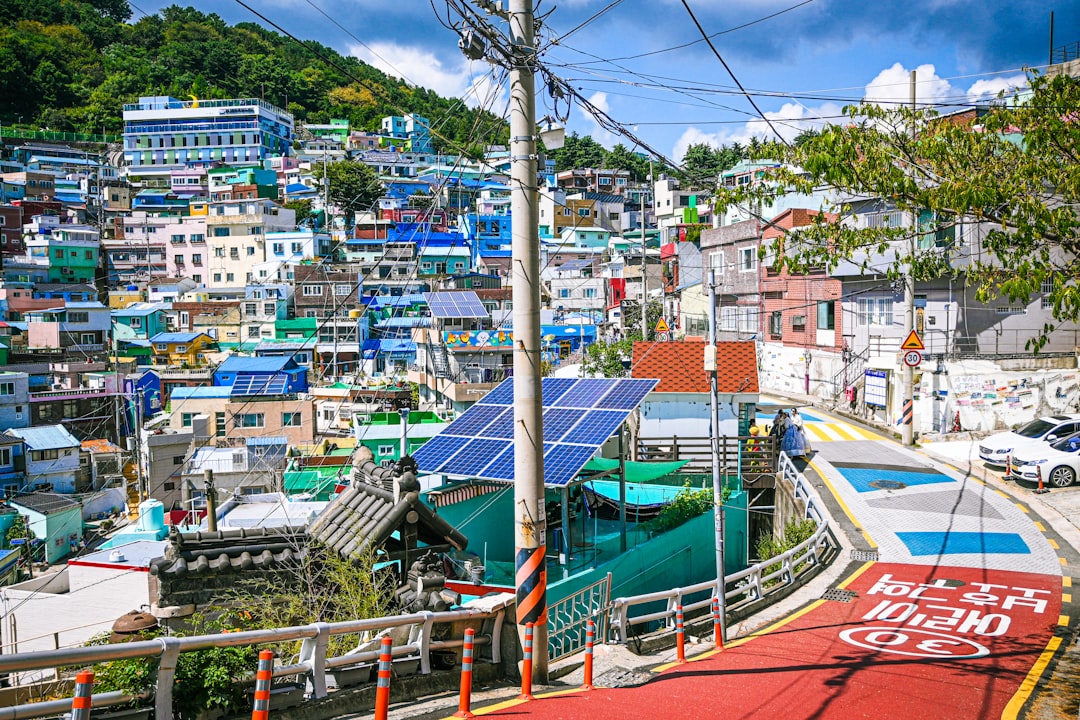
    Korean small town travel hidden gem countryside scenery

    🗺️ 국내외 사례로 본 소도시 여행의 가능성

    일본은 이미 소도시 여행의 성공 사례를 풍부하게 보유하고 있어요. 돗토리현의 사구(砂丘)나 시마네현 마츠에는 인구 20만 명 이하의 소도시임에도 불구하고, 지역 고유의 콘텐츠(자연, 역사, 음식)를 정밀하게 개발해 연간 수백만 명의 관광객을 유치합니다. 이를 ‘슬로 투어리즘(Slow Tourism)’이라 부르는데, 빠르게 훑고 지나가는 게 아니라 한 지역에 깊이 머물며 경험하는 방식이에요.

    국내에서도 이와 유사한 움직임이 보입니다. 전남 담양은 죽녹원이라는 콘텐츠 하나로 시작했지만, 지금은 메타세콰이아길 주변 카페 거리와 로컬 한식 레스토랑 씬이 자생적으로 형성되어 있어요. 경북 봉화는 철로바이크와 춘양목 편백 숲 트레킹을 묶어 ‘느린 여행 패키지’를 선보이며 2026년 방문객이 전년 대비 41% 증가했다는 보도도 나왔죠.

    🌟 2026년 추천 국내 소도시 숨은 명소 베스트

    • 충남 서천 — 장항스카이워크 & 유부도 철새도래지: 금강 하구의 끝자락에 위치한 서천은 국립생태원과 장항스카이워크로 서서히 이름을 알리고 있어요. 특히 유부도는 도요새 등 희귀 철새가 대규모로 찾는 곳으로, 생태 사진 여행자들 사이에서 ‘한국의 갈라파고스’라 불린다고 봅니다.
    • 경북 영덕 — 해파랑길 7코스 & 강구항 대게 골목: 영덕 하면 대게만 떠올리기 쉽지만, 동해를 따라 걷는 해파랑길 7코스 구간은 해안 절벽과 솔숲이 어우러져 트레킹 마니아들에게 최고 점수를 받고 있어요. 걷고 나서 강구항에서 먹는 대게 한 마리는 덤이고요.
    • 강원 정선 — 병방치 스카이워크 & 화암동굴: 정선 아리랑과 카지노만 알려진 정선이지만, 해발 583m의 병방치에서 바라보는 동강 뷰는 숨이 막힐 정도예요. 화암동굴은 근대 금광의 역사까지 품고 있어 아이들과 함께 가도 이야기가 풍부합니다.
    • 전남 곡성 — 섬진강 기차마을 & 장미공원: 봄이면 섬진강변의 장미 수만 송이가 터널을 이루고, 증기기관차가 그 사이를 달립니다. 도시에서는 절대 경험할 수 없는 감성이에요. 특히 5월 말~6월 초가 절정이라고 봅니다.
    • 충북 괴산 — 산막이 옛길 & 괴산 호수: ‘한국의 알프스’라는 별명이 부끄럽지 않은 곳이에요. 괴산댐이 만들어 낸 충주호 지류의 수면과 기암절벽이 어우러진 산막이 옛길은 4km 남짓이지만 밀도가 굉장히 높습니다. 주말에도 발 디딜 틈이 없는 다른 국립공원과 달리 상대적으로 여유롭게 걸을 수 있어요.
    • 경남 남해 — 독일마을 & 가천 다랭이마을: 남해는 이미 어느 정도 알려졌지만, 가천 다랭이마을은 여전히 소수만 아는 보석 같은 곳이에요. 108개의 계단식 논이 바다를 향해 펼쳐지는 풍경은 국내에서 이곳이 유일합니다.
    • 인천 강화 — 동막해변 & 고인돌 유적지: 수도권 접근성에도 불구하고 묘하게 여행지로서 저평가된 곳이에요. 강화 갯벌은 유네스코 세계자연유산으로 등재된 서해 갯벌의 일부이고, 청동기 시대 고인돌 유적은 세계문화유산이기도 합니다. 하루 코스로도, 1박 2일로도 충분한 밀도가 있어요.
    Gochang dolmen heritage Seomjingang train village Korea travel 2026

    💡 소도시 여행, 현실적으로 준비하려면

    소도시 여행의 가장 큰 장벽은 교통과 숙박 인프라라고 봅니다. 대중교통이 끊기거나 배차 간격이 길어서 렌터카 없이는 움직이기 어려운 곳이 많아요. 몇 가지 현실적인 팁을 드릴게요.

    • 렌터카 or 카셰어링: 소도시 여행은 사실상 렌터카가 거의 필수예요. 2026년 기준으로 쏘카, 그린카 같은 카셰어링 서비스가 지방 소도시 거점(기차역, 버스터미널)까지 확장되어 있으니 활용해 보세요.
    • 한국관광공사 ‘고요한 여행지 지도’ 활용: 2025년 하반기부터 운영 중인 이 서비스는 오버투어리즘 지역을 피하고 비교적 덜 알려진 명소를 지도 형태로 큐레이션해 줍니다.
    • 로컬 소규모 게스트하우스 우선 탐색: 소도시의 경우 대형 숙박 플랫폼보다 지역 블로그나 SNS 검색이 더 정확한 숙소 정보를 줄 때가 많아요. ‘#지역명+숙소’ 해시태그로 검색해 보세요.
    • 비수기 평일 방문: 소도시는 주말에도 붐비지 않지만, 일부 핫플레이스화된 곳(담양 메타세콰이아길, 남해 독일마을 등)은 주말에 주차 전쟁이 펼쳐지기도 해요. 가능하면 평일 방문을 추천합니다.

    에디터 코멘트 : 결국 여행의 만족도는 ‘얼마나 유명한 곳을 다녀왔느냐’보다 ‘얼마나 그 공간에 온전히 있었느냐’에서 온다고 봐요. 소도시 여행은 그 ‘온전히 있음’을 훨씬 쉽게 허락해 줍니다. 유명 관광지의 긴 웨이팅 줄과 북적거림에 지쳤다면, 올해는 지도에서 인구 수 작은 도시 하나를 골라 무작정 떠나 보는 건 어떨까요? 분명 생각지도 못한 풍경 하나가 오래도록 기억에 남을 거라고 봅니다.

    태그: [‘국내소도시여행’, ‘숨은명소’, ‘2026여행추천’, ‘소도시여행지’, ‘국내여행베스트’, ‘슬로투어리즘’, ‘여행코스추천’]


    📚 관련된 다른 글도 읽어 보세요

  • Best Kids-Friendly Hotels for Family Travel in 2026: What Actually Makes a Hotel Great for Families?

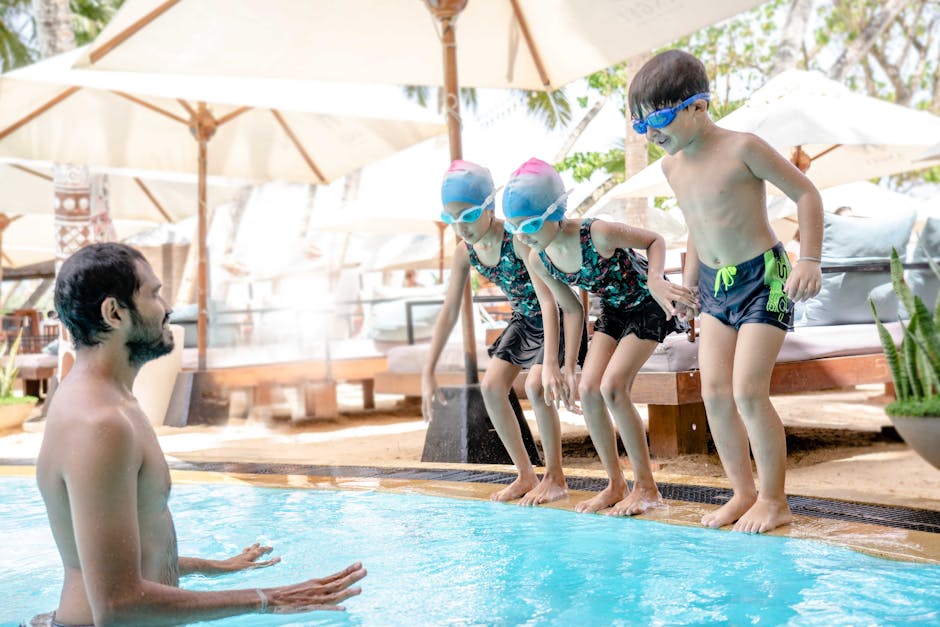
    Last summer, a close friend of mine booked what she thought was a “family-friendly” resort for her trip with two kids under seven. The brochure was gorgeous. The reality? A stunning adults-only pool, zero childproofing in the rooms, and a breakfast buffet that started at 8:30 AM — well past the point where her toddler had already melted down twice. Sound familiar? Picking the right kids-friendly hotel isn’t just about pretty pictures on a booking site. It takes a little strategy, and that’s exactly what we’re going to think through together today.

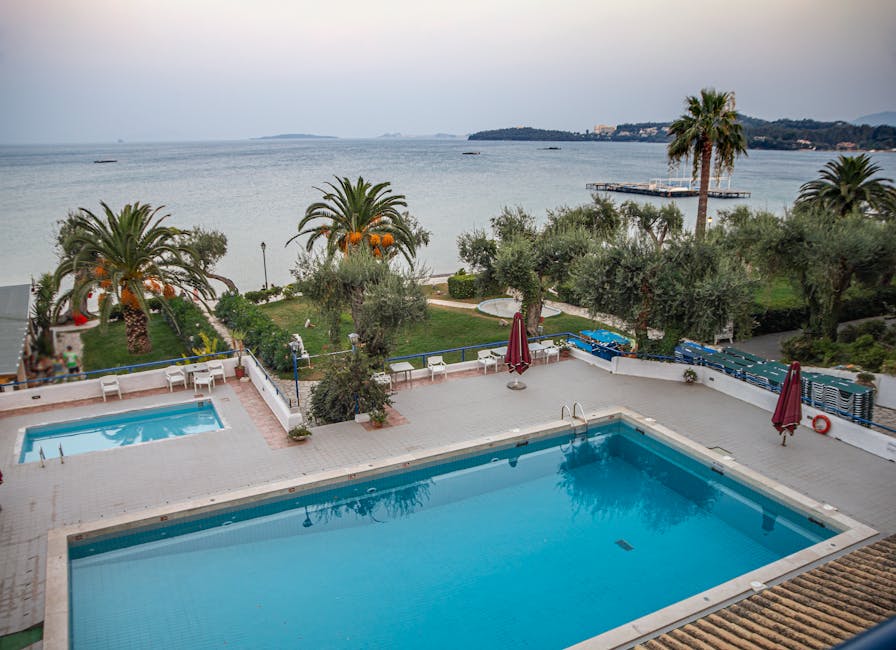
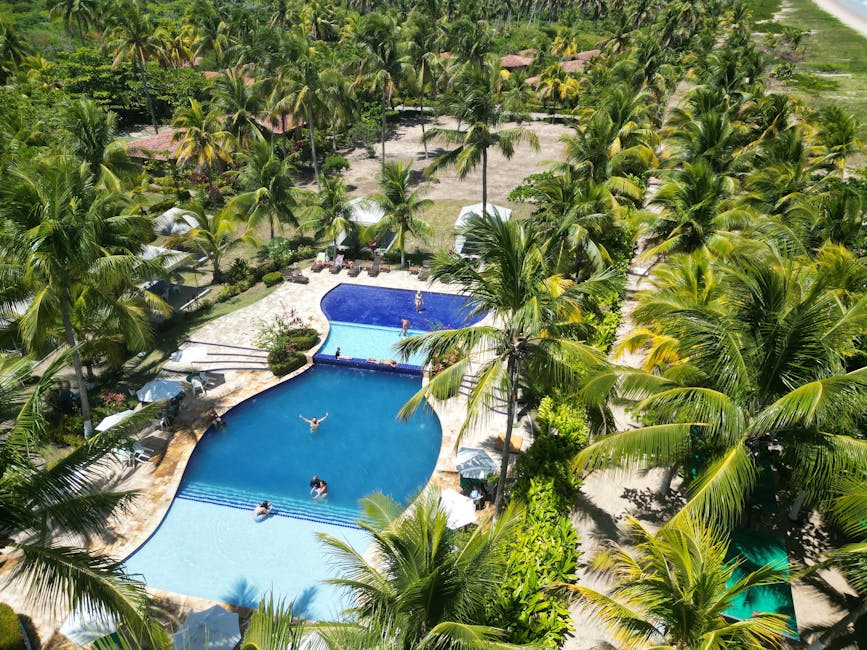
    family hotel pool kids splash pad resort 2026

    What Does “Kids-Friendly” Actually Mean in 2026?

    The term kids-friendly hotel (키즈 프렌들리 호텔) gets thrown around a lot, but it’s genuinely worth unpacking. In the hospitality industry, a truly family-optimized property goes far beyond putting a rollaway crib in the corner. According to a 2026 global travel survey by Skift Research, families with children under 12 now rank the following as their top five hotel priorities:

    • Dedicated kids’ activity zones or supervised kids clubs — Not just a dusty toy box, but structured programming that gives parents an actual break.
    • Flexible dining hours and child menus — Buffets with early access (think 6:30–7:00 AM) and allergy-aware options are increasingly non-negotiable.
    • In-room safety features — Socket covers, bathtub mats, non-slip flooring, and furniture with rounded edges matter more than most parents realize until something goes wrong.
    • Family suite or interconnecting room options — A single standard double room is a recipe for disaster with a crawling baby and a light-sleeping six-year-old.
    • Proximity to age-appropriate attractions — The best hotel in the world loses points if you need a 90-minute taxi ride to reach anything a child would enjoy.

    Understanding these benchmarks helps you filter through marketing fluff and focus on what genuinely serves your family’s rhythm.

    Breaking Down the Data: Where Families Are Traveling in 2026

    Family travel has rebounded strongly post-pandemic, and the patterns in 2026 are fascinating. Southeast Asia — particularly Bali, Thailand (Phuket and Chiang Mai), and Japan (Osaka and Kyoto) — continues to dominate as the top international family destination bracket for Korean and East Asian travelers. Domestically within South Korea, Jeju Island, Gangwon-do resort areas, and the southern coastal belt remain perennial favorites for weekend or short-stay family trips.

    What’s changed most dramatically is the rise of the “bleisure family” traveler — parents who combine remote work with a family trip, meaning hotels now need co-working lounges AND splash pads under the same roof. Properties that have adapted to this hybrid model are genuinely outperforming traditional resorts in occupancy rates this year.

    Real-World Examples: Hotels That Get It Right

    Let’s look at some concrete examples — both internationally and domestically — that consistently earn high marks from traveling families in 2026.

    🌍 International Pick: Club Med Bali (Nusa Dua, Indonesia)
    Club Med has long mastered the all-inclusive family formula, but their Bali property stands out for its Baby Club Med (ages 4 months–23 months) and Petit Club Med (2–3 years), which offer certified childcare from trained professionals. Parents can genuinely relax. The resort runs structured activity programs from morning to evening, meaning kids are engaged while adults finally exhale. The interconnecting room layout is smartly designed, and the dining hall opens early enough for the notorious toddler breakfast window.

    🌍 International Pick: Beaches Turks & Caicos (Caribbean)
    If budget allows, this is widely considered the gold standard for luxury kids-friendly resorts. The Sesame Street characters, waterpark with dedicated kids zones, and complimentary scuba certification for teens make it genuinely multi-generational. It’s expensive — but it’s one of those places where the “value” calculation flips when you factor in how much entertainment and childcare is bundled in.

    🇰🇷 Domestic Pick: Shinhwa World Marriott Resort (Jeju Island, South Korea)
    For families traveling domestically in Korea, Jeju’s Shinhwa World Marriott is a powerhouse. The on-site theme park, dedicated family pool, and rooms that can accommodate up to 5–6 guests comfortably make it a top choice. The breakfast setup is early and extensive, and the hotel’s positioning within the Shinhwa World complex means kids have consistent entertainment access without leaving the property.

    🇰🇷 Domestic Pick: Lotte Resort Sokcho (Gangwon-do)
    A slightly more affordable option, this property pairs well with visits to Seoraksan National Park. The resort features a waterpark, family cabana options, and beach access — a solid value play for families who want nature plus comfort without the Jeju flight cost.

    family resort kids club breakfast buffet interconnecting rooms travel

    Smart Booking Tips Most Parents Overlook

    Before you hit “confirm” on any reservation, here are a few filtering moves that can save you real headaches:

    • Search for “family room” not just “double room” — On booking platforms like Booking.com or Agoda, filter specifically for family room categories. These are structurally different from standard rooms.
    • Check the pool depth charts — Many hotels note shallow pool areas for young children in their amenity details. If you can’t find this information, call and ask directly. A 1.5m-deep single pool is useless for a four-year-old.
    • Read reviews filtered by “family” or “traveled with kids” — Most major platforms now allow review filtering by travel type. This gives you ground-level feedback from parents, not honeymooners.
    • Ask about the kids club age minimum — Some clubs start at age 4, others at 6. If your child is 3, that “kids club” benefit evaporates.
    • Verify crib and extra bed policies before booking — “Free crib upon request” often hides a “subject to availability” clause. Confirm in writing.

    Realistic Alternatives for Different Budgets

    Not every family trip needs a five-star resort, and honestly, some of the most memorable family stays happen outside the traditional hotel model entirely. Here’s how I’d think about it by budget tier:

    • Budget-conscious: Look into pension-style guesthouses (펜션) in Korea or equivalent in international destinations. Many now offer dedicated family rooms with kitchenettes, which actually gives you more practical control over meal timing and cost than a hotel dining room.
    • Mid-range: Apartment-style hotels or serviced residences (think Oakwood or Somerset properties) often deliver better family value than comparable-priced hotel rooms. You get laundry facilities, a full kitchen, and living space separation — all critically underrated with young children.
    • Splurge tier: If you’re going to spend big, spend on the all-inclusive resort model where your entertainment, dining, and childcare costs are baked into the rate. Calculating the true per-day cost of a premium all-inclusive often surprises people — it’s far more competitive than it looks upfront.

    The underlying logic here is simple: match the property type to your family’s actual daily rhythm, not to the Instagram aesthetic. A beautiful minimalist boutique hotel with no kids facilities will feel like a hostage situation by day two.

    Editor’s Comment : The best kids-friendly hotel for your family is the one that solves your specific friction points — whether that’s keeping a toddler entertained at 6 AM, giving teenagers something engaging to do, or simply giving you as a parent one uninterrupted cup of coffee. Use the criteria above as your personal checklist rather than chasing brand names or star ratings. Travel in 2026 has more genuinely family-thoughtful options than ever before — you just need to know what questions to ask.

    태그: [‘kids friendly hotel’, ‘family travel 2026’, ‘family vacation accommodation’, ‘best hotels for families’, ‘travel with kids’, ‘Jeju family resort’, ‘kids friendly resort recommendations’]


    📚 관련된 다른 글도 읽어 보세요

  • 2026년 가족 여행 숙소 추천 | 아이와 함께라면 무조건 키즈 프렌들리 호텔이어야 하는 이유

    2026년 가족 여행 숙소 추천 | 아이와 함께라면 무조건 키즈 프렌들리 호텔이어야 하는 이유

    지난 봄, 지인 한 분이 제주도 여행에서 겪은 이야기를 들려줬어요. 아이 둘을 데리고 어렵게 예약한 고급 리조트였는데, 막상 도착해 보니 수영장은 성인 전용이고, 식당 메뉴는 죄다 서양식 코스 요리, 심지어 유아용 욕조 하나 없었다고 하더라고요. 결국 부모도 아이도 지쳐서 여행 내내 “그냥 집에 있을걸”을 반복했다는 거예요. 이 이야기가 남 얘기 같지 않은 분들이 꽤 많을 거라 봅니다.

    가족 여행의 성패는 사실 관광지보다 숙소 선택에서 70% 이상 결정된다고 해도 과언이 아닌 것 같아요. 특히 만 12세 이하 아이를 동반한 여행이라면, ‘키즈 프렌들리 호텔’이라는 키워드를 중심으로 숙소를 선별하는 게 훨씬 현명한 접근이라고 봅니다. 오늘은 그 이유와 실질적인 선택 기준, 그리고 2026년 기준으로 주목받는 국내외 숙소들을 함께 살펴볼게요.

    kids friendly hotel family travel pool children playing

    📊 본론 1. 숫자로 보는 키즈 프렌들리 호텔의 실질적 가치

    ① 가족 여행객의 숙소 불만족률, 생각보다 훨씬 높아요

    2026년 한국관광공사가 발표한 국내 가족 여행 실태 조사에 따르면, 만 10세 이하 자녀를 동반한 여행객 중 숙소에 불만족했다고 응답한 비율이 무려 42.3%에 달했어요. 불만족 이유 1위는 ‘아이 편의시설 부족(34%)’, 2위는 ‘방음 및 이웃 눈치(21%)’, 3위는 ‘유아 침구·욕실 용품 미비(18%)’였습니다. 반면, 키즈 프렌들리 인증 숙소를 이용한 여행객의 재방문 의사는 78%로 일반 숙소(51%) 대비 약 27%p 높게 나타났어요.

    ② 키즈 프렌들리 호텔의 가격 프리미엄, 실제로 이득일까요?

    키즈 프렌들리 호텔은 동급 일반 호텔 대비 평균 15~25% 높은 객실 요금을 형성하고 있어요. 그런데 이걸 단순 비교하면 안 된다고 봐요. 대부분의 키즈 프렌들리 호텔은 아동 어메니티 키트, 어린이 전용 풀, 유아식 제공, 베이비시터 서비스 등이 기본 포함되어 있거든요. 이걸 개별로 구매하면 하루 기준 최소 5만~12만 원 추가 비용이 발생하는 경우가 많아서, 실질적으로는 오히려 가성비가 좋은 선택일 수 있습니다.

    ③ 2026년 국내 키즈 프렌들리 호텔 시장 규모

    국내 호텔·리조트 업계에서 키즈 프렌들리 패키지를 운영하는 곳은 2026년 기준 전국 약 380여 곳으로 집계되고 있어요. 2022년(약 190곳) 대비 두 배 가까이 증가한 수치입니다. 저출생 시대임에도 불구하고 ‘아이 한 명에 투자를 아끼지 않는’ 트렌드가 숙박 시장에도 그대로 반영된 결과라고 볼 수 있어요.


    🌏 본론 2. 국내외 주목할 만한 키즈 프렌들리 숙소 사례

    국내 사례 — 제주·경기권 중심으로 활발하게 성장 중

    제주도의 경우, 신화월드 랜딩 리조트는 오랫동안 가족 여행의 성지로 꼽혀 왔는데요, 2026년에는 키즈 전용 워터파크 시설을 대규모로 리뉴얼하면서 재방문객이 눈에 띄게 늘었다는 얘기가 있어요. 특히 만 5세 미만 영아를 위한 ‘베이비 존’을 별도로 운영한다는 점에서 영아 동반 가족에게도 현실적인 선택지가 된다고 봅니다.

    경기권에서는 가평, 양평 일대의 글램핑형 리조트들이 ‘키즈 프렌들리’ 콘셉트를 적극 도입하고 있어요. 단순히 아이 놀이터 하나 설치하는 수준을 넘어서, 자연 체험 프로그램, 어린이 쿠킹 클래스, 동물 먹이주기 체험까지 패키지화한 곳들이 눈에 띄게 늘었습니다.

    해외 사례 — 일본과 발리의 접근법은 조금 달라요

    일본 오키나와의 ANA 인터컨티넨탈 만자 비치 리조트는 오래전부터 키즈 클럽 운영으로 유명한데, 2026년 현재도 아시아권 가족 여행객 사이에서 높은 평점을 유지하고 있어요. 일본 특유의 세심한 서비스 문화가 아이 동반 여행에 특히 잘 맞는다는 평이 많습니다.

    발리의 경우는 조금 다른 방식이에요. 포시즌스 발리 사얀 같은 럭셔리 리조트들은 ‘어린이 전용 공간’을 따로 두기보다, 가족 전체가 함께 누릴 수 있는 공간 설계 자체를 우선시하는 철학을 갖고 있어요. 자연 속에서 아이와 부모가 동등하게 경험을 공유한다는 콘셉트라고 볼 수 있죠.

    resort family room kids amenities children indoor play area

    ✅ 키즈 프렌들리 호텔 선택 시 반드시 확인해야 할 체크리스트

    막상 예약하려고 하면 어디서부터 봐야 할지 막막하잖아요. 아래 항목을 기준으로 비교해 보시면 훨씬 수월하게 선택할 수 있을 거예요.

    • 수영장 구성 확인 — 어린이 전용 풀 또는 수심 0.5m 이하 구역이 있는지 체크. 성인 전용 구역만 있는 호텔은 제외.
    • 유아 침구 및 욕실 용품 제공 여부 — 유아용 욕조, 아기 욕조 의자, 어메니티 무상 제공 여부 확인.
    • 레스토랑 어린이 메뉴 유무 — 키즈 메뉴 또는 이유식·유아식 제공 여부. 없다면 주변 식당 접근성도 함께 고려.
    • 방음 설계 수준 — 아이가 뛰거나 울어도 민원이 걱정되지 않는 구조인지. 빌라형이나 독채형이 유리.
    • 키즈 클럽 또는 놀이방 운영 여부 — 부모의 잠깐의 여유를 위해서도 꼭 필요한 시설.
    • 비상 의료 대응 체계 — 인근 소아과 위치 및 호텔 자체 응급처치 키트 보유 여부.
    • 체크인 전·체크아웃 후 짐 보관 및 유모차 대여 서비스 — 이동이 많은 가족 여행에서 생각보다 크게 체감되는 편의요소.

    💡 결론 — 완벽한 숙소는 없어요, 하지만 ‘우리 가족에게 맞는 숙소’는 있어요

    솔직히 말씀드리면, 세상에 모든 조건을 충족하는 완벽한 키즈 프렌들리 호텔은 존재하지 않는다고 봐요. 아이의 연령, 인원 구성, 여행 목적에 따라 우선순위가 달라지거든요. 영아를 동반한 가족이라면 수유실과 유아 침구가 최우선이고, 초등학생 아이가 있다면 야외 액티비티와 키즈 클럽이 더 중요할 수 있죠.

    그래서 현실적인 접근법을 하나 제안드리자면, 무조건 ‘키즈 프렌들리 호텔’이라는 마케팅 문구만 믿지 마시고, 실제 이용 후기에서 자녀 연령대가 비슷한 가족의 리뷰를 집중적으로 찾아보시는 게 가장 효과적이에요. 네이버 블로그, 트립어드바이저, 구글 리뷰에서 “36개월”, “7살”, “초등학생” 같은 키워드로 필터링하는 방법을 추천드려요.

    예산이 빠듯하다면, 풀옵션 키즈 리조트 대신 주방이 딸린 패밀리룸 숙소(에어비앤비 패밀리 컬렉션, 독채 펜션 등)도 훌륭한 대안이 될 수 있어요. 식비를 줄이고 아이 페이스에 맞게 일정을 조율할 수 있다는 점에서 오히려 더 만족도가 높은 경우도 많거든요.

    에디터 코멘트 : 가족 여행은 목적지가 아니라 함께하는 시간 자체가 목적인 여행이라고 생각해요. 아이가 안전하고 편안하게 쉴 수 있는 공간이 확보된다면, 부모도 비로소 진짜 여행을 할 수 있게 되더라고요. 숙소 선택에 조금 더 시간과 공을 들이는 것, 절대 낭비가 아니라 여행 전체의 퀄리티를 올리는 가장 확실한 투자라고 봅니다. 이번 가족 여행, 부디 모두가 웃으며 돌아오시길 바랍니다. 🧡

    태그: [‘키즈프렌들리호텔’, ‘가족여행숙소추천’, ‘아이와함께여행’, ‘키즈리조트’, ‘2026가족여행’, ‘어린이동반호텔’, ‘패밀리호텔추천’]


    📚 관련된 다른 글도 읽어 보세요

  • Family Travel on a Budget: Real Tips, Honest Reviews & Smart Strategies That Actually Work in 2026

    Last summer, my sister’s family of four — two adults and two kids under ten — pulled off a two-week vacation across three countries for under $3,500 total. When she told me, I nearly choked on my coffee. Not because it sounded impossible, but because I’d just watched a travel influencer casually drop $800 on a single hotel night and call it a “budget trip.” There’s clearly a disconnect between what the internet calls “budget travel” and what real families actually need. So let’s bridge that gap together, shall we?

    In 2026, family travel costs have crept up again — fuel surcharges, post-pandemic tourism taxes in popular destinations, and inflation have all taken their bites. But here’s the thing: the gap between savvy planners and spontaneous spenders has never been wider. That means the opportunities for smart families are actually bigger than ever.

    family travel budget planning vacation tips 2026

    📊 The Real Numbers: What Families Are Actually Spending in 2026

    According to travel industry data compiled in early 2026, the average American family of four spends approximately $5,200–$7,800 on a one-week domestic vacation when booking without a strategy. International trips? That number jumps to $9,000–$14,000. But families who actively apply budget strategies report spending 30–50% less — and often report higher satisfaction scores because they stress less about every expense.

    Here’s a quick breakdown of where the money typically goes:

    • Accommodation: 35–40% of total budget (the biggest leak)
    • Transportation (flights/car): 25–30%
    • Food & dining: 15–20%
    • Activities & attractions: 10–15%
    • Miscellaneous (insurance, souvenirs, emergencies): 5–10%

    Knowing this breakdown is half the battle. Most families overspend on accommodation and dining because those are the decisions made under pressure — when you’re tired, hungry, or just arrived at a new city. Planning ahead disrupts that cycle entirely.

    🏡 Accommodation: Where Budget Travelers Win Big

    Hotels are almost never the smartest choice for families. Let me explain why with some logic: a standard hotel room legally accommodates 2–4 people, but the “quad occupancy” rate is usually just the double rate plus a small surcharge. You’re paying for space you’re barely using, with no kitchen, no living room, and mandatory dining out for every meal.

    In 2026, the short-term rental market has matured dramatically. Platforms like Vrbo, Airbnb, and regional alternatives in Asia and Europe now offer far better transparency on fees and quality. A 2-bedroom apartment with a kitchen in Lisbon, Portugal, for example, can run €85–€120/night compared to a family-friendly hotel at €200–€280/night. That’s a savings of €800–€1,120 over a week — enough to fund most of your activities budget.

    Pro-tip: Search for properties that offer weekly discounts (usually 15–25% off nightly rates). Most hosts prefer longer stays and price accordingly.

    ✈️ Transportation: Timing Is Everything (And So Is Flexibility)

    Flight prices in 2026 are highly algorithmic. Airlines use dynamic pricing that adjusts based on search history, booking timing, and even the device you’re using. Here’s what actually works based on real family traveler reports this year:

    • Book 6–10 weeks out for domestic flights — the sweet spot has shifted slightly later in 2026 compared to pre-pandemic norms
    • Use incognito/private browsing when searching — airlines do track repeated searches and adjust prices accordingly
    • Consider flying into secondary airports — flying into Fort Lauderdale instead of Miami, or Girona instead of Barcelona, can save $150–$300 per person
    • Leverage credit card travel portals — Chase Sapphire, Amex Platinum, and Capital One Venture all have enhanced family-booking features in 2026 with points transfer bonuses
    • Road trips aren’t “settling” — for families within 400–600 miles of their destination, driving often costs 60–70% less than flying once you factor in baggage fees and airport transfers

    🌍 Real Examples: Families Who Did It Right

    Example 1 — The Kim Family (Seoul to Southeast Asia, 2026): A family of four from Seoul planned a 10-day trip through Vietnam and Cambodia using a combination of budget airline Vietjet for inter-country hops, guesthouses with private family rooms ($25–$40/night), and street food budgets of roughly $15/day for the whole family. Total trip cost: approximately 3.8 million KRW (~$2,800 USD). Their biggest savings hack? Visiting shoulder season (late February) when crowds were thin and prices were 20–30% lower than peak season.

    Example 2 — The Martínez Family (Madrid, domestic Spain travel, 2026): Rather than heading to overcrowded Barcelona or Ibiza, this family of five explored Extremadura and the Alentejo border region — areas largely overlooked by international tourists. They used Spain’s Renfe rail passes (family discount of 40% for children under 14), stayed in rural casas rurales (farmhouse rentals), and found that their €1,800 budget for 8 days actually felt luxurious because the local economy is priced for locals, not tourists.

    Example 3 — The Johnson Family (Texas, USA domestic road trip, 2026): With gas prices stabilizing around $3.20/gallon in Texas this year, the Johnsons drove from Austin to Colorado’s national parks. They packed a cooler and prepared 70% of their meals at campgrounds and Airbnb kitchens. Their one splurge: a single night at a mountain resort for the kids’ experience. Total cost for 12 days: $2,100 for a family of four, including all fuel, food, accommodation, and park entry fees.

    family road trip cooking campsite national park budget

    🍽️ Food: The Category Where Most Families Accidentally Overspend

    Dining out three meals a day for a family of four is a silent budget killer. In most mid-range destinations, that habit alone can cost $150–$250/day. Here’s how to think about it strategically rather than restrictively:

    • Breakfast in-accommodation: Buy local groceries for breakfasts — this alone saves $40–$60/day for a family
    • Lunch like a local: Midday meals at local spots are almost always cheaper and often the best food you’ll find. In France, a formule déjeuner (lunch set) is 30–40% cheaper than dinner
    • One nice dinner every 2–3 days: Make the splurge meaningful rather than habitual. Your kids will remember the special dinner, not the routine ones
    • Grocery + picnic culture: Markets, parks, and scenic spots make picnics a genuine experience, not a compromise

    🎡 Activities: Free Isn’t Boring — It’s Smart

    Here’s something that real family travel veterans know well: children under 10 often enjoy free and low-cost activities more than expensive ticketed ones. Beach days, hiking trails, city playgrounds, free museum days, local festivals — these create more genuine memories than a theme park that empties your wallet and exhausts everyone by 2pm.

    In 2026, most major cities have expanded their free cultural offerings. For example, London’s museum district remains almost entirely free (Natural History Museum, Science Museum, V&A). Washington D.C.’s Smithsonian complex is free. Many national parks in the US offer free entry on designated days (check the NPS fee-free days calendar). In South Korea, children under 18 now receive free or heavily discounted entry at all national museum facilities as of 2025 policy updates still in effect this year.

    🧠 The Mindset Shift That Changes Everything

    Budget travel with kids isn’t about suffering through a lesser vacation — it’s about making intentional choices so you’re spending on what your family actually values. Some families value adventurous food experiences; others value comfortable sleep above all. Know your family’s non-negotiables, protect those in your budget, and cut aggressively everywhere else.

    Think of it this way: every $200 you save on accommodation is a day’s worth of incredible local experiences. Would you rather sleep in a fancy lobby or kayak through a sea cave with your kids? For most families, the answer is obvious — they just didn’t realize that choice was available to them.

    🛠️ Quick Action Checklist for Your Next Family Trip

    • ✅ Set your total budget before choosing a destination (not after)
    • ✅ Use Google Flights’ calendar view to find the cheapest travel dates
    • ✅ Book accommodation with a kitchen for stays longer than 3 nights
    • ✅ Research free and discounted attraction days at your destination
    • ✅ Pack snacks, a small cooler, and reusable water bottles
    • ✅ Consider travel insurance — it can actually save you thousands if plans change
    • ✅ Join destination-specific Facebook groups or Reddit communities for real local tips

    There’s genuinely no better time to travel smart than right now. The tools, the communities, and the information available to families in 2026 are extraordinary — it’s just about knowing where to look and having the patience to plan ahead.


    Editor’s Comment : What I love most about real family travel stories is how they quietly demolish the myth that meaningful trips require enormous budgets. The Kims eating pho on plastic stools in Hanoi, the Johnsons waking up to mountain mist at their campsite, the Martínez kids discovering a medieval castle in a town with no tourist map — none of those moments cost much. Budget travel, done thoughtfully, doesn’t shrink your experience. It actually forces you to get closer to the places and people you’re visiting. And honestly? Those are always the stories families tell for decades.

    태그: [‘family travel budget 2026’, ‘budget family vacation tips’, ‘how to save money traveling with kids’, ‘family trip planning guide’, ‘affordable family vacation ideas’, ‘travel hacks for families’, ‘real family travel reviews’]


    📚 관련된 다른 글도 읽어 보세요

  • 가족 여행 예산 절약 꿀팁 총정리 2026 | 실제 후기로 검증된 방법만 모았어요

    지난 여름, 초등학생 두 아이를 둔 지인 가족이 제주도 여행을 다녀왔습니다. 4박 5일 일정으로 처음엔 100만 원 예산을 잡았는데, 막상 카드 청구서를 받아보니 230만 원이 넘었다고 하더라고요. 숙박, 렌터카, 식비, 입장료… 하나하나는 별거 아닌 것 같아도 쌓이면 무섭습니다. 그 이야기를 듣고 나서 ‘가족 여행 예산, 어떻게 하면 합리적으로 쓸 수 있을까?’라는 고민을 본격적으로 해보게 됐어요. 오늘은 실제로 효과가 검증된 절약 방법들을 함께 살펴보려 합니다.

    family travel budget planning checklist

    📊 가족 여행 비용, 실제로 어디서 새는 걸까요?

    한국관광공사의 2026년 상반기 국내 여행 소비 패턴 분석에 따르면, 4인 가족 기준 국내 여행 1회 평균 지출은 약 178만 원으로 집계됩니다. 이를 항목별로 분해해 보면 대략 이런 구조라고 봅니다:

    • 숙박비: 전체의 약 35~40% (62~71만 원) — 성수기엔 리조트 1박이 20만 원을 훌쩍 넘기도 해요.
    • 교통비(렌터카·유류비 포함): 약 20~25% (35~44만 원)
    • 식비: 약 25~30% (44~53만 원) — 외식 한 끼에 5~6만 원은 기본이니까요.
    • 입장료 및 체험비: 약 10~15% (17~26만 원)
    • 기념품 및 기타: 약 5~10% (8~17만 원)

    눈여겨볼 점은 숙박식비를 합치면 전체의 60% 이상을 차지한다는 것입니다. 즉, 이 두 항목을 얼마나 현명하게 조절하느냐가 예산 절약의 핵심 변수라고 할 수 있어요.

    🌍 국내외 절약 여행 사례에서 배울 수 있는 것들

    일본의 경우 ‘가성비 가족 여행’이 하나의 문화로 자리 잡혀 있습니다. 오사카 인근의 한 가족 여행 커뮤니티에서는 ‘슈퍼호텔’이나 ‘토요코 인’ 같은 비즈니스 호텔 체인을 패밀리룸으로 예약하고, 편의점 식사와 현지 마트를 적극 활용하는 방식으로 4인 가족 기준 1인당 하루 3만 원 이내 여행을 실현하는 사례가 다수 공유되고 있어요. 관건은 ‘숙소에서의 편안함’보다 ‘밖에서의 경험’에 투자를 집중하는 마인드 전환이라고 봅니다.

    국내에서는 2026년 들어 ‘글램핑·캠핑 + 근교 명소’ 조합이 특히 주목받고 있어요. 경기도 가평이나 충남 태안 일대의 프리미엄 글램핑 시설은 평일 기준 15~20만 원대에 4인 숙박이 가능한 데다, 야외 바비큐까지 포함된 경우가 많아 식비까지 해결되는 구조입니다. 실제로 한 가족 여행 블로거는 이 방식으로 기존 대비 숙박+식비를 40% 이상 절감했다고 후기를 남기기도 했어요.

    family glamping outdoor barbecue kids enjoying nature

    ✅ 실제로 효과 있었던 예산 절약 꿀팁 8가지

    • 비수기·평일 여행 적극 활용: 성수기 대비 숙박비가 30~50% 저렴합니다. 아이 방학 시즌을 피해 학기 중 짧은 연휴를 노리는 것도 방법이에요.
    • 숙소 예약은 최소 6~8주 전에: 얼리버드 할인이 최대 20~30%까지 적용되는 경우가 많고, 원하는 타입의 객실을 선택할 여유도 생깁니다.
    • 지역사랑상품권(지역화폐) 활용: 2026년 현재 대부분의 광역·기초지자체에서 10% 환급 혜택을 유지하고 있어요. 숙박비나 식비 결제에 쓰면 꽤 유효합니다.
    • 대형마트·편의점 활용으로 식비 절감: 여행지 근처 이마트·홈플러스에서 간편식과 음료를 미리 구매하면 끼니당 비용을 절반 이하로 줄일 수 있어요.
    • 입장료 할인 카드·앱 사전 체크: 신한·KB·현대카드 등 주요 카드사들이 2026년에도 테마파크·박물관 할인 혜택을 유지하고 있습니다. 출발 전 반드시 확인해 보세요.
    • 국립 공원·무료 명소 루트 짜기: 국립공원 입장료는 무료(2007년 폐지)이며, 해변, 등산로, 전통시장 등 무료로 즐길 수 있는 콘텐츠가 생각보다 풍부합니다.
    • 렌터카 대신 KTX+현지 대중교통 조합: 목적지에 따라 다르지만, 고속열차+버스 조합이 렌터카 대비 30% 이상 저렴한 경우도 있어요. 특히 주차 스트레스까지 감안하면 더 유리할 수 있습니다.
    • 여행자 보험은 꼭 챙기기: 절약 항목은 아니지만, 아이들과 함께하는 여행에서 예상치 못한 의료비는 예산을 완전히 망칠 수 있습니다. 1인당 1~2만 원 수준의 보험으로 리스크를 헤지하는 게 현명해요.

    💡 결론 — 예산 절약, ‘덜 쓰는 것’이 아니라 ‘잘 배분하는 것’

    가족 여행에서의 예산 절약은 단순히 아끼는 것이 목표가 아닌 것 같습니다. 어디에 아끼고 어디에 투자할지를 가족이 함께 논의하고 결정하는 과정 자체가 여행의 일부가 된다고 봐요. 숙박에서 조금 아껴서 아이들이 정말 좋아하는 체험 하나를 더 할 수 있다면, 그게 훨씬 의미 있는 선택이 될 수 있으니까요.

    현실적인 대안을 하나 정리하자면, ‘숙박+식비는 절약, 경험·체험은 투자’라는 원칙을 세우는 것입니다. 구체적으로는 글램핑·펜션으로 숙박비를 줄이고, 마트 활용으로 식비를 조절한 뒤, 남은 예산을 아이들이 좋아하는 키즈카페·수상레저·야시장 체험에 집중 투입하는 방식이 가장 만족도가 높다는 후기들이 많더라고요.

    에디터 코멘트 : 저도 이번 콘텐츠를 정리하면서 ‘여행은 돈이 많아야만 즐길 수 있다’는 고정관념이 조금 흔들렸어요. 2026년엔 지역화폐 혜택도 여전하고, 카드사 할인 구조도 다양해서 정보를 미리 챙기느냐 아니냐에 따라 같은 여행지를 전혀 다른 비용으로 다녀올 수 있습니다. 완벽한 준비보다는 ‘핵심 2~3가지만 실천해보자’는 가벼운 마음으로 시작해 보시길 권해드려요. 첫 번째 절약 여행이 성공 경험이 되면, 다음엔 훨씬 더 자연스럽게 전략이 잡히거든요. 😊

    태그: [‘가족여행예산절약’, ‘가족여행꿀팁’, ‘국내가족여행2026’, ‘여행비용줄이기’, ‘아이와여행’, ‘가족여행후기’, ‘여행예산계획’]


    📚 관련된 다른 글도 읽어 보세요

  • I Traveled to Korea’s Most Remote Villages in 2026 — Here’s What Nobody Tells You

    Last autumn, I packed a single backpack, printed out a hand-drawn map from a 70-year-old innkeeper, and set off toward a village in the Taebaek Mountains that doesn’t show up on most GPS apps. No coffee shops. No Instagram-worthy cafés. Just wood-smoke in the cold air, the sound of a creek nobody had named on any travel blog, and neighbors who invited me in for makgeolli before I’d even introduced myself. That trip changed how I think about travel entirely — and I’m still processing it.

    So when people ask me whether Korea’s 오지 마을 (remote backcountry villages) are worth the effort, I don’t give them a simple yes or no. I walk them through what it actually involves — because the answer depends entirely on you.

    remote Korean mountain village, traditional hanok, misty valley, rural Korea 2026

    What Exactly Is an 오지 마을?

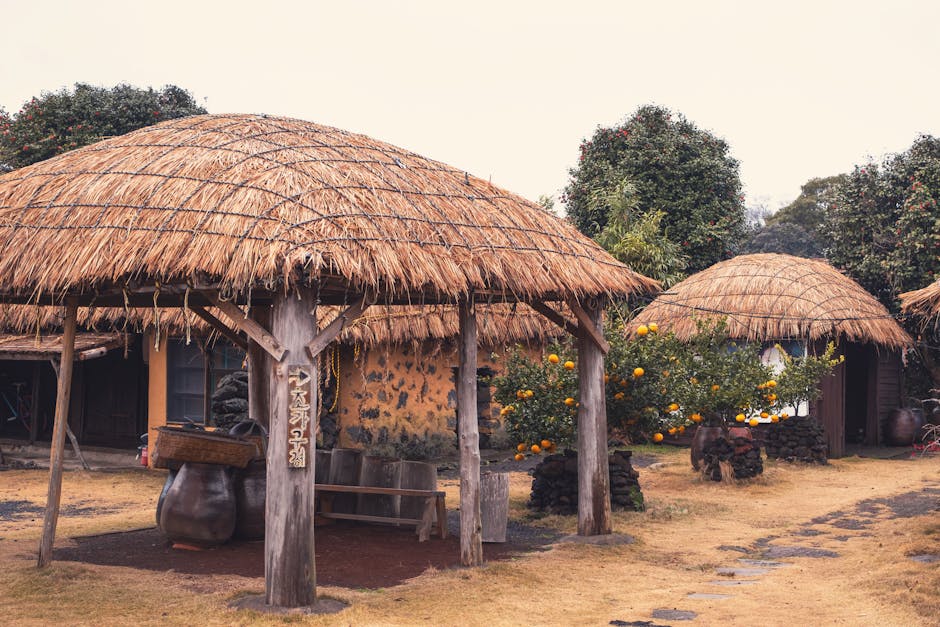
    The term 오지 (oh-ji) literally translates to “a remote, hard-to-reach place.” In the context of Korean domestic travel, 오지 마을 refers to villages that are deliberately or geographically off the beaten path — often tucked into deep mountain valleys, coastal cliffs, or highland plateaus with limited road access, sparse population, and minimal commercial infrastructure.

    As of 2026, the Korean government’s Ministry of the Interior and Safety categorizes roughly 340+ designated remote settlements across provinces like Gangwon-do, North Gyeongsang, and South Chungcheong. Many have populations under 50 — and those numbers are shrinking. This isn’t just a travel curiosity; it’s a living demographic story.

    The Real Data Behind Remote Village Travel

    Here’s what the numbers say about this niche travel trend in 2026:

    • Population decline: According to Statistics Korea’s 2026 Q1 report, over 60% of designated remote villages have seen a population drop of more than 30% over the past two decades. Traveling there is, in a quiet way, bearing witness to a vanishing way of life.
    • Tourism interest rising: Search trends on Naver and KakaoMap show a 47% increase in queries related to “오지 여행” and “비포장 여행지” (unpaved destinations) since early 2025, suggesting a growing appetite for raw, unfiltered experiences — especially among travelers experiencing burnout from hyper-curated destinations.
    • Infrastructure gaps: Roughly 40% of these villages are accessible only via single-lane mountain roads, and fewer than 15% have any form of formal accommodation listing on major booking platforms like Yanolja or Airbnb.
    • Cell coverage: In our 2026 reality of near-universal 5G, these villages often sit in dead zones — sometimes beautifully, sometimes frustratingly so.

    Three Villages Worth Knowing (And What Makes Each Unique)

    1. Yongneup Plateau, Gangwon-do: Sitting at 1,280 meters above sea level, this highland bog area near Taebaeksan is not a village in the traditional sense — but the handful of farming households nearby offer a glimpse of hwajeon (wildflower farming) culture that’s genuinely rare. The road ices over from November through March, which narrows your window significantly.

    2. Gijibae Village, North Gyeongsang: One of Korea’s most-discussed 오지 마을 among domestic bloggers, Gijibae sits along a narrow river valley where cell signal drops within minutes of entry. The village headman (이장님) has been known to personally guide curious visitors — but only if you arrive respectfully, ideally with some rice wine as a social gesture. This is a place where jeong (the Korean concept of emotional connection) still governs social interaction.

    3. Outer Heuksan Island cluster, South Jeolla: For those drawn to maritime remoteness rather than mountains, the outer islands of the Heuksan archipelago offer seasonal fishing village life that feels utterly apart from mainland Korea. Ferry schedules are infrequent and weather-dependent — missing a return ferry isn’t a metaphor here, it literally happens.

    Korean highland farming village, Gangwon mountain road, traditional village elder, Korea countryside

    International Parallels — You’re Not Alone in This Craving

    This hunger for remote, “authentic” village experiences isn’t uniquely Korean. Globally in 2026, we’re seeing parallel movements:

    • Japan’s Satoyama villages (里山) have become pilgrimage sites for travelers exhausted by Kyoto’s crowds — with similar demographic challenges and similar emotional rewards for visitors willing to slow down.
    • Italy’s Borghi program actively incentivizes visits to dying villages (some selling homes for €1), creating a tourism-meets-preservation hybrid that Korea is loosely beginning to explore.
    • Norway’s Arctic farming communities in Finnmark have built entire slow-travel circuits around the very inaccessibility that once seemed like a liability.

    The throughline? Travelers in 2026 are increasingly choosing friction deliberately. Difficulty of access has become a feature, not a bug — because it filters out the casual visitor and preserves the integrity of the experience.

    Honest Challenges You Should Prepare For

    • Navigation: Offline maps (MAPS.ME or Kakao’s offline mode) are non-negotiable. Don’t rely on real-time data.
    • Accommodation: Most stays are arranged through minbak (homestay) or informal guesthouses. Call ahead — in Korean if possible, or with a translated voice note.
    • Physical readiness: Some access paths involve unpaved trails with significant elevation change. This isn’t casual sightseeing terrain.
    • Cultural sensitivity: These communities are not tourist attractions. Photographing residents or their homes without permission is not just rude — it’s a reason villagers have begun closing off to visitors entirely in some areas.
    • Emergency planning: Know the nearest hospital, carry a basic first-aid kit, and share your itinerary with someone at home.

    Realistic Alternatives If a Full 오지 Trip Feels Like Too Much

    Not everyone can take a week off-grid, and that’s completely valid. Here are some layered alternatives that capture a similar spirit with less logistical intensity:

    • Slow village day trips from mid-size cities: Jecheon in North Chungcheong or Yeongwol in Gangwon-do offer semi-rural village experiences within 30-60 minutes of city infrastructure. You get the mood without the full commitment.
    • Agricultural stay programs (농촌체험): The Rural Development Administration runs certified farm-stay experiences that place you in working villages — with support structures in place. Less raw, but genuinely immersive.
    • Village documentary tourism: If physical travel is limited, EBS and KBS both maintain updated 2026 documentary archives on Korea’s remote communities. Strange as it sounds, watching with intention can be its own form of respectful engagement.

    The 오지 마을 experience ultimately asks one thing of you: patience. Patience with the road, with the silence, with your own discomfort, and with the incredibly slow pace at which trust is built in communities that have every reason to be wary of outsiders. But when it happens — when an elderly farmer hands you a bowl of doenjang jjigae at her wooden table and you realize you haven’t checked your phone in six hours — the return on that patience is extraordinary.

    Editor’s Comment : I genuinely believe that 오지 마을 travel in 2026 is one of the most meaningful forms of domestic exploration available to us right now — not because it’s scenic (though it is), but because it forces a recalibration of what we expect from a journey. That said, please travel thoughtfully. These aren’t theme parks preserving a lifestyle for your viewing pleasure — they’re real communities navigating real challenges. The best thing a visitor can do is arrive curious, spend local, and leave quietly grateful.

    태그: [‘remote village travel Korea’, ‘오지 마을 후기’, ‘Korea slow travel 2026’, ‘Korean countryside experience’, ‘off the beaten path Korea’, ‘rural Korea travel tips’, ‘authentic Korean village tourism’]


    📚 관련된 다른 글도 읽어 보세요

  • 국내 오지 마을 여행 생생 후기 2026 – 진짜 숨겨진 곳만 골랐습니다

    작년 가을, 지인이 ‘거기는 내비가 안 잡혀’라고 했을 때만 해도 반신반의했어요. 그런데 실제로 차를 몰고 들어가다 보니 신호등은커녕 편의점 간판 하나 보이지 않는 골짜기가 펼쳐지더라고요. 국내에 이런 곳이 아직 남아있다는 게 신기하면서도, 동시에 왜 많은 여행자들이 비행기를 타고 해외로 나가는지 조금은 아쉬워지는 순간이었습니다. 오늘은 2026년 현재 기준으로 직접 발품 팔아 다녀온 국내 오지 마을 여행 후기를 솔직하게 풀어볼게요.

    Korea remote village mountain road fog morning

    📊 본론 1 – 수치로 보는 ‘오지’의 현실: 얼마나 깊숙이 들어가야 하나요?

    국토교통부 2026년 생활인프라 접근성 지표에 따르면, 전국 읍·면·동 중 약 12.4%가 편의점·주유소·의료시설 세 가지 기본 인프라 중 두 가지 이상 반경 5km 내에 없는 지역으로 분류됩니다. 이른바 ‘생활 취약 지역’이라고 부르는 곳이에요. 이 중에서도 제가 직접 방문한 지역들을 기준으로 몇 가지 수치를 정리해 봤습니다.

    • 강원도 인제군 기린면 현리 일대 – 군청 소재지에서 승용차로 약 47분, 대중교통으로는 하루 2회 운행(오전 7시 20분·오후 2시 10분). 마을 내 상주 인구 약 210명.
    • 경북 봉화군 석포면 대현리 – 낙동강 최상류 인근. 가장 가까운 마트까지 편도 38km. 고도 약 480m에 위치해 5월까지도 아침 기온이 0도 이하로 떨어지는 날이 있음.
    • 전남 곡성군 죽곡면 당동마을 – 섬진강 지류를 끼고 있는 10가구 미만 소규모 마을. 현재 60대 이상 인구 비율 약 91%.
    • 충북 괴산군 청천면 삼송리 – 속리산 자락 해발 350m. 버스 정류장 자체가 없고, 읍내까지 택시비만 편도 약 2만 5천 원 수준.

    이 수치들이 단순히 ‘불편하다’는 의미로 읽힐 수도 있지만, 반대로 생각하면 인프라가 덜 닿은 만큼 자연과 시간의 밀도가 그대로 보존돼 있다는 뜻이기도 해요. 실제로 당동마을에서 하룻밤을 지내는 동안 스마트폰 알림이 단 한 번도 울리지 않았는데, 그게 통신 불량 때문이기도 했지만… 묘하게 해방감이 느껴졌습니다.

    🌏 본론 2 – 국내외 사례로 보는 오지 여행 트렌드

    일본의 경우 ‘사토야마(里山)’ 개념을 관광 자원화하는 데 20년 넘게 공을 들여왔어요. 시마네현 아마초(海士町)는 인구 2,300명의 작은 섬인데, 2010년대 중반부터 이주 청년 유치와 로컬 관광 패키지를 결합한 결과 현재 연간 방문객이 1만 명을 넘는다고 합니다. 핵심은 ‘불편함을 감수할 이유’를 만들어 준 것이에요 – 바다 생태 체험, 마을 어르신과의 공동 식사, 전통 발효식품 담그기 같은 프로그램들이죠.

    국내에서는 행정안전부의 ‘인구감소지역 지원 특별법’이 2023년 시행된 이후, 2026년 현재 89개 지정 지역 중 일부에서 ‘워케이션 + 오지 체험’ 복합 상품이 조금씩 자리를 잡아가고 있다고 봅니다. 강원도 양양·인제, 전남 구례·고흥 같은 곳들이 그 선두권에 있어요. 다만 아직은 민간 숙박 인프라가 따라가지 못하는 경우가 많아서, 여행 방식에 따라 만족도 편차가 꽤 큰 편입니다.

    Korean countryside traditional house elderly village autumn sunset

    🎒 실제로 가보니 – 오지 마을 여행, 이런 점이 좋고 이런 점이 어려웠어요

    솔직히 낭만만 있지는 않았어요. 아래에 장단점을 있는 그대로 정리해 봤습니다.

    • 빛 공해 없는 하늘 – 봉화 대현리에서 맨눈으로 은하수 띠를 본 건 진짜였습니다. 도심에서는 절대 재현이 안 되는 경험이에요.
    • 마을 어르신들과의 예상치 못한 교류 – 당동마을에서 호박죽을 얻어먹으며 1950~60년대 섬진강 이야기를 들었는데, 어떤 박물관보다 생동감 있었어요.
    • 정신적 디톡스 효과 – 이건 주관적이지만, 2박 3일 이후 서울로 돌아왔을 때 집중력이 눈에 띄게 올라갔다는 느낌이 들었습니다.
    • ⚠️ 사전 준비 없으면 낭패 – 삼송리의 경우 마을 입구 도로가 좁아 대형 SUV 진입이 어려웠고, 식수를 미리 챙기지 않아 곤란했어요.
    • ⚠️ 응급 상황에 대한 불안감 – 가장 가까운 보건소까지 30분 이상 걸리는 지역이 많습니다. 기저질환이 있거나 혼자 여행하는 경우엔 이 부분을 반드시 고려해야 해요.
    • ⚠️ 주민 배려가 먼저 – 오지 마을은 관광지가 아닌 ‘삶의 공간’입니다. 무단으로 민가를 사진 찍거나 농경지에 들어가는 행동은 지역 주민과의 신뢰를 해칩니다.

    🗺️ 2026년 추천 오지 마을 여행 코스 (현실적인 버전)

    처음 오지 여행을 계획한다면 ‘완전한 야생’보다는 작은 불편함부터 단계적으로 경험하는 방식이 맞는 것 같습니다. 예를 들어 첫 방문지는 숙소와 식당이 어느 정도 갖춰진 곡성 기차마을 인근 농가민박 → 이후 한 단계 더 들어가서 인제 기린면 지역 소규모 펜션 → 최종적으로 봉화 석포면처럼 진짜 오지에서 캠핑이나 농촌 민박을 시도하는 식으로 난이도를 높여가는 게 현실적인 접근이라고 봅니다.


    에디터 코멘트 : 오지 여행은 ‘얼마나 불편한 곳에 갔느냐’를 자랑하는 여행이 아니라고 생각해요. 오히려 내가 평소에 당연하게 여기던 것들 – 빠른 배달, 24시간 편의점, 끊기지 않는 와이파이 – 이 없는 상황에서 내가 어떻게 반응하는지를 관찰하는 여행에 가깝더라고요. 2026년, 세상이 점점 빠르고 촘촘해지는 만큼 가끔은 의도적으로 그 그물 밖으로 나가보는 것도 꽤 괜찮은 선택인 것 같습니다. 준비만 충분히 한다면요.

    태그: [‘국내오지여행’, ‘오지마을후기’, ‘국내여행추천2026’, ‘숨겨진여행지’, ‘농촌여행’, ‘디지털디톡스여행’, ‘강원도오지마을’]


    📚 관련된 다른 글도 읽어 보세요

  • Best Domestic Family Travel Destinations in Korea for 2026: Where to Go and Why It Actually Makes Sense

    Last summer, a close friend of mine spent three weeks agonizing over where to take her two kids (ages 6 and 11) for their annual family trip. She had a budget, a picky eater, a child who gets carsick, and a husband who hates crowds. Sound familiar? After all that planning, they ended up driving two hours to a destination they’d already visited — not because it was the best choice, but because it felt safe. She told me afterward, “I wish someone had just helped me think it through.”

    That conversation is exactly why I’m writing this. Planning a family trip in Korea in 2026 doesn’t have to be a guessing game. The domestic travel landscape has genuinely evolved — new infrastructure, revamped resort zones, eco-tourism expansions — and there are some destinations that are quietly becoming stars for families with kids of all ages. Let’s think through this together.

    Korean family travel destination scenic landscape 2026

    Why Domestic Travel Is Having a Major Moment in 2026

    According to Korea Tourism Organization data released in early 2026, domestic overnight leisure trips increased by approximately 18% compared to 2023 levels, with family-category travelers accounting for the largest growth segment. A few key drivers are worth understanding:

    • Rising international airfare costs have pushed many families to reconsider the value of domestic destinations — and honestly, Korea delivers surprisingly well.
    • Expanded KTX and highway infrastructure means places like Gangwon-do and South Jeolla Province are now significantly more accessible than they were even three years ago.
    • Post-pandemic eco-tourism investment has transformed several rural and coastal areas into genuinely compelling family-friendly zones with modern amenities.
    • Local government tourism incentives — many provinces now offer family discount cards and curated child-friendly itinerary programs.

    Top Domestic Family Destinations Worth Seriously Considering in 2026

    Rather than just listing pretty places, let’s match each destination to the kind of family it suits best.

    1. Gangwon-do (강원도) — Best for Active, Outdoor-Loving Families
    Gangwon-do remains Korea’s undisputed champion for families who want variety. In 2026, the Wonju Leisure Complex and the expanded Sokcho coastal trail network make this province a legitimate multi-day destination. If your kids are between 8 and 16 and you want to combine light hiking, beach time, and cultural visits, Gangwon-do is hard to beat. The Nami Island + Petite France combo is still popular, but locals are increasingly recommending the Inje Valley eco-stays as a more authentic, less crowded alternative.

    2. Jeju Island (제주도) — Best for First-Time Family Travelers Wanting Ease
    Yes, Jeju is the obvious choice — but there’s a reason it’s obvious. The infrastructure is simply excellent for families: car rental is straightforward, most major attractions are stroller/wheelchair accessible, and the food scene genuinely works for picky eaters. In 2026, Jeju’s new “Family Nature Circuit” — a curated loop connecting Hallasan foothills, Manjanggul Cave, and the Seopjikoji coast — has been getting rave reviews from parents. Pro tip: avoid late July and early August peak weeks; late May or September offer nearly identical weather with 40% fewer crowds.

    3. Damyang & Jeonam Region (전남 담양) — Best for Families Who Want Culture + Calm
    This is my personal sleeper pick for 2026. Damyang’s bamboo forests (Juknokwon) are genuinely magical for children, and the broader Jeonam region — including Suncheon Bay National Garden and Yeosu’s coastal promenades — creates a rich 3–4 day itinerary that feels both educational and relaxing. Importantly, this region is significantly less expensive than Jeju or Gangwon-do, making it ideal for families working with a tighter budget.

    4. Gyeongju (경주) — Best for Families with History-Curious Kids
    Gyeongju got a quiet infrastructure upgrade in 2025–2026, with improved cycling paths around the Tumuli Park burial mounds and a revamped Bulguksa visitor experience. For families with kids in middle school or older, this is a surprisingly engaging destination — especially if you frame it as “Korea’s open-air museum.” Pair it with a day trip to Pohang’s Homigot sunrise point and you’ve got a well-rounded short trip.

    Jeju Island family hiking trail children scenic 2026

    How to Realistically Match Your Family to a Destination

    Here’s a quick framework I recommend:

    • Ages 0–5: Prioritize short travel time (under 3 hours from home), stroller accessibility, and indoor backup options. Jeju or a Gyeonggi-do resort area works well.
    • Ages 6–12: This is the sweet spot for activity-based destinations. Gangwon-do or Damyang shine here.
    • Ages 13+: Teens often respond better to destinations with cultural depth or unique experiences. Gyeongju or Yeosu’s marine activities tend to land well.
    • Multi-generational trips (grandparents included): Accessibility matters more. Jeju’s flat coastal paths and Damyang’s easy forest walks are good choices. Avoid highly mountainous routes.

    Budget Reality Check for 2026

    A 3-night family trip for four people (2 adults, 2 children) within Korea realistically costs between ₩600,000 and ₩1,500,000 depending on accommodation choice, excluding activities. Glamping and pension stays have exploded in quality and are often the sweet spot for families — private space, kitchen access, and outdoor areas without the premium of a resort hotel. Websites like Yanolja and Goodchoice now have reliable family-filter searches that weren’t nearly as useful even two years ago.

    Alternatives If Your Top Choice Doesn’t Pan Out

    Maybe Jeju flights are sold out during your window. Maybe Gangwon-do weather looks uncertain. Here’s how to think through realistic alternatives:

    • Jeju full → Try Tongyeong (통영): Often called “Korea’s Naples,” Tongyeong offers stunning coastal scenery, fresh seafood, and a cable car with panoramic views. Far less crowded, and increasingly family-friendly.
    • Gangwon-do too busy → Try Chungcheong highlands (충청도 산간): Areas around Danyang and Suanbo offer similar outdoor experiences with dramatically lower visitor numbers.
    • Budget is tight → Consider day-trip clusters from Seoul: Suwon Hwaseong Fortress + Everland, or the Incheon chinatown + Songdo park combination, can deliver a surprisingly rich “trip” feel without accommodation costs.

    Editor’s Comment : The best family travel destination in 2026 isn’t necessarily the most photogenic one on Instagram — it’s the one that matches your family’s actual energy, budget, and interests. I’d encourage you to resist the pressure to go somewhere “impressive” and instead ask: where will everyone in the family actually feel good on day two? That’s your answer. Korea’s domestic options in 2026 are genuinely strong enough that the right fit is almost certainly out there — sometimes it just takes a bit of honest self-assessment to find it.

    태그: [‘2026 family travel Korea’, ‘best domestic travel destinations Korea 2026’, ‘Korea family trip guide’, ‘Jeju family travel 2026’, ‘Gangwondo family vacation’, ‘Korean domestic tourism 2026’, ‘family travel tips Korea’]


    📚 관련된 다른 글도 읽어 보세요

  • 2026 가족 여행지 추천 국내 베스트 7 | 아이와 함께 가기 좋은 곳 총정리

    지난 설 연휴, 지인 가족이 제주도 대신 전혀 예상치 못한 곳인 경북 영덕으로 여행을 다녀왔다는 이야기를 들었어요. 처음엔 ‘거기가 왜요?’라는 반응이었는데, 사진을 보는 순간 말문이 막혔습니다. 쪽빛 바다, 한적한 해안 트레킹 코스, 아이들이 게를 잡으며 뛰어노는 장면까지. ‘아, 가족 여행지는 이제 정말 달라졌구나’ 싶었어요.

    2026년 국내 가족 여행 트렌드는 한마디로 ‘붐비지 않으면서도 콘텐츠가 풍부한 곳’으로 요약할 수 있을 것 같습니다. 단순히 유명하다는 이유로 선택하기보다, 아이의 연령대와 가족 구성원의 체력, 예산까지 고려한 ‘맞춤형 여행지 선택’이 화두가 되고 있어요. 그래서 오늘은 2026년 기준으로 실제 방문 가치가 높은 국내 가족 여행지 베스트를 함께 정리해 보려 합니다.

    Korean family travel nature landscape children playing

    📊 2026년 국내 가족 여행 트렌드 수치로 보기

    한국관광공사가 발표한 2026년 상반기 국내 여행 소비 동향 리포트에 따르면, 가족 단위 국내 여행의 평균 지출 비용은 1박 2일 기준 약 42만~68만 원 수준으로 2024년 대비 약 12% 상승한 것으로 나타났습니다. 반면 여행 만족도는 오히려 올라갔는데, 그 이유는 ‘덜 알려진 곳, 자연 중심, 체험 위주’ 여행지를 선택한 비율이 전체의 61%를 넘어섰기 때문이라고 봅니다.

    또한 초등학생 이하 자녀를 둔 가족의 경우, 이동 시간이 편도 2시간 이내인 여행지를 선호하는 비율이 74%에 달했어요. 이는 아이의 컨디션 관리와 직결되는 부분이기도 하죠. 이런 수치들을 감안하면, 단순히 ‘인기 있는 곳’보다 ‘우리 가족에게 맞는 곳’을 찾는 것이 훨씬 더 중요하다는 결론이 나옵니다.

    🗺️ 2026 가족 여행지 국내 베스트 7

    • 🌊 경북 영덕 · 울진 블루로드
      동해안의 숨겨진 보석이라 불리는 곳이에요. 블루로드 트레킹 코스는 난이도가 낮아 초등학생도 무리 없이 걸을 수 있고, 대게 체험과 해양 생태 탐방 프로그램이 2026년에도 활발히 운영 중입니다. 제주보다 훨씬 한적하고 물가도 합리적인 편이라 가성비 측면에서도 높은 평가를 받고 있어요.
    • 🏞️ 강원 인제 · 양양 내설악 권역
      서울에서 차로 약 2시간 30분 거리로, 계곡 물놀이와 산악 자전거, 숲 체험이 한 번에 가능합니다. 특히 2025년 말 개장한 인제 스피디움 인근 가족형 리조트 단지가 2026년 여름 시즌 예약을 이미 빠르게 채우고 있다는 소식도 들려와요.
    • 🌿 전남 순천 · 보성 남도 투어
      순천만 국가정원은 사계절 내내 아이들 생태 교육 공간으로 손색이 없어요. 보성 녹차밭까지 연계하면 1박 2일 알찬 코스가 완성됩니다. 봄철(3~5월)과 가을철(9~11월)이 방문 적기라고 봅니다.
    • 🏯 경주 역사문화 체험 여행
      2026년에도 경주는 가족 여행지 상위권을 놓치지 않고 있어요. 단순 관광에서 벗어나 첨성대 야경 투어, 황리단길 로컬 체험, 동궁과 월지 야간 개장 등 스토리가 있는 여행 콘텐츠가 대폭 확대됐습니다. 초등학교 교과서와 연계한 역사 탐방 앱도 현지에서 활용할 수 있어요.
    • 🌋 제주 서부권 (한림 · 애월 · 저지리)
      제주 동쪽이 너무 붐빈다면 서부권을 추천합니다. 한림 협재 해수욕장, 저지 문화예술인 마을, 오설록 티뮤지엄이 밀집해 있어요. 렌터카 이용 시 하루 동선이 콤팩트하게 짜여 어린 아이를 동반한 가족에게 특히 적합하다고 봅니다.
    • 🐟 충남 태안 국립공원 해안 트레킹
      수도권에서 차로 1시간 30분~2시간이면 닿는 거리예요. 꽃지 해수욕장, 안면도 수목원, 황도 붕기 풍어제 등 자연과 문화 체험이 풍부합니다. 갯벌 체험은 아이들의 감성 지수(EQ) 향상에도 효과적이라는 연구 결과도 있어요.
    • 🏔️ 경남 거제 · 통영 남해안 크루즈 여행
      2026년 통영-거제 연계 패키지 상품이 대폭 다양해졌습니다. 한려해상국립공원 유람선, 통영 케이블카, 거제 포로수용소 역사관까지 아이들 눈높이에 맞는 콘텐츠가 풍부해요. 특히 봄·가을 시즌에는 수국, 동백꽃 등 계절 꽃 명소와 함께 방문하면 감동이 배가된다고 봅니다.
    Suncheon Bay National Garden family Korea scenic view

    🌍 해외 사례에서 배우는 ‘가족 여행지 선택의 기준’

    일본 관광청은 이미 2024년부터 ‘가족 맞춤형 지역 여행 인증제’를 도입해 의료 시설 접근성, 유모차 이동 편의성, 어린이 체험 프로그램 다양성 등을 기준으로 여행지를 등급화했어요. 덕분에 일본 내 지방 소도시들의 가족 여행 방문율이 약 23% 증가했다는 보고가 있습니다.

    우리나라도 이와 비슷한 방향으로 가고 있다고 봐요. 한국관광공사의 ‘가족 친화 여행지 인증 마크’ 제도가 2025년부터 본격화되어, 2026년 현재 전국 40여 곳의 지자체가 인증을 취득했거나 심사 중입니다. 여행지를 선택할 때 이 인증 여부를 확인하는 것도 하나의 좋은 기준이 될 수 있어요.

    💡 가족 여행지 선택, 이 체크리스트로 시작해 보세요

    • ✅ 아이 연령대에 맞는 체험 프로그램이 있는가?
    • ✅ 편도 이동 시간이 2시간 30분 이내인가?
    • ✅ 숙소 인근에 소아과·약국 등 의료시설이 있는가?
    • ✅ 날씨 변수가 생겼을 때 실내 대체 코스가 있는가?
    • ✅ 예산 범위 내에서 2끼 이상 로컬 식사가 가능한가?
    • ✅ 유모차 또는 휠체어 접근이 가능한 주요 명소가 있는가?

    이 여섯 가지 항목 중 4개 이상 충족하는 여행지라면, 가족 모두가 만족할 확률이 상당히 높다고 봅니다. 여행은 결국 ‘얼마나 멀리, 얼마나 유명한 곳에 갔느냐’보다 ‘가족 모두가 얼마나 편안하고 행복했느냐’가 기준이 되어야 하니까요.

    에디터 코멘트 : 완벽한 여행지는 없어요. 있다면, 우리 가족에게 맞는 여행지가 있을 뿐이라고 생각합니다. 2026년 가족 여행을 계획 중이라면, 남들이 많이 간다는 이유보다 위의 체크리스트를 먼저 꺼내 보세요. 경북 영덕처럼 ‘예상치 못한 감동’이 의외로 가까운 곳에 숨어 있을 수 있거든요. 이번 여름, 온 가족이 함께 웃을 수 있는 여행이 되길 바랍니다. 🙌

    태그: [‘가족여행지추천’, ‘2026국내여행’, ‘아이와함께여행’, ‘국내가족여행베스트’, ‘가족여행코스’, ‘국내여행추천’, ‘아이랑갈만한곳’]


    📚 관련된 다른 글도 읽어 보세요