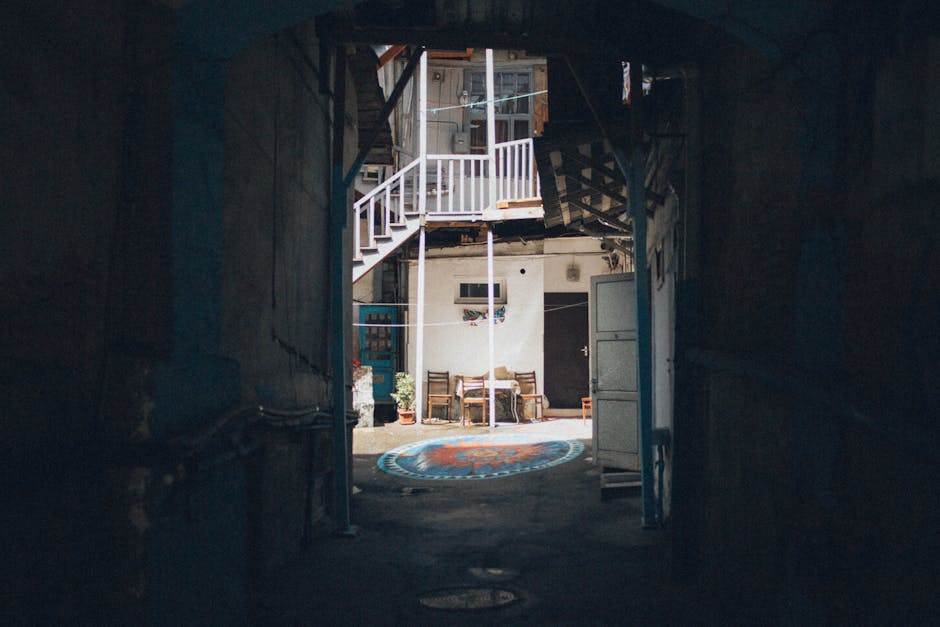
Last spring, I found myself completely lost in a narrow alley somewhere between Jeonju’s famous hanok village and a neighborhood that didn’t appear on any tourist map. A grandmother with a cart full of fresh perilla leaves pointed me toward a small courtyard café — no English sign, no Instagram geotag, no queue of selfie sticks. Just cold makgeolli, warm sunlight, and the kind of quiet that reminds you why you travel in the first place. That moment crystallized something I’d been thinking about for years: the best places in Korea are the ones locals guard like family recipes.
So in 2026, with overtourism hitting Bukchon and Gyeongbokgung harder than ever — weekend foot traffic reportedly up 34% compared to pre-pandemic baselines according to the Korea Tourism Organization’s Q1 2026 data — it feels more urgent than ever to talk about the spots that haven’t been Instagrammed into oblivion. Let’s dig in together.
Why “Local-Only” Spots Are Disappearing Faster Than Ever
Here’s a pattern worth understanding: a neighborhood stays hidden until one travel influencer posts about it, then within 18 months it’s on every “must-visit Seoul” listicle, and within 3 years it’s got a convenience store and a character mascot. We saw this happen to Ikseon-dong, Mangwon Market, and more recently to parts of Sokcho’s Abai Village. The cycle is speeding up in 2026 thanks to short-form video algorithms that can send a niche alley globally viral overnight.
That said, knowing why a spot stays hidden helps you find others like it. Locals tend to protect places that share these characteristics:
- Poor public transport access — requires a local bus, a 15-minute walk from the nearest station, or a ride-share
- No English menus or signage — filters out most international tourists organically
- Functional, not decorative — it serves an actual community need (morning market, neighborhood bathhouse, fishing pier)
- Seasonal or time-specific — only worth visiting at dawn, on weekdays, or during a specific harvest period
- Known by reputation, not by algorithm — word-of-mouth among residents, not viral posts
The Spots: A Reasoned, Region-by-Region Breakdown
1. Gamcheon Culture Village’s Forgotten Upper Tier — Busan
Yes, Gamcheon itself is well-known. But here’s what most visitors miss: they walk the designated tourist trail on the lower and middle levels and leave. The upper residential sections — accessible by continuing uphill past the point where most people turn back — are still genuinely inhabited, with elderly residents tending rooftop gardens and small shrine spaces. The view from up there is arguably better, and you’ll share it with almost no one. Go on a Tuesday morning.
2. Ganggyeong Salt Marsh Trails — South Chungcheong Province
Ganggyeong (강경) is more famous among foodies for its fermented seafood (jeotgal) market, but the salt marsh walking trails along the Geumgang River estuary are genuinely stunning in autumn and early spring. Local birding clubs frequent this area — it’s a stopover point for migratory species — but it registers almost zero on mainstream travel radar. The nearby traditional wholesale market operates on a 5-day cycle (장날), and timing your visit to coincide with market day adds an entirely different layer of authenticity.
3. Upo Wetlands’ Northern Edge — South Gyeongsang Province
Upo Wetlands (우포늪) has been on the UNESCO tentative list and does attract some visitors. But almost all of them walk the southern observation deck loop. The northern perimeter trail — a 4.2 km unpaved path — is used primarily by local farmers and the occasional birdwatcher. In early morning fog, it looks like a scene from a Joseon-era painting. There are no facilities, no cafés, no restrooms. Bring your own water and go with that expectation.
4. Inje Baro Reservoir Villages — Gangwon Province
When the Soyang Dam was built in the 1970s, several villages were partially submerged. During drought years — and 2026 has seen historically low snowpack in the northern Taebaek range — the foundations of submerged structures and old village roads emerge from the water near the Inje inlets. Local fishermen and older residents sometimes gather here in the early morning. It’s quiet, a little melancholy, and deeply historical in a way that no tourist attraction can manufacture.
5. Mokpo’s Yudalsan Sunset Ridge — South Jeolla Province
Mokpo (목포) gets occasional tourist attention for its Japanese colonial-era architecture district, but Yudalsan’s ridge trail — a 40-minute climb from the back entrance near the local apartment complex (not the main tourist entrance) — offers a panoramic harbor view that locals use for evening walks. The trick: use Naver Maps, not Google Maps, and search for “유달산 뒷길” (Yudalsan back path). The official tourist entrance leads to a paved road; the back entrance puts you on a proper trail.
What Domestic Travelers Know That International Guides Often Miss
Korean domestic travel culture operates on a few assumptions that international travel content rarely captures. For one, Koreans broadly trust Naver Blog reviews from real users over polished travel guides — and those blog posts are often written in hyper-local detail (“turn left at the blue awning, park near the red brick wall”). Learning to use Naver Blog search — even with a translation tool — unlocks a completely different tier of destination intelligence.
Additionally, Korean travel communities on platforms like Daum Café and niche hiking forums (산행기 communities) document trails and spots years before they surface anywhere in English. The Ganggyeong salt marsh trails I mentioned above, for instance, have been discussed in a Chungnam birding café since at least 2019 — but as of early 2026, there’s still almost no English content about them.
Realistic Alternatives: When You Can’t Access the Hidden Stuff
Let’s be honest — not everyone visiting Korea has the flexibility, language skills, or transportation access to chase these off-grid spots. And that’s completely valid. Here are some realistic middle-ground strategies:
- Go early or go late. Even busy spots like Bukchon Hanok Village are genuinely quiet before 8 AM. The experience isn’t the same as a hidden gem, but it’s meaningfully different from the midday crowd.
- Use the KTO’s “Rural Tourism Program.” The Korea Tourism Organization’s 2026 rural immersion initiative connects visitors with farming village homestays that are deliberately off the mainstream circuit. The program has expanded significantly this year with 47 new participating villages.
- Follow local food, not scenery. Joining a morning jangbogi (market trip) tour organized by a local guesthouse often takes you places that no scenery-focused tour would. The destination is secondary; the local rhythm is the point.
- Hire a local guide, not a national tour company. Local guides working freelance (searchable via platforms like WithLocals or Airbnb Experiences) often share the kind of neighborhood-specific knowledge that national tour operators simply don’t have.
- Visit on a weekday in the off-season. This sounds obvious, but a November Tuesday in Jeonju versus a Saturday in May are almost two different cities in terms of crowd density and local atmosphere.
A Note on Responsible Visiting
This is worth saying plainly: sharing these spots widely comes with responsibility. Some of these locations are genuinely residential. Photographing residents without consent, parking improperly on narrow village roads, or leaving behind trash doesn’t just damage the spot — it damages the relationship between locals and visitors that makes access possible in the first place. Treat hidden spots like you’re a guest in someone’s home, because in many cases, you literally are.
The goal isn’t to find a place and post it. The goal is to have an experience that actually changes how you see a place — and those experiences are only possible when the spot still has the texture of real life in it.
Editor’s Comment : The most honest thing I can say about hidden travel spots in 2026 is this — the moment a list like this goes viral, the spots on it start becoming less hidden. The real skill isn’t finding the secret places; it’s developing the sensibility to recognize the version of “hidden” that still exists all around you, even in well-visited areas. Slow down, talk to the person at the market stall, take the uphill path instead of the paved loop. Korea rewards curiosity more generously than almost any country I’ve spent time in — you just have to be willing to wander slightly past the edge of the map.
태그: [‘hidden Korea travel spots’, ‘local-only Korean destinations 2026’, ‘off the beaten path Korea’, ‘authentic Korea travel guide’, ‘rural Korea tourism’, ‘Korea travel tips locals’, ‘underrated Korean travel destinations’]
Leave a Reply