Last spring, a friend of mine packed her bags for a weekend trip — not to Paris, not to Tokyo, not even to a major city. She headed to a tiny coastal town in Portugal called Comporta, population roughly 1,200. She came back absolutely glowing, talking about empty white-sand beaches, a rice paddy that stretched to the horizon, and a seafood dinner that cost less than a cup of coffee in Lisbon. Meanwhile, I’d been stressing over booking overpriced hotels in oversaturated tourist traps. That conversation genuinely changed how I think about travel.
Here’s the thing — in 2026, over-tourism is no longer just an environmental buzzword. It’s a lived experience. According to data from the UNWTO (World Tourism Organization), global tourist arrivals are projected to exceed 1.8 billion by the end of 2026, with nearly 60% of that traffic funneling into just 15% of the world’s destinations. The math isn’t hard: the places everyone talks about are increasingly exhausting, expensive, and honestly? A little hollow.
So let’s think through this together — what does it actually mean to find a “hidden gem” in 2026, and how do you do it without accidentally ruining the place yourself?
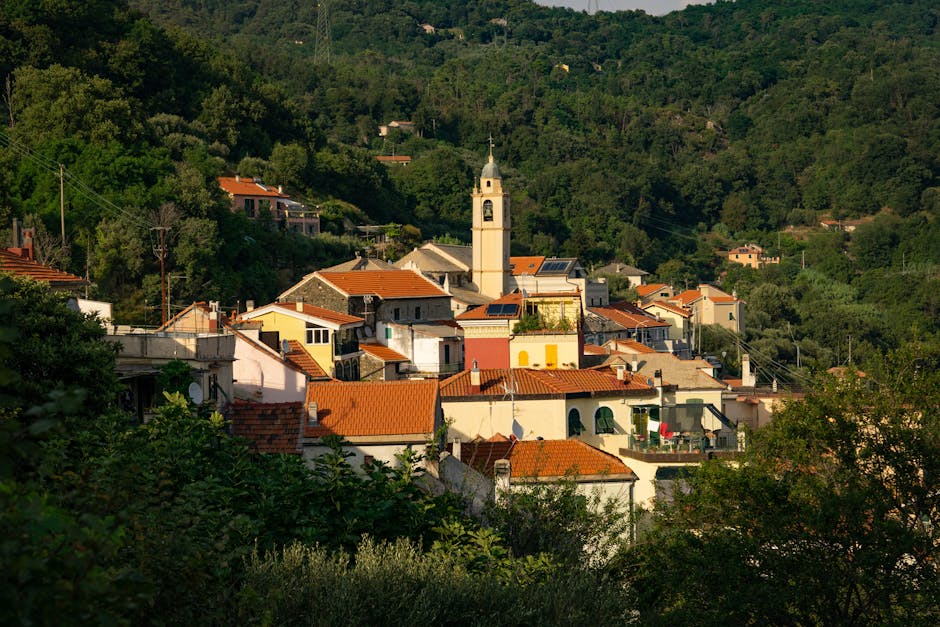
📊 Why Small-Town Travel Is Having Its Biggest Moment Yet in 2026
The post-pandemic travel boom didn’t just revive tourism — it reshuffled priorities. A 2025 Booking.com Traveler Sentiment Survey found that 71% of global travelers now actively prefer “authentic, off-the-beaten-path” experiences over landmark-heavy itineraries. That’s up from 54% in 2022. Remote work flexibility, which remains widespread in 2026, means more people can extend trips into quieter, less connected areas without sacrificing productivity.
There’s also an economic angle worth noting. Small-town accommodation costs in 2026 average 40–60% less than equivalent stays in major tourist hubs, according to Airbnb’s annual travel index. Your money stretches further, your experience feels more genuine, and frankly, the food is almost always better when locals are actually eating there too.
But here’s the nuance most travel blogs skip over: not every small town is “hidden” anymore. Thanks to social media algorithms, a single viral TikTok can transform a quiet fishing village into a weekend madhouse within three months. The real skill in 2026 isn’t just finding a hidden gem — it’s knowing when to visit, how to engage responsibly, and what signs indicate a town is still genuinely under the radar.
🌍 Real Examples: Small Towns Worth Your Attention Right Now
Let’s get specific, because vague travel advice helps no one.
1. Gjirokastër, Albania — This UNESCO-listed Ottoman stone city in southern Albania has been quietly building buzz since 2023, but as of early 2026, it still sees a fraction of the visitors that Dubrovnik or Santorini absorb. The architecture is jaw-dropping, the locals are extraordinarily welcoming, and a full day of sightseeing plus dinner runs you under $30. Albania’s improving road infrastructure means access is easier than it was even two years ago.
2. Yuanyang, Yunnan Province, China — The terraced rice fields here are among the most photogenic landscapes on Earth, yet visitor numbers remain manageable compared to other Chinese scenic areas. The Hani ethnic minority culture adds genuine anthropological depth to a visit. Best timing: November through April when the fields are flooded and mirrored.
3. Matera’s Surrounding Villages, Basilicata, Italy — Matera itself has become well-known, but the tiny hillside villages radiating outward — places like Craco (a hauntingly beautiful ghost town) and Aliano — remain virtually tourist-free. Literary travelers will appreciate that Aliano was where Carlo Levi was exiled and wrote Christ Stopped at Eboli.
4. Gyeongju’s Rural Outskirts, South Korea — While central Gyeongju draws history buffs, the outlying countryside villages with traditional hanok guesthouses offer an experience that feels genuinely removed from tourism infrastructure. The Yangdong Folk Village, about 16km outside the city center, sees far fewer visitors than its reputation deserves.
5. Oaxaca’s Sierra Norte, Mexico — The capital city of Oaxaca is firmly on every foodie’s map now, but the mountain communities of the Sierra Norte — places like Benito Juárez and Lachatao — offer community-run ecotourism at its most honest. You’re sleeping in village-operated cabins, hiking trails maintained by locals, and eating food that hasn’t been adjusted for tourist palates.
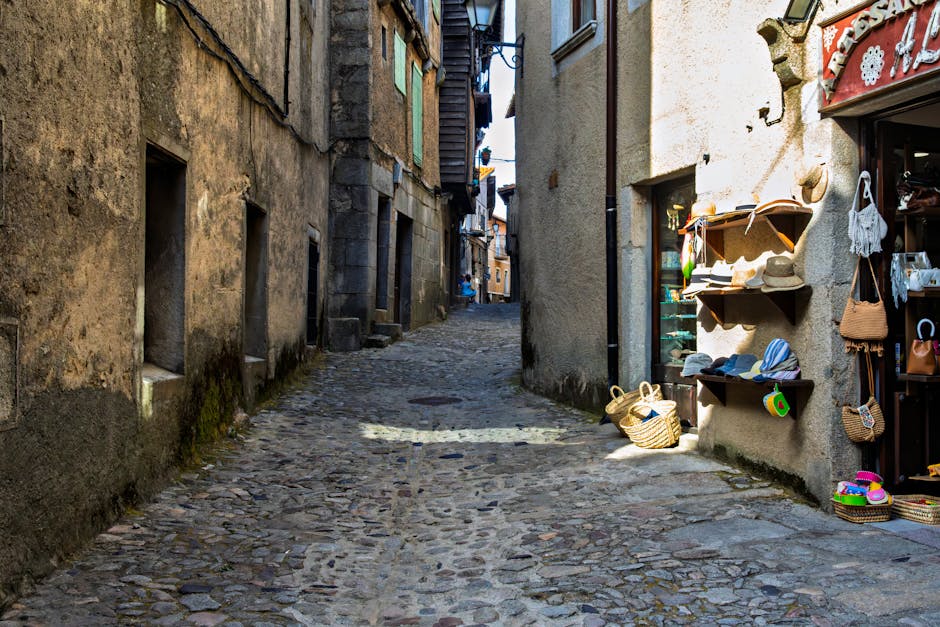
🗺️ How to Actually Find Hidden Gems (Without Ruining Them)
This is where I want to be really practical with you, because the romanticized version of “just wander off the map!” isn’t a real strategy.
- Use Google Maps’ satellite view strategically: Look for clusters of buildings without tourist pins or review clusters. If a town has under 50 Google reviews total, it’s likely still under the radar.
- Cross-reference with regional tourism boards, not travel magazines: National travel magazines have publishing cycles that lag 12–18 months. Local tourism board websites often list festivals, accommodations, and attractions that haven’t hit the mainstream yet.
- Talk to locals in the nearest big city: This is old-school but gold. Ask a shopkeeper, a taxi driver, or a restaurant owner in a well-known city where they go on weekends. The answers are almost always better than any algorithm.
- Check train and bus routes, not just flights: Destinations accessible only by local transport networks (regional buses, slow trains) tend to remain less visited because the barrier to entry is higher for mass tourism.
- Time your visit around shoulder season: Even semi-popular small towns become genuinely quiet in shoulder season. Late October in coastal towns, January in mountain villages — the math usually works in your favor.
- Look at language-specific travel forums: Reddit’s r/travel skews English-speaking and therefore Anglophone-bias. Japanese travel forums, French travel blogs, or Korean travel communities often surface completely different — and less crowded — destinations.
- Consider “second-tier” proximity destinations: If a major destination is famous (e.g., Kyoto, Amsterdam, Prague), the towns 30–90 minutes away by local transport often offer 80% of the cultural richness with 10% of the crowds.
⚠️ The Ethical Reality of Seeking Hidden Gems
Here’s something worth sitting with: the act of publicizing a hidden gem begins its transformation into something else. It’s a genuine paradox. The responsible approach in 2026 involves a few practical commitments — staying in locally-owned accommodation rather than international chains, eating at family-run restaurants, buying crafts directly from artisans, and honestly? Not posting highly specific geotags for naturally fragile sites.
The concept of “regenerative travel” — where your visit actively contributes to a community rather than just extracting experiences from it — has moved from niche philosophy to mainstream travel principle this year. It’s not complicated in practice: spend money locally, ask before photographing people, learn a few words of the local language, and follow posted environmental guidelines.
🔄 Realistic Alternatives If You Can’t Get Off the Beaten Path Right Now
Maybe you only have a long weekend. Maybe you’re traveling with kids or elderly family members who need predictable infrastructure. Maybe your budget actually doesn’t stretch to international flights. These are completely valid constraints, and the answer isn’t “just push through it.”
Consider this: even in heavily touristed destinations, hyper-local neighborhoods function as hidden gems. In Barcelona, that’s Poblenou instead of the Gothic Quarter. In Tokyo, it’s Koenji instead of Shibuya. In New York, it’s Ridgewood, Queens instead of Manhattan’s High Line. The principle of “second-tier proximity” applies domestically too.
Alternatively, domestic small-town travel is genuinely underrated in 2026. With rising international airfares and stricter visa processing times in several regions, a road trip to a small town two or three hours from your home city might deliver a richer experience than a rushed international trip. The key is approaching it with the same curiosity and intentionality you’d bring to abroad.
Editor’s Comment : The best travel experiences in 2026 aren’t about ticking off the most Instagrammable locations — they’re about the quality of genuine encounter you have with a place and its people. Small towns offer that in abundance, precisely because they haven’t been packaged and polished for mass consumption yet. That’s both their gift and their fragility. Travel there thoughtfully, spend generously with locals, and resist the urge to broadcast every coordinate. The hidden gem you protect today is the extraordinary memory someone else gets to discover tomorrow.
태그: [‘hidden gem travel 2026’, ‘small town destinations’, ‘off the beaten path travel’, ‘sustainable travel tips’, ‘underrated travel spots’, ‘authentic travel experiences’, ‘budget travel 2026’]
Leave a Reply