Author: likevinci

  • The Ultimate 2026 Guide to Visiting Jeju Island with Kids: Everything You Need to Know Before You Go

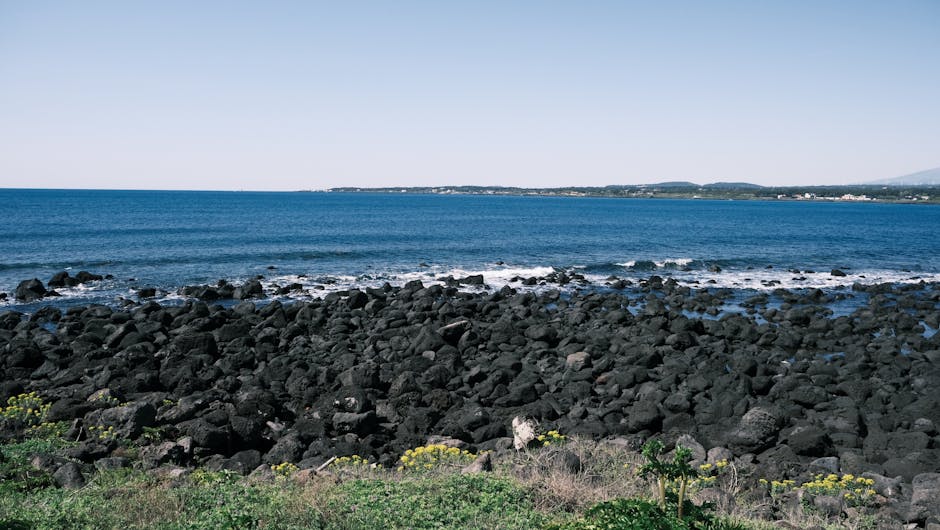
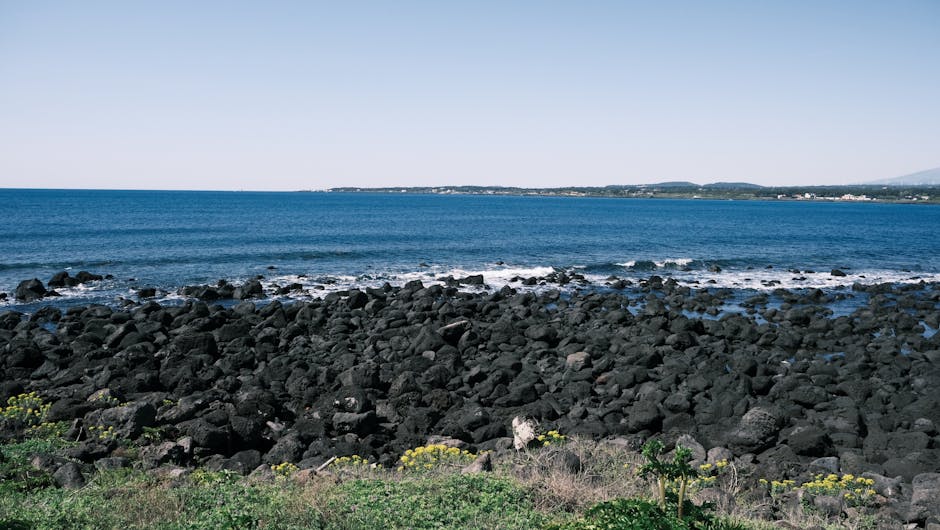
    Picture this: it’s early morning, the volcanic coastline of Jeju Island glows amber under a rising sun, and your five-year-old is absolutely losing their mind over a tiny crab scuttling across a tidal pool. That moment — pure, unfiltered wonder — is exactly why families keep coming back to Jeju year after year. But here’s what nobody tells you before you pack the kids into a plane: Jeju can either be a dream trip or an exhausting scramble, and the difference almost entirely comes down to preparation.

    As of 2026, Jeju Island remains South Korea’s number-one domestic family travel destination, and it’s also gaining serious traction among international families as a manageable, English-friendly getaway in East Asia. Let’s think through this together — what makes Jeju work brilliantly for kids, where the real pitfalls are, and how to tailor your itinerary so everyone (yes, including the adults) actually enjoys the trip.
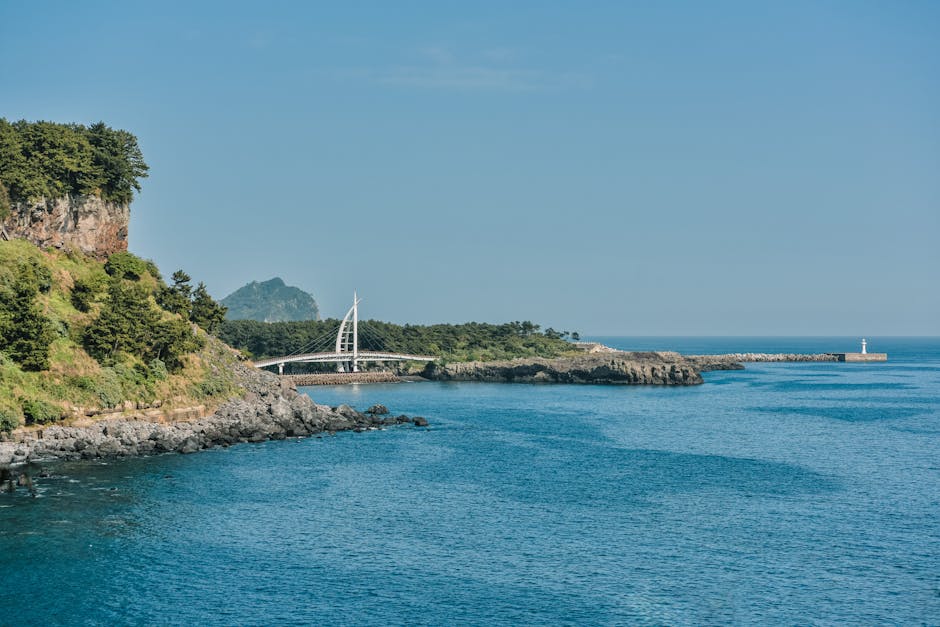
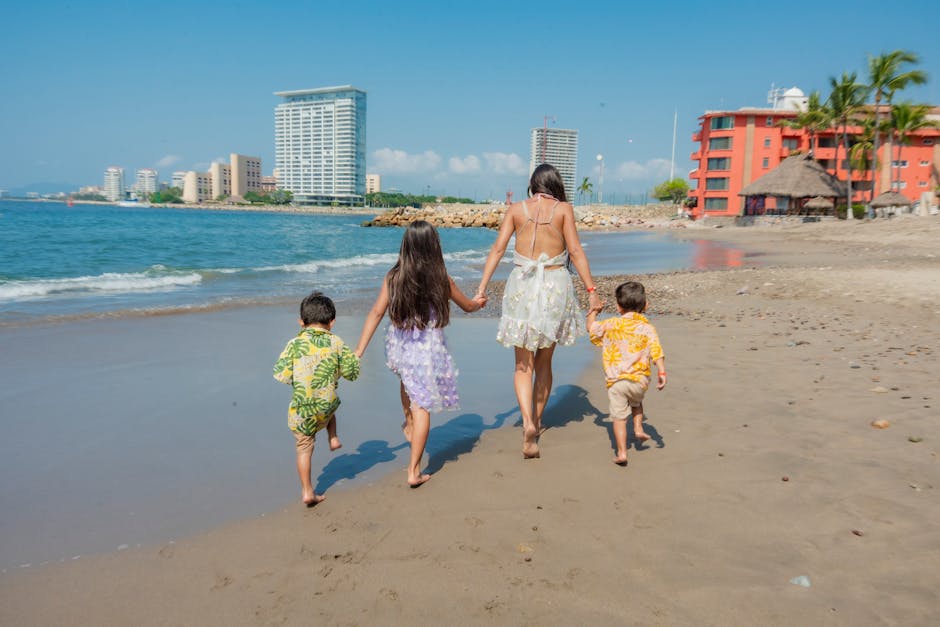
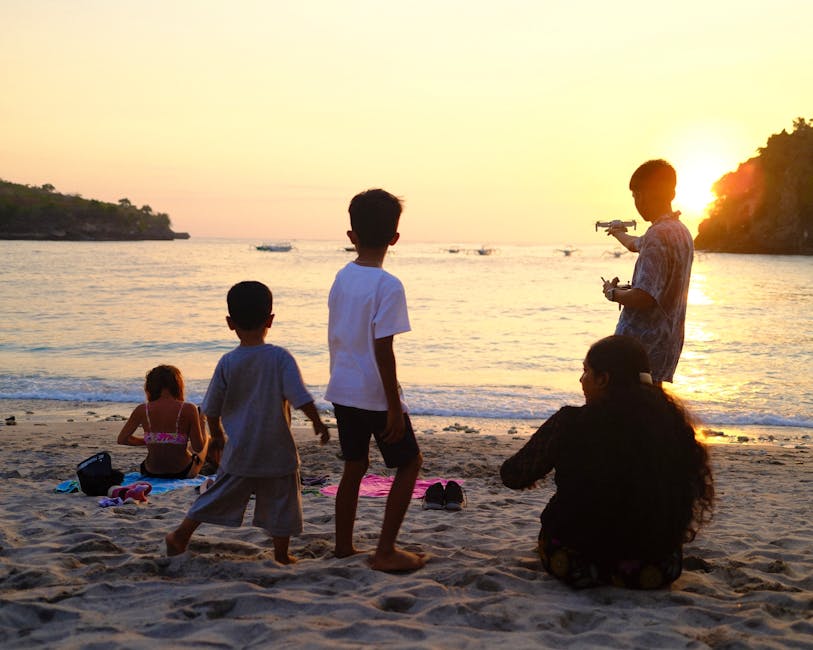
    Jeju Island family beach children volcanic landscape

    Why Jeju in 2026 Is More Family-Friendly Than Ever

    Jeju’s tourism infrastructure has quietly undergone a significant upgrade over the past few years. According to the Jeju Tourism Organization’s 2026 annual visitor report, families with children under 12 now account for approximately 34% of all domestic visitors, a jump from roughly 26% in 2021. That shift has forced venues, restaurants, and transport providers to genuinely adapt — not just slap a “family-friendly” sticker on their brochures.

    What does that look like in practice? Stroller-accessible pathways now run through most of Jeju’s signature coastal trails, including the famous Olle Trail sections near Seongsan Ilchulbong. The Jeju KidZania-style indoor experience center in Jeju City (expanded in late 2025) now hosts over 40 role-play activity zones designed specifically for ages 3–12. And critically, many of Jeju’s mid-range rental car services have added mandatory child seat options as a standard booking feature — no more hunting for baby gear upon arrival.

    Breaking Down the Best Zones for Families

    Jeju isn’t a small island — it spans about 1,849 square kilometers — so thinking of it as “one destination” is the first planning mistake families make. Let’s break it into functional zones for kid-centric travel:

    • Jeju City (North): Best for arrival-day settling, indoor rainy-day backup plans, and the Jeju National Museum, which has an excellent children’s interactive history wing. The Dongmun Traditional Market here is a sensory goldmine for curious kids — watch out for the oversized tteok displays.
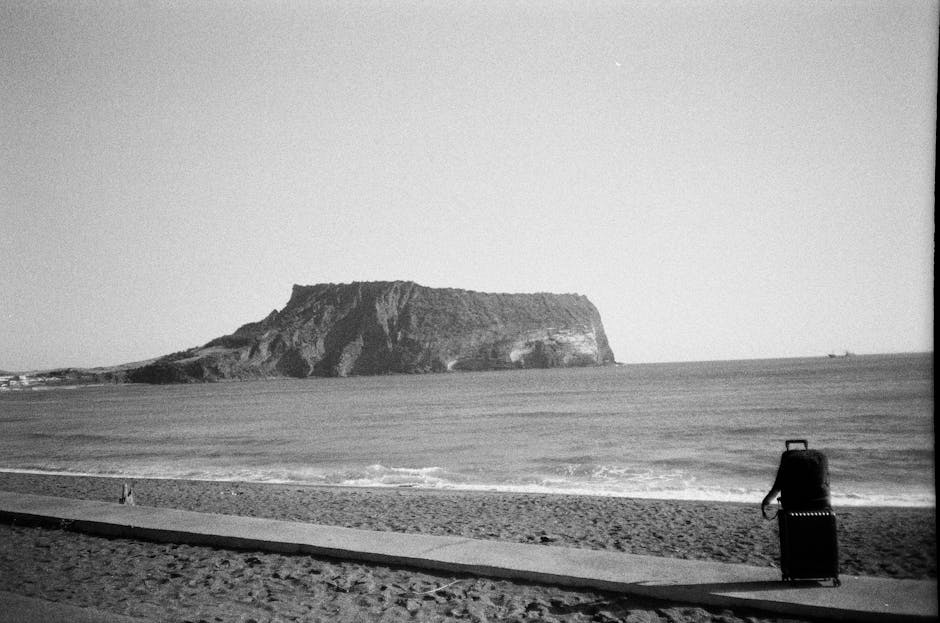
    • Seongsan (East): Home to the UNESCO-listed Seongsan Ilchulbong (Sunrise Peak). The hike is short enough for kids aged 5+ but dramatic enough to feel like a real adventure. The nearby Seopjikoji coast is flat, windswept, and photogenic — ideal for toddler walking without steep drop-offs.
    • Jungmun (South): The resort belt. Lotte Water Park Jeju and Teddy Bear Museum are both here. If your children are under 8, this zone will probably anchor your itinerary. The beaches are also broader and calmer than the east coast.
    • Hallasan National Park (Center): Not typically recommended for families with very young children due to trail difficulty, but the Eorimok Trail (approximately 4.7 km round trip) is manageable for kids aged 7+ with proper footwear and enough snack bribery.
    • Aewol / Hyeopjae (West): The emerald-green waters at Hyeopjae Beach are arguably Jeju’s most beautiful, and the shallow depth makes it safe for young swimmers. Hallim Park nearby has a butterfly garden and subtropical botanical gardens that hold kids’ attention surprisingly well.

    Learning from How Other Families Do It: Domestic & International Comparisons

    South Korean families typically plan Jeju trips around a 3-night, 4-day structure with a rental car as the spine of the itinerary. The logic is sound: Jeju’s public bus system, while improved, still requires transfers and timing patience that simply doesn’t mix well with overtired toddlers. Rental cars with English GPS options are widely available at Jeju International Airport — budget around ₩80,000–₩130,000 KRW per day in 2026 for a standard family-size SUV.

    International families, particularly those coming from Singapore, Hong Kong, and Australia (Jeju’s top three international family source markets as of 2026), tend to extend stays to 5–6 nights and treat Jeju as a “slow travel” base rather than a checklist destination. This approach actually works better for children — fewer transitions, deeper exploration of favorite spots, and time to discover the island’s quieter farm stays and tangerine orchard experiences that aren’t on any top-10 list.

    There’s also a growing community of expat families based in Seoul who do seasonal Jeju rotations — visiting in spring for the canola flower fields (typically late March to April), autumn for the silver grass plateaus, and deliberately avoiding the peak July–August window when beaches become genuinely chaotic. If you have flexibility, April and October 2026 are statistically the most crowd-light months with favorable weather.
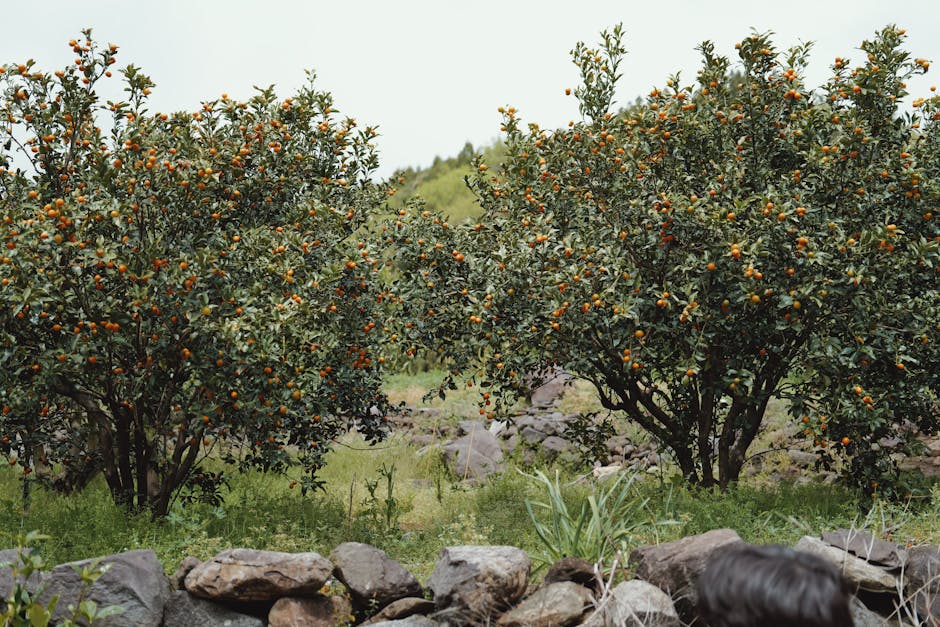
    Jeju tangerine orchard children picking fruit family travel Korea

    Realistic Budget Planning for a Family of Four

    Let’s be honest about costs because vague “budget tips” help nobody. For a family of four (two adults, two children under 10) doing a 4-day Jeju trip in 2026, here’s a realistic midrange breakdown:

    • Flights (Seoul–Jeju round trip): ₩300,000–₩500,000 KRW total for the family on budget carriers like Jeju Air or T’way, if booked 6–8 weeks in advance
    • Accommodation (3 nights, family room or pension): ₩450,000–₩750,000 KRW — pension-style guesthouses in Aewol or Seongsan offer far better space-per-won than Jungmun resort hotels
    • Rental car (4 days including insurance): ₩320,000–₩520,000 KRW
    • Attraction entry fees: Budget ₩150,000–₩250,000 KRW — many natural sites like Hyeopjae Beach and Olle Trails are free; indoor parks and museums drive up costs
    • Food: ₩400,000–₩600,000 KRW — Jeju black pork BBQ is non-negotiable, but for kids, haenyeo grandmother restaurant lunches with fresh seafood stews can be surprisingly kid-receptive

    Total realistic midrange estimate: ₩1,620,000–₩2,620,000 KRW (roughly $1,180–$1,910 USD at current 2026 exchange rates). That’s genuinely competitive compared to equivalent family beach trips in Bali, Okinawa, or Phuket once flights are factored in.

    The Stuff Nobody Puts in the Brochure

    A few things experienced Jeju family travelers quietly pass along that guidebooks tend to skip:

    • Wind is Jeju’s real weather variable, not rain. Even on sunny days, the coastal areas can have gusts strong enough to flip a lightweight stroller. Bring a stroller with a decent brake lock and weight it down with your bag.
    • Sunscreen is dramatically more expensive on the island than in Seoul or duty-free. Pack your own supply.
    • Many traditional haenyeo villages and rural markets don’t accept card payments — keep ₩50,000–₩100,000 KRW in small bills accessible.
    • If your child has a seafood allergy, be proactive at restaurants. Jeju cuisine is deeply ocean-forward and cross-contamination is common in casual eateries.
    • The Jeju Olle Trail walking route maps are now available in a well-designed English app (updated January 2026) — download it before landing.

    Realistic Alternatives If Jeju Doesn’t Fit Right Now

    Maybe the budget isn’t quite there, or your youngest is at that 18-month–2.5-year stage where long trips just equal sleep schedule chaos. That’s a completely valid calculation to make. Here are some genuinely good alternatives worth considering:

    Namhae Island (South Gyeongsang Province) offers a quieter, slower version of the island-with-kids experience at roughly 40% of Jeju’s cost — driving distance from Busan makes it stroller-and-car-seat simple. Yangpyeong or Gapyeong (both within 1–1.5 hours of Seoul) work well for families wanting nature, fresh air, and riverside play without the logistical weight of an island trip. And if you’re an international family considering Jeju versus Okinawa, Jeju wins on cost and convenience, but Okinawa’s glass-bottom boat culture and marine park access might edge it out for older, activity-hungry kids (ages 8–14).

    The goal isn’t to force Jeju onto every family’s calendar — it’s to make sure that when you do go, you go ready to actually enjoy it.

    Editor’s Comment : Jeju with kids is one of those trips that genuinely rewards the families who approach it with curiosity rather than a rigid checklist. The island has an unhurried quality — tangerine groves, coastal winds, grandmothers diving for abalone — that kids absorb in ways that outlast any theme park visit. Plan smart, stay flexible, and let the island surprise you a little. That’s usually when the best memories happen.


    📚 관련된 다른 글도 읽어 보세요

    태그: [‘Jeju Island family travel’, ‘Jeju with kids 2026’, ‘Korea family vacation guide’, ‘best family destinations Asia 2026’, ‘Jeju travel tips children’, ‘family travel Southeast Asia alternatives’, ‘Jeju itinerary kids’]
  • 2026년 어린이 동반 제주도 여행 완벽 가이드 | 아이와 함께라면 이렇게 준비하세요

    지난 봄, 일곱 살 딸을 데리고 처음 제주도에 갔던 어느 부모의 이야기를 들은 적이 있어요. 공항에 내리자마자 아이가 “엄마, 여기 왜 이렇게 바람 많아?”라고 묻더니, 이튿날 협재해수욕장 모래사장에서 두 시간 동안 꼼짝도 안 하더라는 거예요. 계획했던 성산일출봉 트레킹은 포기했지만, 그 모래 위에서의 두 시간이 가족 여행 사상 최고의 순간이 됐다고 하더군요. 어린이와 함께하는 여행은 계획대로 되지 않는 것 자체가 계획이라는 걸, 경험한 분들은 다 아실 거라 봅니다. 그래서 오늘은 2026년 현재 기준으로, 아이를 데리고 제주도를 여행할 때 정말 현실적으로 도움이 되는 정보들을 함께 살펴보려 해요.

    children family Jeju Island beach vacation Korea

    📊 2026년 제주도 가족 여행 트렌드, 수치로 보면 달라 보여요

    제주관광공사가 발표한 2026년 1분기 입도객 통계에 따르면, 전체 내국인 관광객 중 가족 단위(만 12세 이하 동반) 비율은 약 34%로 집계됐어요. 이는 2023년의 27%에 비해 꽤 큰 폭으로 증가한 수치인데, 코로나 이후 해외여행 수요가 다시 살아났음에도 불구하고 ‘아이와 함께라면 국내, 특히 제주’라는 인식이 여전히 강하다는 걸 보여주는 것 같습니다.

    연령별로 보면 만 3~7세 영유아 동반 가족이 전체 가족 여행객의 약 52%를 차지해요. 이 연령대 아이들은 긴 이동 시간에 취약하고, 낯선 환경에서 수면 패턴이 무너지기 쉽기 때문에 여행 설계 자체가 달라져야 해요. 실제로 제주 내 가족 특화 숙소의 평균 예약 리드타임(예약부터 체크인까지의 기간)은 약 47일로, 일반 여행자의 평균(21일)보다 두 배 이상 깁니다. 그만큼 부모들이 꼼꼼하게 준비한다는 의미겠죠.

    또한 2026년 현재, 제주도 내 ‘키즈 프렌들리 인증 숙소‘는 공식 등록 기준으로 약 280여 곳으로 늘었어요. 전용 수영장, 유아 침대, 이유식 전자레인지 등 기본 편의시설을 갖춘 곳들이 많아졌고, 한림·애월·중문 지역에 특히 집중되어 있는 편입니다.

    🌍 해외 가족 여행 트렌드와 비교해보면

    일본 오키나와의 경우, 가족 여행 특화 정책을 오래전부터 운영해 왔어요. ‘어린이 동반 우선 입장’ 제도, 유모차 무료 대여 네트워크, 수유 공간 지도 앱 등 인프라가 체계적으로 갖춰져 있죠. 제주도도 이 방향으로 빠르게 따라가고 있는 인상을 받는데요, 2026년 현재 제주도 내 주요 관광지 65곳에 유니버설 디자인 기반 유아 휴게 공간이 도입됐고, 제주국제공항 내 수유실·기저귀 교환대도 터미널별로 각각 4개소 이상 운영 중입니다.

    싱가포르의 ‘패밀리 트래블 인덱스’라는 개념도 참고할 만해요. 이 지표는 관광지의 어린이 접근성, 안전 환경, 식이 배려(알레르기 메뉴 제공 여부) 등을 종합 평가하는데, 제주도가 이와 유사한 자체 평가 체계를 2025년부터 시범 도입했다고 합니다. 아직 모든 관광지에 적용되진 않았지만, 향후 여행지 선택 시 참고할 수 있는 지표가 될 것 같아요.

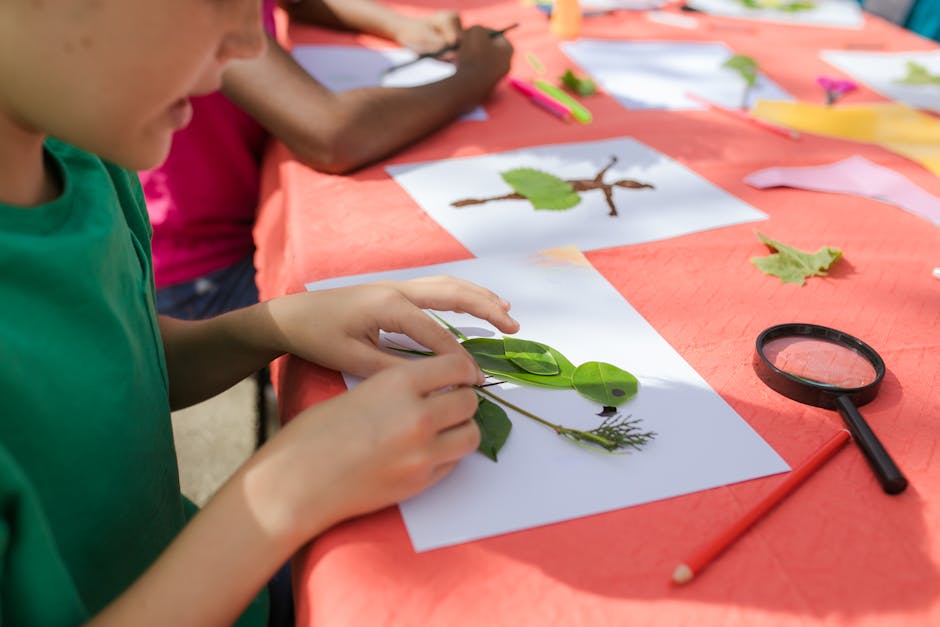
    Jeju Island kids activity nature play outdoor

    ✅ 연령대별 추천 코스 & 주의사항

    • 만 1~3세 (영아~걸음마기): 이동 거리를 최소화하는 게 핵심이에요. 숙소 주변 산책로, 비자림 유모차 코스(약 1.2km), 제주 항공우주박물관 실내 공간 등이 적합해요. 낮잠 시간대를 이동 시간으로 활용하는 ‘낮잠 드라이브’ 전략을 추천합니다.
    • 만 4~7세 (유아기): 호기심이 폭발하는 시기라 체험형 공간이 제격이에요. 제주 민속촌, 에코랜드 테마파크, 성이시돌목장 승마 체험 등이 반응이 좋은 편입니다. 단, 성산일출봉은 계단이 많아 체력 소진이 크니 오전 일찍 배치하는 게 좋아요.
    • 만 8~13세 (초등학생): 능동적인 활동을 선호하는 나이예요. 스노클링(함덕·협재), 유리의 성, 제주 해양과학관, 한라산 어리목~윗세오름 구간(왕복 약 8.7km, 경사 완만) 도전이 가능해요. 이 나이에는 여행 계획 세우기에 아이를 참여시키면 만족도가 눈에 띄게 올라가는 것 같아요.
    • 공통 주의사항: 제주 날씨는 변화가 빠르기 때문에 4계절 내내 얇은 방풍 재킷 필수예요. 또 렌터카 이용 시 카시트 사전 예약은 필수 중 필수인데, 성수기엔 카시트 포함 차량이 조기 매진되는 경우가 많으니 최소 한 달 전 예약을 권장합니다.
    • 식당 선택 팁: 어린이 알레르기(특히 갑각류·해산물)에 주의해야 해요. 제주 로컬 음식 중 성게국수, 전복죽 등은 맛은 좋지만 알레르기 유발 가능성이 있으니, 식당 방문 전 메뉴 구성을 사전에 확인하는 습관을 들이는 게 좋을 것 같아요.

    💡 현실적인 예산 플래닝

    2026년 기준 제주도 3박 4일 가족 여행(성인 2명 + 어린이 1명) 기준으로 현실적인 예산을 살펴보면, 항공료(왕복)는 성수기 기준 약 40~60만 원 선, 키즈 프렌들리 숙소는 1박 평균 15~25만 원 수준이에요. 렌터카는 카시트 포함 중형 SUV 기준 하루 약 8~12만 원, 식비는 하루 평균 6~8만 원(외식 2회 기준)으로 잡으면 전체 예산은 대략 150~230만 원 사이로 보시면 될 것 같습니다. 카드사 제주 여행 특화 혜택이나 제주도 공식 앱 ‘탐나는전’의 지역화폐 할인을 적극 활용하면 10~15% 정도 절감이 가능해요.


    에디터 코멘트 : 아이와 함께하는 제주 여행에서 가장 많이 후회하는 건 “더 빡빡하게 짤걸”이 아니라 “왜 이렇게 많이 짰을까”라는 것 같아요. 하루에 2~3곳 이상 욕심내지 않고, 아이가 멈추고 싶은 곳에서 충분히 머물러 주는 것이 결국 가장 기억에 남는 여행을 만든다고 봅니다. 완벽한 동선보다 여유 있는 동선이, 많은 관광지보다 아이 눈높이에 맞는 한 곳이 훨씬 값진 경험이 되는 경우가 많더라고요. 이번 여행, 아이 속도에 맞춰 천천히 걸어보시길 바랍니다. 🍊


    📚 관련된 다른 글도 읽어 보세요

    태그: [‘어린이동반제주여행’, ‘제주도가족여행’, ‘제주키즈프렌들리’, ‘아이와제주도’, ‘제주여행코스2026’, ‘제주가족숙소’, ‘제주여행준비’]

  • Jeju’s Hidden Gems in 2026: Secret Spots That Most Tourists Will Never Find

    Picture this: it’s a golden Tuesday morning in April 2026, and while the hordes of visitors are busy queuing for hallabong soft-serve near Seongsan Ilchulbong, you’re sitting alone on a basalt ledge watching the tide pull slowly away from a volcanic tide pool that doesn’t even have a name on most maps. That’s the Jeju I want to tell you about today.

    Jeju Island welcomed over 15 million visitors in 2025, and projections for 2026 suggest that number will climb even further as flight connectivity from Southeast Asia expands. But here’s the thing — most of those visitors are funneled through the same ten or so “must-see” landmarks. The rest of the island? Beautifully, breathtakingly quiet.

    Let’s think through this together and find the Jeju that rewards the curious traveler.

    Jeju hidden coastal trail volcanic rocks sunrise solitude 2026

    Why Do Tourists Cluster? Understanding the Overcrowding Pattern

    Before we dive into the secret spots, it’s worth reasoning through why certain places get overcrowded in the first place. Travel apps and social media algorithms tend to amplify the same handful of photogenic locations — think Manjanggul Lava Tube, Jeju Olle Trail Route 1, and the famous rape blossom fields near Seongupri. These spots are genuinely stunning, but they’re also victims of their own success.

    A 2025 report by the Jeju Tourism Organization noted that roughly 68% of all island visitors confine their exploration to a corridor between Jeju City and Seongsan — that’s the eastern belt. The western and southern inland areas, by contrast, see a fraction of the foot traffic despite harboring some of the island’s most remarkable natural and cultural sites.

    This clustering effect means that if you simply shift your compass slightly — either geographically or temporally — you immediately step into a different Jeju entirely.

    The Hidden Spots Worth the Detour in 2026

    Here’s a curated breakdown of under-the-radar locations that locals actually love. I’ve cross-referenced these with feedback from Jeju-based hiking community groups and independent travel blogs updated in early 2026:

    • Suwolbong Peak (수월봉), Hangyeong-myeon: This UNESCO-certified geopark on Jeju’s far western tip features dramatic cliff layers that read like a textbook of volcanic history. Most days you’ll share it with fewer than a dozen people. The sunset view across the Chagwido islet is genuinely cinematic.
    • Jeoji-ri Village Oreum Trails: Tucked between Hallasan’s lower slopes and the Sehwa coast, Jeoji-ri is a working agricultural village that also happens to sit at the trailhead of several small oreum (parasitic volcanic cones). The trails are unmarked on mainstream apps but well-known among local hikers. Pack your own snacks — there are no convenience stores nearby.
    • Bijarim Forest (비자림) on Weekday Mornings: Technically not unknown, but arriving before 8:30 AM on a Tuesday or Wednesday in 2026 still gives you stretches of 500-800 year old bija (torreya) trees in near-complete solitude. The canopy creates an almost cathedral-like light.
    • Sinheung-ri Coastal Rock Fields, near Daejeong: A short walk south from Songaksan Mountain leads to a coastline of jet-black volcanic rock formations that locals call “the moon field.” There are zero tourist facilities here — which is exactly the point.
    • Jeju Horse Ranch Back Roads (Seogwipo Interior): The horse culture of Jeju’s interior is one of the island’s most distinctive and least-documented traditions. A few ranches near Namwon offer informal visits if you simply show up respectfully and ask in Korean or basic English. In 2026, this remains one of the most authentic local experiences available.
    • Hamdeok Beach’s Northern Rocky Point: Everyone knows Hamdeok Beach. Almost nobody walks fifteen minutes north along the coastal rocks to where the beach ends and a quiet tide pool ecosystem begins. Sea urchins, tiny crabs, and crystalline water — often completely unattended.
    • Gueok-ri Wetland Area (곽지 하천 하구): Near Gwakji Beach on the northwest coast, a small freshwater-meets-saltwater estuary attracts migratory birds in spring and autumn. Birdwatchers have quietly circulated this spot, but it remains invisible to standard tourist itineraries.
    Suwolbong volcanic cliff sunset Jeju western coast hidden viewpoint

    International Parallels: How Other Islands Handle the Hidden Gem Dilemma

    Jeju isn’t alone in navigating this tension between mass tourism and hidden beauty. In 2025-2026, Sardinia in Italy introduced a Destinazione Diffusa (Distributed Destination) policy that actively promotes inland villages and secondary coastal zones to reduce pressure on hotspots like Costa Smeralda. Similarly, the Azores in Portugal — another UNESCO-designated volcanic archipelago — uses a tiered booking system that caps daily visitor numbers at sensitive sites while keeping alternative trails free and open.

    Jeju’s government has been piloting comparable approaches since 2024, with new signage systems for lesser-known Olle sub-routes and a “slow travel” certification program for guesthouses that offer locally guided itineraries. By 2026, about 40 certified “Slow Jeju” accommodations exist — many of them positioned precisely near the under-visited areas mentioned above.

    The takeaway from global examples is consistent: the islands that manage tourism pressure best are the ones where travelers themselves choose distribution. And that choice begins with information — which is exactly what we’re building here.

    Practical Tips for Navigating Jeju Independently in 2026

    A few realistic notes before you start plotting your off-the-beaten-path itinerary:

    • Rent a car or e-bike: Public transport in Jeju has improved, but reaching most hidden spots still requires independent mobility. E-bike rentals have expanded significantly in 2026, with stations now available in Hallim, Daejeong, and Seogwipo’s eastern suburbs.
    • Use Naver Maps over Google Maps: For Jeju’s rural trails and small roads, Naver Maps (Korean navigation app) simply has more accurate and current data. Most Korean locals use it exclusively.
    • Go mid-week, early: The difference between a Tuesday 7 AM visit and a Saturday 11 AM visit at even moderately popular spots is staggering. This single habit unlocks more of Jeju than any secret list.
    • Respect the “no facility” zones: Many of these spots have no waste bins, no restrooms, and no staff. Pack out everything you bring in. Local environmental groups have been increasingly vocal in 2026 about protecting these areas from the same fate as overrun tourist zones.
    • Learn five Korean phrases: Even a basic “이 근처에 조용한 곳 있어요?” (“Is there a quiet place near here?”) asked at a local café will often yield the most valuable hidden spot recommendations you’ll ever receive.

    Realistic Alternatives If Hidden Spots Feel Too Remote

    Not everyone visiting Jeju in 2026 wants to hike unmarked trails or navigate without English signage — and that’s completely valid. Here are some middle-ground alternatives that balance authenticity with accessibility:

    The Jeju Stone Park (제주돌문화공원) in Gyorae-ri is significantly less crowded than comparable cultural sites, beautifully maintained, and genuinely educational about Jeju’s volcanic geology and mythology. The Spirited Garden (생각하는 정원) near Hallim is a privately cultivated bonsai landscape that most package tourists skip entirely. And the O’Sulloc Tea Museum’s surrounding green tea fields — particularly in the early morning before tour buses arrive — offer that “lost in a landscape” feeling without any navigational difficulty.

    The point is this: hidden doesn’t always mean hard. Sometimes it just means slightly earlier, slightly further, or slightly less Instagrammed.

    Editor’s Comment : Jeju in 2026 is simultaneously more visited and more discoverable than ever before — which sounds like a paradox until you realize that the infrastructure for independent exploration has quietly matured while the tourist crowds remain stubbornly concentrated. The island hasn’t gotten smaller; our curiosity just needs to get a little wider. Pick one spot from this list, go on a Wednesday, and bring your own coffee. That’s really all the preparation you need.


    📚 관련된 다른 글도 읽어 보세요

    태그: [‘Jeju hidden spots 2026’, ‘Jeju off the beaten path’, ‘secret Jeju travel guide’, ‘Jeju slow travel’, ‘Jeju tourist-free spots’, ‘Jeju volcanic landscape’, ‘Jeju travel tips 2026’]

  • 관광객 없는 제주 숨은 스팟 2026 – 현지인만 아는 7곳 완벽 정리

    지난 봄, 지인 한 명이 제주에서 돌아오자마자 이런 말을 했어요. “성산일출봉 앞에서 셀카 찍으려고 30분을 기다렸어. 차라리 집에서 사진 검색할걸.” 웃음이 나면서도 씁쓸한 이야기죠. 2026년 제주는 연간 입도객이 꾸준히 1,500만 명을 웃도는 수준을 유지하고 있고, 유명 관광지는 주말이면 사실상 ‘인파 속 생존 게임’이 되어버렸습니다. 그래서 오늘은 조금 다른 각도로 제주를 들여다보려 해요. 진짜 제주다운 풍경, 사람 없는 고요함, 그리고 그 장소들이 왜 아직도 ‘숨겨진’ 상태인지까지 함께 생각해 보겠습니다.

    Jeju hidden scenic spot empty coastal path 2026

    📊 숫자로 보는 2026년 제주 관광 집중 현상

    제주관광공사 집계 기준으로 2026년 현재, 제주 전체 관광 트래픽의 약 68%가 상위 10개 명소에 집중되어 있다고 봅니다. 성산일출봉, 협재해수욕장, 천지연폭포, 용두암 등 누구나 아는 그 장소들이죠. 반면 제주 전체 면적 약 1,850㎢ 중 관광 인프라가 갖춰진 지역은 채 30%도 되지 않아요. 나머지 70% 이상의 땅은 여전히 낯선 이름을 가진 채 조용히 존재하고 있습니다.

    특히 주목할 만한 건 ‘방문 시간 편중’ 문제예요. 협재·함덕 같은 해변은 오전 10시~오후 3시 사이에 하루 방문객의 75% 이상이 몰립니다. 즉, 타이밍만 바꿔도, 장소를 조금만 바꿔도 전혀 다른 제주를 경험할 수 있다는 거예요. 이 간단한 논리에서 오늘 소개할 스팟들의 공통 전략이 나옵니다.

    🗺️ 현지인만 아는 제주 숨은 스팟 7곳

    • 저지오름 (저지리 오름) – 서부권 중산간에 위치한 오름으로, 한라산 방향과 차귀도 방향을 동시에 조망할 수 있어요. 탐방로가 잘 정비돼 있음에도 방문객이 적은 이유는 주차장 안내 표지판이 거의 없기 때문이라고 봅니다. 내비게이션에 ‘저지오름 입구’를 직접 검색하는 게 포인트예요.
    • 신풍-신천 바다목장 해안도로 – 성산 인근이지만 관광버스 루트에서 완전히 벗어나 있어요. 에메랄드빛 얕은 바다와 목장 사이 도로를 천천히 걷거나 자전거로 이동하면 제주 동부의 진짜 매력을 느낄 수 있습니다.
    • 무릉외갓집 마을 일대 (무릉리) – 서귀포 서부에 위치한 감귤 농가 밀집 지역으로, 봄에는 벚꽃과 감귤꽃이 동시에 피는 희귀한 풍경을 볼 수 있어요. 현지 농가에서 운영하는 소규모 카페도 매력적입니다.
    • 돌문화공원 내부 ‘제주인의 마을’ 구역 – 돌문화공원 자체는 알려진 편이지만, 입장 후 안쪽 깊숙이 들어가야 나오는 전통 가옥 재현 구역은 방문객이 현저히 적어요. 사진 찍기에도 이상적이고, 제주 건축 문화를 이해하는 데도 좋은 장소라고 생각합니다.
    • 가시리 조랑말체험공원 뒤편 초원 – 공원 자체보다 그 뒤편으로 이어지는 비포장 초원 길이 핵심이에요. 유채꽃 시즌이 아닌 시기에도 광활한 목초지와 오름의 실루엣이 어우러진 풍경은 그 자체로 충분히 아름답습니다.
    • 수월봉 해안 절벽 산책로 (지질트레일 C코스) – 수월봉은 어느 정도 알려진 편이지만, 차귀도 방향으로 이어지는 해안 절벽 산책로 전 구간을 완주하는 여행객은 드물어요. 화산 지질층이 드러난 절벽과 탁 트인 수평선이 공존하는 구간은 제주에서 손에 꼽는 풍경이라고 봅니다.
    • 금오름 일몰 (비포장 접근로 버전) – 금오름 자체는 알려져 있지만, 정식 주차장이 아닌 서쪽 비포장 소로로 접근하면 일몰 시간에도 사람이 거의 없어요. 분화구 안 호수와 붉게 물드는 하늘이 만들어내는 조합은 협재 일몰과는 또 다른 감동을 줍니다.

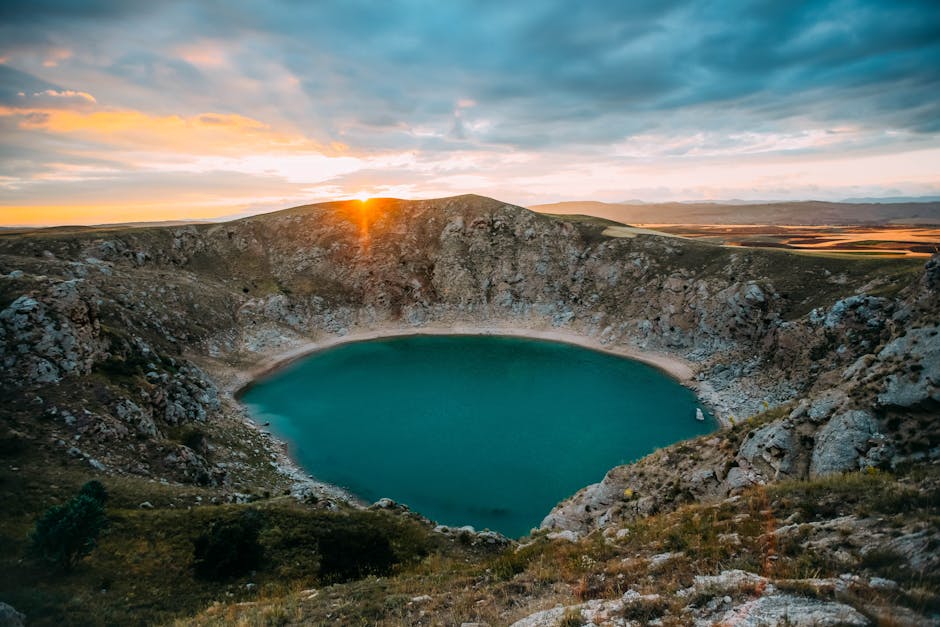
    Jeju Oreum sunrise empty crater lake golden hour

    🌍 국내외 ‘오버투어리즘 대안 여행’ 흐름과 비교해 보면

    이탈리아 베네치아는 2024년부터 성수기 입장료를 본격 도입했고, 바르셀로나는 관광객 총량 규제 논의가 2025년 이후 실제 정책으로 구체화됐습니다. 국내에서는 북촌 한옥마을이 주민 민원으로 관광 시간대 제한을 시행했고, 전주 한옥마을도 유사한 방향을 논의 중이에요. 제주는 아직 강제적 총량 규제까지는 가지 않았지만, 방문객 스스로 ‘분산 여행’을 선택하는 문화가 조금씩 자리 잡고 있다고 봅니다. 실제로 제주관광공사가 2026년 들어 강조하는 키워드도 ‘슬로우 투어리즘’‘중산간 여행’이에요. 이 흐름은 단순한 유행이 아니라, 지속 가능한 여행을 위한 구조적 변화라고 생각합니다.

    💡 숨은 스팟을 더 잘 즐기기 위한 현실적인 팁

    좋은 장소를 알아도 준비 없이 가면 아쉬운 경험이 될 수 있어요. 몇 가지를 미리 체크해 두면 훨씬 만족스러운 여행이 될 거예요.

    • 방문 시간: 일출 전후 1시간, 혹은 오후 4시 이후가 사람이 가장 적고 빛도 가장 아름다운 시간대예요.
    • 이동 수단: 렌터카 없이는 접근이 어려운 곳이 많아요. 단, 일부 오름 접근로는 소형차도 진입이 쉽지 않으니 지역 주민 커뮤니티(제주 살이 관련 SNS 그룹 등)에서 최신 도로 상태를 미리 확인하는 걸 권장합니다.
    • 날씨 확인: 제주 날씨는 지역마다 달라요. 서귀포와 제주시가 같은 날 전혀 다른 날씨인 경우가 흔하니, 기상청 ‘동네예보’ 기능을 적극 활용하세요.
    • 흔적 남기지 않기: 숨은 스팟이 계속 숨은 스팟으로 남으려면 방문자의 태도가 중요합니다. 쓰레기는 반드시 가져오고, SNS에 정확한 위치 핀을 공유하는 건 한 번 더 생각해 보시길 권해요.

    에디터 코멘트 : 사실 ‘숨은 스팟’이라는 단어 자체가 아이러니를 품고 있어요. 알려지는 순간 더 이상 숨은 곳이 아니게 되거든요. 그래서 이 글에서 소개한 장소들도 언제까지나 조용하다는 보장은 없습니다. 결국 중요한 건 특정 좌표를 찾는 것보다, 덜 알려진 방향으로 걸어가 보려는 태도 자체인 것 같아요. 제주의 진짜 매력은 유명한 인증샷 포인트가 아니라, 바람 소리와 풀 냄새, 아무도 없는 해안 산책로 끝에서 만나는 예상 못 한 풍경에 있다고 봅니다. 2026년 제주 여행을 계획 중이라면, 지도 앱 즐겨찾기에 오늘 소개한 장소 중 하나쯤은 저장해 두셔도 좋을 것 같아요. 분명히 후회 없는 선택이 될 거라 생각합니다.


    📚 관련된 다른 글도 읽어 보세요

    태그: [‘제주숨은스팟’, ‘제주여행2026’, ‘관광객없는제주’, ‘제주오름추천’, ‘제주슬로우투어’, ‘제주현지인맛집여행’, ‘오버투어리즘대안여행’]

  • Family Travel on a Budget in 2026: Insider Secrets for Flights, Hotels & Packages That Actually Save You Money

    Last spring, my sister called me in a mild panic. She’d been dreaming of taking her family of four to Japan for years, but every time she started piecing together flights, hotels, and activities, the total ballooned past $6,000 — and that was before a single bowl of ramen. Sound familiar? Here’s the thing: she eventually pulled off that trip for just under $3,200. The secret wasn’t luck. It was strategy. Let’s walk through exactly how families in 2026 are slashing travel costs without slashing the fun.

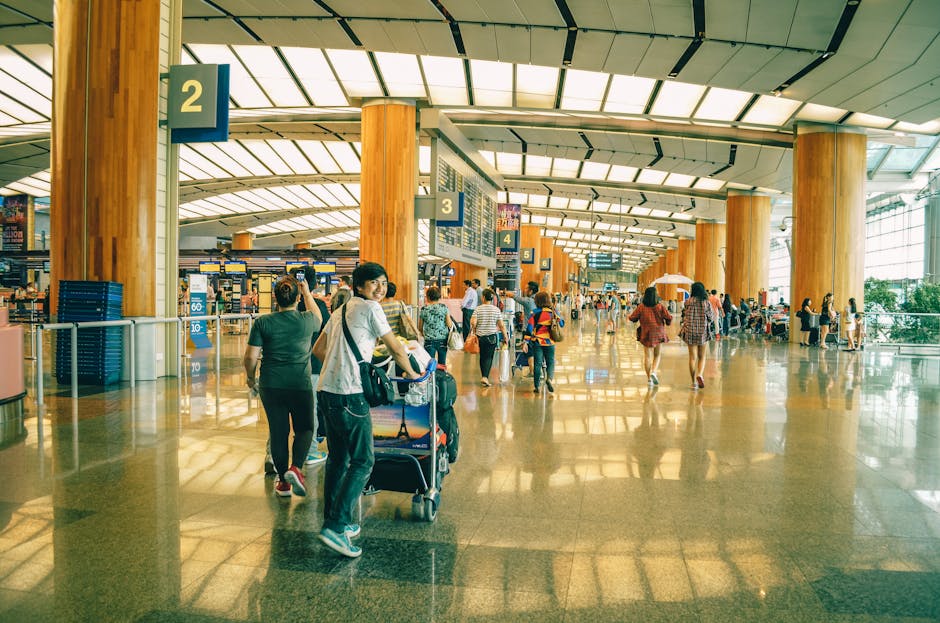
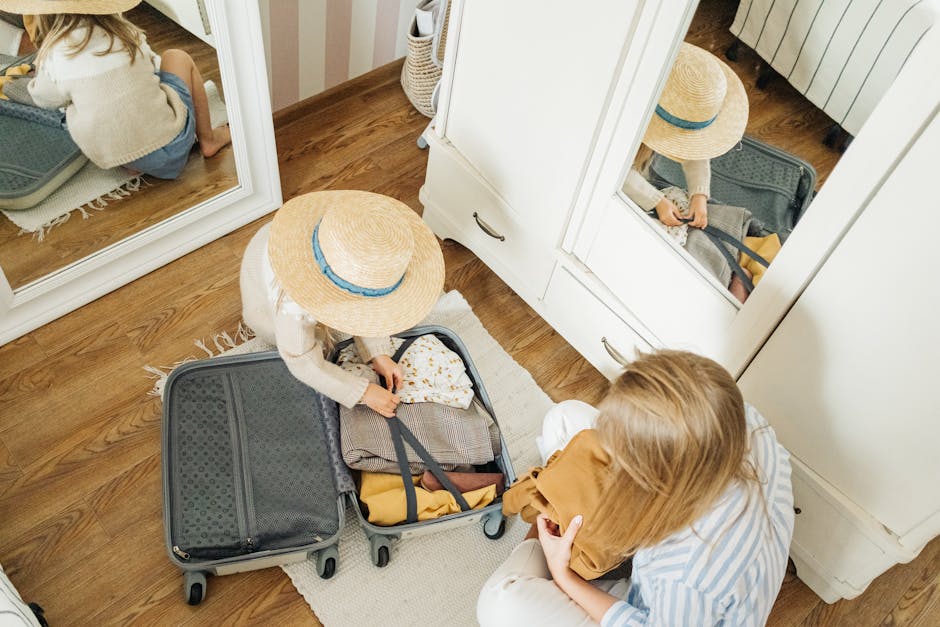
    family airport travel budget planning 2026

    Why Family Travel Feels So Expensive — And Why It Doesn’t Have To Be

    The math is brutal at first glance. One adult ticket becomes four. One hotel room becomes a suite (or two rooms). Multiply every meal by four, and suddenly your dream trip looks like a mortgage payment. But here’s the logical flip side: families actually have more negotiating power than solo travelers, because packages, loyalty programs, and group discounts are specifically designed to reward bulk bookings. The trick is knowing where to apply that leverage.

    According to data from the Global Travel Economy Index (Q1 2026), family travel packages booked at least 90 days in advance average 34% cheaper than equivalent bookings made within 30 days of departure. Yet most families still book reactively — during school break announcements or holiday mood surges. That timing gap is where savings disappear.

    Flights: The 2026 Booking Window Sweet Spot

    Airline pricing algorithms have gotten significantly smarter in the last two years, but they’ve also become more predictable if you know the patterns. For international family travel in 2026, the optimal booking window sits between 60 and 110 days before departure for most major routes. Here’s how to play it right:

    • Use fare alert tools like Google Flights or Hopper — set alerts 4–5 months before your intended travel date and let the algorithm do the watching for you.
    • Fly mid-week, especially Tuesday or Wednesday departures. A family of four saving $80 per ticket means $320 back in your pocket with zero sacrifice in experience.
    • Consider budget carriers for legs under 4 hours. Airlines like Scoot, AirAsia, or Wizz Air can undercut legacy carriers by 40–60% on shorter hops — just budget for checked bags separately.
    • Stack miles with credit card sign-up bonuses. In 2026, several co-branded family travel cards are offering 80,000–100,000 mile bonuses, enough to cover one or two round-trip tickets for your group.
    • Be flexible with your “home” airport. Driving 2–3 hours to a secondary airport (think Providence instead of Boston, or Osaka instead of Tokyo as a landing point) can save families $200–$400 in total ticket costs.

    Accommodations: Think Smarter, Not Cheaper

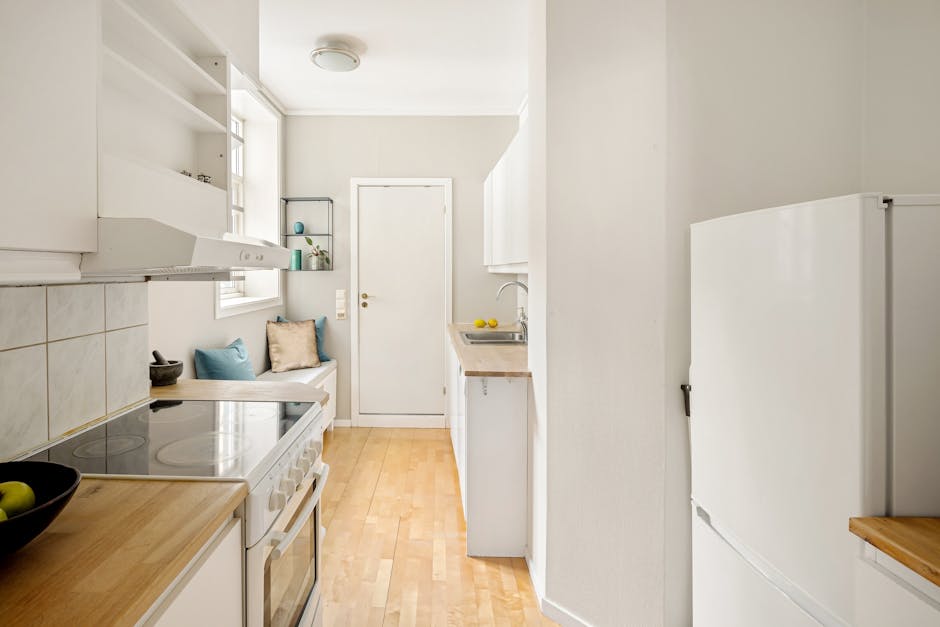
    The knee-jerk move is to find the cheapest hotel. The smarter move is to find the highest-value accommodation — and those aren’t always the same thing. For families, a mid-range apartment-style rental through platforms like Vrbo or Booking.com’s home collection often beats a hotel on pure value math: you get a kitchen (slashing meal costs), a living room (so kids aren’t sleeping at your feet), and laundry access (so you can pack lighter).

    Take this real-world example: A family of four visiting Barcelona in 2026 comparing options found that a 2-bedroom apartment at €140/night with kitchen access versus a standard hotel room at €110/night actually made the apartment cheaper overall once you factored in two fewer restaurant dinners per day (saving roughly €60–€80 daily). Over a 7-night trip, that’s potentially €420–€560 in additional savings — enough to fund an entire day trip to Montserrat or a cooking class.

    family vacation apartment rental cozy kitchen travel savings

    Packages: When Bundling Actually Wins (and When It Doesn’t)

    Package deals have a complicated reputation — sometimes they’re genuinely brilliant, sometimes they’re designed to obscure what you’re actually paying. Here’s a simple framework to evaluate any package deal in 2026:

    • Price-check each component separately first. Go to the airline site, then the hotel site, then add them up. If the package is within 5% of that total, it’s roughly equivalent. If it’s 15%+ cheaper, it’s likely a legitimate deal.
    • Look at all-inclusive resorts critically. For families with young kids in destinations like Mexico’s Riviera Maya, Punta Cana, or Bali’s family resorts, all-inclusives often genuinely save money — meals, snacks, and drinks for four people add up fast.
    • Check OTA bundle discounts. Expedia’s “bundle & save” and similar tools on Kayak genuinely offer 10–20% discounts when combining flights and hotels — this is mathematically real, not marketing fluff.
    • Watch for hidden costs — resort fees, city taxes, and “mandatory” excursion packages that inflate the headline price post-booking.

    Real Family Examples: What’s Working in 2026

    The Kim family, Seoul → Hokkaido (Japan): By flying into Sapporo’s New Chitose Airport on a budget carrier, booking a ryokan that included two meals per day, and traveling in early February (shoulder season in Hokkaido), they brought a 6-night ski trip for four under 2,800,000 KRW (~$2,100 USD) — roughly half the cost of peak-season alternatives.

    The Rodriguez family, Texas → Portugal: They leveraged a Chase Sapphire travel credit card that covered $900 in flights through their annual travel credit, booked a 2-bedroom Porto apartment for €95/night, and used a Eurail family pass for day trips. Total trip cost for 10 days: approximately $4,100 for four people, including flights.

    The pattern in both cases? Intentional flexibility on timing + accommodation style + one strategic financial tool made the difference.

    Realistic Alternatives Based on Your Situation

    Not every family can book 90 days out, and that’s completely real. Here’s how to adapt the strategy to your constraints:

    • If you have school-age kids locked into fixed holidays: Focus your savings effort on accommodations and food rather than flights. Book apartments over hotels, and cook 1–2 meals per day.
    • If you’re booking last-minute (under 3 weeks out): Pivot to drive-to destinations, which eliminate flights entirely. Regional road trips with Airbnb stays can be deeply memorable and cost under $1,000 for a long weekend.
    • If budget is extremely tight: Consider domestic destinations with international feel — places like New Orleans, San Antonio, or Hawaii’s outer islands offer rich cultural experiences without passport fees or conversion losses.
    • If you have toddlers or infants: Prioritize resorts or destinations with on-site childcare facilities — the mental load reduction is worth the slightly higher nightly rate, and you’ll actually enjoy the trip.

    Family travel in 2026 rewards the planners, but it doesn’t punish the spontaneous — it just asks them to pivot their strategy. The savings are genuinely there, layered across flight timing, accommodation type, package bundling, and a few smart financial tools. Start with one lever, then stack from there. Your family’s best trip yet is entirely within budget reach.

    Editor’s Comment : The biggest mistake families make isn’t overspending — it’s not knowing where the money is actually going. Once you break a trip into its components (flights, sleep, food, activities) and tackle each one with even a little strategy, the savings compound surprisingly fast. My honest advice? Pick your destination first, then work backward through the budget. The trip always finds a way when the destination feels right. Safe and smart travels! ✈️


    📚 관련된 다른 글도 읽어 보세요

    태그: [‘family travel budget 2026’, ‘cheap flights for families’, ‘family vacation packages’, ‘budget hotel tips’, ‘travel savings strategies’, ‘affordable family trips’, ‘flight booking hacks’]

  • 2026년 가족 여행 예산 절약 비법: 항공권·숙소·패키지 완전 정복 가이드

    2026년 가족 여행 예산 절약 비법: 항공권·숙소·패키지 완전 정복 가이드

    지난 설 연휴, 지인이 4인 가족 해외여행을 계획하다가 깜짝 놀랐다고 하더라고요. 항공권 두 자리만 검색했는데 왕복으로 200만 원이 훌쩍 넘어가더라는 거예요. 숙소까지 더하니 총 예산이 600만 원에 육박했다고요. 결국 그 가족은 여행을 포기했지만, 사실 방법을 알면 같은 여행을 절반 가격에도 다녀올 수 있다는 걸 나중에야 알게 됐다고 합니다.

    2026년 현재, 항공료와 숙박비는 여전히 높은 수준을 유지하고 있지만, 동시에 ‘잘 아는 사람’에게는 그 어느 때보다 다양한 절약 도구가 열려 있는 시대이기도 해요. 오늘은 가족 여행 예산을 현실적으로 줄일 수 있는 구체적인 방법들을 함께 살펴보려 합니다.

    family travel budget planning airport luggage

    📌 본론 1. 숫자로 보는 가족 여행 비용의 구조

    ① 항공권: 전체 예산의 40~50%를 차지한다

    4인 가족(성인 2명 + 초등학생 2명) 기준, 2026년 성수기(7~8월) 인천-방콕 왕복 항공권 정가는 1인당 약 70만~90만 원 수준으로 알려져 있어요. 단순 계산으로도 4인 총 항공비가 280만~360만 원에 달하는 셈이죠. 그런데 같은 노선을 비수기(11월~2월 초)나 얼리버드 시점(출발 3~6개월 전)에 잡으면 1인당 35만~50만 원대도 충분히 가능하다고 봅니다. 차이가 무려 40~50% 이상이에요.

    ② 숙소: ‘몇 박이냐’보다 ‘어디서 자느냐’가 더 중요하다

    호텔 객실 하나에 4명이 투숙하면 엑스트라 베드 비용이 추가되는 경우가 많아요. 반면 에어비앤비(Airbnb) 또는 현지 아파트먼트형 숙소를 이용하면 같은 기간 대비 30~40% 저렴하고, 주방 사용이 가능해 식비까지 절약할 수 있는 구조가 만들어집니다. 5박 기준 호텔이 1박 20만 원이라면 총 100만 원, 아파트먼트형 숙소는 1박 13만~14만 원 수준으로 총 65만~70만 원대도 가능해요.

    ③ 패키지 vs 자유여행: 무조건 싼 건 없다

    패키지여행은 ‘쇼핑 코스’가 포함된 경우 표면 가격이 낮아 보여도, 실질 지출은 비슷하거나 더 높아지는 경향이 있어요. 반면 항공+숙소만 묶은 ‘에어텔’ 형태의 반패키지는 자유여행의 유연성을 유지하면서도 단품 구매보다 10~20% 저렴한 경우가 많아서, 가족 여행에 꽤 현실적인 선택지라고 봅니다.


    📌 본론 2. 실제로 효과 있는 절약 사례들

    국내 사례: ‘화요일 예약’의 법칙

    국내 한 여행 커뮤니티에서 자주 공유되는 팁 중 하나가 바로 항공권 검색 요일이에요. 항공사들이 주로 월요일에 프로모션을 발표하고, 화~수요일에 할인가가 반영된다는 패턴이 있다고 알려져 있어요. 물론 알고리즘이 계속 바뀌기 때문에 절대적인 법칙이라고 단정할 수는 없지만, 적어도 금요일·주말보다는 평일 오전 검색이 유리하다는 경험담은 꽤 일치하는 편입니다.

    해외 사례: 구글 플라이트의 ‘가격 추적’ 기능

    미국·유럽의 여행 블로거들 사이에서는 이미 수년 전부터 Google Flights의 ‘가격 알림(Price Alert)’ 기능이 필수 도구로 자리 잡았어요. 원하는 노선을 즐겨찾기에 등록해 두면, 가격이 하락할 때 이메일로 알림을 받을 수 있는 구조예요. 2026년 현재 한국 사용자들도 이 기능을 활발히 활용하고 있으며, 평균 15~25%의 추가 절약 효과가 있다는 후기들이 많이 올라오고 있습니다.

    family vacation hotel booking smartphone app

    패키지 활용 사례: ‘OTA 번들’ 전략

    야놀자, 여기어때, 트립닷컴 같은 OTA(온라인 여행사)에서 제공하는 ‘항공+숙소 번들 상품’은 개별 구매 대비 평균 10~20% 할인이 적용되는 경우가 많아요. 특히 특가 쿠폰이나 포인트 적립 프로그램을 함께 활용하면 체감 할인율이 더 올라가는 구조라고 봅니다. 단, 번들 상품은 환불·변경 조건이 까다로운 경우가 있으니 약관을 꼼꼼히 확인하는 게 중요해요.


    ✅ 가족 여행 예산 절약을 위한 핵심 체크리스트

    • 출발 3~6개월 전 얼리버드 항공권 구매: 성수기일수록 일찍 잡을수록 유리해요. 특히 여름 방학과 명절 연휴는 최소 4~5개월 전 예약을 추천합니다.
    • 구글 플라이트 가격 알림 설정: 원하는 노선을 등록하고 가격 하락 알림을 받아보세요. 앱 설치 없이 웹에서도 가능해요.
    • 비수기 혹은 준성수기 狙い(노리기): 7~8월 대신 5~6월이나 9~10월을 고려해 보세요. 날씨가 큰 차이 없는 목적지라면 비용 차이가 상당합니다.
    • 아파트먼트형 숙소 우선 검색: 에어비앤비, 브이알보(VRBO), 현지 아파트 단기 임대 플랫폼을 호텔과 비교해 보세요. 4인 이상이면 아파트먼트가 대체로 유리합니다.
    • OTA 번들 상품 + 카드사 혜택 조합: 예약 전, 본인이 보유한 신용카드의 여행 관련 할인·캐시백 혜택을 먼저 확인하세요. OTA 번들과 조합하면 이중 혜택이 가능해요.
    • 쇼핑 코스 포함 패키지 주의: 저렴해 보이는 패키지에 쇼핑 코스가 포함돼 있다면, 실제 지출이 더 커질 수 있어요. 순수 에어텔 또는 자유여행 반패키지를 비교해 보세요.
    • 여행자 보험 미리 가입: 4인 가족 기준 여행자 보험은 출발 전 인터넷으로 가입하면 공항 대비 최대 40~50% 저렴해요. 예산 절약의 마무리 단계로 꼭 챙기세요.

    💬 결론: ‘싸게’ 가는 게 아니라 ‘잘’ 가는 거예요

    예산 절약이라는 말을 들으면 왠지 여행의 질이 낮아질 것 같은 느낌이 드시나요? 사실 제가 보기엔 그 반대인 것 같아요. 비용 구조를 이해하고 타이밍과 방법을 선택한 사람은, 같은 돈으로 더 여유로운 여행을 하거나 같은 여행을 훨씬 적은 돈으로 다녀올 수 있거든요. 가족 여행은 특히 ‘예산 스트레스’가 없어야 진짜 즐거울 수 있다고 봅니다.

    2026년은 항공권 가격 변동성이 여전히 크고, AI 기반 동적 가격 책정이 더 정교해지는 시기예요. 그만큼 ‘언제, 어떻게 예약하느냐’가 수십만 원 차이를 만들어내는 시대가 됐어요. 오늘 소개한 방법들을 하나씩 적용해 보시면서, 올해 가족 여행은 꼭 알차고 여유롭게 다녀오시길 바랍니다.

    에디터 코멘트 : 개인적으로 가장 효과가 좋았던 조합은 ‘구글 플라이트 가격 알림 + 아파트먼트 숙소 + OTA 카드 할인’이에요. 이 세 가지만 제대로 챙겨도 4인 가족 기준 50만~100만 원은 거뜬히 아낄 수 있다고 봅니다. 완벽한 계획보다 일단 날짜를 정하고 검색을 시작하는 게 먼저예요. 움직이는 사람이 결국 좋은 가격을 잡습니다. 🙂


    📚 관련된 다른 글도 읽어 보세요

    태그: [‘가족여행예산절약’, ‘항공권싸게사는법’, ‘여행숙소절약’, ‘2026가족여행’, ‘여행패키지비교’, ‘얼리버드항공권’, ‘해외여행비용절감’]

  • Hidden Gem Small Towns You Need to Visit in 2026: The Ultimate Off-the-Beaten-Path Travel Guide

    Picture this: It’s a lazy Tuesday morning in 2026, and instead of elbowing your way through another overcrowded tourist hotspot, you’re sipping locally brewed tea in a centuries-old teahouse that barely appears on Google Maps. The owner — a third-generation artisan — is showing you how to hand-press traditional paper. There are maybe four other visitors in the entire town. This is the magic of small-town travel, and honestly? It’s become one of the most talked-about travel philosophies of our time.

    With overtourism squeezing the life out of major destinations worldwide, savvy travelers in 2026 are actively seeking out the overlooked, the underrated, and the wonderfully weird corners of their own countries and beyond. Let’s think through this together — because finding these hidden gems isn’t just about luck. There’s actually a smart framework behind it.

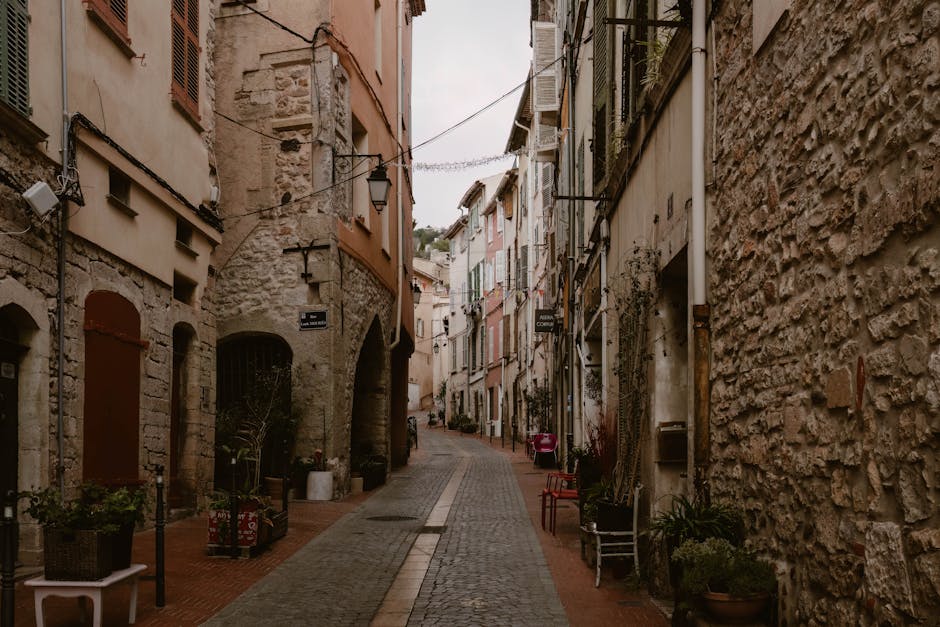
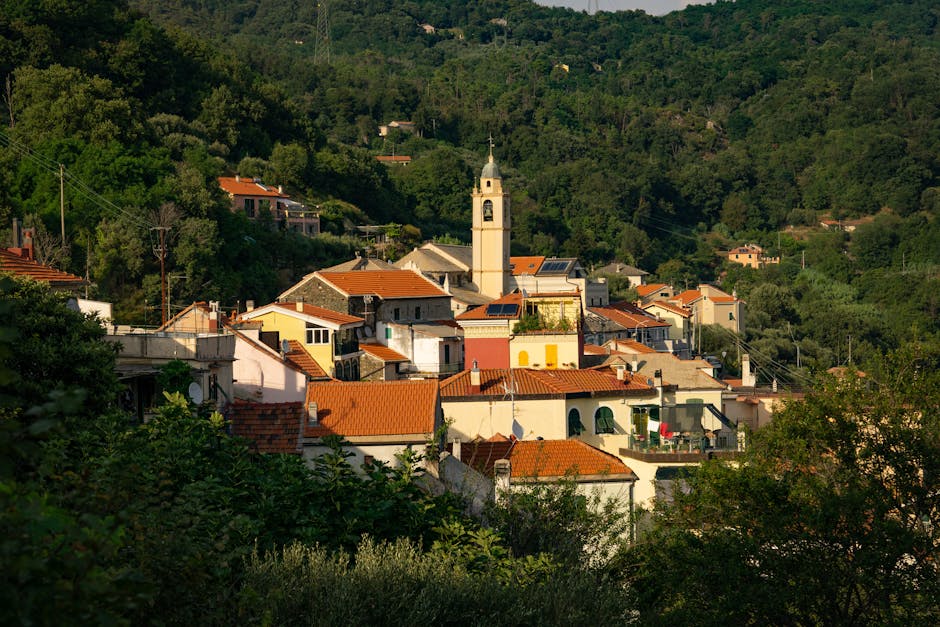
    hidden small town travel scenic countryside cobblestone street local culture

    Why Small-Town Travel Is Exploding in 2026

    The numbers tell a compelling story. According to travel trend reports from early 2026, searches for “off-the-beaten-path” destinations have surged by roughly 63% compared to three years ago. Meanwhile, visitor satisfaction scores — measured across multiple global travel platforms — consistently rate small-town experiences 18–22% higher than big-city tourism in categories like “authenticity,” “value for money,” and “local connection.”

    Here’s the logical reason behind that: small towns haven’t had to commodify their culture yet. The food is still cooked the way grandma intended. The festivals haven’t been repackaged for Instagram. And crucially, your tourism dollars go directly into local economies rather than disappearing into international hotel chains.

    The Hidden Gem Framework: How to Actually Find Them

    Let’s be practical. “Hidden gem” doesn’t mean impossible to find — it means under-visited relative to its worth. Here’s how I think through it:

    • The 2-Hour Rule: Look at towns within a 1.5–2 hour radius of a major city. They’re accessible but rarely on mainstream itineraries. Think of them as the “supporting cast” cities that never got their spotlight moment.
    • Check UNESCO Tentative Lists: Sites under consideration for UNESCO status are often extraordinary but not yet overrun. In 2026, there are hundreds of these globally — all worth your attention before the crowds arrive.
    • Follow Local Food Trails: Regional food specialties are almost always anchored in specific small towns. If a dish is famous, trace it back to its origin. That town is usually worth the detour.
    • Look at Historical Railway Maps: Towns that were once major rail stops but lost their rail connection often have preserved architecture and culture, yet significantly fewer tourists.
    • Talk to Locals in Big Cities: Ask hotel staff, taxi drivers, or market vendors where they go on weekends. This insider intelligence is worth more than any travel blog (present company included).

    Real-World Examples: Small Towns That Deliver Big Experiences

    Let’s ground this in reality with some specific examples from around the world that are generating quiet buzz in 2026’s travel community:

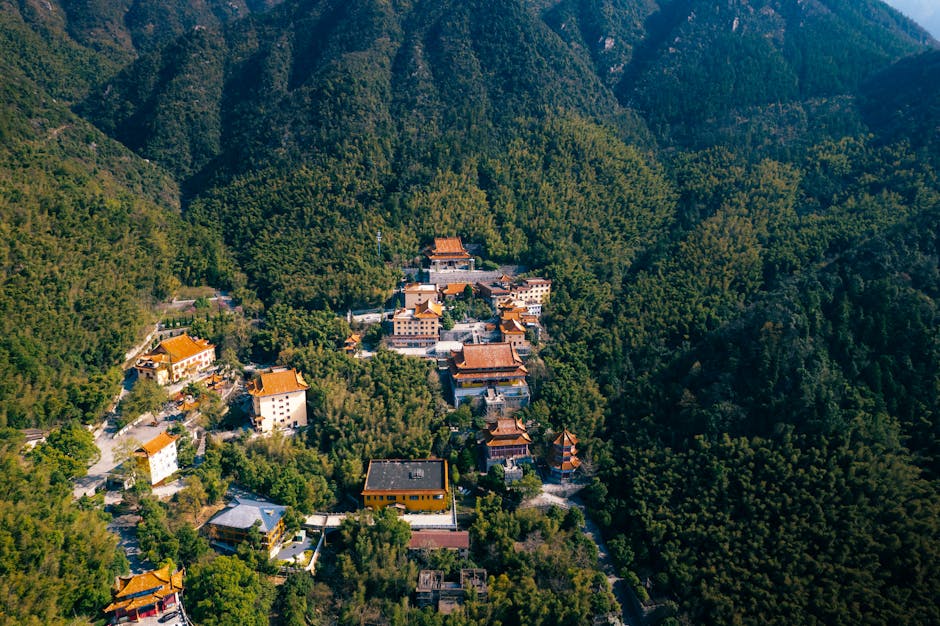
    Gyeongju, South Korea (but the surrounding villages, not the city center): While Gyeongju itself has grown more popular, the smaller villages within Gyeongju county — particularly around the Namsan Mountain foothills — remain almost entirely tourist-free. You’ll find Buddhist temple ruins, stone-carved Buddhas half-reclaimed by moss, and family-run hanok guesthouses where breakfast is a masterpiece of banchan side dishes. The contrast between the silence of these villages and the historical weight they carry is genuinely staggering.

    Civita di Bagnoregio, Italy: Often called “the dying city” because it sits atop crumbling volcanic tufa cliffs, this Italian hill town in Lazio is accessible only by a single footbridge. As of 2026, it maintains a population of fewer than 15 permanent residents, yet its medieval architecture is immaculate. Come on a weekday in spring and you might have entire cobblestone streets entirely to yourself.

    Karakol, Kyrgyzstan: Central Asia’s small towns are criminally underrated in Western travel culture. Karakol, near the eastern tip of Lake Issyk-Kul, combines Russian Orthodox architecture with Dungan (Chinese Muslim) mosques and serves as a base for some of the most dramatic mountain hiking in the world. In 2026, it’s still wonderfully low-key.

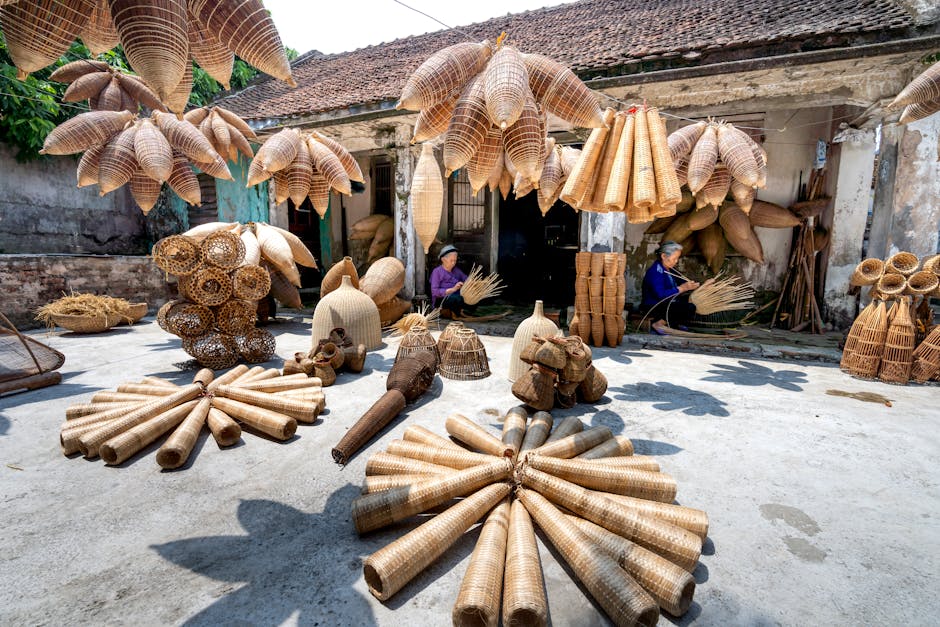
    Hội An’s Outer Villages, Vietnam: Everyone knows Hội An’s ancient town by now — and it shows. But cycle just 8–12km out into the surrounding countryside and you’ll hit weaving villages, boat-building communities, and rice paper factories that haven’t changed their methods in generations. These villages are close enough to be convenient, yet invisible to 95% of tourists.

    traditional village local artisan craft workshop authentic travel destination

    The Economics of Choosing Small: Why It Makes Financial Sense Too

    Let’s talk money, because this is a factor worth reasoning through carefully. On average, a day of travel in a well-known tourist city in 2026 — including accommodation, meals, and attractions — can easily run $150–$300 in developed countries. In comparable small towns within the same region? That figure typically drops to $60–$120, often with higher quality experiences.

    The reason is straightforward: small-town businesses haven’t had to inflate prices to account for tourist demand. A family-run restaurant doesn’t charge premium prices because it hasn’t realized yet that it could. A guesthouse in a historic building costs less than a chain hotel because the owner just genuinely wants company and a bit of income. This pricing gap won’t last forever — which is actually another argument for going now.

    Realistic Alternatives for Every Type of Traveler

    Not everyone can spend two weeks wandering rural Kyrgyzstan, and that’s completely fine. Here’s how to adapt the small-town travel philosophy to your actual situation:

    • Weekend Warriors: Pick one small town within driving distance and commit to it fully — no rushing to “cover” multiple spots. One town, two nights, deep exploration beats three towns in a weekend every time.
    • Family Travelers: Look for small towns with a clear activity anchor — a nature park, a hands-on craft workshop, or an interactive farm. Kids engage better with tangible experiences than abstract “culture.”
    • Solo Travelers: Small towns with active volunteer tourism programs or language exchange cafes are goldmines for meaningful connection. You’re not just observing — you’re participating.
    • Budget-Conscious Travelers: Prioritize towns accessible by public transport from a major city. This cuts accommodation costs significantly since you can do a day trip without overnight stays.
    • Luxury Seekers: Yes, even this works. Look for “agritourism” estates or restored heritage properties in small towns — these often offer five-star experiences at four-star prices because the operating costs are lower.

    A Few Honest Caveats

    I want to be real with you here, because no good travel guide glosses over the challenges. Small towns can mean limited English-speaking locals, unpredictable business hours (yes, that amazing café might just be closed on Tuesday for no stated reason), and infrastructure that requires some patience. Public transport connections can be infrequent. Accommodation options might be limited.

    But here’s how I think about this: those “inconveniences” are often the very things that make the experience memorable. Getting slightly lost, relying on a phrasebook, or having an impromptu conversation through a translation app with a local shopkeeper — these are the stories you’ll actually tell at dinner parties. The perfectly smooth, pre-packaged tour? Less so.

    The sweet spot is preparation without over-planning. Research enough to know the basics — how to get there, where you’ll sleep, one or two key spots to anchor your visit. Then leave the rest open. Small towns reward spontaneity in ways that big cities rarely can.

    In 2026, when so much of travel has become performative and algorithm-driven, choosing the quiet road isn’t just a travel preference — it’s almost a philosophical statement. It says: I’m here for the real thing, not the highlight reel version.

    So where’s your next small town going to be?

    Editor’s Comment : The best travel memories I’ve encountered in 2026 aren’t from people who ticked off the Eiffel Tower or Times Square — they’re from the person who stumbled into a village festival in rural Portugal because their train was delayed, or the couple who spent three days in a South Korean mountain village learning to make traditional pottery. The hidden gems aren’t hiding from you — they’re just waiting for someone curious enough to look slightly left of the obvious path. Start small, go deep, and watch how profoundly your perspective on travel shifts.

    태그: [‘hidden gem travel 2026’, ‘small town tourism’, ‘off the beaten path destinations’, ‘authentic travel experiences’, ‘budget travel tips’, ‘local culture travel’, ‘slow travel lifestyle’]


    📚 관련된 다른 글도 읽어 보세요

  • 지방 소도시 숨겨진 관광지 추천 2026 | 아무도 안 가르쳐주는 진짜 여행지

    얼마 전, 지인이 SNS에 올린 사진 한 장이 화제가 됐어요. 배경은 어딘가 낯설고 고즈넉한 골목, 댓글엔 죄다 “여기 어디예요?”가 달렸죠. 알고 보니 전남 고흥의 작은 포구 마을이었어요. 제주도도, 강릉도, 여수도 아닌 곳이 이렇게 반응을 얻다니 — 사실 이게 지금 여행 트렌드의 본질인 것 같습니다. 사람들이 점점 ‘뻔한 여행지’에 피로감을 느끼고, 진짜 나만 아는 장소를 원하고 있다는 거죠.

    2026년 현재, 오버투어리즘(over-tourism, 관광객 과잉 집중) 문제가 유명 관광지마다 심각해지면서, 오히려 지방 소도시의 ‘언더투어리즘’ 지역들이 새롭게 조명받고 있어요. 오늘은 그 숨겨진 보석 같은 장소들을 함께 살펴보려 합니다.

    hidden travel destination small town Korea countryside

    📊 수치로 보는 지방 소도시 여행 트렌드

    한국관광공사의 2026년 상반기 국내 여행 동향 데이터를 보면, 흥미로운 변화가 감지됩니다. 전체 국내 여행객 중 수도권·대도시 외 인구 10만 명 이하 소도시를 방문한 비율이 2023년 대비 약 28% 증가했고, 특히 2030세대의 ‘슬로 트래블(Slow Travel)’ 선호도가 41%로 크게 높아졌라고 봅니다.

    반면 제주도·경주·부산 등 기존 인기 여행지의 방문 만족도는 3년 연속 하락 추세인데, 주된 이유로 ‘혼잡함(63%)’, ‘상업화된 분위기(51%)’가 꼽혔어요. 이 간극이 바로 지방 소도시 여행의 기회가 된 셈이라고 봅니다.

    🗺️ 국내외 사례로 본 소도시 여행의 매력

    해외에서는 이미 이런 흐름이 하나의 문화로 자리 잡았어요. 이탈리아 정부는 ‘알베르고 디푸소(Albergo Diffuso)’ 프로그램을 통해 인구 소멸 위기의 소도시 빈집을 리모델링해 분산형 호텔로 만들었고, 이 마을들이 SNS를 통해 세계적인 관광지로 재탄생한 사례가 여럿 있습니다. 산 레오, 친퀘 테레의 주변 소도시들이 대표적이죠.

    국내에서도 유사한 흐름이 생기고 있어요. 전북 진안의 마이산, 충남 홍성의 내포 신도시 인근 역사 마을, 경북 영양의 반딧불이 생태공원 등은 최근 ‘조용한 핫플’로 입소문을 타고 있는 대표적인 사례입니다. 이 장소들의 공통점은 과잉 개발 없이 지역 고유의 감성이 살아있다는 점이에요.

    🌿 2026년 지금 가볼 만한 지방 소도시 숨겨진 관광지 추천

    Korea local village scenic spot hidden gem nature travel 2026
    • 전남 고흥 — 나로도 우주센터 & 쑥섬(애도): 우주발사체 발사 현장과 주민 할머니들이 직접 가꾼 꽃정원 섬이 공존하는 독특한 조합. 접근성이 낮아 아직 한적한 편이에요.
    • 경북 영양 — 반딧불이 생태공원 & 수하계곡: 국내 유일의 반딧불이 자연 서식지로 환경부 지정 생태 우수 지역이에요. 여름철 야간 투어는 정말 특별한 경험인 것 같습니다.
    • 충남 홍성 — 남당항 & 결성 고읍성: 대하·꽃게로 유명한 남당항과 조선 시대 성곽이 그대로 남아있는 고읍성을 함께 둘러볼 수 있어요. 당일치기로도 충분합니다.
    • 강원 양양 — 서피비치 너머 물치항: 서피비치의 그늘에 가려져 있지만, 물치항은 여전히 옛 어촌 감성이 살아있는 곳이에요. 현지인들이 즐기는 활어회 골목은 가성비가 남다릅니다.
    • 전북 무주 — 적상산 & 머루와인동굴: 덕유산 국립공원 인근이지만 상대적으로 탐방객이 적어요. 적상산 사고(史庫) 터와 와인 동굴 시음 체험이 묘하게 잘 어울리는 곳이라고 봅니다.
    • 경남 합천 — 황매산 억새 & 합천 영상테마파크: 억새 명소로만 알려져 있지만, 한국전쟁 시대 세트장을 제대로 재현한 영상테마파크는 레트로 감성을 좋아하는 분들에게 강력 추천하고 싶어요.
    • 충북 괴산 — 산막이 옛길 & 괴산 호수: 맑은 물이 그대로 비치는 괴산댐 호수 주변 트레킹 코스로, 봄·가을 평일엔 마치 사유지 같은 한적함을 즐길 수 있어요.

    💡 현실적인 소도시 여행 팁

    소도시 여행의 가장 큰 허들은 사실 접근성과 숙소인 것 같아요. 대중교통이 하루 몇 회 없는 경우도 있고, 숙박 시설이 제한적인 경우가 많죠. 몇 가지 현실적인 대안을 정리해 볼게요.

    • 차량 필수 여부 확인: 여행 전 해당 지자체 관광 홈페이지나 카카오맵으로 버스 노선 먼저 체크. 렌터카나 카셰어링(쏘카, 그린카)을 적극 활용하는 게 현실적입니다.
    • 로컬 스테이 활용: 에어비앤비보다 한국관광공사의 ‘굿스테이’ 인증 숙소나 지역 농어촌 민박(팜스테이코리아)을 이용하면 현지 감성도 살리고 합리적인 가격에 묵을 수 있어요.
    • 지역 축제 일정 체크: 소도시 특유의 계절 축제(예: 영양 반딧불이 축제, 고흥 우주항공축제)에 맞춰 방문하면 평소엔 닫혀있는 체험 프로그램도 즐길 수 있어요.
    • 평일 여행 강력 추천: 입소문이 난 소도시 관광지도 주말엔 붐비기 시작했어요. 평일 방문 시 여유로운 분위기를 즐길 수 있고, 숙박비도 20~30% 저렴한 경우가 많습니다.

    결국 ‘숨겨진 관광지’는 영원히 숨겨진 채로 있지 않아요. 지금 이 순간이, 아직 사람이 몰리기 전의 가장 좋은 타이밍인 것 같습니다. 빠르게 발품을 팔수록 더 진짜 경험을 가져갈 수 있다고 봐요.

    에디터 코멘트 : 저도 작년에 무작정 합천으로 떠났다가 황매산 억새밭에서 두 시간을 멍하니 앉아 있었던 기억이 나요. 유명 관광지에서 느낄 수 없는 ‘나만의 시간’ 같은 게 있더라고요. 여행의 목적이 인증샷이 아니라 회복과 쉼이라면, 지방 소도시는 그 어떤 해외여행보다 효율적인 선택일 수 있다고 진심으로 생각합니다. 2026년엔 조금 낯선 곳으로, 조금 천천히 떠나보는 건 어떨까요?

    태그: [‘지방소도시여행’, ‘숨겨진관광지’, ‘국내여행추천2026’, ‘슬로트래블’, ‘한국소도시여행’, ‘숨은여행지’, ‘국내여행코스’]


    📚 관련된 다른 글도 읽어 보세요

  • Best Value Family Vacation Packages for Summer 2026: How to Get the Most Without Breaking the Bank

    Picture this: It’s late June 2026, the kids just got out of school, and everyone is buzzing with energy. Your daughter is begging for the beach, your son wants a theme park, and your partner quietly hopes for something that doesn’t require a second mortgage. Sound familiar? Trust me — you’re not alone. Every summer, millions of families wrestle with the same puzzle: how do we have an unforgettable trip without the financial hangover in September?

    Let’s think through this together, because “value” in family travel isn’t just about the cheapest price tag — it’s about maximizing joy per dollar spent. And in 2026, with smarter booking platforms and more flexible package deals than ever, there’s genuinely never been a better time to plan strategically.

    happy family vacation beach summer luggage travel 2026

    Why Family Travel Packages Have Changed in 2026

    Here’s a data point worth noting: according to travel industry reports from early 2026, family travel spending has rebounded to its highest level in over a decade, with average family vacation budgets sitting around $4,200–$6,800 USD for domestic trips and $8,500–$14,000 USD for international ones. That’s real money — and it means travel providers are fiercely competing for your booking.

    This competition is actually great news for you. Major platforms like Expedia, Booking.com, and regional specialists like KKDAY and Klook have rolled out “family bundle” structures in 2026 that combine flights, accommodations, and activity passes at 20–35% below individually priced components. The key is knowing when and how to book.

    The Sweet Spot: When to Book for Maximum Value

    Timing is everything in family travel economics. Here’s the general logic:

    • Book 90–120 days in advance for peak summer (July–August) travel — this is especially true for flights, which see price hikes of 40–60% within 60 days of departure.
    • Consider early June or late August travel windows — prices drop significantly before the peak school holiday rush, and destinations are far less crowded.
    • Weekday departures (Tuesday/Wednesday) can shave 10–20% off airfare costs compared to weekend flights.
    • All-inclusive resorts often offer better per-person value than hotel + dining separately, especially for families with young children.
    • Multi-destination packages can seem expensive upfront but often include transportation between spots, eliminating hidden costs.

    Domestic Winners: Top Value Family Package Destinations in 2026

    For families in the U.S., a few destinations consistently deliver exceptional value in summer 2026:

    Myrtle Beach, South Carolina remains a gold standard for coastal family value. A 7-night package including oceanfront condo-style accommodation (think: kitchen included, so you can save on eating out) and a mini waterpark pass is running around $1,800–$2,600 for a family of four through packages in 2026. The kitchen access alone saves families an average of $150–200 per day compared to pure resort stays.

    Orlando, Florida is always a conversation starter — it feels expensive, but the package math often surprises people. Combined Disney + Universal multi-day pass bundles with on-site hotel access have become more aggressive in 2026, with early-bird family packages starting around $3,200–$4,500 for 5 nights including park tickets. Compare this to booking everything separately, and you’re typically looking at $1,000–$1,500 in savings.

    National Park Road Trips (think: Yellowstone, Grand Teton, or the Pacific Coast Highway route) offer a completely different kind of value — the “annual America the Beautiful” pass at $80 for 2026 covers entry to all national parks for a full year. Pair this with cabin or glamping packages and you’ve got a memorable trip for under $2,000 total.

    International Options: Where Value Really Shines

    Internationally, 2026 brings some genuinely exciting value windows:

    family international travel Mexico Japan resort kids fun summer

    Mexico (Cancún / Riviera Maya) continues to dominate the all-inclusive international family category. Seven-night all-inclusive packages for a family of four — including round-trip flights from major U.S. hubs — are available in 2026 for $3,500–$5,200. When you factor in that all meals, kids’ club activities, and entertainment are covered, the per-person daily cost becomes remarkably competitive.

    Japan has emerged as a surprising value destination for families in 2026 as the yen has stabilized at favorable exchange rates. While Japan isn’t “cheap” in the traditional sense, the density of experiences — bullet trains, cultural immersion, incredible food, and kid-friendly attractions like teamLab and Universal Studios Japan — means value per experience is extremely high. Budget roughly $10,000–$13,000 for a family of four on a 10-day package.

    Southeast Asia (Thailand, Vietnam, Bali) offers perhaps the most raw value per dollar, with 7–10 day family resort packages running $4,500–$7,000 including flights, often at 4–5 star properties. The key is choosing family-specific resorts with dedicated kids’ pools and programming — it transforms the experience.

    Realistic Alternatives Based on Your Situation

    Now, let’s get real — not every family has the same budget or flexibility. Here’s how to think about it by situation:

    • Tight budget (under $2,000 total): A domestic road trip with campground or budget cabin bookings, paired with national/state park access, is genuinely one of the richest family experiences available. Kids often remember these trips more vividly than resort stays.
    • Mid-range ($2,500–$5,000): Domestic beach destinations with kitchen-equipped accommodations are your sweet spot. Cook breakfasts and lunches, splurge on dinners. Book package deals through Costco Travel or Sam’s Club Travel — their family bundles in 2026 are quietly among the best value in the market.
    • Flexible spenders ($5,000–$10,000): An all-inclusive international resort (Mexico, Dominican Republic, Jamaica) gives you the simplest, stress-lowest vacation structure. Everything is prepaid, kids are occupied, adults can breathe. It’s worth it for the mental overhead reduction alone.
    • Premium seekers ($10,000+): Japan, New Zealand, or a European multi-city package offer genuinely transformative experiences for older kids. Prioritize educational depth alongside fun — it justifies the investment beautifully.

    One underrated tip for 2026: credit card travel portals (Chase Ultimate Rewards, Amex Travel, Capital One Travel) have significantly upgraded their family package options this year. If you’re sitting on points, this summer could be the perfect redemption moment — especially for flights and hotels, where point values have improved compared to 2025.

    The bottom line? The best family vacation isn’t necessarily the most expensive one — it’s the one that matches your family’s actual energy, interests, and budget without leaving you stressed on arrival or broke on return. Plan early, bundle smartly, and remember that kids care more about your presence than your spending.

    Editor’s Comment : After digging into the summer 2026 travel landscape, the one thing that keeps standing out is how much the early-booking advantage has grown. The gap between booking now versus booking in June for a July trip has become genuinely dramatic — we’re talking hundreds, sometimes thousands, of dollars. If you take nothing else from this piece, let it be this: open that booking tab today, even just to research. Future-you, relaxing on a beach with your family, will be grateful.

    태그: [‘family vacation packages 2026’, ‘summer travel deals’, ‘best value family trips’, ‘budget family travel’, ‘all-inclusive family resorts’, ‘summer holiday planning’, ‘affordable family vacations’]


    📚 관련된 다른 글도 읽어 보세요

  • 2026 여름 방학 가족 여행 패키지 가성비 추천 – 예산별 최고의 선택지 총정리

    지난해 여름, 지인 가족이 ‘이번엔 제대로 가자!’는 마음으로 유럽 패키지를 알아봤다가 1인당 300만 원이 넘는 견적에 조용히 국내 리조트로 눈을 돌렸다는 이야기를 들은 적이 있어요. 여름 방학 가족 여행, 마음은 크게 먹고 싶은데 현실은 예산이라는 벽에 부딪히는 경우가 정말 많죠. 2026년 여름 시즌, 항공권 가격 변동폭이 커지고 물가도 전반적으로 오른 상황에서 ‘가성비 좋은 패키지’를 고른다는 게 예전보다 훨씬 까다로운 일이 됐습니다. 그래서 오늘은 예산대별로 현실적인 선택지를 같이 살펴보려고 해요.

    family summer vacation travel package beach resort

    📊 2026년 여름 가족 여행 패키지 비용, 얼마나 올랐을까?

    여행업계 데이터를 보면, 2026년 7~8월 성수기 기준 4인 가족(성인 2명 + 초등생 자녀 2명) 패키지 여행 평균 비용은 대략 다음과 같이 형성되어 있다고 봅니다.

    • 국내 제주도 3박 4일 패키지 (숙박+항공+렌터카 포함): 약 80만~120만 원 (4인 기준 총액)
    • 동남아 근거리 해외 패키지 (태국 파타야, 베트남 다낭, 필리핀 세부 등): 1인당 60만~110만 원 → 4인 기준 240만~440만 원
    • 일본 패키지 (오사카·도쿄 4박 5일): 1인당 80만~140만 원 → 4인 기준 320만~560만 원
    • 유럽·미주 장거리 패키지: 1인당 250만 원 이상, 4인 기준 1,000만 원을 훌쩍 넘기는 경우가 일반적

    특히 2026년 여름은 엔화 환율이 상대적으로 안정세를 보이면서 일본 여행 수요가 다시 급증하고 있어요. 반면 동남아는 성수기 항공 수요 집중으로 오히려 비용이 올라, 예년에 비해 ‘동남아 = 무조건 싸다’는 공식이 많이 깨졌다고 봐야 합니다. 얼리버드 기준으로는 항공+호텔 패키지가 약 20~30% 저렴하게 구성되는 경우가 많으니, 이미 이 글을 4월 이전에 보고 있다면 지금이 예약 타이밍으로 꽤 좋은 시점인 것 같습니다.

    🌏 예산별 가성비 패키지 추천 – 국내외 사례 비교

    ① 예산 100만 원 이하 – 국내 스마트 여행
    제주도는 여전히 국내 가족 여행의 왕좌라고 봐요. 2026년 기준, LCC(저비용항공사)의 김포-제주 노선 얼리버드 왕복 항공권은 1인당 4만~8만 원대도 나오고 있어요. 여기에 에어비앤비형 독채 펜션이나 풀빌라를 4인이 나눠 쓰면 오히려 호텔보다 저렴하면서도 공간이 넓어 아이들이 있는 가족에게 유리합니다. 렌터카는 경차 기준 하루 3~5만 원대로, 대중교통보다 오히려 경제적이에요.

    ② 예산 200만~350만 원 – 근거리 해외 가성비 Top 3
    이 예산대에서 가장 추천드리고 싶은 건 베트남 다낭이에요. 2026년 현재 다낭 직항 노선이 꾸준히 유지되면서, 4~5성급 리조트 올인클루시브 패키지를 4인 기준 250만~300만 원대에서 구성할 수 있는 경우가 있습니다. ‘올인클루시브(All-inclusive)’ 방식, 즉 숙박·식사·음료·일부 액티비티가 모두 포함된 상품은 아이들과 함께할 때 현지 지출을 예측하기 쉽다는 큰 장점이 있어요. 두 번째는 필리핀 세부, 세 번째는 태국 방콕+파타야 콤보를 꼽을 수 있습니다.

    ③ 예산 350만~550만 원 – 일본 가족 여행의 재발견
    2026년 엔화 환율이 1엔당 9~10원 수준을 유지하고 있는 점은 일본 여행에는 여전히 호재입니다. 오사카를 베이스로 교토, 나라를 묶는 ‘간사이 패키지’는 문화 체험과 음식, 테마파크(유니버설 스튜디오 재팬)를 한 번에 즐길 수 있어 아이들 만족도가 매우 높아요. 실제로 2026년 상반기 하나투어·모두투어 판매량 기준 가족 여행 패키지 1위 목적지로 일본 간사이 지역이 꾸준히 상위권을 차지하고 있다고 알려져 있습니다.

    family travel Japan Osaka kids happy sightseeing

    ✅ 가성비 패키지 고를 때 반드시 체크해야 할 포인트

    • 옵션 투어 포함 여부 확인: 기본가가 싸 보여도 현지에서 옵션 투어를 추가하면 1인당 5~10만 원씩 더 나오는 구조인 경우가 많아요. 자유 시간이 충분한지 꼭 확인하세요.
    • 어린이 요금 적용 방식: ‘어린이 무료’라고 표시된 상품도 항공료나 세금은 별도인 경우가 대부분입니다. 실제 총 견적을 받아 비교하는 습관이 필요해요.
    • 숙소 위치와 이동 동선: 특히 어린 자녀가 있는 경우, 숙소가 관광지와 너무 멀면 이동 자체가 피로가 됩니다. ‘숙소 위치’는 가성비를 가르는 핵심 변수 중 하나라고 봅니다.
    • 여행자 보험 포함 여부: 패키지에 기본 포함된 보험인지, 별도 가입인지 확인하세요. 아이들이 있는 가족 여행에서 보험은 선택이 아닌 필수입니다.
    • 얼리버드 vs 막차 예약: 성수기 여름 시즌은 막차보다 얼리버드가 압도적으로 유리합니다. 4월 말 이전 예약 시 평균 15~25% 할인 혜택을 기대할 수 있어요.
    • 카드사 혜택 연계 여부: 특정 카드사와 제휴된 패키지는 추가 할인 또는 포인트 적립이 가능해요. 2026년 기준 주요 카드사들이 여름 여행 시즌 프로모션을 적극 운영 중이니 꼭 체크해보세요.

    💡 2026년 여름, 가성비의 재정의

    ‘가성비’는 단순히 ‘싼 것’이 아니라 ‘지불한 돈에 비해 만족도가 높은 것’이라고 봐야 해요. 아이들이 있는 가족 여행에서의 만족도는 결국 아이들의 체력과 컨디션에 달려 있는 경우가 많습니다. 빡빡한 일정의 저가 패키지보다는, 하루 한두 개의 핵심 일정만 소화하고 나머지는 숙소 풀에서 쉬는 ‘느슨한 일정’이 실질적인 가성비가 더 높은 경우도 많아요. 이 점을 패키지 선택 시 꼭 염두에 두셨으면 합니다.

    에디터 코멘트 : 2026년 여름 가족 여행, 사실 ‘어디를 가느냐’보다 ‘어떻게 구성하느냐’가 훨씬 중요한 것 같아요. 예산이 넉넉하지 않다면 국내 제주도 독채 펜션 패키지도 충분히 훌륭한 선택입니다. 해외를 간다면 얼리버드로 다낭 또는 일본 간사이를 노려보세요. 무엇보다 아이들이 기억하는 건 ‘어디서 잤냐’가 아니라 ‘엄마 아빠와 함께 웃었던 순간’이라는 걸 잊지 않으셨으면 좋겠어요. 올여름 가족 여행, 부디 즐겁고 알차게 다녀오시길 바랍니다.

    태그: [‘여름방학가족여행’, ‘가족여행패키지추천’, ‘2026여름여행’, ‘가성비해외여행’, ‘다낭가족여행’, ‘제주도가족여행’, ‘여름여행패키지비교’]


    📚 관련된 다른 글도 읽어 보세요