Author: likevinci

  • Hidden Coastal Gems in South Korea You’ve Never Heard Of (2026 Guide)

    Last spring, I found myself standing on a cliff edge in a tiny fishing village on Korea’s southern coast, completely alone — no tour buses, no Instagram crowds, just the sound of waves crashing against volcanic rock and the smell of salt air. A local grandmother handed me a piece of dried squid and pointed at the horizon like she was gifting me a secret. That moment reminded me: South Korea has so many coastal treasures that never make it onto the mainstream travel radar.

    Most people visiting Korea’s coastline default to Busan’s Haeundae Beach or Jeju Island’s Hyeopjae Beach — and don’t get me wrong, those are genuinely beautiful. But if you’re the kind of traveler who loves discovering a place before the crowds do, let’s think through some truly underrated options together.
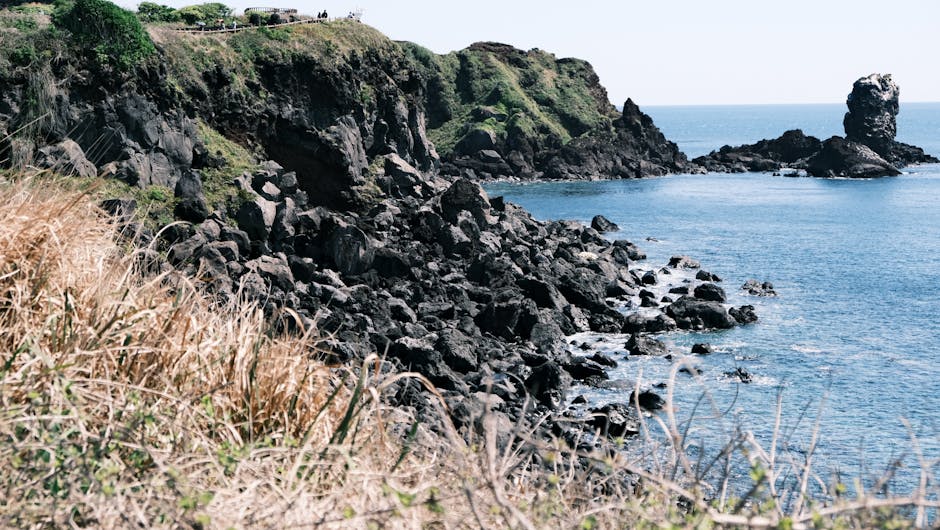
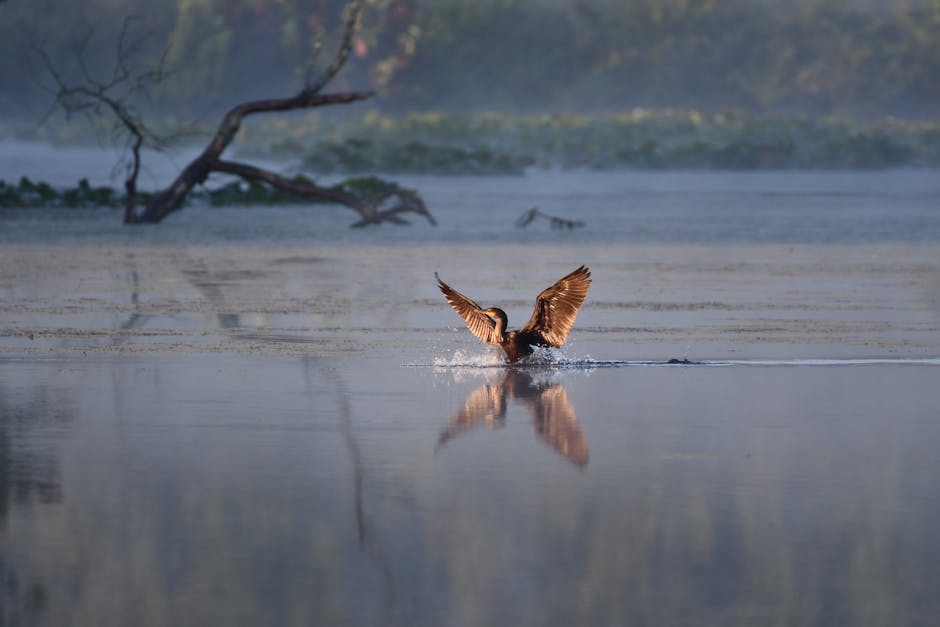
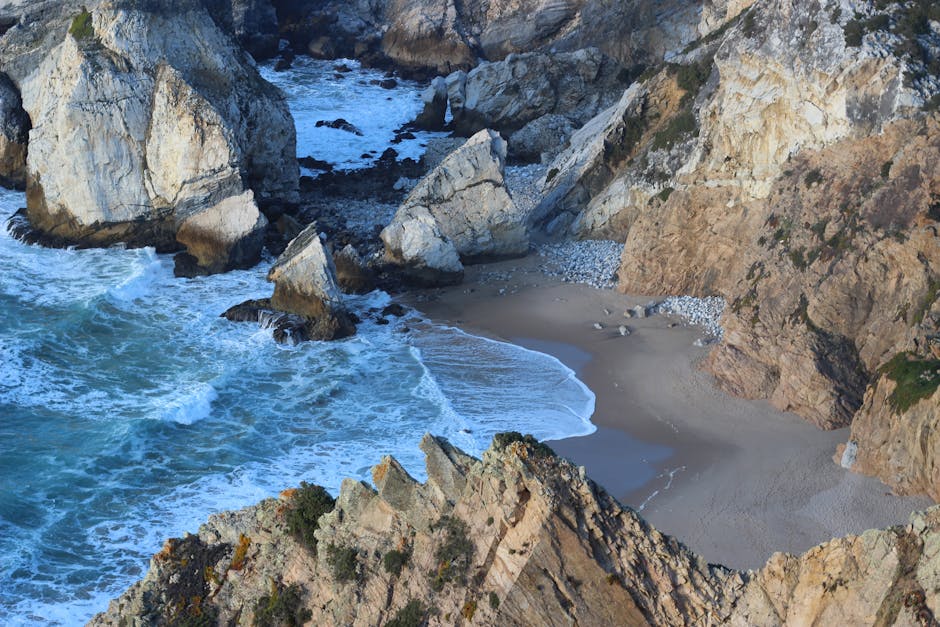
    hidden Korean coastal cliffs, dramatic sea views, off-the-beaten-path South Korea

    Why Korea’s Lesser-Known Coasts Are Worth the Extra Effort

    South Korea has roughly 2,413 km of coastline (excluding islands), with over 3,000 islands scattered across its western and southern seas. Despite this, tourism infrastructure is heavily concentrated in just a handful of hotspots. According to the Korea Tourism Organization’s 2026 regional travel data, the top 5 coastal destinations absorb nearly 68% of all domestic beach tourism — which means a staggering amount of natural beauty is sitting quietly, waiting to be explored.

    The logic here is simple: less infrastructure often means more raw nature, friendlier locals, lower costs, and a much more genuine travel experience. Let’s break down some of the best-kept secrets.

    1. Gosapo Beach, Chungcheongnam-do — The Tidal Flat Wonderland

    Most travelers skip the West Sea (Yellow Sea) coastline entirely because the water isn’t as clear as the South or East Sea. That’s a reasoning mistake. Gosapo Beach near Boryeong is famous among a small circle of eco-travelers for its extraordinary tidal flats (getbol), which stretch nearly 2 km at low tide. The sunset here turns the exposed mud into liquid gold — it’s visually unlike anything else in Korea. The nearby Boryeong Mud Festival gets all the press, but the beach itself in the off-season is a completely different, meditative experience.

    2. Guryongpo, Gyeongsangbuk-do — Japan Sea Drama Without the Crowds

    Perched on the southeastern tip of the Korean peninsula, Guryongpo is a small port town that most Koreans themselves associate only with gwamaegi (semi-dried Pacific saury fish). But the coastal walking trail here — particularly the stretch toward Homigot Cape — offers some of the most dramatic East Sea cliff views in the country. The 2026 trail restoration project has added new wooden walkways along the cliff face, making it far more accessible than it used to be.

    3. Haesindang Park Area, Samcheok — Quirky Culture Meets Stunning Scenery

    Yes, Samcheok is known internationally for… unusual reasons. But step past the novelty and you’ll find that the actual coastline around Sinnam Village is genuinely spectacular — rugged cliffs, pine forests meeting the sea, and a quiet fishing atmosphere that feels frozen in a beautiful past. The nearby Deokbong Mountain trail also gives panoramic views of the East Sea that rival anything in Gangwon-do’s more famous spots.

    4. Imja Island (Imjado), Jeollanam-do — The Slow Island No One Talks About

    While Hongdo and Heuksando get all the island love in the Shinan archipelago, Imjado offers a quieter alternative with its famous purple flower fields meeting the sea (lavender and bellflowers bloom spectacularly through summer) and a coastline full of small hidden coves. Ferry access from Mokpo takes about 50 minutes, and accommodation options, while simple, have been quietly upgraded by a handful of young entrepreneurs as of 2026.

    5. Jeongdongjin to Jeongamsa Coastal Trail, Gangwon-do — Beyond the Famous Sunrise Spot

    Everyone knows Jeongdongjin for sunrise. Far fewer people follow the coastal trail southward toward Jeongamsa Temple, a 7 km stretch where the East Sea crashes against dramatic rocky formations while pine trees frame every turn. It’s one of Korea’s most photogenic coastal hikes, yet it remains consistently uncrowded because tourists treat Jeongdongjin as a drive-by destination rather than a starting point.
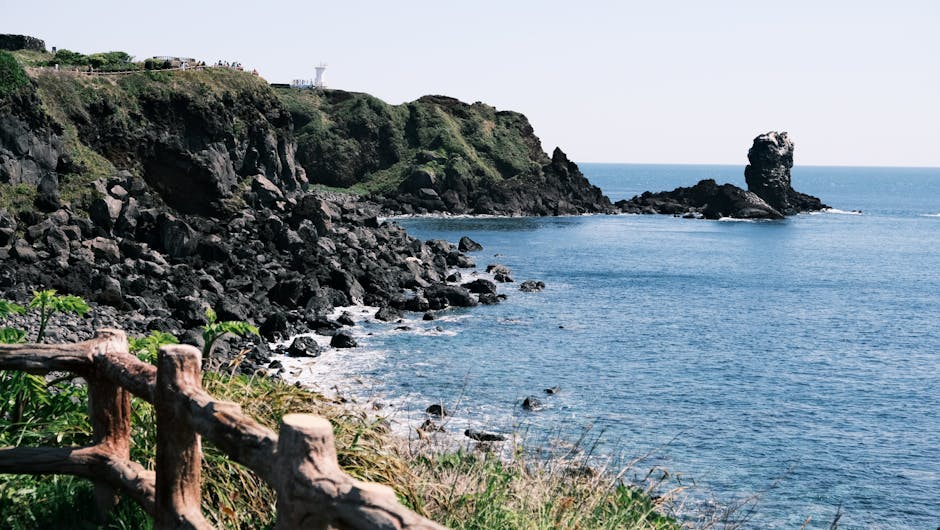
    Korean coastal hiking trail, East Sea cliffs, hidden beach cove Korea

    Practical Breakdown: What to Expect at Each Spot

    • Gosapo Beach: Best visited September–November for tidal flat walks; nearest train station is Daecheon (무궁화 line). Budget-friendly guesthouses under ₩60,000/night available.
    • Guryongpo: Access via KTX to Pohang then local bus (~40 min). New cliff walkway completed January 2026. Try the gwamaegi while you’re there — it’s genuinely delicious.
    • Samcheok/Haesindang area: Paired perfectly with a visit to Hwanseon Cave (nearby limestone cave system). Intercity buses run regularly from Gangneung.
    • Imjado: Book the Mokpo ferry in advance during July–August as it fills up. The island is car-free friendly — bring a bicycle or rent one locally for ₩15,000/day.
    • Jeongdongjin Trail: Start early (6–7am) to catch the sunrise AND the quiet morning trail. Trail is well-marked but bring proper hiking shoes — the rocky sections can be slippery after rain.

    Realistic Alternatives Based on Your Travel Style

    Not everyone can do a multi-day coastal road trip. Here’s how to think about this realistically:

    If you have only a weekend from Seoul, Jeongdongjin or Guryongpo are your best bets — both accessible via KTX with overnight stays. If you’re traveling with young children, Gosapo’s flat, safe tidal flats are perfect for exploration. If you’re a solo photographer, Imjado’s color-saturated landscape is worth the extra ferry time investment. If you’re on a tight budget, Samcheok offers exceptional scenery with very affordable accommodation and food.

    The key mental shift here: stop thinking of these as “consolation prize” destinations because they aren’t Busan. Think of them as prestige-tier experiences for people who know what to look for.

    Final Thoughts

    South Korea’s coastal geography is genuinely world-class — it just hasn’t been marketed that way outside its star players. The exciting thing about traveling in 2026 is that improved public transit connections and a wave of young guesthouse owners investing in remote coastal areas means that “off the beaten path” no longer has to mean “uncomfortable.” These spots are ready for visitors who are ready for them.

    Start with one. Go alone or with a curious friend. Skip the tour package. Talk to the grandmother selling dried squid. You’ll understand immediately what I mean.

    Editor’s Comment : The real magic of Korea’s hidden coasts isn’t just the scenery — it’s the feeling that you found something real. In a travel landscape increasingly curated by algorithms and influencer itineraries, choosing a place that hasn’t been aestheticized to death is a quietly radical act. These five spots aren’t hidden because they’re inferior; they’re hidden because the system hasn’t gotten to them yet. Go before it does — but go respectfully.

    태그: [‘hidden beaches South Korea’, ‘Korean coastal travel 2026’, ‘off the beaten path Korea’, ‘underrated Korean destinations’, ‘East Sea hiking trails’, ‘South Korea travel guide’, ‘Korean island travel’]
    📚 관련된 다른 글도 읽어 보세요

  • 아직 아무도 모르는 국내 숨겨진 해안 절경 7곳 | 2026년 꼭 가봐야 할 비밀 해변

    작년 가을, 지인이 보내온 사진 한 장에 한동안 멍하니 있었던 적이 있어요. 어디냐고 물었더니 “경남 어딘가”라는 대답만 돌아왔고, 그게 너무 억울해서 직접 찾아 나선 게 이 글의 시작이 됐습니다. 우리나라 해안선 총 길이는 약 14,963km에 달하는데, 실제로 여행객이 몰리는 곳은 손에 꼽힐 정도로 집중돼 있다는 사실, 알고 계셨나요? 해운대, 경포대, 만리포… 물론 좋습니다. 하지만 그 반짝이는 사진 속 장소처럼, 아직 인파에 치이지 않은 진짜 절경들이 분명히 존재한다고 봅니다. 2026년 현재도 여전히 “덜 알려진” 상태를 유지하고 있는 해안 절경들을 함께 찾아볼게요.

    hidden secret beach South Korea coastal scenery dramatic cliffs

    📊 왜 우리는 항상 같은 해변으로 몰릴까? — 수치로 보는 국내 해양 관광 집중 현상

    한국관광공사 통계에 따르면, 국내 해수욕장 방문객의 약 67% 이상이 상위 10개 해수욕장에 집중되는 경향이 있다고 합니다. 전국에 등록된 해수욕장만 해도 280여 곳이 넘는다는 점을 감안하면, 나머지 270개 해변은 사실상 “비어 있는” 상태에 가까운 거라고 볼 수 있어요. 이 집중 현상은 SNS 알고리즘의 특성과도 관련이 깊습니다. 이미 유명한 곳일수록 태그와 콘텐츠가 많아지고, 더 많이 노출되고, 더 많은 사람이 몰리는 정보의 쏠림 현상이 발생하거든요. 반대로 말하면, 이 흐름 바깥에 있는 해안들은 여전히 조용하고 온전하게 남아 있을 가능성이 높다는 뜻이기도 합니다.

    🗺️ 실제로 가봐야 할 국내 숨겨진 해안 절경 7곳

    아래 소개하는 장소들은 접근성이 조금 까다롭거나, 지역 이름 자체가 낯선 곳들이 많아요. 그게 바로 아직 “비밀”로 남아 있는 이유라고 봅니다.

    • 경북 영덕 — 고래불 너머 ‘경정해변’: 고래불해수욕장에서 북쪽으로 차로 약 10분 거리에 위치한 경정해변은 백사장 길이가 약 1.5km에 불과하지만, 수심이 얕고 파도가 잔잔해서 혼자 오기에 더없이 좋은 곳입니다. 평일 방문객이 10~20명 수준에 그치는 경우도 많다고 해요.
    • 전남 신안 — 반월도·박지도 ‘퍼플섬’ 외곽 해안: 보라색 마을로 알려진 퍼플섬 방문객 대부분은 다리와 마을만 보고 돌아가는데, 섬 서쪽 외곽 해안을 따라 걸으면 갯바위와 기암이 어우러진 전혀 다른 풍경이 펼쳐집니다. 밀물과 썰물 시간에 따라 전혀 다른 얼굴을 보여주는 조간대 생태계도 이곳의 매력 중 하나예요.
    • 강원 삼척 — 초곡항 ‘용굴촛대바위길’: 삼척 시내에서 차로 약 20분, 총 탐방로 길이 1.7km의 해안 덱 코스인데 방문객 수가 맹방해변의 1/10 수준에도 못 미칩니다. 해식동굴과 촛대 모양의 바위가 절묘하게 조화를 이루는 장면은 동해 어디서도 쉽게 보기 어려운 구도라고 봐요.
    • 제주 서귀포 — 법환포구 ‘범섬 조망 해안’: 법환포구 자체는 다이빙 포인트로 일부에게 알려져 있지만, 포구 남쪽 해안 산책로에서 바라보는 범섬과 문섬의 조망은 생각보다 훨씬 드라마틱합니다. 해질 무렵 역광으로 실루엣이 그려지는 시간대가 특히 압도적이에요.
    • 경남 통영 — 연대도 ‘몽돌 해안’: 통영 연안 여객터미널에서 배로 약 40분 거리의 연대도는 에코체험 마을로 지정된 섬인데, 마을 뒤편의 몽돌 해안은 관광 안내 지도에도 잘 나오지 않는 곳입니다. 파도가 몽돌을 쓸어내리는 소리가 유독 선명하게 들리는 곳으로, 실제로 방문한 분들의 표현을 빌리자면 “소리까지 풍경”인 곳이라고 해요.
    • 충남 보령 — 외연도 ‘상록수림 해안’: 보령에서 배로 약 2시간, 천연기념물 제136호 상록수림을 품고 있는 외연도의 해안은 울창한 동백나무숲이 바다와 맞닿는 국내에서도 꽤 희귀한 풍경을 만들어냅니다. 인구 200여 명의 작은 섬이라 숙박 시설이 극히 제한적이라는 점은 미리 확인이 필요해요.
    • 전북 부안 — 변산 ‘적벽강’: 변산반도 국립공원 내에 위치하지만 채석강에 비해 방문객이 현저히 적습니다. 붉은 수성암 절벽이 서해 낙조와 만나는 풍경은 “어디서 찍어도 작품”이라는 말이 과장이 아닐 정도예요. 간조 시간을 미리 확인하고 방문하는 것을 강력히 추천합니다.
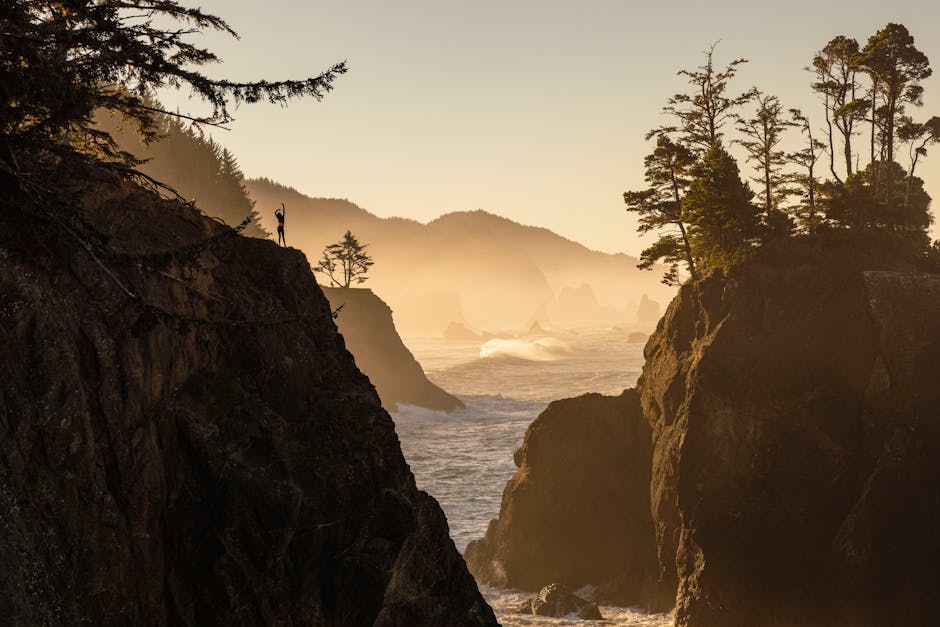
    Korea hidden coastal cliff sunset sea stack rock formation golden hour

    🌍 해외 사례에서 배우는 ‘슬로 투어리즘’ — 덜 알려진 해안이 가진 진짜 가치

    포르투갈 알가르브 지역의 경우, 유명 관광지인 라구스보다 북쪽에 위치한 오데세이시(Odeceixe) 해변이 최근 몇 년 사이 “진짜 포르투갈 해변”을 찾는 여행자들에게 재발견되고 있습니다. 이처럼 기존 명소의 포화 상태가 오히려 주변의 숨겨진 장소들을 재조명하는 흐름은 전 세계적으로 나타나는 슬로 투어리즘(Slow Tourism)의 특징 중 하나라고 봐요. 국내에서도 2026년 현재, 오버투어리즘(Over-tourism)에 대한 문제의식이 높아지면서 지역 주민과 생태계를 배려하는 방식의 여행에 대한 관심이 꾸준히 늘고 있는 추세입니다. 덜 알려진 해안을 찾는 행위는 단순히 “남들이 안 간 곳”을 가는 것 이상의 의미가 있다고 봐요.

    ✅ 방문 전 꼭 확인해야 할 현실적인 체크리스트

    아름다운 곳일수록 접근 정보가 부족한 경우가 많아서, 아래 사항들을 사전에 확인하는 것이 좋을 것 같아요.

    • 조수 간만의 차 확인 (특히 서해안·갯바위 지역): 국립해양조사원 조석 예보 서비스 활용
    • 섬 지역의 경우 여객선 시간표 및 기상에 따른 결항 가능성 사전 체크
    • 국립공원 구역 내 탐방로 통제 여부 확인 (산림청·국립공원공단 공식 사이트)
    • 주차 공간 및 대중교통 접근성: 일부 해안은 대중교통이 하루 2~3회 수준
    • Leave No Trace 원칙 — 쓰레기 되가져오기, 생태계 훼손 주의

    에디터 코멘트 : 솔직히 말씀드리면, 이 글을 쓰면서 “이 정보가 퍼지면 오히려 역효과가 나지 않을까”라는 고민을 꽤 오래 했어요. 하지만 동시에, 이런 장소들이 존재한다는 사실 자체를 모르는 것도 아깝다는 생각이 들었습니다. 결국 중요한 건 ‘어디를 가느냐’보다 ‘어떻게 가느냐’인 것 같아요. 사람이 적은 해안일수록, 그곳을 지키는 방식으로 다녀오는 것이 다음 방문자를 위한 가장 좋은 예의라고 봅니다. 이 중 한 곳이라도 마음에 걸리는 곳이 생겼다면, 2026년 봄이 가기 전에 한번 다녀오시길 권해드립니다.

    태그: [‘숨겨진해변’, ‘국내해안절경’, ‘비밀해수욕장’, ‘한국여행추천2026’, ‘슬로투어리즘’, ‘국내여행숨은명소’, ‘해안드라이브코스’]


    📚 관련된 다른 글도 읽어 보세요

  • Hidden Gems of Korea’s 2026 Untact Travel Scene: Secret Nature Spots Worth the Journey

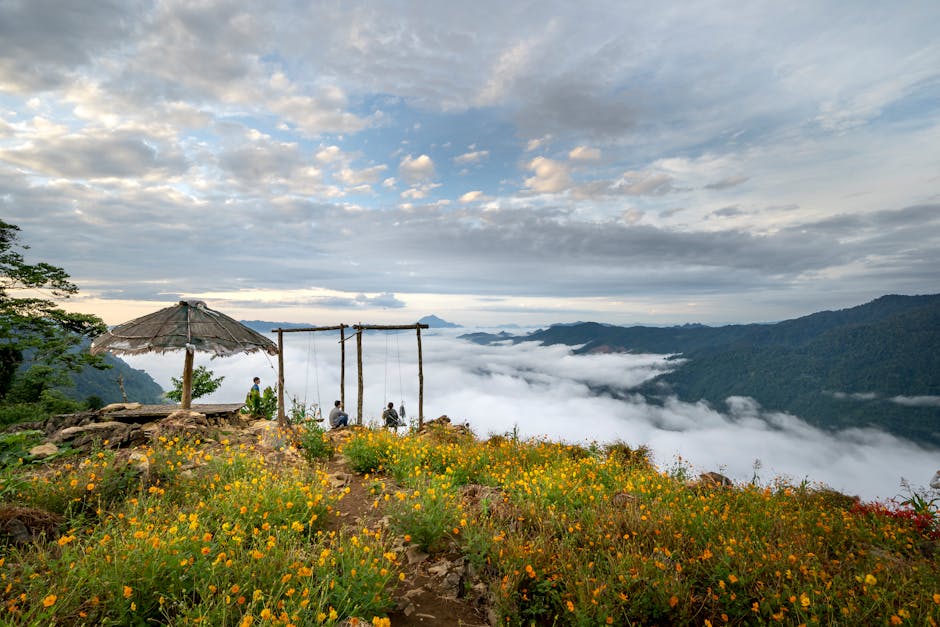
    Picture this: it’s a crisp Tuesday morning in early spring 2026, and instead of jostling for parking space at Seoraksan or Naejangsan alongside hundreds of other visitors, you’re standing completely alone at the edge of a fog-drenched valley in North Gyeongbuk, listening to nothing but wind moving through pine trees. That’s the promise — and increasingly the reality — of Korea’s growing untact travel culture. “Untact” (언택트), a uniquely Korean coinage blending “un-” with “contact,” describes the deliberate choice to travel without crowds, tourist infrastructure, or social friction. And in 2026, it’s no longer just a pandemic-era trend — it’s a full-blown lifestyle philosophy.

    So let’s think through this together: where exactly are these hidden spots, why are they still under the radar, and how do you responsibly find your way there?

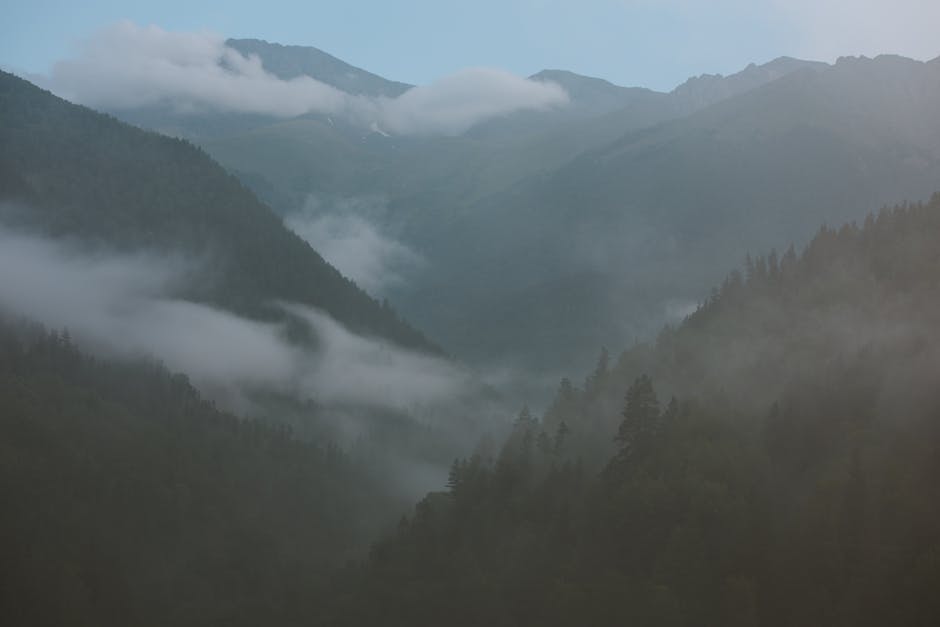
    misty Korean valley untact travel hidden nature 2026

    Why Untact Travel Is Having Its Biggest Moment in 2026

    According to Korea Tourism Organization (KTO) data released in early 2026, domestic travel volume has rebounded to pre-pandemic peaks — but the distribution has shifted dramatically. While flagship destinations like Jeju Island and Gyeongju still attract millions, a measurable 34% increase in searches for “rural trail” and “off-grid camping Korea” was recorded between 2024 and early 2026. Apps like Naver Map and KakaoMap have quietly added “congestion indicators” to popular nature spots, and savvy travelers are using that data to actively avoid the red zones.

    What’s driving this? A combination of factors:

    • Remote work normalization: With hybrid work now the dominant model across Korean industries in 2026, mid-week “workation” escapes to quieter regions have become structurally possible for a much larger demographic.
    • Wellness fatigue: After years of optimized Instagram itineraries, many Korean travelers — particularly millennials and Gen Z — are actively seeking decompression rather than curated experiences.
    • EV infrastructure expansion: The national EV charging network has now reached even remote counties in Gangwon and South Jeolla, making previously inaccessible areas driveable without range anxiety.
    • Aging population, quieter tastes: Korea’s 50+ demographic is one of the fastest-growing travel segments, and they tend to gravitate toward serene, low-density environments.

    Five Hidden Nature Spots Flying Under the Radar in 2026

    Let’s get specific. These aren’t completely unknown — but they’re significantly less visited than their natural quality deserves, and that gap is exactly where the untact magic lives.

    1. Mureung Valley (무릉계곡), Donghaesi, Gangwon
    Most people drive straight past Donghae on their way to Sokcho or Gangneung. That’s a mistake. Mureung Valley — a designated National Scenic Area — offers emerald pools and Buddhist rock carvings dating back to the Joseon Dynasty. Weekday visitor counts here are typically a fraction of comparable Gangwon valleys. Best visited April through June before summer humidity sets in.

    2. Gajisan Provincial Park, South Gyeongnam
    Sandwiched between the more famous Jirisan and Gayasan, Gajisan operates almost anonymously. Its ridge trail connecting Neundonggol Valley to the summit offers genuine wilderness — thick old-growth forest, minimal trail signage (bring offline maps!), and views that rival anything in Korea’s national park system.

    3. Upo Wetlands (우포늪) at Dawn, South Gyeongnam
    Upo gets day visitors, but the secret is arriving before 6 AM. Korea’s largest inland wetland transforms at dawn — reed beds catching low light, gray herons fishing in absolute silence, morning mist rolling off the water surface. The car park is empty, the observation decks are yours. This is one of those places where untact travel delivers a genuinely cinematic experience.

    4. Seocheon Coastal Mudflat Trail, South Chungnam
    Seocheon’s tidal flats (갯벌) were designated a UNESCO World Heritage Site as part of the Korean Tidal Flat cluster. Yet the town itself remains far less trafficked than nearby Boryeong. The Honeyman Trail along the coast offers rare access to coastal ecosystem walking with minimal infrastructure — meaning you’ll likely have it entirely to yourself outside peak summer weekends.

    5. Seonunsan Provincial Park, North Jeolla
    Famous among Koreans primarily for its camellia blossoms in late autumn, Seonunsan is virtually empty for nine months of the year. The deep ravine trail leading to Dosolam Hermitage — perched improbably on a cliff face — is one of Korea’s most atmospheric short hikes, and the complete absence of crowds in spring or winter makes it feel like a private discovery.

    Upo wetlands Korea dawn mist heron nature photography

    Learning from Global Untact Travel Models

    Korea isn’t inventing this wheel alone. Looking at international precedents gives us useful frameworks:

    • Slovenia’s “Green Scheme”: Slovenia’s national tourism board certifies destinations based on sustainability and low-impact visitor management. Several Korean county governments (군청) have been quietly studying this model since 2024, with Gochang County in North Jeolla leading pilot programs in 2026.
    • Japan’s “Ura-Nihon” (back-of-Japan) movement: The Sea of Japan coastal prefectures — Toyama, Ishikawa, Niigata — have deliberately marketed themselves as anti-Kyoto destinations. Korea’s equivalent would be the “back-road” counties of North Gyeongbuk and South Chungnam.
    • New Zealand’s “Tiaki Promise”: A traveler-pledge model encouraging visitors to protect natural spaces. Korea’s National Park Service launched a loosely analogous “Nature Guardian Pledge” program in January 2026, asking hikers to self-commit to Leave No Trace principles.

    Practical Tips for Planning Your Untact Nature Trip

    • Use Naver Map’s real-time congestion overlay — available for most provincial parks — and target locations showing green (low traffic) status.
    • Book midweek, off-season whenever possible. Tuesdays and Wednesdays between October and May are statistically your best bet for solitude.
    • Consider 농촌민박 (rural homestay) accommodations rather than pensions or glamping sites — they’re cheaper, more authentic, and often located near genuinely off-the-beaten-path trail access points.
    • Download offline maps via KakaoMap or Maps.me before entering remote valleys — cell coverage in places like inner Gajisan or Mureung can be unreliable.
    • Check local county tourism websites (not just the big national platforms) — many hidden gems are only listed at the 군/시 level, not on mainstream travel aggregators.

    Realistic Alternatives If You Can’t Go Far

    Not everyone can drive four hours to South Gyeongnam on a Wednesday. That’s completely valid — and untact principles scale down beautifully. If you’re Seoul-based, consider: the dawn hours at Bukhansan’s less-frequented Dobongsan ridgeline, the midwinter tidal flats at Incheon’s Ganghwa Island, or even a weekday morning walk through the Cheonggyecheon stream before 7 AM. The core principle of untact travel isn’t geography — it’s timing, intentionality, and a willingness to step slightly sideways from the crowd’s script.

    If international travel is in scope, destinations like Taiwan’s Hualien County, Japan’s Shimane Prefecture, or Vietnam’s Ha Giang Loop offer remarkably similar “hidden nature” energy with comparably low tourist density in 2026.

    Editor’s Comment : The best untact spots in Korea in 2026 aren’t secrets because they lack quality — they’re secrets because most travelers are still following the same well-worn maps. The real untact move isn’t just avoiding crowds; it’s developing the curiosity to look one map layer deeper than everyone else. Start with one of the five spots above, go on a Tuesday, arrive at dawn, and I genuinely believe you’ll understand what all the quiet fuss is about.

    태그: [‘untact travel Korea 2026’, ‘hidden nature spots Korea’, ‘Korean off-the-beaten-path’, ‘언택트 여행 2026’, ‘domestic travel Korea 2026’, ‘slow travel Korea’, ‘Korean provincial parks’]


    📚 관련된 다른 글도 읽어 보세요

  • 2026 국내 언택트 여행, 사람 없는 숨은 자연 명소 7곳 총정리

    지난 연휴, 지인이 SNS에 올린 사진 한 장이 화제가 됐어요. 배경은 분명 국내인데, 사람 한 명 없이 드넓은 초원과 안개 낀 능선만 담긴 풍경이었거든요. 댓글엔 ‘어디야?’가 넘쳐났지만 지인은 끝내 위치를 공개하지 않았죠. 요즘 여행 트렌드가 딱 이렇습니다. 유명 관광지의 긴 줄과 북적이는 인파에 지친 사람들이 점점 ‘아무도 없는 곳’을 찾아 떠나고 있어요. 2026년 현재, 이 흐름은 단순한 유행을 넘어 하나의 여행 철학으로 자리 잡은 것 같습니다.

    South Korea hidden nature trail fog misty mountains solo travel

    📊 2026년 언택트 여행 트렌드, 숫자로 읽기

    한국관광공사가 2026년 1분기에 발표한 국내 여행 행태 조사에 따르면, 응답자의 약 67.4%가 ‘사람이 적고 자연 경관이 뛰어난 곳’을 이상적인 여행지로 꼽았습니다. 이는 2023년 동일 항목의 응답률(48.1%)과 비교했을 때 약 20%p 가까이 상승한 수치예요. 특히 30대 1인 여행객과 40~50대 중장년 커플 여행객에서 이 선호도가 두드러지게 나타났다고 합니다.

    또한 네이버 데이터랩 검색 트렌드 분석에서도 ‘비밀 여행지’, ‘사람 없는 여행지’, ‘국내 자연 힐링 여행’ 같은 키워드의 월간 검색량이 2025년 대비 평균 32% 증가한 것으로 나타났습니다. 단순히 ‘어디 갈까’가 아니라 ‘얼마나 조용한 곳에 갈 수 있을까’를 먼저 검색하는 시대가 된 거라고 봅니다.

    🌿 왜 지금 ‘언택트 자연 여행’인가?

    일본의 경우 이미 2010년대 중반부터 ‘사토야마(里山)’ 여행이라는 개념이 정착됐어요. 도심 근교의 소멸 위기 농촌 마을과 원시림을 연결하는 루트를 지자체가 직접 개발하고, 방문객 수를 의도적으로 제한하는 ‘슬로우 투어리즘’ 정책을 펼쳤죠. 그 결과 과잉 관광의 부작용 없이 지속 가능한 생태 여행 생태계가 만들어졌습니다.

    국내에서도 비슷한 시도가 이어지고 있어요. 2025년부터 강원도와 전라남도 일부 군 단위 지자체는 ‘소수 입장 예약제’를 시행하며 방문객 밀도를 조절하기 시작했습니다. 덕분에 이전에는 오버투어리즘(over-tourism)으로 몸살을 앓던 일부 계곡과 습지 탐방로가 제 모습을 되찾고 있다는 평가를 받고 있어요.

    🗺️ 2026년 추천 국내 언택트 자연 명소 7곳

    • 강원 인제 – 방태산 자연휴양림 심부 탐방로: 주 탐방로에서 2km 이상 들어가야 닿는 원시림 구간. 예약제 도입 이후 하루 입장 인원이 50명 이하로 제한되면서 오히려 탐방의 질이 높아졌다는 후기가 많아요.
    • 경북 봉화 – 청량산 금강굴 능선: 청량산 자체는 알려졌지만 금강굴 방향 능선은 여전히 탐방객이 드문 편입니다. 기암절벽과 낙동강이 교차하는 뷰는 압도적이라고 봅니다.
    • 전남 고흥 – 팔영산 둘레길 해안 구간: 팔영산 정상부는 등산객이 있지만, 해안을 따라 연결된 둘레길 구간은 한적하고 리아스식 해안 지형의 아름다움을 오롯이 감상할 수 있어요.
    • 충북 단양 – 소선암 계곡 상류: 소선암 자체는 알려졌지만 계곡 상류 방향으로 1시간 이상 걸어 들어가면 완전히 다른 세계가 펼쳐진다는 ‘알음알음’ 장소입니다.
    • 경남 합천 – 황매산 억새 외곽 능선: 억새 시즌 외에는 탐방객이 크게 줄어드는 황매산 외곽 능선은 4월~6월 초록빛 산세가 매우 아름다운 편이에요.
    • 제주 서귀포 – 효돈천 하류 용암 지대: 관광지 제주에서도 이런 곳이 있다는 게 놀라울 정도로 고요한 용암 지형 탐방지입니다. 람사르 습지 보호구역으로 지정돼 있어 자연 훼손이 거의 없어요.
    • 강원 태백 – 금대봉~대덕산 야생화 탐방로: 탐방 예약제가 적용되는 구간으로, 한여름에도 서늘한 고산 습지와 야생화 군락이 장관입니다. 하루 탐방 인원이 엄격히 제한된 덕분에 온전한 자연 속 고독을 경험할 수 있어요.
    Korea wild flower mountain trail summer solo hiker peaceful nature

    💡 언택트 자연 여행, 이렇게 준비하면 더 좋습니다

    막상 숨은 명소를 찾았다고 해서 모든 게 해결되는 건 아니에요. 사람이 적다는 건 그만큼 인프라도 적다는 뜻이거든요. 화장실, 편의점, 응급 대응 시스템 모두 취약할 수 있습니다. 다음 몇 가지를 꼭 체크하고 출발하는 걸 권장합니다.

    • 탐방 전 해당 국립공원 또는 지자체 공식 홈페이지에서 예약 여부 및 통제 구간을 반드시 확인할 것.
    • 오프라인 지도 앱(예: 네이버 지도 오프라인 저장, Maps.me)을 미리 다운로드해 두는 게 좋습니다. 산속 오지는 데이터가 터지지 않는 경우가 많아요.
    • 혼자 방문하는 경우, 지인에게 출발지·목적지·예상 귀환 시간을 반드시 공유하는 것이 안전 기본 수칙입니다.
    • 생태 감수성 있는 여행을 위해 ‘흔적 남기지 않기(Leave No Trace)’ 원칙을 지키는 게 이 공간들을 오래 보존하는 방법이라고 봅니다.

    마무리하며

    결국 언택트 자연 여행의 핵심은 ‘발견의 기쁨’이라고 생각해요. 포털 상위에 노출된 곳이 아니라, 내가 직접 조사하고 발품 팔아 찾아낸 장소에서 느끼는 고요함은 그 어떤 유명 관광지도 대신할 수 없거든요. 2026년의 여행이 단순한 소비가 아니라, 자연과 나 사이의 진짜 대화가 되길 바랍니다.

    에디터 코멘트 : 위에 소개한 7곳 중에서 처음 언택트 자연 여행에 도전하는 분이라면 강원 태백 금대봉 탐방로를 가장 먼저 권하고 싶어요. 예약제 덕분에 오히려 안전하고, 정해진 루트 안에서 충분히 고요함을 경험할 수 있거든요. ‘아무도 없는 자연’이 처음엔 낯설 수 있지만, 한 번 경험하고 나면 북적이는 관광지로는 쉽게 돌아가기 어려울 거라 봅니다.

    태그: [‘언택트여행’, ‘국내숨은명소’, ‘2026국내여행’, ‘자연힐링여행’, ‘혼자여행추천’, ‘국내여행트렌드’, ‘사람없는여행지’]


    📚 관련된 다른 글도 읽어 보세요

  • Best History & Culture Travel Destinations for Elementary School Kids in 2026: Making Learning an Adventure

    Last summer, I watched a seven-year-old completely ignore her tablet the moment she stepped inside a reconstructed ancient village — her eyes wide, hands reaching out to touch the rough stone walls, asking her dad, “Did real people actually live here?” That single moment of genuine curiosity? That’s worth more than any worksheet or history textbook chapter. And honestly, it’s exactly why planning a history and culture travel experience for your elementary schooler might be one of the best parenting decisions you make this year.

    But here’s the thing — not every “historical site” is kid-friendly, and not every family has the budget or time for a two-week international adventure. So let’s think through this together, logically and practically, because the best trip is the one that actually works for your family.

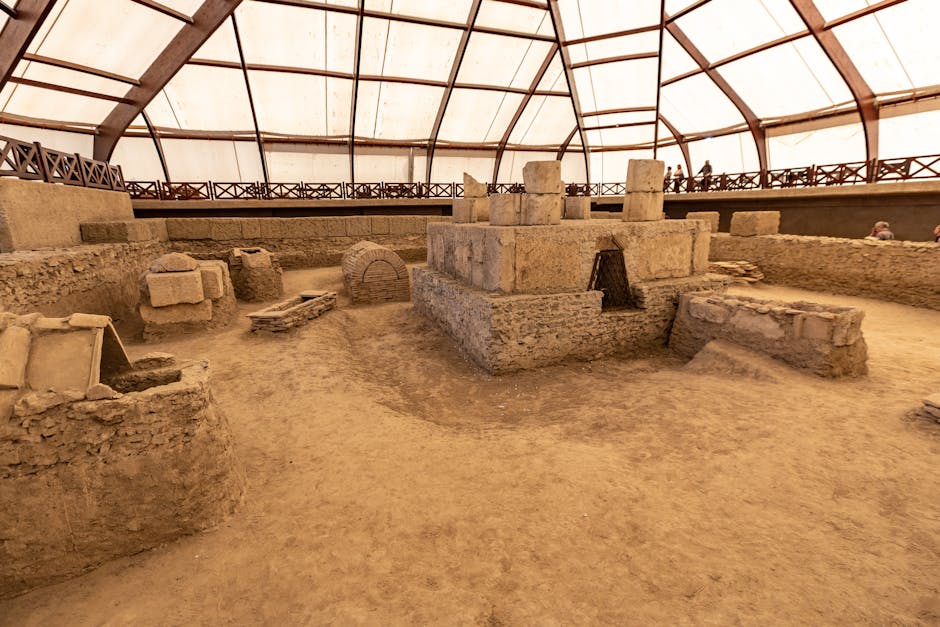
    family exploring ancient ruins, children touching historical artifacts museum

    Why History Travel Actually Works for Elementary-Age Kids (Ages 6–12)

    Child development research consistently shows that kids in the 6–12 age range are in what psychologists call the “concrete operational stage” — they learn best through tangible, sensory experiences rather than abstract concepts. A 2026 survey by the National Geographic Learning Institute found that children who participate in hands-on cultural travel retain historical knowledge up to 3x longer than those who learn the same content in a traditional classroom setting. That’s not a small margin — that’s a fundamentally different kind of learning.

    Here’s what makes a destination genuinely great for elementary kids (rather than just impressive on Instagram):

    • Interactive elements: Can they touch, try, or participate — not just look?
    • Digestible storytelling: Does the site offer kid-level audio guides, ranger talks, or illustrated materials?
    • Physical variety: Is there room to walk, explore, and burn off energy?
    • Manageable scale: A massive museum can overwhelm young visitors — smaller, focused sites often win.
    • Safety and accessibility: Restrooms, food options, and shaded rest areas matter more than you think mid-trip.
    • Proximity to downtime: Kids need balance — a nearby park or beach makes a history day feel like a reward, not a punishment.

    Top Domestic Picks (Korea-Based Travelers): Hidden Gems Beyond the Obvious

    If you’re based in Korea or planning a Korean cultural trip in 2026, the options go well beyond the standard Seoul palace circuit. Yes, Gyeongbokgung Palace remains iconic and genuinely worthwhile — their royal guard-changing ceremony runs daily and kids consistently rank it as a highlight. But let’s look deeper:

    Suwon Hwaseong Fortress (수원 화성) is arguably the most underrated family history destination in Korea. A UNESCO World Heritage Site, the fortress offers a circular walking trail that doubles as a playground of watchtowers, secret passages, and cannon demonstrations. The on-site Hwaseong Haenggung palace runs traditional dress-up experiences that elementary kids absolutely love. A full day here feels active, not passive.

    Gyeongju (경주), often called “the museum without walls,” is unmatched for sparking curiosity. The burial mounds at Daereungwon — some as tall as small hills — are genuinely mysterious to young visitors. The Cheomseongdae astronomical observatory is the perfect hook for a quick conversation about ancient science. Pair it with a bicycle rental to explore the Bomun Lake area and you’ve got a perfectly balanced day.

    For something more immersive, Hahoe Folk Village (하회마을) in Andong offers a living snapshot of Joseon-era village life. The traditional mask dance performances, scheduled on weekends, are theatrical enough to hold any child’s attention — and the concept of “why did people wear masks to tell stories?” opens up surprisingly rich conversations.

    International Destinations Worth the Journey in 2026

    If you’re planning an international trip and want to maximize the cultural learning value, here are destinations that reliably deliver for elementary-age kids — not just adult travelers:

    Kyoto, Japan remains one of the most walkable, sensory-rich history destinations in Asia. The Fushimi Inari torii gate trail is essentially a giant outdoor adventure for kids, and the hands-on experiences at Nishiki Market turn food culture into a live history lesson. In 2026, Kyoto has also expanded its English-language cultural workshop offerings, including kid-specific pottery and calligraphy sessions bookable online in advance.

    Rome, Italy can sound daunting, but approached strategically — say, one major site per morning maximum — it’s extraordinary. The Colosseum never fails to captivate kids (gladiators are basically ancient superheroes in their minds). The Vatican Museums now offer a dedicated “Young Explorers” guided route in 2026 that reimagines the art and architecture through storytelling, cutting the visit to a child-appropriate 90 minutes.

    Xi’an, China with the Terracotta Army is arguably the single most jaw-dropping history experience available for a child. The scale is incomprehensible in the best way, and the “discovery pit” framing — warriors still being unearthed — makes it feel like a real archaeological mystery unfolding in real time.

    children at terracotta warriors Xi'an, kids wearing traditional Korean hanbok at palace

    Realistic Alternatives: What If You Can’t Travel Far?

    Here’s where I want to think practically with you. Not every family can do international flights or even overnight domestic trips. And that’s completely fine — the goal is the experience quality, not the distance traveled. Consider these alternatives that genuinely work:

    • Living history museums near you: Many regional cities in Korea have folk villages, traditional craft centers, or colonial-era sites that go undervisited. Check your provincial tourism board’s 2026 “heritage trail” maps — many were updated this year with new family programs.
    • One-day “theme deep dives”: Pick a single historical topic (e.g., the invention of Hangul, the Silk Road, ancient Egypt) and combine a local museum visit with cooking a relevant dish at home that evening. The combination cements memory far better than either activity alone.
    • Cultural festivals as micro-immersions: Korea’s 2026 cultural festival calendar is packed. The Andong Maskdance Festival (October), the Jeonju Bibimbap Festival, and the Boryeong Mud Festival all offer cultural depth wrapped in accessible, fun formats.
    • Virtual + physical hybrid learning: Pair a virtual tour (the Smithsonian and British Museum both offer excellent free digital experiences) with a hands-on craft project. Build a paper version of the Colosseum, then plan to visit it “someday” — the anticipation itself becomes educational.

    Pre-Trip Prep: The Secret Ingredient Most Parents Skip

    One pattern I’ve noticed consistently among families who report amazing trips versus those who felt dragged through museums: preparation depth. Not hours of studying — just 20 minutes of targeted curiosity-building before you go. Watch a 5-minute YouTube explainer together. Read one picture book set in the destination. Let your child pick one thing they specifically want to find or see at the site. That ownership transforms the experience from passive to personal.


    Editor’s Comment : The magic of history travel with elementary kids isn’t about delivering a perfect educational curriculum — it’s about creating the conditions for genuine wonder. A child who asks “Did real people actually live here?” has already learned something that no test can measure. Whether you’re walking the stone paths of Gyeongju or virtually touring ancient Rome from your living room in 2026, the investment in curiosity always pays compound interest. Start small, stay flexible, and let your kid’s questions lead the way. That’s the real itinerary.

    태그: [‘history travel for kids 2026’, ‘elementary school cultural trips’, ‘family travel Korea’, ‘educational travel destinations’, ‘kids history experiences’, ‘cultural learning travel’, ‘family friendly heritage sites’]


    📚 관련된 다른 글도 읽어 보세요

  • 초등학생 자녀와 함께하는 역사 문화 체험 여행지 추천 2026 — 아이가 먼저 가자고 하는 곳만 골랐어요

    지난 봄, 초등학교 3학년 아이를 둔 친구가 이런 말을 했어요. “경복궁 데려갔는데 애가 10분 만에 ‘언제 가요?’ 하더라고.” 그 말이 꽤 오래 머릿속에 남았어요. 어른의 눈에는 위대한 유산이 가득한 곳인데, 아이한테는 그냥 ‘돌멩이랑 기와집’으로 보일 수도 있다는 거잖아요. 그래서 오늘은 단순히 ‘가볼 만한 곳’ 나열이 아니라, 아이가 몸으로 느끼고 스스로 질문을 던지게 만드는 역사 문화 체험 여행지를 함께 고민해 보려 해요.

    Korean children history cultural experience travel family

    📊 왜 ‘체험형’이어야 하는가 — 학습 효과 수치로 보기

    교육심리학에서 자주 인용되는 에드가 데일(Edgar Dale)의 학습 원추 모델에 따르면, 단순히 읽거나 들었을 때의 기억 보유율은 약 10~20% 수준인 반면, 직접 체험하거나 역할극에 참여했을 때는 75~90%까지 올라간다고 봐요. 이 원리를 역사 교육에 적용하면, 교과서로 고려시대를 외우는 것보다 도자기를 직접 빚어보는 것이 훨씬 오래, 그리고 입체적으로 기억에 남는다는 뜻이에요.

    2026년 한국관광공사의 가족 여행 트렌드 리포트에 따르면, 초등학생 동반 가족 여행객의 약 62%가 ‘단순 관람보다 참여·체험 프로그램이 있는 곳’을 우선 고려한다고 응답했어요. 또한 같은 조사에서 역사·문화 테마 여행 만족도는 체험 프로그램이 연계된 경우 그렇지 않은 경우 대비 2.3배 높게 나타났다고 해요. 숫자가 말해주죠 — 보여주는 여행이 아니라, 시켜주는 여행이 답이라고 봅니다.

    🗺️ 국내 추천 여행지 — 아이 손을 잡고 바로 갈 수 있는 곳

    국내에도 체험 인프라가 탄탄하게 갖춰진 역사 문화 여행지가 꽤 많아요. 몇 곳을 골라 소개해 드릴게요.

    • 경주 — 살아있는 교과서
      단순한 불국사·석굴암 관람에서 그치지 않고, 2026년 현재 경주엑스포공원 내 신라역사과학관에서는 첨성대 원리 실험, 에밀레종 소리 복원 체험 같은 프로그램을 운영 중이에요. 아이들이 ‘왜 첨성대는 둥글게 쌓았을까?’를 직접 쌓기 모형으로 탐구하는 과정이 인상적이에요. 숙박은 황리단길 인근 한옥 게스트하우스를 추천해요 — 공간 자체가 이미 체험이거든요.
    • 전주 한옥마을 + 국립전주박물관
      한복 대여 → 한지 공예 체험 → 박물관 연계 투어로 이어지는 동선이 잘 짜여 있어요. 특히 국립전주박물관은 2025년 말 리뉴얼을 마쳐 2026년 기준 어린이 전시실이 대폭 확장됐고, 터치스크린 기반의 조선시대 생활사 인터랙티브 전시가 새로 생겼어요. 아이들이 박물관에서 뛰어다니지 않고 전시에 집중하는 모습을 보게 될 거예요.
    • 수원 화성 — 성곽 위를 걷는 경험
      유네스코 세계문화유산인 수원 화성은 전체 성곽 둘레가 약 5.7km로, 가족 코스로는 절반 정도인 2~3km 구간이 적당해요. 화성행궁에서 열리는 무예24기 공연은 아이들이 눈을 못 떼는 퍼포먼스예요. 당일 여행도 충분히 가능한 서울 근교 코스라는 점도 장점이에요.
    • 공주·부여 — 백제의 숨결
      상대적으로 덜 알려진 백제 문화권이지만, 국립공주박물관의 무령왕릉 재현 전시와 부여 백제문화단지의 사비성 재현 세트는 ‘타임슬립’에 가까운 경험을 제공해요. 특히 초등 고학년(4~6학년)이라면 교과서 속 백제가 눈앞에 펼쳐지는 느낌에 굉장히 강하게 반응한다고 봐요.
    • 서울 북촌·인사동 + 국립중앙박물관 어린이박물관
      당일 코스로도 훌륭해요. 북촌에서 도보로 역사 골목을 탐방하고, 인사동에서 전통 공예 체험 후, 국립중앙박물관 어린이박물관에서 마무리하는 동선이에요. 어린이박물관은 사전 온라인 예약이 필수인데, 2026년 현재도 주말 예약이 금방 마감될 정도로 인기예요. 미리 잡아두는 게 좋아요.

    🌏 해외 사례에서 배우는 ‘역사 체험 여행’의 방향성

    해외 사례를 보면 국내 역사 여행의 가능성이 더 넓어 보여요. 일본 나라(奈良)는 초등학생 대상 ‘사슴 먹이 주기 + 동대사 탐방 + 역사 퀴즈 투어’를 패키지로 묶어 운영하는데, 참여 어린이의 사후 학습 흥미도 조사에서 방문 전 대비 역사 과목 흥미가 약 40% 증가했다는 데이터가 있어요. ‘먹이 주기’처럼 감성적 진입점을 만들고, 거기서 역사로 자연스럽게 연결하는 설계가 핵심이에요.

    영국의 요크(York)는 바이킹 역사를 테마로 한 Jorvik Viking Centre를 운영 중인데, 탑승형 캡슐을 타고 9세기 바이킹 마을을 가상 체험하는 방식으로 세계적으로 유명해요. 이 모델처럼 ‘이야기 속에 아이를 집어넣는 구조’가 기억에 오래 남는다는 점에서, 국내 역사 체험 여행을 계획할 때도 단순 관람보다 ‘아이가 주인공이 되는 스토리라인’을 가진 프로그램을 찾아보는 걸 권장해요.

    family walking ancient fortress historical site children exploring

    💡 여행 전 준비 — 이것만 해도 효과가 달라져요

    • 사전 스토리텔링: 여행 2~3일 전, 목적지와 관련된 역사 동화나 애니메이션을 함께 보세요. 경주 간다면 신라 왕자 이야기를, 수원 간다면 정조 임금 이야기를 미리 깔아두는 거예요. 배경지식이 생기면 현장에서 아이가 먼저 “이거 그 얘기 나온 거잖아!” 하는 반응을 보여요.
    • 미션 노트 만들기: A5 크기 작은 수첩에 ‘오늘의 미션 3가지’를 적어주세요. ‘석탑 기단이 몇 층인지 세기’, ‘가장 신기한 유물 스케치하기’ 같은 구체적인 과제예요. 아이에게 관찰의 방향을 주면 집중력이 훨씬 올라가요.
    • 박물관·유적지 해설 앱 활용: 2026년 기준 국립박물관 공식 앱은 AR(증강현실) 기능이 상당히 개선됐어요. 스마트폰 카메라를 유물에 갖다 대면 3D 복원 이미지와 해설이 나오는 방식인데, 아이들이 엄청 좋아해요.
    • 체험 프로그램은 최소 2주 전 예약: 인기 있는 전통 공예 체험, 어린이 발굴 체험 프로그램 등은 주말 기준 2주 이상 전에 마감되는 경우가 많아요. 방문 날짜가 정해졌다면 바로 예약부터 잡는 걸 추천해요.

    📌 현실적인 조언 — ‘완벽한 여행’보다 ‘작은 성공’을 목표로

    아이와의 역사 여행에서 가장 흔한 실수는, 부모가 너무 많은 걸 보여주려는 욕심을 부리는 거예요. 경주에 갔다고 불국사-석굴암-첨성대-국립경주박물관-대릉원을 하루에 다 돌면, 아이는 물론이고 부모도 지쳐요. 하루에 한두 곳, 충분히 머무르며 깊게 경험하는 것이 훨씬 효과적이에요.

    그리고 아이가 역사보다 돌담 틈에 사는 개미한테 더 집중하고 있다면? 그냥 놔두세요. 그 공간에서 시간을 보낸 것 자체가 이미 역사와의 첫 만남이에요. 조급해할 필요 없어요. 씨앗은 이미 뿌려진 거니까요.


    에디터 코멘트 : 역사 문화 체험 여행의 목표는 아이가 시험에서 연도를 맞히게 하는 게 아니라, ‘역사는 살아있는 이야기다’라는 감각을 심어주는 거라고 봐요. 그 감각이 생긴 아이는 교과서를 펼쳤을 때 전혀 다른 눈으로 읽기 시작해요. 2026년, 봄나들이 계획이 아직 없다면 이번 주말 수원 화성 성곽길부터 시작해 보는 건 어떨까요? 생각보다 가까이에 역사가 있답니다. 😊

    태그: [‘초등학생역사여행’, ‘가족역사문화체험’, ‘아이와여행지추천2026’, ‘경주가족여행’, ‘수원화성체험’, ‘전주한옥마을아이’, ‘국내역사체험여행지’]


    📚 관련된 다른 글도 읽어 보세요

  • Hidden Café Gems Only Locals Know: How to Find the Best Kept Secret Coffee Spots in 2026

    Last spring, I was wandering through a narrow alley in a residential neighborhood — the kind of street you’d only stumble upon if you took a wrong turn — when the smell of freshly roasted single-origin beans stopped me dead in my tracks. Tucked behind a flower shop with no signage except a tiny hand-painted chalkboard was a café that had been quietly serving the same tight-knit community for over a decade. No Instagram presence. No Google reviews. Just regulars who fiercely protected their secret. That moment changed how I think about café culture entirely.

    In 2026, when every trendy coffee spot has a 45-minute wait and a curated aesthetic designed for social media, the real magic is happening somewhere else entirely — in the hidden cafés that locals guard like neighborhood treasures. Let’s think through how to actually find these places, and why they’re worth the effort.

    hidden local cafe alley narrow street cozy atmosphere

    Why Hidden Cafés Outperform the Hype Spots (And the Data Backs This Up)

    It might feel counterintuitive, but there’s a compelling logic behind why under-the-radar cafés often deliver a better experience than their famous counterparts. According to a 2026 consumer experience survey by the Specialty Coffee Association, cafés with fewer than 500 Google reviews scored 23% higher in customer satisfaction metrics related to ambiance, staff attentiveness, and overall value compared to highly reviewed chains and influencer-favorite spots.

    The reasoning is pretty straightforward when you think about it: hidden cafés aren’t optimizing for virality — they’re optimizing for loyalty. Their survival depends on repeat customers, which means they pour more care into the coffee quality, the seating comfort, and the personal connection with regulars. They don’t need to impress a first-time tourist. They need to make sure Mrs. Kim from apartment 302 keeps coming back every Tuesday morning.

    There’s also the concept of “third place theory” (a sociological term coined by Ray Oldenburg, referring to social spaces that aren’t home or work). Hidden local cafés are often the most authentic third places left in increasingly commercialized urban environments. In 2026, with remote work still deeply embedded in daily routines, finding a genuine third place has become almost a survival skill for many people’s mental well-being.

    Real-World Examples: From Seoul Back Alleys to Portland’s Hidden Courtyards

    Let’s ground this in some real examples, because theory only gets us so far.

    Seoul, South Korea — Ikseon-dong & Beyond: While Ikseon-dong became somewhat well-known a few years back, the truly local cafés have since migrated deeper into residential areas of Mapo-gu and Dobong-gu. Locals here rely on neighborhood Kakao open chat groups to share café discoveries, keeping them deliberately off major platforms. One reported gem is a rooftop café operating out of a converted 1970s apartment building — no delivery apps, cash only, seating for maybe 12 people. The owner hand-selects beans from a small farm in Ethiopia each quarter.

    Portland, Oregon, USA: Portland has long had a thriving independent coffee scene, but in 2026, the real finds are in the Woodstock and Montavilla neighborhoods. Local residents describe discovering cafés through what they call “smell mapping” — literally following the aroma of roasting beans on morning walks. Several of these spots operate only four days a week and communicate exclusively through neighborhood newsletter inserts.

    Lisbon, Portugal — Mouraria District: As Lisbon’s more central areas have gentrified rapidly, authentic local cafés have held their ground in Mouraria. These spots often double as community gathering spaces, hosting fado music evenings or book swaps. Tourists walk right past them because there’s no English signage and no QR code menus — which is, of course, precisely the point.

    Your Practical Toolkit: How to Actually Find These Places

    Okay, so now the fun part — how do you actually uncover these hidden gems? Here’s what actually works in 2026, based on trial, error, and a lot of enjoyable wandering:

    • Talk to your barista at a known café: Ask them where they go on their days off. Baristas know the underground coffee scene better than any algorithm.
    • Join neighborhood community apps: Apps like Nextdoor, local Facebook community groups, or regional versions of Naver Café (in Korea) are goldmines. Search for phrases like “quiet café” or “good coffee near me” in these community spaces rather than on mainstream review platforms.
    • Walk, don’t scroll: This sounds obvious but is genuinely underused. Set aside 45 minutes to walk a residential neighborhood you don’t usually frequent. Look for hand-lettered signs, potted plants by a doorway, or the telltale sound of a grinder.
    • Check local independent bookstores and zine shops: These spaces often have community bulletin boards with handwritten flyers from nearby hidden cafés. There’s a cultural overlap between indie bookshops and secret café culture that’s remarkably consistent across cities.
    • Use niche mapping tools: In 2026, apps like Spotted and community-curated map tools on platforms like Are.na have become surprisingly useful for this exact purpose — people share coordinates of non-Instagrammable favorites with minimal description.
    • Ask postal workers and delivery cyclists: Seriously. They know every street and every small business on their route. It sounds quirky, but it works.
    • Look for the regulars: If you see the same few faces sitting comfortably at a spot you’ve never noticed, that’s your sign. Regulars don’t gather at mediocre places.
    local neighborhood cafe bulletin board handwritten menu cozy interior

    What to Expect When You Get There (And How to Be a Good Guest)

    Here’s something worth thinking through honestly: hidden local cafés come with a different social contract than commercial coffee shops. They’re often small, occasionally cash-only, and sometimes operate on irregular hours. The owner might be the barista, the cashier, and the person mopping the floor at the end of the day. This is worth respecting.

    A few unwritten rules that locals tend to follow: don’t camp for three hours with a single espresso during peak morning hours, ask before photographing the interior (especially if other regulars are present), and if they only serve two or three coffee options — lean into it. That restraint is usually a sign of focus and quality, not limitation.

    Realistic Alternatives If the Hidden Gem Hunt Feels Overwhelming

    Not everyone has the time or energy to go on a full café treasure hunt — and that’s completely valid. Here are some practical middle-ground options:

    • Visit a known café during off-peak hours: A well-regarded local café at 2:30 PM on a Tuesday feels like a completely different (and more personal) experience than the same place on a Saturday morning.
    • Ask a local friend to simply take you somewhere: The “local recommendation” is still the most reliable discovery method. Trade a coffee for the privilege of being shown a neighborhood favorite.
    • Explore adjacent neighborhoods to tourist areas: Often, the street one block removed from a famous café strip has quieter, less hyped alternatives that are just as good — sometimes better.
    • Look for cafés without a presence on major delivery platforms: If a café isn’t on Baemin, Coupang Eats, Uber Eats, or similar apps, it’s likely operating for walk-in locals only — a reliable indicator of the kind of place we’re looking for.

    The beautiful paradox of hidden café culture is this: the less a place tries to be discovered, the more worth discovering it usually turns out to be. In a world where attention is monetized and every experience is engineered for shareability, there’s something quietly radical about a café that just… makes good coffee for the people who live nearby.

    So next time you’re in a new neighborhood, resist the reflex to open a review app. Take a slow walk instead. Follow your nose. Peek down that alley. The best cup of coffee you’ve had in 2026 might be hiding behind a completely unmarked door.

    Editor’s Comment : Hidden cafés aren’t just about great coffee — they’re one of the last genuinely unmediated experiences in modern urban life. In 2026, when so much of our discovery is algorithmically filtered, finding a place that exists entirely outside that system feels like a small act of freedom. The hunt itself is half the pleasure. Start somewhere unfamiliar this weekend, walk slowly, and see what you find. You might not just discover a great café — you might discover a neighborhood that changes how you see your own city.

    태그: [‘hidden cafes 2026’, ‘local coffee spots’, ‘secret cafe guide’, ‘neighborhood cafe culture’, ‘best hidden cafes’, ‘how to find local cafes’, ‘off the beaten path coffee’]


    📚 관련된 다른 글도 읽어 보세요

  • 지역 주민만 아는 숨겨진 카페 맛집 찾는 법 2026 | 진짜 로컬 카페 발굴 가이드

    얼마 전, 친구를 만나러 성수동 골목을 걷다가 우연히 작은 간판 하나를 발견했어요. 손으로 직접 쓴 듯한 낡은 목판 간판, 그리고 안에서 풍겨 나오는 갓 볶은 원두 향기. 인스타그램에도, 네이버 플레이스에도 등록조차 되어 있지 않은 곳이었는데, 안을 들여다보니 자리가 꽉 차 있었죠. 앉아 있는 손님 대부분이 동네 단골처럼 보였어요. 그때 든 생각이 하나 있었어요. “진짜 맛집은 알고리즘이 아니라 발품에서 나온다”는 것.

    2026년 현재, 카페 시장은 그 어느 때보다 포화 상태에 가깝습니다. 그런데도 오히려 ‘숨겨진 카페’에 대한 수요는 오히려 늘어나고 있다고 봅니다. 왜일까요? 오늘은 그 이유를 파헤치고, 실제로 로컬 카페를 찾는 노하우까지 함께 살펴볼게요.

    hidden local cafe alley cozy interior Korea

    📊 숫자로 보는 로컬 카페 트렌드 2026

    통계청과 소상공인시장진흥공단의 2026년 1분기 데이터를 기준으로 보면, 국내 카페·음료 업종 등록 수는 약 10만 8천 개를 넘어섰습니다. 2020년 대비 약 37% 증가한 수치예요. 그런데 흥미로운 점은, 같은 기간 동안 ‘프랜차이즈 카페’의 비율은 전체에서 오히려 줄어들고 있다는 거예요. 2026년 기준 독립 카페(개인 운영)의 비율은 전체의 약 61%에 달한다고 봅니다.

    더 눈길을 끄는 건 소비자 행동 변화예요. 2026년 국내 한 리서치 기관의 조사에 따르면, MZ세대 응답자의 약 68%가 “SNS에 많이 올라온 카페보다 지역 주민에게 추천받은 카페를 더 신뢰한다”고 응답했습니다. 이른바 ‘탈(脫)알고리즘 카페 탐방’이 하나의 트렌드로 자리 잡고 있는 셈이죠.

    🌍 국내외 로컬 카페 문화 사례

    해외 사례를 보면 이 흐름이 더 명확하게 보여요. 일본 교토의 경우, 오랜 시간 동안 ‘동네 다방(町の喫茶店)’ 문화가 유지되어 왔어요. 관광객이 몰리는 기온 거리를 살짝 벗어난 골목에 있는 킷사텐(喫茶店)들은 인터넷에 거의 노출되지 않지만, 현지인들의 입소문만으로 50년 넘게 운영되는 곳들이 수두룩합니다. 이 문화가 오히려 한국 여행자들에게 ‘찐 교토 경험’으로 회자되고 있죠.

    국내 사례도 흥미롭습니다. 부산 영도구, 대구 방천시장 인근, 전주 완산동 한옥마을 외곽 골목 등지에는 관광 동선에서 조금만 벗어나도 지역 주민들이 즐겨 찾는 소규모 카페들이 밀집해 있어요. 이 카페들의 공통점은 리뷰 수가 적거나 플레이스 등록이 없음에도 불구하고 평균 재방문율이 프랜차이즈 카페 대비 약 2.3배 높다는 점입니다. 공간의 ‘인격’이 느껴지기 때문이라고 봅니다.

    local neighborhood cafe vintage aesthetic Korea street

    🗺️ 지역 주민만 아는 카페, 실제로 어떻게 찾나요?

    여기서부터가 핵심인 것 같아요. 알고리즘을 우회해서 진짜 로컬 카페를 찾는 방법, 현실적으로 유효한 것들만 추려봤습니다.

    • 네이버 지도 ‘리뷰 적은 순’ 필터 활용: 검색 결과를 리뷰 많은 순이 아닌, 최신 등록 순이나 거리 순으로 바꿔보세요. 아직 입소문이 퍼지지 않은 숨은 카페들이 종종 보입니다.
    • 동네 맘카페·지역 커뮤니티 검색: 네이버 카페나 당근마켓 동네생활 게시판에 “근처 카페 추천”을 검색하면, 실제 주민들이 쓴 날 것의 후기를 찾을 수 있어요.
    • 골목 산책 + 오전 시간대 공략: 로컬 카페들은 대체로 오전 10시~12시에 단골 주민들이 집중됩니다. 이 시간에 골목을 걸으면 ‘사람이 있는 곳’을 눈으로 직접 확인할 수 있어요.
    • 빵집·꽃집 사장님께 물어보기: 같은 골목 상권의 다른 가게 운영자들은 의외로 주변 카페 정보를 잘 알고 있어요. 짧은 대화 한 마디가 구글 검색 100번보다 정확할 때가 많습니다.
    • 구글 맵 ‘로컬 가이드’ 리뷰 활용: 구글 맵의 경우, 로컬 가이드 등급이 높은 리뷰어의 후기는 비교적 상업적 리뷰와 분리되어 있어서 신뢰도가 높은 편이라고 봅니다.

    ✅ 로컬 카페를 발견했을 때, 이것만은 지켜주세요

    좋은 카페를 찾았을 때, 무조건 SNS에 올리는 것이 과연 그 카페에게도 좋은 일일까요? 꼭 그렇지만은 않은 것 같습니다. 갑작스러운 외부 유입으로 단골 손님들이 불편해지거나, 공간의 분위기 자체가 바뀌어버리는 경우도 꽤 있거든요. 공유를 하되, 정확한 주소보다는 ‘분위기’와 ‘경험’을 중심으로 기록하는 방식이 카페와 동네 모두를 지키는 방법이라고 생각해요.


    에디터 코멘트 : 결국 숨겨진 카페를 찾는 여정은 단순히 ‘맛있는 커피를 마시는 것’ 이상의 의미를 갖는 것 같아요. 그 동네의 속도와 온도를 느끼고, 알고리즘이 아닌 내 발과 눈으로 무언가를 발견하는 경험이죠. 2026년, 피드가 넘쳐나는 지금일수록 오히려 그런 아날로그적 탐험이 더 값지게 느껴진다고 봅니다. 다음 주말엔 스마트폰 대신 두 발을 믿어보는 건 어떨까요?

    태그: [‘숨겨진카페’, ‘로컬카페추천’, ‘지역맛집’, ‘카페탐방2026’, ‘동네카페’, ‘숨은맛집찾는법’, ‘카페투어’]


    📚 관련된 다른 글도 읽어 보세요

  • 2026 Family Travel Trends: The Rise of Healing & Educational Experience Trips

    Picture this: It’s spring break 2026, and instead of watching your kids scroll through their phones at a beach resort, they’re knee-deep in a rice paddy in rural Japan, learning how traditional farming connects to the food on their dinner table. Your teenager — yes, the one who barely looks up from screens — is actually fascinated. That’s not a fantasy anymore. That’s exactly the kind of trip families are booking right now.

    Over the past couple of years, something fundamental has shifted in how families think about travel. The old “go somewhere beautiful, relax, come home” formula still exists, but a growing wave of parents and kids are asking a deeper question: What do we actually take home from this trip beyond photos? Welcome to the 2026 family travel landscape — where healing and education aren’t add-ons, they’re the whole point.

    Let’s think through what’s driving this, where people are going, and — critically — how you can realistically join this trend without blowing your budget or overcomplicating your family’s next getaway.

    family hiking nature educational travel 2026 children outdoor learning

    📊 What the Data Actually Tells Us About 2026 Family Travel

    According to the Global Travel & Tourism Council’s 2026 Family Segment Report, 67% of family travelers now prioritize “experiential value” over destination prestige when choosing a trip. That’s a dramatic jump from just 48% in 2022. Booking platforms like Airbnb Experiences and GetYourGuide report that family-oriented cultural and nature workshops saw a 41% year-over-year increase in bookings heading into 2026.

    Meanwhile, burnout culture — especially post-pandemic fatigue that lingered well into the mid-2020s — pushed many parents to seek what wellness researchers now call “restorative travel”: trips designed to reduce cortisol levels, rebuild family connection, and return home feeling genuinely recharged rather than exhausted from over-packed itineraries.

    There’s also a generational driver here. Gen Z teens and Gen Alpha kids (roughly ages 6–16 in 2026) respond remarkably well to hands-on, meaningful experiences. Traditional sightseeing — standing in front of a famous building for a photo — doesn’t register as meaningful for this cohort. But making something, learning something, or contributing to something? That lands differently.

    🌿 The Two Pillars of 2026 Family Travel: Healing + Education

    These two concepts might seem like opposites — healing sounds passive, education sounds effortful — but the magic of 2026’s top family travel experiences is that they’ve figured out how to blend both seamlessly. Think of it as “active restoration”: activities that engage the mind and body in purposeful ways that actually reduce stress rather than add to it.

    Here’s how the split tends to work in practice:

    • Healing-focused travel often means forest bathing (called shinrin-yoku in Japan), slow farm stays, wellness retreats designed for families rather than solo adults, coastal eco-lodges, or unplugged mountain cabin experiences where the Wi-Fi is intentionally limited.
    • Education-focused travel leans toward archaeological digs designed for young participants, marine biology snorkeling programs, traditional craft workshops (pottery, weaving, bread-making), cooking schools that teach regional food history, and language immersion day camps embedded within a broader family trip.
    • Hybrid experiences — and this is where the real sweet spot is — combine both. A family spends mornings on a working organic farm (physical, grounding, healing) and afternoons learning about the region’s agricultural history and food culture (educational, contextual, meaningful).

    🗺️ Real Destinations Leading the Trend in 2026

    Let’s get specific, because vague inspiration isn’t very useful when you’re actually trying to plan something.

    Domestically (within the U.S.): The Hudson Valley in New York has quietly become one of the hottest family travel corridors of 2026. Farms like Stone Barns Center for Food & Agriculture offer family-oriented programs where kids participate in seasonal harvests and learn soil science through play. The Great Smoky Mountains now feature several “forest school” pop-up programs designed specifically for visiting families during peak seasons.

    In South Korea (a key market given the original keyword context): Slow villages or 슬로우 시티 destinations like Cheongsando Island and Damyang have developed family package programs in 2026 that combine bamboo forest walks (deeply restorative) with traditional Korean papermaking (hanji) workshops. Families report these as some of the most memorable trips they’ve ever taken — and among the most affordable.

    Internationally: Costa Rica remains a dominant force in eco-educational family travel, with its combination of cloud forest biology tours, turtle conservation volunteer days designed for children as young as 8, and certified wellness lodges that incorporate jungle soundscapes into sleep hygiene programs. Japan’s rural satoyama villages — traditional agricultural landscapes — have opened dozens of new family-oriented farm-stay programs, particularly in Kyoto’s outskirts and Niigata Prefecture.

    family eco farm stay forest healing experience travel destination village

    💡 How to Actually Make This Work for Your Family

    Here’s where I want to think realistically with you, because not every family has the budget for a two-week Japan immersion trip or the logistics for a remote Costa Rican eco-lodge. The good news? The principles of healing and educational travel scale beautifully.

    • Start local, think intentionally: A weekend at a nearby state park with a ranger-led junior naturalist program costs very little and delivers genuine educational and healing value. The distance doesn’t determine the depth of the experience.
    • Choose one “anchor experience” per trip: Rather than cramming five different workshops into a week, pick one meaningful activity — a cooking class, a farm visit, an art workshop — and let the rest of the trip breathe around it. This is actually more restorative for both kids and adults.
    • Use platforms like Airbnb Experiences, Viator, or local tourism boards: Many destinations now tag experiences specifically as “family-friendly” and “educational,” making it easier to filter before you book.
    • Involve your kids in the planning: Research consistently shows that children who participate in trip planning engage more deeply with the destination. Give them one decision — the anchor experience — and watch their investment in the trip increase dramatically.
    • Build in downtime deliberately: The 2026 trend isn’t about packing more in — it’s about packing better. A half-day completely unscheduled, especially in a natural setting, is one of the most healing things a family can experience together.

    🔑 What Separates a Good Trip from a Transformative One

    After thinking through dozens of family travel stories and destination reports, a pattern emerges: the trips that families remember most vividly — the ones that genuinely change something in a child or reconnect a marriage — almost always involve making something with their hands or contributing to something larger than themselves. Whether that’s planting seeds on a farm, releasing a sea turtle into the ocean, or kneading dough in a centuries-old Italian kitchen, the act of doing creates memories that passive observation simply cannot.

    This is actually backed by cognitive science. Episodic memory — the kind of long-term memory tied to personal experience — is dramatically stronger when physical action, novelty, and emotional resonance are all present simultaneously. A great family travel experience in 2026 is essentially engineering those conditions on purpose.

    So as you start thinking about your next family trip, the question isn’t just “where do we go?” — it’s “what will we make, learn, or contribute while we’re there?” Answer that first, and the destination almost picks itself.

    Editor’s Comment : If I had to boil down 2026’s family travel movement to one sentence, it would be this: the best family trips aren’t the most expensive ones — they’re the ones where everyone, kids and adults alike, comes home changed in some small but real way. Whether you’re planning a two-week overseas adventure or a long weekend two hours from home, the healing + education formula is genuinely accessible. Start small, choose depth over breadth, and trust that a single meaningful experience will outlast a hundred beautiful photos.

    태그: [‘2026 family travel trends’, ‘healing travel with kids’, ‘educational family vacation’, ‘eco travel family 2026’, ‘experiential family trips’, ‘slow travel family’, ‘best family travel destinations 2026’]


    📚 관련된 다른 글도 읽어 보세요

  • 2026 가족 여행 트렌드: 힐링부터 교육 체험까지, 온 가족이 함께 성장하는 여행지 완전 정리

    지난 설 연휴, 지인 가족이 제주도 대신 전남 순천의 생태 습지 체험 프로그램을 선택했다는 이야기를 들었어요. 처음엔 ‘애들이 재미없어하지 않을까?’ 싶었는데, 돌아온 후기가 놀라웠습니다. 아이들이 직접 갯벌 생물을 관찰하고, 부모는 자연 속에서 진짜 쉬었다고요. 단순히 ‘어디 가서 먹고 놀다 온’ 게 아니라, 가족 모두에게 의미 있는 경험이 됐다는 말이 오래 기억에 남았어요.

    2026년, 가족 여행의 패러다임이 확실히 달라지고 있습니다. ‘관광지 체크리스트 소화’식 여행에서 벗어나, 힐링과 교육 체험이 자연스럽게 융합된 형태로 진화하고 있다고 봐요. 오늘은 이 트렌드를 함께 들여다보고, 실제로 어떤 여행지와 프로그램이 주목받고 있는지 살펴볼게요.

    family nature healing travel Korea 2026

    📊 숫자로 보는 2026 가족 여행 트렌드

    한국관광공사와 국내 주요 여행 플랫폼들의 집계에 따르면, 2026년 가족 단위 여행 예약 중 ‘체험형·교육형’ 키워드가 포함된 상품 비율이 전체의 약 61%를 차지하는 것으로 나타났어요. 이는 2023년 대비 약 22%포인트 증가한 수치입니다. 특히 주목할 만한 건 연령대별 반응인데요.

    • 초등학생 자녀를 둔 30~40대 부모층: ‘자연·생태 체험’과 ‘역사 문화 탐방’ 결합형 패키지 선호도가 68%로 가장 높게 나타났어요.
    • 영유아 동반 가족: ‘슬로우 트래블(Slow Travel)’ 방식, 즉 한 곳에 2박 이상 머물며 리조트 내 프로그램을 활용하는 형태가 전년 대비 34% 증가했습니다.
    • 조부모 동반 3세대 여행: 접근성이 좋고 의료 인프라가 갖춰진 지역의 웰니스 리조트 수요가 꾸준히 늘고 있으며, 2026년 예약량 기준 전년 대비 약 19% 상승한 것으로 집계됩니다.
    • 여행 지출 변화: 가족당 평균 여행 지출에서 ‘입장료·관람료’보다 ‘체험 프로그램 비용’이 차지하는 비중이 처음으로 역전(38% vs 27%)된 해가 2026년이라는 분석이 나오고 있어요.

    이 수치들이 말해주는 건 결국 하나입니다. 가족들이 이제 ‘무엇을 보았냐’보다 ‘무엇을 경험하고 느꼈냐’에 더 많은 가치를 두기 시작했다는 거예요.

    🌿 국내외 주목할 만한 힐링·교육 체험 여행지 사례

    트렌드를 이해했다면, 이제 구체적인 장소로 넘어가 볼게요. 국내외 사례를 함께 보는 게 시야를 넓히는 데 도움이 될 것 같아요.

    🇰🇷 국내 — 전북 고창 생태·문화 벨트
    유네스코 생물권보전지역으로 지정된 고창은 2026년 현재 가족 체험 여행지로 재조명받고 있는 곳입니다. 운곡 람사르 습지에서의 생태 탐방, 고인돌 유적지 연계 역사 교육 프로그램, 복분자·수박 농장 수확 체험이 하나의 코스로 묶여 있어요. ‘자연·역사·농업’이 한 지역 안에서 해결되는 구조가 인상적이에요. 특히 고창군에서 운영하는 ‘고창 에코 패밀리 패스’는 주요 체험지를 묶은 통합 이용권으로, 가성비 측면에서도 긍정적인 반응을 얻고 있습니다.

    🇰🇷 국내 — 경북 안동·예천 전통문화 체험 클러스터
    하회마을, 도산서원, 예천 회룡포를 연결하는 코스는 오래전부터 알려진 곳이지만, 최근 달라진 점이 있어요. 단순 관람을 넘어 서당 체험, 전통 음식 만들기, 천연 염색 공방 등 직접 참여하는 프로그램들이 대폭 보강됐습니다. 아이들에게는 살아있는 역사 교과서가 되고, 어른들에게는 디지털에서 잠시 벗어나는 힐링이 되는 이중 효과가 있다고 봐요.

    🌏 해외 — 일본 나가노현 ‘농촌 스테이(農泊)’ 프로그램
    일본 나가노현은 오래전부터 ‘농박(農泊, 농가 민박)’ 문화가 발달한 지역이에요. 2026년 기준 외국인 가족 방문객이 꾸준히 늘고 있는 이유는, 단순한 숙박을 넘어 계절별 농작업 참여, 전통 공예 체험, 산악 트레킹이 패키지화되어 있기 때문입니다. 한국 가족 여행자들 사이에서도 ‘아이들에게 노동의 의미를 가르쳐 줄 수 있었다’는 후기가 많아요. 우리나라도 이런 ‘농촌 교육 여행’ 모델을 적극적으로 벤치마킹하고 있는 중이라, 앞으로 국내 선택지가 더 풍부해질 것 같습니다.

    🌏 해외 — 핀란드 ‘포레스트 스쿨’ 연계 가족 캠프
    핀란드 라플란드 지역의 일부 리조트에서는 자연 기반 학습(Nature-Based Learning)을 가족 여행 상품으로 연결한 프로그램을 운영해요. 아이들이 숲에서 식물을 관찰하고 불을 피우는 법을 배우는 동안, 부모는 사우나와 명상으로 쉬는 구조입니다. ‘각자의 방식으로 자연과 연결되는 시간’이라는 컨셉이 공감을 얻고 있어요. 물론 물리적·비용적 접근성은 한계가 있지만, 이 철학 자체를 국내 프로그램에 접목한 사례들이 강원도 산림청 협력 캠프 등에서 조금씩 나타나고 있습니다.

    children eco learning nature experience family trip

    ✅ 2026 가족 체험 여행 고를 때 체크할 것들

    트렌드와 사례를 보고 나면 ‘어떻게 골라야 하나’ 막막할 수 있어요. 현실적인 선택 기준을 몇 가지 정리해 봤습니다.

    • 아이 연령에 맞는 체험 강도 확인: 5세 미만 영유아와 초등 고학년은 체력과 집중력 차이가 크기 때문에, 프로그램 참여 가능 연령을 반드시 미리 확인해야 해요.
    • ‘교육’을 너무 앞세우지 않기: 역설적이지만, 아이들이 가장 많이 배우는 순간은 ‘즐겁게 놀 때’입니다. 체험 프로그램이 지나치게 강의식이면 아이도 부모도 지칩니다.
    • 이동 시간 vs 체류 시간 비율 점검: 2박 3일 여행에서 이동 시간이 총 10시간을 넘어가면 힐링보다 피로가 더 쌓이는 경향이 있어요. ‘슬로우 트래블’ 관점에서 한두 곳에 집중하는 게 낫다고 봅니다.
    • 부모의 휴식 시간도 설계에 포함: 아이 체험 시간 동안 부모가 쉴 수 있는 공간이나 프로그램이 있는지 확인하는 것, 생각보다 중요해요.
    • 현지 소규모 운영 프로그램 발굴: 대형 테마파크식 체험보다, 지역 농가나 공방에서 운영하는 소규모 클래스가 실질적인 교육 밀도와 힐링 감도가 더 높은 경우가 많습니다.

    🗺️ 2026년 주목할 국내 가족 체험 여행지 요약

    • 전남 순천·보성: 순천만 국가정원 + 생태 습지 탐방 + 보성 녹차밭 힐링 코스
    • 전북 고창: 람사르 습지 생태 교육 + 고인돌 역사 체험 + 농촌 수확 체험
    • 경북 안동·예천: 전통문화 체험 + 하회마을 + 자연 경관(회룡포)
    • 강원 정선·영월: 폐광 역사 탐방(석탄박물관) + 래프팅 + 별마로천문대 별자리 체험
    • 제주 서귀포 중산간 마을: 오름 트레킹 + 제주 전통 문화 체험 + 유기농 농장 방문

    에디터 코멘트 : 2026년 가족 여행의 핵심 키워드는 결국 ‘함께 경험하는 의미’인 것 같아요. 고가의 해외 패키지가 아니어도, 가까운 지역의 잘 설계된 체험 프로그램 하나가 가족의 오랜 기억이 되는 시대가 됐습니다. 아이의 교육과 부모의 힐링이 충돌하지 않고 자연스럽게 엮이는 여행, 그게 지금 가족 여행의 새로운 정의가 아닐까 싶어요. 올해 가족 여행을 계획하고 계신다면, ‘어디를 갈까’보다 ‘무엇을 함께 경험할까’를 먼저 물어보는 것부터 시작해 보시길 권해 드립니다.

    태그: [‘2026가족여행’, ‘가족체험여행’, ‘교육여행’, ‘힐링여행지’, ‘국내가족여행’, ‘체험학습여행’, ‘슬로우트래블’]


    📚 관련된 다른 글도 읽어 보세요