Picture this: it’s early morning, the volcanic coastline of Jeju Island glows amber under a rising sun, and your five-year-old is absolutely losing their mind over a tiny crab scuttling across a tidal pool. That moment — pure, unfiltered wonder — is exactly why families keep coming back to Jeju year after year. But here’s what nobody tells you before you pack the kids into a plane: Jeju can either be a dream trip or an exhausting scramble, and the difference almost entirely comes down to preparation.
As of 2026, Jeju Island remains South Korea’s number-one domestic family travel destination, and it’s also gaining serious traction among international families as a manageable, English-friendly getaway in East Asia. Let’s think through this together — what makes Jeju work brilliantly for kids, where the real pitfalls are, and how to tailor your itinerary so everyone (yes, including the adults) actually enjoys the trip.
Why Jeju in 2026 Is More Family-Friendly Than Ever
Jeju’s tourism infrastructure has quietly undergone a significant upgrade over the past few years. According to the Jeju Tourism Organization’s 2026 annual visitor report, families with children under 12 now account for approximately 34% of all domestic visitors, a jump from roughly 26% in 2021. That shift has forced venues, restaurants, and transport providers to genuinely adapt — not just slap a “family-friendly” sticker on their brochures.
What does that look like in practice? Stroller-accessible pathways now run through most of Jeju’s signature coastal trails, including the famous Olle Trail sections near Seongsan Ilchulbong. The Jeju KidZania-style indoor experience center in Jeju City (expanded in late 2025) now hosts over 40 role-play activity zones designed specifically for ages 3–12. And critically, many of Jeju’s mid-range rental car services have added mandatory child seat options as a standard booking feature — no more hunting for baby gear upon arrival.
Breaking Down the Best Zones for Families
Jeju isn’t a small island — it spans about 1,849 square kilometers — so thinking of it as “one destination” is the first planning mistake families make. Let’s break it into functional zones for kid-centric travel:
- Jeju City (North): Best for arrival-day settling, indoor rainy-day backup plans, and the Jeju National Museum, which has an excellent children’s interactive history wing. The Dongmun Traditional Market here is a sensory goldmine for curious kids — watch out for the oversized tteok displays.
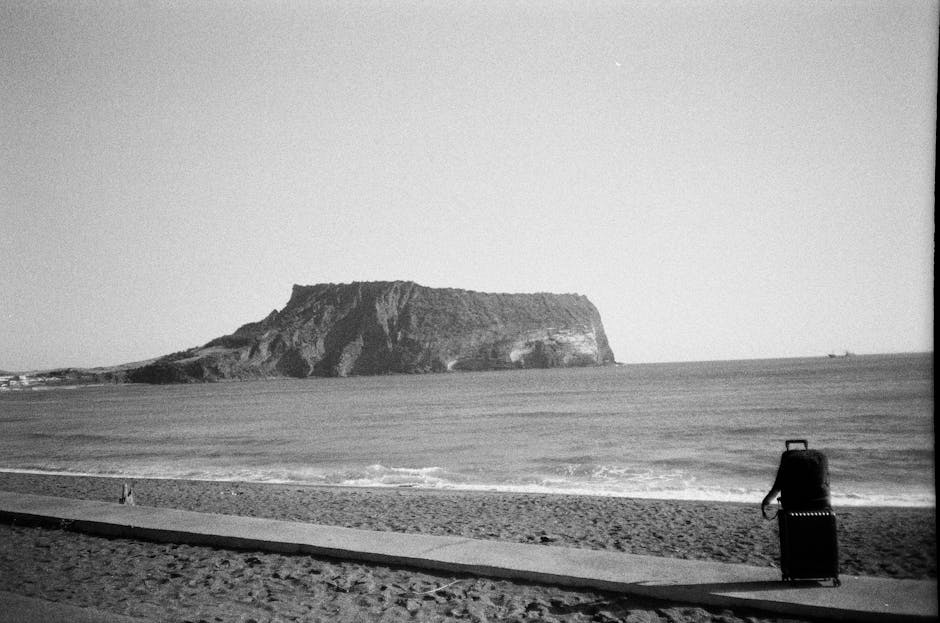
- Seongsan (East): Home to the UNESCO-listed Seongsan Ilchulbong (Sunrise Peak). The hike is short enough for kids aged 5+ but dramatic enough to feel like a real adventure. The nearby Seopjikoji coast is flat, windswept, and photogenic — ideal for toddler walking without steep drop-offs.
- Jungmun (South): The resort belt. Lotte Water Park Jeju and Teddy Bear Museum are both here. If your children are under 8, this zone will probably anchor your itinerary. The beaches are also broader and calmer than the east coast.
- Hallasan National Park (Center): Not typically recommended for families with very young children due to trail difficulty, but the Eorimok Trail (approximately 4.7 km round trip) is manageable for kids aged 7+ with proper footwear and enough snack bribery.
- Aewol / Hyeopjae (West): The emerald-green waters at Hyeopjae Beach are arguably Jeju’s most beautiful, and the shallow depth makes it safe for young swimmers. Hallim Park nearby has a butterfly garden and subtropical botanical gardens that hold kids’ attention surprisingly well.
Learning from How Other Families Do It: Domestic & International Comparisons
South Korean families typically plan Jeju trips around a 3-night, 4-day structure with a rental car as the spine of the itinerary. The logic is sound: Jeju’s public bus system, while improved, still requires transfers and timing patience that simply doesn’t mix well with overtired toddlers. Rental cars with English GPS options are widely available at Jeju International Airport — budget around ₩80,000–₩130,000 KRW per day in 2026 for a standard family-size SUV.
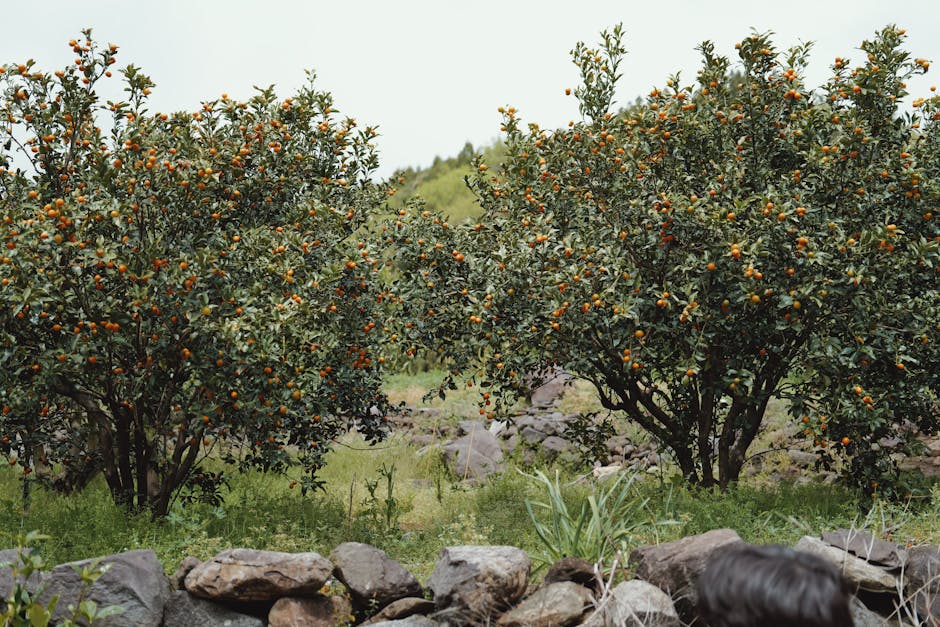
International families, particularly those coming from Singapore, Hong Kong, and Australia (Jeju’s top three international family source markets as of 2026), tend to extend stays to 5–6 nights and treat Jeju as a “slow travel” base rather than a checklist destination. This approach actually works better for children — fewer transitions, deeper exploration of favorite spots, and time to discover the island’s quieter farm stays and tangerine orchard experiences that aren’t on any top-10 list.
There’s also a growing community of expat families based in Seoul who do seasonal Jeju rotations — visiting in spring for the canola flower fields (typically late March to April), autumn for the silver grass plateaus, and deliberately avoiding the peak July–August window when beaches become genuinely chaotic. If you have flexibility, April and October 2026 are statistically the most crowd-light months with favorable weather.
Realistic Budget Planning for a Family of Four
Let’s be honest about costs because vague “budget tips” help nobody. For a family of four (two adults, two children under 10) doing a 4-day Jeju trip in 2026, here’s a realistic midrange breakdown:
- Flights (Seoul–Jeju round trip): ₩300,000–₩500,000 KRW total for the family on budget carriers like Jeju Air or T’way, if booked 6–8 weeks in advance
- Accommodation (3 nights, family room or pension): ₩450,000–₩750,000 KRW — pension-style guesthouses in Aewol or Seongsan offer far better space-per-won than Jungmun resort hotels
- Rental car (4 days including insurance): ₩320,000–₩520,000 KRW
- Attraction entry fees: Budget ₩150,000–₩250,000 KRW — many natural sites like Hyeopjae Beach and Olle Trails are free; indoor parks and museums drive up costs
- Food: ₩400,000–₩600,000 KRW — Jeju black pork BBQ is non-negotiable, but for kids, haenyeo grandmother restaurant lunches with fresh seafood stews can be surprisingly kid-receptive
Total realistic midrange estimate: ₩1,620,000–₩2,620,000 KRW (roughly $1,180–$1,910 USD at current 2026 exchange rates). That’s genuinely competitive compared to equivalent family beach trips in Bali, Okinawa, or Phuket once flights are factored in.
The Stuff Nobody Puts in the Brochure
A few things experienced Jeju family travelers quietly pass along that guidebooks tend to skip:
- Wind is Jeju’s real weather variable, not rain. Even on sunny days, the coastal areas can have gusts strong enough to flip a lightweight stroller. Bring a stroller with a decent brake lock and weight it down with your bag.
- Sunscreen is dramatically more expensive on the island than in Seoul or duty-free. Pack your own supply.
- Many traditional haenyeo villages and rural markets don’t accept card payments — keep ₩50,000–₩100,000 KRW in small bills accessible.
- If your child has a seafood allergy, be proactive at restaurants. Jeju cuisine is deeply ocean-forward and cross-contamination is common in casual eateries.
- The Jeju Olle Trail walking route maps are now available in a well-designed English app (updated January 2026) — download it before landing.
Realistic Alternatives If Jeju Doesn’t Fit Right Now
Maybe the budget isn’t quite there, or your youngest is at that 18-month–2.5-year stage where long trips just equal sleep schedule chaos. That’s a completely valid calculation to make. Here are some genuinely good alternatives worth considering:
Namhae Island (South Gyeongsang Province) offers a quieter, slower version of the island-with-kids experience at roughly 40% of Jeju’s cost — driving distance from Busan makes it stroller-and-car-seat simple. Yangpyeong or Gapyeong (both within 1–1.5 hours of Seoul) work well for families wanting nature, fresh air, and riverside play without the logistical weight of an island trip. And if you’re an international family considering Jeju versus Okinawa, Jeju wins on cost and convenience, but Okinawa’s glass-bottom boat culture and marine park access might edge it out for older, activity-hungry kids (ages 8–14).
The goal isn’t to force Jeju onto every family’s calendar — it’s to make sure that when you do go, you go ready to actually enjoy it.
Editor’s Comment : Jeju with kids is one of those trips that genuinely rewards the families who approach it with curiosity rather than a rigid checklist. The island has an unhurried quality — tangerine groves, coastal winds, grandmothers diving for abalone — that kids absorb in ways that outlast any theme park visit. Plan smart, stay flexible, and let the island surprise you a little. That’s usually when the best memories happen.
📚 관련된 다른 글도 읽어 보세요
- 2026 국내 언택트 여행, 사람 없는 숨은 자연 명소 7곳 총정리
- Hidden Gems Only Locals Know: South Korea’s Best-Kept Travel Secrets in 2026
- 2026 Gyeonggi-do Hidden Gems: Honest Reviews of Korea’s Most Underrated Travel Spots
태그: [‘Jeju Island family travel’, ‘Jeju with kids 2026’, ‘Korea family vacation guide’, ‘best family destinations Asia 2026’, ‘Jeju travel tips children’, ‘family travel Southeast Asia alternatives’, ‘Jeju itinerary kids’]
Leave a Reply