Category: Uncategorized

  • 3-Generation Family Travel in 2026: The Best Trip Itineraries That Make Grandparents, Parents & Kids All Happy

    Last summer, my friend’s family attempted what they called the “ultimate multigenerational road trip” — three generations, one minivan, and a shared Google Maps route that nobody could agree on. Grandma wanted botanical gardens, the kids wanted waterparks, and the parents just wanted everyone to stop arguing long enough to eat a meal together. Sound familiar? Planning a trip that genuinely works for a 70-year-old grandparent and a 7-year-old grandchild is one of the most rewarding — and most underestimated — travel challenges out there.

    But here’s the thing: when multigenerational trips are planned thoughtfully, they tend to be the most memorable family experiences anyone can have. So let’s think through this together and figure out exactly how to make it work in 2026.
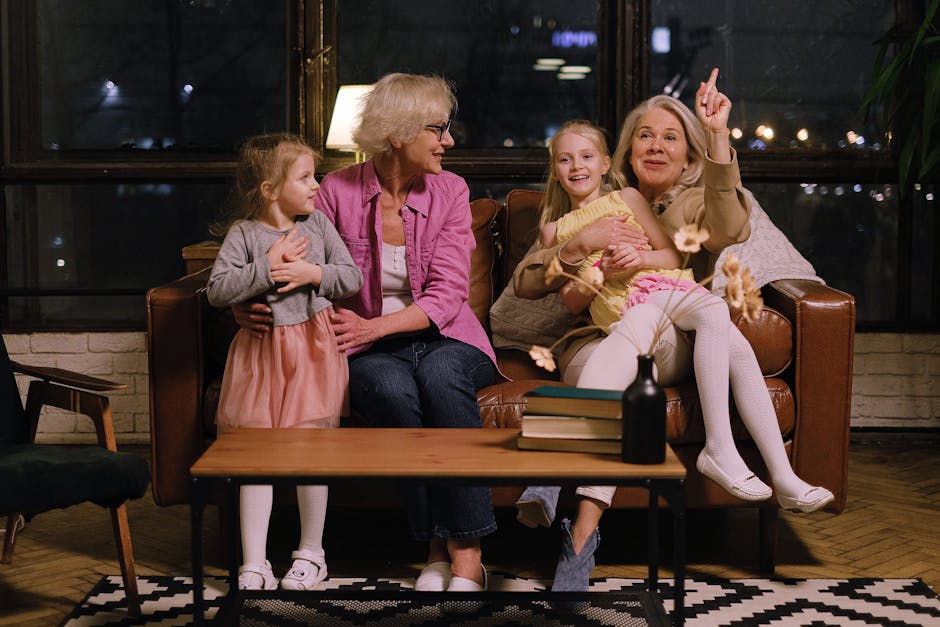
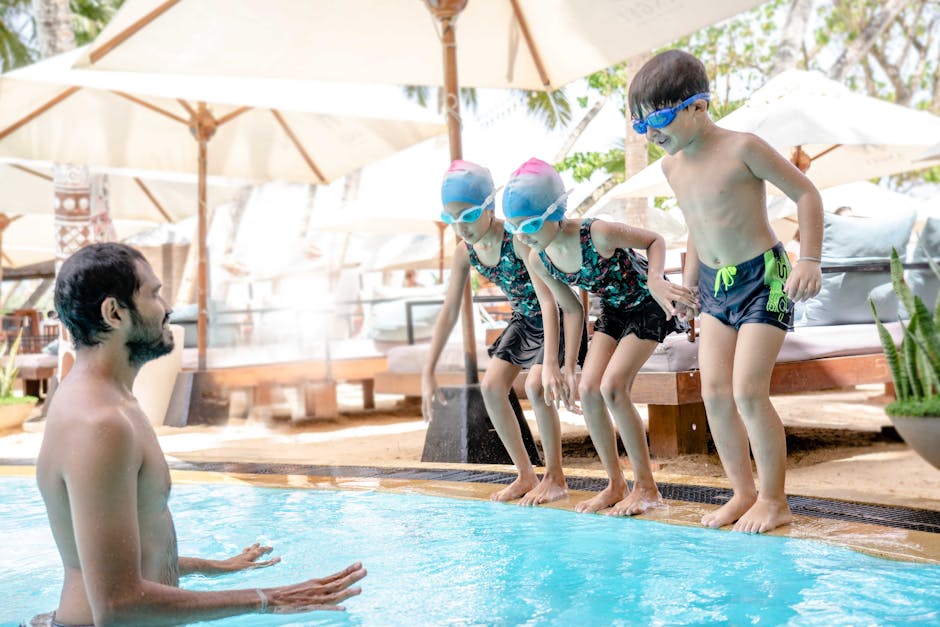
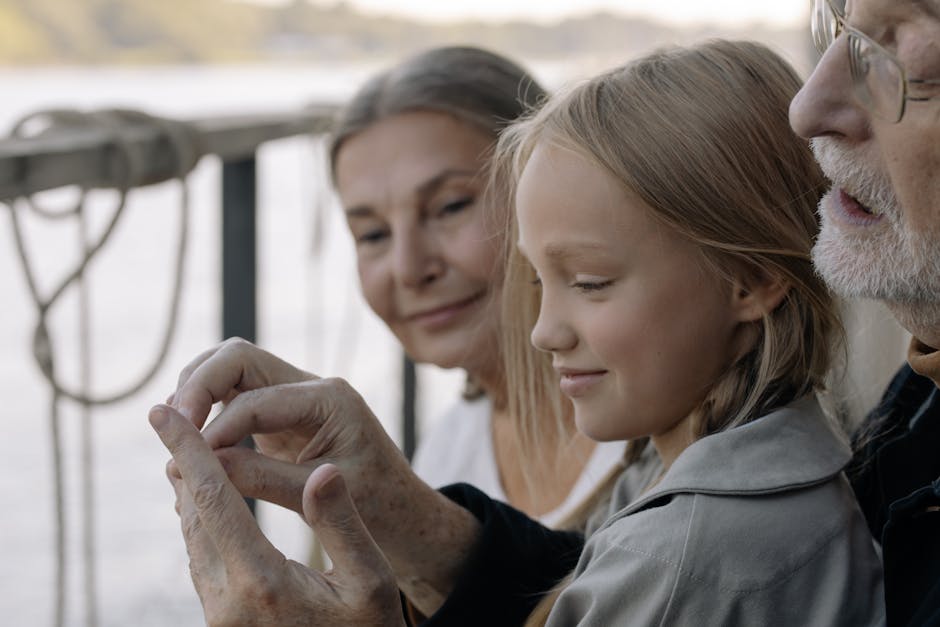
    three generation family travel grandparents grandchildren sightseeing together

    Why Multigenerational Travel Is Surging in 2026

    According to the American Association of Retired Persons (AARP), multigenerational travel — defined as trips that include at least three generations — has grown by over 40% compared to pre-pandemic baselines. In 2026, travel agencies report that roughly 1 in 4 family vacation bookings now involve grandparents. Post-pandemic relationship rekindling, extended remote work flexibility, and a growing cultural emphasis on shared experiences over material gifts are all driving this trend.

    What makes this demographic so interesting to plan for? You’re essentially coordinating:

    • Mobility considerations — grandparents may have joint pain, limited stamina, or use mobility aids
    • Attention spans — young children need stimulation and short activity windows, typically 60–90 minutes per activity
    • Sleep schedules — grandparents often rise early; teenagers often don’t
    • Dietary preferences — from soft-food needs to picky eater menus
    • Budget dynamics — grandparents may be funding the trip, but also may have fixed incomes

    Understanding these layers is the starting point for any realistic itinerary.

    The “Anchor Activity” Strategy: One Key That Unlocks Multigenerational Harmony

    Rather than trying to plan a trip where every hour is shared, experienced multigenerational travel consultants now recommend the “anchor activity” model: one or two big shared experiences per day, with the rest of the time structured as free-range family time.

    Think of it like this — grandma doesn’t need to ride the roller coaster. But she does want to see her grandchildren light up at a cultural show or share a meal at a scenic overlook. Those anchor moments become the emotional core of the trip, while everyone else fills their personal time with age-appropriate activities nearby.

    Top 3-Generation Travel Destinations Worth Considering in 2026

    1. Kyoto, Japan (International Pick)
    Japan consistently ranks among the world’s most accessible destinations for elderly travelers, thanks to its exceptional public infrastructure, smooth pavements, and elevator-equipped temples. Kyoto in particular offers:

    • Flat, stroller/wheelchair-friendly paths at Arashiyama Bamboo Grove
    • Zen garden experiences that are meditative for grandparents and visually magical for children
    • Bullet train access from Tokyo — fast, smooth, and exciting for kids
    • Family-style kaiseki meals with customizable menus

    2. Jeju Island, South Korea (Asian Regional Pick)
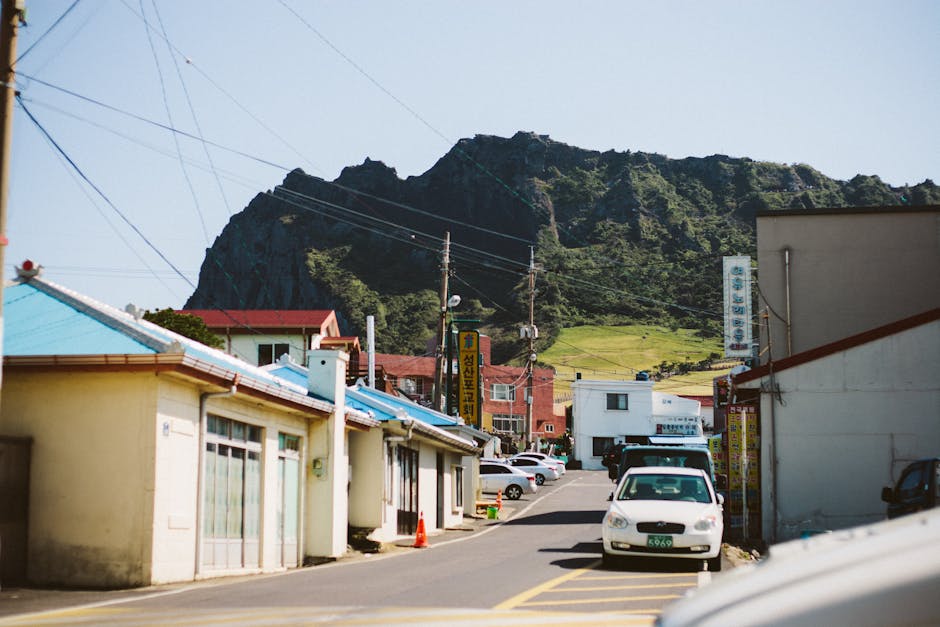
    Jeju has rapidly modernized its tourism infrastructure and now offers accessible cable cars, low-gradient hiking paths at Hallasan’s lower trails, and a robust network of resorts catering to multigenerational groups. The island’s combination of volcanic landscape, folk villages, and fresh seafood makes it a genuinely layered destination.

    3. Asheville, North Carolina, USA (Domestic Pick)
    For American families, Asheville strikes an excellent balance. The Blue Ridge Parkway offers scenic drives that require zero physical exertion — perfect for grandparents — while the city itself has vibrant art districts, accessible river tubing options for kids, and a renowned farm-to-table dining scene. Many inns here are specifically designed for large family bookings.
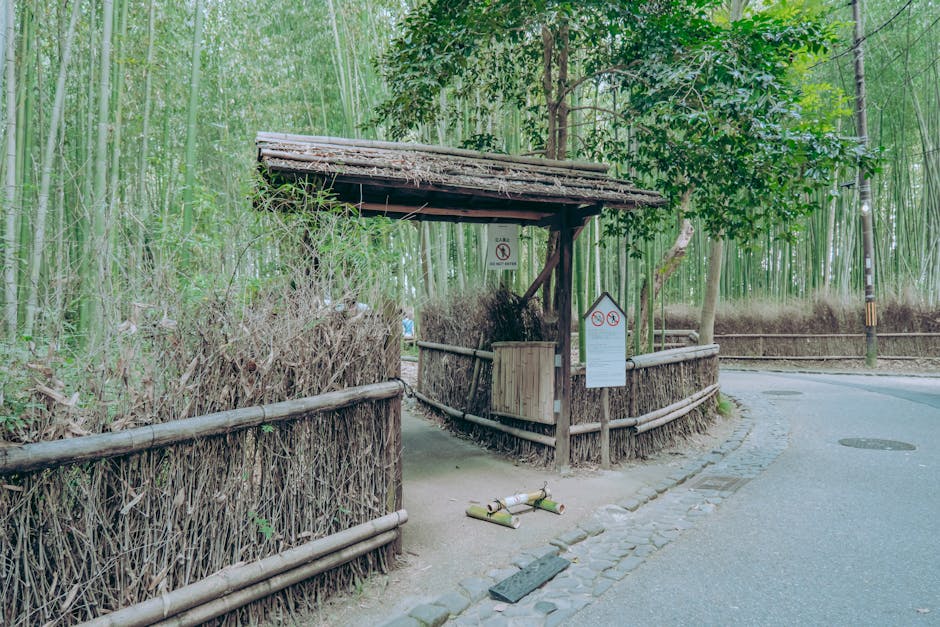
    Kyoto Japan family grandparents children bamboo grove accessible travel

    Practical Planning Tips That Actually Make a Difference

    • Book connected or adjacent rooms, not just the same hotel floor. Proximity reduces coordination stress dramatically.
    • Rent a vehicle with a third row even if your group technically fits in two rows. Comfort over 5+ hours matters enormously for older joints.
    • Schedule “grandparent hours” in the morning. Since most grandparents are early risers, plan a quiet morning activity together — a garden walk, a light breakfast outing — before the kids are fully awake. This creates precious one-on-one time.
    • Use apps like TripIt or Wanderlog to share a living itinerary everyone can view and comment on. This prevents the “nobody told me” friction.
    • Build in one full rest day per 5 days of travel. This is non-negotiable if your grandparent is over 70.
    • Check destination accessibility ratings on sites like Sage Traveling or Accessible Go before committing.

    Realistic Alternatives When Budget or Mobility Limits Options

    Not every family can fly to Kyoto. And that’s completely okay — the goal is the connection, not the postcard. Here are scalable alternatives:

    • Regional cabin rentals: A lakeside cabin three hours from home, with a dock, board games, and a shared kitchen, can deliver the multigenerational magic without anyone needing a passport.
    • Train journeys: Amtrak’s long-distance routes in the US, or rail passes across Europe, are ideal for grandparents who find airports exhausting. The journey itself becomes the experience.
    • Cultural day trips: Instead of a week-long trip, consider a series of well-planned day trips to local museums, botanical gardens, or historical sites throughout the year. Sustained connection beats one intense trip.
    • Resort-style stays: All-inclusive family resorts in Mexico (like Los Cabos or Riviera Maya) have golf carts, flat terrain, and kids’ clubs — meaning grandparents can relax while younger family members explore independently.

    The most important thing to remember is this: grandparents don’t need perfection — they need presence. A trip where the grandchildren look up from their phones and actually talk to their grandparents is a roaring success, regardless of the destination.

    Editor’s Comment : In 2026, the best multigenerational trips aren’t the most ambitious ones — they’re the ones where someone actually sat down and thought about what grandma’s knees can handle and what keeps a 9-year-old from melting down by 4 PM. Plan with empathy, build in flexibility, and let the imperfect moments become the stories your family tells for decades.


    📚 관련된 다른 글도 읽어 보세요

    태그: [‘multigenerational travel 2026’, ‘3 generation family trip’, ‘travel with grandparents’, ‘family vacation planning’, ‘accessible travel destinations’, ‘grandparents and grandchildren travel’, ‘family travel tips’]
  • 조부모와 함께하는 3대 가족 여행 코스 추천 2026 | 할머니 할아버지도 편한 국내 여행지 총정리

    지난 설 연휴, 친구에게서 이런 이야기를 들었어요. 팔순을 바라보는 할머니를 모시고 제주도를 다녀왔는데, 계단이 많은 관광지에서 할머니가 멀찌감치 벤치에 앉아 기다리시는 모습을 보고 마음이 짠했다고요. ‘함께 여행을 왔는데, 함께 즐기지 못하는’ 상황. 3대 가족 여행을 계획하는 분이라면 한 번쯤 마주치는 딜레마라고 봅니다.

    아이도 즐겁고, 어른도 편안하고, 조부모님도 소외되지 않는 여행. 사실 조건을 맞추기가 쉽지 않죠. 이동 거리, 체력 안배, 식사 메뉴까지 고려해야 할 변수가 너무 많으니까요. 그래서 오늘은 2026년 현재 기준으로 실제로 이동하기 좋고, 배리어프리(barrier-free) 환경이 잘 갖춰진 국내 여행지를 중심으로 3대 가족 여행 코스를 함께 정리해 봤어요.

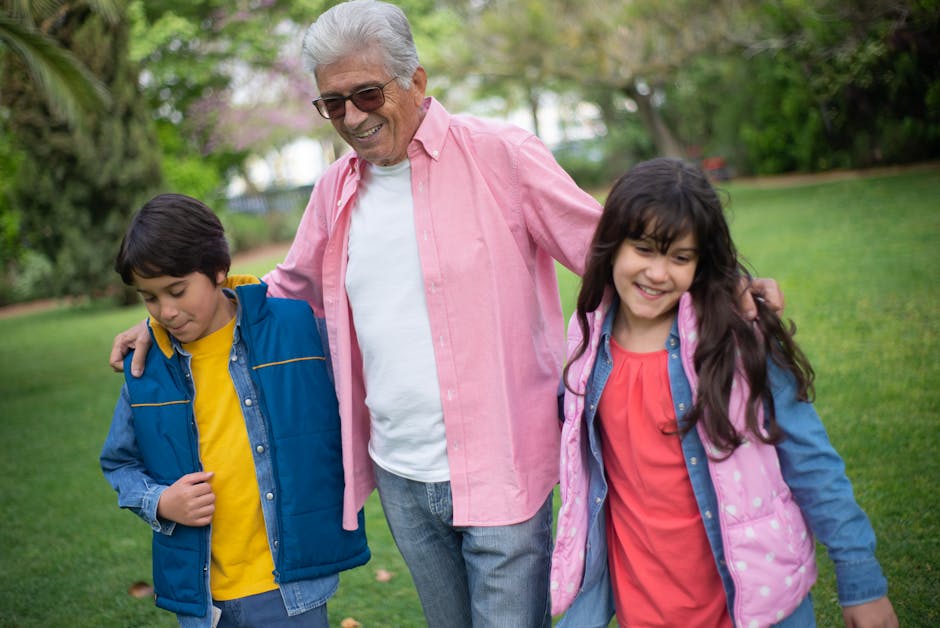
    multi-generation family travel Korea grandparents grandchildren outdoor smiling

    📊 숫자로 보는 3대 가족 여행의 현실

    한국관광공사의 2025년 말 발표 자료에 따르면, 국내 가족 여행 중 3대 동반 여행 비율은 전체의 약 18.4%로 5년 전(2021년, 약 10.2%) 대비 약 1.8배 증가했다고 합니다. 고령화 사회가 가속화되면서 시니어 여행 수요 자체가 커진 것도 있지만, MZ세대 자녀들이 부모님을 모시고 여행하는 문화가 확산된 영향도 크다고 봅니다.

    문제는 여행의 ‘만족도 편차’인데요. 동일한 조사에서 3대 가족 여행 만족도 조사 결과, 조부모 세대의 불만족 요인 1위가 ‘이동 및 보행 환경'(43.2%)이었고, 2위가 ‘식사 메뉴 선택의 어려움'(27.8%)이었습니다. 반면 아이들의 불만 1위는 예상대로 ‘흥미로운 활동 부족'(51.4%)이었고요. 즉, 세대 간 니즈의 간극을 줄이는 것이 3대 여행 기획의 핵심이라고 할 수 있어요.

    또한 이동 거리에 대한 데이터도 주목할 만해요. 70세 이상 시니어가 편안하다고 느끼는 하루 보행 거리는 평균 2~3km 이내라는 연구 결과가 있는데(한국노인인력개발원 2024 기준), 일반 관광지 평균 도보 코스가 5~8km인 점을 감안하면, 목적지 선정 단계부터 체력 변수를 반드시 계산해야 한다는 걸 알 수 있어요.

    🗺️ 국내 3대 가족 여행지 추천 코스 (세대별 니즈 균형 기준)

    아래는 조부모님의 이동 편의성, 아이들의 흥미 요소, 중간 세대의 여행 만족도를 종합적으로 고려해 선정한 코스들이에요. ‘완벽한 한 곳’을 찾기보다는, 반나절씩 역할을 나눈 모듈형 일정이 현실적으로 가장 잘 맞는 것 같습니다.

    • 전북 전주 한옥마을 + 덕진공원 코스 — 한옥마을 내 주요 골목은 유모차·휠체어 접근이 가능한 평탄한 돌길 위주로 정비되어 있어요. 조부모님은 한옥 카페에서 쉬시면서 손자녀가 전통 체험을 즐기기에 좋은 구조예요. 덕진공원은 연꽃 시즌(6~8월)에 산책하기 특히 좋고, 경사가 거의 없어 어르신도 부담 없이 거닐 수 있어요.
    • 경남 통영 케이블카 + 동피랑 벽화마을 코스 — 한려수도조망케이블카는 2026년 현재 전 구간 배리어프리 시설이 잘 갖춰져 있어, 이동이 불편한 조부모님도 전망대에서 통영의 절경을 함께 감상할 수 있어요. 동피랑 벽화마을은 경사가 있긴 하지만 코스가 짧아 천천히 둘러보기에 무리가 없는 편이에요.
    • 충남 태안 천리포수목원 코스 — 사계절 수목원 특성상 걷는 거리를 스스로 조절하기 좋고, 포장된 산책로가 많아 시니어에게 최적이에요. 아이들은 자연 탐방 프로그램에 참여할 수 있고, 조부모님은 그늘 쉼터에서 여유롭게 쉬시기 좋아요. 서해안 드라이브 코스와 연결하면 이동 자체가 여행이 되는 느낌을 줄 수 있어요.
    • 경기 가평 아침고요수목원 + 자라섬 코스 — 수도권 접근성이 좋아 당일치기도 가능하고, 서울에서 1시간 30분 내외로 이동 부담이 적어요. 특히 아침고요수목원은 전동 카트 서비스를 운영해 체력이 부담되는 조부모님도 충분히 즐길 수 있어요. 자라섬 캠핑그라운드에서는 아이들이 자연을 만끽할 수 있는 것도 장점이에요.
    • 부산 기장 국립수산과학관 + 죽성드림성당 코스 — 부산에서도 번잡한 해운대보다 한적한 기장권을 추천해요. 수산과학관은 내부 전시 위주라 날씨 영향을 받지 않고, 아이들에게 교육적인 콘텐츠도 풍부해요. 죽성드림성당은 차로 바로 접근 가능해서 이동 동선이 매우 짧고, 포토스팟으로 가족사진 남기기에도 좋아요.
    Korean family three generations grandparents children walking garden accessible path

    🌏 해외 사례에서 배우는 시니어 친화 가족 여행 설계법

    일본의 경우, 이미 2020년대 초반부터 ‘유니버설 투어리즘(Universal Tourism)’ 개념이 여행 업계 전반에 정착됐어요. 대표적으로 교토시는 주요 관광지 간 이동 수단으로 저상 버스(Low-floor bus) 노선 비율을 전체의 87%까지 확대했고, 주요 신사·사찰에 휠체어 전용 참배로를 별도로 조성해 두었어요. 관광지 자체가 고령 여행자를 배제하지 않는 구조로 설계된 거죠.

    독일의 뮌헨 근교 킴제(Chiemsee) 호수 지역은 유럽 시니어 가족 여행지로 꾸준히 상위권에 오르는 곳인데, 이곳의 성공 비결은 ‘이동 거리 최소화 + 볼거리 집중화’ 전략이에요. 선착장-궁전-식당-숙소가 반경 500m 안에 밀집해 있어, 걷는 거리를 줄이면서도 하루 일정이 꽉 찬 느낌을 줍니다. 국내 여행지 선정 시에도 이런 ‘컴팩트한 반경’ 개념을 적용하면 훨씬 현실적인 일정이 나와요.

    한국도 2026년 현재 한국관광공사가 주도하는 ‘열린관광지(Open Tourism)’ 사업이 전국 100개 이상의 관광지에 적용되어 있어, 배리어프리 인증을 받은 여행지 정보를 visitkorea.or.kr에서 검색할 수 있어요. 여행지 후보를 고를 때 이 인증 여부를 먼저 확인해 보시는 걸 추천합니다.

    🧳 3대 여행 전, 반드시 체크해야 할 실전 준비 사항

    • 의료·안전 준비 — 조부모님의 복용 약 목록과 주치의 연락처를 사전에 파악해 두고, 여행지 인근 병원·약국 위치를 미리 저장해 두는 게 좋아요. 여행자 보험은 70세 이상도 가입 가능한 상품을 꼭 챙기세요.
    • 숙소 선택 기준 — ‘1층 객실 가능 여부’, ‘욕실 안전 손잡이 유무’, ‘엘리베이터 유무’를 반드시 숙소에 직접 문의해야 해요. 예약 플랫폼 설명만으로는 세부 편의시설 확인이 어려운 경우가 많거든요.
    • 이동 수단 — 장거리라면 KTX나 자가용이 낫고, 자가용의 경우 2시간마다 휴게소 정차를 원칙으로 삼는 게 좋아요. 조부모님이 장시간 좌석에 앉아 있으면 혈액순환에 무리가 생길 수 있거든요.
    • 식사 계획 — 끼니마다 ‘조부모님 메뉴’와 ‘아이 메뉴’를 동시에 제공하는 식당을 미리 검색해 두세요. 한식 뷔페나 돌솥밥 전문점은 연령대 무관하게 만족도가 높은 편이에요.
    • 일정 여유도 — 일반 여행 일정의 70% 정도로만 채우는 게 현실적이에요. 예상치 못한 체력 저하나 날씨 변수에 대응할 수 있는 여백을 반드시 남겨두는 게 좋아요.

    ✍️ 결론 — ‘함께’라는 가치를 중심에 두는 여행

    3대 가족 여행은 솔직히 세대별로 원하는 게 너무 달라서 처음부터 ‘모두가 100% 만족하는 여행’을 목표로 하면 기획 자체가 스트레스가 될 수 있어요. 오히려 ‘누가 이번 여행의 주인공인가’를 먼저 정하고, 그 사람 중심으로 설계하되, 나머지가 맞춰가는 구조가 훨씬 현실적으로 잘 작동하는 것 같아요.

    올해가 조부모님과 함께하는 첫 번째 가족 여행이라면, 거창한 코스보다는 반나절짜리 근교 여행부터 시작해서 서로의 페이스를 파악하는 것도 좋은 방법이에요. 그 경험이 쌓이면, 다음 여행은 훨씬 자연스럽고 즐거운 일정이 만들어질 거라고 봅니다.

    에디터 코멘트 :


    📚 관련된 다른 글도 읽어 보세요

    태그: []

  • Hidden Korea 2026: Secret Travel Spots Only Locals Know About (And How to Actually Find Them)

    Last spring, I found myself hopelessly lost in a narrow alleyway somewhere between Jeonju’s famous hanok village and a district most tourists never bother to enter. A grandmother in a floral apron handed me a bowl of sikhye (sweet rice punch) through her doorway and pointed me toward a courtyard garden I hadn’t seen on any map app. That moment crystallized something I’d been thinking about for years: the best parts of Korea are almost never on the itinerary.

    With international tourism to Korea surging past 18 million visitors in 2026 — largely fueled by K-content culture and the post-pandemic travel explosion — the usual hotspots like Gyeongbokgung, Bukchon, and Jeju’s Hallasan trail are genuinely overcrowded. So let’s think through this together: where do the locals actually go, and how do you get there without a tour bus?

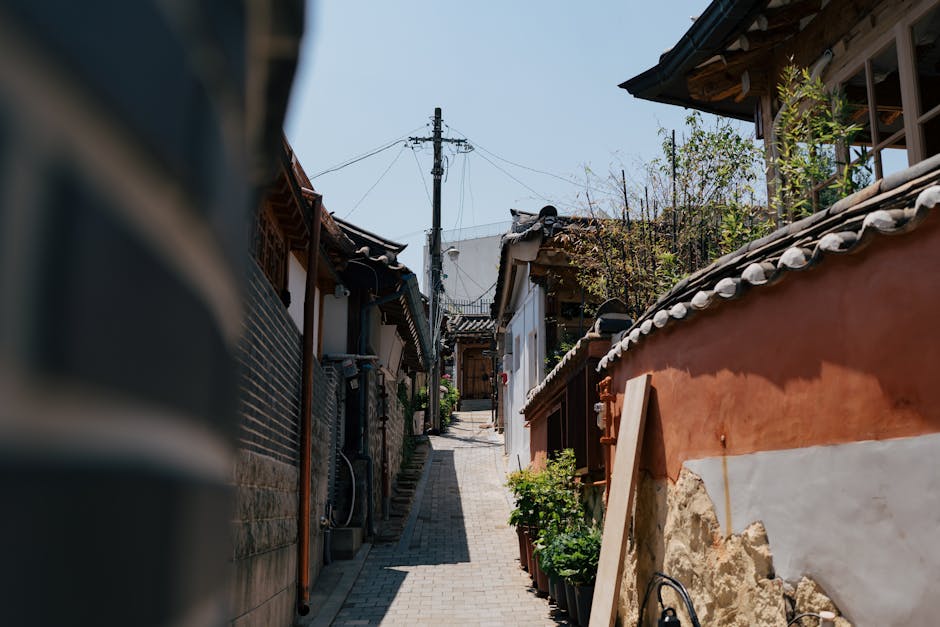
    hidden Korea village alleyway local street food traditional courtyard

    Why “Secret” Destinations Stay Secret (And Why That’s Changing)

    Korea has a fascinating geographic reality: roughly 70% of its landmass is mountainous, which means hundreds of valleys, coastal villages, and highland plateaus remain largely undeveloped for mass tourism. According to the Korea Tourism Organization’s 2026 Domestic Travel Trend Report, nearly 63% of Korean domestic travelers prefer destinations with fewer than 5,000 monthly visitors — a number that reflects a genuine cultural preference for honjok (alone-time culture) and unhurried exploration.

    Here’s the logical chain worth thinking through: international tourists cluster around a handful of Instagrammable zones → locals migrate away from those zones → local knowledge concentrates in places that lack English-language coverage → those places stay hidden by default, not by design. That gap is actually your opportunity.

    The Under-the-Radar Regions Worth Your Serious Attention in 2026

    • Uljin, North Gyeongsang Province: A coastal town where pine forests literally run into the East Sea. The Geumgang Pine Forest (Geumgang Songgye) is a UNESCO-recognized biosphere, yet daily visitor counts remain in the hundreds. Local guesthouses here still practice minbak hospitality — home-cooked meals included.
    • Gochang, North Jeolla Province: Home to dolmen UNESCO heritage sites AND a UNESCO Biosphere Reserve. The Seonunsan Provincial Park here has spring camellia blooms that rival anything you’d see on Jeju — without the crowds or the flight.
    • Namhae Island, South Gyeongsang Province: Often called Korea’s “German Village” because it literally has a community of Koreans who returned from working in 1960s-70s West Germany. The terraced rice paddies and Mediterranean-style coastline make it visually unlike anywhere else in the country.
    • Yeongwol, Gangwon Province: A mountain town with tragically undervisited river kayaking, a riverside astronomical observatory, and associations with the tragic history of King Danjong — giving it a quiet, contemplative atmosphere that history buffs will love.
    • Boryeong’s Back Country (Beyond the Mud Festival): Most people know Boryeong for its summer mud festival. What they miss are the Sapsilcho Wetlands and the intricate tidal flat ecosystems that locals visit for clam digging and slow coastal walks in spring and autumn.

    How Real Locals Find These Places: The Actual Methodology

    Let’s be honest — searching “hidden travel spots Korea” in English mostly returns the same recycled listicles. Here’s what actually works, broken down logically:

    1. Naver Blogs over Google: Korean domestic travel discourse lives on Naver Blog, not Instagram or Google. Even basic Korean search terms like “국내 여행 비밀장소” or “현지인 추천 여행지” will surface genuine personal blogs with photos, bus routes, and meal recommendations that Google simply doesn’t index well.

    2. The KakaoMap “Review” Tab: Unlike Google Maps, KakaoMap’s Korean-language review ecosystem is dense with hyper-local commentary. If you drop a pin on a rural area and scroll through recent reviews, you’ll find references to nearby spots that never appear in official tourism materials.

    3. Local Tourism Office Visits (Seriously): Every county-level municipality in Korea (gun or si) operates a tourism information office. Stop in and ask — not for brochures, but for what locals actually recommend that week. The staff response will almost always surprise you.

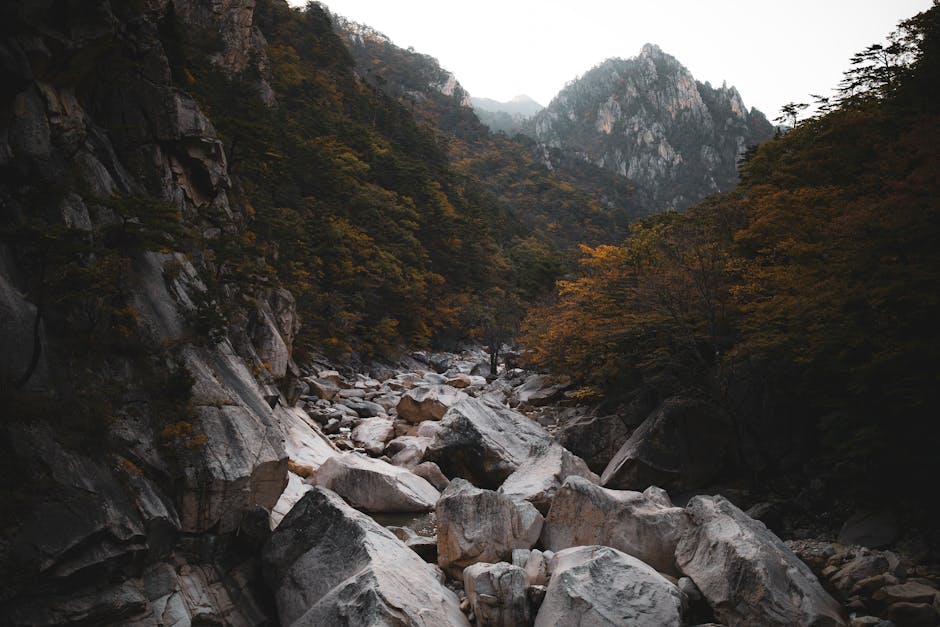
    Korea countryside mountain valley scenic hiking trail locals

    International Travelers Who’ve Done This Successfully

    Travel writer Lena Müller documented her 2026 solo trip through rural Gangwon Province for Spiegel Reise, noting that by deliberately avoiding the standard Seoul-Busan axis, she encountered a Korea that “felt suspended in a quieter version of itself.” Similarly, the Australian travel community Indie Trails published a 2026 guide specifically focused on the Saemangeum coastal path and the fishing villages of the Gochang coast — destinations where English menus don’t exist, but hand signals, phone translators, and genuine curiosity go a very long way.

    The pattern across these accounts is consistent: the willingness to be slightly uncomfortable — linguistically, directionally, and culinarily — is the price of admission to the real Korea. And by most accounts, it’s a bargain.

    Realistic Alternatives Based on Your Travel Style

    Not everyone can or wants to navigate rural Korea independently. Here’s how to think through your realistic options:

    • If you’re time-limited (3-4 days): Focus on a single under-visited province rather than trying to hit multiple regions. Chungcheong Province (both North and South) is criminally overlooked and sits within 90 minutes of Seoul by KTX.
    • If you’re language-anxious: Join small-group tours run by local Korean operators like Trazy or Hana Tour’s local experience branch — they increasingly offer “off the beaten path” itineraries with bilingual guides who are actual locals, not just certified tour guides.
    • If you’re on a budget: Rural Korea is dramatically cheaper than Seoul. A night in a traditional hanok guesthouse in Andong or Damyang rarely exceeds ₩60,000–80,000 (roughly $45–60 USD), often with breakfast included.
    • If you’re a repeat visitor: Consider renting a car (an International Driver’s Permit works throughout Korea) and following the 2-lane road rule: if a destination requires a 2-lane road to reach, you’re probably heading somewhere good.

    The beautiful thing about Korea’s geography is that genuine remoteness is never more than a couple of hours from a major city. You don’t need two weeks of vacation to escape the tourist circuit — you need two days and a willingness to point yourself somewhere new.

    Editor’s Comment : The secret to Korea’s secret places isn’t really a secret at all — it’s intentionality. In 2026, with real-time translation in your pocket and high-speed rail connecting nearly every province, the barriers to authentic travel in Korea are lower than ever. The only thing standing between you and a grandmother handing you rice punch in an unmarked alleyway is the decision to look for her.


    📚 관련된 다른 글도 읽어 보세요

    태그: [‘hidden Korea travel spots’, ‘secret travel destinations Korea 2026’, ‘local recommended Korea travel’, ‘off the beaten path Korea’, ‘Korean countryside travel guide’, ‘rural Korea tourism’, ‘authentic Korea travel tips’]

  • 2026년 현지인만 아는 한국 비밀 여행지 7곳 | 진짜 숨은 명소 추천

    지난 봄, 오랜 친구 하나가 강원도 출신인데 이런 말을 했어요. “너 속초 가면 맨날 그 중앙시장이랑 아바이마을만 가지? 진짜 좋은 데는 아직 모르지?” 그 말 한 마디에 꽤 찔렸습니다. 우리는 어느 순간부터 여행을 ‘인스타그램 피드’로 기획하고 있는 건 아닐까요? 수십만 명이 다녀간 ‘인생샷 명소’ 앞에서 한 시간을 줄 서면서도, 정작 그 지역 사람들이 숨겨두고 싶어 하는 풍경은 한 번도 보지 못한 채 돌아오는 경우가 많라고 봅니다. 오늘은 각 지역 현지인들의 제보와 직접 발품을 판 기록을 바탕으로, 2026년에도 여전히 ‘비밀스럽게’ 남아 있는 한국의 숨은 여행지 7곳을 함께 살펴볼게요.

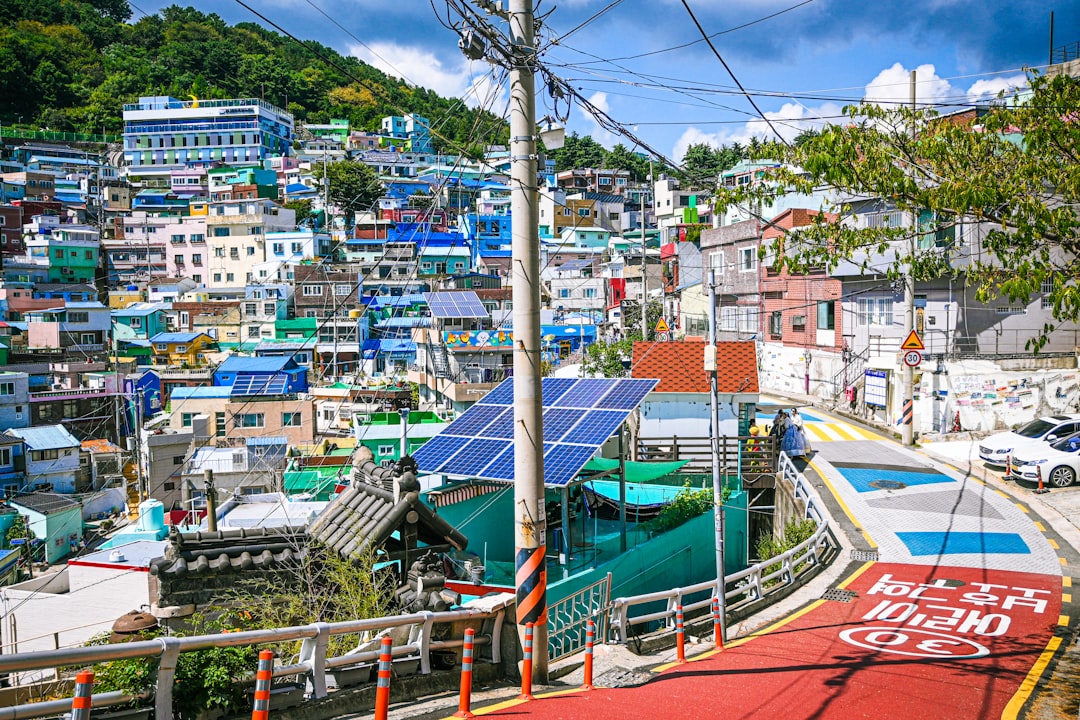
    secret travel spots Korea hidden nature scenic road

    📊 얼마나 많은 사람이 ‘오버투어리즘’에 지쳐 있을까? — 수치로 보는 현실

    한국관광공사가 2025년 하반기에 발표한 조사에 따르면, 국내 여행 경험자 중 약 68%가 “유명 관광지에서 혼잡함으로 인해 여행 만족도가 낮아진 경험이 있다”고 응답했어요. 더 흥미로운 건, 같은 조사에서 “덜 알려진 곳이라도 여유롭고 진정성 있는 경험을 원한다”는 응답이 74%에 달했다는 점입니다. 즉, 사람들의 욕구는 이미 ‘붐비는 명소’에서 ‘조용한 비밀 여행지’로 이동하고 있는 거라고 봅니다. 그런데도 막상 여행을 계획하면 검색 상위에 뜨는 그 몇 곳으로만 향하게 되죠. 정보의 불균형이 만들어내는 아이러니인 것 같아요.

    🗺️ 현지인 추천 한국 비밀 여행지 7곳

    아래 소개하는 장소들은 SNS 노출 빈도, 현지 주민 인터뷰, 그리고 실제 방문 후기를 교차 검토해서 선정했어요. ‘아는 사람만 아는’ 수준을 유지하고 있는 곳들이라고 봅니다.

    • 🌿 경북 봉화군 — 분천 협곡 산책로
      산타마을로 알려진 분천역 주변, 정작 현지인들이 사랑하는 건 낙동강 상류를 따라 이어지는 협곡 산책로예요. 관광지화된 역 주변과 달리 이 산책로는 탐방객이 거의 없어서 물소리와 새소리만 들릴 정도로 고요합니다. 비포장 구간이 있으니 운동화 필수!
    • 🌊 전남 신안군 — 자은도 둔장해변
      퍼플섬으로 유명해진 신안이지만, 자은도의 둔장해변은 여전히 한적해요. 썰물 때 드러나는 넓은 갯벌과 소나무 숲이 맞닿은 풍경이 독특합니다. 자은도 출신 주민은 “여기는 제발 조용히 있어줬으면 좋겠다”고 할 정도로 아끼는 공간이라고 해요.
    • 🏔️ 강원 인제군 — 방태산 적가리골 계곡
      백담사나 내린천은 많이들 알아도 방태산 적가리골은 등산 커뮤니티에서만 조용히 공유되는 곳이에요. 원시림 수준의 자연이 보존되어 있고, 계곡물의 투명도가 경이로울 정도입니다. 대중교통 접근이 어렵다는 단점이 오히려 ‘비밀 유지’에 기여하고 있는 것 같아요.
    • 🏯 경남 합천군 — 황매산 모산재 능선
      황매산 철쭉은 유명하지만, 모산재에서 황매산으로 이어지는 암릉 능선은 훨씬 덜 알려져 있어요. 기암괴석이 연출하는 풍경이 마치 중국 장가계를 축소해 놓은 듯한 분위기입니다. 현지 등산 동호회원들이 “서울 사람들한테 알려주기 싫다”고 반농담으로 말하는 곳이기도 해요.
    • 🌾 충남 서천군 — 신성리 갈대밭
      영화 JSA 촬영지로 잠깐 알려졌다가 다시 조용해진 곳이에요. 면적만 무려 23만㎡에 달하는 광활한 갈대밭으로, 가을에는 황금빛 물결이 장관을 이룹니다. 주변 식당이나 편의시설이 거의 없어서 ‘인증샷 관광객’이 자연스럽게 걸러지는 구조라고 봅니다.
    • 🍵 전북 임실군 — 옥정호 붕어섬 일대
      섬진강 상류의 인공호수 옥정호에는 물 위에 떠 있는 듯한 작은 반도가 있어요. 안개 낀 아침에 이곳에서 바라보는 수면 위 풍경은 제주나 남해 못지않은 비경이라고 합니다. 임실 치즈마을에 갔다가 여기를 모르고 돌아오는 사람이 태반이라는 게 신기할 정도예요.
    • 🌺 제주 — 저지오름 편백나무 숲길
      제주에서도 비밀 여행지를 꼽자면 단연 저지오름 내부의 편백나무 숲길이에요. 사려니숲이나 절물휴양림에 비해 탐방객이 10분의 1 수준입니다. 오름 정상이 아니라 숲길 자체에 머무는 경험이 핵심인 곳으로, 현지인들은 ‘멍 때리러 간다’고 표현하는 게 딱 맞는 것 같아요.
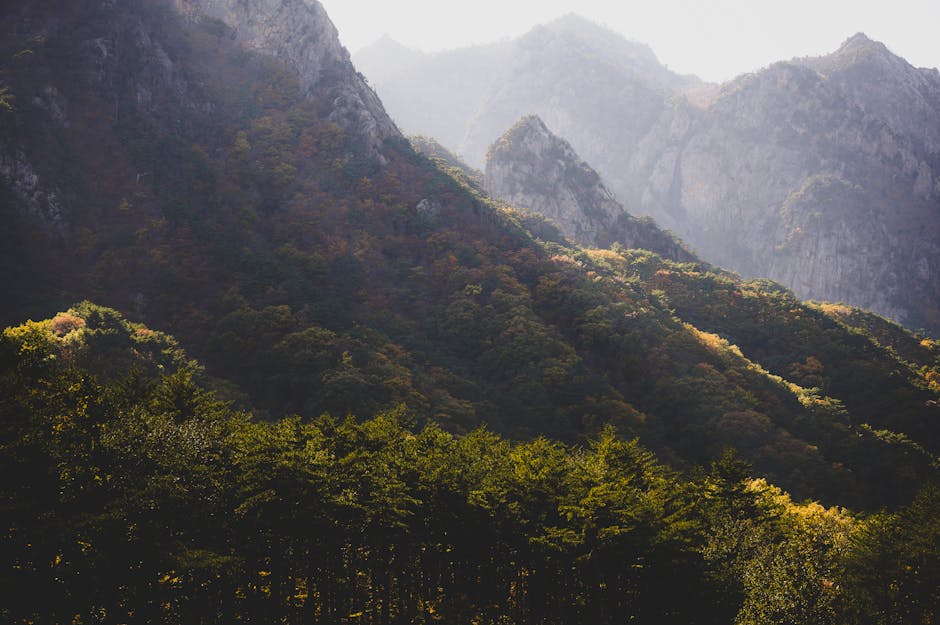
    Korea hidden valley secret forest travel nature calm

    🌍 해외 사례에서 배우는 ‘비밀 여행지 보존’의 역설

    흥미롭게도 해외에서도 비슷한 고민이 있어요. 아이슬란드는 2010년대 초반까지만 해도 관광객 수가 연간 50만 명 수준이었지만, SNS 확산 이후 2019년에는 무려 200만 명을 넘어섰고 결국 특정 명소에는 입장료와 사전 예약제를 도입했습니다. 일본 교토 역시 ‘오버투어리즘 피로도’를 줄이기 위해 관광객을 일부러 외곽 지역으로 분산시키는 ‘비밀 교토 프로젝트’를 지자체 차원에서 운영 중이에요. 한국도 2025년부터 문화체육관광부가 ‘분산형 여행 인센티브 정책’을 시범 운영하고 있는데, 이 방향이 계속 이어진다면 오늘 소개한 곳들이 앞으로 더 체계적으로 관리될 수 있을 것이라고 봐요. 역설적으로, 이런 곳들이 ‘알려지지 않은 상태’를 유지하는 데는 방문객 한 명 한 명의 태도도 중요한 것 같습니다.

    ✅ 비밀 여행지를 현명하게 즐기는 방법

    • SNS에 정확한 위치 태그보다는 지역명 정도만 공유하는 것이 해당 장소를 오래 보존하는 데 도움이 됩니다.
    • 현지 소상공인(카페, 식당, 숙소)을 적극 이용하면 지역 경제에도 기여하고 현지인들로부터 더 많은 ‘찐 정보’를 얻을 수 있어요.
    • 방문 전 해당 지역의 ‘자연환경 보전 지침’을 미리 확인하는 습관을 들이면 좋라고 봅니다.
    • 주말보다 평일, 성수기보다 비수기를 선택하면 진짜 그 장소의 ‘원래 모습’을 만날 가능성이 훨씬 높아요.

    에디터 코멘트 : 솔직히 말하면, 이 글을 쓰면서도 조금 고민했어요. ‘알려지면 비밀이 아니잖아’라는 딜레마요. 그래서 의도적으로 정확한 GPS 좌표나 너무 구체적인 접근 경로는 담지 않았습니다. 좋은 여행지는 스스로 찾아가는 과정 자체에서 이미 절반은 완성된다고 생각하거든요. 2026년, 검색보다 발품이 이기는 여행을 한 번쯤 해보시길 권해 드려요. 예상치 못한 풍경 앞에서 혼자 멍하니 서 있는 그 순간이, 사실 우리가 여행에서 찾고 싶었던 것 아닐까요?


    📚 관련된 다른 글도 읽어 보세요

    태그: [‘한국비밀여행지’, ‘현지인추천여행’, ‘숨은명소’, ‘국내여행2026’, ‘힐링여행지’, ‘오버투어리즘’, ‘한국여행코스’]

  • The Ultimate Family Travel Packing Checklist for 2026: What You Actually Need (and What to Leave Behind)

    Picture this: You’re standing at the airport check-in counter in 2026, sweating through your shirt, while your five-year-old is asking for the snacks that are buried somewhere in a suitcase that now weighs 32 kilograms. Your partner is frantically searching for the kid’s passport — which, spoiler alert, is in the very first zipper pocket you both checked three times. Sound familiar? Yeah. We’ve all been there.

    Family travel is one of the most rewarding experiences you can give your kids, but the packing process? That part can quietly unravel your sanity before the trip even begins. So let’s think through this together — not just a generic list, but a smart, logically organized checklist built around how families actually travel in 2026.

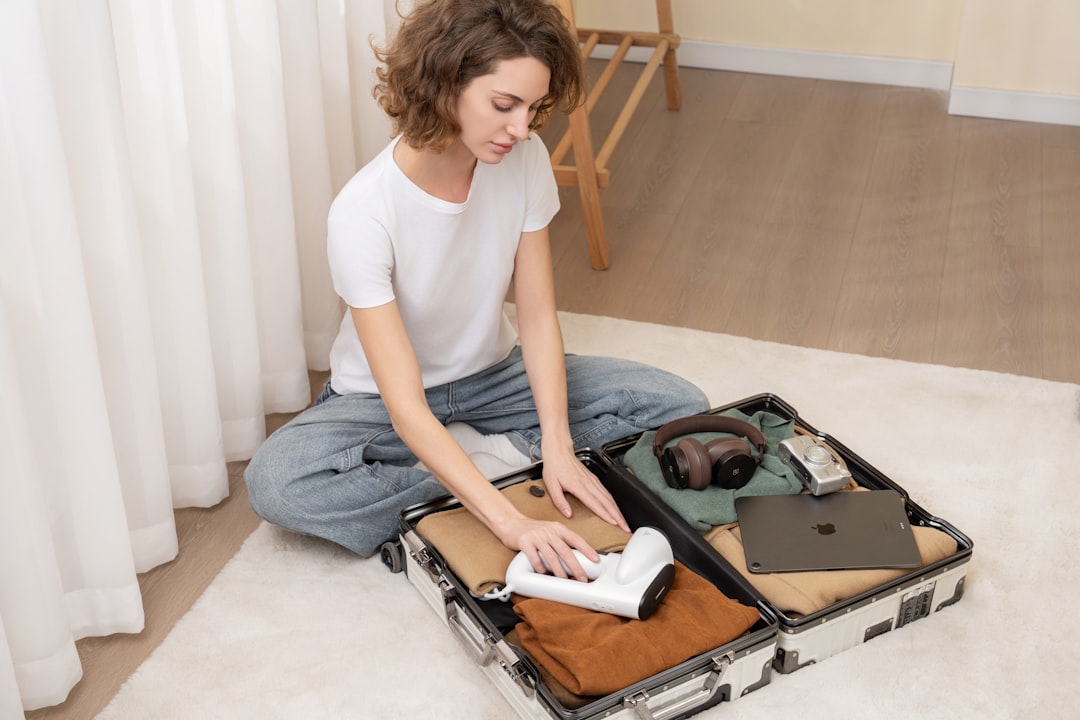
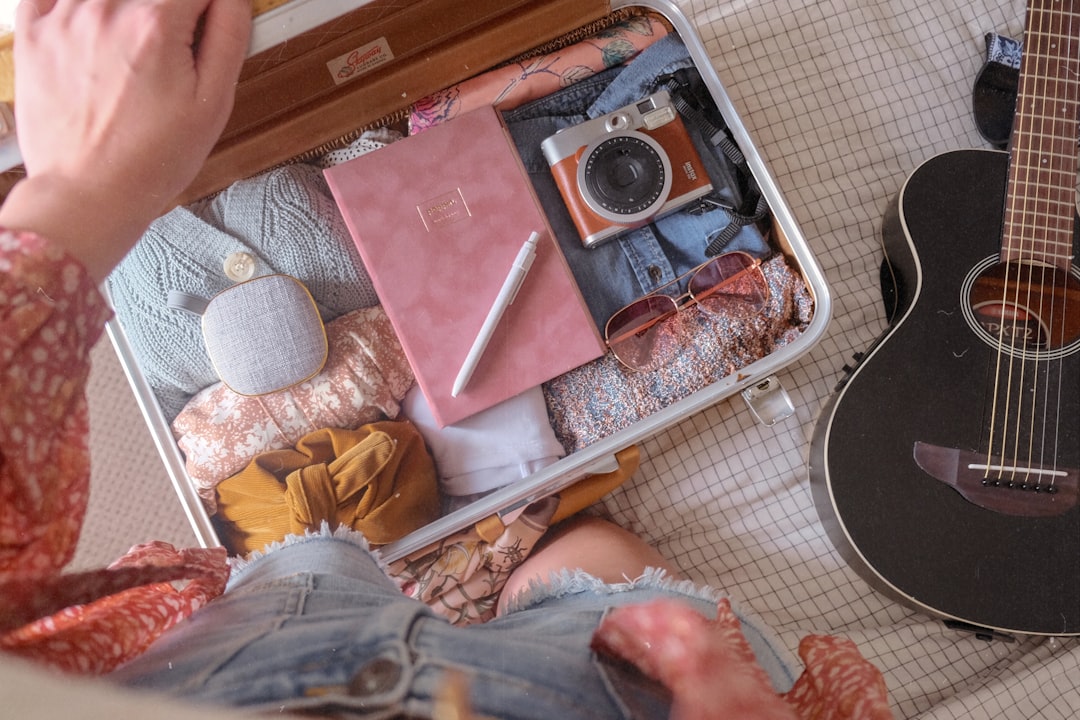
    family packing suitcase travel checklist organized luggage

    Why Most Packing Lists Fail Families

    Here’s the thing most travel blogs won’t tell you: the average family of four brings roughly 40% more items than they actually use on a typical 7-day trip, according to travel behavior studies from major airlines like Emirates and Delta reviewed in early 2026. That’s nearly half your luggage sitting untouched in a hotel room. The problem isn’t a lack of preparation — it’s over-preparation without prioritization.

    Families tend to pack out of anxiety rather than logic. “What if we need it?” becomes the silent motto that results in three extra pairs of shoes per child and an entire pharmacy worth of medication for a beach trip to Bali. Let’s fix that.

    The Tiered Packing System: A Smarter Framework

    Instead of one overwhelming list, think in three tiers:

    • Tier 1 — Non-Negotiables: Documents, medication, phone chargers, one change of clothes per person in your carry-on. These never get cut.
    • Tier 2 — High-Value Adds: Items that dramatically improve comfort or safety but have some alternatives. Think: travel stroller, portable white noise machine for babies, a small first aid kit.
    • Tier 3 — Nice-to-Haves: These get packed last and are the first to be removed if you’re over the weight limit. Beach toys, extra books, that travel board game you’ve owned for four years and never used on a trip.

    Documents & Digital Essentials

    In 2026, most countries now support digital passport verification at border control, but printed backups are still strongly recommended for families with children under 12, especially in Southeast Asia and parts of Eastern Europe where systems vary. Here’s your document checklist:

    • Passports (valid for at least 6 months beyond your return date)
    • Visas or e-visa confirmation printouts
    • Travel insurance cards and policy number
    • Hotel and flight booking confirmations (both digital and printed)
    • Emergency contact card for each child (laminated if possible)
    • Healthcare cards or travel medical documentation

    Health, Safety & Kid-Specific Gear

    Pediatric travel medicine experts at the American Academy of Pediatrics updated their family travel guidelines in early 2026 to emphasize that destination-specific preparation matters far more than volume of supplies. A mountain trip to the Swiss Alps demands entirely different preparation than a resort stay in Thailand.

    • Child-safe sunscreen (SPF 50+ recommended for kids under 10)
    • Motion sickness remedies (consult your pediatrician for age-appropriate options)
    • Any prescription medications with a doctor’s note — especially important post-2025 as customs screening has tightened in many countries
    • Portable thermometer
    • Electrolyte sachets for hydration
    • Small wound care kit: bandages, antiseptic wipes, tweezers
    • Insect repellent appropriate for children’s skin

    Clothing: The Rule of 3+1

    Families in countries like Japan and South Korea — who are statistically among the most frequent family travelers in Asia — follow what travel stylists call the Rule of 3+1: pack three full outfits per person, plus one extra “just in case” outfit, and plan to do laundry every 4–5 days. Nearly every hotel, Airbnb, and ryokan in 2026 offers coin laundry or laundry service, and most have quick-dry options.

    This approach cuts clothing weight by nearly 30–35% compared to packing a fresh outfit for every single day. For kids specifically, rolling clothes (rather than folding) and using packing cubes — color-coded per child — is a game-changer for staying organized mid-trip.

    Entertainment & Comfort for Long Hauls

    Australian family travel consultancy Little Wanderers Co. published a 2026 survey showing that screen time tools remain the #1 most valued in-flight item for families with children aged 3–10, followed closely by noise-canceling headphones sized for kids. Here’s a practical entertainment kit:

    • Tablet pre-loaded with offline content (Netflix downloads, educational apps)
    • Kids’ headphones (volume-limited models are worth the investment)
    • A small sensory or fidget toy for toddlers
    • Compact coloring book or activity pad
    • Healthy, non-messy snacks: granola bars, dried fruit, crackers
    • Reusable water bottles — most major airports in 2026 have hydration stations post-security

    children airplane travel entertainment tablet headphones snacks

    Realistic Alternatives When You’re Traveling Light or On a Budget

    Not every family is flying business class with generous baggage allowances. If you’re budget-traveling or taking low-cost carriers — which, let’s be honest, have become even stricter with carry-on policies in 2026 — here’s how to adapt:

    • Instead of a travel stroller: Rent one at your destination. Services like BabyQuip (now operating in over 60 countries) and local rental options in tourist-heavy cities make this increasingly accessible.
    • Instead of packing a full pharmacy: Research the nearest pharmacy or clinic at your destination ahead of time. Most common medications are globally available, and over-packing medicine often causes customs delays.
    • Instead of printed entertainment: Download everything digitally before departure. Books, movies, educational games — a single tablet can replace a bag of physical items.
    • Instead of packing “just in case” outfits: Know the nearest laundromat or use hotel laundry. It’s cheaper than checked bag fees on most budget routes.

    The truth is, the families who have the most enjoyable trips are rarely the ones who packed the most. They’re the ones who packed the most thoughtfully.

    Editor’s Comment : Family travel in 2026 is genuinely more accessible and better-supported than ever before — but the packing anxiety hasn’t gone anywhere. The best shift you can make isn’t buying better gear; it’s changing how you think about what you actually need. Start with your Tier 1 non-negotiables, build outward, and leave room in that suitcase for the things you’ll inevitably pick up along the way — a souvenir, a local snack, a memory in physical form. That empty space? That’s not wasted room. That’s intentional joy.


    📚 관련된 다른 글도 읽어 보세요

    태그: [‘family travel packing list 2026’, ‘family vacation checklist’, ‘travel with kids essentials’, ‘packing tips for families’, ‘what to pack for family trips’, ‘travel organization for families’, ‘kids travel gear’]

  • 가족 여행 짐 싸기 완벽 가이드 2026 | 후회 없는 필수 준비물 체크리스트

    지난 봄, 초등학생 두 아이를 둔 한 가정이 제주도 3박 4일 여행을 떠났다고 해요. 설레는 마음에 짐을 쌌는데, 막상 숙소에 도착하고 보니 아이 상비약을 통째로 빠뜨렸고, 작은 아이 슬리퍼는 물론 충전 케이블도 없었대요. 첫날 저녁을 편의점 쇼핑으로 시작한 그 가족, 여러분 주변에도 한 명쯤은 있지 않나요? 사실 저도 비슷한 경험이 있어서 남 얘기 같지가 않더라고요. 😅

    가족 여행의 짐 싸기는 혼자 떠나는 여행과는 차원이 다른 문제라고 봅니다. 인원수가 늘어날수록, 특히 영유아나 초등학생이 포함될수록 준비물의 종류와 양이 기하급수적으로 늘어나거든요. 그래서 오늘은 ‘느낌적으로 챙기는’ 수준을 넘어서, 구체적인 기준과 체크리스트로 여행 짐 싸기를 함께 정리해 보려 해요.

    family travel packing suitcase checklist organized

    📊 숫자로 보는 가족 여행 짐 싸기 현실

    2026년 국내 여행 플랫폼 조사에 따르면, 가족 단위 여행객의 약 67%가 “여행 중 현지에서 필요한 물건을 추가로 구매한 경험이 있다”고 응답했어요. 그 구매 이유 1위는 ‘미처 챙기지 못한 아이 용품'(38%)이었고, 2위는 ‘상비약(22%)’, 3위는 ‘충전 관련 용품(17%)’이었다고 합니다.

    더 흥미로운 건 짐의 무게 문제예요. 성인 1인 기준 적정 캐리어 무게는 15kg 이하로 권장되는데, 4인 가족 기준으로 짐을 합산하면 평균 38~52kg에 달한다는 조사 결과도 있어요. 이는 이동 시 허리 부상, 공항 수하물 초과 요금, 이동 동선의 불편함으로 직결됩니다. ‘많이 챙길수록 좋다’는 생각이 오히려 여행의 질을 낮출 수 있다는 거죠.

    또한 짐 싸기에 소요되는 시간도 무시할 수 없어요. 체크리스트 없이 감으로 짐을 싸는 가정은 평균 3~4시간이 걸리는 반면, 사전에 작성된 체크리스트를 활용하는 경우 1시간 내외로 줄일 수 있다는 라이프스타일 연구 결과도 있답니다. 준비의 효율이 곧 여행의 시작인 셈이에요.


    🌍 국내외 여행 준비 트렌드, 이렇게 달라졌어요

    미국의 유명 여행 전문 매거진 Travel + Leisure는 2026년 가족 여행 트렌드 리포트에서 ‘미니멀 패킹(Minimal Packing)’을 핵심 키워드로 꼽았어요. 특히 유럽 가족 여행객들 사이에서는 캐리어 대신 기내용 백팩 + 압축 파우치 조합으로 최대 7일치 짐을 해결하는 방식이 유행이라고 해요. ‘덜 갖고 더 자유롭게’라는 철학이 여행 문화 전반에 퍼지고 있는 것 같습니다.

    국내에서도 변화가 느껴져요. 2026년 현재 국내 캠핑·여행 커뮤니티에서는 ‘가족 공용 파우치 시스템’이 화제예요. 각 가족 구성원별로 개인 파우치를 하나씩 배정해 옷, 세면도구, 개인 약품을 스스로 관리하게 하는 방식인데, 아이들의 여행 참여도와 책임감도 높아지는 부가 효과가 있다고 해요. 단순한 짐 정리가 아니라 여행 교육이 되는 셈이죠.

    family travel essentials packing cubes organized pouch kids

    ✅ 가족 여행 필수 준비물 체크리스트 (연령대별 포함)

    아래 체크리스트는 ‘있으면 좋은 것’보다는 ‘없으면 여행이 힘들어지는 것’ 중심으로 정리한 것이라고 봐주시면 좋겠어요. 가족 구성과 여행지에 따라 일부 항목은 조정하면 됩니다.

    • 🧳 [공통 기본 서류 및 결제]
      • 여권 / 신분증 (해외의 경우 전 가족 필수)
      • 항공권 e-티켓 및 숙소 예약 확인서 (캡처 또는 출력본 권장)
      • 여행자 보험 증서 (가족 통합 가입 추천)
      • 비상 현금 (현지 통화 포함) + 체크/신용카드
      • 국제운전면허증 (렌터카 이용 시)
    • 👕 [의류 및 신발]
      • 일수 + 1벌 기준 의류 (세탁 가능성 고려)
      • 여행지 날씨 대비 얇은 겉옷 또는 우비 (1인 1개)
      • 편한 운동화 + 여벌 슬리퍼 (아이는 필수)
      • 수영복 및 래쉬가드 (물놀이 일정 포함 시)
    • 💊 [건강·위생 용품] ← 가장 많이 빠뜨리는 항목!
      • 가족 상비약 세트: 해열제, 소화제, 지사제, 멀미약, 밴드
      • 아이 연령별 체온계 + 콧물 흡입기 (영유아 동반 시)
      • 모기 기피제 / 벌레 물린 데 바르는 연고
      • 선크림 (SPF 50+ 권장, 어린이용 별도)
      • 손 소독제 및 물티슈 (충분히)
      • 개인 세면도구 세트 (여행용 소분 추천)
    • 🔌 [전자기기 및 충전 용품]
      • 스마트폰 충전기 + 멀티탭 또는 멀티포트 충전기
      • 보조 배터리 (용량 10,000mAh 이상 추천)
      • 해외 여행 시 돼지코 어댑터 (국가별 규격 확인)
      • 카메라 + 여분 배터리 및 메모리카드
      • 아이 전용 태블릿 또는 닌텐도 (장거리 이동 시 sanity 유지용 😂)
    • 👶 [영유아·어린이 전용 준비물]
      • 기저귀 + 여행용 기저귀 교환 매트
      • 분유 / 이유식 / 간식 (충분한 여유분 포함)
      • 아이 전용 수저세트 및 컵
      • 유모차 또는 아기띠
      • 아이 좋아하는 인형 또는 소형 장난감 1~2개
      • 어린이 안전 손목 줄 (혼잡한 관광지 대비)
    • 🎒 [편의 및 기타]
      • 접이식 에코백 (장 보기, 해변 등 다용도)
      • 작은 우산 또는 우비 (1인 1개)
      • 필기도구 + 메모장 (의외로 자주 필요해요)
      • 여행용 자물쇠 (캐리어 잠금용)
      • 지퍼백 여러 장 (젖은 옷, 음식 보관 등 만능 아이템)

    💡 짐을 ‘잘’ 싸는 현실적인 팁 3가지

    ① 출발 3일 전부터 리스트업 시작하기
    짐을 싸는 건 하루 전 밤이지만, 떠오르는 항목을 메모해두는 건 3일 전부터 시작하는 게 훨씬 효과적이에요. 스마트폰 메모 앱에 생각날 때마다 추가해 두면 당일에 훨씬 여유로워집니다.

    ② ‘현지 구매 가능 여부’를 기준으로 분류하기
    모든 걸 다 챙기려 하면 짐이 폭발해요. “현지에서 살 수 있는가?”를 기준으로 생각해보면, 샴푸나 바디워시 같은 건 현지 편의점에서 해결 가능하지만 아이 특정 약품이나 특수 식품은 현지 조달이 어렵죠. 이 기준 하나만으로도 짐이 한결 가벼워진다고 봅니다.

    ③ 패킹 큐브(Packing Cube) 적극 활용하기
    2026년 현재 여행용 압축 파우치, 즉 패킹 큐브는 가족 여행의 필수품이 됐다고 해도 과언이 아니에요. 가족 구성원별로 색상을 달리해 분리해두면 누구 짐인지 헷갈리지 않고, 캐리어 안도 훨씬 정돈돼 보여요. 특히 아이들 짐을 아이 스스로 관리하게 하는 첫걸음이 될 수 있어요.


    에디터 코멘트 : 완벽한 짐 싸기란 ‘모든 걸 챙기는 것’이 아니라 ‘필요한 것을 빠뜨리지 않으면서 불필요한 것을 내려놓는 것’이라고 생각해요. 특히 가족 여행은 짐의 무게가 곧 이동의 피로도로 연결되기 때문에, 오늘 소개한 체크리스트를 기반으로 우리 가족 스타일에 맞게 덜어내고 더하는 과정을 반복하다 보면, 언젠가는 여러분만의 ‘완벽한 패킹 루틴’이 완성될 거라 봅니다. 올봄 가족 여행, 짐 걱정 없이 즐겁게 다녀오세요! 🌿


    📚 관련된 다른 글도 읽어 보세요

    태그: [‘가족여행준비물’, ‘여행짐싸기’, ‘가족여행체크리스트’, ‘여행필수품’, ‘아이와여행’, ‘패킹팁’, ‘2026여행’]

  • Jeju Island Family Resort Reviews 2026: The Honest Guide to Picking the Perfect Stay with Kids

    Last spring, a close friend of mine packed up her three kids — ages 4, 7, and 11 — and headed to Jeju Island with sky-high expectations and a Pinterest board full of dreamy resort photos. By day two, she was texting me: “The pool is freezing, the breakfast buffet runs out by 8am, and the ‘ocean view’ is basically a parking lot.” Sound familiar? Jeju Island is one of South Korea’s crown jewels for family travel, but not every resort lives up to its Instagram aesthetic. In 2026, the island has seen a surge of newly renovated and brand-new family-oriented resorts — so let’s actually think through which ones are worth your hard-earned vacation budget.

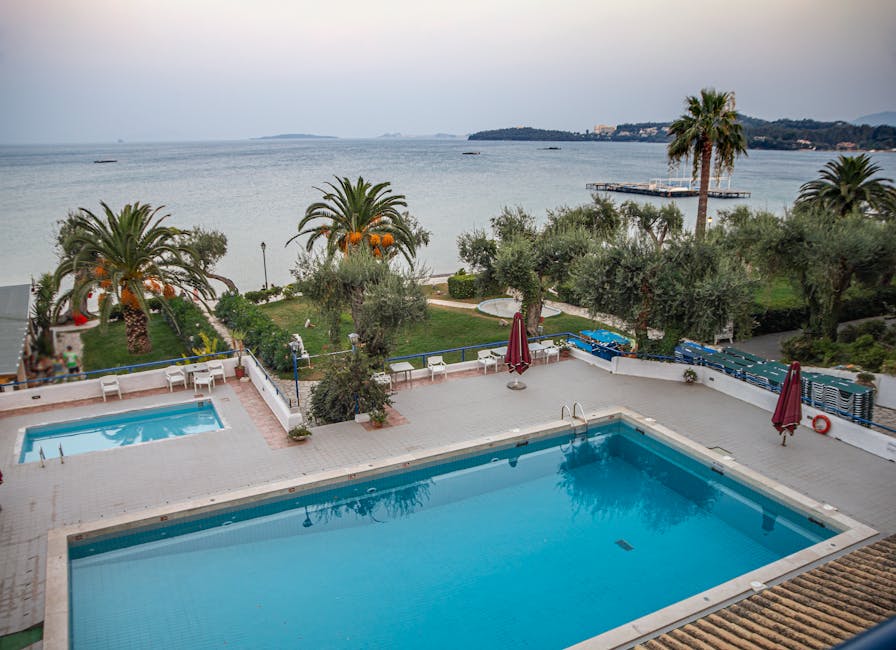
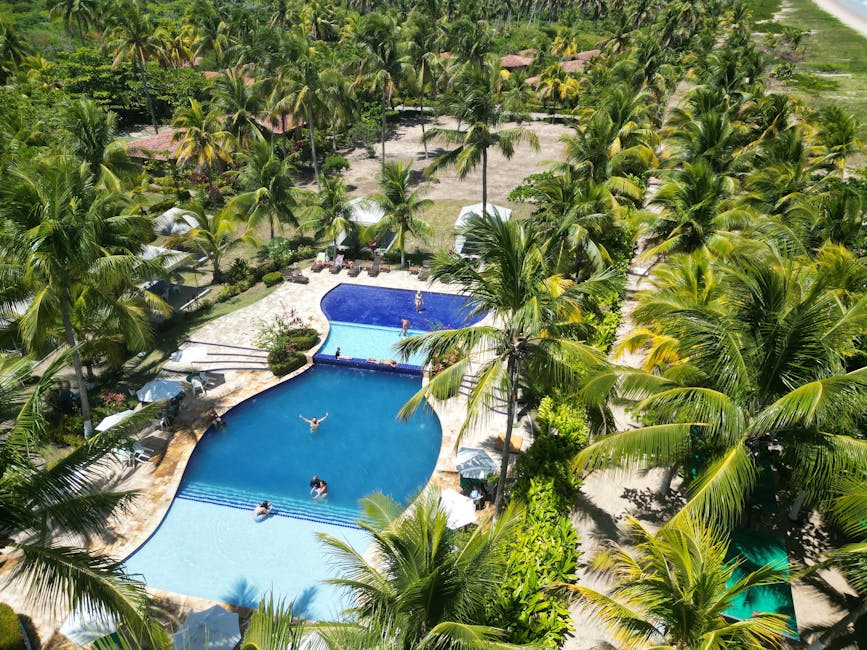
    Jeju Island family resort pool ocean view 2026

    Why Jeju Family Resort Demand Is Surging in 2026

    According to data released by the Korea Tourism Organization in early 2026, Jeju Island saw a 14% year-on-year increase in domestic family travel bookings compared to the previous year, with the average family now budgeting between ₩350,000–₩700,000 per night for mid-to-premium resort stays. The post-pandemic travel recalibration has pushed families toward experiential, resort-based holidays over city hopping — and Jeju, with its volcanic beaches, theme parks, and UNESCO-listed landscape, fits that bill perfectly.

    But here’s the thing: Jeju has grown so fast as a destination that resort quality is wildly inconsistent. A beautiful lobby doesn’t always mean a family-friendly policy. So let’s break down what actually matters.

    What Families Actually Need in a Jeju Resort (Beyond the Brochure)

    • Indoor + Outdoor Heated Pools: Jeju’s weather, even in spring and fall, can be unpredictable. A resort with only an outdoor pool is a gamble with kids in tow.
    • Kids Club or Supervised Activity Programs: Premium resorts now offer structured half-day programs — look for resorts with certified childcare staff, not just a play corner.
    • Room Size & Configuration: A standard double room is often cramped for a family of four. Look for suite options or connecting room policies before booking.
    • F&B Flexibility: Can your picky 6-year-old get plain rice at 7pm? Resorts with 24-hour in-room dining or family-style buffets are a lifesaver.
    • Proximity to Attractions: Resorts near Jungmun Resort Complex or the eastern Seongsan area give you quick access to Hallasan, Udo Island day trips, and theme parks.
    • Baby & Toddler Amenities: Look for bottle warmers, baby bathtubs, stroller rentals, and crib availability on request.

    Top Jeju Family Resorts Worth Considering in 2026

    1. Shilla Stay Jeju (Jeju City Area)
    The Shilla brand has long been synonymous with polished service in South Korea, and their Jeju City property doesn’t disappoint for families. In 2026, they completed a renovation of their family suite wing, now offering bunk-bed configurations and a dedicated kids’ lounge. The breakfast spread is genuinely generous — not just toast and eggs — and the staff are trained to assist with stroller logistics and car seat requests. One caveat: it’s in the northern Jeju City zone, so if your agenda involves Jungmun Beach or the southern scenic routes, you’re looking at 40–50 minute drives.

    2. Lotte Hotel Jeju (Jungmun Area)
    If location is king, Lotte Hotel Jeju sits right at the heart of the Jungmun Tourism Complex — walking distance to Jungmun Beach, Teddy Bear Museum, and Yeomiji Botanical Garden. Their outdoor water park (seasonal, typically May–September) is a massive hit with kids aged 5–14. The resort also has a well-staffed Kids Zone with craft activities running mornings and afternoons. Pricing in peak summer 2026 sits around ₩550,000–₩900,000 per night for family rooms, which is steep but justifiable given the location premium.

    3. Haevichi Hotel & Resort (East Jeju, Seongsan)
    This is the one I’d recommend to families who want a more laid-back, nature-immersive experience. Haevichi’s expansive grounds feel genuinely resort-like rather than hotel-like. Their Family Suite Rooms are some of the most spacious on the island, with separate living areas. In 2026, they introduced a new “Jeju Nature Explorer” program for kids — guided coastal walks, Haenyeo (female diver) cultural experiences, and volcanic rock identification tours. It’s an excellent educational bonus that turns the trip into more than just a pool holiday. It’s also a 20-minute drive to Seongsan Ilchulbong (Sunrise Peak), which is genuinely worth waking up for.

    4. Jeju Shinhwa World (Andeok Valley, West Jeju)
    Think of this as Jeju’s answer to an integrated resort destination. With an on-site theme park, hotels ranging from budget to luxury, a water park, and a casino (adults-only section, obviously), it’s a one-stop universe for families with varied ages and interests. The Marriott Jeju Shinhwa World within the complex is particularly well-reviewed in 2026 for its responsiveness to family needs. The trade-off? It can feel slightly overwhelming and commercial — less “serene Jeju escape,” more “Vegas-lite for families.” Know what energy you’re going for.

    Jeju Island kids activities resort 2026 family suite room

    International Comparison: What Global Family Resorts Do Differently

    It’s worth zooming out for a moment. Resorts like the Club Med Bali or Atlantis Paradise Island (Bahamas) have built their entire business model around the “all-inclusive family” concept — meaning childcare, meals, activities, and entertainment are bundled into a single price. Jeju’s resort scene hasn’t fully embraced this model yet. Most properties still operate à la carte, which means costs can creep up fast. The good news? Several Jeju resorts — including Haevichi and Shinhwa World properties — are beginning to offer semi-inclusive family packages in 2026 that bundle meals and selected activities, offering better value transparency.

    The Aman Tokyo model — hyper-personalized, deeply local cultural programming — is also beginning to influence higher-end Jeju properties. Expect to see more resorts in 2026 offering curated “Jeju cultural immersion” add-ons like traditional dyeing (olle craft workshops), horse-riding experiences, and Haenyeo cooking classes specifically designed for children and families.

    Realistic Alternatives If Budget Is a Factor

    Not everyone can (or should!) drop ₩600,000+ per night on a resort. Here’s what I’d suggest if you’re working with a tighter budget:

    • Pension-style guesthouses in Seogwipo: Many of these boutique pensions have been upgraded significantly in 2026, now offering heated pools, BBQ areas, and kitchen facilities — ideal for self-catering families. Budget around ₩150,000–₩250,000 per night.
    • Airbnb whole-home rentals: Jeju has a strong supply of detached villas and traditional stone-wall homes (dolhareubang neighborhoods) that give families space, privacy, and a more authentic experience.
    • Booking mid-week + shoulder season: If your schedule allows, visiting in late April, early May, or September significantly cuts costs — sometimes by 30–40% — with minimal trade-off on weather.
    • Resort day passes: Several luxury resorts (including Lotte Jeju) now offer day-use pool and facility passes for non-guests. If you’re staying at a budget property, you can still give the kids the resort pool experience for ₩50,000–₩80,000 per person.

    Final Checklist Before You Book

    • Confirm crib and extra bed availability — don’t assume; always call ahead.
    • Ask specifically about pool heating schedules (not just whether there is a heated pool).
    • Check the resort’s cancellation policy — Jeju weather can disrupt plans.
    • Read recent reviews from families with children of similar ages to yours.
    • Factor in rental car costs — most of Jeju requires a car, and this affects total trip budget significantly.

    Jeju Island in 2026 is genuinely one of the best family travel destinations in Asia — but like any destination, the experience is only as good as the planning behind it. The gap between a memorable family trip and a stressful one often comes down to a few smart decisions made before you ever board the plane.

    Editor’s Comment : Having thought through all of this together, my honest take is that Haevichi Hotel & Resort offers the best overall balance of space, nature, kids’ programming, and authentic Jeju character for most families in 2026. If you have a budget ceiling or older kids who want theme park energy, Shinhwa World is your answer. And if you’re a first-time Jeju visitor prioritizing location convenience over resort ambiance, Lotte Hotel Jeju remains a reliable anchor. The “best” resort is always the one that matches your family’s specific rhythm — not the one with the most stars on the sign.


    📚 관련된 다른 글도 읽어 보세요

    태그: [‘Jeju Island family resort 2026’, ‘Jeju travel with kids’, ‘best family hotels Jeju’, ‘Korea family vacation’, ‘Jeju resort review’, ‘family travel South Korea’, ‘Jeju Island accommodation guide’]

  • 2026 제주도 가족 여행 숙소 리조트 추천 & 리뷰 — 아이와 함께라면 꼭 확인하세요

    지난 봄, 초등학교 2학년 딸아이와 함께 제주 여행을 준비하면서 숙소 선택에 꼬박 일주일을 쏟아부었어요. 가격은 현실적이어야 하고, 아이는 물놀이를 원하고, 어른들은 조용히 쉬고 싶고 — 이 세 가지를 동시에 충족하는 숙소가 있을까 싶었거든요. 결론부터 말씀드리자면, 있긴 있습니다. 다만 조건과 우선순위를 어떻게 설정하느냐에 따라 선택지가 꽤 달라진다는 걸 느꼈어요. 2026년 현재 제주 리조트 시장은 팬데믹 이후 리뉴얼을 마친 시설들이 본격적으로 경쟁을 시작하면서 선택지도, 가격 편차도 과거보다 훨씬 커진 상황이라고 봅니다. 오늘은 그 흐름 속에서 실제로 가족 여행객이 고려해야 할 포인트들을 함께 짚어볼게요.

    Jeju Island family resort pool view aerial 2026

    📊 2026년 제주 가족 리조트 시장, 숫자로 보면 이렇습니다

    한국관광공사의 2025년 말 집계 기준, 제주도 내 등록 숙박시설 수는 약 2만 8천여 개로 전국 광역자치단체 중 1위를 기록했어요. 그중 리조트·콘도·호텔급 시설은 약 340여 개로, 2023년 대비 약 12% 증가한 수치입니다. 공급이 늘어난 만큼 경쟁이 치열해졌고, 특히 수영장·워터파크 부속 시설을 갖춘 가족 특화 리조트는 성수기(7~8월, 명절 전후)에 평균 객단가가 1박 기준 35만~70만 원대(2인 가족 기준)까지 형성되고 있어요.

    반면 비수기(11월~2월)에는 동일 시설도 40~50% 할인된 가격에 잡히는 경우가 많아요. 2026년 들어 눈에 띄는 변화는 ‘올인클루시브(All-Inclusive)’ 패키지를 도입한 리조트가 급격히 늘었다는 점입니다. 식사, 액티비티, 키즈 프로그램을 묶어 판매하는 방식인데, 막상 계산해보면 개별 이용 대비 20~30% 저렴한 경우도 있어서 아이 있는 가족에게는 꽤 합리적인 선택지가 될 수 있다고 봅니다.

    🏨 2026년 주목할 제주 가족 리조트 유형 분석

    제주도 리조트를 선택할 때 단순히 브랜드 이름만 보고 결정하면 후회하기 쉬워요. 크게 세 가지 유형으로 나눠볼 수 있는데, 각각의 장단점이 뚜렷하게 갈립니다.

    • 대형 워터파크 복합 리조트 (예: 서귀포 중문 권역) — 아이들 만족도는 최상이지만, 여름 성수기 기준 인파가 몰리고 대기 시간이 길어질 수 있어요. 유아(5세 이하)보다는 초등학생 이상 자녀 가족에게 적합하다고 봅니다.
    • 프라이빗 풀빌라형 리조트 — 2026년 현재 제주 동부(성산·표선)와 서부(한경·애월) 권역을 중심으로 소규모 풀빌라 리조트가 대거 생겼어요. 독립된 수영장이 있어 유아·영아 동반 가족에게 특히 좋고, 사생활 보호도 확실하죠. 다만 주변 편의시설이 부족한 경우가 많아 렌터카 필수예요.
    • 호텔식 키즈 프로그램 특화 리조트 — 키즈클럽, 베이비시터 서비스, 아동용 조식 메뉴 등을 갖춘 곳들로, 부모가 잠깐이라도 ‘어른 시간’을 원할 때 유용해요. 2026년 기준 제주 신화월드 내 일부 시설과 신라 제주 등이 이 카테고리에 속한다고 볼 수 있어요.

    🌏 국내외 가족 여행 리조트 트렌드와 제주도의 현재

    해외 사례를 잠깐 살펴보면, 발리 우붓 권역의 가족 특화 리조트들은 이미 수년 전부터 ‘슬로우 트래블(Slow Travel)’ 개념을 도입해 최소 3박 이상 체류를 기본 단위로 운영하고 있어요. 짧게 들렀다 가는 것보다 한 곳에 머물면서 지역 문화와 자연을 깊이 경험하게 유도하는 방식인데, 이 전략이 가족 여행객의 재방문율을 크게 끌어올린다고 알려져 있습니다.

    제주도도 2025~2026년을 기점으로 이 흐름을 따라가는 중이에요. 일부 리조트는 ‘제주 로컬 체험 패키지(감귤 수확, 해녀 문화 체험, 오름 가이드 투어 등)’를 숙박과 묶어 제공하기 시작했고, 단순히 잠만 자는 숙소에서 경험 중심의 체류 공간으로 포지셔닝을 바꾸는 중이라고 봅니다. 아이 교육적 측면에서도 의미 있는 시간을 만들고 싶은 부모라면 이런 프로그램을 적극 활용해볼 만해요.

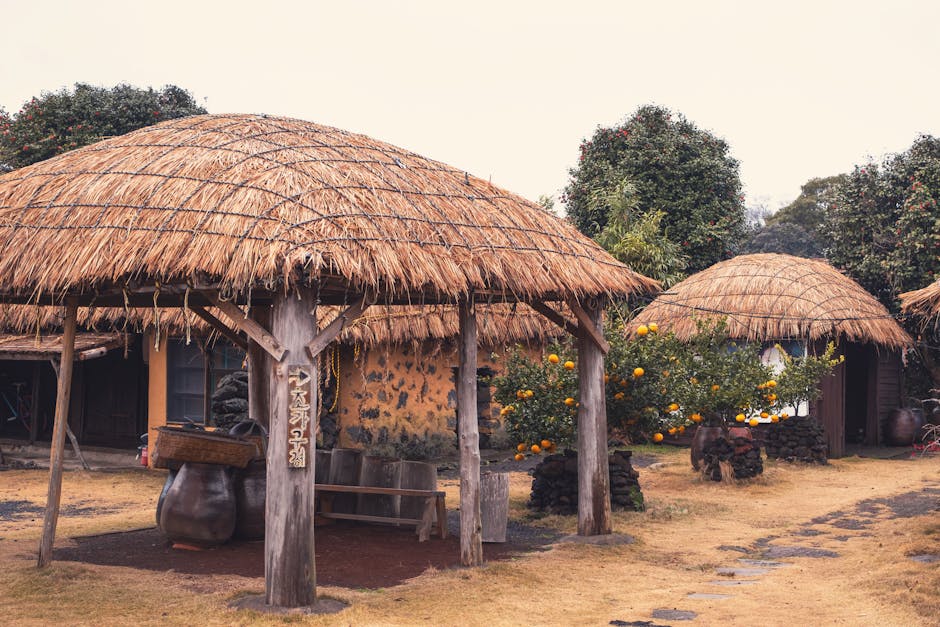
    Jeju family resort kids program local experience tangerine farm

    ✅ 2026년 제주 가족 리조트 선택 전 반드시 체크할 항목

    • 수영장 운영 기간과 수온 관리 여부 — 실내 온수 풀이 있는지 반드시 확인하세요. 제주는 봄·가을에도 야외 풀 수온이 차가울 수 있어요.
    • 아동 연령 제한 정책 — 일부 풀빌라나 프리미엄 리조트는 만 7세 미만 동반 입실을 제한하거나 추가 보증금을 요구하는 경우가 있어요.
    • 조식 포함 여부와 아동 메뉴 — 편식 있는 아이라면 조식 메뉴를 사전에 문의하는 게 좋아요.
    • 주변 이동 편의성 — 제주는 대중교통이 불편하기 때문에 리조트 위치가 주요 관광지·마트와 얼마나 가까운지 실제 이동 시간을 지도로 꼭 확인하세요.
    • 성수기 예약 오픈 시점 — 2026년 기준 인기 리조트는 여름 성수기 예약이 보통 3~4개월 전에 마감되는 경우가 많아요. 네이버 예약, 야놀자, 여기어때 등 플랫폼 알림 설정을 미리 해두는 걸 추천합니다.
    • 취소·환불 정책 — 아이 있는 가족 여행은 변수가 많아요. 특히 성수기 예약 시 취소 수수료 구간을 꼼꼼하게 읽어두세요.

    💡 현실적인 예산별 제주 가족 리조트 가이드

    모든 가족이 고급 리조트를 선택할 수는 없죠. 예산 현실에 맞춘 대안도 함께 정리해봤어요.

    • 1박 15만~25만 원대 (실속형) — 제주 로컬 감성의 펜션형 숙소나 콘도 형태의 가족실을 추천해요. 주방이 있어 식비 절감에 유리하고, 마트에서 장을 봐 직접 조리하면 전체 여행 비용을 크게 줄일 수 있어요.
    • 1박 30만~50만 원대 (중간형) — 수영장이 딸린 리조트 가족룸 또는 소형 풀빌라 선택 가능한 구간이에요. 이 대역대가 만족도 대비 가성비가 가장 좋다고 봅니다.
    • 1박 60만 원 이상 (프리미엄형) — 독채 풀빌라, 스위트룸, 올인클루시브 패키지 등이 포함돼요. 특별한 가족 기념일이나 연 1회 특별 여행에 적합한 선택지예요.

    에디터 코멘트 : 제주도 가족 리조트 선택의 핵심은 결국 “우리 가족이 이번 여행에서 가장 원하는 게 뭔지”를 먼저 정하는 것이라고 봐요. 아이 물놀이가 목적이라면 워터파크 복합 리조트, 조용한 휴식이 목적이라면 풀빌라, 특별한 경험을 원한다면 로컬 체험 연계 리조트 — 이 우선순위 하나만 명확히 해도 선택이 훨씬 쉬워집니다. 2026년 제주 숙박 시장은 선택지가 넘쳐나는 만큼 오히려 기준 없이 보면 더 헷갈릴 수 있어요. 이 글이 그 기준을 잡는 데 조금이나마 도움이 되셨으면 좋겠습니다. 좋은 여행 되세요. 🍊


    📚 관련된 다른 글도 읽어 보세요

    태그: [‘제주도가족여행’, ‘제주리조트추천2026’, ‘제주숙소리뷰’, ‘제주풀빌라가족’, ‘제주도여행숙소’, ‘가족여행리조트’, ‘제주여행2026’]

  • 2026 Small Town Travel Trends: Why Smart Travelers Are Ditching the Big Cities

    Last spring, my friend Mia spent two weeks in Gyeongju, South Korea — not Seoul, not Busan — just quietly wandering ancient burial mounds, eating hwangnambread from a 70-year-old bakery, and booking a stay in a renovated hanok for less than $40 a night. She came back glowing in a way that no Paris trip had ever managed. That story stuck with me, and honestly, it’s not just Mia. In 2026, small town travel isn’t a niche preference anymore — it’s quickly becoming the defining travel philosophy of our generation.

    So let’s think through this together: what’s actually driving this shift, where are people going, and — most importantly — how do you find your version of this trend without falling into the tourist traps that are starting to pop up even in smaller destinations?

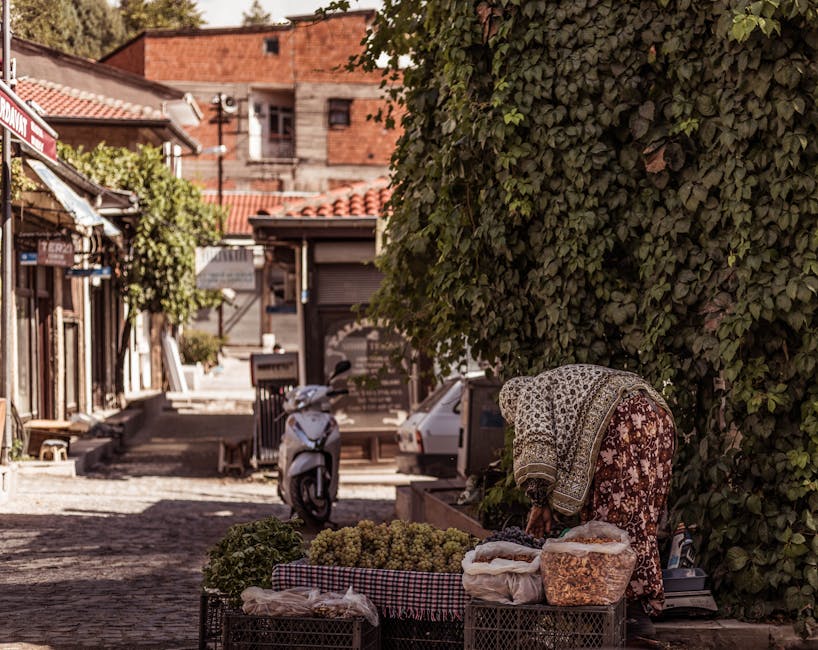
    small town travel cobblestone street local market countryside 2026

    The Numbers Don’t Lie: Small Town Tourism Is Surging in 2026

    According to the 2026 Global Travel Sentiment Report by Skyscanner and Booking.com’s joint trend index, searches for towns with populations under 100,000 grew by 41% year-over-year between 2024 and early 2026. Meanwhile, bookings in legacy megacities like Paris, London, and Tokyo saw a 12% dip in average length of stay — meaning people still visit, but they’re staying shorter and spending less. The money, the time, and the emotional investment? It’s flowing into smaller places.

    Why now? A few converging forces are worth unpacking:

    • Post-overtourism fatigue: After years of viral content turning places like Santorini and Kyoto into crowded spectacles, travelers — especially Millennials and Gen Z — are actively avoiding that experience. A 2026 Airbnb Trend Report noted that 67% of users under 35 said “avoiding crowds” ranked as their top travel priority.
    • Remote work normalization: With hybrid and fully remote schedules now standard across most knowledge industries, travelers aren’t constrained by tight 5-day itineraries. Spending 3 weeks in a small Portuguese village? Totally viable.
    • The authenticity premium: Travelers are increasingly willing to pay a premium — or travel further — for experiences that feel genuinely local rather than curated for tourists. Small towns, almost by definition, still deliver that.
    • Cost efficiency: With inflation having reshaped travel budgets, a week in a small Italian hill town can cost less than three nights in Milan, with arguably richer cultural rewards.
    • Social media’s long tail: Micro-influencers (10K–100K followers) are surfacing hidden gems faster than ever, and their audiences trust those recommendations more than glossy travel magazine spreads.

    From Korea to Portugal: The Small Towns Leading the 2026 Wave

    Let’s ground this in real examples — because theory only goes so far.

    Domestic (Korea): Tongyeong & Namhae
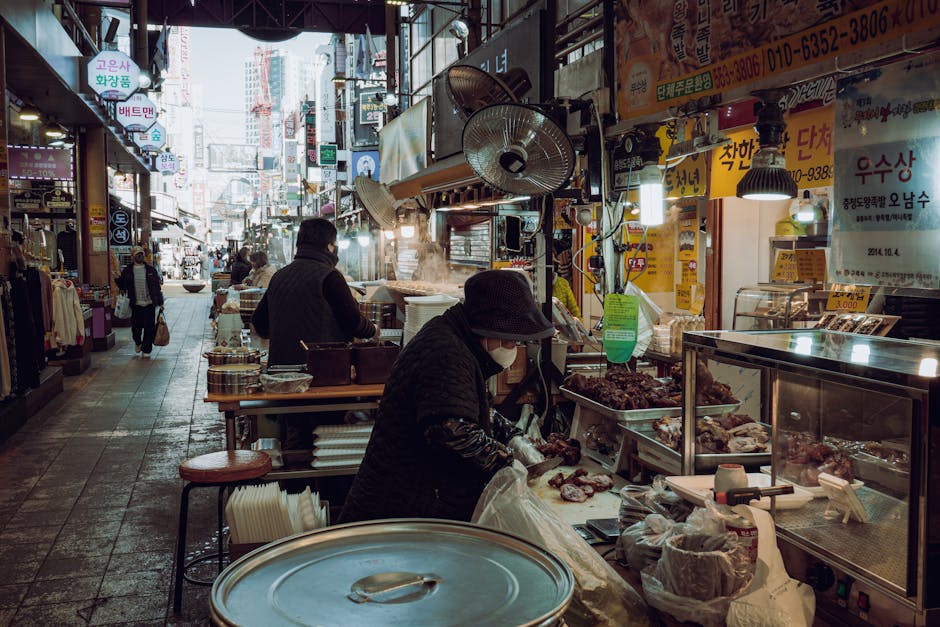
    While everyone debates Seoul’s latest café districts, Tongyeong on Korea’s southern coast has quietly built a reputation as the “Naples of Korea.” Its cable car, fresh seafood markets, and the legacy of composer Yun Isang draw a thoughtful, culture-hungry crowd. Namhae, just an hour’s drive away, is seeing a boom in slow-travel bookings — especially among Seoul-based remote workers who rent village homes for a month at a time. Local guesthouses there report occupancy rates up 35% compared to 2023.

    International: Évora, Portugal
    Évora, a UNESCO World Heritage city of about 57,000 people in Portugal’s Alentejo region, has become one of Europe’s most-watched small town destinations in 2026. It offers Roman ruins, medieval architecture, locally produced Alentejo wine, and a food scene that punches far above its weight — all at roughly 40% lower cost than Lisbon. Travel writers have started calling it “the anti-Lisbon,” which is both a compliment and a warning that the clock may be ticking before it gets discovered to death.

    International: Kanazawa, Japan
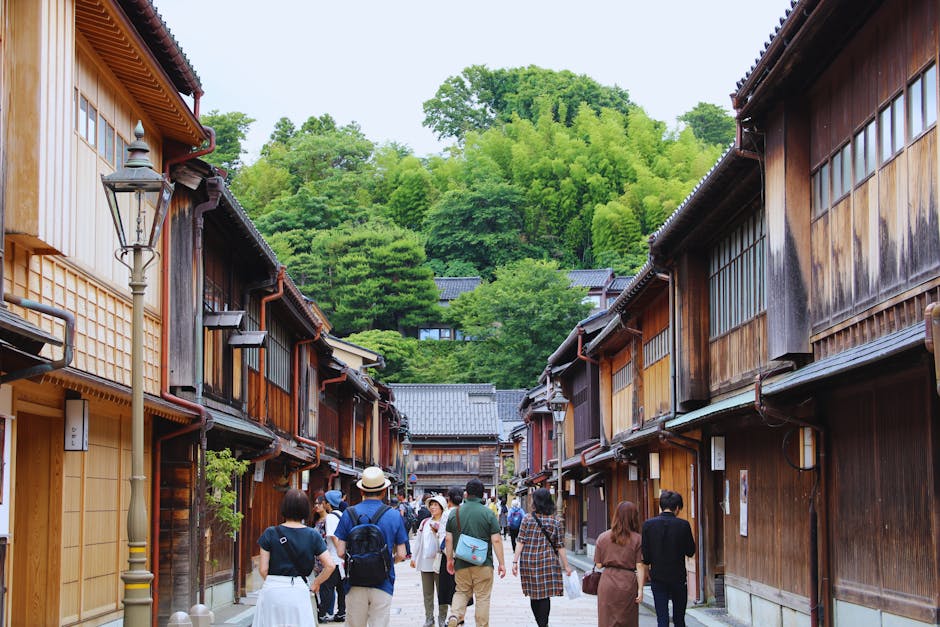
    Japan’s Kanazawa — often called “Little Kyoto” — has been on slow-travel radar for a while, but 2026 is seeing a meaningful surge thanks to the expansion of the Hokuriku Shinkansen line. With its preserved geisha districts, world-class contemporary art museum (the 21st Century Museum of Contemporary Art), and one of Japan’s top three gardens, it offers a Kyoto-level experience without the Kyoto-level crowds. Average hotel prices remain about 30% lower than Kyoto.

    Kanazawa Japan small town traditional district travel 2026

    But Wait — Is “Small Town Travel” Getting Overtouristed Too?

    Here’s where we need to think critically, because this is genuinely happening. Hallstatt in Austria, once a quiet lakeside village, was so overwhelmed by Instagram-driven tourism that locals literally built a wall to block photo spots. Vernazza in Italy’s Cinque Terre faces similar pressures. The very attention that makes a small town “discovered” begins eroding what made it special.

    The honest reality in 2026 is that some “small town travel” recommendations are already behind the curve. If a destination is on every major travel blog’s “hidden gems of 2026” list, it’s probably not hidden anymore. This brings us to the most important skill in modern travel: secondary discovery — finding the towns one step beyond the ones everyone is already talking about.

    How to Actually Do This Right: Realistic Strategies for 2026

    Here’s where I want to offer you something genuinely useful rather than just vibes:

    • Use Google Trends + regional tourism boards together: Search for a trending small town, then look at what regional tourism boards list as “nearby” attractions. Those neighbors are usually 2–3 years behind in discovery cycles.
    • Book shoulder season: Small towns feel entirely different in April or November versus August. Capacity is lower, locals are more present, and prices drop significantly.
    • Stay longer, go fewer places: A week in one small town beats three days each in three different towns. You start seeing the regulars at the bakery. You learn which trail is actually worth waking up at 6am for.
    • Use local accommodation, not chain hotels: Guesthouses, agriturismo stays, and family-run pensions are where real local knowledge lives. Your host will tell you things no travel guide has published.
    • Follow local Instagram accounts, not travel influencers: Search hashtags in the local language for a destination. What locals photograph and share gives you a far more honest picture than curated travel content.

    If you’re not ready to fully commit to a week in an unknown town, there’s also a middle path worth considering: day-tripping from a mid-sized city base. Staying in Seville but taking day trips to Ronda or Écija, for example, gives you the infrastructure of a city with genuine small-town immersion. It’s a realistic compromise that many 2026 travelers are quietly embracing.

    Editor’s Comment : The 2026 small town travel trend isn’t just a reaction to overcrowded tourist hotspots — it’s a genuine recalibration of what travel is supposed to feel like. But like any trend, it carries its own risks: the towns we celebrate today may be the Hallstatts of 2028 if we’re not thoughtful about how we engage with them. The best version of this trend isn’t about finding the most Instagrammable undiscovered village — it’s about slowing down enough to actually be somewhere, rather than just passing through it. Travel with curiosity, spend locally, and leave things a little better than you found them. That philosophy never goes out of style.


    📚 관련된 다른 글도 읽어 보세요

    태그: [‘small town travel 2026’, ‘slow travel trends’, ‘off the beaten path destinations’, ‘2026 travel trends’, ‘alternative travel destinations’, ‘sustainable tourism 2026’, ‘hidden gem travel’]

  • 2026 소도시 여행 트렌드: 붐비는 관광지 대신 ‘나만의 로컬’을 찾는 사람들

    지난 봄, 지인 한 명이 제주도 대신 전북 고창으로 여행을 다녀왔다고 했어요. 처음엔 ‘왜 굳이?’라는 생각이 들었는데, 그가 보내온 사진을 보니 생각이 바뀌더라고요. 청보리밭 사이로 난 좁은 길, 아무도 없는 선운사 입구, 숙소 주인 할머니가 손수 담아준 된장찌개 한 그릇. 인스타그램에서 수천 번 본 듯한 ‘인생샷 명소’와는 전혀 다른 질감이었습니다. 그리고 그 사진들이 오히려 더 오래 기억에 남더군요. 2026년 지금, 여행의 중심축이 조용히 하지만 확실하게 ‘소도시’로 이동하고 있는 것 같습니다.

    small town travel korea countryside scenic road

    📊 숫자로 보는 2026 소도시 여행 트렌드

    한국관광공사가 2026년 1분기에 발표한 ‘국내 여행 소비 행태 조사’에 따르면, 인구 30만 명 이하 중소도시를 여행지로 선택한 비율이 전년 동기 대비 약 21% 증가한 것으로 나타났습니다. 반면 서울·부산·제주 등 대표 관광지의 숙박 예약 건수는 같은 기간 소폭 정체 상태라고 봐도 무방한 수준이에요.

    특히 주목할 만한 건 여행자의 연령대입니다. 소도시 여행 증가를 이끄는 주축은 의외로 30대 초중반(32~38세)으로 나타났는데, 이들이 여행지를 선택하는 주요 기준은 ‘혼잡도 회피(46%)’, ‘로컬 음식 경험(38%)’, ‘느린 일상 체험(31%)’순으로 집계됐습니다. 가성비보다는 ‘밀도 있는 경험’을 우선순위에 두는 거죠. 여행 1회당 평균 체류 기간도 대도시 관광지(1.8일) 대비 소도시(2.6일)가 더 길게 나타나, 단순히 ‘보고 오는’ 여행이 아닌 ‘머물다 오는’ 여행으로 패턴이 바뀌고 있다고 볼 수 있습니다.

    🌍 국내외 소도시 여행 사례 — 어디서 이 흐름이 시작됐을까?

    사실 이 흐름은 해외에서 먼저 뚜렷하게 감지됐어요. 유럽에서는 이미 ‘오버투어리즘(overtourism)’ 문제가 수면 위로 올라온 지 오래됩니다. 바르셀로나, 베네치아, 암스테르담은 관광객 제한 정책까지 도입하면서 역설적으로 ‘덜 알려진 곳’에 대한 관심을 높였고, 포르투갈의 알렌테주 지방, 이탈리아의 마테라 같은 소도시들이 새롭게 주목받기 시작했습니다.

    일본도 비슷한 맥락으로 읽을 수 있어요. 교토와 도쿄의 혼잡을 피해 돗토리, 야마가타, 사가 현 같은 지방 소도시로 여행자들이 분산되는 현상이 2025년 이후 뚜렷해졌고, 일본 정부도 지방 관광 진흥을 위한 ‘지역 관광 분산화 정책’에 예산을 집중 투입하고 있다고 합니다.

    국내에서는 전남 담양, 경북 영주, 충남 홍성, 강원 영월 같은 곳들이 2026년 들어 SNS 언급량이 급증한 지역으로 꼽히고 있어요. 특히 영주는 부석사의 유네스코 등재 이후 꾸준히 관심을 받으면서도 ‘아직 덜 알려진 곳’이라는 인식이 공존해, 여행자들이 심리적 안도감을 느끼며 찾는 곳이라고 봅니다.

    korean small city local market traditional village atmosphere

    🗺️ 2026년 주목할 만한 국내 소도시 여행지 리스트

    • 전북 고창 — 청보리밭과 선운사, 고인돌 유적이 공존하는 곳. 계절감이 뚜렷해 봄·가을에 특히 인기가 높아요.
    • 경북 봉화 — ‘청정 오지’라는 타이틀이 오히려 강점이 된 곳. 분천역 산타마을은 겨울에도 방문객이 꾸준합니다.
    • 충남 홍성·내포 — 충청도 내륙 소도시 중 가장 빠르게 로컬 카페·로컬푸드 씬이 형성되고 있는 지역이에요.
    • 강원 영월 — 단종의 역사와 별마로천문대, 동강 래프팅이 공존하는 독특한 여행지. 스토리텔링이 풍부한 곳입니다.
    • 전남 장흥 — ‘키조개 삼합’이라는 로컬 푸드 하나로 전국적 인지도를 얻은 대표 사례. 정남진 해안 드라이브도 매력적이에요.
    • 경남 남해 — 독일마을이라는 이색적인 포인트에 더해, 최근 올리브 농장과 로컬 브루어리 문화가 빠르게 성장하고 있어요.

    💡 소도시 여행, 어떻게 준비하면 더 깊이 즐길 수 있을까?

    소도시 여행의 가장 큰 걸림돌은 ‘교통’과 ‘정보 부족’이라고 봅니다. 대중교통이 제한적인 경우가 많고, 블로그 후기도 오래된 것들이 많아 실제로 가봤더니 문을 닫은 식당이나 없어진 명소를 마주하는 일이 생기죠. 이런 현실적인 문제를 해결하는 몇 가지 팁을 공유할게요.

    • 렌터카 or 카셰어링 적극 활용 — 소도시 여행에서 이동 수단은 거의 필수입니다. 쏘카, 그린카 등 카셰어링 서비스가 지방 거점 도시(전주, 춘천, 진주 등)까지 확대됐으니 거점 도시에서 픽업하는 방식이 현실적이에요.
    • 지역 관광재단 공식 SNS 팔로우 — 각 지자체 관광재단 인스타그램이나 블로그는 최신 행사·축제 정보가 가장 빠르게 올라오는 채널입니다. 네이버 블로그 후기보다 훨씬 업데이트가 빠른 경우가 많아요.
    • ‘느슨한 일정’ 세우기 — 소도시 여행에서 ‘빡빡한 동선’은 오히려 독이 됩니다. 하루에 2~3곳 이상 욕심내지 말고, 예상치 못한 골목이나 가게를 발견할 여백을 남겨두는 것이 진짜 소도시 여행의 묘미예요.
    • 숙소는 로컬 독립 숙소 우선 검토 — 에어비앤비나 야놀자에서도 소도시 독립 숙소 필터링이 쉬워졌어요. 대형 체인 호텔보다 주인장의 이야기와 함께하는 게스트하우스나 한옥 스테이가 소도시 여행의 감성을 훨씬 풍부하게 만들어줍니다.

    📌 결론 — 트렌드를 따르되, 나만의 이유를 찾는 것이 먼저

    소도시 여행이 트렌드가 됐다는 건, 반대로 말하면 ‘소도시도 곧 북적일 수 있다’는 신호이기도 합니다. 실제로 몇 년 전만 해도 한적했던 전남 순천이나 경북 안동이 지금은 성수기 숙소 예약이 쉽지 않은 곳이 됐죠. 트렌드를 읽는 건 좋지만, 그 안에서 나만의 ‘아직 덜 알려진 곳’을 찾는 안목을 기르는 것이 더 중요한 것 같습니다.

    소도시 여행의 본질은 결국 ‘속도를 늦추는 것’이라고 봐요. 빠르게 소비되는 콘텐츠가 아니라, 오래 기억에 남는 질감 있는 경험. 그게 2026년 많은 사람들이 소도시로 발길을 돌리는 가장 근본적인 이유가 아닐까 합니다.

    에디터 코멘트 : 소도시 여행을 처음 계획한다면 너무 ‘완벽한 여행지’를 찾으려 하지 않는 게 좋을 것 같아요. 불편함이 조금 있어도 괜찮고, 기대했던 맛집이 문을 닫았어도 괜찮아요. 그 예상치 못한 순간들이 오히려 더 오래 기억되는 여행을 만들어 준다는 걸, 저도 직접 경험하고 나서야 알게 됐거든요. 올 봄, 지도 앱에서 검색되지 않는 골목 하나를 직접 걸어보는 여행을 계획해 보시는 건 어떨까요? 😊


    📚 관련된 다른 글도 읽어 보세요

    태그: [‘소도시여행’, ‘2026여행트렌드’, ‘국내여행추천’, ‘로컬여행’, ‘여행지추천’, ‘숨은여행지’, ‘슬로우트래블’]