Last summer, my friend’s family attempted what they called the “ultimate multigenerational road trip” — three generations, one minivan, and a shared Google Maps route that nobody could agree on. Grandma wanted botanical gardens, the kids wanted waterparks, and the parents just wanted everyone to stop arguing long enough to eat a meal together. Sound familiar? Planning a trip that genuinely works for a 70-year-old grandparent and a 7-year-old grandchild is one of the most rewarding — and most underestimated — travel challenges out there.
But here’s the thing: when multigenerational trips are planned thoughtfully, they tend to be the most memorable family experiences anyone can have. So let’s think through this together and figure out exactly how to make it work in 2026.

Why Multigenerational Travel Is Surging in 2026
According to the American Association of Retired Persons (AARP), multigenerational travel — defined as trips that include at least three generations — has grown by over 40% compared to pre-pandemic baselines. In 2026, travel agencies report that roughly 1 in 4 family vacation bookings now involve grandparents. Post-pandemic relationship rekindling, extended remote work flexibility, and a growing cultural emphasis on shared experiences over material gifts are all driving this trend.
What makes this demographic so interesting to plan for? You’re essentially coordinating:
- Mobility considerations — grandparents may have joint pain, limited stamina, or use mobility aids
- Attention spans — young children need stimulation and short activity windows, typically 60–90 minutes per activity
- Sleep schedules — grandparents often rise early; teenagers often don’t
- Dietary preferences — from soft-food needs to picky eater menus
- Budget dynamics — grandparents may be funding the trip, but also may have fixed incomes
Understanding these layers is the starting point for any realistic itinerary.
The “Anchor Activity” Strategy: One Key That Unlocks Multigenerational Harmony
Rather than trying to plan a trip where every hour is shared, experienced multigenerational travel consultants now recommend the “anchor activity” model: one or two big shared experiences per day, with the rest of the time structured as free-range family time.
Think of it like this — grandma doesn’t need to ride the roller coaster. But she does want to see her grandchildren light up at a cultural show or share a meal at a scenic overlook. Those anchor moments become the emotional core of the trip, while everyone else fills their personal time with age-appropriate activities nearby.
Top 3-Generation Travel Destinations Worth Considering in 2026
1. Kyoto, Japan (International Pick)
Japan consistently ranks among the world’s most accessible destinations for elderly travelers, thanks to its exceptional public infrastructure, smooth pavements, and elevator-equipped temples. Kyoto in particular offers:
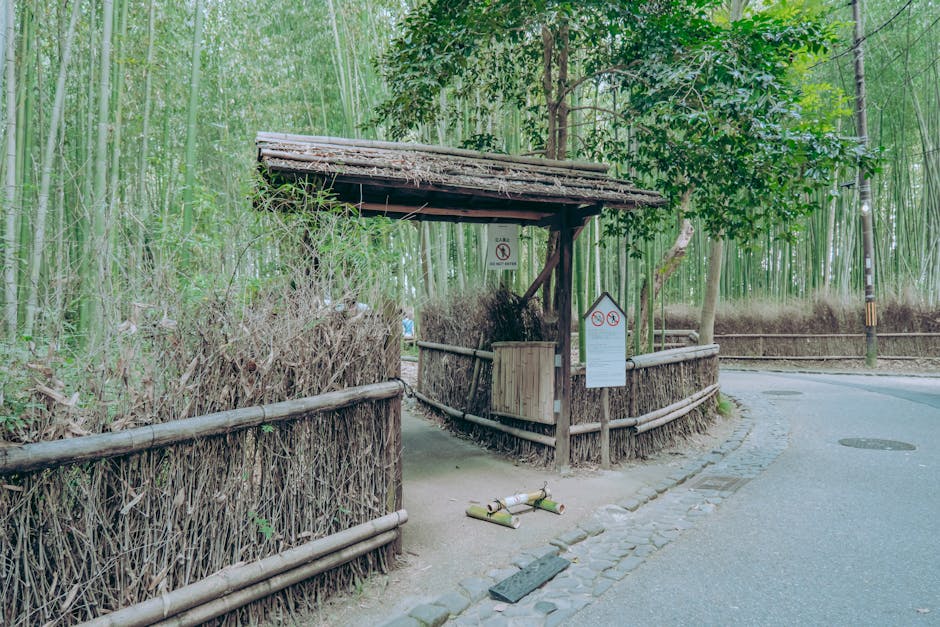
- Flat, stroller/wheelchair-friendly paths at Arashiyama Bamboo Grove
- Zen garden experiences that are meditative for grandparents and visually magical for children
- Bullet train access from Tokyo — fast, smooth, and exciting for kids
- Family-style kaiseki meals with customizable menus
2. Jeju Island, South Korea (Asian Regional Pick)
Jeju has rapidly modernized its tourism infrastructure and now offers accessible cable cars, low-gradient hiking paths at Hallasan’s lower trails, and a robust network of resorts catering to multigenerational groups. The island’s combination of volcanic landscape, folk villages, and fresh seafood makes it a genuinely layered destination.
3. Asheville, North Carolina, USA (Domestic Pick)
For American families, Asheville strikes an excellent balance. The Blue Ridge Parkway offers scenic drives that require zero physical exertion — perfect for grandparents — while the city itself has vibrant art districts, accessible river tubing options for kids, and a renowned farm-to-table dining scene. Many inns here are specifically designed for large family bookings.
Practical Planning Tips That Actually Make a Difference
- Book connected or adjacent rooms, not just the same hotel floor. Proximity reduces coordination stress dramatically.
- Rent a vehicle with a third row even if your group technically fits in two rows. Comfort over 5+ hours matters enormously for older joints.
- Schedule “grandparent hours” in the morning. Since most grandparents are early risers, plan a quiet morning activity together — a garden walk, a light breakfast outing — before the kids are fully awake. This creates precious one-on-one time.
- Use apps like TripIt or Wanderlog to share a living itinerary everyone can view and comment on. This prevents the “nobody told me” friction.
- Build in one full rest day per 5 days of travel. This is non-negotiable if your grandparent is over 70.
- Check destination accessibility ratings on sites like Sage Traveling or Accessible Go before committing.
Realistic Alternatives When Budget or Mobility Limits Options
Not every family can fly to Kyoto. And that’s completely okay — the goal is the connection, not the postcard. Here are scalable alternatives:
- Regional cabin rentals: A lakeside cabin three hours from home, with a dock, board games, and a shared kitchen, can deliver the multigenerational magic without anyone needing a passport.
- Train journeys: Amtrak’s long-distance routes in the US, or rail passes across Europe, are ideal for grandparents who find airports exhausting. The journey itself becomes the experience.
- Cultural day trips: Instead of a week-long trip, consider a series of well-planned day trips to local museums, botanical gardens, or historical sites throughout the year. Sustained connection beats one intense trip.
- Resort-style stays: All-inclusive family resorts in Mexico (like Los Cabos or Riviera Maya) have golf carts, flat terrain, and kids’ clubs — meaning grandparents can relax while younger family members explore independently.
The most important thing to remember is this: grandparents don’t need perfection — they need presence. A trip where the grandchildren look up from their phones and actually talk to their grandparents is a roaring success, regardless of the destination.
Editor’s Comment : In 2026, the best multigenerational trips aren’t the most ambitious ones — they’re the ones where someone actually sat down and thought about what grandma’s knees can handle and what keeps a 9-year-old from melting down by 4 PM. Plan with empathy, build in flexibility, and let the imperfect moments become the stories your family tells for decades.
📚 관련된 다른 글도 읽어 보세요
- Jeju’s Hidden Gems in 2026: Secret Spots That Most Tourists Will Never Find
- Hidden Coastal Gems in South Korea You’ve Never Heard Of (2026 Guide)
- 관광객 없는 제주 숨은 스팟 2026 – 현지인만 아는 7곳 완벽 정리
태그: [‘multigenerational travel 2026’, ‘3 generation family trip’, ‘travel with grandparents’, ‘family vacation planning’, ‘accessible travel destinations’, ‘grandparents and grandchildren travel’, ‘family travel tips’]
Leave a Reply