Author: likevinci

  • Jeju Island Family Theme Travel Itinerary 2026: The Ultimate Guide to Korea’s Most Magical Family Destination

    Picture this: your kids are sprinting toward a black lava rock beach, eyes wide with wonder, while you sip a warm cup of hallabong citrus tea watching the sun dip behind Hallasan Mountain. That moment — unscripted, spontaneous, and absolutely priceless — is exactly what a well-planned Jeju Island family trip feels like in 2026. I’ve been helping families map out Korean travel experiences for years, and I can tell you with full confidence: Jeju has quietly evolved into one of Asia’s top family-friendly destinations, and this year’s offerings are better than ever.

    But here’s the honest truth — Jeju can feel overwhelming without a clear plan. The island is roughly 1,850 square kilometers, and with over 450 registered tourist attractions as of early 2026, deciding what to skip is just as important as knowing what to visit. So let’s think through this together, logically and realistically, based on your family’s composition, energy levels, and budget.
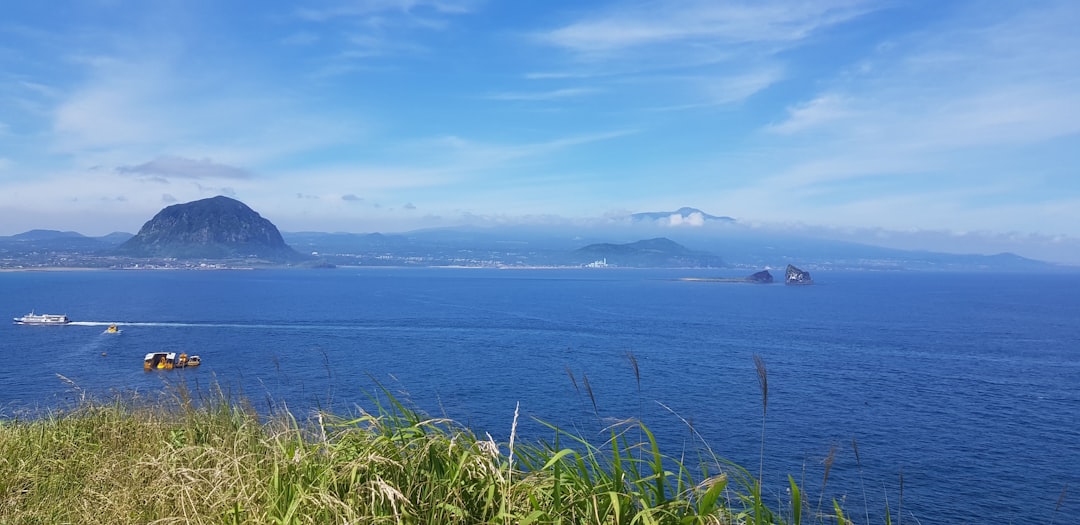
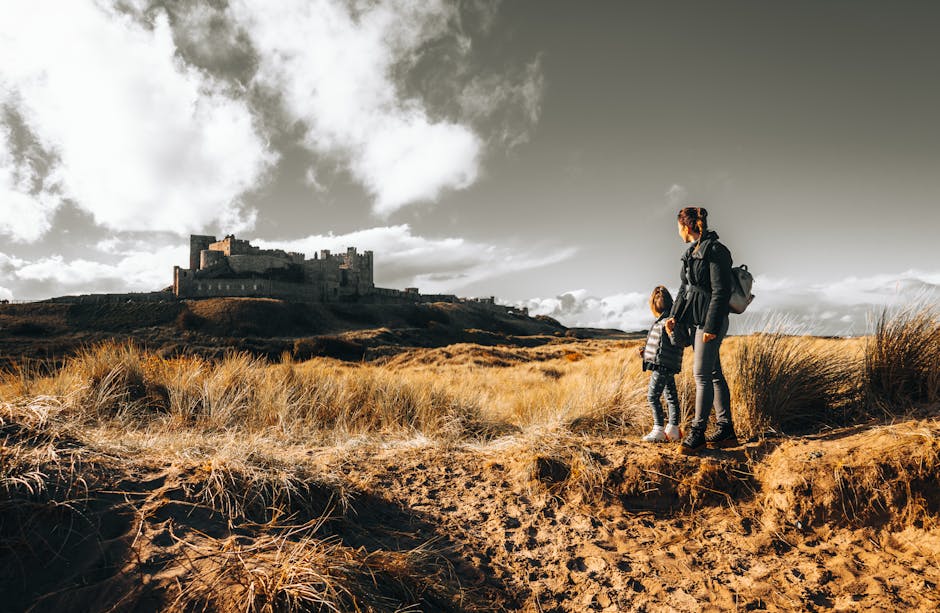
    Jeju Island family travel Hallasan mountain lava coastline children 2026

    Why Jeju in 2026 Is a Different Experience Than Before

    Jeju’s tourism infrastructure has undergone a notable transformation over the past two years. The Jeju Tourism Organization reported in January 2026 that family-oriented facilities now account for approximately 38% of all new tourism developments since 2023 — up from just 21% in 2020. This shift reflects a direct response to post-pandemic travel trends where multi-generational family trips surged dramatically.

    New additions in 2026 that didn’t exist even two years ago include the expanded Jeju Bio Diversity Science Park near Seogwipo, which now features interactive AR (Augmented Reality) ecology exhibits designed specifically for children aged 5–12. There’s also the revamped Jeju Stone Park (Jeju Dolhareubang Cultural Zone), which launched a bilingual storytelling trail in Korean and English — a genuine win for international families or Korean-diaspora families reconnecting with their heritage.

    The 4-Night, 5-Day Family Theme Itinerary: Broken Down by Day

    Rather than giving you a generic list of “must-see spots,” let me walk you through a theme-based itinerary that groups attractions logically by geography and energy demand — because dragging a 6-year-old across the island twice in one day is a recipe for a meltdown (trust me on this).

    Day 1 — Arrival + Coastal Wonder Theme (East Jeju)
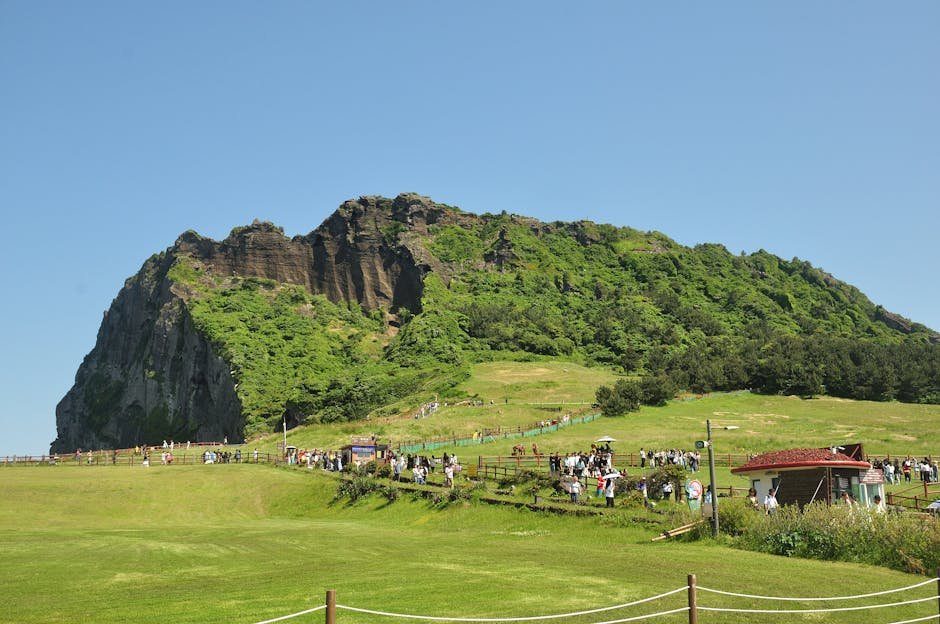
    Arrive at Jeju International Airport and head east first — this is the quieter, less congested side and a brilliant way to ease into island life. Visit Seongsan Ilchulbong (Sunrise Peak) in the late afternoon for golden-hour views without the early morning chaos. Nearby, Haenyeo (female diver) live demonstration programs at Udo Island ferry port area run until 5:30 PM in 2026 and are genuinely fascinating for kids and adults alike.

    Day 2 — Nature Exploration Theme (Central Jeju / Hallasan)
    Take the Eorimok Trail on Hallasan — it’s the most family-accessible route, approximately 4.7 km one way, with paved sections and rest shelters. For families with children under 5 or elderly grandparents, the Jeju Eco Land Theme Park in Joongsan-gan offers a train-based forest tour through preserved natural woodland — genuinely beautiful without requiring hiking fitness.

    Day 3 — Culture + Creativity Theme (Jeju City Area)
    Spend the morning at Jeju Folk Village Museum, which offers hands-on traditional craft workshops for kids in 2026 (pottery, traditional dyeing, and tteok rice cake making). Afternoon is ideal for Nexon Computer Museum — yes, it’s a gaming and computer history museum, but it’s surprisingly educational and kids absolutely love it. Teenagers especially appreciate the retro gaming sections.

    Day 4 — Adventure + Marine Theme (West & South Jeju)
    Head to Hyeopjae Beach for its famous turquoise shallow waters — exceptionally safe for young swimmers, with a gentle sandy bottom. Then swing by Hallim Park for the famous lava tube caves (Hyeopjae and Ssangyong Caves), which are cool in temperature and endlessly dramatic. End the day at Seogwipo Maeil Olle Market for authentic local dinner — the haemul pajeon (seafood pancake) stalls are a crowd-pleaser across all ages.

    Day 5 — Slow Travel + Departure (Jeju City + Airport)
    Keep the final morning light. Visit Dongmun Traditional Market for souvenirs and fresh hallabong juice. The new Jeju Airport Family Lounge (Terminal 1, Level 3), expanded in late 2025, now includes a dedicated children’s play zone — a lifesaver for families with early-evening flights.

    Budget Reality Check for 2026

    Let’s be real about costs, because budget surprises can sour even the best trips. Here’s a realistic per-day estimate for a family of four (2 adults, 2 children) in Jeju in 2026:

    • Accommodation: Mid-range family pension or resort — approximately ₩180,000–₩320,000/night (~$130–$235 USD). Prices have risen about 12% year-on-year due to increased demand.
    • Meals: Budget ₩80,000–₩120,000/day for a family eating a mix of local restaurants and markets. Avoid tourist-trap restaurant clusters near major attractions.
    • Attractions: Most major sites charge ₩3,000–₩15,000 per adult, with children often free or half price. A family of four can realistically see top-tier attractions for ₩50,000–₩80,000/day.
    • Transportation: Rental car (mandatory for families — public transit is genuinely insufficient) runs ₩70,000–₩110,000/day including fuel for a compact SUV.
    • Total estimate: Roughly ₩400,000–₩650,000/day (~$295–$480 USD) for a comfortable family experience.

    What International Families Are Saying in 2026

    Jeju has been gaining serious international traction as a family destination. A travel report by Condé Nast Traveler Asia Pacific (February 2026) ranked Jeju 4th among Asia’s Top Family Destinations — behind Bali, Hokkaido, and Singapore, but notably above Phuket and Boracay. The key differentiator cited? Safety, cleanliness, and the natural variety packed into a small, navigable island.

    Domestically, Korean family travel platforms like Naver Travel and Kakao Map Travel Reviews consistently show Jeju ranking #1 for family satisfaction among Korean domestic destinations in 2026 surveys — with Seongsan Ilchulbong, Eco Land, and Hyeopjae Beach forming the most-reviewed “family trifecta.”
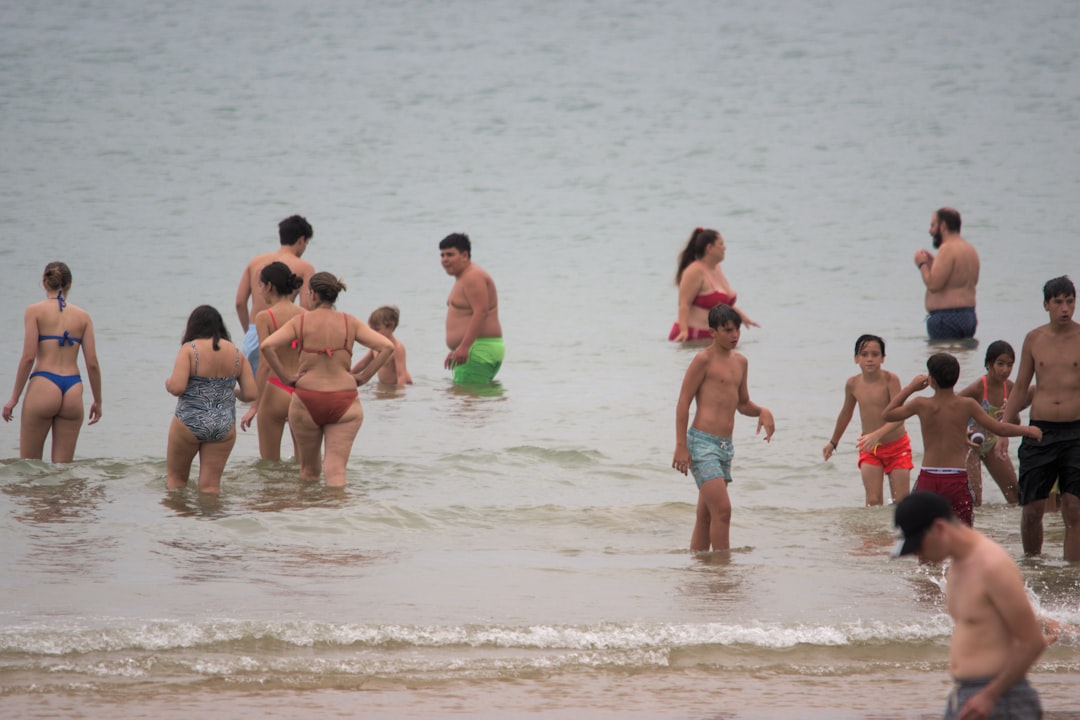
    Jeju Hyeopjae beach turquoise water children playing family summer 2026

    Realistic Alternatives If Jeju Feels Too Expensive or Crowded

    Here’s where I want to be genuinely helpful rather than just promotional. Jeju in peak season (July–August and Lunar New Year weeks) can feel overwhelmingly crowded — rental cars sell out weeks in advance, and popular beaches get packed by 10 AM. If your family trip window falls during these periods, or if the budget is a stretch, here are thoughtful alternatives:

    • Gapa Island (가파도): A tiny island reachable by ferry from Jeju’s Moseupо Harbor. Far fewer tourists, beautiful walking trails, and a much slower pace — ideal for families with older children who appreciate nature over theme parks.
    • Namhae, South Gyeongsang Province: Often called “Korea’s Mediterranean,” Namhae offers German Village, gorgeous coastal views, and excellent seafood at roughly 60% of Jeju’s price point. Significantly underrated for families.
    • Jeju off-season (November–February): If you can swing winter travel, Jeju in January or February is dramatically less crowded, prices drop 20–30%, and the camellia blossoms (late January–February) are genuinely spectacular. Pack layers — it’s mild but windy.
    • Olle Trail Segment 10 (for active families): If you’re in Jeju but want to escape the tourist circuit entirely, Olle Trail Segment 10 along the Hwasun coast is largely undiscovered by casual tourists and stunning for families who enjoy a 3–4 hour coastal hike.

    The bottom line? A Jeju family trip in 2026 rewards thoughtful planning enormously. The island has genuinely matured as a family destination — the infrastructure is there, the experiences are rich and varied, and the natural beauty remains as jaw-dropping as ever. The families who struggle are usually the ones who try to cram too much in, or who visit without a rental car and a loose daily theme. Plan with intention, build in downtime, and let the island surprise you in the gaps.

    Editor’s Comment : After mapping out dozens of family itineraries across Asia, Jeju continues to impress me precisely because it works on multiple levels simultaneously — toddlers find magic in the lava beaches, teens get hooked on the museums and food markets, grandparents appreciate the gentle cultural layers, and parents (let’s be honest) get to exhale near actual natural beauty. It’s rare for a destination to satisfy everyone, but Jeju in 2026 comes remarkably close. Just book that rental car early.

    태그: [‘Jeju Island family travel 2026’, ‘Jeju family itinerary’, ‘Korea family vacation’, ‘Jeju travel tips 2026’, ‘Jeju with kids’, ‘family travel Asia 2026’, ‘Jeju tourist spots’]
    📚 관련된 다른 글도 읽어 보세요

  • 2026 제주도 가족 테마 여행 코스 추천 – 아이부터 어른까지 모두 만족하는 완벽 일정

    지난 봄, 초등학교 3학년 딸과 6살 아들을 데리고 제주도를 찾은 한 가족의 이야기를 들었어요. 아이들을 위해 놀이공원 위주로 일정을 짰는데, 정작 부모는 이동 동선이 엉켜서 하루에 100km 넘게 차를 몰았다고 하더라고요. 결국 아이들도, 어른들도 지쳐서 마지막 날은 숙소에서 쉬다 왔다는 웃지 못할 이야기였죠. 제주도는 섬 전체가 하나의 테마파크 같아서 오히려 계획 없이 가면 더 힘들어지는 여행지라고 봅니다. 그래서 오늘은 2026년 기준으로 업데이트된 정보를 바탕으로, 가족 여행에 최적화된 테마별 코스를 함께 정리해 봤어요.

    Jeju island family travel scenic road children

    📊 2026년 제주도 가족 여행, 숫자로 먼저 살펴보기

    제주관광공사 2026년 1분기 집계 데이터에 따르면, 제주도 방문객 중 가족 단위(2인 이상 보호자 + 미성년 동반) 비율은 전체의 약 38%로 꾸준히 상승 추세라고 합니다. 특히 초등학생 자녀를 둔 30~40대 부모 여행객이 전년 대비 약 12% 증가했어요.

    흥미로운 점은 단순 관광지 방문보다 ‘체험형 콘텐츠’를 중심으로 일정을 구성한 가족일수록 여행 만족도가 평균 4.3점(5점 만점)으로 높게 나온다는 거예요. 반면 이동 거리가 하루 평균 80km를 초과한 경우 만족도가 3.1점까지 떨어진다는 데이터도 있어요. 결국 동선 최적화체험 밀도가 핵심이라고 봅니다.

    또한 제주도의 가족 친화 숙박 시설은 2026년 현재 약 340여 개소로, 풀빌라·키즈풀·독채 형태가 전체의 60% 이상을 차지하고 있어요. 단순히 잠만 자는 숙소보다, 숙소 자체가 놀이 공간이 되는 형태를 선호하는 트렌드가 뚜렷하게 자리 잡은 것 같아요.

    🗺️ 테마별 추천 코스 – 아이 연령대별로 나눠보기

    제주도는 동서남북의 풍경과 특색이 확연히 달라요. 효율적인 여행을 위해 하루에 한 권역씩 집중 공략하는 방식이 가장 현실적이라고 봅니다. 아래에서 테마별로 정리해 드릴게요.

    🌿 테마 1 – 자연 탐험 코스 (서귀포·남부 권역, 유아~초등 저학년 추천)

    • 천지연 폭포 – 이른 아침 방문 시 인파 없이 산책로를 여유롭게 즐길 수 있어요. 아이들과 함께 걷기 좋은 평탄한 길이라 유아차도 가능해요.
    • 여미지식물원 – 아시아 최대 규모의 온실 식물원으로, 날씨 영향을 받지 않아 비 오는 날 대안 코스로도 탁월해요. 2026년 현재 키즈 식물 체험 프로그램이 새롭게 운영 중이에요.
    • 쇠소깍 – 투명 카약이나 테우(전통 뗏목) 체험을 아이와 함께 즐길 수 있어요. 물이 잔잔해서 어린아이도 안전하게 탑승할 수 있다고 봅니다.
    • 성읍민속마을 – 제주 전통 문화를 자연스럽게 접할 수 있는 야외 학습 공간이에요. 초등학생 자녀라면 교과 연계 체험으로도 훌륭한 선택이에요.

    🎡 테마 2 – 체험·놀이 집중 코스 (제주시·북부 권역, 초등 전 학년 추천)

    • 제주항공우주박물관 – 단순 전시를 넘어 비행 시뮬레이터, VR 우주 체험 등 인터랙티브 콘텐츠가 풍부해요. 2026년에는 ‘달 탐사 체험존’이 신규 오픈해 더욱 볼거리가 많아졌어요.
    • 한림공원 – 협재 해수욕장과 연계해 오전에는 협재 해변 물놀이, 오후에는 한림공원 탐방으로 이어지는 반나절 코스가 좋아요.
    • 넥슨컴퓨터박물관 – 디지털 네이티브 세대 아이들에게 게임의 역사와 컴퓨터 원리를 재미있게 설명해 주는 공간이에요. 의외로 부모 세대도 향수를 자극받아 함께 즐기는 경우가 많아요.
    • 이호테우 해변 – 빨간 등대와 조랑말 모양의 등대로 유명한 인스타 명소인데요, 일몰 시간대에 방문하면 가족 사진 명소로도 손색없어요.

    🌊 테마 3 – 감성·힐링 코스 (동부 권역, 중고등학생 이상 가족 추천)

    • 성산일출봉 – 이른 새벽 일출 관람은 온 가족에게 특별한 기억으로 남을 거예요. 2026년 현재 탐방로 일부가 정비되어 접근성이 더 좋아졌다고 해요.
    • 섭지코지 – 광활한 해안 절경을 걸으며 자연스럽게 대화를 나눌 수 있는 코스예요. 사진 찍기 좋아하는 청소년 자녀라면 특히 좋아할 거라고 봅니다.
    • 제주 올레 1코스 – 시흥리에서 광치기 해변까지 이어지는 약 15km 구간인데, 가족이 함께 일부 구간만 걸어도 충분히 의미 있어요. 걷는 동안 자연스럽게 대화가 이어지는 게 올레길의 가장 큰 장점이에요.
    • 김녕미로공원 – 아이들에게는 탐험 놀이터, 어른들에게는 소소한 재미를 주는 공간이에요. 규모가 크지 않아 부담 없이 들를 수 있어요.
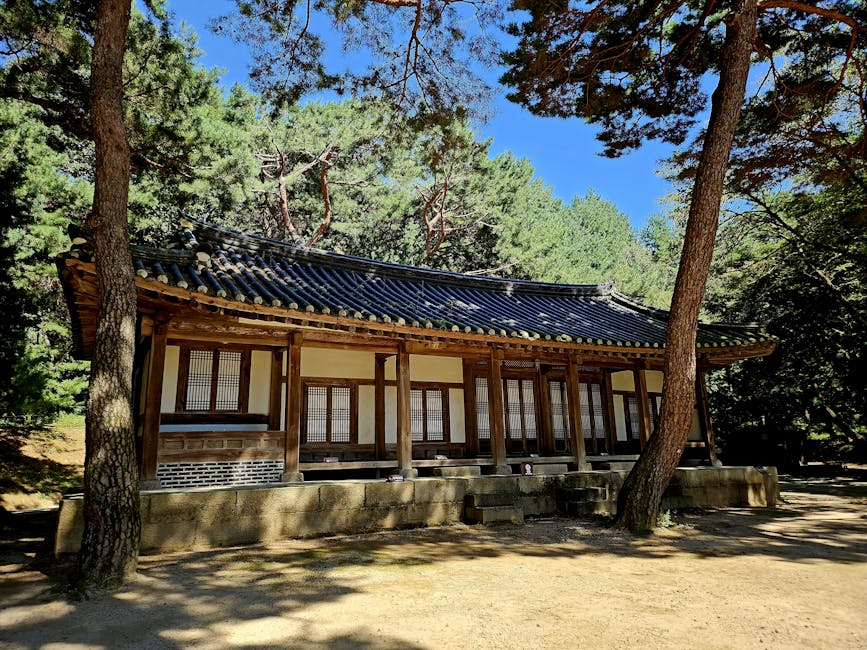
    Seongsan Ilchulbong sunrise family Jeju Korea

    🌍 국내외 가족 여행 트렌드와 비교해 보면

    일본 오키나와의 경우, 가족 여행 특화 패키지가 이미 ‘권역별 1일 1테마’ 구조로 정형화되어 있어요. 오전에는 자연 체험, 오후에는 수공예·음식 체험, 저녁에는 숙소 내 부대시설 활용이라는 패턴이 정착되어 있고, 실제로 이 구조를 따른 여행자의 재방문율이 67%에 달한다는 조사 결과도 있어요.

    국내에서는 강원도 고성·속초 지역이 최근 가족 테마 여행지로 급부상하고 있는데요, 핵심 경쟁력은 ‘이동 시간 최소화 + 숙박 시설 체험화’예요. 제주도도 이 트렌드를 빠르게 따라가고 있어서, 2026년 현재는 한 권역 내에서 2박을 하며 깊이 있게 즐기는 ‘슬로우 패밀리 트래블’ 스타일이 각광받고 있는 것 같아요.

    해외 사례로는 싱가포르 패밀리 여행 리포트(2025 Asia Travel Insight 기준)에서도 비슷한 흐름이 확인돼요. 관광지를 많이 보는 것보다 하나의 경험을 깊게 공유하는 것이 가족 여행의 만족도와 유대감 강화에 훨씬 효과적이라는 연구 결과가 점점 주목받고 있거든요.

    ✅ 현실적인 2026 제주 가족 여행 계획 체크리스트

    • 📍 숙소는 권역 중심부에 잡기 – 하루 이동 거리를 60km 이내로 줄이는 데 숙소 위치가 결정적이에요.
    • 🕐 오전 체험 + 오후 여유 패턴 유지 – 아이들의 컨디션 관리가 여행 전체 퀄리티를 좌우해요.
    • 날씨 대비 실내 대안 코스 하나씩 준비 – 제주는 날씨 변화가 잦아요. 항공우주박물관, 여미지식물원, 넥슨컴퓨터박물관을 날씨 비상구로 기억해 두세요.
    • 🍊 감귤 체험 농장은 사전 예약 필수 – 2026년 봄·가을 시즌에는 체험 농장이 2주 전에 마감되는 경우가 많아요.
    • 🚗 렌터카는 7인승 이상 고려 – 짐이 생각보다 많아요. 특히 유아 동반이라면 카시트 포함 공간이 넉넉한 차종이 훨씬 편해요.
    • 📱 제주패스 또는 제주 통합 관광 앱 활용 – 2026년 현재 다양한 입장권 통합 할인 패스가 운영 중이에요. 3박 4일 기준 1인당 2만~4만 원 절감도 가능해요.

    에디터 코멘트 : 제주도 가족 여행의 진짜 함정은 ‘볼 게 너무 많다’는 데 있는 것 같아요. 리스트를 많이 채울수록 정작 아무것도 제대로 기억에 남지 않는 역설이 생기더라고요. 2026년에 제주를 계획하고 있다면, 코스를 줄이고 하나를 더 깊게 경험하는 방향으로 설계해 보시길 권해 드려요. 아이가 “그 바다 또 가고 싶어”라고 말할 때, 그게 진짜 성공한 가족 여행이 아닐까요. 권역을 나누고 동선을 단순화하는 것, 그게 가장 현실적인 완성형 제주 가족 여행의 출발점이라고 봅니다.

    태그: []


    📚 관련된 다른 글도 읽어 보세요

  • Hidden Gem Small Town Travel Itineraries in Korea 2026: Why Skipping Seoul Might Be Your Best Decision Yet

    Last spring, a friend of mine — a seasoned traveler who’d done the whole Seoul-Busan-Jeju circuit at least four times — came back from a weekend in Tongyeong absolutely glowing. “It felt like Italy,” she said, “but with better seafood and half the price.” That one offhand comment sent me down a rabbit hole of researching Korea’s small-town travel scene, and honestly? I haven’t looked back since.

    If you’ve been stacking up Korean travel content in 2026 and still feel like every itinerary starts with Gyeongbokgung Palace and ends at a Myeongdong street food stall, you’re not alone — and you’re also not stuck. Korea’s domestic small-city (소도시) travel scene has exploded in the past two years, driven by a mix of remote-work flexibility, rising costs in major cities, and a genuine cultural hunger for slower, more intentional experiences.

    Let’s think through this together, destination by destination.

    Korea small town travel scenic coastal village 2026

    Why Small-Town Korea Is Having Its Biggest Moment in 2026

    Here’s some context worth knowing: according to the Korea Tourism Organization’s 2026 domestic travel index, searches for non-metropolitan destinations increased by 38% year-over-year, with travelers aged 25–40 leading the charge. Cities with populations under 300,000 — places like Namhae, Jecheon, and Boryeong — are seeing record boutique guesthouse bookings, many of them sold out months in advance during peak foliage and cherry blossom seasons.

    Why the shift? A few converging forces:

    • Cost fatigue: Seoul hotel rates in 2026 average ₩180,000–₩300,000/night even for mid-range options. A charming hanok guesthouse in Andong or a sea-view pension in Geoje? Often under ₩100,000.
    • The “slow travel” movement: Post-pandemic travel psychology still favors depth over breadth — spending three days in one small town rather than cramming five cities into a week.
    • Improved infrastructure: The KTX and SRT network expansions completed in late 2024 and 2025 now connect many secondary cities in under 2 hours from Seoul.
    • Instagram fatigue with “famous spots”: Travelers are actively seeking places that feel personal and undiscovered — even if they’re technically well-known locally.

    Top Small-Town Itineraries Worth Planning Right Now

    Rather than giving you a generic list, let me walk you through a few realistic itinerary frameworks depending on what kind of traveler you are.

    🌊 For the Coastal Dreamer: Tongyeong (통영) — 2 to 3 Days
    Often called the “Naples of Korea,” Tongyeong sits on the South Sea and punches well above its weight. Start your first morning at Gangguan Port for fresh oysters directly from the market — this is non-negotiable. Spend the afternoon taking the cable car up Mireuksan Mountain for a panoramic view of the island archipelago. On day two, take a ferry to Bijindo Island and walk the famous tombolo — a sandbar that connects two land masses and appears at low tide. Day three is for wandering the Dongpirang Mural Village at your own pace and sitting at a dockside café doing absolutely nothing productive. That’s the point.

    🏯 For the History Buff: Andong (안동) — 2 to 3 Days
    Andong is arguably Korea’s most culturally preserved small city. The Hahoe Folk Village (a UNESCO World Heritage Site) is the centerpiece, but don’t overlook Dosan Seowon, a 16th-century Confucian academy that still carries an almost meditative stillness. Local food here is distinctive too — heotjesatbap (a ceremonial rice table spread) and Andong jjimdak (braised chicken) are regional staples you genuinely cannot replicate elsewhere.

    🌸 For the Nature Seeker: Boseong (보성) — 1 to 2 Days
    The green tea fields of Boseong are best visited in mid-April or early November when the light hits the terraced rows just right. It’s a short trip — most people do it as a day-trip from Gwangju — but spending one night at a local minbak (homestay) to catch the morning mist rolling over the fields is an entirely different experience. Pair it with a visit to Yulpo Beach, only 15 minutes away, for a surprisingly uncrowded coastal finish.

    🎨 For the Quirky Explorer: Jeonju (전주) — 2 Days (Hanok Village + Beyond)
    Yes, Jeonju is well-known — but most visitors only see the Hanok Village. If you’re willing to walk 20 minutes further, the Gaeksa area and the lesser-visited Omokdae hill offer a completely different, crowd-free perspective. Jeonju’s food scene in 2026 has also evolved significantly, with a new wave of young chefs reinventing traditional hansik (Korean cuisine) in small tasting-menu formats that are worth booking in advance.

    Andong Hahoe village traditional Korean folk village atmosphere

    Practical Tips to Make These Trips Actually Work

    • Transportation reality check: Not all small towns are KTX-accessible. For places like Boseong or Namhae, renting a car (easily done via apps like Lotte Rent-a-Car or Greencar) is genuinely the better option — and it opens up detour possibilities that public transit simply can’t match.
    • Accommodation booking window: For weekend trips between April–June and September–November (peak seasons), book at least 4–6 weeks ahead for smaller guesthouses. They fill up fast and many don’t list on major OTAs — check Naver or local tourism board sites.
    • Language barrier: Outside of major tourist areas, English signage drops significantly. Having Naver Maps (not Google — trust me on this) and Papago translation app installed is genuinely essential.
    • Budget framing: A well-planned 2-night small-town trip can realistically come in under ₩300,000–₩400,000 per person including accommodation, food, and local transport. That’s often less than a single night in a Seoul business hotel.

    Realistic Alternatives If These Destinations Don’t Fit Your Schedule

    Not everyone can do a full 2–3 day trip. If you’re working with a single day or a tight weekend, here’s how to recalibrate:

    • Day trip from Seoul: Chuncheon (닭갈비 + Nami Island area), Gapyeong, or Icheon (ceramics + hot springs) are all under 90 minutes by train or express bus and offer a genuinely different atmosphere from the capital.
    • Weekend from Busan: Geoje Island or Namhae can be done in a single overnight — both are within 1.5 hours by car and offer coastal scenery that rivals anything in Southeast Asia.
    • Low-mobility or family travel: Jeonju and Gyeongju are the most accessible small cities, with flat walking paths, clear signage, and family-friendly food options readily available.

    The beauty of Korea’s small-town travel landscape in 2026 is that it genuinely rewards curiosity over convenience. You don’t need a massive budget or two weeks off work — you just need the willingness to look slightly beyond the obvious.

    Start with one destination. Take it slowly. Let the town surprise you.

    Editor’s Comment : The best small-town trips aren’t the ones with the most Instagram-worthy moments — they’re the ones where you stumble into a local grandmother’s side-street tteok shop and end up staying an extra hour just talking (in broken Korean and enthusiastic gestures). Plan the framework, but leave room for the unplanned. That’s where the real itinerary writes itself.

    태그: [‘Korea small town travel 2026’, ‘소도시 여행 코스’, ‘domestic travel Korea’, ‘Tongyeong travel guide’, ‘Andong itinerary’, ‘Korean slow travel’, ‘hidden gems Korea 2026’]


    📚 관련된 다른 글도 읽어 보세요

  • 국내 소도시 여행 코스 2026 – 붐비지 않아서 더 좋은 숨은 여행지 7선

    지난 주말, 지인이 이런 말을 했어요. “제주도도 질리고, 부산도 사람이 너무 많아서 이제 어디 가야 할지 모르겠어.” 아마 많은 분들이 공감하실 것 같습니다. 인스타그램에서 수백만 번 태그된 명소는 이미 줄 서는 것 자체가 여행이 되어버린 시대죠. 그래서 2026년에는 조금 다른 방향을 제안해 드리고 싶어요. 바로 국내 소도시 여행입니다. 덜 알려져 있어서 오히려 더 진짜 같고, 로컬의 속도로 숨 쉴 수 있는 그런 여행지들이요. 오늘은 함께 그 코스를 하나씩 들여다볼게요.

    small town Korea travel scenic road countryside 2026

    📊 2026년 국내 여행 트렌드 – 숫자로 보는 소도시의 부상

    한국관광공사가 2026년 초 발표한 국내 여행 소비 패턴 분석에 따르면, 1박 2일~2박 3일 단기 소도시 여행의 검색량이 전년 대비 약 38% 증가한 것으로 나타났다고 봅니다. 특히 20~30대 MZ세대 여행자의 절반 이상이 “붐비지 않는 곳”, “로컬 감성”을 여행지 선택 기준 1순위로 꼽았어요.

    또한 국내 숙박 예약 플랫폼 데이터를 살펴보면, 2026년 1분기 기준 전북 남원, 경남 통영, 충남 서천, 전남 담양 등 소도시 숙박 예약 건수가 전년 동기 대비 평균 45% 이상 늘었다는 추정치가 나오고 있어요. 단순한 유행이 아니라 구조적인 여행 패턴의 변화라고 볼 수 있을 것 같습니다.

    🗺️ 2026년 강력 추천 국내 소도시 여행 코스 7선

    아래 소개하는 코스들은 단순히 “예쁜 곳” 기준이 아니라, 이동 편의성, 로컬 먹거리, 계절감, 혼행·커플·가족 여행 적합도를 함께 고려해서 골랐어요.

    • 📍 경남 통영 – ‘한국의 나폴리’라는 별명이 아깝지 않은 항구 도시예요. 2026년 케이블카 노선이 일부 확장되면서 미륵산 조망이 더욱 편리해졌고, 동피랑 벽화마을부터 중앙시장 꿀빵 골목까지 반나절이 훌쩍 지나갑니다. 1박 2일 코스로 딱 맞는 규모라고 봐요.
    • 📍 전북 남원 – 춘향전의 고장이지만 사실 트레킹 성지이기도 해요. 지리산 둘레길 3코스가 남원을 지나가고, 광한루원의 야경은 봄 시즌(3~5월)에 특히 황홀합니다. 2026년 광한루원 미디어파사드 시설이 새롭게 정비되면서 야간 관광 콘텐츠가 강화됐어요.
    • 📍 충남 서천 – 국립생태원과 국립해양생물자원관이 있어서 생각보다 볼거리가 많아요. 봄에는 유채꽃 군락, 가을에는 갈대 군락으로 계절마다 다른 얼굴을 보여준답니다. 서울에서 KTX 익산 경유로 접근하면 2시간 내외예요.
    • 📍 전남 담양 – 메타세쿼이아 가로수길은 이제 누구나 알지만, 그 너머의 소쇄원, 죽녹원 산책로, 관방제림까지 연결하는 ‘느린 하루 코스’는 여전히 한산해요. 담양 대나무숲 안에서 마시는 대통밥 한 그릇은 솔직히 어떤 파인다이닝도 대체 못한다고 생각해요.
    • 📍 강원 정선 – 고한·사북 지역의 탄광 역사 문화촌이 2025년부터 본격적인 다크 투어리즘 콘텐츠로 정비되어 2026년 현재 방문객이 꾸준히 늘고 있어요. 아우라지 뗏목 체험과 함께 코스를 짜면 색다른 강원도 여행이 됩니다.
    • 📍 경북 영덕 – 대게로만 알려져 있지만, 블루로드 해파랑길 구간이 지나가는 해안 트레킹 코스로 훨씬 더 유명해질 도시라고 봐요. 창포말 등대에서 바라보는 일출은 정말 감탄이 나옵니다.
    • 📍 충북 괴산 – ‘느린마을’로 불리는 괴산은 국내 유기농 식재료의 메카예요. 산막이옛길 트레킹(편도 약 4km)은 난이도가 낮아서 어르신과 함께 오기에도 부담 없고, 주변 캠핑장은 주말에도 예약 경쟁이 심하지 않은 편이라는 게 매력이에요.
    Tongyeong Korea harbor sunset travel destination

    🌍 국내외 사례로 보는 소도시 여행의 가능성

    일본의 경우 ‘도쿄 vs 교토’ 이분법을 벗어나 나가노현 마쓰모토, 돗토리현 같은 소도시가 외국인 여행자들 사이에서 빠르게 인기를 얻고 있어요. 오버투어리즘에 지친 여행자들이 자연스럽게 덜 알려진 곳을 찾는 흐름인데, 국내에서도 동일한 현상이 일어나고 있다고 봅니다.

    국내 사례로는 경남 하동이 대표적이에요. 2~3년 전만 해도 녹차밭 사진 몇 장이 전부였는데, 지금은 하동 북천 코스모스 축제와 악양 평사리 들판이 입소문을 타면서 여행 플랫폼 상위 노출 지역에 안착했거든요. 이처럼 소도시는 ‘발견되는 순간’ 급격히 주목받는 구조라는 게 흥미롭습니다.

    💡 소도시 여행, 이렇게 준비하면 더 알차요

    소도시 여행에서 가장 많이 하는 실수가 대도시 여행 방식을 그대로 적용하는 것이에요. 소도시는 대중교통 배차 간격이 길고, 식당 영업시간이 이르게 끝나는 경우가 많아서 사전 준비가 더 중요하다고 봅니다.

    • 렌터카 또는 카셰어링 사전 예약 필수 (현지 당일 예약은 공급이 부족할 수 있어요)
    • 로컬 맛집은 포털 최신 리뷰 + 현지 SNS 계정 이중 확인 권장
    • 축제 일정을 미리 체크하면 여행 밀도가 훨씬 높아집니다
    • 숙소는 도심 근처보다 경관 좋은 외곽 독채 펜션을 추천 – 소도시 여행의 진짜 묘미예요
    • 지역화폐 또는 로컬 상품권 사용 시 할인 혜택이 있는 지자체도 늘고 있으니 꼭 확인해 보세요

    에디터 코멘트 : 솔직히 말하면, 소도시 여행의 매력은 ‘덜 유명함’에 있어요. 줄 서지 않아도 되고, 사진 찍으려고 경쟁하지 않아도 되고, 그냥 걸어다니다가 우연히 맞닥뜨리는 골목 풍경 하나로도 충분히 채워지는 하루. 2026년에는 꼭 한 번, 지도에서 이름이 작게 표시되는 도시로 떠나보시길 바랍니다. 생각보다 훨씬 많은 것들이 거기 있을 거예요.

    태그: [‘국내소도시여행’, ‘소도시여행코스2026’, ‘국내여행추천’, ‘숨은여행지’, ‘로컬여행’, ‘한국여행2026’, ‘국내당일치기여행’]


    📚 관련된 다른 글도 읽어 보세요

  • Best Child-Friendly European Family Travel Packages in 2026: What Really Works (And What to Skip)

    Last summer, a friend of mine — let’s call her Mia — packed up her two kids (ages 5 and 9) and booked what looked like a dreamy European family tour. The brochure promised “magical memories” across Paris, Rome, and Barcelona in 10 days. What she got instead was a whirlwind of jet-lagged tantrums, museum meltdowns, and a 5-year-old who declared the Eiffel Tower “just a big stick.” Sound familiar? The truth is, not all European family packages are created equal — especially when kids are in the equation. Let’s think through this together and figure out what actually makes a child-friendly European trip work in 2026.

    children family europe travel adventure castle playground

    Why 2026 Is Actually a Great Year for Family Travel in Europe

    Here’s some genuinely good news: Europe’s travel infrastructure has made significant strides in family accessibility. According to the European Travel Commission’s 2026 Family Tourism Report, over 67% of major European attractions now offer dedicated child-engagement programs, compared to just 48% in 2022. Countries like the Netherlands, Austria, and Denmark consistently rank in the top tier for family-friendly tourism infrastructure — think stroller-accessible cobblestones (yes, they’ve actually fixed some of those!), interactive museum wings, and family meal pricing that doesn’t make your wallet weep.

    Budget-wise, a mid-range child-friendly European family package for a family of four in 2026 typically ranges from $4,500 to $9,000 for 7–10 days, depending on season and destination. That includes flights, accommodations rated for families, and curated activities. Premium packages with luxury family resorts and private guides can push toward $15,000+. So the question becomes: what are you actually paying for, and is it worth it?

    What Makes a Package Genuinely “Child-Friendly”?

    This is where a lot of families get burned. The word “family-friendly” on a brochure can mean anything from “we have a pool” to “we’ve literally designed every moment around your child’s developmental needs.” Let’s break down what to actually look for:

    • Pacing: No more than 2 major attractions per day for children under 10. Any package cramming in 4–5 sites daily is a recipe for exhaustion — for everyone.
    • Accommodation type: Family suites or apartment-style stays beat standard hotel rooms every time. Look for kitchenettes — being able to make a quick snack at 10pm when your toddler is melting down is priceless.
    • Age-appropriate activities: Genuine child-friendly packages differentiate between toddlers (2–5), young kids (6–9), and tweens (10–12). A blanket “kids program” that lumps them all together is a red flag.
    • Built-in downtime: The best itineraries include park time, playground stops, or resort play hours. European city parks — like Vienna’s Prater or Copenhagen’s King’s Garden — are underrated gold.
    • Local family experiences: Cooking classes, farm visits, or craft workshops beat passive sightseeing hands-down for child engagement.
    • Transfer logistics: Are airport transfers family-equipped? Do they include car seats? This detail separates professional family operators from generic tour companies slapping “family” on their branding.

    Top Destination Picks for Child-Friendly European Packages in 2026

    Not every European destination is equally kid-ready. Here’s how the top contenders stack up right now:

    🇦🇹 Austria (Vienna + Salzburg): Consistently underrated for families. The Natural History Museum in Vienna introduced its “Junior Explorer Lab” in late 2024, and it’s become a genuine hit. Salzburg’s Sound of Music tours have been reimagined with interactive storytelling for kids in 2026 — yes, it’s touristy, but children genuinely love it.

    🇳🇱 Netherlands (Amsterdam + Keukenhof): Flat terrain = stroller heaven. The NEMO Science Museum in Amsterdam is arguably the best children’s museum in Europe right now. Spring timing (April–May) for the tulip fields adds a visual wow factor that even skeptical tweens admit is “pretty cool.”

    🇮🇪 Ireland: Emerging as a dark horse for 2026 family travel. Castle ruins, wide open green spaces, and a slower pace than Southern Europe make it genuinely relaxing. The Wild Atlantic Way has new family cycling routes that opened in 2025.

    🇵🇹 Portugal (Algarve + Lisbon): Beaches, affordable compared to France or Italy, and Lisbon’s Oceanarium is world-class. Portugal’s food culture is remarkably kid-friendly — simple grilled fish, fresh bread, pastéis de nata. Fewer picky-eater battles than you’d expect.

    european castle family kids exploring outdoor adventure

    Real Package Examples Worth Considering in 2026

    Let’s get concrete. Here are a few types of operators and packages that represent different approaches — because your ideal choice really depends on your family’s travel style.

    Thomson Family Adventures (UK-based, global operator): Their 2026 “European Castles & Coastlines” 8-day package is specifically designed around ages 6–14. It includes a dedicated children’s guide for the duration, not just at select stops. Priced around $6,800 for a family of four excluding flights. The real differentiator? They cap group sizes at 16 people total — so your kids aren’t lost in a crowd of 40.

    G Adventures’ “Family Europe” Series: More budget-conscious at roughly $4,200–$5,500 per family of four (excluding flights). Good pacing, solid accommodation choices, but the activity design is less age-differentiated. Better suited for families with kids aged 8 and up who can handle slightly more structured touring.

    DIY Package via Airbnb + GetYourGuide: For families who want control, booking apartment stays and activity-by-activity through platforms like GetYourGuide can actually undercut packaged tours by 20–30%. The trade-off is logistics management — you’re coordinating transfers, timing, and backup plans yourself. Honestly? For experienced travelers with kids over 7, this is often the better value.

    Common Mistakes Families Make When Booking European Packages

    • Booking shoulder season without checking school calendars: Local European school holidays mean popular sites get dramatically more crowded. In 2026, France’s spring break falls in mid-April — time your Paris visit accordingly.
    • Ignoring jet lag strategy: Flying from North America or Asia? Build in a true arrival/adjustment day. No major sightseeing on day one. Packages that start touring immediately on arrival day are not designed with children in mind.
    • Over-prioritizing adult “bucket list” sites: The Louvre sounds incredible. Your 6-year-old will last approximately 40 minutes before it becomes a hostage situation. Balance iconic sites with genuinely interactive spaces.
    • Not checking reviews from actual families: TripAdvisor and Google reviews filtered specifically by “families with young children” will tell you more than any brochure.

    Realistic Alternatives If a Full Package Isn’t Right for You

    Here’s the honest truth: a full pre-packaged European tour isn’t the right move for every family. Let’s think through some alternatives based on your situation.

    If your budget is under $3,000: Consider a single-country deep dive instead of a multi-country rush. Portugal or Ireland offer incredible experiences at significantly lower cost than France or Switzerland, with equally child-friendly infrastructure. One week in the Algarve with a rented villa, a day trip to Lisbon, and a couple of beach days? That’s a genuinely memorable family trip that won’t require a second mortgage.

    If your kids are under 4: Honestly consider whether a complex European itinerary is the right call at all right now. A beach-focused resort in the Canary Islands or a nature-heavy stay in Austria’s lake district might deliver more actual joy — and less stress — than a city-hopping package. There’s no shame in playing to your family’s current season of life.

    If you have a mix of ages (say, 4 and 13): Look specifically for packages or destinations that offer genuinely parallel programming — where your teen can have age-appropriate independence and engagement while your little one is fully catered to. The Netherlands and Scandinavia tend to handle this multi-age challenge best.

    If you want the experience but not the cost: European river cruises, surprisingly, can be excellent value for families with kids 8 and up. Unpacking once, floating between cities, and having onboard facilities means less logistics stress. Avalon Waterways and AmaWaterways both have 2026 family itineraries worth exploring.

    The bottom line? The best child-friendly European family trip in 2026 is the one that’s honest about what your specific kids actually enjoy — not the one with the prettiest Instagram potential. Mia, by the way, is going back to Europe this summer. This time: one country, two weeks, an apartment rental, and zero museums unless the kids specifically ask. She’s already more excited than she was last time.

    Editor’s Comment : We’ve reviewed dozens of European family packages for 2026, and the single biggest predictor of a great trip isn’t the destination or the price point — it’s pacing. Families who build in genuine rest days and resist the urge to “maximize” every hour come home with better memories and less trauma. Trust the slow travel instinct. Your future self — and your kids — will thank you.

    태그: [‘child-friendly european travel 2026’, ‘family travel packages europe’, ‘best europe trips for kids’, ‘family vacation planning europe’, ‘european family holiday 2026’, ‘kid-friendly europe destinations’, ‘family travel tips europe’]


    📚 관련된 다른 글도 읽어 보세요

  • 2026년 어린이 친화적 유럽 가족 여행 패키지 완벽 가이드 | 아이와 함께하는 유럽 여행 추천 코스

    얼마 전, 지인이 일곱 살 아이를 데리고 유럽 자유여행을 다녀왔다가 꽤 혼이 났다는 이야기를 들었어요. 루브르 박물관 앞에서 세 시간 줄을 서다 아이가 울음을 터뜨렸고, 숙소는 구시가지 좁은 골목에 있어서 유모차를 끌고 올라가는 것 자체가 미션이었다고 하더라고요. 반면 비슷한 시기에 ‘어린이 친화적 패키지’를 이용한 다른 지인 가족은 같은 파리를 여행하면서도 아이가 “또 오고 싶다”고 했다는 거예요. 같은 목적지, 전혀 다른 결과. 그 차이를 만든 건 결국 ‘얼마나 아이의 시선에서 기획된 여행인가’라는 라인 하나였다고 봅니다.

    2026년 현재, 유럽 가족 여행 시장은 단순 관광지 나열식 패키지에서 벗어나 어린이 경험 중심 설계로 빠르게 진화하고 있어요. 오늘은 그 흐름을 구체적인 수치와 사례로 함께 들여다보면서, 어떤 패키지를 골라야 현명한 선택인지 고민해 보려 합니다.

    family travel Europe children Eiffel Tower happy kids

    📊 숫자로 보는 2026년 어린이 친화적 유럽 가족 여행 시장

    유럽 여행 전문 리서치 기관 European Travel Commission(ETC)의 2025년 말 발표 자료에 따르면, 가족 단위 유럽 여행객 중 12세 이하 자녀를 동반한 비율이 전체 패키지 여행의 38%를 차지한다고 합니다. 특히 한국 아웃바운드 여행 시장에서도 변화가 눈에 띄어요. 하나투어·모두투어 등 주요 여행사 집계 기준, 2026년 상반기 유럽 가족 패키지 예약률은 전년 대비 약 22% 증가한 것으로 알려져 있습니다.

    여기서 흥미로운 점은 단순 패키지 예약이 아니라, ‘어린이 친화(Child-Friendly)’ 옵션이 포함된 상품의 예약 증가율이 일반 가족 패키지보다 약 1.8배 높다는 거예요. 부모 세대가 여행의 질을 아이의 만족도와 직결시켜 생각하기 시작했다는 의미라고 봐요. 평균 지출 비용도 일반 패키지 대비 약 15~25% 높게 형성되는데, 그만큼 프리미엄을 기꺼이 지불하려는 수요가 증가하고 있다는 신호입니다.

    🌍 어린이 친화적 유럽 패키지, 어떤 요소가 핵심인가요?

    단순히 ‘아이가 좋아하는 테마파크가 포함됐는가’의 문제가 아니에요. 진정한 어린이 친화적 패키지는 여행의 모든 접점—숙소, 이동, 식사, 액티비티—에서 아이의 체력과 집중 가능 시간을 고려한 설계가 되어 있어야 한다고 봅니다. 아래 기준들을 체크리스트처럼 활용해 보세요.

    • 숙소 선택 기준: 패밀리룸 또는 패밀리 스위트 제공 여부, 수영장·놀이터 등 부대시설 확인. 특히 유럽 구시가지 호텔은 엘리베이터가 없는 경우가 많아 유모차나 카시트 이동 가능 여부를 반드시 확인해야 해요.
    • 이동 동선 설계: 하루 이동 거리가 300km 이하인지 확인. 장거리 버스 이동이 연속 이틀 이상 이어지는 패키지는 아이에게 매우 힘들 수 있습니다.
    • 식사 옵션: 아이 메뉴(키즈 밀) 또는 현지 패밀리 레스토랑 연계 여부. 알레르기 정보를 사전에 공유할 수 있는 시스템이 있는지도 중요해요.
    • 액티비티 구성: 박물관 위주보다 체험형·인터랙티브 프로그램 비중이 높은 코스 선택. 예: 레고랜드 빌룬(덴마크), 아스테릭스 파크(프랑스), 에펠탑 VIP 패스트트랙 등.
    • 가이드 전문성: 어린이 동반 여행 경험이 있는 전문 가이드 배정 여부 확인. 가이드의 속도와 설명 방식이 아이 포함 그룹에 맞춰져야 합니다.
    • 응급 대응 체계: 현지 어린이 병원 정보 제공, 여행자 보험 어린이 특약 포함 여부.

    🗺️ 2026년 어린이와 함께하기 좋은 유럽 추천 여행지 & 패키지 코스

    여행지마다 아이에게 와닿는 매력 포인트가 다르기 때문에, 아이의 연령대와 관심사를 먼저 파악하는 게 중요합니다. 크게 세 가지 유형으로 나눠볼 수 있어요.

    ① 동화·판타지형 (5~10세 추천) — 체코 프라하 + 오스트리아 잘츠부르크
    프라하의 구시가지 광장은 실제로 동화책에서 걸어 나온 듯한 느낌을 주는 곳이에요. 천문 시계탑(오를로이)이 정각마다 움직이는 장면은 아이들이 특히 좋아하고요. 잘츠부르크는 ‘사운드 오브 뮤직’의 배경이자 모차르트의 고향으로, 어린이 음악 체험 프로그램이 잘 갖춰져 있습니다. 2026년 기준 여러 국내 여행사에서 해당 코스를 7박 9일로 구성하며, 어린이 할인이 적용된 패키지 가격은 성인 기준 약 280만~350만 원대에서 형성되는 것으로 파악돼요.

    ② 자연·탐험형 (7~13세 추천) — 스위스 인터라켄 + 프랑스 알자스
    스위스 융프라우 지역은 아이들에게 ‘살아있는 자연 박물관’이라고 봐도 과언이 아니에요. 융프라우요흐(유럽의 지붕) 체험, 피르스트 클리프 워크 같은 액티비티는 성인보다 아이들이 더 신나게 즐기는 경우도 많아요. 알자스의 콜마르는 동화 마을로 유명해 사진 찍기에도 좋고, 아이들이 직접 쿠키를 구워보는 체험 프로그램도 인기 있습니다.

    ③ 테마파크 집중형 (6~12세 추천) — 프랑스 파리 디즈니랜드 + 네덜란드 에프텔링
    파리 디즈니랜드는 설명이 필요 없는 곳이지만, 네덜란드의 에프텔링(Efteling)은 아직 많이 알려지지 않아서 오히려 추천하고 싶어요. 1952년에 개장한 유럽 최고(最古) 테마파크 중 하나로, 동화 원작 기반의 어트랙션이 즐비하고 그 완성도가 디즈니랜드에 뒤지지 않는다는 평가를 받습니다. 2026년 기준 입장료는 성인 약 €45, 어린이 약 €37 수준이에요.

    children theme park Europe Efteling family smiling

    💡 패키지 vs 자유여행, 아이와 함께라면 어떤 선택이 나을까요?

    이 질문은 꽤 많이 받는 편인데요, 정답은 없지만 경향성은 있다고 봅니다. 아이가 만 8세 미만이거나, 유럽 첫 방문이거나, 부모 중 한 명이 여행 준비에 시간을 충분히 쏟기 어려운 상황이라면 패키지가 확실히 유리해요. 특히 어린이 친화 패키지는 입장권 패스트트랙, 유모차 대여, 현지 소아과 연락처 제공 같은 세심한 서비스가 이미 포함돼 있어서 ‘모르는 게 너무 많은 상태에서의 불안감’을 크게 줄여줍니다.

    반면 아이가 9세 이상이고 부모도 유럽 여행 경험이 2회 이상이라면, 패키지의 일정 압박이 오히려 아이에게 스트레스가 될 수 있어요. 이 경우엔 ‘세미 패키지(항공+숙소만 묶고 일정은 자유)’를 활용하는 것도 좋은 현실적 대안이라고 봅니다.

    에디터 코멘트 : 아이와 함께하는 유럽 여행에서 가장 중요한 건 ‘얼마나 많이 보느냐’가 아니라 ‘아이가 얼마나 즐거웠는가’라고 생각해요. 루브르를 두 시간 안에 훑고 지나가는 것보다, 작은 골목 카페에서 아이와 핫초코를 마시며 나눈 대화 한 마디가 훨씬 오래 기억에 남는 법이거든요. 2026년엔 ‘덜 보고 더 느끼는’ 가족 여행이 진짜 트렌드가 되고 있다고 봅니다. 패키지를 고를 때도 일정표의 빽빽함보다 여백이 있는 코스를 우선으로 고려해 보세요. 그 여백이 아이에게는 최고의 선물이 될 거예요.

    태그: [‘어린이친화유럽여행’, ‘가족여행패키지2026’, ‘유럽가족여행추천’, ‘아이와유럽여행’, ‘어린이여행코스’, ‘유럽패키지여행’, ‘가족해외여행팁’]


    📚 관련된 다른 글도 읽어 보세요

  • Hidden Natural Healing Spots in Korea 2026: Secret Destinations That Will Reset Your Soul

    Last autumn, a close friend of mine — a Seoul-based graphic designer who hadn’t taken a real vacation in three years — came back from a solo weekend trip looking completely transformed. Not just rested. Transformed. She hadn’t gone to Jeju or Busan. She’d stumbled onto a mossy forest trail near a tiny village in Gangwon-do that almost nobody talks about online. “I didn’t even bring my phone charger,” she laughed. “Best mistake I ever made.”

    That story stuck with me, because it captures something we’re all quietly craving in 2026 — not just travel, but genuine disconnection and natural restoration. South Korea, despite being one of the most wired nations on Earth, is quietly packed with extraordinary hidden natural sanctuaries that most tourists — and even many locals — walk right past.

    Let’s think through this together and explore some of Korea’s most breathtaking secret healing spots, and more importantly, how to actually get there and make the most of your time.

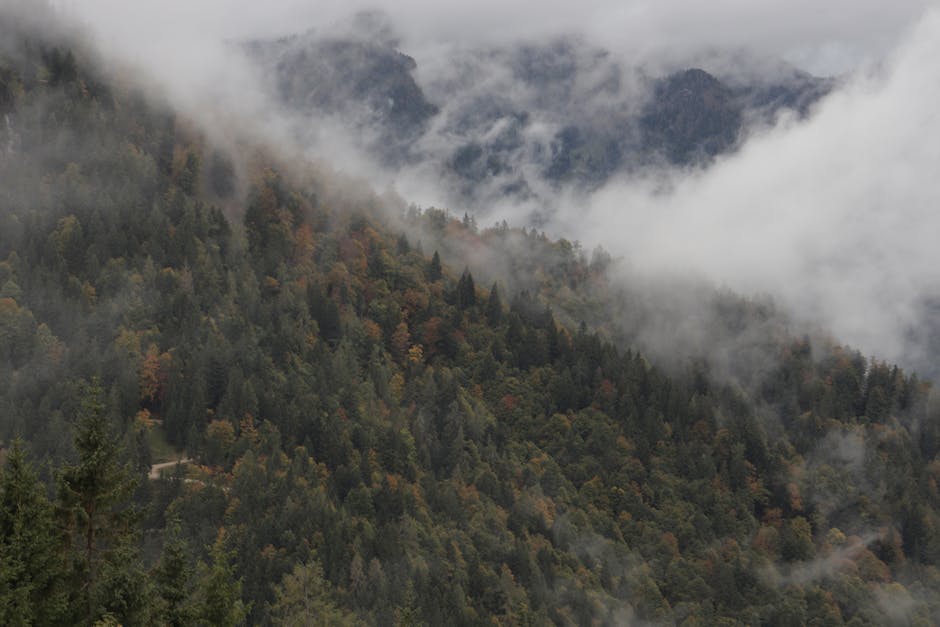
    misty Korean forest trail hidden valley healing nature

    Why “Hidden” Healing Spots Matter More Than Ever in 2026

    South Korea’s urban density is staggering. According to Statistics Korea’s 2025 data, over 91% of the population lives in urban or semi-urban areas. The average Seoul resident spends roughly 8.4 hours per day in front of screens — a number that has only inched upward since 2023. Burnout rates among workers in their 30s and 40s have reached a 12-year high according to the Korean Occupational Safety and Health Agency’s latest report.

    The concept of shinrin-yoku (森林浴) — forest bathing, originally a Japanese therapeutic practice — has gained serious scientific traction in Korea too. A 2024 study published in the Korean Journal of Environmental Health found that just 120 minutes of immersive forest exposure reduced cortisol levels by an average of 23% in urban participants. That’s not a small number. That’s the equivalent of nearly two weeks of regular sleep improvement — from a single weekend.

    The catch? Popular spots like Nami Island or Seoraksan get so congested that the restorative effect is largely canceled out by the crowds and noise. This is exactly why discovering the genuinely off-the-beaten-path locations isn’t just a preference — it’s practically a medical necessity for effective rest.

    Korea’s Best-Kept Natural Healing Destinations Right Now

    Here’s where it gets exciting. Let me walk you through some spots that deserve far more attention than they receive:

    • Mureung Valley (무릉계곡), Donghae, Gangwon-do: Often overshadowed by its flashier neighbors, this valley offers some of the most pristine granite rock formations and crystal-clear streams in the country. The trail system is well-maintained but rarely crowded on weekdays. Pro tip: arrive before 8am to have the entire lower valley almost entirely to yourself.
    • Gongryong Ridge (공룡능선), Outer Seoraksan: Most visitors only do the inner trails. The outer ridge, accessible from Osaek, rewards the more determined hiker with panoramic views and near-total solitude. It’s strenuous — plan for 6+ hours — but the emotional payoff is extraordinary.
    • Byeongsanbando National Park, North Jeolla Province: This coastal park is the great forgotten gem of Korean nature tourism. Ancient pine forests meet dramatic sea cliffs without a single resort hotel in sight. It’s genuinely quiet here, even in peak season.
    • Unbong Wetland Ecological Park (운봉 생태공원 일대), near Namwon: Technically not a park in the flashy sense — it’s a series of wetland habitats that most people drive straight past. Birdwatchers and solo walkers who know about it treat it like a private secret. Seasonal wildflowers from April through June are absolutely stunning.
    • Hamyang Saneum Recreational Forest (함양 산음 자연휴양림): Government-managed but wonderfully undervisited, this forest in South Gyeongsang Province has overnight cabin options, silent walking trails, and a therapeutic smell of pine resin that hits you immediately upon arrival.

    Domestic & International Comparisons: What Makes Korea Unique

    Internationally, the concept of “healing tourism” is booming. Japan’s Yakushima Island, New Zealand’s Fiordland, and Norway’s Lofoten Islands consistently top global wellness travel lists. What they share is a combination of accessibility, preserved wilderness, and intentional slowness.

    Korea’s hidden gems offer something arguably more compelling for residents: proximity without sacrifice. Mureung Valley is 3.5 hours from Seoul by bus. Byeongsanbando is accessible by KTX to Jeonju followed by a short transfer. You don’t need a passport, a 12-hour flight, or an expensive travel agent.

    Domestically, compare this to the over-commercialized Jeju Island experience in 2026 — which, while beautiful, now features traffic jams on the Olle trails and cafes on nearly every scenic overlook. The hidden spots listed above deliberately lack Instagram infrastructure, which is precisely what makes them heal.

    Korean coastal pine forest wetland wildflowers quiet nature walk

    Practical Planning: Making the Healing Actually Happen

    Here’s the honest part most travel blogs skip: knowing about a hidden spot and actually going there are two very different things. Let’s be realistic about the logistics:

    • Transportation: Several of these locations require a car or a combination of intercity bus and local taxi. Apps like Kakao T and Naver Maps are your best friends — they show real-time public transit options even for rural areas.
    • Accommodation: Look beyond pension villages (팬션). Korea’s jayeon hueyang (자연휴양림) system — government-run forest recreational forests — offers affordable cabins that book up fast. Reserve through the National Recreation Forest Reservation System (숲나라) at least 3–4 weeks in advance.
    • Best seasons: Spring (April–May) and autumn (October–November) are ideal for most of these spots. Summer is manageable for coastal parks but the humidity in inland forest areas peaks in late July and August.
    • What to leave behind: Seriously consider the “dumb phone weekend” trend that’s picked up in Korea’s wellness communities this year. Multiple offline digital detox retreat programs now operate in Gangwon-do, and even just leaving your primary phone in airplane mode changes the quality of attention you bring to natural spaces.

    Realistic Alternatives If You Can’t Go Far

    Not everyone can take a weekend trip on short notice — kids, work schedules, budgets, health conditions. That’s a real constraint worth acknowledging. But the principle of natural micro-healing can still apply closer to home:

    Seoul’s Bukhansan National Park, while not hidden, has less-frequented eastern ridge trails that feel genuinely remote. Daejeon’s Gyeryongsan offers a meaningful forest experience with only a 90-minute KTX ride. Even urban ecological parks like Seoul Forest’s quieter back sections — visited early on a Tuesday morning — can provide a meaningful cortisol reset in 45 minutes flat.

    The goal isn’t perfection. The goal is intentional, regular contact with natural environments that don’t demand anything from you. Even imperfect access to nature beats none at all.

    Editor’s Comment : What strikes me most about Korea’s hidden healing spots is that they’re hidden largely because we’ve been trained to look for places that look good on a screen rather than feel good in a body. The most restorative experiences I’ve researched for this piece share one common thread: they’re quiet enough that you can actually hear your own breathing again. In 2026, that might be the rarest luxury of all. Start small — even one of these spots, even for a single overnight — and pay attention to how different you feel when you return. Your nervous system will thank you before your Instagram followers ever will.

    태그: [‘hidden healing spots Korea’, ‘Korean nature travel 2026’, ‘secret natural destinations Korea’, ‘forest bathing Korea shinrin-yoku’, ‘wellness travel Korea’, ‘off the beaten path Korea’, ‘nature healing travel Korean’]


    📚 관련된 다른 글도 읽어 보세요

  • 2026년 국내 비밀 명소 자연 힐링 여행지 추천 – 아직 덜 알려진 진짜 쉼터 7곳

    작년 가을, 지인 한 명이 SNS에 사진 한 장을 올렸어요. 안개가 낮게 깔린 계곡 위로 단풍이 내려앉은 풍경이었는데, 댓글마다 “어디야?”라는 질문이 쏟아졌죠. 그런데 그 지인은 끝내 장소를 공개하지 않았어요. 이유를 물었더니 이렇게 말하더라고요. “이 장소가 유명해지면 내가 갈 수 없게 될 것 같아서요.”

    그 말이 꽤 오래 머릿속에 남았어요. 우리가 흔히 ‘힐링 여행’을 떠나면서도, 정작 그 목적지가 이미 수십만 명이 다녀간 인스타 핫플인 경우가 많잖아요. 진짜 자연 속 고요함을 찾으려면, 조금 더 깊이 파고들어야 한다고 봅니다. 그래서 오늘은 2026년 기준으로도 아직 상대적으로 덜 알려진, 국내 자연 힐링 비밀 명소들을 함께 살펴보려 해요.

    hidden nature healing travel Korea misty valley forest

    📊 본론 1 – 수치로 보는 ‘오버투어리즘’과 비밀 명소의 가치

    한국관광공사의 2025년 국내 여행 행태 조사에 따르면, 국내 여행객의 약 68%가 동일한 상위 10개 관광지에 집중되는 현상이 나타났어요. 설악산 국립공원 단일 탐방로에만 연간 방문객이 약 120만 명을 넘기도 했고요. 반면, 국립공원 외 자연보호구역으로 분류된 지역 중 연간 방문객 수가 1만 명 미만인 곳이 전국에 200여 곳 이상 존재한다는 사실은 잘 알려지지 않았어요.

    이 수치가 시사하는 건 꽤 명확해요. 대다수의 사람들이 몇 개의 유명 명소에 몰리는 동안, 우리 땅 어딘가에는 여전히 조용하고 깊은 자연이 숨어 있다는 거죠. 심리학적으로도 ‘자연 속 고독감’은 코르티솔(스트레스 호르몬) 수치를 평균 20~30% 낮추는 효과가 있다고 알려져 있어요. 사람이 붐비는 관광지에서는 이 효과가 절반 이하로 줄어든다는 연구 결과도 있고요.

    🗺️ 본론 2 – 국내외 사례로 보는 ‘슬로우 트래블’의 부상

    일본의 경우, ‘우라(裏) 관광’이라는 개념이 2020년대 초부터 본격적으로 확산되었어요. 교토나 도쿄의 유명 관광지를 피하고, 지역 주민들만 아는 골목 신사나 산 속 온천마을을 찾아다니는 여행 방식이에요. 이 트렌드는 단순한 여행 스타일을 넘어서, 지역 경제 활성화와 생태계 보전이라는 두 마리 토끼를 동시에 잡는 모델로 주목받고 있어요.

    국내에서도 비슷한 흐름이 감지되고 있어요. 2026년 현재, 강원도 영월군과 전남 곡성군은 ‘소규모 생태 관광 인증제’를 도입해 방문객 수를 하루 일정 인원으로 제한하는 방식의 프리미엄 힐링 투어를 시범 운영 중이라고 봅니다. 이미 신청 대기 인원이 수천 명을 넘어섰다는 후기들이 나오고 있는 걸 보면, 사람들의 수요는 분명히 바뀌고 있는 것 같아요.

    🌿 추천! 2026년 국내 자연 힐링 비밀 명소 7곳

    • 강원도 인제 – 방태산 자연휴양림 : 설악산보다 훨씬 조용하지만 단풍과 계곡의 밀도는 전혀 뒤지지 않아요. 오토캠핑 구역과 숲속의 집이 마련되어 있어서 1박 2일 일정으로 딱이에요.
    • 전북 진안 – 마이산 남부 탐방로 : 탑사 쪽 인파와 달리, 남부 방면 계곡 트레킹 코스는 주중에는 거의 독채처럼 이용할 수 있어요. 돌탑의 신비로운 풍경과 조용한 계곡이 공존하는 곳이에요.
    • 경남 거창 – 월성계곡 : 합천 해인사 인근 유명 계곡에 가려 있지만, 수질과 주변 숲의 밀도는 오히려 더 뛰어나다는 평이 많아요. 물놀이보다는 멍때리기용 계곡으로 추천해요.
    • 충북 괴산 – 갈론계곡 : 속리산 권역이지만 주요 탐방로가 아닌 덕분에 여름에도 한적해요. 계곡 물이 맑고 수온이 낮아 진짜 ‘냉각 힐링’이 가능한 곳이에요.
    • 전남 담양 – 금성산성 숲길 : 죽녹원에 비해 훨씬 덜 알려진 코스예요. 성곽을 따라 걷는 숲길에서 담양 평야가 한눈에 내려다보이는데, 조망이 꽤 장엄해요.
    • 경북 봉화 – 청량산 자연휴양림 : 청량산 자체는 알려져 있지만 휴양림 쪽은 의외로 한산해요. 독립된 통나무집 숙소에서 낙동강 상류 소리를 들으며 자는 경험은 꽤 특별해요.
    • 제주 서귀포 – 돈내코 계곡 상류 : 돈내코 입구는 알려져 있지만 상류 탐방로는 상대적으로 한산해요. 제주 원시림의 밀도가 가장 진하게 느껴지는 구간이라고 봐요.
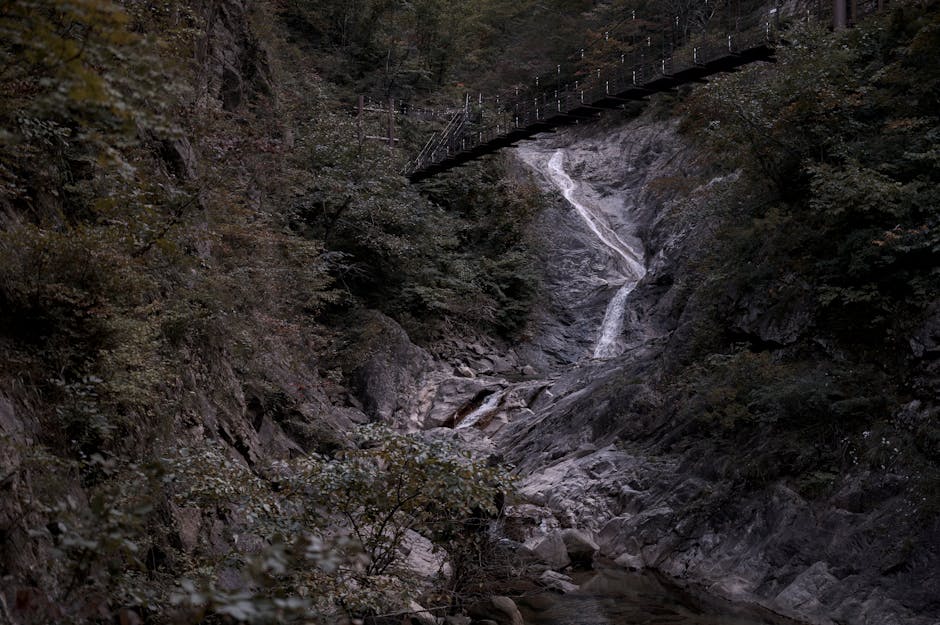
    Korea secret nature spot forest waterfall tranquil hiking trail

    🧭 결론 – 진짜 쉼이란 발품을 팔아야 찾을 수 있다

    이 장소들의 공통점은 하나예요. 대중교통보다는 자가용이 편하고, 정보가 많지 않아서 직접 지자체나 국립공원 홈페이지를 찾아봐야 한다는 거예요. 하지만 그 ‘수고로움’ 자체가 힐링의 일부인 것 같아요. 떠나기 전부터 기대감으로 설레고, 도착했을 때의 고요함이 더 크게 느껴지는 여행이죠.

    한 가지 덧붙이자면, 비밀 명소를 찾았을 때 SNS에 정확한 위치 태그를 남기는 것에 대해서는 한 번쯤 고민해보는 게 좋을 것 같아요. 자연 생태계와 지역 커뮤니티를 위해서라도, 우리가 받은 고요함을 조금은 아껴두는 여행 태도가 2026년에는 더 필요한 미덕이라고 봅니다.

    에디터 코멘트 : 완벽한 힐링 여행지는 예약 버튼 클릭 한 번으로 찾아지지 않아요. 위에 소개한 곳들도 시즌에 따라 접근 제한이 생기거나 예약이 빠르게 마감될 수 있으니, 방문 전 해당 군청 또는 국립공원 공단 홈페이지에서 최신 운영 정보를 꼭 확인해보세요. 그리고 되도록 평일 방문, 쓰레기 되가져오기, 취사 지역 외 화기 사용 금지 – 이 세 가지만 지켜줘도 이 명소들이 오래 ‘비밀’로 남을 수 있을 거라 생각해요.

    태그: [‘국내힐링여행’, ‘비밀명소’, ‘자연여행2026’, ‘슬로우트래블’, ‘국내여행추천’, ‘숨은여행지’, ‘자연힐링’]


    📚 관련된 다른 글도 읽어 보세요

  • Surviving Long-Haul Flights with Toddlers in 2026: Honest Tips, Real Stories & What Actually Works

    Let me paint you a picture: It’s 11 PM at 35,000 feet, your 18-month-old has just launched a half-eaten rice cracker across the aisle, your seat-back screen is frozen, and the passenger in front has fully reclined their seat into your lap. Sound familiar? If you’ve ever traveled long-haul with a baby or toddler, you know this is less “adventure” and more “survival exercise.”

    But here’s the thing — I’ve done the Seoul-to-Los Angeles route twice with my daughter before she turned three, and I lived to write about it. More importantly, I picked up genuinely useful strategies that no parenting book seems to spell out clearly. Let’s think through this together, because what works isn’t always what the Instagram travel moms suggest.

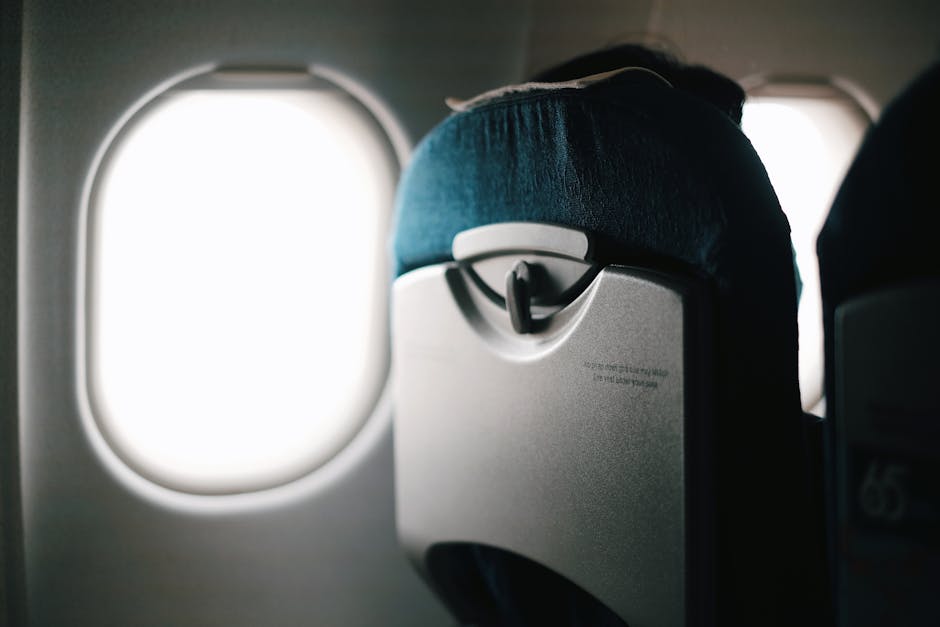
    toddler airplane travel family long-haul flight 2026

    🛫 The Numbers Don’t Lie: Why Long-Haul with Little Ones Is Genuinely Hard

    Before we dive into solutions, let’s acknowledge the reality. A long-haul flight — typically defined as anything over 6 hours — is physiologically rough on adults. For children under 3, whose circadian rhythms are still developing and whose ears are more sensitive to pressure changes, it’s exponentially harder. According to pediatric aviation health data reviewed in early 2026, children aged 6 months to 2 years are statistically the most disruptive age group on flights, not because parents are careless, but because that developmental window is genuinely the most challenging for environmental adaptation.

    Popular routes like Incheon–London (about 12 hours), Tokyo–New York (roughly 13–14 hours), and Seoul–Sydney (10+ hours) represent serious marathons for little bodies. Understanding this helps you plan realistically, not optimistically.

    🎒 Pre-Flight Prep: The 80% Rule

    Here’s a framework I swear by: 80% of your in-flight success is determined before you board. The chaos you manage on the plane is largely a reflection of how well you prepared at home. Let’s break this down practically.

    • Book the bassinet row early (and strategically): Bulkhead bassinet seats are gold for infants under roughly 10–11 kg. But they come with a catch — no under-seat storage, and the fixed armrests can be awkward. Book these as soon as your ticket is confirmed, and call the airline directly to lock it in. Most airlines including Korean Air, Asiana, and major international carriers fill these fast in 2026.
    • Time your flight around sleep schedules: Red-eye flights are your friend with toddlers. A flight departing at 10–11 PM local time means you’re boarding right around their natural sleep window. The first 4–5 hours can be surprisingly calm if bedtime routine is intact.
    • Pack a dedicated “magic bag” of novelty items: Not their usual toys. Go to a dollar store or grab inexpensive new items they’ve never seen before. The novelty factor buys you time — often 15–20 minutes per new item, which adds up significantly on a 12-hour flight.
    • Download content offline ahead of time: In-flight Wi-Fi is inconsistent in 2026 despite improvements. Download favorite shows on Netflix, YouTube Kids, or Disney+ before departure. Bring a lightweight tablet with a toddler-proof case.
    • Pre-pack snacks that aren’t messy or crunchy: Think: pouched applesauce, soft cheese sticks, small crackers in a zip bag. Avoid anything that crumbles or smells strongly. Your seat neighbors will silently thank you.
    • Ear pressure management: For infants, breastfeeding or bottle-feeding during ascent and descent helps equalize ear pressure through swallowing. For toddlers old enough, a lollipop or chewing gum works beautifully. Pediatricians often suggest saline nasal spray before boarding if the child has any congestion.
    • Dress in layers — for everyone: Cabin temperatures fluctuate wildly. Bring a light zip-up for your child that’s easy on and off. Avoid anything with lots of buttons or snaps — you’ll be changing in a bathroom the size of a shoebox.

    ✈️ Real Parent Stories: What Different Families Actually Experienced

    Let’s look at some real-world scenarios to ground this in reality rather than theory.

    Case 1 — The Seoul to Frankfurt Route (Korean Family, 2026): A mother of a 2-year-old shared her experience on a popular Korean parenting community this past January. She’d prepared obsessively — new sticker books, snack pouches, a mini light-up toy, downloaded Paw Patrol episodes. Her verdict? “The first 4 hours were fine. The middle stretch was rough. The last 3 hours she slept.” Her key takeaway: the middle stretch is always the hardest on long flights, and knowing that helped her stay mentally prepared rather than panicking when it happened.

    Case 2 — The Sydney to London Ultra-Long-Haul (Australian Family): A travel blogger documented their experience on the Qantas Project Sunrise-inspired long-haul service earlier in 2026. With a 20-month-old, they used the airline’s provided infant meal, brought a compact travel mat for the floor (some airlines now tolerate this on long flights when space allows), and rotated entertainment every 20 minutes to prevent screen fatigue. Their biggest recommendation? Ask flight attendants for help without hesitation. Most long-haul crews in 2026 are well-trained for infant travel and genuinely want to help — but they won’t always offer unless asked.

    Case 3 — Budget vs. Full-Service Carriers: This is a comparison worth making seriously. Low-cost carriers like AirAsia or Scoot can seem attractive on price, but they typically don’t offer bassinets, have less overhead storage, and have stricter limits on carry-on liquids including baby formula. For flights under 5 hours, budget carriers are manageable. For 8+ hours with an infant, the difference in service quality on full-service carriers often justifies the price gap — especially when you factor in the free baby meal, bassinet, and a more relaxed attitude toward milk bottles going through security.

    baby bassinet airplane seat toddler travel snacks packing

    🧠 In-Flight Sanity: Moment-to-Moment Strategy

    Even the best preparation meets turbulence — literally and figuratively. Here’s what to do once you’re actually in the air.

    • Use the walk-around method: A slow lap around the cabin every 45–60 minutes gives your toddler stimulation and breaks the confinement frustration. Most children calm down significantly just from being upright and moving.
    • Tag-team with your partner: If you’re flying with another adult, schedule “shifts” explicitly. One sleeps while the other manages. Flying solo with a toddler is genuinely hard — if that’s your situation, choose aisle seats so you can move freely, and consider booking a seat next to the galley area where crew can keep an eye out.
    • Don’t fight the schedule — adapt to it: If your toddler falls asleep at an “inconvenient” time, let them. Don’t try to keep them awake to preserve the night schedule — a sleeping child on a plane is a gift, full stop.
    • Bring a portable white noise app or small speaker: Cabin noise actually helps many toddlers sleep. An app like Calm Baby or a white noise track can bridge the gap when they’re overtired but overstimulated.

    🌍 Realistic Alternatives: What If It’s Just Too Much?

    Now, here’s where we get honest. Long-haul with infants isn’t always the right call, and sometimes the best tip is: consider whether now is the right time.

    If your trip is flexible and your child is currently in the 10–18 month window (often the hardest age for flight — mobile enough to resist restraint, not old enough to understand reasoning), it’s worth asking whether waiting 6–9 months changes your experience dramatically. At age 2.5–3, children can engage with tablets, respond to simple bargaining, and follow basic instructions. The flight experience genuinely improves.

    If the trip is non-negotiable — a family event, a relocation, a long-awaited reunion — then commit fully to the prep strategy above. Don’t half-prepare hoping it’ll be fine. It might be! But preparation is your insurance policy.

    Also worth considering: stopovers as a strategy, not a delay. A 14-hour direct flight versus two 7-hour flights with a layover in Singapore or Dubai might seem like more travel, but it gives everyone a reset. A few hours in an airport lounge with space to run around can re-energize a toddler dramatically. Many families in 2026 are choosing this intentionally rather than just for scheduling reasons.

    Editor’s Comment : Flying long-haul with a tiny human is one of those experiences that will feel completely impossible in the planning stage, chaotic in the middle, and — somehow — totally worth it when you look back. The key is adjusting your expectations: this isn’t a relaxing flight, it’s a mission. Plan like it, staff yourself accordingly, and give yourself full credit for attempting it at all. You’ve got this.

    태그: [‘long haul flight with toddler’, ‘baby airplane travel tips 2026’, ‘flying with infants’, ‘toddler travel hacks’, ‘family travel 2026’, ‘airplane bassinet tips’, ‘international travel with kids’]


    📚 관련된 다른 글도 읽어 보세요

  • 영유아 동반 장거리 비행 꿀팁 총정리 2026 | 아기와 비행기 타기 전 꼭 읽어야 할 후기

    첫째 아이가 18개월이던 때, 남편과 저는 무려 12시간짜리 유럽행 비행기에 올랐습니다. 출발 전날 밤, 기저귀는 몇 장이나 챙겨야 하는지, 이륙할 때 아이가 울면 어떻게 해야 하는지, 옆자리 승객에게 미리 사탕이라도 돌려야 하는지까지 진지하게 고민했죠. 지금 돌이켜 보면 그 긴장감이 오히려 준비를 철저하게 만들어 줬던 것 같아요. 그리고 그 경험 덕분에 지금은 영유아 동반 비행의 ‘나름 베테랑’이 되어버렸습니다. 오늘은 그 경험담과 함께, 2026년 현재 가장 현실적으로 검증된 꿀팁들을 함께 정리해 볼게요.

    baby airplane travel long flight family

    📊 숫자로 보는 영유아 비행의 현실 — 얼마나 힘든가요?

    먼저 냉정하게 현실을 직시해 봅시다. 국제 항공 여행 통계에 따르면, 만 2세 이하 영아를 동반한 승객의 약 68%가 비행 중 수면 문제를 경험한다고 보고됩니다. 또한 비행 시간이 8시간을 초과하는 경우, 기내 기압 변화로 인한 귀 통증(항공성 중이염)을 호소하는 영유아 비율이 그 이하 비행 대비 약 2.3배 높다는 소아과학 연구 결과도 있어요.

    특히 생후 6개월~24개월 사이 시기가 가장 까다롭다고 봅니다. 이 시기 아이는 움직임 욕구가 폭발적으로 늘어나는 반면, 아직 상황을 논리적으로 이해할 수 없어서 좁은 좌석 공간에서의 제약을 그대로 울음으로 표현하거든요. 평균 좌석 폭이 약 43~46cm에 불과한 이코노미 클래스에서 이 아이들을 품에 안고 10시간을 버텨낸다는 건 부모에게도 상당한 체력전입니다.

    하지만 반대로 생각하면, 준비가 잘 된 경우 절반 이상의 가족이 ‘생각보다 괜찮았다’고 회고한다는 것도 주목할 만해요. 결국 이건 운보다 준비의 싸움이라고 봅니다.

    🌍 국내외 부모들은 어떻게 하고 있을까요?

    일본의 육아 커뮤니티 ‘Mamatalk’에서 2025년 말 진행된 설문에 따르면, 영유아 동반 장거리 비행에서 가장 효과적이었던 대처법 1위는 ‘바시넷(Bassinet) 좌석 사전 예약’이었고, 2위는 ‘이착륙 시 수유 또는 노리개 젖꼭지 활용’, 3위는 ‘태블릿 및 신규 장난감 활용’이었습니다.

    국내에서도 네이버 카페 ‘맘스홀릭베이비’, 육아 커뮤니티 ‘아이맘’ 등에서 공유되는 장거리 비행 후기를 보면 공통적인 패턴이 보입니다. 성공한 케이스의 대부분은 아이의 생활 리듬을 비행 스케줄에 맞춰 미리 조정했다는 점이에요. 출발 3~5일 전부터 아이의 낮잠 및 취침 시간을 목적지 시간대에 맞춰 서서히 이동시켜 준 거죠. 이게 시차 적응 뿐만 아니라 기내에서 잠드는 타이밍을 자연스럽게 유도하는 데도 큰 도움이 된다고 봅니다.

    toddler bassinet seat airplane baby care travel tips

    ✈️ 실전 꿀팁 — 출발 전부터 도착까지 단계별 정리

    • [예약 단계] 바시넷 좌석은 빠를수록 좋아요: 바시넷(기내 아기 침대)은 보통 앞쪽 벽면 좌석(벌크헤드 시트)에만 설치 가능하고 수량이 제한적입니다. 항공사마다 다르지만 생후 6개월~체중 11kg 이하 아이에게만 제공되니 예약 즉시 확인 및 신청하는 것이 좋아요. 에미레이트항공, 싱가포르항공 등 주요 국제선 항공사는 예약 시 특별 서비스(SPML, 유아식) 동시 신청도 가능합니다.
    • [짐 준비] ‘기내 가방’을 따로 꾸려요: 위탁수하물과 별도로 기내 반입 가방에는 최소 기저귀 1시간당 1장 기준으로 계산해 여유분까지 챙기세요. 10시간 비행이라면 최소 15장 이상을 권장합니다. 여기에 갈아입을 옷 2벌(아이용 + 부모용 각 1벌씩), 젖병/분유, 소독 티슈, 상비약(해열제, 귀 통증 완화 연고)을 필수로 넣어두세요.
    • [이착륙 구간] 귀 통증 예방이 핵심: 이착륙 시 기압 변화가 가장 급격한데, 이때 아이가 삼키는 동작을 하면 귀 안의 압력이 조절됩니다. 모유나 분유 수유, 젖꼭지, 이유식 시기라면 과자 한 조각도 좋아요. 수유가 어렵다면 물이라도 한 모금씩 마시게 해주는 게 효과적이라고 봅니다.
    • [비행 중] ‘신규 장난감 전략’을 써보세요: 집에서 늘 갖고 놀던 장난감은 금방 지루해해요. 출발 일주일 전부터 아이에게 보여주지 않은 새 장난감 2~3개를 준비해 뒀다가, 비행기 안에서 처음 꺼내주면 집중력이 확실히 올라갑니다. 스티커북, 모래놀이 대체 점토, 조용한 음악 장난감 등이 인기있어요.
    • [수면 유도] 빛과 소리 차단이 관건: 기내는 생각보다 소음이 많고 조명도 완전히 꺼지지 않는 경우가 많아요. 영아용 귀마개(이어머프)와 작은 담요로 아늑한 환경을 만들어 주면 수면에 도움이 됩니다. 백색소음 앱을 이어폰 없이 작게 틀어주는 방법도 효과적이에요.
    • [부모 교대] 혼자서 감당하려 하지 마세요: 가능하다면 두 명의 성인이 함께 여행하고, 최소 2시간 단위로 아이를 교대로 돌보세요. 부모 중 한 명이 완전히 번아웃되면 나머지 여행 전체가 힘들어집니다. 혼자 아이를 데리고 여행하는 경우라면, 탑승 시 승무원에게 먼저 도움을 요청하는 게 현명해요. 대부분의 항공사 승무원은 영유아 동반 승객 지원에 훈련이 되어 있습니다.
    • [항공사 선택] 장거리 영유아 친화 항공사를 우선하세요: 2026년 현재 기준으로 싱가포르항공, 에미레이트항공, 전일본공수(ANA)는 영유아 서비스 만족도 조사에서 꾸준히 상위권을 기록하고 있습니다. 기내 유아식 품질, 바시넷 구비 수량, 가족 전용 체크인 데스크 운영 여부를 비교해 보는 것이 좋아요.

    💊 알아두면 유용한 의학적 주의사항

    생후 7일 이하 신생아는 대부분의 항공사에서 탑승이 불가하거나 의사 소견서를 요구합니다. 또한 생후 2주~4주 미만 아이의 경우에도 항공사마다 별도 규정이 있으니 예약 전 반드시 확인하세요. 비행 전 소아과 방문을 통해 귀 상태를 체크하고, 중이염이나 감기 증상이 있다면 비행을 연기하는 것이 아이에게도, 주변 승객에게도 나은 선택이라고 봅니다.

    고도 1만 미터 이상의 기내는 산소 농도가 지상보다 낮고 습도도 10~20% 수준으로 매우 건조해요. 아이의 피부와 점막이 쉽게 건조해지므로 수시로 수분을 보충해 주고, 보습 크림도 챙기는 게 좋습니다.

    🧳 체크리스트 — 기내 반입 가방 필수 아이템

    • 기저귀 (비행시간 + 4시간 분량)
    • 물티슈 2팩 이상
    • 갈아입힐 옷 (아이 2벌, 부모 각 1벌)
    • 수유용품 (젖병, 분유 또는 모유 보관팩)
    • 이유식 또는 간식 (액체류는 100ml 이하로 분리)
    • 상비약 (해열제, 소화제, 귀 통증 완화제)
    • 신규 장난감 2~3개
    • 영아용 이어머프 (소음 차단용)
    • 얇은 담요 또는 포대기
    • 비닐봉지 (오염된 기저귀 및 옷 임시 보관용)

    에디터 코멘트 : 솔직히 영유아 동반 장거리 비행은 ‘즐거운 여행’이 아니라 ‘전략적 작전’에 가깝습니다. 처음엔 미안함과 불안감이 뒤섞이지만, 준비가 충분할수록 그 감정은 훨씬 줄어들어요. 완벽한 비행은 없어요. 아이가 울 수도 있고, 계획이 틀어질 수도 있습니다. 하지만 그 경험이 쌓여서 부모도 성장하는 것 같아요. 이 글이 2026년 봄, 어딘가의 공항에서 긴장된 마음으로 탑승구를 기다리는 부모님께 조금이나마 도움이 되길 바랍니다. 잘 다녀오세요! 🍼✈️

    태그: [‘영유아동반비행’, ‘아기와비행기’, ‘장거리비행꿀팁’, ‘육아여행’, ‘기내아기짐싸기’, ‘바시넷예약’, ‘해외여행육아’]


    📚 관련된 다른 글도 읽어 보세요