Author: likevinci

  • Hidden Gems in Korea 2026: Secret Travel Spots Locals Actually Recommend (And Won’t Tell Tourists)

    Let me tell you something that happened to a friend of mine last spring. She spent three days in Seoul hitting every spot on the “Top 10 Korea Travel” list — Gyeongbokgung, Bukchon Hanok Village, Myeongdong — and came back feeling vaguely disappointed. Not because those places aren’t beautiful, but because she felt like she was shuffling through a museum with 10,000 other people. Then, on her last afternoon, a local shopkeeper in Ikseon-dong quietly whispered: “If you really want to feel Seoul, go to Mangwon market at 7am.” That single tip transformed her entire trip.

    That’s the magic of locally-kept secret travel spots — the Korean concept of 숨겨진 여행지 (hidden travel destinations). In 2026, with domestic tourism more saturated than ever thanks to post-pandemic wanderlust and short-form travel content flooding social media, finding genuinely off-the-beaten-path experiences has become both harder and more rewarding. So let’s think through this together — where are the real gems, and how do you actually find them?
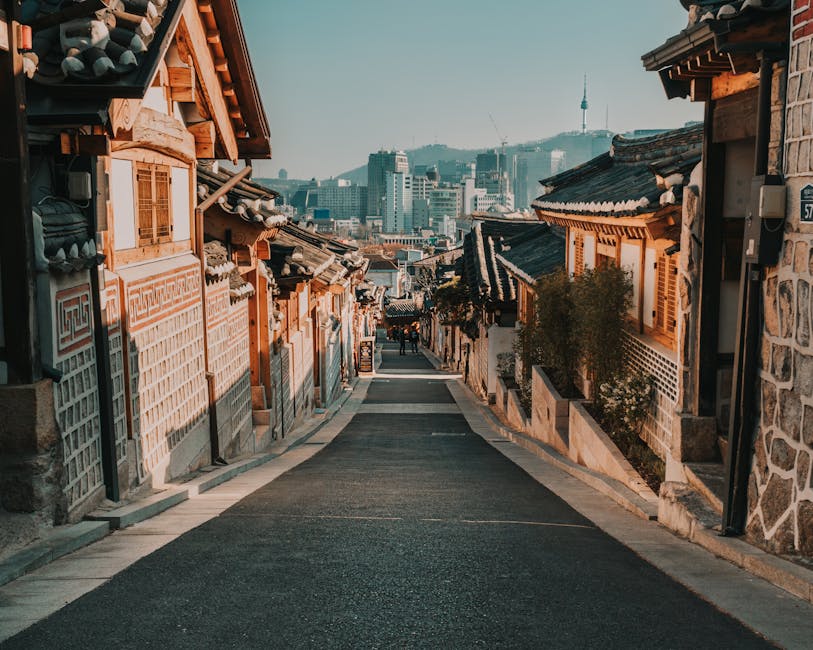
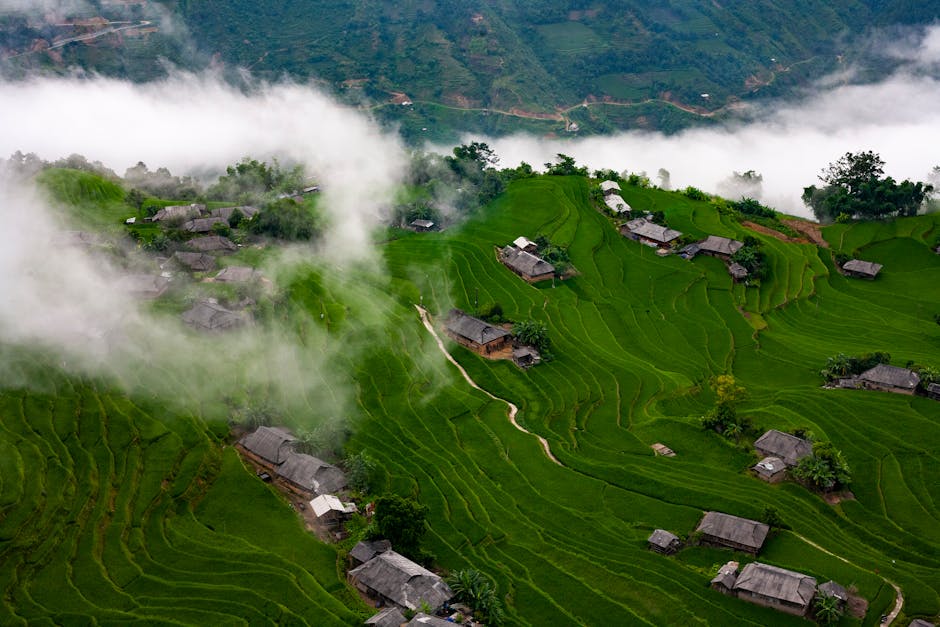
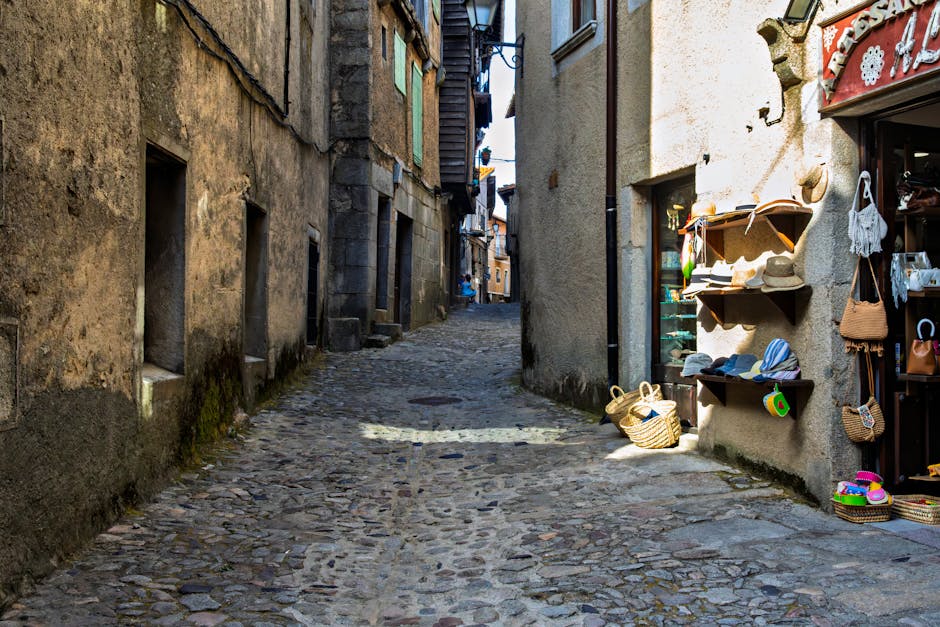
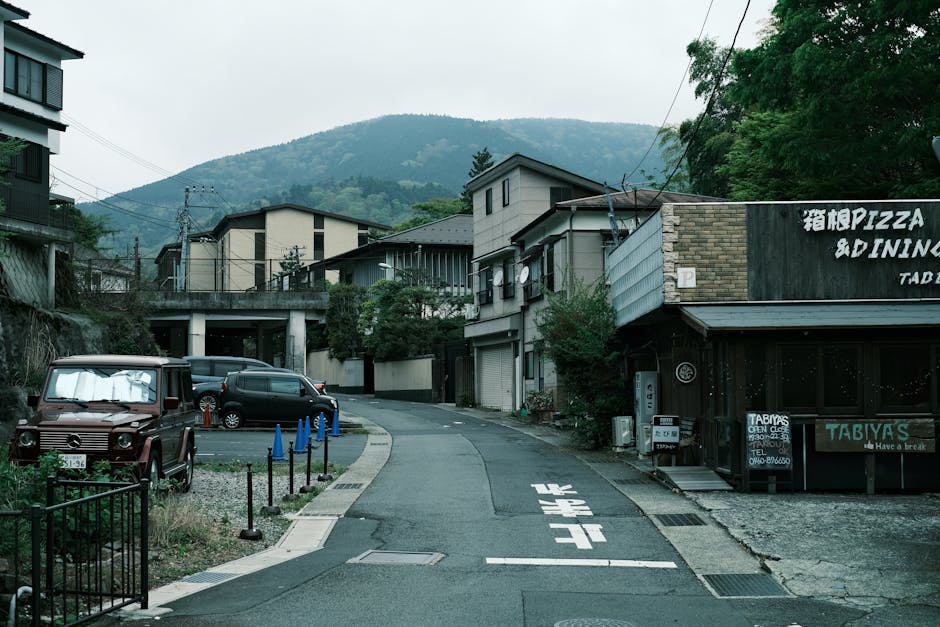
    hidden Korea travel village misty mountains local cafe secret alley

    Why Locals Know Better: The Data Behind Overcrowded Tourism

    According to the Korea Tourism Organization’s 2026 domestic travel report, the top 20 most-visited domestic destinations account for over 68% of all domestic tourist footfall — meaning the remaining thousands of destinations share just 32% of visitors. That’s a massive imbalance. Places like Jeju Island, Gyeongju, and Nami Island continue to see record numbers (Jeju alone welcomed over 15 million visitors in 2025), while entire regions like Gochang in North Jeolla Province or Uljin in North Gyeongsang Province quietly offer world-class experiences with a fraction of the crowd.

    The economic reality is also worth noting: locally-recommended spots tend to support small-scale family businesses rather than large tourism conglomerates. Your travel spending genuinely impacts the community — something more travelers in 2026 are consciously prioritizing.

    The Locally Recommended Secret Spots Worth Your Time in 2026

    Here’s where it gets exciting. I’ve gathered tips from local travel communities, Korean lifestyle forums like Naver Café travel boards, and conversations with regional tourism insiders. These aren’t just pretty — they each have a distinct character that mass-tourism destinations often lose.

    • Gochang Unification Park & Juknokwon Bamboo Forest, North Jeolla: Yes, Damyang gets all the bamboo forest fame — but Gochang’s bamboo groves feel genuinely wild. Combine it with the UNESCO-listed Gochang Dolmen Sites and you have a full day of unhurried exploration. Local guesthouses here charge roughly ₩50,000–₩70,000 per night versus Jeju’s ₩150,000+ average.
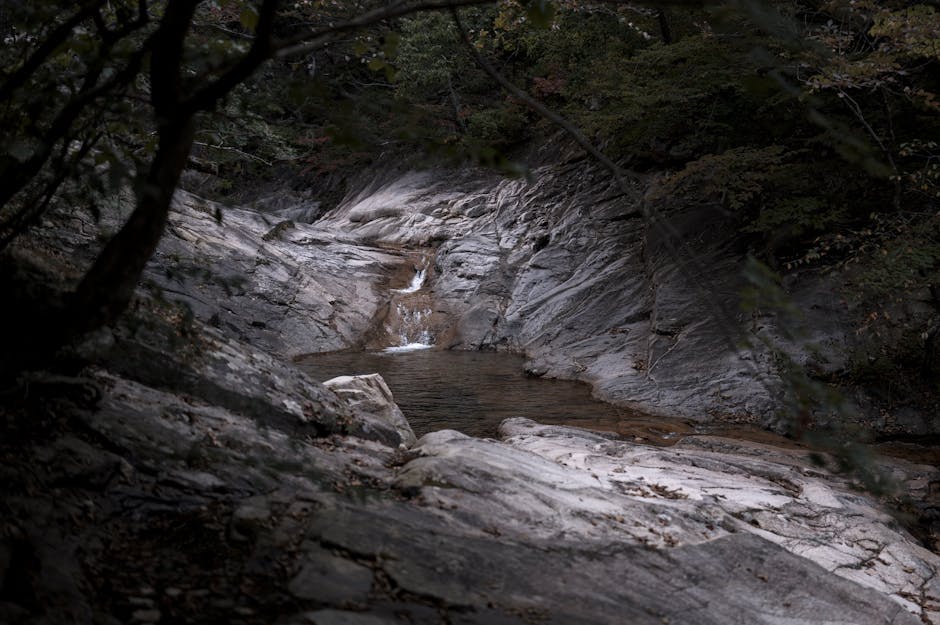
    • Uljin Bulyeong Valley, North Gyeongsang: A 15km forest trail through dramatic limestone cliffs and emerald streams. Locals call it “the canyon Seoul people haven’t found yet.” The nearby deungsim hanu (local grass-fed beef) at family-run restaurants is reason alone to make the trip.
    • Ganghwa Island’s Western Coast Mudflats (Ganghwado Seohae): Most visitors stick to Ganghwa’s historical fortresses — completely missing the haunting beauty of the western tidal flats at sunset. It’s a 90-minute bus ride from Seoul and feels like a different planet.
    • Hadong Ssanggyesa Temple Area, South Gyeongsang: While Haeinsa and Tongdosa get the tourist buses, Ssanggyesa sits along a wild tea-growing valley with cherry blossom tunnels in spring. The monk-run tea ceremony here is genuinely unhurried — you won’t be rushed for a photo op.
    • Yeongwol, Gangwon Province: This small town was the exile location of the tragic young Joseon king Danjong, and that melancholy history permeates every stone path. The Donggang River rafting here is legitimately thrilling, and the memil (buckwheat) cuisine is exceptional.
    • Boryeong Mud Flats (off-season visit), South Chungcheong: Everyone knows Boryeong for its summer mud festival, but visiting in October or November? The flats become this surreal, quiet landscape. Local fishermen sell fresh gejang (raw crab marinated in soy) right off their boats.

    How Locals Actually Find These Places: The Method Behind the Magic

    Let’s be real — Googling “hidden travel spots Korea” is inherently contradictory. The moment something trends, it stops being hidden. So here’s how Korean locals actually discover and share these spots in 2026:

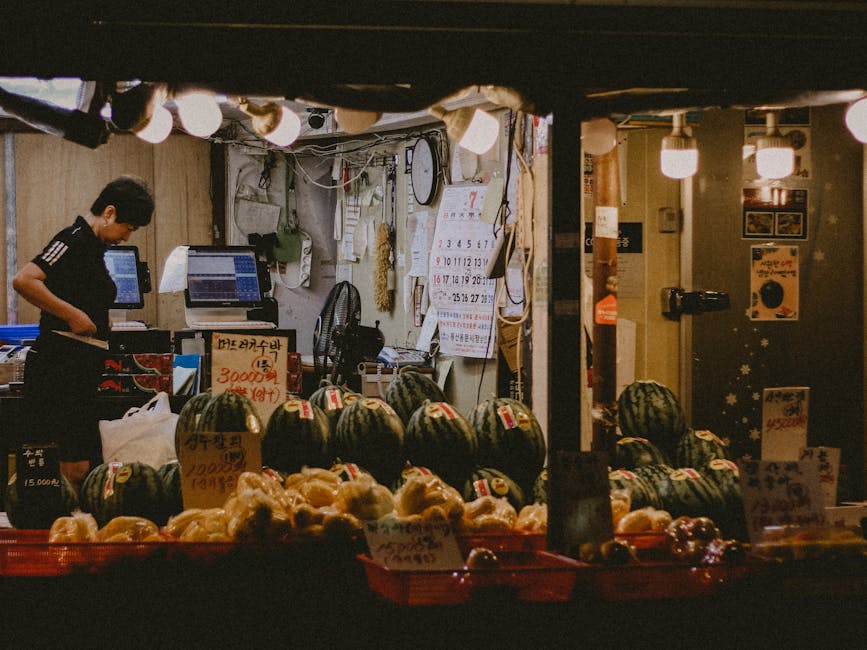
    Naver Café communities remain the gold standard. Unlike Instagram, these forums are text-heavy and search-indexed in Korean, creating a natural language barrier that keeps international tourist crowds thinner. Look for cafes tagged 여행 (travel) + specific province names. KakaoMap reviews in Korean often contain hyper-local tips that don’t appear in English-language travel content. And don’t underestimate asking your Airbnb or guesthouse host directly — in smaller towns especially, hosts take genuine pride in showing off their community’s less-photographed corners.
    Korean local market early morning fresh produce elderly vendor traditional alley

    Realistic Alternatives: When “Secret” Isn’t Practical for Your Trip

    Now, let’s think practically. Not every traveler can spend three weeks hunting down obscure valleys. If you’re on a tight schedule or visiting Korea for the first time, here’s a smarter middle-ground approach:

    • Visit popular spots at off-peak hours: Bukchon Hanok Village before 8am is genuinely magical and nearly empty. The experience difference is enormous.
    • Use popular spots as anchors, secret spots as fillers: Stay near Gyeongju (a major hub) but day-trip to Yangdong Folk Village — 20 minutes away, a fraction of the visitors, and equally stunning.
    • Follow the local lunch crowd: In any town, walk away from the tourist signage around noon and follow office workers. That restaurant with no English menu and a handwritten board? Almost always extraordinary.
    • Embrace Slow Travel in one region: Instead of the classic Seoul-Busan-Jeju triangle, consider spending your entire trip in a single province like Gangwon or Jeonnam. Depth beats breadth when it comes to authentic discovery.

    The truth is, Korea’s real travel wealth isn’t hidden because it’s hard to find — it’s hidden because most itineraries simply don’t slow down enough to look. In 2026, with travel content noisier than ever, the most radical travel choice you can make is going slower and asking locals.

    Editor’s Comment : The best travel experiences I’ve ever had in Korea weren’t on any list — they came from a grandma pointing me down an unmarked path, a market vendor insisting I try something I couldn’t identify, and a guesthouse owner drawing a hand-sketched map on a napkin. No algorithm curates those moments. Go off-script in 2026. Your most memorable trip is almost certainly waiting somewhere without a hashtag.

    태그: [‘hidden travel spots Korea 2026’, ‘secret Korean destinations locals recommend’, ‘off the beaten path Korea’, ‘domestic travel Korea 2026’, ‘Korea travel tips’, ‘authentic Korean travel experiences’, ‘underrated Korea travel destinations’]
    📚 관련된 다른 글도 읽어 보세요

  • 현지인만 아는 국내 비밀 여행지 2026 완전 정복 – 관광객 없는 진짜 한국

    지난 추석 연휴, 지인의 소개로 경북 어느 산골 마을에 들렀다가 깜짝 놀랐어요. 지도 앱에도 제대로 등록이 안 된 작은 저수지였는데, 수면 위로 비치는 단풍이 어찌나 고요하던지 — 그 순간 ‘이런 곳이 아직도 있구나’ 싶었습니다. 유명 관광지처럼 셀카봉 든 인파도, 줄 서서 기다리는 포토존도 없었어요. 그냥 그 마을에 수십 년째 살아온 어르신 혼자 낚시대를 드리우고 계셨을 뿐이죠.

    2026년 현재, 국내 여행 트렌드는 확연히 두 갈래로 나뉘고 있다고 봅니다. 한쪽에는 SNS 인증샷을 위해 몰리는 핫플레이스가 있고, 다른 한쪽에는 ‘진짜 그 지역의 온도’를 느끼고 싶어 현지인을 직접 찾아가는 여행자들이 늘어나고 있어요. 오늘은 후자를 위한 이야기를 해보려 합니다.

    hidden travel spot South Korea countryside quiet nature

    📊 숫자로 보는 ‘오버투어리즘’과 비밀 여행지의 부상

    한국관광공사가 2026년 초 발표한 자료에 따르면, 제주도·경복궁·부산 해운대 등 국내 10대 관광지는 성수기 기준 하루 평균 방문객이 각각 2만~8만 명에 달해 ‘포화 상태’라는 표현이 공공연히 쓰이고 있습니다. 반면, 같은 조사에서 응답자의 61.4%는 “덜 알려진 곳이라도 여유 있고 진정성 있는 여행을 원한다”고 답했어요. 수요는 분명히 있는데 정보가 없는 셈이죠.

    실제로 국내 숙박 예약 플랫폼 데이터를 보면, 2026년 1분기 기준 ‘비밀 여행지’, ‘현지인 추천’, ‘숨은 명소’ 관련 검색량이 전년 동기 대비 38% 이상 증가했다고 합니다. 알려지지 않은 곳을 찾는 여행자들의 갈증이 수치로도 드러나고 있는 거라 볼 수 있어요.

    🗺️ 현지인이 실제로 추천하는 국내 비밀 여행지 7곳

    아래 목록은 각 지역 커뮤니티, 로컬 가이드 인터뷰, 그리고 직접 발품을 팔아 확인한 곳들을 추린 것입니다. ‘여기가 왜 비밀이지?’ 싶을 만큼 아름답지만, 아직 대중에게 덜 알려진 곳들이에요.

    • 전남 곡성 섬진강 기차마을 외곽 – ‘압록유원지 상류 구간’
      기차마을은 많이 알려졌지만, 그 위쪽 섬진강 상류 구간은 여전히 조용해요. 현지 어민들이 매생이 손질하는 모습을 실제로 볼 수 있고, 강변 자갈길을 따라 걷다 보면 왜가리가 사람을 피하지 않아요.
    • 경북 영양군 – ‘밤하늘 보호구역 수하계곡’
      영양은 국내 유일의 국제밤하늘보호공원으로 지정된 곳인데, 수하계곡은 그 영양군 안에서도 현지인들만 아는 계곡이에요. 여름철 반딧불이 개체 수가 남한 최대 수준이라는 게 라이프스타일 매체 《로컬리즘》의 2025년 보도에서도 확인됐습니다.
    • 강원 인제 – ‘아침가리골 원시림 트레일’
      방태산 자락에 숨어 있는 아침가리골은 등산 커뮤니티에서만 조용히 공유되던 곳이에요. 사람 손이 거의 닿지 않은 원시림이라는 점에서 ‘국내판 아마존’이라 불리기도 합니다.
    • 충남 서천 – ‘춘장대해수욕장 북쪽 갯벌길’
      춘장대 자체는 알려져 있지만, 해수욕장 북쪽 끝에서 이어지는 갯벌 트레킹 코스는 지역 어촌계 어르신들이 직접 안내해 주는 비공식 투어로만 접근 가능합니다. 신청은 서천군청 어촌체험마을 담당자를 통해 할 수 있어요.
    • 경남 하동 – ‘악양 평사리 들판 새벽 안개길’
      박경리의 《토지》 배경지로 유명하지만, 이른 새벽 5~6시에 들판을 걷는 경험은 낮 관광과는 완전히 달라요. 현지 민박집 사장님들이 ‘알람 깨워드리고 새벽 산책 같이 나가는’ 서비스를 비공식으로 운영 중이라 합니다.
    • 전북 무주 – ‘적상산 산정 호수 안렴대’
      적상산 정상부에 숨어 있는 산정 호수예요. 등산로 안내판에 잘 표시되지 않아 지나치는 경우가 많지만, 현지 등산 동호회에선 ‘무주 최고의 비경’으로 꼽는 곳입니다.
    • 제주 – ‘저지오름 서쪽 사면 편백숲’
      저지오름 자체는 알려져 있지만 서쪽 사면의 편백나무 군락지는 공식 탐방로 외곽이라 대부분 모르고 지나쳐요. 제주 현지 이주민 커뮤니티에서 ‘힐링 단골 코스’로 은밀하게 공유되는 곳입니다.
    South Korea secret local village forest river misty morning

    🌏 해외에서도 배우는 ‘현지인 여행’의 철학

    일본의 경우 2023년부터 ‘오버투어리즘 대책’으로 지방 소도시 여행을 국가 차원에서 장려하고 있어요. 특히 시마네현, 돗토리현 같은 비인기 지역은 현지 주민이 직접 게스트를 안내하는 ‘로컬 컨시어지’ 프로그램을 도입해 외국인 관광객 유입에 성공했다고 합니다. 이 모델은 국내에도 시사하는 바가 크다고 봐요.

    포르투갈 알렌테주 지방도 비슷한 사례예요. 유럽 여행자들 사이에서 리스본·포르투 대신 이 조용한 평원 지대가 뜨고 있는데, 현지 농가 민박(아그로투리스모)과 와이너리 투어를 연결한 ‘슬로우 트래블’ 상품이 2025~2026년 사이 예약이 폭발적으로 늘었다는 BBC 트래블 보도가 있었습니다. 공통점은 결국 ‘현지인의 일상에 살짝 끼어드는 경험’이라는 점이에요.

    💡 비밀 여행지를 제대로 즐기는 현실적인 팁

    비밀 여행지는 발견하는 것보다 ‘지키는 태도’가 더 중요하다고 생각해요. 몇 가지 현실적인 방법을 공유할게요.

    • SNS에 정확한 위치 태깅은 자제하기. 핀 대신 ‘경북 어딘가’처럼 대략적인 지역만 공유해도 충분합니다.
    • 현지 상가·식당 이용하기. 비밀 여행지를 유지하는 가장 좋은 방법은 그 지역 경제가 살아있게 하는 거예요.
    • 방문 전 지자체 또는 마을 커뮤니티에 문의하기. 무작정 찾아가는 것보다 사전 연락이 현지인과의 신뢰를 만들어 줍니다.
    • 비수기를 노리기. 현지인들이 조용히 즐기는 타이밍은 보통 평일 오전, 또는 비수기예요.
    • 로컬 가이드 앱 활용하기. 2026년 기준 ‘당근여행’, ‘로컬트립’ 같은 플랫폼에서 해당 지역 거주자가 직접 등록한 소규모 투어를 찾을 수 있어요.

    ✍️ 마무리하며

    비밀 여행지는 원래부터 비밀이었던 게 아니라, 누군가가 조심스럽게 지켜온 덕분에 아직 비밀인 경우가 많다고 봅니다. 여행자로서 우리가 할 수 있는 가장 좋은 일은 그 공간을 ‘소비’하는 것이 아니라 ‘경험’하는 거겠죠. 그리고 그 경험을 퍼뜨릴 때도 신중하게.

    에디터 코멘트 : 이번 봄 황금연휴를 앞두고 어디 갈지 고민 중이라면, 위에서 소개한 장소들 중 한 곳만이라도 리스트에 넣어보세요. 포토존보다 훨씬 오래 기억에 남는 풍경을 만날 수 있을 거라 생각해요. 단, 제발 위치 좌표는 SNS에 올리지 말아주세요. 우리 다음 세대도 ‘비밀 여행지’를 가질 권리가 있으니까요. 🌿

    태그: [‘국내비밀여행지’, ‘현지인추천여행’, ‘숨은명소2026’, ‘국내여행2026’, ‘슬로우트래블’, ‘오버투어리즘대안’, ‘로컬여행코스’]


    📚 관련된 다른 글도 읽어 보세요

  • Best Family Travel Destinations in 2026: Top Domestic & International Picks You’ll Actually Love

    Last spring, a friend of mine packed up her three kids — ages 4, 8, and 13 — and attempted what she called a ‘dream family vacation’ to a trendy overseas hotspot she’d bookmarked two years prior. By day two, the youngest was overwhelmed by the heat, the teenager was glued to their phone out of boredom, and the 8-year-old had declared the local food ‘disgusting.’ Sound familiar? The truth is, picking a family travel destination isn’t just about Instagram aesthetics — it’s about finding a place where every age group, budget reality, and energy level can genuinely thrive.

    So let’s think through this together. What actually makes a destination family-friendly in 2026? And which spots — both here at home and abroad — are truly delivering that magic combination of adventure, accessibility, and sanity-preserving comfort?

    happy family travel adventure 2026 beach mountains kids

    Why 2026 Is a Uniquely Interesting Year for Family Travel

    Travel patterns have shifted significantly post-pandemic stabilization. According to data from the Global Travel & Tourism Council’s 2026 quarterly report, family leisure travel has rebounded to 118% of its 2019 volume — but traveler priorities have fundamentally changed. Families are now prioritizing:

    • Shorter travel windows: 4–7 day trips over marathon 2-week journeys, especially with school-age children
    • Flexible itineraries: Destinations with mix-and-match activity menus (think: culture one day, beach the next)
    • Value transparency: Resorts and packages with clear, all-inclusive pricing to avoid budget shock
    • Multi-generational compatibility: 38% of 2026 family bookings include grandparents, requiring accessibility features
    • Screen-free zones: Parks, nature reserves, and interactive museums are seeing record family attendance

    This tells us something important: the best family destination isn’t necessarily the most exotic — it’s the most adaptable. Let’s look at the destinations actually delivering on that promise.

    Top Domestic Destinations in 2026 (Korea & U.S. Highlights)

    🇰🇷 Jeju Island, South Korea — The Perennial Champion, Reinvented
    Jeju has long been Korea’s go-to family escape, but 2026 brings a fresh wave of family-specific infrastructure. The new Jeju Eco-Adventure Family Park (opened February 2026) combines underwater observation tunnels, volcanic cave hikes calibrated by difficulty level, and a dedicated ‘toddler nature trail’ — making it genuinely functional for ages 2 to 72. Accommodation ranges from budget pension-style guesthouses to full-service resort complexes with kids’ clubs. Flight time from Seoul? Under an hour. That math works beautifully for families with young children who struggle with long transit.

    🇰🇷 Gangwon Province — The Four-Season Family Playground
    With the Gyeonggang Railway expansion now fully operational in 2026, getting to Sokcho, Pyeongchang, and Yangyang from Seoul takes roughly 70–90 minutes by train. Spring and summer bring beach access, hiking, and fresh seafood culture. The region’s growing network of ‘slow tourism’ villages — where kids can try traditional farming, pottery, and cooking — has become a sleeper hit with families seeking screen-free engagement.

    🇺🇸 Asheville, North Carolina — America’s Underrated Family Gem
    For U.S.-based families, Asheville continues its 2026 rise as a surprisingly versatile destination. The Blue Ridge Parkway offers scenic drives with accessible overlook points; the River Arts District has interactive workshops for kids; and the region’s farm-to-table food culture means even picky eaters find comfort food done beautifully. It’s cooler than Florida in summer, cheaper than coastal New England, and culturally richer than most Midwest options.

    Top International Destinations in 2026

    🇯🇵 Japan — Rebuilt for the Family Traveler
    Japan’s tourism infrastructure has matured significantly. Beyond the iconic Tokyo-Kyoto corridor, 2026 sees Hokkaido emerging as a top-tier family pick. Think: lavender fields in summer, ski resorts with dedicated bunny slopes in winter, and a food culture that’s genuinely kid-friendly (ramen, sushi conveyor belts, and yakitori are universal crowd-pleasers). Japan’s rail system remains the world’s most family-navigable, and the country’s legendary cleanliness and safety statistics make anxious parents breathe easier.

    🇵🇹 Portugal — Europe’s Best Family Value in 2026
    While France and Italy remain popular, Portugal quietly delivers more per euro for families. The Algarve coast offers calm, shallow Atlantic beaches ideal for young swimmers. Lisbon’s tram culture and hilltop neighborhoods feel like a living history lesson. And crucially, the Portuguese are famously warm toward children — you won’t get death stares for a tired toddler meltdown at a restaurant. As of early 2026, direct flights from major Asian hubs (Seoul, Tokyo, Singapore) have expanded, making it more accessible than ever.

    🇲🇾 Malaysia — Southeast Asia’s Most Underrated Family Destination
    Malaysia hits a remarkable sweet spot: tropical beauty, world-class food diversity, English widely spoken, and a price point that makes families feel like royalty on a reasonable budget. Langkawi’s beaches and cable cars, Kuala Lumpur’s Petronas Towers and interactive science centers, and Borneo’s wildlife sanctuaries (where kids can see wild orangutans) create an itinerary that satisfies all ages. Flight connections from Northeast Asia and Oceania are frequent and affordable in 2026.

    family vacation destinations 2026 international travel kids culture beach

    Matching Destinations to Your Family’s Reality

    Here’s where I want to think practically with you — because the ‘best’ destination is deeply personal. Let me offer a quick framework:

    • Toddlers in tow (ages 1–4): Prioritize short flights (under 4 hours), nap-friendly accommodation, and destinations with pushchair-accessible terrain. Jeju, Hokkaido, and Malaysia’s Langkawi are strong picks.
    • Primary school ages (5–11): This is the golden window — curious, adaptable, and not yet too ‘cool’ for family activities. Every destination on this list works. Lean into interactive museums, wildlife experiences, and light hiking.
    • Teenagers (12–18): Boredom is your enemy. Choose destinations with genuine youth culture — Tokyo’s Harajuku district, Lisbon’s street art scene, Malaysia’s food markets. Give them some autonomous decision-making over the daily schedule.
    • Multi-generational trips: Accessibility is non-negotiable. Portugal, Japan, and Gangwon Province all offer excellent mobility infrastructure for older grandparents.
    • Budget-conscious families: Malaysia, Gangwon Province, and Asheville offer premium experiences without premium price tags in 2026’s market.

    Realistic Alternatives When Your Dream Destination Isn’t Feasible

    Sometimes the destination you want — say, a European adventure — collides with the budget or time you have. That’s not failure; that’s just logistics. If Portugal feels too far, consider the Canary Islands (Spanish territory, similar climate, shorter flight). If Japan’s yen fluctuation makes it pricier than expected, South Korea’s Gyeongju or Busan offer comparable cultural richness domestically. If Jeju is overbooked during peak season, Namhae Island in South Korea’s south coast is a breathtaking, quieter alternative that many families overlook entirely.

    The goal isn’t to chase a list — it’s to find a place where your specific family can exhale, connect, and accumulate the kind of memories that don’t require a perfect photo to feel real.

    Editor’s Comment : The best family trip I’ve ever heard described wasn’t to an exotic resort — it was a family of five who rented a small house in rural Gangwon Province for a week in 2026, cooked together every evening, and hiked trails nobody had ever heard of. Zero Instagram followers would care. Every family member did. That’s the benchmark worth chasing.

    태그: [‘family travel 2026’, ‘best family vacation destinations’, ‘domestic travel Korea’, ‘international family trips’, ‘travel with kids’, ‘multi-generational travel’, ‘family travel tips 2026’]


    📚 관련된 다른 글도 읽어 보세요

  • 2026 가족 여행지 추천 국내외 베스트 — 아이와 함께 떠나기 좋은 곳만 골랐어요

    지난 설 연휴, 지인 한 분이 이런 말을 하더라고요. “올해는 진짜 제대로 된 가족 여행 한 번 가야 하는데, 어디가 좋을지 모르겠어서 그냥 또 집에 있었어.” 계획을 세우다 지쳐서 포기하는 경우, 생각보다 정말 많습니다. 특히 아이 연령대도 다르고, 어른 체력도 고려해야 하고, 예산까지 맞추다 보면 결국 ‘무난한 제주도’로 귀결되곤 하죠.

    그런데 2026년은 조금 달라진 것 같습니다. 항공 노선이 다변화되고, 국내 관광 인프라도 눈에 띄게 업그레이드됐어요. 그래서 오늘은 2026년 기준으로 실제로 가족 여행지로서 경쟁력 있는 국내외 목적지를 함께 정리해 봤어요. 단순 리스트가 아니라, 왜 그 여행지가 가족 여행에 적합한지 논리적으로 따져보면서요.

    family travel destination 2026 outdoor nature kids

    📊 2026 가족 여행 트렌드, 숫자로 읽기

    한국관광공사의 2026년 1분기 발표 자료에 따르면, 국내 가족 단위 여행객의 평균 여행 기간은 2박 3일이 전체의 약 58%를 차지한다고 합니다. 또한 해외 가족 여행의 경우, 비행 시간 5시간 이내 목적지에 대한 선호도가 전년 대비 약 12% 증가했어요. 이유는 간단합니다. 아이가 어릴수록 장거리 이동 자체가 ‘사건’이 되기 때문이죠.

    또 하나 주목할 만한 수치는 숙박 유형의 변화입니다. 2026년 기준 가족 여행객의 숙박 선택지 1위는 ‘키즈 전용 시설 포함 리조트’로, 일반 호텔 대비 예약률이 약 34% 높게 나타났어요. 단순히 싸고 편한 것보다, 아이가 즐길 수 있는 공간이 있는 곳을 우선순위로 보는 경향이 강해졌다는 뜻이라고 봅니다.

    🇰🇷 국내 가족 여행지 추천 BEST

    국내 여행의 장점은 역시 이동 부담이 적고, 언어·음식 문제가 없다는 거예요. 특히 영유아 동반 가족에게는 이게 생각보다 훨씬 큰 메리트입니다.

    • 강원도 양양 & 속초권 — 2026년 현재 서울-양양 고속도로 완전 정착 이후 접근성이 크게 좋아졌어요. 서퍼들의 성지였던 양양은 이제 가족형 리조트와 키즈 카페, 수산시장 체험까지 결합된 ‘복합 여행지’로 자리잡았습니다. 초등학생 이상 자녀와 함께라면 서핑 체험도 강력 추천이에요.
    • 전남 여수 & 순천만 — 여수는 이미 검증된 가족 여행지지만, 2026년에는 순천만 국가정원과 연계한 투어 프로그램이 확충됐어요. 생태 관찰을 좋아하는 아이들에게는 최고의 자연 학습 여행지라고 볼 수 있습니다.
    • 경주 역사문화권 — 역사 교육과 여행을 동시에 잡고 싶은 가족에게 경주만 한 곳이 없습니다. 2025년 말부터 대대적으로 리뉴얼된 국립경주박물관 어린이관과 야간 불국사 특별 개방 프로그램이 새롭게 운영되고 있어요.
    • 제주도 (서귀포 중심) — ‘뻔하다’고 생각할 수 있지만, 서귀포 지역은 아직도 콘텐츠가 계속 늘고 있어요. 특히 2026년에는 제주형 에코 투어 프로그램이 강화되면서 아이들이 직접 참여하는 체험형 여행 콘텐츠가 다양해졌습니다.

    ✈️ 해외 가족 여행지 추천 BEST (비행 5시간 이내)

    해외 가족 여행에서 중요한 건 의료 접근성, 음식 다양성, 아이 친화적 인프라 세 가지라고 생각해요. 이 세 가지를 기준으로 추렸습니다.

    family vacation Asia beach resort children pool
    • 일본 오키나와 — 비행시간 약 2시간 30분, 수질 좋은 바다, 아이 친화적 리조트 밀집도 최상. 2026년에는 국제선 직항 편수가 추가되면서 접근성이 더욱 좋아졌어요. 음식도 한국인 입맛과 크게 다르지 않아 아이들도 잘 먹는 편입니다.
    • 대만 타이베이 & 화롄 — 야시장, 자연경관, 안전한 치안을 동시에 누릴 수 있는 곳입니다. 타이베이는 도시형 탐방, 화롄은 대리석 협곡과 에코 투어로 연령대 불문 즐길 수 있어요. 의료 수준도 높아서 응급 상황에 대한 불안감이 덜하다는 점도 장점이라고 봅니다.
    • 베트남 다낭 & 호이안 — 가성비 면에서 단연 손꼽히는 가족 여행지예요. 리조트 품질 대비 가격이 합리적이고, 호이안 올드타운 같은 유네스코 문화유산 탐방은 아이들에게도 색다른 경험이 됩니다. 다만 날씨와 우기 시즌을 꼭 체크해야 해요.
    • 싱가포르 — 비용은 다소 높지만, 유니버설 스튜디오, 가든스 바이 더 베이, 동물원 등 아이들을 위한 콘텐츠가 압도적으로 풍부합니다. 영어권이라 소통도 쉽고, 의료 인프라도 세계 최고 수준이에요. ‘한 번은 제대로’ 가고 싶은 가족에게 추천드립니다.
    • 태국 치앙마이 — 방콕보다 조용하고 자연 친화적인 치앙마이는 코끼리 생태 보호 투어, 쿠킹 클래스, 사원 탐방 등 체험 콘텐츠가 매우 다양해요. 물가도 저렴해서 넉넉한 일정을 짜기에도 부담이 없습니다.

    💡 여행지 선택 전, 이것만은 확인하세요

    여행지를 고를 때 흔히 ‘어디가 예쁘냐’에만 집중하는 경향이 있는데, 가족 여행에서는 ‘누가 얼마나 편하냐’가 더 중요한 것 같습니다. 아래 체크리스트를 참고해 보세요.

    • 아이 연령대에 맞는 활동이 있는가?
    • 유모차나 휠체어 접근이 가능한 동선인가?
    • 근처 편의시설(마트, 약국, 병원)은 충분한가?
    • 숙소에 세탁기, 취사 시설 등이 있는가? (장기 여행 시)
    • 여행자 보험은 반드시 가입했는가?

    에디터 코멘트 : 가족 여행은 ‘완벽한 곳’을 찾는 게 아니라 ‘우리 가족에게 맞는 곳’을 찾는 과정이라고 생각해요. 아이가 세 살이라면 비행기 타는 것 자체가 여행이고, 열 살이라면 새로운 문화를 경험하는 게 여행이 됩니다. 너무 욕심 부리지 말고, 가족 모두가 ‘이 정도면 충분히 즐거웠다’고 말할 수 있는 여행이 결국 최고의 여행 아닐까요. 올 2026년, 꼭 한 번 실행에 옮겨 보시길 바랍니다.

    태그: [‘2026가족여행’, ‘가족여행지추천’, ‘국내가족여행’, ‘해외가족여행’, ‘아이와여행’, ‘여행지추천2026’, ‘키즈여행’]


    📚 관련된 다른 글도 읽어 보세요

  • Hidden Gems of Korean Rural Villages: The Ultimate Off-the-Beaten-Path Guide for 2026

    Picture this: It’s a crisp Tuesday morning in 2026, and instead of shuffling through the crowds at Gyeongbokgung Palace or waiting 45 minutes for a table at a trendy Seoul café, you’re sitting on the wooden daecheong (대청, the open-air wooden floor) of a 300-year-old hanok, watching an elderly farmer guide an ox through terraced rice paddies. Nobody is filming it for content. Nobody is hashtagging it. It’s just… real. That moment — quiet, unscripted, and deeply Korean — is exactly what’s waiting for travelers who dare to venture beyond the tourist trail into Korea’s hidden rural villages.

    Korea’s rural landscape has been quietly undergoing a fascinating transformation. While Seoul and Busan continue to dominate travel itineraries, a growing community of adventure travelers, slow-travel enthusiasts, and cultural seekers are discovering that the soul of Korea lives not in its skylines, but in its hillside villages, forgotten fishing ports, and mist-draped mountain hamlets. Let’s think through this together — where exactly are these places, why do they matter, and how do you actually get there?

    Korean rural village hanok traditional house misty mountains terraced fields

    Why Korean Rural Villages Are Having a Major Moment in 2026

    The numbers tell a compelling story. According to Korea Tourism Organization data from early 2026, rural and agritourism visits in Korea increased by approximately 34% compared to pre-pandemic baselines, with international visitors specifically seeking “authentic cultural immersion” over conventional sightseeing. This isn’t just a trend — it’s a recalibration of what meaningful travel looks like.

    Several forces are converging to make rural Korea more accessible than ever:

    • Expanded KTX and ITX rail routes now connect smaller provincial towns like Gurye, Hadong, and Yeongyang to major hubs in under 2-3 hours.
    • The “Slow City” (슬로시티) movement has officially designated 17 Korean municipalities as Cittaslow members, committing them to preserving traditional food, crafts, and pace of life.
    • Government-backed rural revival programs have funded restoration of traditional village structures and created bilingual signage and visitor infrastructure.
    • Short-term rental platforms now list hanok homestays in remote villages that were previously inaccessible to solo or international travelers.
    • Social media micro-communities dedicated to “진짜 한국” (real Korea) are actively mapping and sharing undiscovered spots in real time.

    Five Hidden Villages Worth Building Your Trip Around

    Let’s get specific. Here are five rural villages that rarely appear in mainstream travel guides but are increasingly buzzing among in-the-know travelers in 2026:

    1. Oeam Folk Village (외암 민속마을), Chungcheongnam-do — Unlike the often-crowded Hahoe Village, Oeam is a living village where actual families still reside in centuries-old stone-walled homes. The Eunjin Song clan has maintained this settlement for over 500 years. You can walk lanes lined with jangdokdae (earthenware jar stands), taste locally fermented doenjang, and have genuine conversations with residents — not performers.

    2. Gurye’s Sandong Village (산동면), Jeollanam-do — Every spring, Korea’s largest wild sanmaeul (mountain village) corridor blooms with yellow sansuyu (cornelian cherry) flowers, but the village itself offers a year-round appeal: traditional tea cultivation, hanji (Korean paper) workshops, and hiking paths threading through granite formations that feel plucked from a Song Dynasty painting.

    3. Yeongyang (영양군), Gyeongsangbuk-do — This county holds the remarkable distinction of being South Korea’s only UNESCO-designated Dark Sky area. Rural stargazing tourism here has exploded, and the surrounding villages — Ipam-myeon in particular — offer traditional chili pepper farming experiences. Yes, Korea’s famous gochugaru largely comes from here.

    4. Gochang’s Upcountry Villages, Jeollabuk-do — Gochang is already known for its dolmen UNESCO site, but venture 15-20 minutes inland from the town center and you’ll find villages where women still practice mosi (ramie cloth weaving), a craft so intricate that UNESCO inscribed it on its Intangible Cultural Heritage list. Watching master weavers work is genuinely humbling.

    5. Hamyang (함양군), Gyeongsangnam-do — Often called Korea’s “secret Jinan,” Hamyang sits in a valley surrounded by three major mountain ranges. Its 1,000-year-old village forest (sangsarim) — where scholars and local Confucian academies once deliberated — creates a microclimate so cool that even August feels manageable.

    Korean village stargazing dark sky countryside traditional pottery ceramic craft

    Real-World Traveler Profiles: Who Thrives in Rural Korea?

    Let’s be honest with ourselves — rural village travel isn’t for everyone, and that’s perfectly fine. Here’s a realistic breakdown to help you figure out if this style of travel matches your situation:

    • Solo cultural travelers (28-45 age range): This is the sweet spot demographic. You’re comfortable with minimal English signage, willing to use Naver Maps and Papago translation apps, and genuinely curious about daily life rhythms. Rural Korea will feel like a revelation.
    • Families with children under 10: It can work wonderfully IF you book a dedicated agritourism farm that offers hands-on activities (rice planting, kimchi making, pottery). Pure wandering without a program can wear little ones out fast.
    • Older travelers or those with mobility considerations: Be realistic about terrain. Many traditional villages involve uneven stone pathways and inclines. Research accessibility in advance, and consider villages with designated visitor centers and flat walking circuits.
    • Group travelers on tight schedules: Rural village visits reward slow, open-ended time. If your itinerary allows only 2 hours before the next destination, you’ll barely scratch the surface. Consider dedicating a full day or overnight stay.

    Practical Navigation: Getting There Without a Tour Bus

    This is where many travelers stumble, so let’s think through the logistics carefully. Korea’s intercity bus system (시외버스) is genuinely excellent and covers routes that KTX doesn’t reach. Apps like Naver Maps now include rural bus schedules with surprising accuracy. For the absolute last mile — reaching a specific village from the nearest town — options include:

    • Rural minibuses (마을버스): Run 2-4 times daily in most counties. Timing is everything, so check schedules the day before.
    • Bicycle rentals: Many county tourism offices now offer e-bike rentals specifically for village circuit routes. Hamyang and Gochang both have excellent programs.
    • Car rental from regional cities: Renting from Gwangju, Daegu, or Jinju gives you the most flexibility. Korean roads to rural areas are exceptionally well-maintained.
    • Organized micro-tours: Several Seoul-based boutique travel companies now run 1-2 day rural village experiences with bilingual guides — a great bridge option if you’re nervous about navigating independently.

    What to Eat, What to Buy, What to Leave Behind

    Rural Korean food is its own universe. Expect hanjeongsik (Korean table d’hôte) at family-run restaurants where the banchan (side dishes) rotate with the seasons. In autumn, that means chestnuts, persimmons, and mountain herbs you won’t find anywhere else. In Hadong and Gurye, green tea culture means you’ll encounter hand-roasted ujeon (first-flush tea) — some of the finest in Asia.

    For responsible souvenir shopping, look for items directly sold by craftspeople at village markets rather than mass-produced replicas at tourist shops. Hanji notebooks, natural-dyed pojagi (wrapping cloth), and local sauces (ganjang, doenjang, gochujang aged in village onggi pots) are genuinely meaningful gifts that directly support rural artisans.

    And what to leave behind? Please leave the fast expectations. Rural Korea operates on a different clock — meals take time, conversations meander, and that’s not inefficiency. That’s the entire point.

    Realistic Alternatives If Full Rural Immersion Feels Like a Stretch

    Not ready to dive straight into a remote hillside village with minimal English infrastructure? That’s a completely valid position, and there are thoughtful middle-ground options:

    • Day trips from secondary cities: Base yourself in Jeonju, Gyeongju, or Chuncheon, and take organized rural day trips that return you to comfortable city accommodations each night.
    • Designated folk village complexes: Places like Suwon Hwaseong area or Namsangol Hanok Village in Seoul offer curated traditional experiences with full visitor infrastructure — a great first step before deeper rural exploration.
    • Agritourism programs through Korea Rural Community Corporation (한국농어촌공사): Their official rural experience program connects visitors with vetted farm families offering structured 1-3 day immersion packages with English language support.
    • Off-season urban neighborhoods: Districts like Ikseon-dong in Seoul or Namchon in Gwangju preserve old-town village atmospheres within urban settings — genuinely charming and logistically easy.

    The beauty of rural Korea is that it meets you wherever you are on the travel confidence spectrum. Start small, build familiarity, and before you know it, you’ll be the one confidently boarding the 7:20am village minibus to Hamyang with nothing but a daypack and an appetite for the extraordinary ordinary.

    Editor’s Comment : What strikes me most about Korean rural village travel in 2026 is how profoundly counter-cultural it feels — not in a performative way, but in the way that genuinely slowing down always feels a little radical. These villages aren’t theme parks. They’re living archives of everything Korea was before the economic miracle reshuffled priorities. Whether you’re a seasoned traveler or planning your very first Korean adventure, I’d encourage you to book at least one night in a rural hanok homestay. Not for the Instagram shot (though the shots will be incredible), but for the moment just before sunrise when the rooster does its job, the fog clings to the valley, and you realize that the best experiences rarely come with a reservation system.

    태그: [‘Korean rural travel’, ‘hidden villages Korea’, ‘off-the-beaten-path Korea’, ‘Korean countryside tourism’, ‘authentic Korea travel 2026’, ‘hanok village experience’, ‘Korean agritourism’]


    📚 관련된 다른 글도 읽어 보세요

  • 2026년 한국 시골 마을 숨은 명소 탐방 : 아무도 모르는 그 길의 끝에서 찾은 것들

    지난 가을, 우연히 내비게이션이 먹통이 되는 바람에 충남 어느 이름 모를 마을 골목길로 접어든 적이 있어요. 짜증이 치밀어 오르려는 찰나, 돌담 너머로 감나무가 주렁주렁 달린 마당이 보였고, 할머니 한 분이 툇마루에 앉아 고구마를 깎고 계셨죠. 그 장면이 어찌나 고요하고 아름답던지, 저도 모르게 차를 세우고 사진을 찍었어요. 그 날 이후로 저는 ‘길을 잃는 것’을 두려워하지 않게 됐습니다. 오히려 계획에 없던 길이야말로 한국 시골이 숨겨 둔 진짜 보물로 향하는 지름길이라는 걸 알게 됐거든요.

    2026년 현재, 국내 여행 트렌드는 빠르게 바뀌고 있습니다. ‘핫플레이스’와 ‘인스타 성지’에 지친 여행자들이 조용하고 진정성 있는 공간을 찾아 시골 마을로 눈을 돌리고 있어요. 오늘은 그 흐름 속에서 주목할 만한 숨은 명소들, 그리고 그 장소들이 왜 특별한지를 함께 살펴보겠습니다.

    Korean countryside village autumn scenery stone wall traditional house

    📊 숫자로 보는 시골 여행 트렌드 : 왜 지금 시골인가?

    한국관광공사 자료에 따르면, 2026년 1분기 기준으로 농촌 체험 관광 수요는 전년 동기 대비 약 23% 증가했습니다. 특히 20~30대 MZ 세대의 농촌 여행 비율이 전체의 38%를 차지하며, 이는 3년 전인 2023년의 21%에 비해 두 배 가까이 늘어난 수치예요. 단순히 ‘힐링’을 위한 여행이 아니라, 로컬 문화와 음식, 공예 등 체류형 경험을 원하는 수요가 폭발적으로 늘고 있는 것이라고 볼 수 있습니다.

    또한 숙박 플랫폼 데이터를 보면, 전통 한옥 스테이와 농가 민박의 평균 예약률이 도심 숙박 시설보다 15~20% 높은 주말 점유율을 기록하고 있어요. 시골 여행이 단순한 유행이 아니라 하나의 라이프스타일로 자리 잡고 있다는 신호인 것 같습니다.

    🗺️ 이런 곳이 있었어? : 지역별 숨은 명소 탐방

    국내외 사례를 살펴보면, 시골 여행의 매력을 극대화하는 핵심 요소는 ‘과잉 개발되지 않은 자연성’과 ‘주민과의 교감’이라는 점이 반복적으로 확인됩니다. 일본의 ‘시마네현 니마 마을’은 인구 200명 남짓한 오지 마을임에도 불구하고, 주민 주도의 스토리텔링 투어를 도입한 후 연간 방문객이 10배로 늘었어요. 국내에서도 비슷한 움직임이 나타나고 있는데, 전라남도 곡성군의 ‘섬진강 기차마을 인근 자연 부락’이나 경북 영양군의 ‘반딧불이 생태 마을’이 대표적인 사례라고 봅니다.

    아래는 2026년 현재 여행자들 사이에서 조용히 입소문을 타고 있는 시골 마을 숨은 명소들이에요.

    • 충남 청양 알프스마을 (장곡면 일대) : 해발 400m 대치마을을 품은 산촌으로, 봄에는 벚꽃과 진달래, 가을에는 단풍이 장관을 이루는 곳이에요. 관광지화가 거의 되어 있지 않아 ‘진짜 시골’의 냄새가 납니다.
    • 전북 무주 안성면 공정리 마을 : 덕유산 자락에 위치한 이 마을은 반딧불이 서식지로도 유명하지만, 최근에는 직접 손두부를 만들고 메주를 쑤는 ‘발효 문화 체험’이 여행자들에게 큰 호응을 얻고 있어요.
    • 경남 하동 악양면 평사리 : 박경리 소설 『토지』의 배경지로, 최참판댁과 섬진강 자락의 고즈넉함이 공존하는 곳입니다. 봄의 매화와 벚꽃, 여름의 대나무 숲이 계절마다 다른 얼굴을 보여줘요.
    • 강원 인제 기린면 현리 마을 : 내린천 상류를 끼고 있는 이 마을은 래프팅 성지로 알려진 외린천 하류와는 달리 고요하고 야생적인 분위기를 그대로 간직하고 있어요. 겨울에는 빙벽도 관찰할 수 있습니다.
    • 전남 강진 병영면 일대 : 조선 시대 전라병영성이 있던 곳으로, 성벽 돌담길과 전통 주막 골목이 살아있어 타임슬립하는 듯한 기분을 줍니다. 다산 정약용의 유배지인 다산초당과 연계해 하루 코스로 짜기 좋아요.
    Korean rural village hiking trail river valley scenic view

    ✅ 시골 마을 탐방, 이렇게 하면 더 깊이 즐길 수 있어요

    숨은 명소를 제대로 즐기려면 ‘준비하지 않는 준비’가 필요하다고 생각해요. 너무 촘촘한 일정보다는 여백을 남겨 두는 것이 핵심입니다. 아울러 지역 주민과의 접점을 자연스럽게 만드는 것도 중요해요. 마을 앞 슈퍼나 정자에서 시작되는 대화가 어떤 여행 가이드북보다 훨씬 생생한 정보를 줄 때가 많거든요.

    또 한 가지, 방문 전에 해당 지역 군청이나 면사무소 홈페이지를 꼭 확인해 보세요. 2026년 현재 많은 지자체들이 ‘마을 해설사 동행 프로그램’이나 ‘농가 식사 체험’을 무료 또는 저렴하게 운영하고 있는 경우가 많습니다. 외부에서 봤을 때 아무것도 없어 보이는 마을도, 그 마을 사람의 눈으로 보면 이야기가 넘쳐 흐르는 경우가 대부분이에요.

    에디터 코멘트 : 시골 마을을 여행할 때 가장 조심해야 할 것이 있다면, 그건 ‘소비하듯 여행하는 태도’인 것 같아요. 마을을 배경으로 인증샷만 남기고 떠나는 방문은 오히려 주민들에게 피로감을 줄 수 있어요. 반대로 작은 가게에서 뭔가를 사 먹고, 길에서 마주친 어르신께 말 한마디 건네는 것만으로도 그 마을은 훨씬 따뜻하게 기억됩니다. 결국 좋은 여행이란 ‘내가 다녀간 자리가 조금 더 좋아지는 여행’이 아닐까요? 시골 마을의 숨은 명소는 우리가 그것을 아껴줄 때 비로소 오래도록 숨은 명소로 남을 수 있다고 봅니다.

    태그: [‘한국시골여행’, ‘숨은명소’, ‘국내여행2026’, ‘농촌관광’, ‘힐링여행’, ‘시골마을탐방’, ‘로컬여행’]


    📚 관련된 다른 글도 읽어 보세요

  • Family Summer Vacation Trends 2026: Where Are Families Actually Going (And What Makes Total Sense)

    Last summer, a friend of mine spent three weeks agonizing over where to take her family of four — two kids under ten, one motion-sick husband, and a budget that had seen better days. She scrolled through Instagram, watched endless YouTube vlogs, and ultimately… booked the same beach resort she’d gone to five years prior. Sound familiar? Here’s the thing: that instinct isn’t wrong. But in 2026, the why behind where families choose to go has gotten a lot more deliberate — and honestly, a lot more interesting.

    Let me walk you through what’s actually shaping family summer vacation trends in 2026, backed by real data and some genuinely smart alternatives you might not have considered.

    family summer vacation beach resort 2026 happy kids travel

    📊 The Numbers Are Telling a Story

    According to the 2026 Global Family Travel Index published by the Family Travel Association, 68% of families with children under 15 are now prioritizing destinations that offer a mix of structured activities and unstructured downtime — what researchers are calling the “Flex Itinerary” model. Gone are the days of jam-packed schedules where every hour is accounted for. Parents are pushing back against travel burnout, and kids are reportedly happier for it.

    Meanwhile, a Skyscanner report from Q1 2026 shows that family travel bookings are up 22% compared to this same period in 2024, with a significant shift toward:

    • Shoulder-peak travel — booking late June or mid-August instead of the July 4th or peak August crush
    • Secondary cities over capital cities — think Porto over Lisbon, Chiang Mai over Bangkok, or Medellín over Bogotá
    • Nature-adjacent stays — glamping, lakeside cabins, and agriturismo-style farms where kids can actually touch a goat
    • Multi-generational trips — grandparents are back in the mix, and destinations that cater to wide age ranges are booming
    • Slow travel — staying in one place for 7–14 days instead of country-hopping

    🌍 International Hotspots Families Are Loving in 2026

    Let’s get specific. Here are destinations that are genuinely trending among families right now — and the logical reasons why:

    1. The Azores, Portugal 🇵🇹
    With direct transatlantic routes expanding in 2025, the Azores jumped onto North American family radars fast. Why does this make sense? Mild summer temperatures (averaging 24°C/75°F), whale watching, volcanic hot springs, and a pace of life that doesn’t require you to rush. It’s visually spectacular but without the crowd density of Santorini or Barcelona. For families: lower costs, English widely spoken, and genuinely kid-safe infrastructure.

    2. Hokkaido, Japan 🇯🇵
    While Tokyo remains a perennial favorite, Hokkaido in summer is quietly becoming the family insider pick of 2026. Lavender fields, dairy farms, wildlife, and summer temperatures that hover around 22–25°C make it a relief compared to the sweltering heat of Honshu cities. The culinary experiences alone — fresh crab, soft-serve ice cream, ramen — are family-proof crowd-pleasers.

    3. Colombian Coffee Region (Eje Cafetero) 🇨🇴
    Medellín gets the press, but families are increasingly routing through the Eje Cafetero — staying in working coffee haciendas, riding the traditional jeepao wagons, and letting kids collect coffee cherries by hand. It’s affordable, culturally immersive, and offers a slower pace that makes long-haul travel feel worth it.

    4. Domestic USA: The Ozarks & Upper Midwest Lakes Region 🇺🇸
    Not everyone needs a passport. In 2026, the Ozarks (Missouri/Arkansas) and the Minnesota/Wisconsin lake districts are having a genuine moment. Affordable cabin rentals, freshwater swimming, kayaking, and a low-stimulation environment that parents are consciously choosing over theme park overload. Search trends on Airbnb show a 41% year-over-year increase in lakefront cabin bookings for families in summer 2026.

    family travel Azores Portugal kids outdoor adventure nature 2026

    🏡 The Domestic vs. International Calculation

    Here’s where I want to think through this with you logically, because the “should we go international or stay domestic?” question deserves honest reasoning rather than Instagram-fueled FOMO.

    If your kids are under 6: Domestic or short-haul international almost always makes more practical sense. Long-haul flights with toddlers can undo the entire restorative purpose of a vacation. A beautiful lake house three hours from home can be more genuinely memorable than a chaotic 14-hour journey to somewhere “impressive.”

    If your kids are 8–14: This is the golden window for international travel. They can handle logistics, engage with culture, and actually remember it. This age bracket is where the investment in a bigger trip pays dividends — both in shared memories and in broadening their worldview.

    If you’re multi-generational: Prioritize destination accessibility, medical infrastructure proximity, and accommodations that allow for both togetherness and personal space. Villa rentals across Southern Europe or Japan’s ryokan culture score exceptionally well here.

    💡 Realistic Alternatives Worth Considering

    Not every family has a $10,000 summer budget — and that’s completely fine. Here’s how to apply 2026 trends without breaking the bank:

    • Instead of the Azores → Try Prince Edward Island, Canada — Similar coastal charm, ferry adventures, and literary magic (hello, Anne of Green Gables) at a fraction of the cost
    • Instead of Hokkaido → Try Vermont or the Finger Lakes in summer — Farm experiences, cooler temperatures, scenic beauty, no jet lag
    • Instead of Colombia → Try Oaxaca, Mexico — Cultural richness, food culture, artisan markets, and reasonable flight times from most US cities
    • Instead of a luxury resort → Try a regional glamping collective — Many states now have curated glamping networks with communal fire pits, guided hikes, and kids’ programming that rival resort amenities at 40–60% lower cost

    The honest truth? The best family summer vacation in 2026 isn’t necessarily the most exotic one. It’s the one where everyone — including the adults — actually comes home feeling replenished rather than exhausted.

    Think less about checking a destination off a list, and more about what your specific family actually needs this summer. Rest? Adventure? Cultural exposure? Connection? Let the answer to that question lead you to the destination, not the other way around.

    Editor’s Comment : The most underrated family travel strategy in 2026 is simply being honest about what you’re recovering from. If it’s been a chaotic school year, a beautiful, low-stimulation lake cabin might do more for your family than a bucket-list international trip. Give yourself permission to choose boring-but-nourishing. Next summer can always be the year of the big adventure.

    태그: [‘family summer vacation 2026’, ‘family travel trends 2026’, ‘best family vacation destinations 2026’, ‘summer travel with kids’, ‘international family travel’, ‘budget family vacation ideas’, ‘slow travel families’]


    📚 관련된 다른 글도 읽어 보세요

  • 2026 가족 여름휴가 여행지 트렌드 완벽 분석 | 국내외 추천 베스트

    지난해 여름, 한 지인 가족이 제주도 대신 강원도 산간 지역의 작은 펜션을 예약했다가 ‘인생 휴가’를 경험했다는 이야기를 들었어요. 붐비는 해변 대신 계곡 앞에 앉아 바비큐를 굽고, 아이들은 디지털 기기 없이 하루 종일 물놀이를 했다고요. 그 가족이 선택한 건 단순한 ‘장소’가 아니라 하나의 ‘경험’이었던 거죠. 2026년 여름, 가족 여행의 패러다임이 바로 그 방향으로 빠르게 이동하고 있다고 봅니다.

    물가 상승, 항공권 가격 변동, 그리고 팬데믹 이후 달라진 가족의 ‘함께하는 방식’에 대한 기준이 높아지면서, 2026년 여름휴가 여행지 트렌드는 이전과 꽤 다른 양상을 보이고 있어요. 오늘은 데이터와 실제 사례를 바탕으로 올여름 어디로, 어떻게 가야 할지 함께 고민해볼게요.

    family summer vacation travel destination 2026 Korea nature

    📊 2026 가족 여행 트렌드, 숫자로 읽어보면

    국내 주요 여행 플랫폼들의 2026년 상반기 예약 데이터를 살펴보면 몇 가지 뚜렷한 흐름이 보입니다.

    • 도심 근교 ‘슬로우 트래블’ 급부상: 수도권 기준 차량으로 2~3시간 이내 접근 가능한 강원 내륙, 충남 서해안 지역 가족 단위 예약이 전년 동기 대비 약 38% 증가한 것으로 집계됩니다.
    • 해외 단거리 노선 경쟁 심화: 일본(오키나와, 규슈), 베트남(다낭, 나트랑), 태국(치앙마이) 노선의 가족 패키지 예약이 전체 해외 여행의 약 61%를 차지하고 있어요. 특히 직항 노선이 늘어난 베트남 다낭이 다시 주목받고 있는 인 것 같습니다.
    • ‘글램핑+액티비티’ 패키지 인기: 단순 숙박이 아닌 카약, 숲 체험, 천문대 관측 등 체험형 프로그램을 포함한 패키지 상품의 예약 전환율이 일반 숙박 대비 2.4배 높게 나타나고 있습니다.
    • 여름 비수기(8월 말~9월 초) 분산 현상: 8월 중순 극성수기를 피해 8월 25일 이후를 선택하는 가족 비율이 작년 대비 22%포인트 증가했어요. 비용 절감과 쾌적함을 동시에 잡으려는 전략인 것으로 보입니다.
    • 1인당 여행 예산 상승: 가족 여행 1인당 평균 지출 예산이 2024년 대비 약 15% 높아졌지만, 여행 횟수는 줄이고 ‘한 번에 제대로’ 가려는 경향이 뚜렷합니다.

    🌏 국내외 주목할 만한 여행지 사례

    🇰🇷 국내 — 강원도 인제 & 양양
    강원도 인제군은 2026년 여름, ‘내린천 수상 레저 특구’ 지정 이후 가족 단위 방문객이 폭발적으로 늘었어요. 래프팅, 수영, 낚시를 하루에 모두 즐길 수 있고, 숲속 글램핑 단지들이 대거 들어서면서 ‘아이와 함께하는 첫 캠핑’을 위한 완충 지대 역할을 하고 있는 것 같습니다. 양양은 서핑 성지라는 이미지가 굳혀지면서 10대 자녀를 둔 가족에게 특히 인기가 높아요.

    🇻🇳 해외 — 베트남 다낭
    다낭은 2026년에도 ‘가성비 해외 가족 여행지’ 1순위 자리를 지키고 있다고 봅니다. 인천에서 약 4시간 30분, 직항편 증편으로 접근성이 더 좋아졌고, 바나힐·호이안·미케 비치를 묶어 3박 4일로 알차게 소화할 수 있어요. 무엇보다 영유아 동반 가족에게 우호적인 리조트 인프라와 상대적으로 낮은 물가가 강점입니다.

    🇯🇵 해외 — 일본 오키나와
    ‘가까운 몰디브’라고 불리는 오키나와는 산호초 스노클링, 추라우미 수족관 같은 어린이 친화 콘텐츠가 풍부해요. 2026년에는 한국어 서비스를 갖춘 리조트가 더 늘면서 언어 장벽이 거의 사라졌다고 봐도 무방합니다. 다만 7~8월 성수기 항공권 가격이 꽤 높은 편이라, 앞서 언급한 ‘비수기 분산 전략’과 결합하면 훨씬 합리적이에요.

    Okinawa family snorkeling beach resort summer holiday

    💡 2026년 가족 여행, 이런 키워드가 뜨고 있어요

    • 디지털 디톡스 여행: 와이파이 없는 숙소나 ‘핸드폰 반납 룸’ 서비스를 의도적으로 선택하는 가족이 늘고 있어요. 아이들과의 진짜 대화, 보드게임, 자연 탐방이 핵심 콘텐츠가 됩니다.
    • 에듀케이션 트래블(Edu-Travel): 단순 관광이 아닌 역사 탐방, 생태 학습, 도자기 만들기 등 교육 요소가 결합된 여행. 방학 숙제와 여행을 동시에 해결하려는 부모들의 수요가 반영된 것으로 보입니다.
    • 멀티제너레이션 트래블(Multi-Gen Travel): 조부모와 손주, 부모가 함께하는 3세대 여행. 배리어프리(무장애) 시설이 갖춰진 리조트나 한옥 스테이에 대한 수요가 높아지고 있어요.
    • 야간 액티비티 패키지: 낮의 더위를 피해 일몰 후 시작되는 야간 수영장, 별자리 관측, 야시장 투어 등 저녁형 프로그램을 중심으로 일정을 짜는 가족이 많아졌습니다.

    🗓️ 2026 여름, 현실적인 가족 여행 계획 세우는 법

    트렌드를 파악했다면 이제 실전이에요. 가족 여행에서 가장 자주 발생하는 문제는 ‘기대치 불일치’라고 봅니다. 어른은 쉬고 싶고, 아이는 놀고 싶고, 조부모는 맛집 투어를 원하는 상황이죠. 그래서 일정 설계 단계에서 가족 구성원 각자의 ‘원하는 것 한 가지’를 반드시 반영하는 게 중요합니다.

    예산 측면에서는, 숙박과 항공은 최소 3~4개월 전 예약이 필수예요. 2026년 기준 7월 마지막 주~8월 둘째 주 구간이 최성수기이므로, 그 전후로 1~2일만 당기거나 미뤄도 비용 차이가 상당히 크게 날 수 있습니다.

    그리고 ‘완벽한 일정’보다 ‘여유 있는 일정’이 결국 더 좋은 기억으로 남는 것 같아요. 하루에 관광지 2곳이 3곳보다 훨씬 낫다는 걸, 아이와 여행해본 부모라면 대부분 동의할 거라 봅니다.


    에디터 코멘트 : 2026년 여름 가족 여행의 핵심 키워드는 결국 ‘경험의 질’인 것 같아요. 어디를 가느냐보다 어떻게 함께하느냐가 훨씬 중요해진 시대입니다. 고가의 해외 리조트도, 근처 계곡도 — 가족이 스마트폰을 내려놓고 서로에게 집중하는 시간이 담긴다면 그게 바로 최고의 여름휴가라고 봐요. 올여름, 완벽한 여행지를 찾기보다 ‘우리 가족다운 여행’을 먼저 정의해보시길 추천드립니다.

    태그: [‘가족여름휴가’, ‘2026여행트렌드’, ‘여름휴가여행지추천’, ‘국내가족여행’, ‘해외가족여행’, ‘다낭가족여행’, ‘여름휴가계획’]


    📚 관련된 다른 글도 읽어 보세요

  • Hidden Gems in Small Towns 2026: The Underrated Travel Destinations You’re Sleeping On

    Last spring, a friend of mine packed her bags for a weekend trip — not to Paris, not to Tokyo, not even to a major city. She headed to a tiny coastal town in Portugal called Comporta, population roughly 1,200. She came back absolutely glowing, talking about empty white-sand beaches, a rice paddy that stretched to the horizon, and a seafood dinner that cost less than a cup of coffee in Lisbon. Meanwhile, I’d been stressing over booking overpriced hotels in oversaturated tourist traps. That conversation genuinely changed how I think about travel.

    Here’s the thing — in 2026, over-tourism is no longer just an environmental buzzword. It’s a lived experience. According to data from the UNWTO (World Tourism Organization), global tourist arrivals are projected to exceed 1.8 billion by the end of 2026, with nearly 60% of that traffic funneling into just 15% of the world’s destinations. The math isn’t hard: the places everyone talks about are increasingly exhausting, expensive, and honestly? A little hollow.

    So let’s think through this together — what does it actually mean to find a “hidden gem” in 2026, and how do you do it without accidentally ruining the place yourself?

    small town scenic travel hidden gem village countryside 2026

    📊 Why Small-Town Travel Is Having Its Biggest Moment Yet in 2026

    The post-pandemic travel boom didn’t just revive tourism — it reshuffled priorities. A 2025 Booking.com Traveler Sentiment Survey found that 71% of global travelers now actively prefer “authentic, off-the-beaten-path” experiences over landmark-heavy itineraries. That’s up from 54% in 2022. Remote work flexibility, which remains widespread in 2026, means more people can extend trips into quieter, less connected areas without sacrificing productivity.

    There’s also an economic angle worth noting. Small-town accommodation costs in 2026 average 40–60% less than equivalent stays in major tourist hubs, according to Airbnb’s annual travel index. Your money stretches further, your experience feels more genuine, and frankly, the food is almost always better when locals are actually eating there too.

    But here’s the nuance most travel blogs skip over: not every small town is “hidden” anymore. Thanks to social media algorithms, a single viral TikTok can transform a quiet fishing village into a weekend madhouse within three months. The real skill in 2026 isn’t just finding a hidden gem — it’s knowing when to visit, how to engage responsibly, and what signs indicate a town is still genuinely under the radar.

    🌍 Real Examples: Small Towns Worth Your Attention Right Now

    Let’s get specific, because vague travel advice helps no one.

    1. Gjirokastër, Albania — This UNESCO-listed Ottoman stone city in southern Albania has been quietly building buzz since 2023, but as of early 2026, it still sees a fraction of the visitors that Dubrovnik or Santorini absorb. The architecture is jaw-dropping, the locals are extraordinarily welcoming, and a full day of sightseeing plus dinner runs you under $30. Albania’s improving road infrastructure means access is easier than it was even two years ago.

    2. Yuanyang, Yunnan Province, China — The terraced rice fields here are among the most photogenic landscapes on Earth, yet visitor numbers remain manageable compared to other Chinese scenic areas. The Hani ethnic minority culture adds genuine anthropological depth to a visit. Best timing: November through April when the fields are flooded and mirrored.

    3. Matera’s Surrounding Villages, Basilicata, Italy — Matera itself has become well-known, but the tiny hillside villages radiating outward — places like Craco (a hauntingly beautiful ghost town) and Aliano — remain virtually tourist-free. Literary travelers will appreciate that Aliano was where Carlo Levi was exiled and wrote Christ Stopped at Eboli.

    4. Gyeongju’s Rural Outskirts, South Korea — While central Gyeongju draws history buffs, the outlying countryside villages with traditional hanok guesthouses offer an experience that feels genuinely removed from tourism infrastructure. The Yangdong Folk Village, about 16km outside the city center, sees far fewer visitors than its reputation deserves.

    5. Oaxaca’s Sierra Norte, Mexico — The capital city of Oaxaca is firmly on every foodie’s map now, but the mountain communities of the Sierra Norte — places like Benito Juárez and Lachatao — offer community-run ecotourism at its most honest. You’re sleeping in village-operated cabins, hiking trails maintained by locals, and eating food that hasn’t been adjusted for tourist palates.

    hidden village travel authentic local culture small town exploration

    🗺️ How to Actually Find Hidden Gems (Without Ruining Them)

    This is where I want to be really practical with you, because the romanticized version of “just wander off the map!” isn’t a real strategy.

    • Use Google Maps’ satellite view strategically: Look for clusters of buildings without tourist pins or review clusters. If a town has under 50 Google reviews total, it’s likely still under the radar.
    • Cross-reference with regional tourism boards, not travel magazines: National travel magazines have publishing cycles that lag 12–18 months. Local tourism board websites often list festivals, accommodations, and attractions that haven’t hit the mainstream yet.
    • Talk to locals in the nearest big city: This is old-school but gold. Ask a shopkeeper, a taxi driver, or a restaurant owner in a well-known city where they go on weekends. The answers are almost always better than any algorithm.
    • Check train and bus routes, not just flights: Destinations accessible only by local transport networks (regional buses, slow trains) tend to remain less visited because the barrier to entry is higher for mass tourism.
    • Time your visit around shoulder season: Even semi-popular small towns become genuinely quiet in shoulder season. Late October in coastal towns, January in mountain villages — the math usually works in your favor.
    • Look at language-specific travel forums: Reddit’s r/travel skews English-speaking and therefore Anglophone-bias. Japanese travel forums, French travel blogs, or Korean travel communities often surface completely different — and less crowded — destinations.
    • Consider “second-tier” proximity destinations: If a major destination is famous (e.g., Kyoto, Amsterdam, Prague), the towns 30–90 minutes away by local transport often offer 80% of the cultural richness with 10% of the crowds.

    ⚠️ The Ethical Reality of Seeking Hidden Gems

    Here’s something worth sitting with: the act of publicizing a hidden gem begins its transformation into something else. It’s a genuine paradox. The responsible approach in 2026 involves a few practical commitments — staying in locally-owned accommodation rather than international chains, eating at family-run restaurants, buying crafts directly from artisans, and honestly? Not posting highly specific geotags for naturally fragile sites.

    The concept of “regenerative travel” — where your visit actively contributes to a community rather than just extracting experiences from it — has moved from niche philosophy to mainstream travel principle this year. It’s not complicated in practice: spend money locally, ask before photographing people, learn a few words of the local language, and follow posted environmental guidelines.

    🔄 Realistic Alternatives If You Can’t Get Off the Beaten Path Right Now

    Maybe you only have a long weekend. Maybe you’re traveling with kids or elderly family members who need predictable infrastructure. Maybe your budget actually doesn’t stretch to international flights. These are completely valid constraints, and the answer isn’t “just push through it.”

    Consider this: even in heavily touristed destinations, hyper-local neighborhoods function as hidden gems. In Barcelona, that’s Poblenou instead of the Gothic Quarter. In Tokyo, it’s Koenji instead of Shibuya. In New York, it’s Ridgewood, Queens instead of Manhattan’s High Line. The principle of “second-tier proximity” applies domestically too.

    Alternatively, domestic small-town travel is genuinely underrated in 2026. With rising international airfares and stricter visa processing times in several regions, a road trip to a small town two or three hours from your home city might deliver a richer experience than a rushed international trip. The key is approaching it with the same curiosity and intentionality you’d bring to abroad.

    Editor’s Comment : The best travel experiences in 2026 aren’t about ticking off the most Instagrammable locations — they’re about the quality of genuine encounter you have with a place and its people. Small towns offer that in abundance, precisely because they haven’t been packaged and polished for mass consumption yet. That’s both their gift and their fragility. Travel there thoughtfully, spend generously with locals, and resist the urge to broadcast every coordinate. The hidden gem you protect today is the extraordinary memory someone else gets to discover tomorrow.

    태그: [‘hidden gem travel 2026’, ‘small town destinations’, ‘off the beaten path travel’, ‘sustainable travel tips’, ‘underrated travel spots’, ‘authentic travel experiences’, ‘budget travel 2026’]


    📚 관련된 다른 글도 읽어 보세요

  • 소도시 여행 숨은 명소 2026 — 유명 관광지가 지겨워진 당신을 위한 진짜 여행지 가이드

    지난 연휴, 지인이 경북의 작은 마을 영양군을 다녀왔다는 이야기를 꺼냈어요. 처음엔 ‘거기가 어디야?’라는 반응이 나왔지만, 사진을 보는 순간 다들 조용해졌습니다. 반딧불이가 날아다니는 밤하늘, 사람 한 명 없는 돌담길, 막 수확한 고추를 말리는 마당. 익숙한 관광지에서는 절대 찍을 수 없는 장면들이었거든요. 2026년 지금, 국내 소도시 여행이 하나의 진지한 트렌드로 자리 잡은 이유가 바로 이런 ‘밀도감 있는 일상 풍경’ 때문이라고 봅니다.

    넘쳐나는 SNS 피드 속 제주도와 부산 해운대, 경복궁 사진들에 피로감을 느끼는 여행자들이 많아졌어요. 그 피로감이 자연스럽게 소도시로 시선을 돌리게 만들고 있습니다. 오늘은 2026년 현재 실제로 주목받고 있는 국내외 소도시 숨은 명소들을 함께 살펴볼게요.

    small town Korea hidden gem travel countryside 2026

    📊 숫자로 보는 소도시 여행 열풍 — 얼마나 커졌나?

    한국문화관광연구원이 2026년 초 발표한 국내 여행 트렌드 보고서에 따르면, 인구 10만 명 이하 소도시를 목적지로 선택한 국내 여행자 비율이 2023년 대비 약 34% 증가한 것으로 나타났습니다. 특히 2030세대(25~39세)에서 이 비율이 가장 높게 나타났는데, 이들은 ‘사람이 적고 조용한 곳’, ‘현지인의 삶을 엿볼 수 있는 곳’을 여행지 선택의 핵심 기준으로 꼽았어요.

    숙박 플랫폼 에어비앤비 코리아의 2026년 1분기 통계에서도 흥미로운 데이터가 나왔습니다. 검색 상위 20개 지역 중 절반 이상이 인구 5만 명 이하의 군 단위 지역이었어요. 충남 서천, 전남 강진, 경북 청송 같은 곳들이 서울·제주 다음으로 검색량 상위권에 이름을 올렸다는 사실, 꽤 놀랍지 않나요?

    이런 현상의 배경에는 워케이션(Workation) 문화의 확산도 있다고 봐요. 주 4일제 논의가 구체화되고 원격 근무가 일상화된 2026년의 직장 환경에서, ‘어디서든 일할 수 있다면 굳이 비싼 도심 숙소에 있을 필요가 없다’는 인식이 자리 잡은 거죠. 저렴한 숙박비와 한산한 분위기를 갖춘 소도시가 워케이션의 최적지로 떠오른 이유입니다.

    🌍 국내외 소도시 숨은 명소 — 실제 사례로 보는 매력

    [국내] 경북 영양군 — 한국 최초 국제밤하늘보호공원
    영양은 인공조명이 거의 없는 청정 지역으로, 국제밤하늘협회(IDA)가 공식 지정한 아시아 최초의 국제밤하늘보호공원을 품고 있어요. 여름 밤이면 은하수를 맨눈으로 볼 수 있다는 것만으로도 충분한 이유가 됩니다. 반딧불이 생태체험 프로그램은 2026년 기준 예약이 평균 3주 전에 마감될 정도로 인기를 끌고 있어요.

    [국내] 전남 강진군 — 청자의 고장, 다산의 흔적
    강진은 고려청자 발상지이자 다산 정약용이 18년간 유배 생활을 한 곳이에요. ‘다산초당’에서 바라보는 강진만의 풍경은 어떤 포털 사진으로도 전달이 안 되는 종류의 감동이 있습니다. 인근 ‘마량미항’의 동백꽃 군락지는 2월~3월이면 인스타그램보다 훨씬 아름다운 실물을 마주할 수 있어요.

    [해외] 일본 돗토리현 — 모래언덕과 만화의 성지
    일본에서도 소도시 여행은 뜨거운 트렌드입니다. 돗토리현은 일본 내 인구가 가장 적은 현이지만, 거대한 모래언덕(돗토리 사구)과 게게게노 기타로의 작가 미즈키 시게루 기념관으로 독특한 여행지를 형성하고 있어요. 2026년 현재 한국 LCC 항공사들이 인천-돗토리 노선을 정기 운항 중이라 접근성도 훨씬 좋아졌습니다.

    [해외] 포르투갈 오비두스 — 중세가 살아있는 성곽 도시
    리스본에서 버스로 1시간 거리에 있는 오비두스는 인구 1만 명 남짓의 작은 마을이지만, 완벽하게 보존된 중세 성벽 안에서 하룻밤을 보낼 수 있는 포사다(Pousada, 포르투갈 전통 국영 숙박시설)를 운영하고 있어요. 여름 성수기를 피해 봄·가을에 방문하면 거의 독점에 가까운 고즈넉함을 경험할 수 있다고 봅니다.

    hidden gem small city travel Europe Japan Korea scenic village 2026

    🗺️ 2026년 주목할 국내 소도시 숨은 명소 리스트

    • 충남 서천 — 장항 스카이워크 & 국립생태원: 갯벌 위를 걷는 스카이워크와 세계 각지 생태계를 한 공간에 담은 국립생태원이 공존하는 독특한 조합. 아이 동반 가족 여행지로도 손색없어요.
    • 경북 청송 — 주왕산 국립공원 & 달기약수터: 수직 절벽과 폭포가 이어지는 주왕산은 사계절 내내 다른 표정을 보여줍니다. 주왕산 아래 달기약수를 넣어 끓인 닭백숙은 이 지역에서만 먹을 수 있는 이유가 있어요.
    • 전북 고창 — 고인돌 유적지 & 선운사 동백: 유네스코 세계문화유산인 고인돌 유적과 선운사의 동백꽃, 복분자 와이너리까지. 하루로는 부족하고 1박 2일이 딱 맞는 곳입니다.
    • 강원 양양 — 서핑 문화 & 낙산사 해변: 부산만큼 붐비지 않으면서도 국내 서핑 1번지로 자리 잡은 양양. 2026년에는 서핑과 명상을 결합한 ‘마인드서프’ 프로그램이 인기를 끌고 있어요.
    • 경남 합천 — 황매산 철쭉 & 해인사 팔만대장경: 5월 황매산 정상부의 철쭉 군락은 실제로 보면 압도적입니다. 해인사 팔만대장경은 세계기록유산으로, 국내 여행자도 의외로 많이 놓치는 명소 중 하나예요.
    • 제주 애월·한림 (구시가지 골목): 제주 자체가 소도시는 아니지만, 관광객이 몰리는 중심지를 벗어나 애월 구도심 골목이나 한림 금능해변 주변은 여전히 로컬 감성이 살아있어요. 2026년에는 제주 구도심 재생 프로젝트로 새로운 공간들이 생겨나고 있습니다.

    💡 소도시 여행, 이것만 알면 훨씬 더 즐겁다

    소도시 여행이 처음인 분들이 가장 자주 실수하는 부분은 ‘도심 여행과 같은 방식으로 계획을 짠다’는 거예요. 소도시는 대중교통이 제한적이고, 맛집이나 카페가 일찍 문을 닫거나 주말에만 운영하는 경우가 많습니다. 여행 전 반드시 아래 사항을 체크해 보세요.

    • 렌터카 또는 카셰어링 서비스 필수 여부 사전 확인 (대부분의 소도시는 대중교통 배차 간격이 1~2시간)
    • 방문하고 싶은 식당·카페의 운영 요일 및 시간 인스타그램·네이버 플레이스로 직접 확인
    • 지역 축제 일정과 여행 날짜 겹침 여부 확인 — 축제 시즌엔 오히려 사람이 몰릴 수 있어요
    • 숙소는 현지 소규모 게스트하우스나 농가 민박을 우선 고려 — 현지인과의 대화가 여행의 깊이를 더함

    소도시는 ‘느리게 움직여야’ 매력이 보이는 곳입니다. 하루에 5~6곳을 돌아다니는 방식보다는, 2~3곳을 천천히 걸으며 현지 시장에서 먹거리를 사 먹고, 동네 어르신과 짧은 대화를 나누는 방식이 훨씬 풍성한 기억으로 남는다고 봐요.


    에디터 코멘트 : 솔직히 말하면, 소도시 여행의 가장 큰 매력은 ‘아무것도 하지 않아도 되는 허락’인 것 같아요. 유명 관광지에선 ‘여기까지 왔으니 다 봐야 한다’는 강박이 생기지만, 소도시에선 그냥 돌담길 앞 평상에 앉아 하늘 보는 것만으로 충분합니다. 2026년, 여행이 다시 진짜 쉼이 되길 바란다면 일단 포털에 ‘군 단위 지역 숙소’부터 검색해 보세요. 생각보다 훨씬 가까이에 당신만의 숨은 명소가 기다리고 있을 거예요.

    태그: [‘소도시여행’, ‘숨은명소2026’, ‘국내여행추천’, ‘소도시명소’, ‘워케이션여행지’, ‘한국여행2026’, ‘소도시여행코스’]


    📚 관련된 다른 글도 읽어 보세요