A neighbor of mine — let’s call him Dave — spent an entire Saturday afternoon locked out of his own garage because his opener decided to throw a tantrum at the worst possible moment. He’d followed every step in the manual, replaced the batteries, even Googled the error codes. Nothing. By the time he called me over, the frustration on his face was something else entirely. That afternoon got me thinking: why is garage door opener troubleshooting still such a black hole of confusing, outdated advice in 2025?
Whether you’re shopping for your first smart opener, diagnosing a mid-life crisis in a 10-year-old Chamberlain, or trying to figure out why your LiftMaster throws a blinking light pattern that looks like morse code — let’s actually dig into this together.
The Real Reason Most Garage Door Openers Fail (It’s Not What You Think)
Most people assume opener failures are about the motor. In reality, the top culprits in 2025 field reports and consumer forums break down like this:
- Safety sensor misalignment (41% of service calls) — The two infrared sensors at the bottom of your door track are notoriously sensitive. Even a 2–3mm vertical offset triggers error code 4-2 on LiftMaster units and a solid amber light on Chamberlain B4643T models.
- Logic board failures from power surges (22%) — A single unprotected surge during a storm can fry the main board. Replacing a Chamberlain logic board runs $85–$140 in parts alone in 2025 pricing.
- Wi-Fi module dropouts on smart openers (18%) — If your myQ-connected opener shows offline status repeatedly, the culprit is almost always 2.4GHz band congestion, not the opener itself. Force your router to dedicate a channel and you’ll likely fix it without a service call.
- Worn drive gears (11%) — Belt and chain drive units running 8+ years often develop stripped plastic drive gears. The symptom is a grinding sound with partial or no door movement.
- Remote frequency interference (8%) — LED bulbs inside the opener housing can interfere with 315MHz and 390MHz remote signals. Switching to a garage-door-rated bulb (look for “RFI-shielded” on the packaging) often resolves phantom remote failures instantly.
Decoding the Blink Codes: A Practical Reference
If your opener’s LED or bulb is flashing at you, it’s actually trying to communicate. Here’s a quick-reference breakdown for the most common 2025 market brands:
- LiftMaster 8500W / 87504-267: 1 flash = sending limits not set; 4 flashes = safety sensor issue; 10 flashes = motor thermal overload (let it cool 30 minutes before retrying).
- Chamberlain B6765 / B4643T: Solid amber sensor light = misalignment or obstruction; flashing amber = sensor wiring short; green + amber alternating = logic board reset required (hold the Learn button 10 seconds).
- Genie ChainMax 1000 / StealthDrive Connect: 3 blinks = travel limits need adjustment; 5 blinks = RPM sensor fault (common after spring replacement); continuous blink = wall console communication error.
- Ryobi Ultra-Quiet (Home Depot exclusive): If the app shows “door state unknown” persistently, a hard factory reset via the overhead button sequence (hold Learn + Lock simultaneously for 8 seconds) clears 90% of connectivity bugs.
2025 Smart Opener Landscape: What’s Actually Worth Your Money
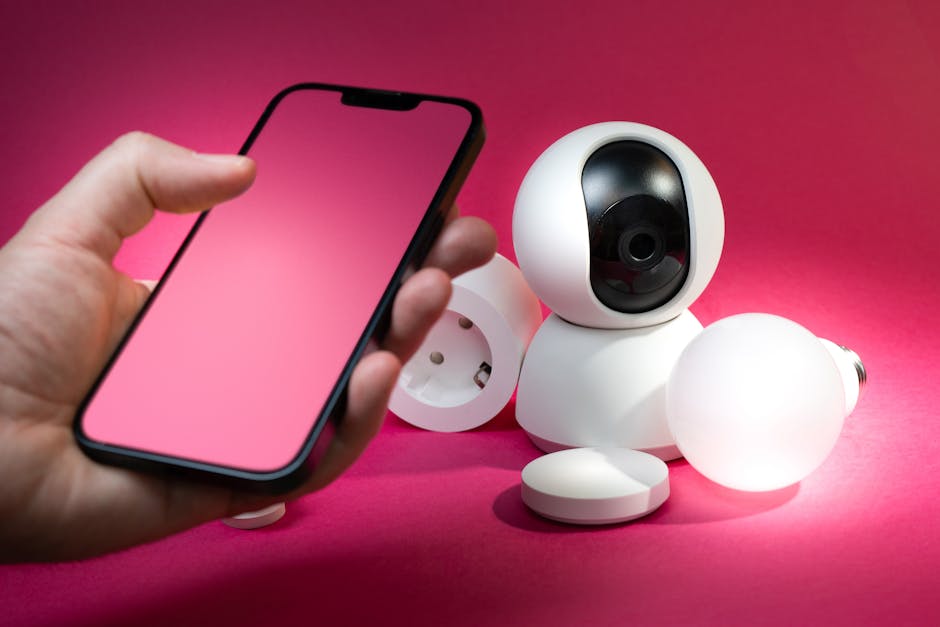
The smart opener market has consolidated significantly. Here’s an honest breakdown of where things stand heading through 2025:
myQ Ecosystem (Chamberlain / LiftMaster): The myQ platform is the most widely integrated — it connects with Google Home, Amazon Key, and Apple Home (via a $30 bridge accessory). However, Chamberlain controversially locked out third-party integrations in late 2023, and that wall still stands in 2025. If you run Home Assistant or SmartThings as your hub, myQ will frustrate you. The workaround community has developed a local API bridge called myQ-HomeAssistant on GitHub, but it’s a grey-area solution that Chamberlain can break with firmware updates.
Meross Smart Garage Door Opener (MSG100HK): At roughly $30–$45, this is the budget champion. It works natively with Apple HomeKit, Google Home, and Amazon Alexa without a subscription. The catch: it’s a universal retrofit sensor, not a full replacement unit. It adds smarts to your existing opener rather than replacing it. Range is excellent, but the door-position sensor occasionally reports false “open” states if the magnet drifts even slightly.
Tailwind iQ3: A strong mid-range option at ~$99 that integrates directly with geofencing for hands-free opening as you pull into the driveway. Users on the r/homeautomation subreddit consistently rate its reliability at 4.6/5 through 2025 reviews, though initial setup can be finicky on mesh Wi-Fi networks with SSID band steering enabled.
If You’re Buying New: Conditional Recommendations for 2025
Let me be direct here, because the “best opener” answer genuinely depends on your situation:
- If your garage is detached and lacks Wi-Fi reach: Skip the smart features and go with a Genie ChainMax 1000 ($120–$150). Rock-solid mechanically, quiet enough for most settings, and doesn’t need a router handshake to function.
- If you’re deep in the Apple ecosystem: LiftMaster 84501 with the built-in camera ($299) gives you native HomeKit without bridge accessories. The camera quality is genuinely useful for package monitoring.
- If budget is the primary constraint: Chamberlain B2405 ($129 at major retailers) covers the basics — 1-1/4 HP equivalent motor, myQ included, 10-year warranty on the drive. It won’t impress tech enthusiasts, but it works.
- If you’re renovating or building new and want maximum longevity: Consider a jackshaft/side-mount opener like the LiftMaster 8500W ($280–$320). It mounts beside the door rather than on a ceiling rail, frees up overhead space, and the direct-drive mechanism has dramatically fewer moving parts to fail.
- If you run Home Assistant or prefer local control: The Ratgdo (Rate-da-Good-One) is a $35 DIY ESP32-based controller that replaces myQ dependency entirely and provides local MQTT control. It’s a community project, but adoption has been substantial and documentation is solid as of 2025.
Maintenance That Actually Extends Opener Life
Dave’s Saturday disaster could have been avoided with a 20-minute annual routine. Here’s what actually matters:
- Lubricate the drive mechanism every 12 months — Use white lithium grease or a silicone-based spray (NOT WD-40, which attracts dust and degrades rubber seals). Focus on the chain/belt, trolley carriage, and rail.
- Test the auto-reverse monthly — Place a 2×4 flat on the ground in the door’s path. The door must reverse within 2 seconds of contact. If it doesn’t, adjust the down-force limit immediately.
- Check sensor alignment seasonally — Thermal expansion in summer and contraction in winter shifts sensor brackets more than you’d expect. A quick visual check that both LEDs are solid (not blinking) takes 10 seconds.
- Replace the drive gear before it strips completely — If you hear grinding that wasn’t there before, order the gear kit now. A $20 part becomes a $300 service call if the stripped gear damages the motor shaft.
- Install a surge protector on the outlet — A $15 outlet-level surge protector has saved more logic boards than any warranty plan.
The Repair vs. Replace Math in 2025
This is the question I get most often. Here’s a simple framework: if your opener is under 7 years old and the repair cost is under 40% of a new unit’s price, repair it. Beyond 10 years, seriously consider replacement — not because motors wear out, but because safety standards have improved substantially (automatic reversal sensitivity, entrapment protection) and smart integration on older units is a dead end. A new mid-range opener with proper installation runs $250–$450 all-in for most residential single-car garages in 2025. That’s the realistic baseline.
For two-car garage setups, get at least two quotes — many installers discount the second unit significantly when doing a paired install on the same visit.
Bottom line from the garage floor: Most garage door opener problems are fixable without a service call if you know what the blink codes are telling you. Start with sensors, check for RFI from bulbs, and don’t underestimate a firmware reset on smart units. If you’re buying new in 2025, match your choice to your ecosystem and your tolerance for DIY — there’s no single “best” opener, but there’s definitely a best one for your specific setup. Dave eventually fixed his issue with a $4 sensor bracket adjustment and a shielded LED bulb. Sometimes the most expensive-looking problem has the cheapest solution.
📚 관련된 다른 글도 읽어 보세요
- Why I Stopped Recommending ‘Just Google It’ for Dental Implants — A Real 2025 Guide
- Why I Stopped Relying on Default Settings — Real 2025 Keyword Research Guide
- 2026년 가성비 쩌는 싱글몰트 위스키 Top3 — 이거 모르면 돈 낭비입니다
태그: []
Leave a Reply