A friend called me last month, genuinely confused. She’d spent three weekends reading about dental implants online and ended up more anxious than when she started. One article said implants last forever. Another warned about jaw bone loss. A Reddit thread had someone claiming their implant fell out after two years. Sound familiar? This is exactly the kind of information chaos that sends people into analysis paralysis — and honestly, it’s what pushed me to put together everything I actually know about this topic in one place.
Let’s slow down and think through this together, because dental implants are one of those decisions where getting the details right genuinely matters — financially, physically, and long-term.
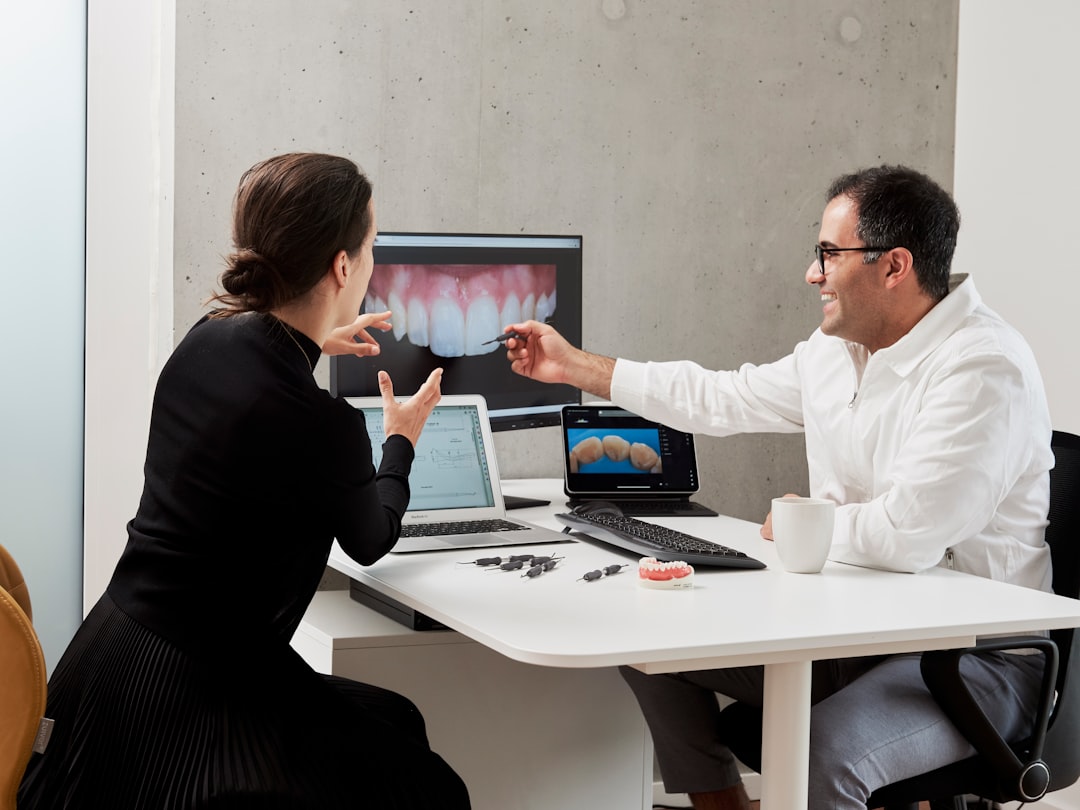
What a Dental Implant Actually Is (And What It Isn’t)
Strip away the marketing language and here’s the core: a dental implant is a titanium or zirconia screw surgically placed into your jawbone to act as an artificial tooth root. On top of that post goes an abutment, and on top of that goes a crown — the part that looks like a tooth. So when people say “I got an implant,” they usually mean all three components together.
Here’s the distinction that trips most people up:
- Implant post (fixture): The titanium screw embedded in bone. This is the permanent part — it fuses with bone through a process called osseointegration over 3–6 months.
- Abutment: The connector piece between post and crown. Can sometimes be replaced independently.
- Crown: The visible tooth. Typically ceramic or porcelain-fused-to-metal. Crowns can wear down and may need replacement after 10–15 years.
- All-on-4 / Full arch: A variation where 4 implant posts support an entire arch of teeth — common for patients with significant tooth loss.
This breakdown matters because when you see price ranges like $1,500 to $6,000 per tooth in 2025 U.S. market data, that variation often comes down to which components are included, the material grade, and the provider’s overhead — not just profit margin.
The Real Cost Picture in 2025 — Why the Numbers Vary So Wildly
Let’s talk numbers honestly. According to data aggregated by the American Academy of Implant Dentistry and corroborated by patient cost surveys from platforms like CostHelper Health and NewMouth, here’s a realistic 2025 breakdown:
- Single tooth implant (post + abutment + crown): $3,000–$5,500 in most U.S. metropolitan areas
- Bone graft (if needed): $300–$3,000 additional — this one surprises people the most
- Sinus lift (upper jaw, back teeth): $1,500–$5,000 additional
- All-on-4 full arch: $20,000–$50,000 depending on material and location
- Dental tourism (Mexico, Costa Rica, Hungary): 40–60% less, but with caveats we’ll get to
Why does bone grafting add so much? When a tooth has been missing for a while — or was extracted after significant infection — the surrounding bone often resorbs (shrinks). An implant needs adequate bone density and volume to achieve osseointegration. If it doesn’t have that, the post will fail. This is the specific cause-effect relationship that most budget articles gloss over: missing bone → bone graft required → cost jumps significantly → timeline extends by 4–9 months.
Insurance coverage in 2025 remains frustratingly inconsistent. Most PPO dental plans still classify implants as “cosmetic” or only partially cover the crown component. However, some plans — particularly through employers offering premium dental tiers or through Delta Dental Premier networks — have begun covering up to $1,500 of implant costs. Always call your insurer and ask specifically: “Is the implant fixture (D6010) covered under my plan?”
Success Rates and Failure Modes — The Data You Should Actually See
The commonly cited statistic is that dental implants have a 95–98% success rate over 10 years. That’s true — but it deserves unpacking.
A 2023 meta-analysis published in the Journal of Clinical Periodontology examined 23,000 implants across multiple longitudinal studies. The headline 95%+ figure applies to healthy, non-smoking adults with adequate bone density placed by experienced oral surgeons or periodontists. The same data shows:
- Smokers: failure rate climbs to 10–15% within 5 years
- Uncontrolled Type 2 diabetics: failure rates up to 20%
- Patients with active periodontal disease at placement: significantly elevated early failure risk
- Upper jaw (maxillary) implants: slightly lower success rate than lower jaw due to bone density differences
Early failure (within 3 months) is typically caused by infection or failed osseointegration. Late failure (after 1+ years) usually involves peri-implantitis — essentially gum disease around the implant — which is both preventable and treatable if caught early. This is why the “implants last forever” claim online is misleading: the post can last decades, but the surrounding tissue and crown need ongoing maintenance just like natural teeth.
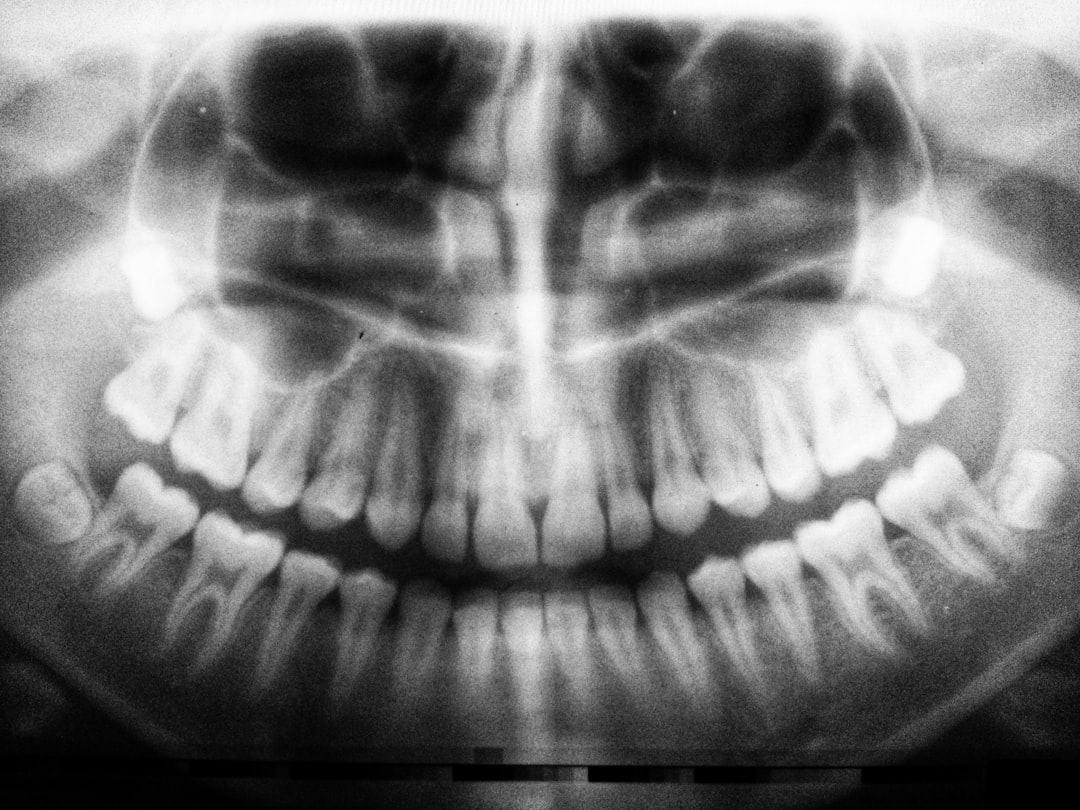
Provider Selection — Where Most People Go Wrong
Here’s a scenario I hear often: someone gets a quote from their general dentist for $4,200 and then finds a groupon-style offer for $1,299. The price gap feels like a no-brainer. But what’s actually different?
The $1,299 offer typically involves a lower-tier implant system (there are dozens of brands — Nobel Biocare, Straumann, and Zimmer BioMet are the gold standards; lesser-known systems may lack 10+ year clinical data), a less experienced provider, and potentially missing components bundled in the price. When the “deal” implant fails and needs to be removed and redone, you’ve spent more than the original quote.
A practical checklist for evaluating a provider in 2025:
- Are they a board-certified oral and maxillofacial surgeon, periodontist, or prosthodontist? (General dentists can place implants, but advanced training matters significantly)
- Which implant system do they use — and is it an FDA-cleared, internationally validated brand?
- Do they take a CBCT (cone beam CT) scan to assess bone volume before treatment? This should be non-negotiable.
- What’s included in the quote? Ask specifically about abutment, crown, bone graft evaluation, and follow-up visits.
- Do they have an in-house periodontist or collaborate with one for complex cases?
On the topic of dental tourism: facilities in Los Algodones (Mexico), San José (Costa Rica), and Budapest (Hungary) offer legitimate, quality care — many use the same Straumann and Nobel Biocare systems as U.S. practices. The risk isn’t necessarily quality; it’s follow-up care. If something goes wrong 6 months post-op, your care continuity becomes complicated. If you’re considering this route, budget for at least two trips and ensure the clinic has a clear protocol for remote follow-up or a U.S.-based partner office.
The Timeline Reality Check
Most online summaries say “3–6 months total.” Here’s a more honest timeline breakdown that accounts for real-world complexity:
- Initial consultation + imaging: 1–2 weeks
- Bone graft (if needed) + healing: 4–9 months before implant placement
- Implant post placement: 1 surgical appointment
- Osseointegration healing: 3–6 months
- Abutment placement + crown fabrication: 2–6 weeks
Best case scenario with no bone grafting needed: approximately 4–6 months total. With bone grafting: 12–18 months from start to finish tooth isn’t uncommon. This matters enormously for planning — both financially (costs spread across multiple appointments) and practically (you’ll likely have a temporary solution in the gap).
Realistic Alternatives Worth Knowing
If implants aren’t the right fit right now — whether due to cost, bone health, or medical history — here’s an honest comparison:
- Dental bridge: $2,500–$6,000 for a three-unit bridge. No surgery, faster. Downside: requires grinding down adjacent healthy teeth, doesn’t prevent bone loss under the gap, typically needs replacement every 10–15 years.
- Removable partial denture: $1,000–$2,500. Most affordable option. Less comfortable, requires daily removal, can affect adjacent teeth over time.
- Flipper (temporary partial): $300–$500. Often used as a placeholder while waiting for implant osseointegration. Not a long-term solution.
- Do nothing: The option nobody recommends but many people default to. The consequence: remaining teeth shift toward the gap over months and years, bone loss accelerates, and future implant placement becomes more complex and costly. This is the specific cost-of-waiting that deserves more attention.
If your situation is: good bone density, non-smoker, controlled systemic health → implants are the strongest long-term investment. If your situation is: significant bone loss, active smoking habit, or systemic health complications → prioritize those factors first, then revisit implants after addressing root causes. Rushing into implant placement without addressing peri-implantitis risk factors is exactly how you end up in the late-failure statistics.
Bottom line from my end: Dental implants, when you’re a good candidate and work with a qualified provider, genuinely are the closest thing to replacing a natural tooth that dentistry currently offers. But they demand the right timing, honest assessment of your bone and health status, and a provider you trust — not the cheapest quote you can find. Arm yourself with the questions in this guide, get at least two consultations (ideally from specialists, not just general dentists), and don’t let sticker shock alone push you toward a compromise that costs more in the long run.
📚 관련된 다른 글도 읽어 보세요
- Korea’s Best-Kept Secret Travel Spots in 2026: Insider Recommendations Only Locals Know About
- 무선 이어폰 사기 전에 이것 모르면 호갱 됩니다 — 2026년 기준 실사용 비교 총정리
- 가족 여행 3개 테마 직접 다녀왔다: 역사·문화·자연 체험 비교 리뷰 [2026 현실판]
태그: []
Leave a Reply