A colleague of mine spent three weeks building out a content calendar, writing polished articles, optimizing meta tags — the whole nine yards. Traffic? Flat as a pancake. When we finally sat down together and dug into her keyword strategy, the problem was immediately obvious: she’d been targeting terms with massive search volume but absolutely brutal competition, while completely ignoring the mid-tail goldmine sitting right beneath the surface. Sound familiar? That conversation is honestly why I wanted to write this.
Keyword research in 2025 isn’t what it was even two years ago. Search behavior has shifted, AI-generated results are eating into click-through rates on informational queries, and Google’s ranking signals are more nuanced than ever. Let’s think through this together — what actually works right now, and why.
The Volume Trap: Why High Numbers Don’t Equal High Returns
Here’s the frustrating truth most keyword tools won’t tell you upfront: a keyword with 90,000 monthly searches can deliver zero meaningful traffic if the SERP is dominated by Reddit, Wikipedia, and Forbes. In 2025, SERP feature saturation — featured snippets, AI Overviews, People Also Ask boxes — means organic click-through rates on head terms have dropped significantly. A 2024 study by Semrush found that position #1 organic results now average only around 13.1% CTR when a featured snippet is present, down from historical highs near 28%.
So where does that leave us? Chasing volume for its own sake is like optimizing for impressions without caring about conversions. The real leverage is in search intent alignment combined with realistic difficulty targeting.
The 2025 Framework That’s Actually Working
After testing across multiple niches — from SaaS tools to local service businesses — here’s the tiered approach that consistently delivers results:
- Tier 1 — Intent-first filtering: Before looking at volume, categorize every candidate keyword by intent: informational, navigational, commercial investigation, or transactional. Tools like Ahrefs’ “Identify intents” feature or manually reviewing the top 5 SERPs will tell you what Google has decided the page should do. If you’re selling something but the SERP shows only blog posts, you’re fighting the current.
- Tier 2 — Keyword Difficulty below 30 for new content: For sites under two years old or with Domain Rating below 40, targeting KD scores above 35 in Ahrefs (or KD 40+ in Semrush) is largely an uphill battle. Focus on the 15-30 range where you can realistically compete within 3-6 months.
- Tier 3 — Search volume sweet spot of 300–3,000/month: This is where the ROI lives in 2025. These keywords have enough volume to matter but aren’t so competitive that you need 200 backlinks just to crack page two.
- Tier 4 — Topical clustering over isolated keywords: Google’s Helpful Content system rewards sites that demonstrate genuine topical authority. Build clusters: one pillar page targeting a broader term, supported by 5-8 satellite pages targeting specific subtopics. This internally links naturally and signals depth of coverage.
- Tier 5 — Question-based and conversational queries: With AI Overviews pulling from structured Q&A content, targeting “how do I…” and “what happens when…” style queries in a clear format (H2 question, direct answer in first sentence, elaboration below) still drives consistent traffic — even when an AI snippet appears.
Real-World Tool Comparison: What the Pros Are Actually Using in 2025
Let’s be honest about the tooling landscape. Ahrefs and Semrush remain the industry standards, but there are meaningful differences depending on your use case:
Ahrefs is stronger for backlink-based difficulty assessment and its “Traffic Potential” metric (which estimates total traffic from all related keywords, not just the seed term) is genuinely more useful than raw volume. Their Content Gap tool is excellent for competitor analysis.
Semrush has a more robust local SEO keyword module and its Keyword Magic Tool is better for ideation at scale. If you’re running PPC alongside SEO, Semrush’s CPC data integration is also more reliable.
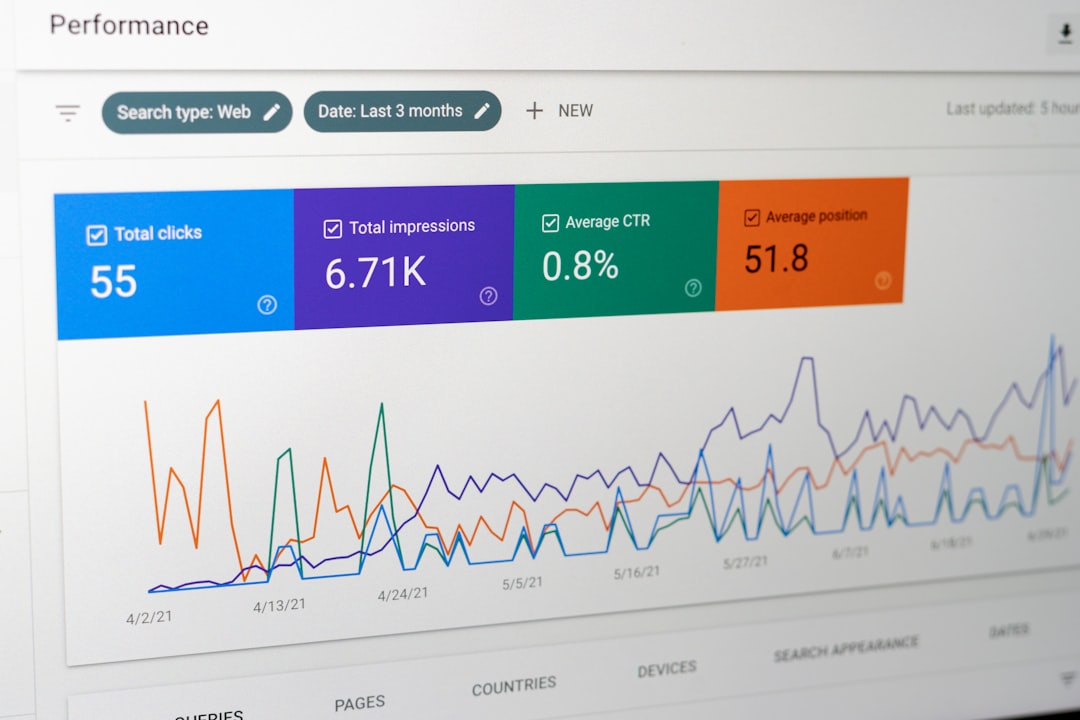
Google Search Console — free and often overlooked — remains the single best source for finding keywords you’re already ranking for on pages 2 and 3. Filtering for queries with impressions above 500 but position between 11-20 is essentially a pre-qualified opportunity list. These keywords have validated demand and your site has partial authority — they just need a push.
Emerging players worth noting: Keyword Insights (keyword clustering at scale), AlsoAsked (mapping People Also Ask structures), and Surfer SEO’s NLP-based content grading are all finding their way into serious workflows in 2025.
The AI Overview Effect: Adapting Your Strategy
Google’s AI Overviews (formerly Search Generative Experience) now appear on a significant percentage of informational queries. Early data from BrightEdge suggests AI Overviews are triggered on roughly 42% of queries in competitive verticals. The question isn’t whether to worry about this — it’s how to adapt.
Three tactics that are showing real results right now:
- Target “research-to-decision” keywords: Queries like “best [X] for [specific use case]” or “[X] vs [Y] for [context]” still drive clicks because users want to validate the AI summary with a real human perspective.
- Optimize for citation in AI Overviews: Structure your content with clear definitions, numbered steps, and cited statistics. AI Overviews pull from structured, authoritative content — being cited is the new position #1 for informational terms.
- Double down on bottom-of-funnel: Transactional and commercial investigation keywords (“buy,” “pricing,” “alternatives,” “review”) are far less affected by AI Overviews because Google recognizes these require current, specific information the AI can’t reliably provide.
A Quick Audit Checklist Before You Publish
- Is the primary keyword present in the H1, first 100 words, and at least one H2?
- Does the page’s content format match what’s already ranking (e.g., list post, comparison table, how-to guide)?
- Is search intent clearly satisfied within the first scroll?
- Are internal links pointing to this page from topically related content?
- Is the target KD realistic given your site’s current authority?
- Have you checked Google Search Console for existing impressions on this keyword?
None of these are revolutionary — but consistently skipping even one of them is how good content ends up invisible.
💬 If you’re just getting started: Don’t let the tool landscape overwhelm you. Google Search Console plus one solid freemium tool like Ubersuggest or the free tier of Ahrefs Webmaster Tools will get you 80% of the way there. Start with what you’re already ranking for, find the page-2 opportunities, and build your topical clusters from there. The sophisticated stuff is a multiplier — but only once the foundation is solid. What’s one keyword you’ve been on the fence about targeting? Drop it in the comments and let’s dig into it together.
📚 관련된 다른 글도 읽어 보세요
- 현지인만 아는 국내 비밀 명소 12곳 + 구글에도 없는 입구 정보 2026
- South Korea’s Hidden Wilderness: Local-Recommended Off-the-Beaten-Path Routes You Won’t Find in Any Guidebook (2026 Edition)
- Family Travel on a Tight Budget: Real-World Savings Hacks That Actually Worked in 2026
태그: []
Leave a Reply