A friend of mine — let’s call her Dana — messaged me last month completely frazzled. She’d spent three hours on Sunday doing what every wellness influencer swears by: cooking in bulk, portioning everything into color-coded containers, the whole nine yards. By Wednesday, she was ordering DoorDash because she couldn’t stand looking at her sad, soggy chicken and wilted greens anymore. Sound familiar? Yeah, I’ve been there too. That’s exactly what made me dig deeper into what meal prep actually means when it works — and why the version most of us try first is almost designed to fail.
The Real Problem With ‘Standard’ Meal Prep Advice
Here’s the thing: the meal prep advice circulating on social media is largely built for a very specific type of person — someone with 4+ hours on a Sunday, a large fridge, and an iron will to eat the same meal five days in a row. The rest of us? We’re set up to quit by Tuesday.
According to a 2025 consumer habits survey by the International Food Information Council (IFIC), roughly 62% of people who start a meal prep routine abandon it within the first three weeks. The top three reasons? Boredom from repetition (41%), food going bad before it’s eaten (33%), and prep taking too long (26%). Those aren’t willpower failures — they’re system failures.
And the cost angle stings too. The USDA’s latest data puts average food waste per U.S. household at around $1,500 per year. A lot of that waste happens precisely because of ambitious meal prep that doesn’t get eaten. So ironically, the habit meant to save money can quietly drain it.
The ‘Modular Prep’ Method That Actually Sticks
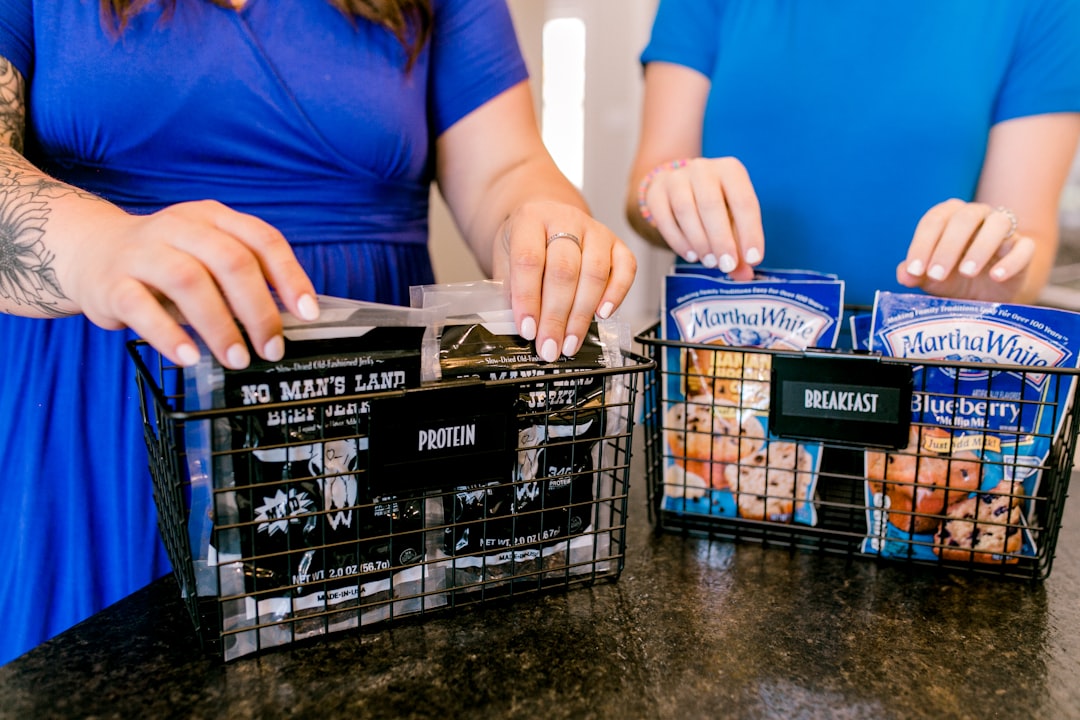
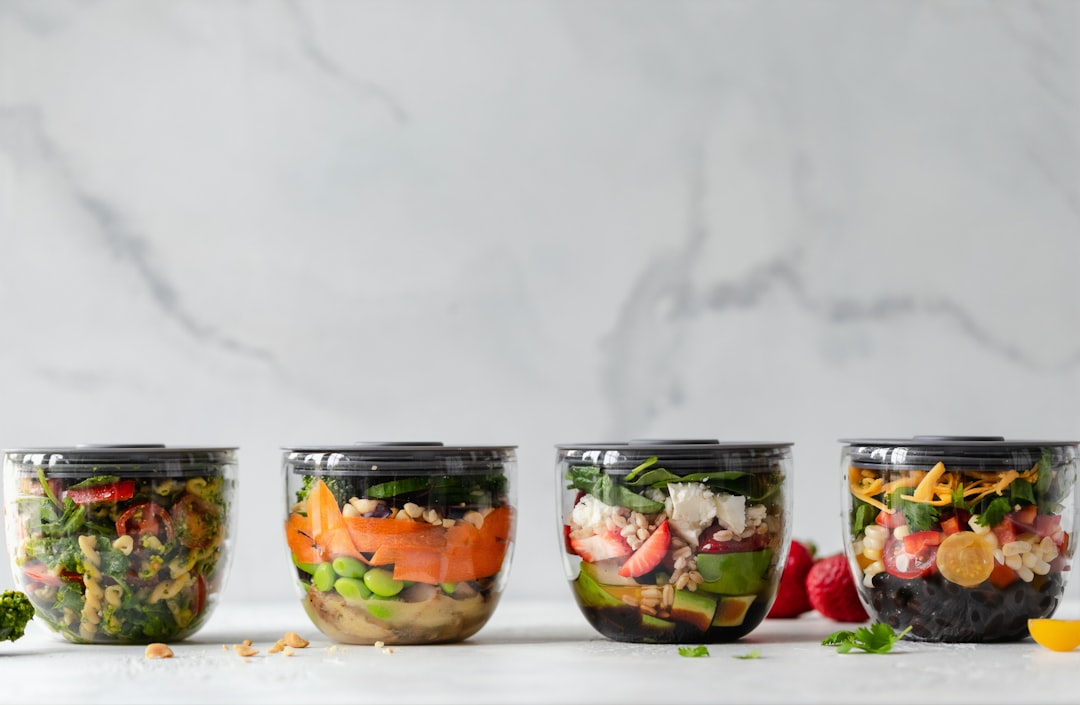
What changed things for me — and for Dana once I walked her through it — is shifting from meal prep to component prep. Instead of cooking five complete identical dinners, you prepare building blocks that can be mixed, matched, and repurposed throughout the week. Think of it like Lego rather than a fixed IKEA instruction sheet.
Here’s what a practical modular prep week looks like in real life:
- Proteins (2 types): Roast a sheet pan of chicken thighs + hard-boil a dozen eggs. Total active time: ~20 minutes.
- Grains (1-2 types): Cook a large pot of farro or brown rice, and maybe quinoa. These refrigerate well for 5-6 days without texture loss.
- Roasted vegetables (2 trays): Whatever’s in season or on sale. In 2025, air fryer roasting has made this dramatically faster — 15 minutes vs. 40 in a conventional oven.
- Sauces/dressings (2-3 small batches): A tahini dressing, a simple vinaigrette, and a chili-garlic sauce can transform the same base ingredients into three completely different meals.
- Washed and dried greens: Stored with a paper towel in an airtight container, these stay crisp for up to 7 days.
With this approach, Sunday prep takes 60-90 minutes max. Monday you’re eating a rice bowl. Tuesday, a wrap. Wednesday, a warm grain salad. Same ingredients, zero repetition fatigue.
What the Research and Real-World Data Say
Nutritional researchers at the Friedman School of Nutrition Science and Policy at Tufts University published findings in early 2025 suggesting that dietary variety — even within a single food category — significantly improves long-term adherence to healthy eating patterns. Translation: eating the same prepped meal repeatedly is actively working against you biologically. Our brains are wired to seek variety, and ignoring that wiring is a recipe for binge-eating whatever’s nearest on Thursday night.
On the practical tools side, the 2025 market has also gotten much friendlier for home preppers. Brands like Rubbermaid Brilliance and OXO Good Grips now offer containers specifically designed for component storage — shallower, wider, with dividers that don’t trap moisture. The Instant Pot Duo Crisp (updated 2025 model) and the Ninja Foodi XL have both seen strong user reviews for cutting grain-cooking time by up to 70%. Meanwhile, meal planning apps like Mealime and Prepear now integrate with grocery store APIs in real-time to suggest recipes based on what’s actually on sale near you this week — a genuinely useful feature that didn’t exist two years ago.
Food Safety: The Part Everyone Skips (But Shouldn’t)
Real talk: a lot of meal prep guides gloss over food safety, and that’s a problem. Here are the non-negotiables based on current FDA guidelines:
- Cooked proteins: Safe in the refrigerator for 3-4 days. Beyond that, freeze them.
- Cooked grains: 5-6 days refrigerated. Rice specifically should be cooled quickly (within 2 hours) to prevent Bacillus cereus growth.
- Cut raw vegetables: 3-5 days depending on type. Cucumbers and tomatoes degrade fastest.
- Sauces with dairy: 3-4 days. Vinegar-based dressings last up to 2 weeks.
- Temperature rule: Keep prepped food at or below 40°F (4°C). If your fridge runs warmer, invest in a $10 fridge thermometer — it’s worth it.
If you’re planning to prep for the full week, batch-freeze half your proteins on Sunday itself. Pull them to thaw in the fridge Wednesday morning. This two-phase strategy keeps everything fresher and reduces that dreaded ‘gym locker’ smell in your containers by Thursday.
Budget Breakdown: What Does Meal Prep Actually Cost in 2025?
Let’s get specific, because ‘meal prep saves money’ is one of those claims that deserves scrutiny. Based on average grocery pricing in mid-2025 across major U.S. metros:
- Chicken thighs (3 lbs, bone-in): ~$7-9
- A dozen eggs: ~$3.50-4.50 (prices have stabilized post-2024 avian flu spike)
- Brown rice or farro (bulk, 2 lbs): ~$4-6
- Seasonal vegetables (two sheet pans worth): ~$8-12
- Tahini, olive oil, garlic for sauces: ~$3-5 amortized per week
Total weekly spend: roughly $25-37 for a solid base that feeds one person for 5 weekday lunches and 4 dinners. Compare that to the average U.S. lunch-out cost of $13-17 per meal, and you’re looking at savings of $40-65 per week even after accounting for groceries. Over a year, that’s a meaningful $2,000-3,000 back in your pocket — if the system actually sticks.
And that last part is the whole point. The cheapest meal prep strategy is the one you actually follow through on. A slightly less ‘optimal’ plan that you do consistently beats a perfect plan you abandon every time.
If Cooking From Scratch Isn’t Your Reality Right Now
Not everyone has even 60-90 minutes on a Sunday. If that’s you, there are honest middle-ground options worth knowing about. Rotisserie chicken from Costco or your local warehouse store is one of the best cost-per-protein-gram values in any grocery store — roughly $1.50-2.00 per serving in 2025. Pre-washed salad kits, while more expensive than whole heads of lettuce, dramatically reduce the barrier to actually eating vegetables. Canned beans, lentils, and frozen edamame are nutrient-dense, zero-prep proteins that round out a modular system without adding any cooking time.
Services like Factor or Trifecta Nutrition offer pre-made macro-balanced meals delivered fresh — at $12-15 per meal, they’re not cheap, but for weeks where life genuinely gets in the way, they’re a better bridge than defaulting to fast food five nights in a row. Think of them as your contingency plan, not your default.
Here’s my honest take: Meal prep isn’t broken — the unrealistic version of it that gets promoted online is. Start smaller than you think you need to. Prep two components, not five complete meals. Buy one good set of containers. Give yourself permission to use shortcuts. The goal isn’t to become a meal prep influencer — it’s to eat something decent on a Wednesday night without losing your mind. That’s a much more achievable bar, and once you hit it consistently, you can build from there.
📚 관련된 다른 글도 읽어 보세요
- Why I Almost Gave Up on Hydroponic Lettuce — Real 2025 Setup Guide That Actually Works
- 어릴 때 이것 키워주지 않으면 후회해도 소용없어요 — 2026년 기준 수학 선행학습 완전 정복
- Why I Almost Skipped It — The Real Guide to Tanjung Piai National Park in 2025
태그: meal prep, weekly meal planning, healthy eating on a budget, component cooking, food prep tips, nutrition 2025, beginner meal prep
Leave a Reply