A friend of mine — seasoned hiker, never one to over-plan — drove six hours to Canyonlands last spring, pulled into the Island in the Sky visitor center parking lot, and promptly turned around after two hours because he hadn’t brought enough water, had no idea the roads required a high-clearance 4WD, and didn’t realize the most iconic overlooks were an additional 45-minute drive past where he stopped. He called me afterward half-laughing, half-genuinely annoyed. “Why doesn’t anyone just tell you this stuff?” Honestly? That’s the question that sent me deep into trip reports, ranger Q&As, and three separate visits to piece together what a real Canyonlands trip actually looks like in 2025.
So let’s skip the brochure version and talk about how this place actually works — because it rewards preparation in a way very few national parks do.
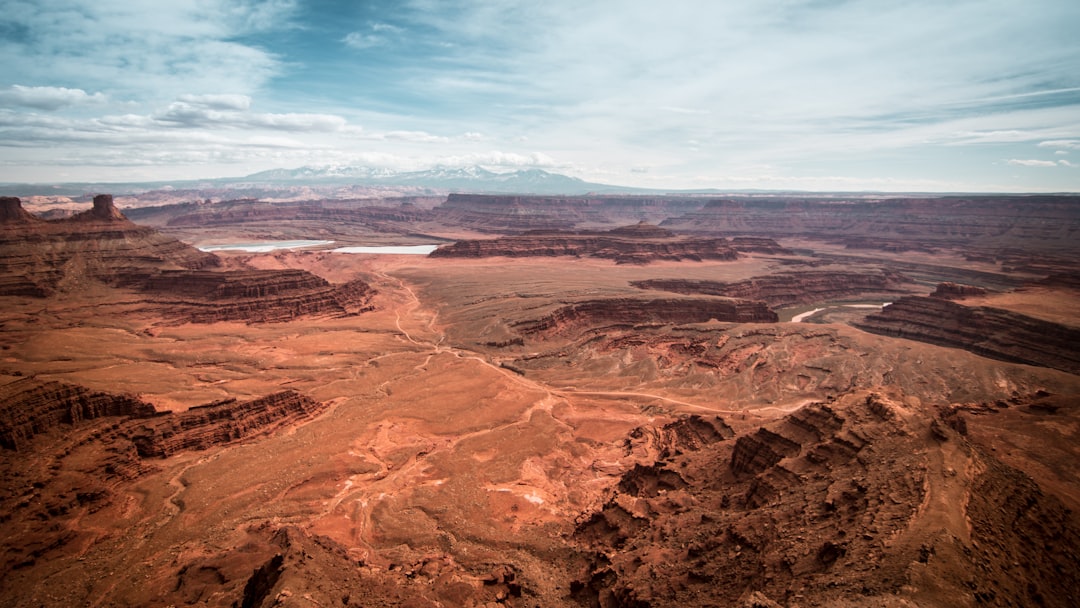
Understanding the Three Districts (They Are Not the Same Park)
The single biggest misconception about Canyonlands is treating it like a single destination you can “do” in a day. The park is divided into three distinct districts — Island in the Sky, The Needles, and The Maze — and there are no roads connecting them internally. Each requires a separate entrance, a separate drive, and frankly, a separate mindset.
- Island in the Sky: The most accessible district. Located about 32 miles south of Moab on UT-313. Paved roads to most overlooks. Mesa Verde-scale panoramas from 1,000–2,000 feet above the canyon floor. Best for first-timers or limited-mobility visitors. Day hike options include the Upheaval Dome trail (2.8 miles round trip) and the Grand View Point trail (2 miles round trip, essentially flat).
- The Needles: Located 75 miles south of Moab via US-191 and UT-211 — a completely separate 90-minute drive from Island in the Sky. Far fewer crowds. Better for multi-day backpackers and technical hikers. The Chester Park Loop (10.4 miles) is outstanding but demands solid navigation skills and a permit ($6/person for day use in 2025).
- The Maze: Genuinely one of the most remote places in the continental US. Requires a high-clearance 4WD, a backcountry permit ($30 per group in 2025), and ideally 3–4 days. It is not a stretch to say people get into life-threatening situations here. If you don’t have off-road experience, this one isn’t for you yet — and that’s okay.
Entrance Fees, Reservations, and the 2025 Timed Entry Question
As of 2025, Canyonlands does not require a timed entry reservation the way Arches National Park does (Arches implemented its reservation system in 2022 and has continued it through the current season). However, this is worth double-checking closer to your visit at recreation.gov, since the NPS has been expanding timed-entry programs across high-traffic parks. The standard entrance fee is $35 per vehicle, valid for 7 days. If you’re visiting multiple Utah parks on the same trip, the America the Beautiful Annual Pass ($80) pays for itself after just two park entries and is accepted at all NPS sites.
Parking at Grand View Point on Island in the Sky fills by 9:00–9:30 AM during peak season (April–May and September–October). Rangers on-site have confirmed that arriving before 8:00 AM or after 4:00 PM dramatically reduces the parking scramble. Off-season (November through February) sees far smaller crowds — daytime highs drop to 35–50°F, but the light quality in winter is exceptional for photography, and you’ll often have overlooks entirely to yourself.
Water, Heat, and the Math That Matters
This is where my friend went wrong, and it’s where most Canyonlands emergencies begin. The NPS recommends 1 liter of water per hour of hiking in summer conditions. On a 90°F day — which is standard in June, July, and August — that number isn’t conservative advice, it’s minimum survival math. Island in the Sky has potable water available at the visitor center (open 9 AM–4 PM in shoulder season, 8 AM–6 PM in peak summer), but there are no water sources on the trails themselves. The Needles Visitor Center also has water. Beyond that, you’re carrying everything you need.
Elevation on Island in the Sky sits around 5,900–6,100 feet. Combined with intense solar radiation reflecting off sandstone, heat exhaustion is a real and fast-moving risk. The classic mistake is underestimating how quickly you lose fluid before feeling thirsty. Start hydrating the day before your hike, not the morning of.
Where the Locals Actually Go: Underrated Spots in 2025
Beyond the canonical overlooks, there are a few spots that don’t show up prominently in the standard travel content but get quiet praise in ranger conversations and serious hiking forums like Hiking Project and AllTrails Pro.
- False Kiva (Island in the Sky): An unmaintained, unmarked trail leading to a prehistoric stone structure inside a sandstone alcove. The NPS deliberately keeps it off official maps to manage impact. GPS coordinates circulate on hiking forums — search “False Kiva Canyonlands” on AllTrails or Hiking Project. No permit required as of 2025, but this could change. Moderate 1.5-mile trail with some scrambling.
- Confluence Overlook (The Needles): A 10.6-mile round-trip day hike to the point where the Green River meets the Colorado River. Almost nobody is there. The payoff — watching two major river systems merge between 1,000-foot canyon walls — is quietly one of the most dramatic sights in the American Southwest.
- Tower Ruin (The Needles): A short, easy 0.6-mile walk to a well-preserved Ancestral Puebloan granary tucked into a cliff face. Zero crowds, immediate historical weight.
- Dead Horse Point State Park (adjacent): Technically not Canyonlands, but located just 5 miles from the Island in the Sky entrance on the same road. Entry is $20/vehicle. The views of the Colorado River’s gooseneck bend are arguably more photogenic than anything inside the national park, and the crowds are a fraction of the size. Easy 2-mile loop trail.
Camping: What’s Realistic vs. What Gets Booked Instantly
Canyonlands has two developed campgrounds: Willow Flat (Island in the Sky, 12 sites, first-come-first-served, $15/night) and Squaw Flat (The Needles, 26 sites, reservable via recreation.gov, $20/night). Both fill fast during peak season — Squaw Flat reservations for April–May typically open in January and sell out within hours. If you miss the reservation window, Willow Flat as a first-come option is your best bet, but arrive by Thursday for a weekend stay.
For a more comfortable base, Moab has extensive lodging options ranging from budget hostels (around $35–55/night for a dorm bed at places like Lazy Lizard Hostel) to mid-range hotels ($120–200/night at peak season) to upscale glamping at Under Canvas Moab ($300–450/night, but legitimately gorgeous with views to match). Most Moab accommodations for peak spring/fall book out 3–6 months in advance. The off-season window (November–February) cuts prices by roughly 40–60% across the board.
Gear That Actually Matters for This Park
You don’t need technical mountaineering equipment for the majority of Canyonlands, but a few items move from “nice to have” to “genuinely critical” here:
- Navigation: Cell signal is essentially nonexistent past the visitor center. Download offline maps via Gaia GPS or AllTrails Pro before you leave town. A physical topo map from the visitor center ($12) is good backup.
- Sun protection: SPF 50+ sunscreen, UPF-rated clothing, and a wide-brim hat. Reflective sandstone amplifies UV exposure significantly.
- Footwear: Stiff-soled trail runners or hiking boots. The cryptobiotic soil (the dark, lumpy biological crust covering the ground) is irreplaceable — you must stay on marked trails, and the uneven rock requires solid ankle support.
- Emergency communication: A Garmin inReach Mini 2 ($350 device + $15–50/month subscription) is a serious recommendation for anyone going beyond Island in the Sky. Rescue operations in the canyon can take 12–48 hours even after a distress signal is sent.
The Cryptobiotic Soil Rule: Take It Seriously
Rangers consistently cite cryptobiotic soil damage as one of the most significant human impacts in the park. This dark, crusty biological crust takes 50–250 years to recover once disturbed. A single boot print can destroy a century of growth. The rule is non-negotiable: stay on established trails or bare rock surfaces. It sounds dramatic until a ranger explains that entire sections of the park’s fragile ecosystem visibly shrink every year. It’s one of those cases where individual behavior has genuinely outsized environmental consequence.
Realistic Itinerary Frameworks
Rather than one “best” itinerary, here are conditional recommendations based on your situation:
- If you have 1 day: Focus entirely on Island in the Sky. Mesa Arch at sunrise (bring a headlamp, arrive 45 minutes before official sunrise), Grand View Point, Upheaval Dome. Leave by 3 PM to beat traffic on UT-313.
- If you have 2–3 days: Day 1 on Island in the Sky, Day 2 driving to The Needles for Chester Park or Confluence Overlook, overnight in Moab or at Squaw Flat campground.
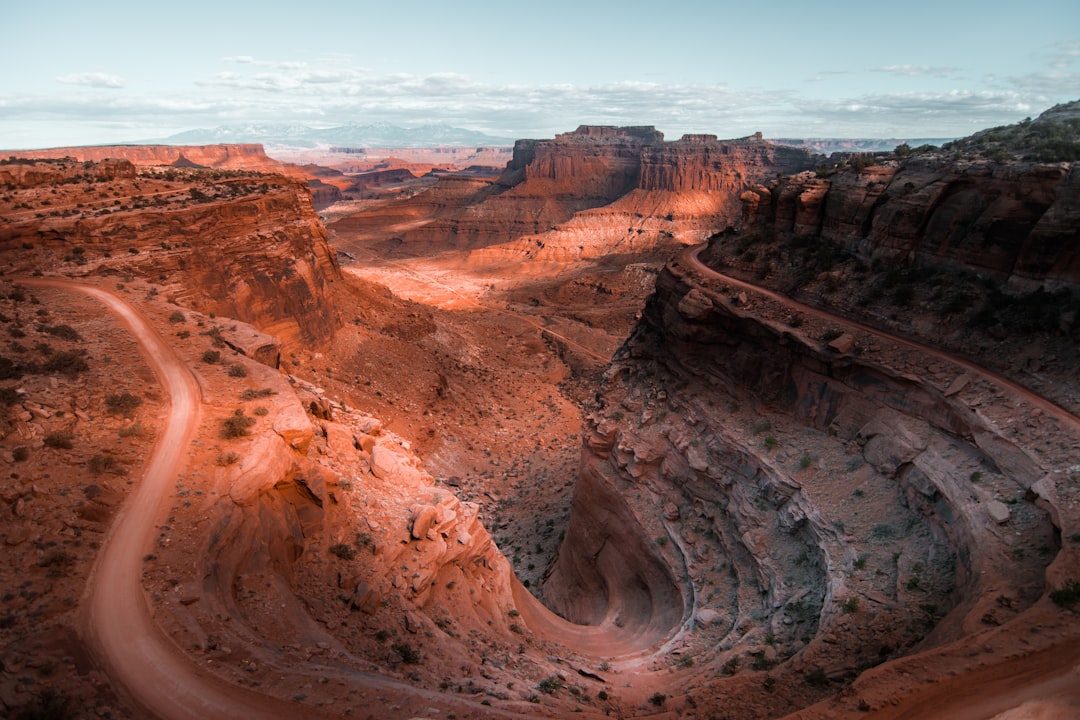
- If you have 4–5 days and a 4WD vehicle: Add Shafer Canyon Road (a white-knuckle switchback descent off the Island mesa — entirely legal, genuinely thrilling, connects to White Rim Road), or begin planning a Maze permit trip.
Bottom line from the trail: Canyonlands isn’t the park that punishes the under-prepared — it’s the park that simply doesn’t apologize for being what it is: remote, raw, and completely indifferent to whether you showed up ready. Bring more water than you think you need, download your maps before you lose signal, and resist the urge to cram both Island in the Sky and The Needles into a single day. The people who love this place most are the ones who slowed down enough to let it actually land. Give it that time, and it will absolutely deliver.
📚 관련된 다른 글도 읽어 보세요
- 포르쉐 파나메라 6개월 타고 팔아버린 이유 — 사기 전에 제발 생각해보세요.
- Why I Almost Quit After Week One — Honest 2025 Guide to Getting Started with Keyword
- 어릴때 이것 키워주지 않으면 후회해도 소용없어요 — 2026년 기준 영어 조기교육 골든타임 완전 분석
태그: Canyonlands National Park, Utah hiking guide, Island in the Sky, The Needles hiking, Moab travel tips, national park trip planning, Southwest USA travel
Leave a Reply