Author: likevinci

  • Jeju Island with Toddlers in 2026: An Honest Accommodation Review Guide (From a Parent Who’s Done It Three Times)


    Why I Became Obsessed with Finding the Perfect Baby-Friendly Stay in Jeju

    My friend Jiyeon called me last month in a mild panic. She and her husband were planning their first Jeju trip with their 18-month-old daughter, and she’d just realized that the sleek, Instagram-worthy pension she’d booked had a loft bedroom accessible only by a vertical ladder. With a toddler. She was mortified — and I completely understood, because I’d made a nearly identical mistake on my first family trip to Jeju back when my son was just 14 months old.

    Since then, I’ve done Jeju three times with young children (ages ranging from 11 months to 4 years across those trips), and I’ve become something of an obsessive researcher when it comes to infant and toddler-friendly accommodations (유아 동반 숙소) on the island. This isn’t a fluffy “top 5 cute resorts” list. This is the real, nuanced breakdown — the things the booking photos don’t show you, the amenities that sound good on paper but fail in practice, and the hidden gems that genuinely make traveling with little ones feel manageable, even joyful.

    Let’s dig in.
    Jeju Island family resort toddler pool, baby-friendly accommodation Jeju

    What the Data Actually Tells Us About Family Travel to Jeju in 2026

    Before I get into specific property reviews, let’s ground ourselves in some numbers. According to the Korea Tourism Organization (KTO)‘s 2026 Q1 domestic travel report, Jeju remains South Korea’s #1 domestic destination for families with children under age 6 — capturing approximately 34% of all family domestic overnight trips in that demographic. That’s huge.

    But here’s the telling stat: the satisfaction gap between “general travelers” and “families with infants/toddlers” visiting Jeju sits at a whopping 22 percentage points (78% vs. 56% satisfaction rate). The primary complaints from infant-traveling families? In order:

    • Lack of proper baby safety features — no safety gates, exposed stairs, sharp furniture edges
    • Poor sleeping arrangements — no proper crib (유아 침대/범퍼 침대) or only adult beds with no barrier
    • No on-site laundry facilities — critical when you have a baby going through 4+ outfit changes per day
    • Insufficient kitchen/kitchenette access — for preparing formula, purees, or simple toddler meals
    • Distance from pharmacies and convenience stores — more critical than most parents anticipate
    • Lack of stroller-accessible pathways within the property itself

    That satisfaction gap is the whole reason guides like this need to exist. The wrong accommodation can turn a Jeju trip into a survival exercise. The right one makes the whole thing feel like an actual vacation.

    The Accommodation Categories: Breaking Down Your Real Options

    In Jeju, family-with-toddler accommodations generally fall into four buckets, each with distinct trade-offs:

    1. Family-Suite Hotels (대형 호텔 패밀리룸)
    Think Lotte Hotel Jeju, Shilla Stay Jeju, or Maison Glad Jeju. These are your most predictable options. They typically offer:

    • Crib rental service (유아 침대 대여) — usually free or ₩10,000–₩20,000/night
    • 24-hour front desk (crucial when baby spikes a fever at 2am)
    • On-site restaurants with some toddler-friendly menu options
    • Elevator access throughout
    • Concierge assistance for pharmacy/hospital navigation

    The downside? Price point (easily ₩300,000–₩600,000+ per night in peak season), and the “hotel atmosphere” can feel stressful when your toddler is having a public meltdown in an elegant lobby.

    2. Pension/Guesthouses with Family Rooms (패밀리 펜션)
    This is the category with the highest variance. A well-designed family pension can be absolute gold — private kitchen, washing machine, enclosed garden for the toddler to roam safely. A poorly designed one is where nightmares like Jiyeon’s ladder situation happen. You must read the fine print and, ideally, look at floor plan photos.

    3. Resort Condos and Serviced Residences (리조트 콘도)
    Places like Jeju Shinhwa World Marriott (part of the Shinhwa Resort complex in Andeok-myeon) or the various timeshare-style condo resorts in Jungmun offer the best of both worlds — apartment-style living with hotel amenities. These are, in my honest opinion, the sweet spot for families with children under 3.

    4. Private Villas and 독채 (Entire-Home Rentals)
    Booking an entire home via platforms like Naver Stay, Yanolja, or Airbnb Korea gives maximum flexibility. But you’re essentially doing due diligence yourself — no concierge, no guaranteed safety features, and quality wildly varies.
    Jeju family pension interior crib kitchen, resort condo Jeju toddler safe

    Insider Reviews: What I Actually Found on the Ground

    Let me walk you through the properties or property types I’ve personally stayed in or deeply researched through trusted parent community networks (including the 맘카페 Jeju travel boards and the Daum 아이와 여행 카페, both of which have extraordinarily detailed candid reviews).

    🏨 Shinhwa World Marriott Resort, Andeok-myeon (서귀포시 안덕면)

    This is the one I recommend most consistently for families with kids under 36 months. The resort complex includes its own theme park (Shinhwa Theme Park), water park, and multiple dining options — all within a single campus. You literally don’t need to strap your child into a car seat to access entertainment, which is a massive quality-of-life upgrade. The family suites come with full kitchenette, and cribs are provided at no extra charge. The one honest criticism: it’s pricey (rooms start around ₩350,000/night off-peak, easily ₩550,000+ in summer 2026), and the sheer scale of the resort means you’re doing a lot of walking with a stroller. Bring a good lightweight stroller or rent one on-site.

    🏡 Jungmun Area Family Pensions (중문 패밀리 펜션)

    The Jungmun-Saekdal Beach corridor has a concentration of family-oriented pensions that have genuinely leveled up their game in response to demand. Look specifically for pensions that advertise “유아 안전 게이트” (baby safety gates), “범퍼 침대” (toddler bumper beds), and “세탁기 완비” (washing machine provided). On my second Jeju trip, we stayed in a small pension near Jungmun that had a fenced garden — my 2-year-old basically lived outside for three days, which meant he slept magnificently every night. Pro tip: always ask via KakaoTalk message before booking whether the crib has bars or is just a mattress on the floor. The photos rarely clarify this.

    🏩 Haevichi Hotel & Resort, Seongsan-eup (성산읍)

    If you’re doing the east side (Seongsan Ilchulbong, Manjanggul Cave, Seopjikoji), Haevichi is the most family-logical base. It has a dedicated kids’ pool, family rooms with bunk-and-double configurations, and the property grounds are very stroller-friendly. One important note: the “family room” designations here mean the room sleeps 4 comfortably with one large bed and one sofa bed — if you want a separate crib, you do need to request it specifically and confirm availability before arrival.

    The Checklist I Now Send to Every Parent Before They Book

    After three trips and countless DMs from friends asking for advice, I’ve distilled my vetting process into a single checklist. Before confirming any Jeju booking with a toddler or infant in tow, confirm these points with the property directly:

    • Crib availability — Is it a proper barred crib or a floor mattress? Is there a charge?
    • Stair situation — Are sleeping areas on the same level as common areas, or is there a loft/ladder involved?
    • Baby safety gates — Especially important if there are stairs or open balconies
    • Washing machine access — In-room, shared, or none?
    • Kitchen/kitchenette — At minimum, a microwave and kettle for formula
    • Bathtub vs. shower only — Bathing a toddler in a stand-up shower cubicle is a special kind of misery
    • Nearest GS25 / CU / pharmacy — Check Google Maps before booking, not after
    • Parking and stroller loading access — Ground floor access matters more than you think
    • Noise policy / neighboring units — Thin walls + nap schedule = conflict

    Realistic Alternatives When Your First Choice Doesn’t Tick All Boxes

    Look, sometimes the perfect property is booked out, or it’s just not in your budget. Here’s how I think about compromise:

    If you can’t get a property with a bathtub, buy a portable baby bath tub (접이식 유아 욕조) from Coupang before the trip — they’re under ₩30,000 and fold flat. Problem solved. If the kitchen situation is minimal, check whether there’s a Homeplus Express or E-Mart Everyday near your accommodation — Jeju has decent coverage in the main towns, and you can supplement with pre-packaged baby food. If laundry is a concern but no in-room washer, search “코인세탁방” (coin laundry) near your accommodation on Naver Map — Jeju has several, and they’re generally clean and modern.

    The point is: no single accommodation ticks every box. But knowing which trade-offs matter most to your specific child’s age and temperament helps you prioritize intelligently rather than chasing an impossible ideal.

    Final Thoughts

    Jeju with a toddler is genuinely one of the most rewarding family travel experiences available to Korean families in 2026 — the air quality, the natural scenery, the manageable distances, the improving infrastructure for young families. It’s so worth doing. But the accommodation decision is genuinely make-or-break in a way that it simply isn’t for adult-only travel.

    Take the checklist seriously. Message the property directly on KakaoTalk and ask the awkward questions. Read the 맘카페 reviews, not just the Naver Travel Star ratings (which often skew toward aesthetics over function). And when in doubt, lean toward the resort-condo or large hotel format for your first Jeju trip with a very young child — you can branch out into charming boutique pensions once you know your child’s travel rhythm better.

    Editor’s Comment: The single highest-ROI thing you can do before a Jeju trip with a child under 2 is spend 30 minutes on a 맘카페 board searching for reviews from the past 3 months. Real parents, real photos, real complaints — it’s the most honest data source available, and it has saved me from at least two genuinely bad bookings. Don’t skip that step.


    📚 관련된 다른 글도 읽어 보세요

    태그: Jeju Island family travel, toddler-friendly accommodation Jeju, 유아 동반 제주 숙소, baby-friendly resort Korea, Jeju travel with infants 2026, family pension Jeju review, Korea family vacation tips
  • 2026년 유아 동반 제주도 여행 숙소 리뷰 | 아이와 함께 편하게 쉬었던 곳 솔직 후기

    2026년 유아 동반 제주도 여행 숙소 리뷰 | 아이와 함께 편하게 쉬었던 곳 솔직 후기

    지난달 지인이 18개월 된 아이를 데리고 제주도를 다녀왔어요. 돌아오자마자 카톡으로 긴 메시지를 보내왔는데, 요약하면 이랬습니다. “숙소 잘못 골랐다가 여행 내내 고생했어. 다음엔 꼭 체크리스트 만들어서 가야 해.” 욕실 문턱이 높아서 아이 목욕시키기 힘들었고, 수영장에 튜브 대여도 안 됐고, 체크아웃 후 짐 맡길 공간도 마땅치 않았다고요. 그 이야기를 듣고 나서 ‘유아 동반 제주 숙소’라는 게 단순히 깨끗하고 넓은 방 이상의 무언가가 필요하다는 걸 다시 한번 실감했습니다.

    저도 직접 두 번에 걸쳐 아이를 데리고 제주 숙소를 경험해봤고, 그 과정에서 느낀 것들을 솔직하게 공유해드리려고 해요. 화려한 광고 사진 말고, 실제로 영유아 부모 입장에서 ‘이건 좋았다’, ‘이건 생각보다 별로였다’는 걸 가감 없이 풀어볼게요.

    Jeju Island resort family travel, baby toddler hotel room

    📊 유아 동반 제주 여행, 숙소 선택이 왜 이렇게 어려울까?

    2026년 현재, 제주도를 찾는 가족 단위 여행객 비중은 전체 관광객의 약 38~42% 수준으로 추정된다고 봅니다. 제주관광공사 통계에 따르면, 내국인 여행자 중 ‘유아·아동 동반’ 비율이 꾸준히 증가하는 추세예요. 그런데 아이러니하게도, 숙소 플랫폼(야놀자, 여기어때, 에어비앤비 등)의 필터 항목에서 ‘유아 친화’는 아직도 세분화가 부족한 편이에요.

    예를 들어, ‘키즈 풀’ 표기가 있다고 해서 모든 게 해결되진 않아요. 실제로 아이 연령대(0~6세)에 따라 필요한 시설이 완전히 다르거든요.

    • 0~12개월: 수유 공간, 전자레인지·젖병 소독기, 욕조 깊이 및 미끄럼 방지 매트, 암막 커튼 여부가 가장 중요
    • 13~36개월: 계단·문턱 등 안전 구조, 유아 침대(크립) 제공 여부, 키즈 풀 수심(30~40cm 권장), 식당 유아 의자 여부
    • 37~72개월: 키즈 클럽 또는 놀이방 유무, 야외 잔디 공간, 근처 관광지와의 거리(차로 15분 내외)

    이 기준을 갖고 있지 않으면 숙소 후기를 수백 개 읽어도 내 아이한테 맞는 곳인지 판단이 어렵습니다.


    🏨 직접 경험한 숙소 유형별 솔직 리뷰

    제가 경험해본 숙소는 크게 세 가지 유형으로 나눌 수 있어요. 프리미엄 리조트형, 풀빌라 독채형, 그리고 게스트하우스·펜션형입니다.

    1. 프리미엄 리조트형 (예: 중문·서귀포 일대 대형 리조트)

    제주 중문 쪽 대형 리조트는 인프라 면에서는 확실히 강점이 있어요. 유아 침대 요청 시 대부분 제공되고, 조식 뷔페에 유아 의자와 이유식 전자레인지 공간이 별도로 마련된 곳도 있어요. 하지만 가격이 문제예요. 2026년 현재 성수기 기준으로 1박에 40만~80만 원 선이고, 유아 침대나 키즈 어메니티가 ‘무료’가 아닌 경우도 있어요. 추가 요금이 1만~3만 원 붙는 경우도 봤습니다.

    장점: 안전 관리 인력 상주, 의료 응급 시 빠른 대응 가능, 다양한 부대시설
    단점: 가격 대비 ‘유아 맞춤’ 서비스가 기대에 못 미치는 경우도 있음, 복잡한 동선

    2. 풀빌라 독채형 (성산·애월·한림 일대)

    개인적으로 유아 동반 여행에서 가장 추천하고 싶은 유형인 것 같아요. 독채 특성상 다른 투숙객 눈치를 볼 필요가 없고, 아이가 밤에 울어도 민폐 걱정이 적어요. 사설 풀이 딸려 있으면 수심을 미리 확인하고 예약하면 됩니다(대부분 50~80cm 수준).

    다만, 독채 풀빌라는 안전 관리가 오롯이 투숙객 몫이에요. 풀 주변 안전 펜스가 없는 곳도 있고, 입수 시 아이가 혼자 접근할 수 있어서 보호자가 항상 눈을 떼면 안 돼요. 이건 실제로 꽤 중요한 포인트라고 봅니다.

    • 예약 전 반드시 확인: 수영장 수심, 풀 옆 안전 게이트 여부, 욕조 크기
    • 키즈 어메니티(유아 샴푸, 욕조 매트) 포함 여부
    • 조리 가능 여부 (이유식 데우기, 분유 물 끓이기용 주방 시설)
    • 인근 마트 거리 (아이 용품 급히 필요할 때 대비)

    3. 가족형 펜션·게스트하우스형

    가성비 면에서는 매력적이지만, 리뷰에서 자주 보이는 함정이 있어요. ‘아이 환영’이라고 쓰여 있어도 실제로는 유아 전용 시설이 전혀 없는 경우도 꽤 많습니다. 이 유형은 숙소 호스트에게 직접 메시지로 사전 확인하는 게 필수예요. 에어비앤비나 네이버 예약 메시지로 “몇 개월 아이 동반 예정인데, 유아 침대 있나요? 욕조에 미끄럼 방지 매트 있나요?


    📚 관련된 다른 글도 읽어 보세요

    태그: []

  • South Korea’s Hidden Natural Trekking Trails in 2026: Secret Paths Worth Every Step

    Last autumn, a friend of mine returned from a weekend trip looking completely transformed — not just tanned, but genuinely recharged. She hadn’t gone abroad. She hadn’t splurged on a luxury resort. She’d simply followed a barely-marked trail up a ridge in North Gyeongsang Province that most locals had never even heard of. “I had the whole mountain to myself,” she said, still glowing. That got me seriously thinking: in a country as densely explored as South Korea, how many trails are still flying under the radar?

    The answer, it turns out, is quite a few — and in 2026, with overtourism reshaping how we think about travel, seeking out these hidden gems isn’t just romantic; it’s genuinely smart lifestyle design.

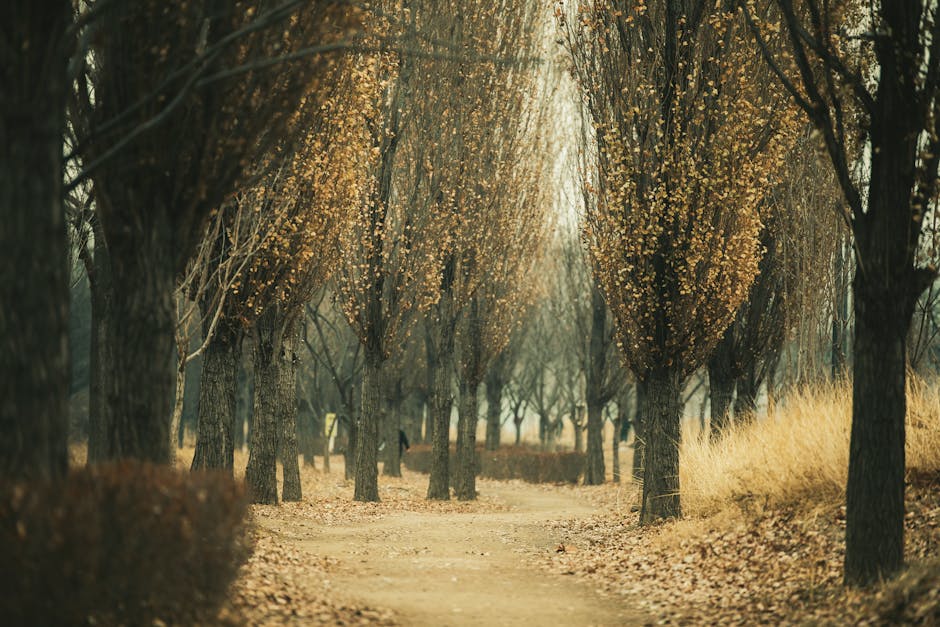
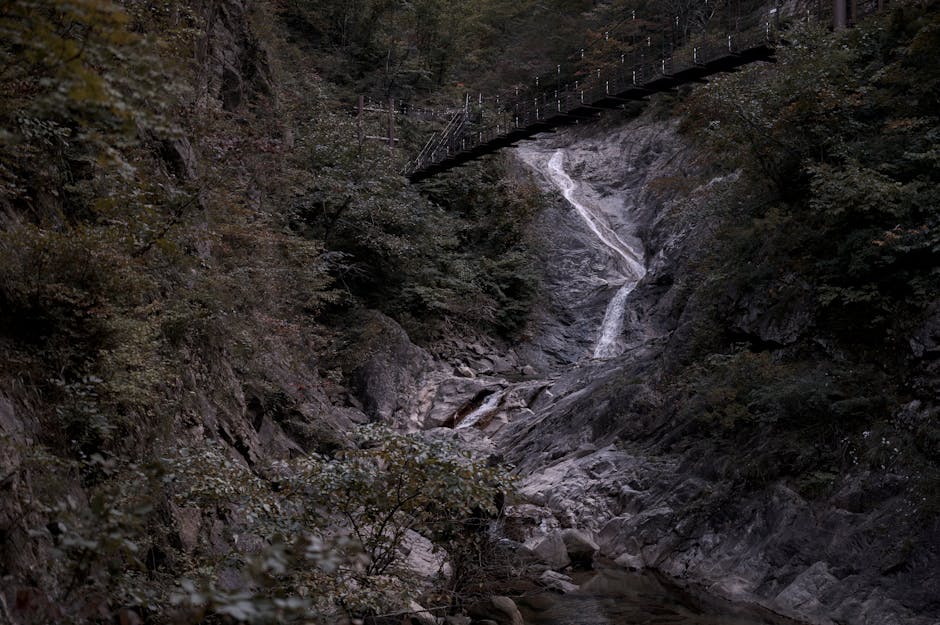
    hidden forest trail South Korea mist mountain path

    Why Hidden Trails Matter More Than Ever in 2026

    South Korea’s national park system recorded over 44 million visits in 2025, with Seoraksan and Jirisan consistently hitting capacity on weekends. The Korea National Park Service (KNPS) has responded by implementing timed-entry permits for peak zones — which, honestly, is a blessing in disguise for those of us willing to look a little further afield.

    Here’s the logical math: fewer visitors = better trail conditions, richer wildlife encounters, and a dramatically lower chance of standing behind a queue of selfie sticks at a waterfall. Beyond aesthetics, studies from Seoul National University’s environmental psychology department suggest that solitary or small-group nature immersion produces measurably higher cortisol reduction than crowded nature visits. In other words, the hidden trail isn’t just prettier — it’s actually better for your nervous system.

    5 Genuinely Under-the-Radar Trekking Spots in South Korea

    • Mureung Valley Ridge Trail, Gangwon Province — Most visitors stop at the valley floor. But the ridge trail above Mureung (무릉계곡) winds through old-growth pine for about 9km, with virtually zero crowds past the first kilometer. Best visited April–June before summer humidity peaks.
    • Geumo Island Coastal Loop, South Jeolla Province — This small island off Yeosu offers a 14km coastal circuit that combines rocky shoreline, camellia groves, and fishing village culture. The island’s permanent population is under 200, and most visitors take the 11am ferry back before noon.
    • Daedeoksan Forest Therapy Trail, North Chungcheong Province — Officially designated as a chisangyo (healing forest) but criminally undervisited. The 6km loop passes through a dense hinoki cypress zone that produces phytoncide levels — aromatic compounds linked to NK cell immune activity — among the highest measured in any Korean forest.
    • Gwaneumsa–Tamna Valley Alternate Route, Jeju Island — Everyone takes Gwaneumsa Trail to Hallasan’s summit. Almost nobody takes the unmarked lateral branch into Tamna Valley, which offers waterfall viewpoints and lava tube formations without the summit-day crowds.
    • Byeoksando Dulle-gil Section 7, South Chungcheong Province — The national dulle-gil (둘레길) network has well-known sections and forgotten ones. Section 7 around Byeoksando passes tidal mudflats at sunrise — an ecological spectacle that feels like it belongs in a nature documentary, not two hours from Seoul.

    Learning from International Hidden Trail Culture

    South Korea isn’t unique in grappling with this tension between accessibility and preservation. Japan’s Kumano Kodō pilgrimage network solved a similar problem by certifying less-traveled inner routes and marketing them specifically to slow travelers — resulting in a 30% redistribution of foot traffic away from the most eroded paths by 2024. New Zealand’s Department of Conservation uses a “Great Walks” versus “Other Tracks” two-tier system that subtly encourages experienced hikers toward wilder terrain.

    South Korea’s KNPS is quietly moving in the same direction in 2026, piloting QR-code trail discovery programs in four provinces that unlock hidden route information only once you’ve completed a baseline trail registration. It’s a clever nudge toward exploration rather than a blanket restriction.

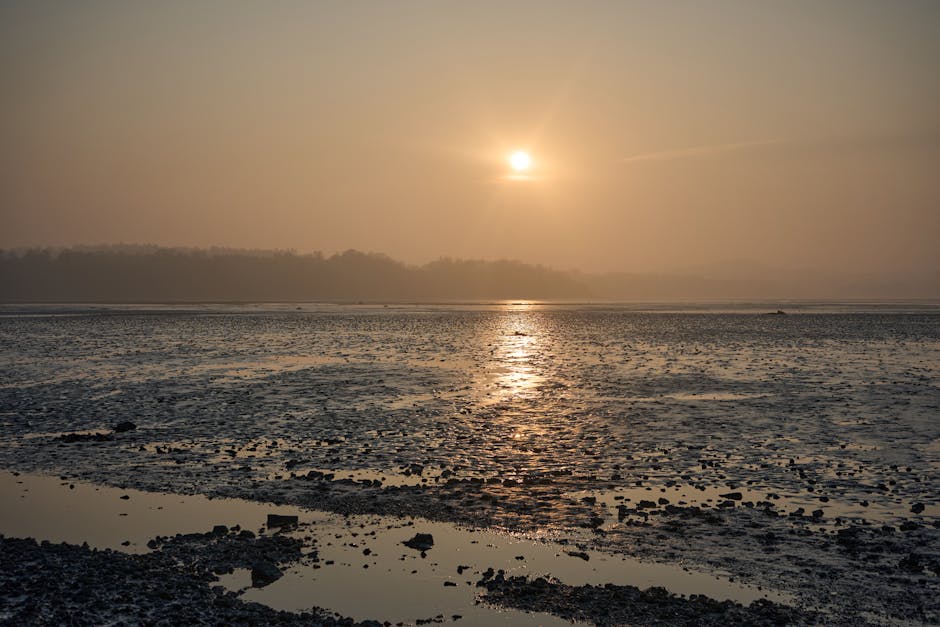
    South Korea tidal mudflat sunrise trekker silhouette coastal trail

    Practical Gear & Prep for Off-the-Beaten-Path Korean Trails

    Hidden trails come with a real trade-off: less infrastructure. That means you need to think a little more carefully before you go. Here’s what I’d recommend based on experience:

    • Navigation: Download offline maps via Naver Maps or KakaoMap before you lose signal. For serious ridge routes, Gaia GPS (now available with Korean topo overlays) is worth the subscription.
    • Water: Many unmarked trails have no water stations. Carry a filter like a Sawyer Squeeze — Korean mountain streams are generally clean but not guaranteed.
    • Trail reporting: Register your hike at the nearest ranger station or through the KNPS app. It’s not legally mandatory for most trails, but it’s genuinely responsible practice.
    • Timing windows: Shoulder seasons — late March to mid-May, and late September to early November — offer the best combination of weather, foliage, and minimal crowds on hidden routes.
    • Language prep: Trailhead signage on lesser-known paths is often Korean-only. Screenshot key phrases or use Papago’s camera translation feature.

    Realistic Alternatives If You Can’t Reach the Hidden Gems

    Not everyone can drive four hours to a coastal island or take a weekday off for a ridge trail. And that’s genuinely okay — let’s think through your actual options:

    If you’re Seoul-based with limited time, early morning visits to mid-tier trails like Bukhansan’s Bibong Ridge (before 7am on weekdays) can replicate the solitude effect without the travel burden. If mobility is a constraint, Daedeoksan’s forest therapy trail offers a relatively flat, paved section that still delivers the phytoncide and sensory benefits without technical climbing. And if you’re traveling with children, the Geumo Island ferry trip itself — slow, scenic, and unhurried — functions as a form of nature immersion even before the trail begins.

    The core principle is this: the goal isn’t the hidden trail specifically — it’s the quality of presence it enables. Any path that gets you out of algorithm-driven routine and into sensory contact with the natural world is doing its job.

    Editor’s Comment : In 2026, the most radical travel choice you can make might simply be going somewhere most people aren’t. South Korea’s hidden trekking trails aren’t just scenic alternatives — they’re a quiet argument for slowing down, planning with intention, and trusting that the best experiences rarely come pre-hashtagged. Lace up, download that offline map, and go find your own Mureung ridge moment.


    📚 관련된 다른 글도 읽어 보세요

    태그: [‘South Korea hidden trails’, ‘Korean trekking 2026’, ‘off the beaten path Korea’, ‘nature hiking Korea’, ‘Korean national park trails’, ‘secret hiking spots Asia’, ‘slow travel Korea’]

  • 2026년 국내 자연 숨은 명소 트레킹 코스 7선 – 아직 덜 알려진 그 길을 걷다

    지난 봄, 지인 한 명이 SNS에 사진 한 장을 올렸어요. 이름도 생소한 경북의 어느 계곡 트레킹 사진이었는데, 댓글이 폭발적으로 달렸죠. “여기 어디예요?”라는 질문이 수십 개. 정작 본인은 “그냥 동네 사람한테 물어봐서 간 곳”이라고 했습니다. 유명 트레킹 앱에도 안 나오는 길이었는데 말이에요. 이 작은 에피소드가 꽤 많은 걸 말해준다고 봐요. 우리나라 산과 숲, 계곡에는 아직도 ‘덜 밟힌 길’이 생각보다 훨씬 많다는 것. 오늘은 2026년 현재 기준으로, 여전히 사람이 많지 않으면서도 자연 그대로의 매력을 간직한 국내 트레킹 숨은 명소들을 함께 들여다보려 해요.


    📊 숫자로 보는 국내 트레킹 현황 – 왜 ‘숨은 명소’를 찾아야 할까?

    한국관광공사 자료에 따르면 2025년 기준 국내 등산·트레킹 인구는 약 1,800만 명으로 추정됩니다. 그런데 이 인구의 약 60% 이상이 북한산, 설악산, 지리산, 한라산 등 상위 10개 코스에 집중되어 있다고 해요. 설악산 대청봉 코스의 경우 성수기 주말 하루 탐방객이 5,000명을 넘기기도 합니다. 그 결과 탐방로 훼손, 생태계 교란, 예약 경쟁 과열 등의 문제가 지속적으로 제기되고 있죠.

    반대로 환경부가 지정한 국내 공식 트레킹 코스(생태탐방로 포함)는 전국 약 900개 이상에 달하지만, 이 중 일반 대중에게 널리 알려진 코스는 전체의 15% 내외에 불과하다는 점이 흥미롭습니다. 즉, 85%의 코스가 여전히 ‘잠재된 보석’ 상태라는 얘기예요.

    hidden trail Korean nature forest trekking path serene

    🌿 2026년 주목할 국내 자연 숨은 명소 트레킹 코스 7선

    아래 코스들은 대중교통 접근성, 탐방로 안전성, 생태적 희소성, 혼잡도 등을 복합적으로 고려해 선별한 곳들이에요. 유명 포털에 상위 노출되는 곳보다는, 아직 ‘조용히 알려지는 중’인 곳 위주로 담았습니다.

    • 경북 봉화 – 청옥산 육백마지기 둘레길 (약 8km)
      고원 습지와 초원이 공존하는 이색적인 풍경이 펼쳐지는 곳이에요. 해발 1,250m에 위치한 고산 평원이라 여름에도 서늘하고, 군중 없이 걸을 수 있다는 게 가장 큰 매력이라고 봅니다. 탐방로 정비는 기본 수준이지만 트레킹 초·중급자 모두 무리 없이 걸을 수 있어요.
    • 전남 곡성 – 섬진강 기차마을 숲길 (약 6km)
      강변을 따라 이어지는 메타세쿼이아 숲길과 옛 철길을 동시에 걸을 수 있는 코스입니다. 화순 운주사나 담양 죽녹원에 비해 알려지지 않았지만, 사계절 내내 고즈넉한 분위기가 살아 있어요. 특히 이른 아침 물안개 피는 시간대에 걷는 경험은 꽤 특별하다고 봅니다.
    • 강원 인제 – 방태산 아침가리 계곡 트레킹 (약 7.5km)
      ‘아침가리’는 “아침 햇살이 겨우 들어온다”는 뜻의 순우리말 지명이에요. 인제 원시림 구역에 위치한 탓에 접근성이 다소 낮지만, 그 덕분에 훼손도가 거의 없는 청정 계곡을 만날 수 있습니다. 오버투어리즘을 피하고 싶은 트레커들에게 특히 추천해요.
    • 충남 태안 – 안면도 꽃지 해변 솔숲 둘레길 (약 5km)
      바다 트레킹의 느낌을 원한다면 이 코스가 제격이라고 봐요. 해안선을 따라 이어지는 소나무 숲길이 일품이고, 낙조 시간에 맞춰 걷는 경험은 일몰 명소로 유명한 꽃지해변을 완전히 다른 시각으로 경험하게 해줍니다. 관광지 안쪽 숲길은 여전히 한적한 편이에요.
    • 경남 합천 – 황매산 철쭉 능선 외 사면 비공식 구간 (약 10km)
      황매산은 철쭉 명소로 알려졌지만, 철쭉 시즌 외에 능선 서쪽 사면 숲길은 방문객이 거의 없어요. 가을 억새 시즌에 이 구간을 걸으면 황매산의 ‘또 다른 얼굴’을 볼 수 있습니다. 현지 산악회가 주로 이용하는 코스라 정보 수집에 약간의 발품이 필요해요.
    • 제주 – 거문오름 용암동굴계 탐방로 (약 10km, 사전 예약 필수)
      유네스코 세계자연유산으로 등재된 거문오름이지만, 한라산이나 올레길에 가려 상대적으로 덜 알려진 편이에요. 하루 탐방 인원이 제한(약 450명)되어 있어 사전 예약 경쟁이 있지만, 그 덕분에 탐방로 생태가 잘 보존되어 있습니다.
    • 경기 가평 – 화악산 북릉 코스 (약 11km, 난이도 중상)
      경기도 최고봉(해발 1,468m)이지만 인근 명지산이나 축령산에 비해 인지도가 낮은 편이에요. 북릉 코스는 중상급 체력이 필요하지만, 경기 북부에서 이 정도 규모의 원시림을 만날 수 있다는 것 자체가 놀랍습니다.
    South Korea mountain ridge trekking sunrise fog valley wilderness

    🌍 국내외 ‘오버투어리즘 탈출’ 트레킹 트렌드와의 연결

    이 흐름은 사실 우리나라만의 이야기가 아닙니다. 세계적으로도 ‘오버투어리즘(over-tourism)’에 대한 반성이 커지면서 ‘슬로우 트레킹(slow trekking)’과 ‘오프 더 비튼 패스(off the beaten path)’ 여행이 주목받고 있어요.

    예를 들어 스코틀랜드는 인기 하이킹 코스인 웨스트 하이랜드 웨이(West Highland Way)의 혼잡을 분산시키기 위해 27개 대체 루트를 공식 개발해 안내하고 있고, 일본의 경우 후지산 요시다 루트 혼잡 문제를 해결하고자 2024년부터 1일 입산객 제한(4,000명)을 도입했죠. 국내에서도 환경부가 2025년부터 ‘국립공원 사전예약제’ 확대 적용을 본격화하며 비슷한 방향성을 취하고 있습니다.

    이런 맥락에서 보면, 지금 숨은 명소 트레킹 코스를 미리 알아두는 것은 단순히 ‘덜 붐비는 곳을 찾는’ 차원을 넘어서, 지속 가능한 여행 문화를 만들어가는 참여라고도 볼 수 있어요.

    ✅ 숨은 명소 트레킹 전, 현실적으로 체크할 것들

    • 코스 정보 확인: 국립공원공단 앱(탐방로 정보), 산림청 ‘숲길’ 앱, 문화체육관광부 ‘두루누비’ 앱을 교차 확인하는 습관이 중요해요. 비공식 코스는 통제 구간이 갑자기 생기기도 하니까요.
    • 혼자 트레킹 시 안전 장치: 등산로 외 구간은 반드시 지인에게 코스와 귀환 예정 시간을 공유하고, 오프라인 지도(maps.me, 산림청 오프라인 지도)를 사전에 저장해 두세요.
    • 계절별 접근성: 고산 지대 코스(청옥산, 화악산 등)는 11월~3월 사이 결빙·적설로 통제될 수 있어요. 방문 전 해당 지역 산림청 또는 국립공원 사무소 홈페이지에서 실시간 통제 정보를 반드시 확인하세요.
    • 흔적 남기지 않기: 숨은 명소가 계속 ‘숨은 명소’로 남으려면 방문자의 태도가 중요합니다. 쓰레기 없는 트레킹, 야생 동식물 훼손 금지는 기본 중의 기본이라고 봐요.

    에디터 코멘트 : 결국 ‘좋은 트레킹 코스’란 단순히 경치가 아름다운 곳만을 의미하지는 않는 것 같아요. 내 발걸음이 그 자연에 얼마나 가볍게 닿는지, 그 길이 얼마나 오랫동안 그 모습 그대로 남을 수 있는지와도 연결되는 문제라고 봅니다. 2026년 봄, 이미 다 알려진 산에서 인증샷 찍는 것도 좋지만, 아무도 밟지 않은 낙엽 위를 걷는 고요함도 한 번쯤 경험해 보시길 권해드려요. 그게 여행이 주는 진짜 ‘리셋’ 경험이 아닐까 싶습니다.


    📚 관련된 다른 글도 읽어 보세요

    태그: [‘숨은명소트레킹’, ‘국내트레킹코스’, ‘2026트레킹추천’, ‘국내여행숨은명소’, ‘오버투어리즘대안여행’, ‘슬로우트레킹’, ‘산림청트레킹코스’]

  • 3-Generation Family Travel in 2026: The Ultimate Guide to Planning Trips with Grandparents (Without the Stress)

    Last summer, my friend Karen tried to take her parents, her husband, and her two kids — ages 4 and 7 — on a beach vacation to the Outer Banks. By day two, her 72-year-old father was exhausted from the sand, her mother’s knee was acting up from the uneven boardwalks, and the kids were melting down because they wanted to swim while grandma needed a nap. Sound familiar? Here’s the thing: the trip wasn’t a bad idea. The planning was the issue.

    Three-generation family travel — what travel insiders now call “3-gen travel” or “multigenerational travel” — is one of the fastest-growing vacation categories in 2026. And it makes beautiful sense. Grandparents are living longer and staying more active, parents are carving out intentional family time, and kids are building memories that frankly no screen can replicate. But getting three generations with wildly different physical abilities, sleep schedules, and appetite for adventure to coexist happily on a single trip? That takes some serious strategic thinking. Let’s work through it together.

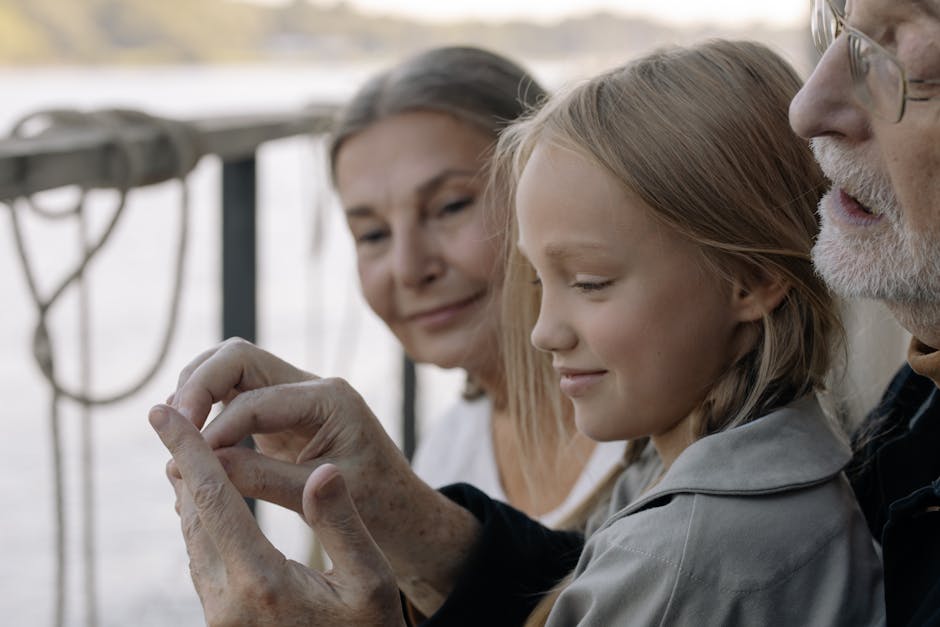
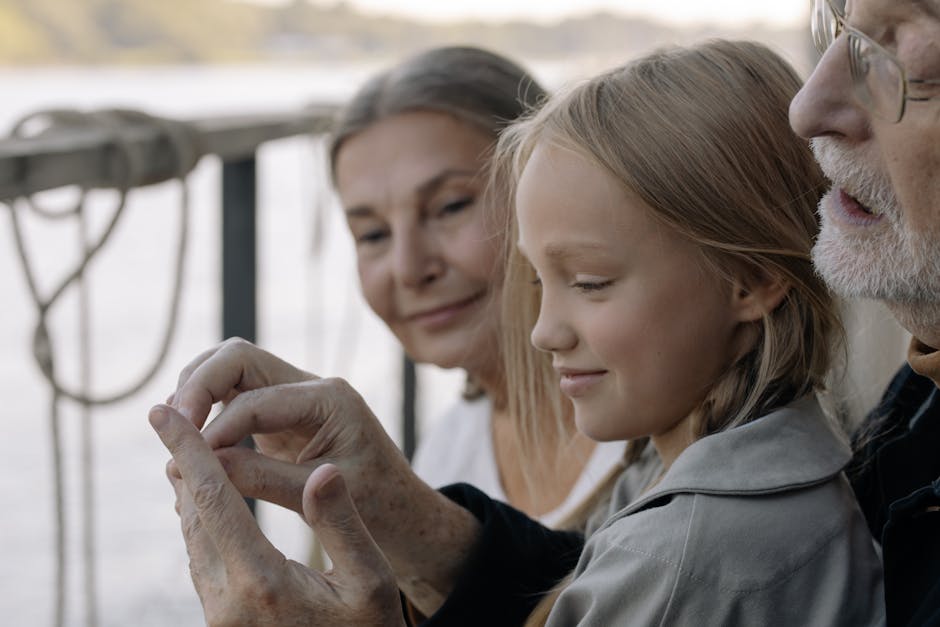
    three generations family travel beach grandparents grandchildren smiling

    Why 3-Gen Travel Is Booming in 2026 — and Why It’s Worth the Effort

    According to the American Association of Travel Advisors (ASTA) 2026 Travel Trends Report, multigenerational travel now accounts for roughly 31% of all leisure family bookings, up from 22% just four years ago. The driving factors are pretty clear when you dig into the data:

    • Post-pandemic relationship repair: Families are still making up for lost time from years of restricted gatherings. Grandparents who missed milestones are eager to reconnect.
    • Extended healthy longevity: The global average healthy life expectancy has nudged upward. Many grandparents in their 60s and 70s today are genuinely capable of keeping up — if the trip is designed thoughtfully.
    • “Memory banking” psychology: Research from Cornell University’s Human Emotion Lab consistently shows that shared experiences — especially novel ones — cement family bonds far more durably than gifted objects.
    • Cost-sharing appeal: Renting a large vacation home and splitting costs across three generations often ends up cheaper per household than separate vacations.
    • Grandparent-as-childcare bonus: Let’s be honest — parents get a little breathing room when grandparents are happy to read bedtime stories while mom and dad sneak out for dinner alone.

    The Core Challenge: Designing for Three Very Different Bodies and Minds

    Here’s where most families go wrong: they plan a trip that works for one generation and expect the others to adapt. The 3-gen travel framework that actually works in 2026 is built on what travel designers call “parallel programming” — overlapping activities that everyone can share, plus dedicated time slots where each group pursues what genuinely suits them.

    Think of it like a Venn diagram. The middle section — the overlap — is your shared itinerary: a leisurely morning stroll, a family dinner with a view, a light cooking class. The outer sections are where grandparents rest and reminisce, parents hit the cycling trail, and kids attack the waterpark. Nobody is dragging anyone through something miserable.

    Real-World Destinations That Get 3-Gen Travel Right in 2026

    Not all destinations are created equal for multigenerational groups. Here are some that have genuinely thoughtful infrastructure:

    • Kyoto, Japan: Flat temple gardens, wheelchair-accessible paths in many historic areas, bullet train convenience, and cultural activities ranging from zen pottery for seniors to ninja workshops for kids. Japan’s universal design standards have improved dramatically in recent years.
    • Tuscany, Italy (Agriturismo stays): Farm-stay accommodations with private villas mean grandparents can enjoy slow mornings with espresso and views while younger members explore nearby hill towns. The gentle, rolling countryside is low-impact and deeply beautiful.
    • Branson, Missouri, USA: Often underestimated, Branson in 2026 offers a genuinely accessible, multi-activity resort environment — live shows grandparents love, ziplines for the adventurous, and calm lake activities for everyone. It punches above its weight for 3-gen groups.
    • Jeju Island, South Korea: With its lava tube walking trails (many paved), coastal seafood markets, and a culture that deeply venerates elders, Jeju is practically purpose-built for 3-gen Korean families — and increasingly popular with international multigenerational travelers.
    • Porto, Portugal: Compact, walkable in the flat riverside areas (avoid the steep hillside neighborhoods with mobility-limited grandparents), rich in history, affordable in 2026 relative to other Western European cities, and full of sensory experiences every age group enjoys.
    multigenerational family villa tuscany italy grandparents grandchildren vacation

    The Practical Planning Checklist: What to Think Through Before You Book

    Alright, let’s get tactical. Here’s a checklist I’ve refined from years of observing what makes these trips sing — or implode:

    • Mobility audit first: Have an honest conversation with grandparents about their physical limits. Can they walk more than a mile? Do stairs pose a problem? Is the heat a medical concern? This shapes everything — destination, accommodation type, daily pace.
    • Accommodation: private rentals over hotel rooms: A large vacation home or villa gives everyone private retreat space, a shared kitchen for flexible mealtimes, and eliminates the logistical nightmare of coordinating hotel rooms across floors.
    • Build in mandatory rest periods: Don’t fill every hour. Grandparents (and honestly, toddlers) need predictable downtime. A 2-hour post-lunch quiet period isn’t wasted time — it’s what keeps everyone functional for the evening.
    • Travel insurance is non-negotiable: Medical evacuation coverage and trip interruption policies are especially critical when traveling with older adults. In 2026, several insurers now offer dedicated multigenerational family policies — worth researching.
    • Designate a logistics point person: One adult should own the bookings, reservations, and daily schedule. Decision-by-committee across three generations is a recipe for paralysis.
    • Pre-book accessibility accommodations: Wheelchair rentals at airports, accessible tour vehicles, ground-floor room requests — these need to be arranged weeks in advance, not scrambled for on arrival.
    • Create a “reunion ritual”: A simple daily anchor — maybe breakfast together every morning, or a sunset toast — gives the trip emotional cohesion even when the group splits up during the day.

    Budget Reality: What Does a 3-Gen Trip Actually Cost in 2026?

    Costs vary wildly by destination and group size, but let’s be realistic. A 7-night 3-gen trip for 6 people (2 grandparents, 2 parents, 2 children) to a domestic U.S. destination in a vacation rental typically runs $4,500–$8,000 all-in, depending on location and season. International trips to Europe can push $15,000–$25,000 for the same group once flights are included. The cost-sharing model genuinely helps — many families split accommodation costs three ways (grandparents, parent couple 1, parent couple 2) and find the per-household cost competitive with a solo family vacation.

    One increasingly popular structure in 2026: grandparents contribute the accommodation cost as a “gift” in lieu of individual birthday and holiday presents. It’s a meaningful gesture that sidesteps the awkward “what do we get them?” problem for years.

    When the Dream Trip Isn’t Possible: Realistic Alternatives

    Let’s be honest — not every family can pull off a week-long trip together, whether due to budget constraints, health limitations, or just the reality of complicated family dynamics. Here are genuinely good alternatives that still create that multigenerational connection:

    • Weekend regional getaway: A 2-night stay at a nearby lake cabin or resort is far more manageable and still creates strong shared memories. Many national park lodges now have excellent accessibility accommodations.
    • Day trip series: Instead of one big trip, plan monthly day excursions — a botanical garden, a local food tour, a drive-in movie. The cumulative effect rivals a single big vacation.
    • Home-based “staycation week”: Grandparents stay at your home for a week, and you plan day activities around your city like tourists. Low cost, low physical demand, high connection value.
    • Virtual shared experience: For families separated by distance, synchronized online cooking classes, virtual museum tours, or even simultaneous movie nights with video chat can maintain that sense of doing something together.

    The goal isn’t the perfect Instagram-worthy trip. It’s the grandmother teaching your daughter how to roll sushi. It’s the grandfather telling the story about his first car during a long car ride. It’s the specific, unrepeatable texture of time spent together across generations. The destination is just the backdrop.

    Editor’s Comment : The best 3-gen trips I’ve seen aren’t the most expensive or the most exotic — they’re the most thoughtfully designed. When you build an itinerary that genuinely respects what each generation needs rather than forcing everyone into the same mold, something remarkable happens: people actually relax, and the real conversations start. Start small if you need to. Even one successful weekend trip builds the family’s confidence and appetite for the next one. That’s how traditions are born.


    📚 관련된 다른 글도 읽어 보세요

    태그: [‘multigenerational travel 2026’, ‘family travel with grandparents’, ‘3-generation vacation planning’, ‘family travel tips’, ‘accessible travel destinations’, ‘vacation planning for seniors’, ‘family bonding travel’]

  • 조부모와 함께하는 3세대 가족 여행 완벽 가이드 2026 | 준비부터 현지 팁까지

    얼마 전 한 독자분께서 이런 메시지를 보내주셨어요. “올해 팔순을 맞이하신 시어머니와 다섯 살 손녀, 그리고 저희 부부까지 넷이 제주도 여행을 다녀왔는데, 솔직히 준비 과정이 너무 막막했어요.” 이 짧은 문장 안에 3세대 여행의 모든 고충이 담겨 있다고 봅니다. 체력도 다르고, 원하는 것도 다르고, 이동 속도도 다른 세 세대가 함께 여행한다는 건 분명 쉬운 일이 아니에요. 그런데도 해마다 3세대 가족 여행을 선택하는 가정이 눈에 띄게 늘고 있다는 사실, 알고 계셨나요? 오늘은 그 이유와 함께, 실제로 써먹을 수 있는 계획법을 같이 고민해 볼게요.

    three generation family travel grandparents grandchildren outdoor smiling

    📊 3세대 여행, 숫자로 살펴보면 얼마나 늘었을까?

    한국관광공사의 2026년 상반기 여행 트렌드 보고서에 따르면, 전체 국내 가족 여행 중 조부모가 동행하는 3세대 여행 비율은 약 28%로, 2022년(17%) 대비 무려 11%p 상승한 것으로 나타났습니다. 특히 50~60대 자녀 세대가 부모님의 건강이 허락할 때 함께 여행하고 싶다는 니즈가 강해지면서 이 수치는 꾸준히 우상향하는 추세라고 봅니다.

    예산 면에서도 흥미로운 지점이 있어요. 3세대 여행은 평균 지출이 2세대 가족 여행보다 약 1.4~1.6배 높은 경향이 있는데, 이는 단순히 인원이 많아서가 아니라 이동 편의(휠체어 대여, 콜밴 이용), 숙소 등급 상향, 의료 대비 여행자보험 등 실버 친화 옵션에 추가 비용이 발생하기 때문이에요. 3박 4일 국내 여행 기준으로 4인 가족(성인 2명 + 조부모 2명) 총 예산은 평균 180만~240만 원 선이 현실적인 범위인 것 같습니다.

    또한 여행 기간도 차이가 납니다. 3세대 여행의 평균 일정은 2박 3일~3박 4일이 가장 많고, 5일 이상 장기 여행은 전체의 12%에 그칩니다. 조부모의 체력 소모와 손자녀의 유치원·학교 일정이 겹치는 현실이 반영된 수치라고 볼 수 있어요.

    🌏 국내외 3세대 여행 성공 사례에서 배울 점

    국내 사례 — 경주 한옥스테이 패키지 : 경주시는 2025년부터 ‘세대 연결 여행’ 프로그램을 운영 중인데, 조부모 1인당 체험비 50% 할인과 전동 휠체어 카트 무료 대여 서비스를 결합해 3세대 방문객 비율이 전년 대비 34% 증가했다고 알려져 있어요. 핵심은 ‘보행 부담 최소화’와 ‘문화적 공감대 형성’을 동시에 잡았다는 점이에요. 어르신들에게는 익숙한 역사 문화 콘텐츠를, 아이들에게는 체험 활동을 배치한 구성이 세대 간 만족도 격차를 줄이는 데 효과적이었다고 봅니다.

    해외 사례 — 일본 ‘시니어 패밀리 투어’ : 일본 JTB가 운영하는 ‘손자와 조부모 투어’는 이미 10년 넘은 상품인데, 2026년 현재도 예약 경쟁이 치열해요. 이 상품의 특징은 하루 이동 거리를 10km 이하로 제한하고, 낮 1~3시 사이에 반드시 ‘자유 휴식 시간’을 배치한다는 거예요. 즉, 조부모의 오후 낮잠 루틴을 여행 일정 안에 자연스럽게 통합한 거죠. 이걸 보면서 여행 일정도 결국 가장 체력이 낮은 구성원의 리듬에 맞추는 것이 핵심이라는 생각이 들었어요.

    family travel planning checklist map elderly grandparent child

    ✅ 3세대 여행, 실전 체크리스트

    막연하게 “좋은 데 가자”보다 아래 항목을 하나씩 짚어가며 준비하면 훨씬 수월해져요.

    • 건강 상태 사전 확인 : 출발 2~3주 전 조부모의 복용 중인 약 목록을 정리하고, 여행지 인근 종합병원 위치를 미리 저장해 두세요. 특히 더운 계절 여행이라면 혈압약·혈당약 보관 온도에 주의가 필요해요.
    • 숙소 선택 기준 : ‘노인 친화 시설’ 인증 여부, 엘리베이터 유무, 욕실 안전 손잡이 설치 여부를 반드시 체크하세요. 펜션보다는 호텔 또는 리조트가 이동 동선 면에서 유리한 경우가 많아요.
    • 이동 수단 계획 : 고속버스보다는 KTX·SRT나 자가용이 적합해요. 렌터카 이용 시 SUV나 미니밴처럼 승하차가 편한 차량을 선택하는 것이 좋고, 조부모의 거동이 불편하다면 콜밴 전문 업체를 미리 예약하는 편이 훨씬 안심이 돼요.
    • 일정의 ‘여백’ 확보 : 하루에 관광지 3곳 이상은 욕심이에요. 오전 1곳, 오후 1곳으로 여유 있게 짜고, 중간에 카페 또는 휴식 포인트를 배치하세요.
    • 어린 자녀 대비 : 영유아나 초등 저학년이 있다면 유모차·카시트는 필수이고, 조부모 곁에서 보채거나 뛸 경우를 대비해 역할 분담(한 명은 아이 담당, 한 명은 조부모 동행)을 사전에 정해두면 훨씬 편해요.
    • 여행자 보험 : 만 65세 이상 어르신 전용 여행자 보험을 별도로 가입하는 걸 추천해요. 낙상 사고나 갑작스러운 건강 이상 발생 시 실손 적용 범위가 일반 보험과 다를 수 있거든요.
    • 세대 공통 관심사 찾기 : 여행 전 가족 단톡방에서 각자 가고 싶은 곳을 한 곳씩 적어달라고 해보세요. 의외로 조부모와 손자녀가 겹치는 취향(수산시장, 동물원, 야경 명소 등)을 발견할 수 있고, 그게 여행의 공통 기억이 돼요.

    💡 현실적인 대안 — 무리한 계획 대신 ‘느린 여행’ 철학으로

    3세대 여행에서 가장 많이 하는 실수는 “다 같이 행복해야 한다”는 압박 때문에 일정을 과도하게 채우는 것이에요. 역설적이게도 그게 오히려 갈등을 만드는 원인이 되기도 해요. 조부모는 힘들어도 내색 못하고, 아이들은 졸려서 칭얼대고, 중간 세대인 부모는 양쪽을 다 챙기다 지쳐버리는 패턴이죠.

    최근 주목받는 ‘슬로우 트래블(Slow Travel)’ 방식, 즉 한 지역에 오래 머물면서 동네 시장, 산책로, 카페를 천천히 즐기는 방식이 3세대 여행에 특히 잘 맞는다고 봐요. 많이 보는 것보다 함께 밥 먹고, 사진 찍고, 수다 떠는 시간 자체가 여행의 목적이 될 수 있으니까요.

    예산이 부담된다면 지자체 여행 지원 프로그램도 적극 활용해 보세요. 2026년 현재 서울시, 경기도, 부산시 등에서 만 65세 이상 어르신 포함 가족 여행 패키지에 1인당 최대 5~10만 원 지원금을 제공하는 프로그램이 운영되고 있어요. 각 지자체 공식 사이트 또는 한국관광공사 ‘대한민국 구석구석’ 앱에서 확인해 볼 수 있습니다.

    에디터 코멘트 : 저도 몇 해 전 외할머니와 함께한 강릉 여행을 지금도 가끔 떠올려요. 사실 그날 일정은 커피거리 한 곳 산책과 오징어순대 먹기가 전부였는데, 할머니가 “이렇게 좋은 데를 이제 와보네”라고 하시던 그 한마디가 그 어떤 관광지보다 오래 남아 있어요. 3세대 여행은 결국 장소가 아니라 함께하는 시간 자체가 목적지인 것 같아요. 완벽한 일정을 짜려는 부담보다, 그 시간을 즐기겠다는 마음가짐이 먼저인 것 같습니다.


    📚 관련된 다른 글도 읽어 보세요

    태그: [‘3세대가족여행’, ‘조부모여행’, ‘가족여행계획’, ‘시니어여행’, ‘세대공감여행’, ‘국내가족여행2026’, ‘슬로우트래블’]

  • Korea’s Best Hidden Gems for Foot Travelers in 2026: Car-Free Destinations That Will Blow Your Mind

    Last spring, I found myself standing at a tiny bus stop in the middle of Gyeongbuk with nothing but a 30-liter backpack and a vague Google Maps screenshot. No car, no rental, no tour group — just my feet and a stubborn curiosity. Three days later, I came back absolutely converted. The 뚜벅이 (car-free traveler) life in South Korea is not a compromise. It’s genuinely a superior way to discover places most people zoom past on the highway.

    In 2026, with train networks expanding under the KTX-eum Phase 3 rollout and regional bus apps like Naver Map Transit and Kakao T Bus becoming remarkably accurate even in rural areas, traveling Korea without a car has never been more viable — or more rewarding. Let’s think through the best hidden spots together, and why they actually work better for foot travelers.

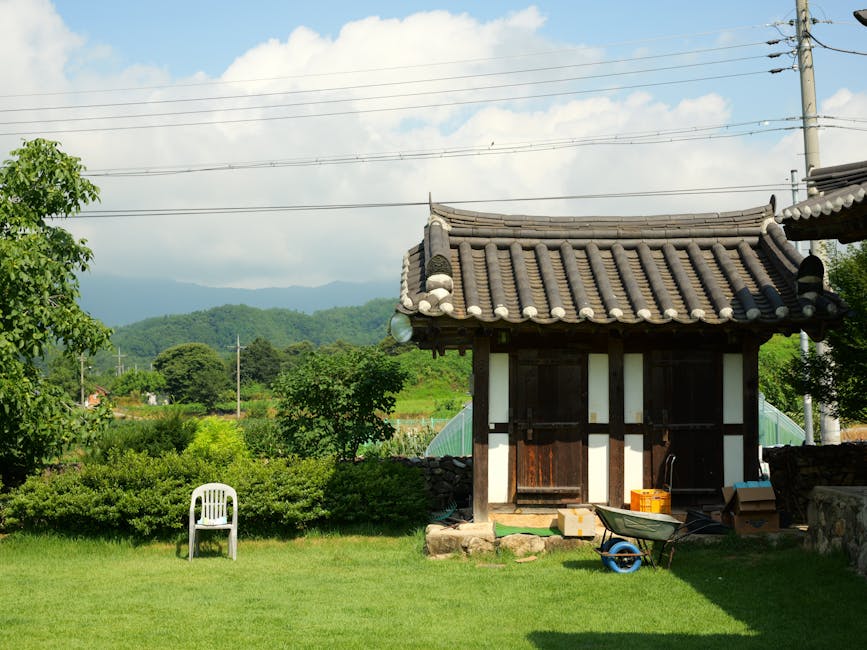
    Korea countryside walking trail village backpacker scenic

    Why Car-Free Travel Unlocks a Different Korea

    Here’s something worth chewing on: a 2025 Korea Tourism Organization survey found that 67% of domestic hidden-gem destinations are located within 500 meters of a public transit stop — yet fewer than 20% of domestic tourists arrive by transit. That gap is your opportunity.

    When you travel by foot and transit, you’re forced to slow down. You wait at the village bus stop. You chat with the halmeoni selling perilla leaves. You stumble into the unmarked doenjang jjigae restaurant that has no Instagram presence but a 40-year recipe. This is the Korea that car travelers genuinely miss.

    Top Hidden Gem Destinations for 뚜벅이 Travelers in 2026

    • Gyeongju Yangdong Village (양동마을), North Gyeongsang: A UNESCO-listed folk village that most people visit on a quick day trip from Gyeongju station. But staying overnight at one of the hanok guesthouses — reachable by local bus 203 — means you get the village entirely to yourself at dawn. The thatched rooftops in morning mist are genuinely cinematic.
    • Imsil Pilbong Village (임실 필봉마을), North Jeolla: This is Korea’s living heartbeat of nongak (farmer’s music). The village runs weekend cultural stays, and the nearest intercity bus drops you within a 10-minute walk. In 2026, the Jeonbuk region is heavily promoting this as an “authentic culture corridor” — meaning more funding for visitor infrastructure without the crowds yet.
    • Uljin Deokgu Hot Spring Area (울진 덕구온천), North Gyeongsang: Uljin is genuinely undervisited. The hot spring valley has a 2.2km boardwalk trail through a gorge with natural sulfur springs — and zero traffic because there’s literally no road through it. Take the intercity bus from Andong or Pohang. The payoff is enormous.
    • Gochang Seonunsan Provincial Park (고창 선운산), North Jeolla: Famous for camellia blooms in early spring but deeply uncrowded outside that narrow window. The park entrance is a 15-minute walk from Seonunsan bus terminal. The ridge trail connects to a coastal view that honestly rivals Jeju — without the flight.
    • Namhae German Village Area (남해 독일마을) → Mullae-ri Coastal Walk: Everyone knows the German Village, but almost nobody continues on foot to the Mullae-ri fishing hamlet 3km east. The coastal path between them is unmarked on most maps but perfectly walkable, and the view of Hallyeo Maritime National Park from the ridge is something else.

    Real-World Logistics: How to Actually Get There

    Let’s be honest about the friction points, because pretending it’s all seamless does you no favors. Rural bus schedules in Korea can be sparse — sometimes 3-4 buses per day. The golden rule for 뚜벅이 travelers in 2026:

    • Always download Kakao Map and Naver Map — they have different transit databases and you’ll often find routes on one that don’t appear on the other.
    • Use the 시외버스통합예약 (Intercity Bus Integrated Booking) app for advance seat reservations on longer routes — this matters especially for weekend travel.
    • Check the 고속버스 O-train package for Gyeongbuk mountain regions — it’s a KTX + local shuttle combo that launched in late 2025 and is genuinely excellent value.
    • Many villages now partner with local taxi cooperatives. A kakao T reservation to a trailhead is often only ₩4,000-8,000 from the bus stop.

    Korean village bus stop rural transit backpacker hiking boots

    International Comparison: Why Korea’s Model Is Actually Ahead

    Japan’s tetsudo tabi (railway travel culture) is often cited as the gold standard for car-free domestic tourism, and rightly so — JR Pass infrastructure is legendary. But Korea’s advantage in 2026 is the density of cultural content within short walking distances of transit nodes. Gyeongju alone has more UNESCO-listed sites walkable from a single bus corridor than most Japanese rural prefectures combined.

    Meanwhile, European slow travel advocates — particularly in Portugal’s Alentejo region and Slovenia’s hiking circuits — have long proven that foot-based itineraries generate 35-40% higher local economic spend per traveler (UNWTO, 2024 Rural Tourism Report). Korea’s rural municipalities are starting to catch on, with Jeollanam-do and Gyeongsangbuk-do both launching “뚜벅이 환영 마을” (foot traveler welcome village) certification programs in 2026.

    Realistic Alternatives: When the Hidden Gem Is Too Hard to Reach

    Let’s say you’ve researched Uljin but the bus schedule just doesn’t work for your itinerary. Here’s how to think about it logically:

    • Swap Uljin → Baekam Hot Spring (백암온천), same province: More frequent buses from Yongchu terminal, similar hot spring valley atmosphere, less dramatic but entirely manageable in a weekend.
    • Swap Gochang → Byeonsan Peninsula (변산반도): Served by Jeonbuk express buses almost hourly, coastal trails are equally beautiful, and the Gomso Salt Flats nearby are a hidden gem in their own right.
    • Can’t manage overnight stays? Use the 당일치기 (day trip) model: Many of these spots work beautifully as day trips from Jeonju, Daegu, or Busan — cities with excellent overnight accommodation and fast transit connections.

    The point is: don’t abandon the idea just because your first-choice spot has logistical friction. There’s almost always a lateral move that keeps the spirit of the adventure intact.

    Editor’s Comment : Traveling Korea without a car used to feel like a constraint. In 2026, it genuinely feels like a philosophy — a choice to arrive slowly, notice more, and spend your money where it actually matters to local communities. If you’ve been putting off that rural Korea trip because you don’t have a driver’s license or can’t share a rental cost, consider this your permission slip. Pack light, download both map apps, and go find the bus stop no one else is waiting at. That’s usually where the best story begins.


    📚 관련된 다른 글도 읽어 보세요

    태그: [‘Korea hidden gems 2026’, ‘뚜벅이 travel Korea’, ‘car-free travel South Korea’, ‘Korean rural tourism’, ‘Korea off the beaten path’, ‘domestic travel Korea transit’, ‘Korea slow travel destinations’]

  • 2026년 국내 뚜벅이 여행 숨은 명소 총정리 | 대중교통으로 떠나는 진짜 여행지

    작년 가을, 한 독자분께서 이런 메시지를 보내오셨어요. “차 없이 여행하면 결국 경복궁, 해운대, 오죽헌만 맴돌게 되더라고요. 뻔하지 않은 곳 없을까요?” 사실 이 질문, 저도 한 번쯤 해봤던 것 같아요. 렌터카 없이 떠나면 이동 반경이 좁아질 것 같다는 막연한 두려움 — 그런데 실제로 발품을 팔아보니 오히려 반대였어요. 대중교통이 닿는 곳엔 관광지 개발의 손길이 덜 미친, 훨씬 날 것 그대로의 풍경이 기다리고 있더라고요. 오늘은 2026년 기준으로 실제 뚜벅이들이 검증한 국내 숨은 명소들을 함께 살펴볼게요.

    Korea countryside travel backpacker walking trail scenic village

    📊 뚜벅이 여행, 수치로 보면 생각보다 훨씬 현실적이에요

    한국관광공사의 2026년 1분기 국내 여행 트렌드 리포트에 따르면, 20~40대 국내 당일치기·1박 여행자 중 약 41%가 대중교통을 주요 이동 수단으로 선택했다고 해요. 2023년 동일 조사(28%)와 비교하면 3년 새 13%p 이상 증가한 수치인 거죠. 특히 KTX와 SRT의 노선 확대, 광역 버스 실시간 배차 앱의 고도화 덕분에 과거엔 접근이 어렵다고 여겨졌던 지역들도 문턱이 많이 낮아졌어요.

    비용 면에서도 꽤 흥미로워요. 서울 기준 렌터카를 이용한 1박 2일 지방 여행의 평균 교통비(유류비 포함)는 약 14만~18만 원 수준인 반면, 기차+버스 조합의 뚜벅이 여행은 4만~7만 원 선으로 절반 이하가 가능하다는 분석도 있어요. 절약한 교통비를 숙박이나 로컬 식당에 쓸 수 있으니, 경험의 밀도가 오히려 올라가는 셈이라고 봅니다.

    🗺️ 2026년 뚜벅이들이 직접 검증한 숨은 명소 리스트

    아래 장소들은 단순히 ‘덜 알려진 곳’이 아니라, 실제로 대중교통 접근성이 확인된 곳들을 기준으로 추린 거예요. 국내외 여행 커뮤니티와 로컬 블로거들의 최근 후기를 교차 검증했고요.

    • 전북 군산 신흥동 일대 (일명 ‘히로쓰 가옥 골목’) — 군산역에서 도보 15분 거리. 근대 건축 문화재와 이색 카페들이 밀집해 있어요. 군산 자체가 이미 알려진 도시지만, 내항 방면 골목 안쪽은 아직도 한적한 편이에요.
    • 경남 통영 달아공원 — 통영 시외버스터미널에서 53번 버스로 접근 가능. 한려수도의 다도해를 파노라마로 볼 수 있는 일몰 명소인데, 관광객 대부분이 케이블카와 동피랑에 집중되어 있어서 상대적으로 여유로운 편이에요.
    • 강원 영월 별마로천문대 & 청령포 — 영월역에서 택시 또는 마을버스 활용. 청령포는 단종의 유배지로 역사적 의미가 깊고, 별마로천문대는 국내 최고 수준의 별 관측지로 꼽혀요. 수도권 빛 공해에 지친 분들께 추천해요.
    • 충남 보령 오천항 & 충청수영성 — 대천역에서 버스 이용. 보령 하면 머드축제만 떠오르는 분들이 많은데, 오천항 쪽은 조용한 어촌 분위기와 수백 년 된 수영성의 돌담길이 인상적이에요.
    • 경북 의성 산수유마을 (사곡면 화전리) — 의성버스터미널에서 농어촌버스 연계. 3월 말~4월 초 산수유 철에 방문하면 인파 없이 꽃길 산책이 가능해요. 2026년 현재도 여전히 상업화가 거의 안 된 상태예요.
    • 전남 담양 금성산성 & 추월산 자락 — 담양버스터미널에서 택시 또는 마을버스 이용. 메타세쿼이아길 인파에서 벗어나고 싶다면 이쪽 방향이에요. 능선 트레킹 후 담양호 전망이 일품이에요.
    • 제주 구좌읍 세화리 & 별방진 — 제주버스 201번 등 활용. 제주 동쪽 해안 세화리의 오일장과 바다색은 함덕, 협재와는 또 다른 결이에요. 조선 시대 왜구 방어용 성인 별방진은 여행자들의 발길이 드문 편이에요.

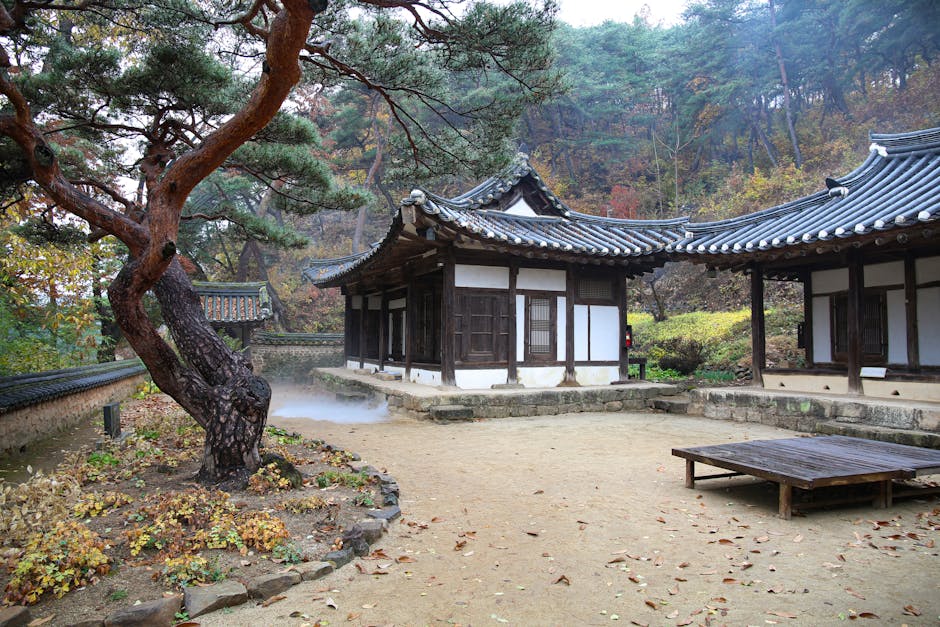
    Korean traditional village hidden scenic spot local travel destination

    🌍 해외 뚜벅이 문화에서 배울 점

    일본의 경우 ‘JR 패스’를 활용한 뚜벅이 여행 문화가 워낙 발달되어 있어서, 지방 소도시들도 역 중심으로 여행 인프라가 촘촘하게 깔려 있어요. 실제로 시마네현 이즈모나 야마구치현 하기 같은 곳들은 교통이 불편한 지역임에도 도보 관광 루트와 자전거 대여 시스템이 잘 갖춰져 있는 것으로 알려져 있죠.

    국내도 최근 비슷한 시도들이 눈에 띄어요. 전라남도의 ‘남도한바퀴’ 프로그램은 대중교통+관광지 셔틀 연계 패키지로 꾸준히 확대되고 있고, 충청북도의 ‘수레길 자전거 여행’ 역시 기차역 연계형으로 뚜벅이 친화 노선을 넓혀가고 있다고 봅니다. 이런 지자체 프로그램을 적극적으로 활용하면 이동 동선 계획이 훨씬 수월해져요.

    💡 뚜벅이 여행을 더 스마트하게 만드는 현실 팁

    숨은 명소를 찾는 것만큼, 현지에서 실제로 이동하는 전략도 중요해요. 몇 가지 실용적인 포인트를 정리해볼게요.

    • 카카오맵 도보·대중교통 모드를 출발 전날 밤에 미리 저장해두세요. 현지 인터넷 상황과 무관하게 오프라인으로 열람할 수 있어요.
    • 농어촌 지역의 경우 마을버스·군내버스 배차 간격이 2~3시간인 경우도 많으니, 반드시 귀환 막차 시간을 미리 확인하는 게 좋아요.
    • 지역 관광 안내소에서 배포하는 종이 지도가 생각보다 유용해요. 앱에 나오지 않는 로컬 맛집이나 소규모 문화재 정보가 담겨 있는 경우가 많거든요.
    • 숙소는 터미널이나 역과 도보 10분 이내 거리를 1순위로 잡는 게 뚜벅이 여행의 기본이라고 봅니다.

    에디터 코멘트 : 뚜벅이 여행의 핵심은 ‘이동의 불편함을 즐기는 것’이 아니라, 이동 자체를 여행의 일부로 설계하는 것이라고 생각해요. 창밖으로 지나치는 논길, 터미널 앞 분식집, 버스 안에서 옆자리 어르신과 나누는 대화 — 이런 것들이 사실 렌터카로는 절대 얻을 수 없는 경험이거든요. 오늘 소개한 곳들이 여러분의 다음 여행 루트에 작은 영감이 됐으면 좋겠습니다. 부담 없이, 가방 하나 들고 한번 떠나보세요. 생각보다 괜찮을 거예요. 😊


    📚 관련된 다른 글도 읽어 보세요

    태그: [‘뚜벅이여행’, ‘국내숨은명소’, ‘대중교통여행’, ‘국내여행2026’, ‘혼자여행’, ‘저비용여행’, ‘국내여행추천’]

  • Family Themed Travel Abroad in 2026: Real Stories, Smart Tips & Alternatives for Every Budget

    Last spring, I stood in the middle of Universal Studios Japan’s Nintendo World, watching my seven-year-old daughter spin around with a Power-Up Band on her wrist, absolutely convinced she had become a real Mario character. That moment — pure, unscripted joy — is exactly why families keep investing in themed international travel. But let me be honest with you: getting to that moment took months of planning, a few unexpected meltdowns (mine included), and some hard-learned lessons I wish someone had shared with me beforehand.

    So if you’re considering taking your kids on a themed overseas adventure in 2026, let’s think through this together — the good, the realistic, and the smart alternatives when things don’t go exactly as planned.

    family themed park travel abroad kids adventure 2026

    Why Themed Travel Is Booming Among Families in 2026

    The global family tourism market reached approximately $180 billion USD in 2025 and continues to climb into 2026, with themed destination travel — think Disney parks, Legoland resorts, Studio Ghibli Park, and Safari World experiences — making up nearly 28% of all family leisure bookings according to the UNWTO Family Travel Index released earlier this year.

    What’s driving this? A few key shifts:

    • Post-pandemic experience prioritization: Parents are spending on memories over material gifts at record rates in 2026.
    • Content-connected travel: Kids who grow up watching global streaming content naturally want to visit the real-world locations of their favorite stories.
    • Immersive technology integration: Parks like Disney’s new Avatar: Pandora Expansion in Paris and Nintendo World’s AR Quest Mode have made the physical and digital worlds genuinely inseparable for children.
    • Shorter but more intentional trips: The average family themed trip in 2026 is 5–7 days, down from 10+ days pre-2020, but with a much higher per-day spend.

    Real Experiences from Real Families: What Actually Happened

    Let me walk you through three types of themed travel experiences that real families reported in 2026 — because the range is enormous depending on your child’s age, budget, and travel style.

    🎢 Experience 1 — Toddler Family (Ages 2–4) at Legoland Malaysia: A family from Seoul documented their trip with twin 3-year-olds. The verdict? Legoland Malaysia’s Miniland and Duplo Valley were genuinely magical for this age group, but roughly 40% of rides had height restrictions the kids couldn’t meet. Key insight: always download the park’s official app and filter by age bracket before booking. The family’s total spend was approximately $1,800 USD for 3 nights, including on-site hotel stay — which they called “completely worth it” for the convenience alone.

    🌟 Experience 2 — Elementary-Age Family (Ages 6–10) at Studio Ghibli Park, Japan: This is perhaps the most talked-about themed destination of 2025–2026 among families with children who love animated films. A Tokyo trip with Ghibli Park as the centerpiece is now a rite of passage for many Korean, Chinese, and Southeast Asian families. The park is uniquely non-ride-centric — it’s deeply atmospheric and storytelling-focused — making it perfect for imaginative kids but potentially underwhelming for thrill-seekers. Ticket booking windows open 3 months in advance and still sell out in hours. Pro tip: use a Japanese tour package that includes ticket procurement as part of the bundle.

    🦁 Experience 3 — Multi-Age Family (Ages 4 & 12) at Safari Park Thailand (Khao Kheow Open Zoo + Overnight Safari): Wildlife-themed travel is having a serious moment in 2026 as eco-conscious parenting values align with adventure. This family navigated the challenge of an age gap beautifully by choosing a nature-based theme rather than a ride-focused park — giving both a preschooler and a preteen genuine engagement. Total budget: around $2,400 USD for 5 days including flights from Seoul.

    The Honest Challenges Nobody Puts in the Highlight Reel

    Here’s where we need to get real together, because themed travel with kids is not the highlight reel version on Instagram.

    • Jet lag and schedule collapse: A child who hasn’t slept properly will not appreciate a $150 VIP park experience. Build in a minimum 1-day recovery buffer after arrival.
    • Queue fatigue is real: Even with Lightning Lane or premium fast-pass systems, waits of 40–90 minutes are normal. Kids under 5 often hit a wall around hour 4 of any park day.
    • Themed dining costs are staggering in 2026: Character dining at Disney parks now averages $75–$120 USD per adult and $45–$80 per child. Budget this separately and deliberately.
    • Language and logistics stress for parents: Japan, in particular, requires more preparation than most families anticipate — IC card setup, train navigation, and reservation systems for popular restaurants all demand advance work.
    kids enjoying theme park Japan family travel experience

    Realistic Alternatives When the Dream Trip Isn’t Feasible

    Not every family can swing a $3,000–$5,000 USD international themed trip in 2026, and that’s completely okay — let’s think through some smart alternatives that still deliver the magic.

    • Domestic themed resorts: In South Korea, Everland’s upgraded Zootopia World (opened late 2025) and Lotte World’s new IP-themed zones offer a genuine Disney-adjacent experience at roughly one-third the cost of a Japan or Singapore trip.
    • Themed cruise routes: Royal Caribbean’s Icon of the Seas, sailing out of Singapore in 2026, includes full Marvel and Disney character experiences on select sailings — combining the themed park feel with built-in accommodation and transport.
    • Off-peak Japan visits: Booking Ghibli Park for late autumn weekdays reduces both ticket competition and crowd density significantly, and round-trip airfare from Seoul drops to under $250 USD per person.
    • Hybrid trip design: One themed destination day paired with nature, culture, or culinary exploration reduces both cost and sensory overload for kids — and honestly makes for a richer family memory overall.

    Planning Framework: The 2026 Family Themed Travel Checklist

    • ✅ Research age-specific ride/activity eligibility at least 3 months out
    • ✅ Book accommodations inside or adjacent to the theme for immersion + convenience
    • ✅ Purchase tickets through official channels or verified tour packages only
    • ✅ Build a “flex day” into the itinerary for rest or weather-related changes
    • ✅ Pre-load digital payment options (IC cards for Japan, Octopus for Hong Kong, etc.)
    • ✅ Pack a small themed activity kit for transit days (sticker books, character figures) to manage anticipation
    • ✅ Set realistic daily park hour limits — 5–6 hours is usually the sweet spot for under-10s

    Themed travel with children is one of those investments that compounds over time in the memory bank. My daughter still talks about that Nintendo World morning — not because it was perfect, but because it was real and shared. The planning headaches dissolve; the wide eyes stay with you.

    Whatever destination you’re considering in 2026, go in with curiosity, a loose grip on the plan, and a firm grip on your child’s hand. That’s genuinely the whole recipe.

    Editor’s Comment : The best themed travel isn’t about the most expensive park or the longest itinerary — it’s about matching the experience to where your child actually is right now, developmentally and emotionally. A three-year-old doesn’t need Tokyo Disneyland; they need Duplo Valley and a good nap. A ten-year-old doesn’t need every fast pass; they need one moment that feels like the story came to life. Plan for them, not the algorithm.


    📚 관련된 다른 글도 읽어 보세요

    태그: [‘family themed travel 2026’, ‘kids overseas travel tips’, ‘theme park vacation with children’, ‘Studio Ghibli Park family review’, ‘family travel budget planning’, ‘international travel with toddlers’, ‘best family destinations 2026’]

  • 아이와 함께하는 해외 테마 여행 후기 2026 | 실패 없는 키즈 여행지 완벽 가이드

    작년 겨울, 저는 여섯 살 딸아이의 손을 잡고 일본 오사카 유니버설 스튜디오 재팬(USJ)의 입장 게이트 앞에 섰습니다. 줄을 서며 ‘이게 맞는 선택이었을까?’ 하는 걱정이 스쳤어요. 아이가 너무 어리지 않을까, 기다리다 지치면 어쩌나 하는 그 불안감, 육아 여행을 계획해 본 분이라면 누구나 공감하실 거라 봅니다. 그런데 막상 뛰어들고 나니, 그 여행은 우리 가족의 ‘인생 여행’이 됐어요. 오늘은 제가 직접 다녀온 경험을 바탕으로, 2026년 현재 아이와 함께하기 좋은 해외 테마 여행지들을 현실적인 시각으로 풀어보려 합니다.

    family theme park travel kids Japan Universal Studios

    📊 2026년 키즈 테마 여행, 숫자로 보는 현실

    먼저 현실적인 비용 이야기를 해볼게요. 막연하게 ‘비싸겠지’라고 생각하셨다면, 구체적인 수치를 보면 오히려 계획 세우기가 훨씬 쉬워집니다.

    • 일본 오사카 USJ (4박 5일 기준, 성인 2 + 어린이 1): 항공료 포함 약 180~230만 원 선. USJ 1일 입장권은 성인 약 1만 엔(한화 9만~10만 원), 어린이(4~11세) 약 6,800엔. 얼리 엔트리 익스프레스 패스를 추가하면 1인당 2~3만 엔이 더 필요하지만, 대기 시간을 평균 40~60분에서 5~10분으로 단축시켜 줘서 아이를 데리고 갈 때는 사실상 필수라고 봅니다.
    • 싱가포르 센토사 섬 (5박 6일 기준, 성인 2 + 어린이 1): 총 예산 약 350~450만 원. 유니버설 스튜디오 싱가포르(USS) + 어드벤처 코브 워터파크 콤보 패키지가 성인 기준 약 SGD 88(한화 약 9만 원)로, 두 테마파크를 하루씩 즐기면 가성비가 꽤 좋아요.
    • 태국 방콕 드림월드 + 수상시장 (4박 5일 기준): 가장 경제적인 선택지로, 총 예산 약 130~180만 원. 드림월드 입장료는 성인 약 THB 700(한화 약 2만 8천 원), 어린이는 절반 수준.
    • 2026년 기준 엔화 환율이 안정세를 유지하면서 일본 여행의 가성비가 여전히 좋은 상황이라, 올해도 일본이 키즈 해외 여행 1순위로 꼽히는 인 것 같습니다.

    🌏 국내외 가족 여행 트렌드 사례 — 2026년 달라진 점

    2026년 현재, 해외 키즈 여행의 트렌드는 단순히 ‘놀이기구 타기’에서 ‘체험형 스토리텔링 여행’으로 확실히 이동했다고 봅니다. 아이가 단순한 관람객이 아닌, 여행의 주인공이 되는 방식이죠.

    ① 일본 — 스튜디오 지브리 파크 (나고야 근교 아이치현)
    2022년 개장 이후 꾸준히 인기를 끌어온 지브리 파크는 2026년 현재 5개 에리어가 완전 개장된 상태입니다. ‘이웃집 토토로’, ‘하울의 움직이는 성’ 등 클래식 지브리 IP를 실제 세계처럼 구현해 놓은 곳으로, 7세 이상 아이들은 영화 속에 들어온 듯한 감동을 느낍니다. 중요한 건 사전 예약 필수라는 점이에요. 현장 구매는 사실상 불가능에 가깝고, 공식 사이트에서 입장 월 기준 2~3개월 전 예약이 권장됩니다.

    ② 싱가포르 — 유니버설 스튜디오 싱가포르의 ‘미니언 랜드’ 확장 구역
    2025년 말 정식 오픈한 미니언 랜드 확장 구역은 4~8세 아이들에게 압도적으로 인기 있는 존이라고 봅니다. 키 제한 없이 즐길 수 있는 라이드가 다수 포함되어 있어, 어린아이를 둔 부모 커뮤니티에서 ‘드디어 아이도 즐길 수 있는 USS’라는 반응이 뜨거웠어요.

    ③ 국내 가족 여행자들의 선택 변화
    한국 여행사 데이터 기준으로, 2026년 상반기 가족 여행 패키지 예약에서 ‘테마형 여행'(특정 IP 또는 자연체험 콘셉트)의 비중이 일반 자유여행 대비 약 34% 증가한 것으로 나타났습니다. 부모들이 단순 관광보다 아이의 ‘경험 자산’을 쌓아주는 여행에 더 많은 가치를 두기 시작한 흐름이라고 봅니다.

    children family Singapore Universal Studios Minion Land experience

    🎒 아이와 해외 테마 여행, 이것만은 꼭 챙기세요

    • 골든 타임은 오전 개장 직후 1~2시간: 대부분의 테마파크는 오전 9~11시 사이에 인파가 가장 적습니다. 아이가 가장 기대하는 어트랙션을 이 시간대에 공략하는 것이 핵심이에요.
    • 짐은 최소화, 유모차는 현지 렌탈 고려: 싱가포르나 일본 주요 테마파크는 유모차 대여 서비스가 잘 갖춰져 있어요. 무거운 짐보다 가벼운 발걸음이 훨씬 중요합니다.
    • 아이 전용 여행자 보험 필수 가입: 특히 놀이기구 이용 중 발생하는 사고나 갑작스러운 발열, 식중독 등에 대비해 어린이 특약이 포함된 여행자 보험은 절대 건너뛰지 마세요.
    • 음식 알레르기 카드 사전 준비: 해당 국가 언어로 아이의 알레르기 정보를 적은 카드를 미리 만들어 두면, 식당에서 소통하기 훨씬 수월합니다. 일본어, 영어 버전 무료 템플릿이 육아 커뮤니티에 많이 공유되고 있어요.
    • 일정은 반드시 ‘여유롭게’: 하루 2~3개 명소 이상은 아이에게 과부하입니다. 어른 기준 빡빡한 일정을 60~70% 수준으로 줄이는 것이 현명한 인 것 같습니다.

    💬 현실적인 대안 — 예산·체력·나이에 따른 맞춤 선택

    모든 가정이 싱가포르나 일본을 갈 수 있는 것은 아니죠. 예산이 빠듯하거나, 아이가 너무 어리거나, 장거리 비행이 부담스럽다면 다음과 같은 대안을 고려해 보는 건 어떨까요?

    • 3세 이하 영·유아를 동반한 경우: 태국 방콕 + 파타야 조합이 현실적입니다. 비행 시간이 약 5~6시간으로 짧고, 물가가 저렴해 경제적 부담이 적어요. 파타야 ‘노엉 누치 열대식물원’은 아이들이 다양한 동식물을 체험할 수 있는 좋은 대안이라 봅니다.
    • 예산 200만 원 이하를 원하는 경우: 일본 후쿠오카 2박 3일 코스. 마린월드 수족관, 후쿠오카 타워 등 아이와 즐길 거리가 충분하고, 비행 시간도 약 1시간 20분으로 매우 짧습니다.
    • 처음 해외 테마 여행을 시도하는 경우: 패키지 여행보다 ‘에어텔(항공 + 호텔 조합 상품)’을 이용해 기본 뼈대를 잡고, 나머지 일정은 자유롭게 구성하는 세미 자유 여행 방식을 추천해요. 전부 혼자 계획하는 부담을 줄이면서도 현지 자유도를 확보할 수 있거든요.

    에디터 코멘트 : 아이와 함께하는 해외 테마 여행은 ‘아이를 위한 여행’처럼 보이지만, 사실은 부모 자신도 어릴 적 꿈꿨던 세계를 함께 재발견하는 경험인 것 같습니다. 완벽한 준비보다는, 아이의 눈높이에서 세상을 바라보는 여유를 먼저 챙기는 게 어쩌면 가장 중요한 준비물이 아닐까 싶어요. 2026년, 여러분 가족만의 ‘인생 여행’을 만들어 가시길 진심으로 응원합니다.


    📚 관련된 다른 글도 읽어 보세요

    태그: [‘아이와해외여행’, ‘키즈테마여행’, ‘가족여행추천’, ‘유니버설스튜디오’, ‘지브리파크’, ‘싱가포르가족여행’, ‘2026해외여행’]