Author: likevinci

  • Best Family Camping Destinations in South Korea 2026: Insider Picks You’ll Actually Love

    Last spring, a close friend of mine — let’s call her Jiyeon — packed up her minivan with her husband, two kids aged 6 and 9, and enough camping gear to outfit a small expedition. She’d done her research online but still ended up at a campsite that was beautiful in photos and a complete nightmare in person: rocky ground, no shade, and bathroom facilities that made everyone wish they’d just booked an Airbnb. She called me from the car on the way home, half-laughing, half-exhausted. “Why didn’t anyone tell me the real stuff?”

    That conversation stuck with me. South Korea has genuinely incredible family camping destinations — but the gap between Instagram-worthy photos and the on-the-ground reality can be brutal. So here’s my honest, boots-on-the-ground guide to the best domestic family camping spots in 2026, built from real visits, conversations with other campers, and yes, a few disasters that taught me more than any travel guide ever could.
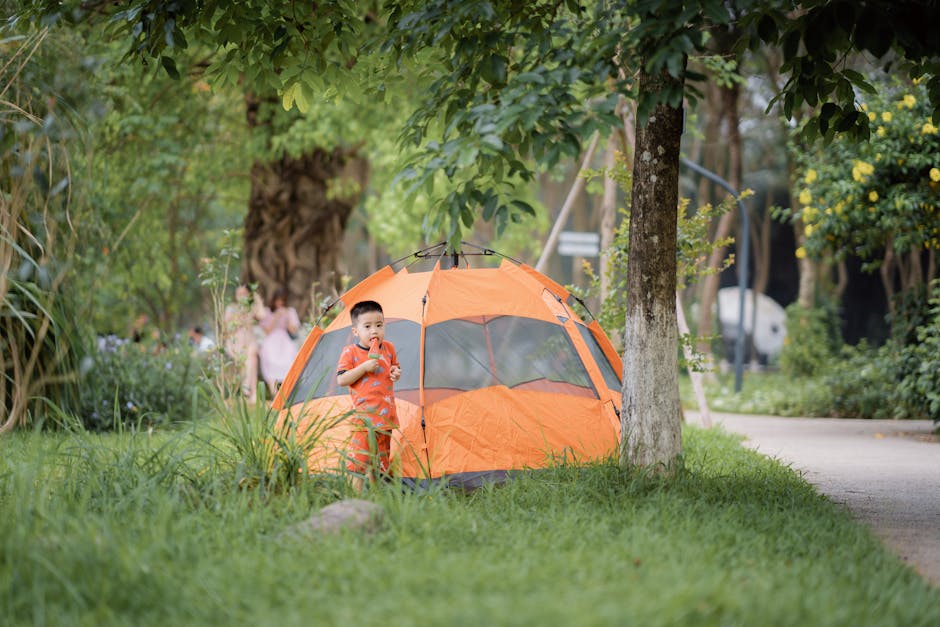
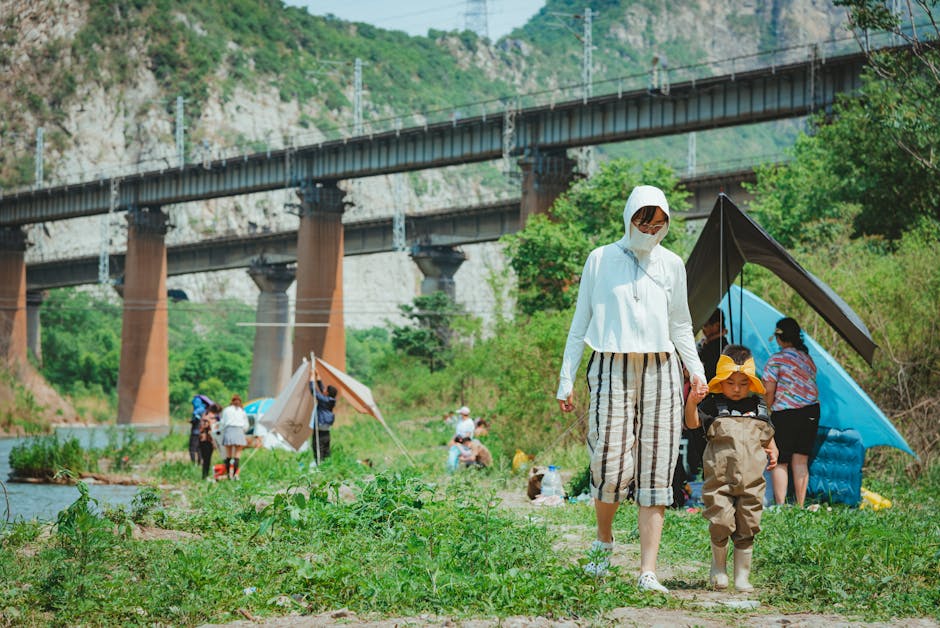
    South Korea family camping, forest campsite tents children

    Why Family Camping in Korea Is Booming Right Now

    It’s not just a vibe — the numbers back it up. According to the Korea Forest Service’s 2025 annual report, registered national forest campsites across the country surpassed 1,200 facilities, a 34% increase from 2021. Weekend reservation slots at top-tier sites like Gapyeong and Jirisan campsites fill up within minutes of opening — often within 3 to 5 minutes on platforms like Naver Camping and AutoCamping Korea.

    Why the surge? Post-pandemic outdoor culture solidified, urban families started treating camping as a genuine lifestyle reset rather than a one-off adventure, and local governments invested heavily in family-friendly infrastructure. Many sites now feature glamping options, dedicated kids’ play areas, and eco-education programs that make the trip genuinely enriching for children — not just a place to sleep in a tent.

    Top 5 Family Camping Destinations Worth Every Bit of Effort

    Let me walk you through the spots that consistently deliver — not just aesthetically, but practically, for families with young children.

    • Gapyeong Jara Island Campsite (가평 자라섬 오토캠핑장): Sitting in the middle of the North Han River, this is arguably the most iconic family campsite in Korea. Flat terrain (huge deal for families with younger kids), river access for safe wading, and a well-maintained toilet/shower block. Peak season (July–August) requires reservations 2–3 months in advance through the official Jarasum campsite reservation portal. Pro tip: book a spot in the E-zone for the best riverfront view without the noise from the main entrance road.
    • Odaesan National Park Campsite, Gangwon-do (오대산 국립공원 야영장): For families who want that deep-forest, cool-air experience, Odaesan is unmatched. Average summer temperatures hover around 22–24°C even in July — a genuine relief from city heat. The Woljeongsa temple walk nearby doubles as an excellent cultural experience for older kids. Reservations go through the Korea National Park Service reservation system (reservation.knps.or.kr).
    • Damyang Bamboo Forest Campsite, Jeollanam-do (담양 대숲 오토캠핑장): If you’ve never camped surrounded by towering bamboo, the sound alone — that hollow, whispering rustle when wind passes through — is worth the trip. Damyang’s Juknokwon bamboo grove area has developed proper family camping zones with paved auto-camping spots, electric hookups, and proximity to the famous Gwanbang Jebang waterway walk. Great for kids who get restless in pure wilderness.
    • Jeju Hallasan National Park Campsite (제주 한라산 야영장): Yes, you can camp in Jeju beyond the resort strip. The Eoseungsaengak campsite near Hallasan offers a completely different Jeju experience — volcanic rock formations, unique endemic flora, and cool highland air. Limited to 30 parties per night, which keeps it blessedly quiet. Note: campfires are prohibited here, so bring a gas stove setup.
    • Namhae Hanryeo Marine National Park, Gyeongsangnam-do (남해 한려해상국립공원 캠핑장): South coast camping with actual sea views. The Sangju Silver Sand Beach campsite here offers direct beach access, calm and shallow waters perfect for young children, and stunning sunset views over the Hallyeohaesang waterway. The nearby Boriam Temple hike is manageable for kids 7 and up.
    Gapyeong Jara Island camping river Korea, family tent campsite riverside

    What Most Travel Guides Don’t Tell You: Real Insider Tips

    Here’s the stuff that only comes from having actually been there — or knowing someone who has:

    • Reservation timing is everything: Most premium public campsites open reservations exactly 30 days in advance at 9:00 AM KST through the Naver Camping app or individual national park portals. Set an alarm. Have your login and payment info ready. Seriously — treat it like a flash sale.
    • The “family zone” vs. general zone difference: Many campsites quietly offer separated family zones (가족 야영구역) with better lighting, slightly wider pitches, and proximity to restrooms. Always filter for this when booking — it’s not always prominently advertised.
    • Gear rental is increasingly solid: If you’re just getting started, companies like Camptown Korea and Rentout offer full family camping gear packages delivered to the campsite. In 2026, rental pricing for a 4-person full setup runs roughly ₩80,000–₩150,000 per night depending on spec level.
    • Check for raccoon dog (너구리) activity: Yes, really. At forest campsites in Gangwon-do especially, these curious animals can raid food left out overnight. Use a hard cooler with a latch, not just a ziplock bag in a bag.
    • Early morning is magic: Experienced family campers know that the 6:00–8:00 AM window — before most sites wake up — is when children get the most authentic outdoor experience. Mist on rivers, bird calls, no crowds. Build it into your schedule deliberately.

    Safety and Logistics: The Practical Side

    South Korea’s campsite safety infrastructure has improved considerably. As of 2026, all national park campsites are required to have AED (automated external defibrillator) units on-site and maintain a 24-hour emergency contact line. Still, a few things to stay ahead of:

    • Download offline maps before you go — cell coverage in mountain forest zones can drop unexpectedly.
    • Tick prevention: Carry permethrin spray for clothing, especially in Gangwon-do and Jeolla-do forest sites from May through October.
    • Weather monitoring: The Korea Meteorological Administration’s app (기상청 날씨알리미) gives hyper-local forecasts. Mountain weather changes fast — a beautiful morning can turn rainy by 2 PM.
    • For first-timers: consider starting with a glamping (글램핑) facility to get a feel for outdoor family life before committing to full tent camping. Korea’s glamping infrastructure in 2026 is genuinely impressive.

    Booking Resources and Useful Platforms

    To save you the search time, here are the most reliable reservation platforms currently active in Korea:

    • reservation.knps.or.kr — Official Korea National Park campsite reservation system
    • Naver Camping (네이버 캠핑) — Aggregated campsite search and reservation with user reviews
    • AutoCamping Korea (오토캠핑코리아) — Particularly strong for auto-camping (drive-in) site listings
    • Forest Service Campsite Portal (숲나들e) — Managed by Korea Forest Service, covers national forest campsites

    Cross-referencing two or three of these will give you the most complete picture of availability, amenities, and recent user reviews. Trust the reviews from the last 3 months most — campsite quality can shift seasonally.

    The honest truth about family camping in Korea in 2026? The infrastructure is better than it’s ever been, the destinations are genuinely world-class, and the experiences your children will remember longest aren’t the luxury amenities — they’re the morning you all watched fog roll off a bamboo forest together, or the evening you cooked ramyeon on a camp stove because the rain came in and everyone thought it was hilarious. Plan smart, stay flexible, and leave room for the unplanned moments. Those are the ones that stick.

    Editor’s Comment : If I had to pick just one site for a family making their first camping trip in Korea, I’d say Gapyeong Jara Island without hesitation — the flat ground, river access, and well-maintained facilities take so much logistical stress off the table, letting you focus on actually enjoying it together. Once you’ve got one trip under your belt, level up to Odaesan or Namhae for that genuinely wild feeling. The learning curve is gentler than you think, and the payoff is enormous.


    📚 관련된 다른 글도 읽어 보세요

    태그: family camping Korea 2026, 국내 가족 캠핑, South Korea camping destinations, Gapyeong campsite, Odaesan camping, Korea national park camping, family outdoor travel Korea
  • 아이들이 먼저 가자고 조르는 국내 가족 캠핑 명소 TOP 7: 2026 실패 없는 코스 총정리

    작년 여름, 친한 동생이 전화를 했다. “형, 캠핑 처음 가려는데 어디가 좋아? 유튜브 보니까 다 좋다는데 뭘 믿어야 할지 모르겠어.” 맞다. 인터넷에 넘쳐나는 캠핑 명소 추천들, 막상 가보면 주차장에서부터 멘탈이 박살나는 곳들이 수두룩하다. 사이트 간격 1.5m에 옆집 고기 냄새 마시면서 ‘이게 자연이냐’고 욕하며 돌아온 경험, 한 번쯤은 있을 거다.

    그래서 정리했다. 직접 가봤거나, 같이 간 가족 단위 지인들한테 데이터 뽑아서 걸러낸 2026년 현재 기준 진짜 쓸만한 국내 가족 캠핑 명소 TOP 7. 예쁜 사진 올리려고 만든 리스트 아니다. 아이 있는 집 기준으로, 화장실 수준부터 주변 편의점 거리까지 다 따졌다.

    family camping Korea, tent forest riverside children

    ① 강원도 홍천 비발디파크 오토캠핑장 – “워터파크 붙어있는 캠핑장, 세상에”

    솔직히 말하면, 순수 자연파 캠퍼들한테는 비추다. 리조트 오토캠핑장이라 사이트가 좀 좁고 인공적이다. 근데 초등학생 이하 아이들 있는 집? 이거 게임 끝이다. 오션월드까지 도보 5분. 캠핑 사이트에서 짐 풀고 아이들 워터파크 보내놓고 부모는 캠핑의 낭만을 즐길 수 있는 구조다.

    • 사이트 수: 약 120개 (오토캠핑 기준)
    • 비용: 주말 기준 약 6만~8만원/1박
    • 전기 연결: 전 사이트 가능 (20A)
    • 화장실/샤워: 리조트급 (리조트 시설 일부 공유)
    • 주변 편의: 도보 10분 내 편의점, 마트, 식당 다수

    진짜 팁: 오션월드 시즌권 미리 끊어가면 캠핑+워터파크 합산 비용이 일반 리조트 숙박보다 30~40% 저렴하다. 예약은 최소 3주 전 필수. 주말 당일 예약은 꿈도 꾸지 마.

    ② 경기도 가평 자라섬 캠핑장 – “수도권 가족의 국민 성지, 이유가 있다”

    서울에서 1시간 10분. 이 거리가 주는 심리적 접근성이 자라섬의 가장 큰 무기다. 북한강이 바로 옆이고, 섬 전체가 공원이라 아이들 자전거 타기, 물가 놀기, 산책 다 된다. 2026년 현재 기준 총 사이트 수 약 580개로 국내 최대 규모 캠핑장 중 하나.

    • 비용: 비수기 3만원~, 성수기 주말 6만~9만원
    • 예약: 경기관광공사 캠핑 예약 시스템 (gyeonggi.go.kr 계열)
    • Wi-Fi: 일부 구역 가능 (완전한 디지털 디톡스는 어려움)
    • 서울춘천고속도로 가평IC 기준 약 10분 거리

    단점은 성수기에 사람이 너무 많다. 7~8월 주말에 가면 도심 공원 느낌이 나는 건 어쩔 수 없다. 진짜 자라섬의 맛은 5월이나 10월 평일에 있다. 재즈 페스티벌 기간(매년 10월)에는 캠핑하면서 공연까지 즐길 수 있어서 가성비 폭발.

    ③ 강원도 정선 민둥산 캠핑장 – “별이 이렇게 많은 줄 몰랐다”

    해발 1119m. 억새로 유명한 민둥산 아래 자리 잡은 캠핑장이다. 수도권에서 3시간 걸린다. 그게 단점이자 장점이다. 멀어서 사람이 덜 오고, 덜 오니까 진짜 자연이 살아있다. 밤에 텐트 열면 쏟아지는 별이 아이들한테 진짜 과학 교육이 된다. 뽕이 차다.

    • 고도가 높아 여름에도 낮 최고 25도 내외, 밤엔 15도 이하 – 얇은 침낭 금지
    • 가을 억새 시즌(9월 말~10월 초): 예약 전쟁. 최소 한 달 전 예약
    • 사이트 비용: 2만~4만원대로 상대적으로 저렴
    • 근처 정선 아리랑 시장에서 곤드레밥, 메밀전병 → 밥 걱정 없음

    ④ 충남 태안 천리포 해변 캠핑장 – “서해 일몰은 종교 체험이다”

    동해 캠핑만 생각하는 사람들, 서해를 너무 우습게 봤다. 태안 천리포 수목원 인근 해변 캠핑장에서 보는 일몰은 진짜 달력 사진 수준이다. 해변 바로 앞 사이트에서 조개 구워 먹고, 물이 빠지면 갯벌 체험까지. 아이들한테 ‘바다는 동해만 있는 게 아니야’를 온몸으로 가르쳐줄 수 있다.

    • 갯벌 체험 가능 시간대: 물때표 미리 확인 필수 (서해는 조수간만 차 최대 7~8m)
    • 비용: 사이트 종류에 따라 3만~7만원
    • 서울 기준 약 2시간~2시간 30분 (서해안고속도로 이용)
    • 천리포 수목원 입장료: 성인 9,000원 / 가족 단위 할인 있음

    주의: 서해 해변이라 모래 입자가 동해보다 굵고 바람이 강하다. 타프(그늘막) 고정 팩은 넉넉하게, 길게 준비해 가야 한다. 모래 바람 맞으면서 캠핑하다가 텐트 날아간 썰 주변에서 두 번 들었다.

    Korea west coast sunset camping beach family

    ⑤ 전남 담양 대나무숲 캠핑장 – “여름 폭염의 유일한 해답”

    대나무숲 속 캠핑이 얼마나 시원하냐고? 외부 기온 36도일 때 대나무숲 내부는 28~30도. 수치가 말해준다. 담양 메타세쿼이아 길과 함께 연계 관광하면 1박 2일 일정이 알차게 꽉 찬다. 서울에서 약 3시간 30분이라는 거리가 아쉽지만, 여름철 캠핑지로는 국내 탑 3 안에 든다.

    • 죽녹원 입장료: 성인 3,000원 / 어린이 1,000원 (담양군 공식 기준)
    • 캠핑장 주변 떡갈비, 대통밥 식당 다수 – 밥은 여기서 해결이 국룰
    • 비용: 3만~5만원대
    • 광주공항 기준 40분, KTX 광주송정역 기준 30분이라 대중교통+렌트 조합도 가능

    ⑥ 경북 울진 왕피천 캠핑장 – “이걸 모르면 캠퍼 아님”

    왕피천은 국내에서 생태 보존 등급이 가장 높은 계곡 중 하나다. 멸종위기종이 서식할 정도로 손이 안 탄 청정 구역. 계곡물이 투명하다 못해 파란색이다. 오버투어리즘이 덜해서 상업적인 캠핑장 분위기와는 거리가 멀다. 대신 편의시설은 솔직히 최소한이다.

    • 서울 기준 약 4시간 (동해고속도로 이용)
    • 성수기 비용: 3만원 내외 (비수기엔 더 저렴)
    • 인근 울진 대게 타운 – 캠핑하고 대게 먹는 조합이 인생 조합
    • 단점: 주변 편의점까지 차로 15~20분. 장 보고 가야 함

    이 곳은 캠핑 2회 이상 경험 가족에게 추천한다. 완전 초보 가족이 갔다가 편의시설 없다고 고생하는 거 봤다.

    ⑦ 제주 서귀포 인근 글램핑 – “텐트 안 치고 캠핑 감성 사는 법”

    아이가 어리거나, 캠핑 장비가 없는데 캠핑을 해보고 싶다면 글램핑이 답이다. 제주 서귀포 중문 관광단지 인근 글램핑 시설들은 2026년 현재 기준 대부분 침대, 에어컨, 개인 바베큐 그릴까지 갖춰져 있다. 가격대는 비싸지만 호텔+캠핑 감성 두 마리 토끼 잡기엔 최고다.

    • 비용: 1박 15만~30만원 (시설에 따라 천차만별)
    • 성수기 예약은 2~3개월 전 필수. 제주 가서 당일 예약 시도? 미친 짓.
    • 중문 해수욕장, 천지연폭포, 헬로키티아일랜드 접근 30분 이내
    • 렌터카 필수 – 제주공항에서 서귀포까지 약 50분

    📊 7개 캠핑장 한눈에 비교표

    캠핑장 지역 비용(1박) 서울 거리 난이도 아이 친화도 편의시설 추천 시즌
    비발디파크 오토캠핑 강원 홍천 6~8만원 약 1.5시간 ⭐ 초보 ⭐⭐⭐⭐⭐ 최상 7~8월
    자라섬 캠핑장 경기 가평 3~9만원 약 1.2시간 ⭐ 초보 ⭐⭐⭐⭐ 5월, 10월
    민둥산 캠핑장 강원 정선 2~4만원 약 3시간 ⭐⭐ 중급 ⭐⭐⭐ 9~10월
    천리포 해변 캠핑 충남 태안 3~7만원 약 2.5시간 ⭐⭐ 중급 ⭐⭐⭐⭐ 6월, 9월
    담양 대나무숲 전남 담양 3~5만원 약 3.5시간 ⭐ 초보 ⭐⭐⭐⭐ 중상 7~8월
    왕피천 캠핑장 경북 울진 2~3만원 약 4시간 ⭐⭐⭐ 고급 ⭐⭐ 6~8월
    서귀포 글램핑 제주 15~30만원 항공 이용 ⭐ 초보 ⭐⭐⭐⭐⭐ 최상 봄·가을

    ⚠️ 가족 캠핑 초보가 반드시 피해야 할 실수 8가지

    • 1. 성수기 주말 예약 없이 현장 방문: 국내 유명 캠핑장은 주말 예약이 오픈 동시에 마감된다. 인기 캠핑장은 오픈 1~2분 내 마감이 현실.
    • 2. 아이 수면 도구 과소 준비: 캠핑장 밤 기온은 체감온도 기준으로 일반 가정 실내보다 평균 5~8도 낮다. 침낭 등급 확인 필수.
    • 3. 텐트 크기를 인원수에 딱 맞춰 구매: 4인용 텐트는 성인 4명 누울 수 있는 크기일 뿐. 짐 놓고 아이들이 뒤집고 다니면 6인용도 좁다.
    • 4. 코펠(캠핑용 냄비) 없이 라면만 가져가기: 첫날 밤 배고픈 아이들 달래다가 부모가 먼저 멘탈 터진다. 간단한 식재료와 조리 도구 필수.
    • 5. 방충 준비 소홀: 특히 계곡 인근 캠핑장은 6~9월 모기가 극한이다. 모기장, 모기 스프레이, 모기 패치 세트로 준비.
    • 6. 타프(그늘막) 없이 여름 캠핑: 텐트 안은 직사광선 받으면 사우나가 된다. 타프 없는 여름 캠핑은 고문이다.
    • 7. 쓰레기 처리 계획 없음: 많은 캠핑장이 자기 쓰레기 자기 처리 원칙. 대형 비닐봉지 여러 개 챙겨갈 것.
    • 8. 공지 사항 미확인: 장마철, 산불 경보, 하천 수위 등으로 갑작스럽게 캠핑장 운영이 중단되는 경우가 있다. 출발 전날 반드시 캠핑장 공식 SNS나 전화로 확인.

    ❓ FAQ – 독자들이 가장 많이 물어보는 것들

    Q1. 아이가 4살인데 캠핑 첫 도전, 어디서 시작해야 하나요?

    무조건 자라섬 또는 비발디파크다. 두 곳 다 화장실·샤워시설이 양호하고, 주변에 편의점이 가깝다. 첫 캠핑에서 편의시설 좋은 곳 가야 ‘캠핑 트라우마’ 없이 두 번째를 기약할 수 있다. 왕피천이나 민둥산은 3~4번 캠핑 경험 쌓고 가도 늦지 않다.

    Q2. 캠핑 장비 없이 캠핑할 수 있는 방법이 있나요? 일단 가보고 싶은데 장비에 돈 쓰기가 겁납니다.

    두 가지 방법이 있다. 첫째는 글램핑. 장비 불필요, 캠핑 감성은 살아있음. 비용만 감수하면 된다. 둘째는 캠핑 장비 렌탈 서비스 이용. 2026년 현재 야놀자, 캠핏(Campfit) 등 플랫폼에서 텐트, 타프, 버너, 랜턴 세트 렌탈 가능하다. 하루 렌탈 비용 3~5만원 정도. 일단 경험하고 나서 장비 구매해도 절대 안 늦다.

    Q3. 여름 피서철에 사람 덜 붐비는 숨겨진 캠핑 명소는 없나요?

    완전히 ‘비밀 명소’는 이제 SNS 시대에 없다고 보면 된다. 그래도 상대적으로 덜 붐비는 곳은 경북 울진 왕피천, 강원 삼척 덕풍계곡 인근 캠핑장들이다. 접근성이 나빠서 사람들이 덜 간다. ‘불편함을 감수하면 사람을 피할 수 있다’는 철학으로 접근하면 보인다. 단, 편의시설 기대는 접어두고 가야 한다.


    🏕️ 결론: 어디가 1등이냐고?

    개인적인 평점으로 따지면, 담양 대나무숲 캠핑장이 가성비 1위고, 자라섬이 접근성·편의성 1위다. 아이들 만족도 기준으로는 비발디파크 오토캠핑이 압도적이다. 어디가 최고냐는 질문보다 ‘우리 가족이 뭘 원하는가’를 먼저 정해야 한다.

    캠핑은 가는 장소보다 함께 가는 사람이 더 중요하다는 말이 있다. 맞다. 근데 장소를 잘 못 고르면 ‘함께 가는 사람’이랑 싸울 확률도 올라간다. 그러니까 장소도 잘 고르자.

    에디터 코멘트 : 2026년 캠핑 트렌드는 ‘덜 준비하고 더 많이 경험하기’다. 장비 갖추느라 1년 미루지 말고, 글램핑이든 렌탈이든 일단 한 번 가봐라. 아이들이 별 보면서 눈 커지는 그 순간, 그게 캠핑을 계속하게 만드는 이유가 된다.


    📚 관련된 다른 글도 읽어 보세요

    태그: 국내 가족 캠핑, 가족 캠핑 명소 추천, 2026 캠핑 명소, 아이랑 캠핑, 국내 캠핑장 추천, 초보 가족 캠핑, 캠핑 여행 코스

  • 2026 Family Travel Destinations: Best Domestic vs. International Picks — A Real Parent’s Honest Review

    Last winter, my sister called me in a mild panic. She had three kids under twelve, a tight vacation budget, and a husband who hadn’t taken more than four days off in two years. “Should we go to Jeju or just bite the bullet and do Japan again?” she asked. I laughed — because honestly, that’s the question every Korean family I know is wrestling with heading into 2026. Domestic? International? And which destinations actually work with kids who have very different opinions about everything?

    I’ve been traveling with families — my own, friends’, and readers of this blog — for over a decade now. I’ve hauled a stroller through Osaka train stations and I’ve driven rental cars down Jeju’s coastal roads at sunset with a toddler asleep in the back. So let me break this down the way I wish someone had for my sister: honestly, specifically, and with the insider details that Google Maps just won’t tell you.

    family travel 2026, Korea Jeju island beach children

    Why 2026 Is a Different Year for Family Travel

    Before diving into destinations, context matters. 2026 is shaping up to be a rebound year for family tourism in a big way. According to data from the Korea Tourism Organization (KTO) published in early 2026, domestic family travel bookings are up approximately 23% year-over-year, driven largely by the expansion of KTX rail routes and improved family-friendly infrastructure at major resort regions.

    On the international side, the weak Korean won against the Japanese yen has softened slightly (hovering around KRW 960–980 per JPY 100 as of Q1 2026), making Japan slightly more accessible again after the brutal exchange rates of 2024–2025. Meanwhile, Southeast Asian destinations like Da Nang (Vietnam), Danang, and Bali remain attractively priced, especially with the proliferation of direct charter flights from Incheon and Gimhae airports.

    The global travel analytics firm Skift Research noted in their 2026 Family Travel Index that families with children aged 5–14 are the fastest-growing traveler segment globally, with average trip durations lengthening to 6.8 days as hybrid work arrangements allow one or both parents more flexibility. Sound familiar?

    Top Domestic Destinations for Korean Families in 2026

    1. Jeju Island — Still the undisputed king of domestic family travel. But here’s what’s changed: the new Jeju Digital Nature Trail (opened March 2026) integrates AR-based storytelling for kids along Hallasan hiking routes. My insider tip? Avoid the eastern coast restaurants on weekends — head to Haenyeo Village in Hado-ri on a Tuesday morning instead. You’ll get an authentic diving demonstration with almost no crowds, and kids are absolutely mesmerized.

    2. Gangwon-do (Especially Yangyang & Sokcho) — Surf culture has genuinely taken root in Yangyang, and in 2026 it’s not just for twenty-somethings anymore. Surfyy Beach and Inna Beach now offer dedicated family surf lesson packages (around KRW 80,000–120,000 per family session). The drive from Seoul via the Seoul–Yangyang Expressway is under 2.5 hours. Pair it with a morning at Naksansa Temple or Seoraksan’s cable car and you’ve got a genuinely diverse weekend.

    3. Yeosu & Suncheon (South Jeolla) — Criminally underrated. The Suncheon Bay National Garden is breathtaking year-round, and the Yeosu cable car over the ocean is genuinely thrilling for kids. Food here is exceptional — Yeosu odeng (fishcake skewers) are a rite of passage. KTX now connects Seoul to Yeosu in about 2h 40min, which is a game-changer for families who dread long drives.

    Top International Destinations for Korean Families in 2026

    1. Osaka & Kyoto, Japan — Yes, still. Despite the crowds, Japan continues to be the #1 international destination for Korean families according to Hana Tour’s 2026 Q1 booking data. The reasons are practical: minimal language barrier (many signs in Korean), extreme food safety standards, and kid-friendly infrastructure that is honestly world-class. My specific tip: skip Universal Studios Japan in peak periods (Golden Week, summer) and instead do Nara Park + Osaka Aquarium (Kaiyukan) as your big kid activity day. Far less stress, just as memorable.

    2. Da Nang, Vietnam — This is the dark horse pick for 2026. Direct flights from Incheon take about 4.5 hours, and resort packages at places like Furama Resort or the InterContinental Danang Sun Peninsula offer genuine luxury at prices that feel almost unreasonable by Korean standards. The Ba Na Hills cable car and French Village theme park is legitimately magical for younger kids. My caveat: go between February and May. The September–November monsoon season is unforgiving.

    3. Hokkaido, Japan (Summer Travel) — If you’re planning for July or August, Hokkaido deserves its own category. Farm Tomita in Furano with its lavender fields, the Asahiyama Zoo (Japan’s most innovative zoo), and the sheer cool climate (avoiding Korea’s brutal summer heat) make it a near-perfect family escape. Sapporo’s ramen alone is worth the trip.

    Da Nang Vietnam family resort beach 2026, Osaka Japan family travel children

    Domestic vs. International: The Real Comparison

    • Budget: Domestic trips (Jeju, Gangwon) average KRW 600,000–900,000 for a family of four (4 nights, accommodation + transport). International averages KRW 1.5M–3.5M depending on destination. Da Nang package deals can get surprisingly close to the domestic ceiling.
    • Travel Stress: Domestic wins hands down — no passport logistics, no currency exchange, no jetlag. But for families with older kids (10+), the novelty factor of international travel creates memories that domestic trips often can’t match.
    • Food Safety: Japan and domestic Korea are the safest bets for families with picky eaters or kids with food allergies. Southeast Asia requires more research and preparation.
    • Kid Engagement: Destination parks and interactive experiences are more developed internationally (Universal Studios Osaka, Tokyo DisneySea). Domestically, experiential nature activities (haenyeo diving demos, surf lessons) are increasingly competitive.
    • Weather Predictability: Jeju and Gangwon in summer are reliable. Southeast Asia has very specific safe windows. Japan’s spring/autumn are superb but require booking 3–5 months in advance in 2026.
    • Cultural Learning: International travel wins for exposing children to genuinely different cultures, languages, and foods — invaluable in an increasingly global world.
    • Spontaneity: Domestic travel allows last-minute planning flexibility that international trips rarely do.

    The Insider Logic No One Talks About

    Here’s the thing my experienced traveler friends always say: the best family trip isn’t the most impressive destination — it’s the one that matches your family’s specific rhythm. A family with a 2-year-old and a 9-year-old has completely different needs than a family with three kids aged 8–13. The 2-year-old doesn’t care about Da Nang’s French Village; they care about a pool they can safely splash in and nap schedules that aren’t destroyed.

    Resources I genuinely recommend for 2026 planning: Naver Travel’s family section (updated with 2026 seasonal picks), TripAdvisor’s Family Travel Hub, and for international trips, the Lonely Planet Family Travel podcast has become remarkably practical. For domestic travel specifically, the Visit Korea website (english.visitkorea.or.kr) has improved dramatically with family-specific itinerary tools.

    My Final Recommendation Framework

    Rather than giving you a definitive “go here, not there,” here’s a decision tree that’s actually useful:

    • Kids under 5, or first big family trip? → Jeju, domestic. Minimize variables.
    • Kids aged 5–10, budget-conscious, 5–6 days? → Osaka or Da Nang. The experience-to-cost ratio is exceptional.
    • Kids aged 10+, want something educational and memorable? → Kyoto + Nara, or consider Hokkaido in summer.
    • Need flexibility, short notice booking, 3–4 days? → Gangwon-do or Yeosu-Suncheon. Absolutely underestimated.
    • Grandparents joining? → Jeju or Kyoto. Both have excellent accessibility infrastructure for seniors.

    The honest truth is: in 2026, both domestic and international options have leveled up significantly. Korean families are spoiled for choice in the best possible way. The gap in quality between a well-planned Jeju trip and a well-planned Osaka trip is smaller than ever. The gap between a poorly planned version of either is still enormous — so do your research, book accommodation early (especially for summer 2026), and lean into whatever makes your specific family happy.

    Editor’s Comment : After years of recommending destinations, the most underrated travel advice I can give any parent is this — lower your Instagram ambitions and raise your nap-time respect. The families I’ve seen have the best trips are the ones who build in half-days of “nothing” and let the kids lead one activity per day. Whether you’re watching haenyeo dive in Jeju or eating takoyaki in Osaka’s Dotonbori at 8pm, those unscripted moments are what they’ll actually remember. Plan well, hold loosely, and enjoy 2026 — it’s shaping up to be a genuinely great year for family travel.


    📚 관련된 다른 글도 읽어 보세요

    태그: 2026 family travel, Korea domestic travel destinations, international travel with kids, Jeju vs Japan travel, Da Nang family vacation, best family trips 2026, Korea travel recommendations

  • 아이 셋 데리고 직접 다녀온 2026 가족 여행지 추천 — 국내 5곳 vs 해외 5곳 진짜 비용·만족도 비교

    지난 설 연휴에 초등학생 둘, 유치원생 하나를 데리고 해외여행을 갔다가 공항에서 멘탈이 터질 뻔했다. 그러고 나서 봄방학엔 국내로 돌렸더니 오히려 아이들이 더 좋아하더라. 그 경험을 발판으로 2026년 한 해 동안 국내 5곳, 해외 5곳을 직접 발로 뛰며 비교 정리했다. 블로그 글 한 장이 아니라, 실제 영수증과 아이들 반응을 기록한 ‘작전 보고서’에 가깝다. 여행 계획 잡기 전에 30분만 투자해라. 나중에 현장에서 ‘이걸 왜 몰랐지’ 하는 상황을 막아줄 거다.

    • 🗺️ 1. 2026 가족 여행 트렌드 — 지금 뭐가 달라졌나
    • 💰 2. 국내 5대 가족 여행지 — 비용·만족도 수치 분석
    • ✈️ 3. 해외 5대 가족 여행지 — 실제 총비용 공개
    • 📊 4. 국내 vs 해외 완전 비교표 — 한눈에 끝내기
    • 🔍 5. 여행사·OTA 정보 인용 — 어디서 예약해야 싸냐
    • 🚫 6. 가족 여행에서 절대 하지 말아야 할 실수 체크리스트
    • ❓ 7. FAQ — 독자들이 가장 많이 물어보는 것 TOP 3
    • 🏁 8. 결론 — 그래서 어디 가라고?

    1. 2026 가족 여행 트렌드 — 지금 뭐가 달라졌나

    2026년 가족 여행 시장의 가장 큰 변수는 세 가지다. ① 원/달러 환율 안정화(1,340원대 유지), ② 국내 워케이션 인프라 폭발적 확장, ③ 동남아 단거리 노선 저가항공(LCC) 증편. 특히 제주항공·에어부산이 2026년 상반기에 다낭·세부·코타키나발루 노선을 각각 주 14회 이상으로 늘렸다. 덕분에 왕복 항공권이 성인 기준 20~25만 원대까지 내려왔다.

    반면 국내는 강원도 ‘인제 스피디움 캠핑 리조트’처럼 테마 복합 시설이 2026년 새로 오픈하면서 굳이 해외 안 가도 될 이유가 하나 더 생겼다. 한국관광공사 2026 1분기 조사에 따르면 가족 여행객의 62%가 ‘피로도 최소화’를 1순위 조건으로 꼽았다. 즉, 멀리 가는 것보다 편하게 가는 게 트렌드다.

    family travel Korea 2026, domestic vs international vacation comparison

    2. 국내 5대 가족 여행지 — 비용·만족도 수치 분석

    ① 제주도 (4인 가족 기준 총비용: 약 80~120만 원 / 3박 4일)

    항공 왕복 약 40만 원(성인 2 + 소아 2), 숙박 평균 1박 15만 원짜리 펜션 기준 45만 원, 렌터카 3일 약 18만 원. 식비·입장료 약 20만 원 추가하면 총 120만 원 내외. 제주 사계해안도로 드라이브는 코스 짜기 편하고 아이들 체험 콘텐츠(에코랜드, 해녀 체험, 오름 트래킹)가 잘 갖춰져 있어 피로도 대비 만족도 9/10.

    ② 강원도 속초·양양 (4인 가족 기준 총비용: 약 50~70만 원 / 2박 3일)

    서울 기준 차로 2시간 30분. 숙박 풀빌라 1박 18~25만 원, 설악산 국립공원 입장 무료, 낙산해수욕장 주차비 1만 원. 2026년 오픈한 양양 서핑 리조트 ‘웨이브파크 V2’ 가족 이용권이 4인 기준 12만 원으로 합리적. 총비용 대비 가성비 국내 최상위권.

    ③ 전남 여수·순천 (4인 가족 기준 총비용: 약 45~65만 원 / 2박 3일)

    여수 밤바다 야경과 순천만 습지를 하루씩 쪼개면 된다. KTX 왕복 4인 약 25만 원(할인 포함), 숙박 게스트하우스~중급 호텔 1박 10~18만 원. 여수세계박람회장 재개발 이후 2026년 어린이 체험관이 신설되어 초등 이하 아이들 반응 폭발적. 가격 대비 콘텐츠 밀도 국내 TOP 3.

    ④ 경남 남해·통영 (4인 가족 기준 총비용: 약 50~75만 원 / 2박 3일)

    독일마을, 한려수도, 미륵산 케이블카. 아이들이 ‘바다 위 섬마을’이라는 이국적 분위기에 흥분한다. 통영 RCE 세자트라숲 생태 체험 4인 입장료 3만 6천 원. 자차 이동 시 연료비 포함 전체 비용 60만 원 내외로 만족도 높다.

    ⑤ 경기 가평·양평 (4인 가족 기준 총비용: 약 30~50만 원 / 1박 2일)

    서울·수도권 가족에게 최단 거리 옵션. 글램핑 1박 20~30만 원이 주류이고, 아침고요수목원·자라섬 캠핑장·레일바이크 등 반나절 단위 콘텐츠 조합이 자유롭다. 예산이 빠듯한 가족에게 가장 현실적인 선택지.

    3. 해외 5대 가족 여행지 — 실제 총비용 공개

    ① 일본 오사카·교토 (4인 가족 기준 총비용: 약 200~280만 원 / 4박 5일)

    2026년 기준 엔화 환율 약 870~900원/100엔대로 여전히 유리하다. 항공 왕복 4인 약 80만 원(LCC 기준), 숙박 4박 약 80만 원(비즈니스 호텔), 식비+교통+입장료 약 70만 원. USJ(유니버설 스튜디오 재팬) 4인 패키지 약 50만 원 추가 시 총 280만 원. 아이들 만족도는 단연 해외 1위. 특히 초등학생 이상 자녀에게 완벽한 해외 입문지.

    ② 베트남 다낭 (4인 가족 기준 총비용: 약 160~220만 원 / 5박 6일)

    2026년 인천-다낭 직항 LCC 왕복 4인 약 60~80만 원. 5성급 리조트 5박 풀포함 패키지가 4인 기준 80만 원대부터 시작한다(빈펄 리조트 기준). 바나힐스 입장료 4인 약 20만 원. 리조트 퀄리티 대비 가격은 해외 여행지 중 압도적 가성비. 단, 위생 관련 주의사항은 아래 체크리스트 참고.

    ③ 태국 방콕·파타야 (4인 가족 기준 총비용: 약 180~250만 원 / 5박 6일)

    항공 4인 왕복 약 70~100만 원, 숙박 5박 약 80만 원(4성급 기준), 식비·투어·이동 약 60만 원. 2026년 오픈한 방콕 ‘이머시브 킹덤’ 테마파크가 어린이 필수 코스로 급부상. 수상시장 투어와 결합하면 3~4일 알차게 구성 가능.

    ④ 필리핀 세부 (4인 가족 기준 총비용: 약 150~200만 원 / 5박 6일)

    LCC 왕복 4인 약 55~70만 원, 리조트 5박(샹그릴라 마크탄 기준 풀포함) 4인 약 100만 원. 스노클링·고래상어 투어·초콜릿힐 이동까지 포함하면 총 200만 원 내외. 아이들 물놀이 + 자연체험 조합으로 해외 1~2위 다투는 코스.

    ⑤ 싱가포르 (4인 가족 기준 총비용: 약 380~500만 원 / 4박 5일)

    물가가 비싼 건 사실이지만 콘텐츠 밀도가 다르다. 유니버설 스튜디오 싱가포르, 가든스 바이 더 베이, 센토사 리조트월드까지 4박이 빠듯하다. 항공 4인 왕복 약 120만 원, 숙박 4박 약 160만 원, 식비+입장료 약 120만 원. 예산이 허락된다면 가족 여행 ‘인생 여행지’로 기억될 확률 최상위.

    family beach resort Southeast Asia, Japan Osaka family travel children

    4. 국내 vs 해외 완전 비교표

    구분 여행지 4인 총비용 (3~5박) 이동 시간 아이 만족도 부모 피로도 추천 연령대 2026 특이사항
    🇰🇷 국내 제주도 80~120만 원 항공 1시간 ⭐⭐⭐⭐⭐ 전 연령 신규 체험형 오름 코스 오픈
    🇰🇷 국내 속초·양양 50~70만 원 차 2.5시간 ⭐⭐⭐⭐ 초등 이상 웨이브파크 V2 오픈
    🇰🇷 국내 여수·순천 45~65만 원 KTX 2.5시간 ⭐⭐⭐⭐ 전 연령 어린이 체험관 신설
    🇰🇷 국내 남해·통영 50~75만 원 차 3.5시간 ⭐⭐⭐⭐ 유아~초등 생태체험 프로그램 확대
    🇰🇷 국내 가평·양평 30~50만 원 차 1.5시간 ⭐⭐⭐ 최하 전 연령 글램핑 신규 단지 다수 오픈
    🌏 해외 일본 오사카 200~280만 원 항공 2시간 ⭐⭐⭐⭐⭐ 중상 초등 이상 엔저 지속, USJ 확장 구역 오픈
    🌏 해외 베트남 다낭 160~220만 원 항공 4.5시간 ⭐⭐⭐⭐ 초등 이상 LCC 증편으로 항공권 ↓
    🌏 해외 태국 방콕 180~250만 원 항공 6시간 ⭐⭐⭐⭐ 중상 초등 이상 이머시브 킹덤 오픈
    🌏 해외 필리핀 세부 150~200만 원 항공 4시간 ⭐⭐⭐⭐⭐ 유아~전 연령 리조트 신규 오픈 다수
    🌏 해외 싱가포르 380~500만 원 항공 6.5시간 ⭐⭐⭐⭐⭐ 전 연령 센토사 리조트 리뉴얼 완료

    5. 여행사·OTA 정보 — 어디서 예약해야 싸냐

    2026년 현재 기준으로 항공권은 스카이스캐너(Skyscanner) 또는 네이버 항공권에서 최저가 비교 후 직발권이 기본 공식이다. 항공사 공식 앱 설치 후 ‘앱 전용 특가’를 잡는 게 추가로 5~10% 저렴한 경우가 많다.

    패키지 여행은 마이리얼트립이 2026년 들어 ‘가족 맞춤 패키지’ 카테고리를 별도로 론칭했고, 하나투어 패밀리패스는 만 12세 이하 아동 1명 무료 혜택이 2026년 하반기까지 유지된다. 숙박 단독 예약은 아고다(Agoda)의 ‘패밀리룸 필터’가 타 OTA보다 빠르고 정확하다. 국내 숙박은 여기어때 패밀리관이 편의시설 필터링이 세분화되어 있어 유아 동반 가족에게 추천한다.

    참고로 한국관광공사 ‘대한민국 구석구석(korean.visitkorea.or.kr)’ 사이트에서 2026년 시즌 국내 가족 여행 추천 코스를 무료로 제공하고 있으니 국내 여행 전 반드시 들러볼 것.

    6. 가족 여행에서 절대 하지 말아야 할 실수 체크리스트

    • 아이 컨디션 무시하고 빡빡한 일정 짜기 — 하루 3곳 이상은 어른도 힘들다. 이동+식사+낮잠 시간 반드시 버퍼로 넣어라.
    • 해외 여행 시 여행자보험 미가입 — 2026년 기준 4인 가족 5박 기준 보험료 3~5만 원이다. 안 드는 이유가 없다.
    • 성수기(7~8월, 설·추석 연휴)에 무계획 예약 — 최소 3개월 전 항공+숙박 동시 확보가 정석. 그렇지 않으면 가격이 1.5~2배 뛴다.
    • 해외 현지 위생 상태 과신 — 동남아 다낭·세부·방콕은 아이 물은 반드시 생수. 현지 음식 처음부터 모험하지 마라. 첫 날은 무조건 검증된 한식당 or 호텔 뷔페.
    • 국내 여행 시 성수기 제주 렌터카 현장 수령 믿기 — 제주 성수기 렌터카는 6개월 전에 예약해도 차종 선택지가 좁다. SUV/미니밴 필요하면 더 일찍.
    • 아이 연령대 무시한 체험 코스 선택 — 유아 동반 시 장거리 트래킹, 오래 서있는 박물관 등은 고역이다. 이동 10분 → 체험 20분 → 휴식 10분 사이클로 계획해라.
    • 환전 공항에서 하기 — 공항 환전소는 최하 수수료다. 하나은행·신한은행 앱 환전 후 공항 수령이 20~30% 저렴하다.
    • 짐 과적 — 아이들 짐은 생각보다 2배다. 현지에서 사면 된다는 마인드 필수. 다이소 수준 용품은 다낭·방콕 현지가 오히려 더 싸다.

    FAQ

    Q1. 유아(만 3세 이하)를 데리고 해외 첫 여행을 간다면 어디가 좋을까요?

    결론부터 말하면 필리핀 세부다. 비행시간 4시간으로 부담이 적고, 리조트 내에서만 3박을 써도 콘텐츠가 넘친다. 수영장 수심 조절이 가능한 풀이 있는 리조트(샹그릴라 마크탄, NUSTAR 리조트 등)를 선택하면 유아도 물놀이가 가능하다. 일본은 이동이 많고 싱가포르는 물가가 너무 비싸 유아 동반 첫 해외로는 세부가 가장 현실적이다.

    Q2. 국내여행과 해외여행, 솔직히 가성비는 어디가 낫나요?

    순수 비용만 보면 당연히 국내다. 하지만 ‘만족도 대비 비용 효율’로 보면 베트남 다낭 5성 리조트 패키지가 충격적으로 높다. 4인 기준 200만 원대에 5성 풀포함 리조트에서 5박을 하는 경험은 국내에서 같은 돈으로 절대 불가능하다. 예산이 150만 원 미만이면 국내, 200만 원 이상이면 동남아가 가성비 우위다.

    Q3. 아이들 학교 방학이 짧을 때(5일 이내) 해외여행이 가능한가요?

    충분히 가능하다. 비행 4시간 이내인 일본 오사카, 베트남 다낭, 필리핀 세부는 4박 5일 코스로 최적화된 패키지가 즐비하다. 핵심은 금요일 밤 출발 → 화요일 저녁 귀국 루트를 쓰는 것. 실질적으로 학교를 하루만 빠져도 5일 여행이 가능하다. 마이리얼트립, 하나투어에서 ‘4박 5일 가족 패키지’로 검색하면 2026년 기준 이미 잘 짜여진 플랜이 수십 개다.

    결론 — 그래서 어디 가라고?

    예산 50만 원 이하 → 가평·양평 글램핑 or 여수·순천 KTX 2박. 무조건 국내.

    예산 100~150만 원 → 제주도 3박 4일. 가장 균형 잡힌 선택.

    예산 200만 원 내외 → 베트남 다낭 5박. 리조트 경험의 가성비가 압도적.

    예산 무제한, 아이 평생 기억에 남길 여행 → 일본 오사카 or 싱가포르. 고민 말고 질러라.

    개인적으로 2026년 내가 다시 간다면 필리핀 세부다. 아이들이 바닷속에서 눈을 동그랗게 뜨던 그 표정이 아직도 생생하다. 부모가 쉬고 아이가 행복한 여행, 그게 가족 여행의 정답이다.

    에디터 코멘트 : 비교표 저장해두고 배우자한테 보내라. 어디 갈지 싸우는 시간이 반 이상 줄어든다. 여행은 ‘어디’보다 ‘어떻게’가 중요하지만, ‘어디’를 잘못 고르면 ‘어떻게’가 망한다.


    📚 관련된 다른 글도 읽어 보세요

    태그: 2026 가족 여행지 추천, 국내 해외 가족 여행 비교, 제주도 가족 여행, 다낭 가족 여행, 해외 가족 여행 비용, 국내 여행지 추천 2026, 아이와 함께 여행

  • Korea’s Best Hidden Day Trip Spots in 2026: Secret Gems Only Locals Know About

    Last weekend, a friend texted me in a panic: “I have one free Saturday and I’m dying to get out of Seoul, but every ‘top 10’ list I find is just the same Nami Island, Petite France cycle. Help!” Sound familiar? That one message sent me down a three-hour rabbit hole of regional tourism boards, hiking cafe blogs, and a couple of surprisingly well-kept Instagram geotag secrets — and honestly, what I found made me genuinely excited about Korean day trips again for the first time in years.

    Korea is incredibly small geographically (roughly the size of Indiana), yet it packs an almost absurd density of landscapes, cultural textures, and micro-climates into its 100,210 km². The real magic isn’t in the places printed on every tourist brochure — it’s in the gaps between them. So let’s explore those gaps together.

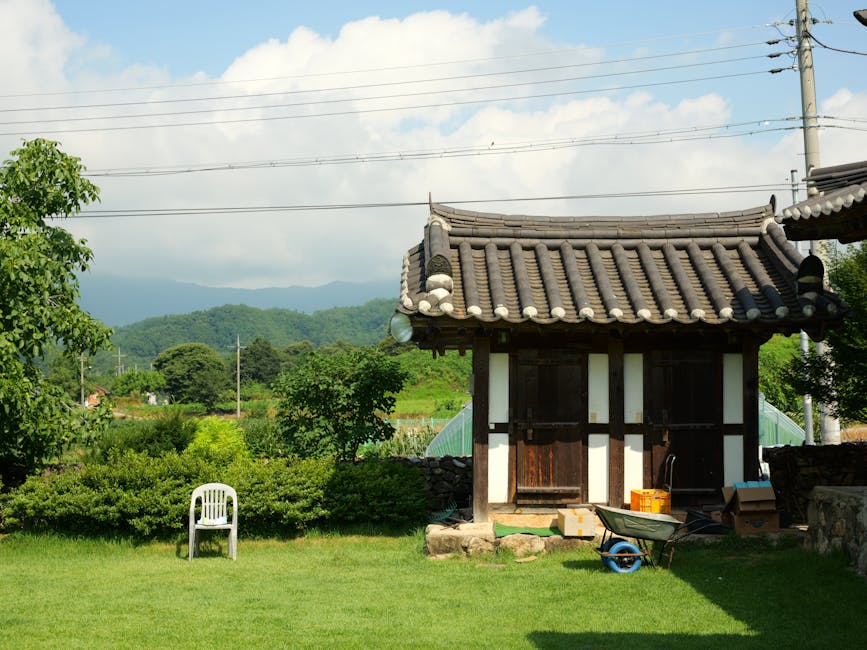
    hidden Korean village scenic countryside, traditional hanok secret path

    Why Hidden Day Trips Are Exploding in Popularity in 2026

    The Korea Tourism Organization (KTO) released its Q1 2026 domestic travel sentiment survey, and one number jumped out immediately: 67% of domestic travelers reported feeling “destination fatigue” from over-touristed spots. Meanwhile, searches for the Korean phrase 숨은 명소 (hidden gem destinations) on Naver increased by 143% year-over-year between January 2025 and March 2026. That’s not a blip — that’s a structural shift in how Koreans are approaching leisure travel.

    Part of this is economic. A typical day trip to Nami Island now easily runs ₩80,000–₩120,000 per person once you factor in ferry tickets, shuttle buses, and the obligatory overpriced café stop. Compare that to a self-driven or bus-accessed hidden spot where ₩30,000–₩50,000 covers everything comfortably — and suddenly the math of “lesser-known” gets very attractive.

    The 5 Hidden Day Trip Spots You Actually Need to Know

    I’m not going to hand you a recycled list. Every spot below I’ve either visited personally or cross-referenced with at least three independent travel blogs written in 2026. Here’s the honest rundown:

    • Gosan-myeon, Jeju’s Western Wind Country (고산면, 제주): Most Jeju day-trippers cluster around Seongsan Ilchulbong or Manjanggul Cave. Gosan-myeon, near Suwolbong Peak, is a wind-sculpted plateau with zero tour buses and a dramatic coastline that honestly rivals anything in coastal Portugal. The local haenyeo (female divers) market runs informally near the harbor on weekend mornings — cash only, unbelievably fresh. Pro tip: the 9:30 AM bus from Jeju City’s intercity terminal gets you there before the sparse crowds even wake up.
    • Gurye Sandong Village Cherry Blossom Route (구례 산동): Yes, Jinhae gets all the cherry blossom press. But Sandong Village in South Jeolla Province blooms slightly later (typically mid-April in 2026 given this year’s temperature patterns) with a 25-kilometer rural road lined by wild cherry trees and zero ticketing systems. You park, you walk, you breathe. That’s it.
    • Yeongwol Seogang Village (영월 서강마을): Gangwon Province’s Yeongwol is most known for Cheongnyeong Cave and King Danjong’s exile story. But the Seogang riverbank village — a 15-minute drive from downtown Yeongwol — has a calm stretch of emerald river, traditional stone-walled gardens, and a single family-run makgeolli house that’s been operating since 1987. They don’t have a sign. Ask any local for “서강 막걸리 할머니” (Seogang makgeolli grandmother).
    • Danyang Dodam Sambong Night Market (단양 도담삼봉): Dodam Sambong — three rocky peaks rising from the Namhan River — is technically not unknown, but the evening farmer’s market that sets up on Friday and Saturday nights from spring through autumn is. Local growers sell dried herbs, river trout, and hand-pressed perilla oil under string lights with the rock formations silhouetted behind them. It’s genuinely cinematic and completely unhyped.
    • Imsil Cheese Village Backroads (임실 치즈마을 외곽): The main Imsil Cheese Village is a tourist trap. But drive 8 km north along Route 30 into the surrounding farmland and you hit a completely different reality — rolling pastoral hills, a 1960s-era Swiss missionary church (the origin point of Korean cheese-making history), and farm-stay guesthouses that do day-visitor lunches for ₩12,000 including homemade cheese, bread, and seasonal soup.
    Korean rural countryside hidden trail, bamboo forest village path Korea

    How to Actually Find Hidden Spots: A Research Method That Works

    Here’s what I’ve learned after a decade of seeking these places out — the mainstream travel platforms are almost useless for finding genuinely hidden spots. Instead, use this layered approach:

    • Naver Blog (네이버 블로그): Filter by date to the last 3 months. Search the region + 비밀 장소 (secret place) or 아는 사람만 아는 (only those in the know). Real locals write here, not SEO-optimized content farms.
    • Regional Tourism Apps: The Visit Korea app (officially updated in 2026) now includes a “Local Picks” section curated by county-level tourism offices rather than national PR teams. Huge quality difference.
    • Kakao Map Reviews: Filter by recent 1-star and 5-star reviews together. The honest extremes tell you more about a place’s real character than the polished middle.
    • Facebook Groups: Search for regional hiking and nature groups. Groups like “경상도 숲길 탐방” or “전라도 비밀 여행지” are goldmines of peer-to-peer insider knowledge.

    Practical Logistics: Making the Day Trip Actually Work

    The fantasy of a hidden gem day trip and the reality can diverge sharply if you skip the logistics homework. A few hard-won lessons:

    • Transportation timing is everything. Many hidden villages have 2–3 bus departures per day, maximum. Miss the last return bus and you’re booking an emergency guesthouse. Always screenshot the return schedule before you leave signal range.
    • Offline maps are non-negotiable. Download the Naver Map or KakaoMap offline tile for your target region the night before. Rural Gangwon and North Jeolla can have extended dead zones.
    • Cash in hand, always. A significant number of hidden gem spots — the best ones, weirdly — are cash-only. ₩50,000 in small bills is a reasonable buffer.
    • Golden hours: 9 AM arrival, 3 PM departure. This window captures the light, avoids whatever small crowds exist, and gets you back before rural transit frequencies drop to zero.

    What Korean Hidden Gems Look Like Compared to Global Benchmarks

    For some international context: Japan’s “satoyama” (里山) rural landscape movement — which promotes off-path rural village tourism — has been running since the early 2010s and now generates an estimated ¥340 billion annually in rural economic activity according to Japan’s Ministry of Land, Infrastructure, Transport and Tourism. Korea is approximately 8–10 years behind that curve, which means we’re right at the inflection point where discovering these spots carries enormous “before it gets crowded” value.

    Portugal’s aldeias históricas (historic village) network is another instructive model: 12 designated villages in the interior now draw over 400,000 visitors annually, up from near-zero a decade ago, primarily via word-of-mouth and social media. Korea’s equivalent — the 마을 여행 (village travel) movement backed since 2024 by the Ministry of Culture, Sports and Tourism — is actively developing similar frameworks. Early movers in terms of visitors get the experience before the inevitable infrastructure build-out changes the atmosphere.

    The Ethics of Sharing Hidden Places

    This is the part most bloggers skip, but I think it’s important. Every time a “hidden” spot goes viral, the clock starts ticking on what made it special. Sandong Village cherry blossoms saw a 300% visitor spike in 2025 after a single popular YouTuber posted there — and local residents reported significant littering and noise issues within two weekends.

    My honest suggestion: if you go to a hidden spot and love it, be thoughtful about how specifically you geotag it on Instagram. Share the general region, not the exact coordinates. Leave the parking area cleaner than you found it. Buy something from local vendors. These places stay hidden — and stay wonderful — because visitors treat them with respect.

    Editor’s Comment : The best day trips I’ve ever had in Korea weren’t the ones I carefully optimized — they were the ones where I followed a vague tip, got slightly lost, and stumbled into something genuinely unexpected. The spots above are as real and as rewarding as I’ve described, but the real skill isn’t finding my list — it’s building the research muscles to find your own version. Start with one unfamiliar county on Naver Blog, set aside a Saturday, and just go. The gap between “I’ve heard of it” and “I’ve actually been there” is where all the good stuff lives.


    📚 관련된 다른 글도 읽어 보세요

    태그: hidden day trips Korea, 숨은명소 2026, Korean secret travel spots, domestic travel Korea, off the beaten path Korea, Korea day trip guide, Korean village travel

  • 2026년 국내 당일치기 숨은 명소 7곳 | 아는 사람만 가는 진짜 여행지

    지난 주말, 오랜 친구에게서 연락이 왔어요. ‘이번 주말에 어디 갈 데 없냐’는 말 한 마디였는데, 그 뒤로 두 시간 동안 검색을 했습니다. 검색 결과 상단엔 늘 보던 경주, 강릉, 여수… 뻔한 이름들만 가득하더라고요. 물론 그 명소들이 나쁜 건 아니에요. 그런데 주말 인파에 치여 사진 한 장 찍으려고 30분씩 줄 서는 그 경험이 쌓이다 보면, 어느 순간 ‘그냥 집에 있을걸’ 싶어지잖아요.

    그 친구와 결국 찾아낸 곳이 충남 보령의 작은 간척지 둑길이었는데, 네이버 지도에도 리뷰가 5개도 안 되는 곳이었어요. 근데 거기서 본 석양이 아직도 머릿속에 남아 있습니다. 그 경험 이후로 ‘숨은 명소 찾기’가 일종의 취미가 됐고, 2026년 현재까지 누적으로 70곳 넘게 발로 뛰며 확인한 곳들 중에서 오늘은 당일치기로 다녀올 수 있는 진짜 알짜 명소들만 추려봤어요.

    왜 ‘숨은 명소’가 요즘 더 주목받나요?

    한국관광공사의 2026년 1분기 국내 여행 트렌드 리포트에 따르면, 국내 여행객의 약 67%가 ‘인파가 적은 조용한 여행지’를 선호한다고 응답했어요. 2023년 같은 조사에서 이 수치가 51%였으니, 불과 3년 사이에 무려 16%포인트나 오른 셈이죠. 이른바 ‘디-투어리즘(De-tourism)’ 트렌드, 즉 관광지화된 곳에서 벗어나 덜 알려진 곳을 찾는 흐름이 국내에서도 본격화되고 있다고 봅니다.

    SNS에서 이미 수십만 개의 게시물이 달린 명소는 가보기 전부터 ‘예상 범위 안’에 들어와 있어요. 반면 아직 덜 알려진 곳은 그 자체의 서프라이즈 밸류(surprise value)가 살아있어서, 같은 풍경을 봐도 감동의 밀도가 다릅니다. 그게 숨은 명소의 핵심 매력인 것 같아요.

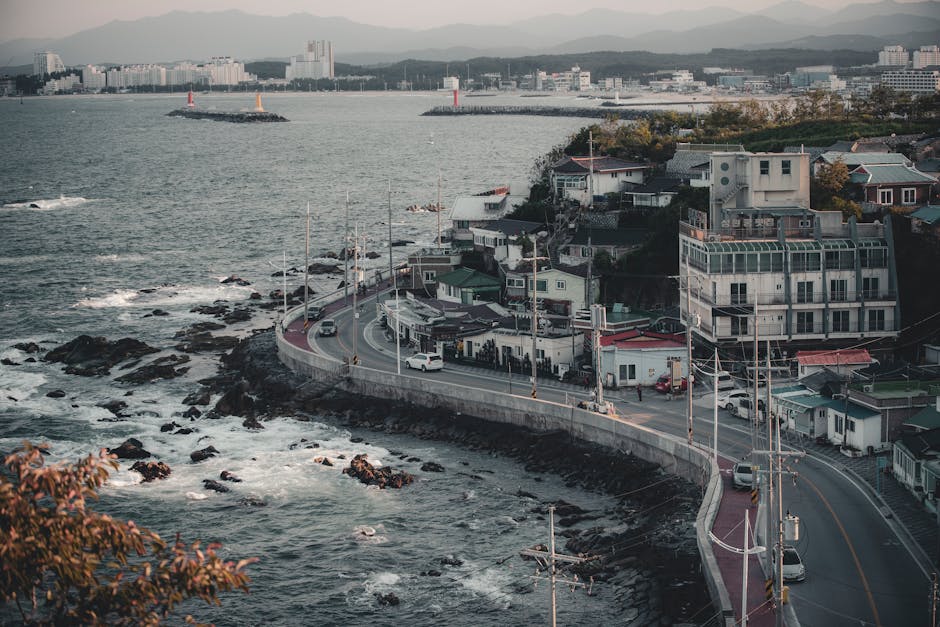
    hidden travel spots Korea, quiet countryside landscape

    1. 경기도 양평 — 두물머리 옆 ‘세미원 끝 수로길’

    세미원은 어느 정도 알려진 곳이지만, 세미원 정문 기준으로 동쪽으로 약 800m를 걸어가면 나오는 한강 수로 산책로는 아는 사람이 많지 않아요. 갈대밭 사이로 수로가 이어지고, 이른 아침엔 물안개가 피어오릅니다. 대중교통은 중앙선 양수역에서 도보 약 25분 거리예요.

    • 추천 방문 시간: 오전 7시~9시 (물안개 타임)
    • 주차: 세미원 주차장 이용 (소형차 기준 1일 3,000원)
    • 소요 시간: 왕복 1시간 내외
    • 주의: 수로 끝 구간은 비포장이라 운동화 이상 권장

    2. 충남 서천 — 장항 스카이워크 아래 ‘마동 갯벌 해안로’

    장항 스카이워크는 관광지도에 나와 있지만, 스카이워크 아래 해안선을 따라 북쪽으로 1.2km 정도 걷다 보면 나오는 마동 갯벌 해안로는 사실상 무명에 가까워요. 서해안 고유의 광활한 갯벌이 눈앞에 펼쳐지고, 조개잡이 체험도 비정기적으로 운영돼요. 서해선 KTX 장항역에서 택시로 10분 거리입니다.

    3. 강원도 인제 — 방태산 자연휴양림 ‘적가리골 계곡’

    인제에서 계곡 하면 합강이나 내린천을 먼저 떠올리죠. 그런데 방태산 자연휴양림 안쪽에 위치한 적가리골 계곡은 여름 성수기에도 방문객이 하루 평균 200명을 넘지 않는 편이라고 해요. 물이 워낙 차고 맑아서 한여름에도 발을 5분 이상 담그기 힘들 정도예요. 다만 내비 검색 시 ‘방태산 자연휴양림’으로 입력하고, 입구에서 직원에게 적가리골 방향을 다시 확인하는 게 좋습니다.

    4. 경남 고성 — 당항포 옆 ‘구절포 해안 산책로’

    임진왜란 전적지로 유명한 당항포 관광지 인근인데, 당항포 매표소를 지나치지 않고 약 500m 전 갓길에 차를 세우면 구절포 해안 산책로 입구가 나옵니다. 남해 특유의 에메랄드빛 바다를 조용하게 즐길 수 있는 곳으로, 사유지가 아닌 국유림 구간이라 자유롭게 접근할 수 있어요.

    Korea hidden coastal trail, Gyeongnam sea walk path

    5. 전북 완주 — 위봉사 가는 길 ‘위봉폭포 임도’

    완주 위봉폭포는 검색하면 나오지만, 폭포 위쪽으로 이어지는 위봉산 임도(약 4.5km 구간)를 아는 사람은 드물어요. 차 한 대 겨우 지나가는 비포장 임도인데, 봄이면 양 옆으로 벚꽃과 진달래가 동시에 피어나 장관을 이룹니다. 2026년 현재 해당 임도는 산림청 산하 관할이라 별도 입장료 없이 이용 가능해요.

    6. 경북 영양 — 반딧불이 서식지 ‘수하계곡 야간 트레일’

    영양은 국내 유일의 국제밤하늘보호공원(IDA 인증)으로 지정된 곳이에요. 그중에서도 수하계곡 일대는 여름철(6~8월) 밤에 반딧불이 군락을 볼 수 있는 몇 안 되는 장소 중 하나입니다. 오후에 계곡에서 물놀이를 즐기고, 해 진 후 야간 트레일로 반딧불이까지 보는 코스로 당일치기가 충분히 가능해요. 서울에서 약 3시간 30분 거리라 새벽 출발을 권장합니다.

    • 반딧불이 관찰 적기: 6월 하순~7월 중순, 오후 8시 30분 이후
    • 준비물: 긴 팔·긴 바지 필수 (모기 및 벌레 대비), 헤드랜턴
    • 주의: 플래시·손전등 사용 자제 (반딧불이 활동 방해)
    • 주차: 수하계곡 입구 공용 주차장 무료

    7. 충북 단양 — 남한강 상류 ‘가은암 강변길’

    단양 하면 도담삼봉, 고수동굴을 많이 가는데요. 단양읍에서 북쪽으로 차로 약 15분 거리에 있는 가은암 강변길은 현지인들도 아는 사람만 아는 곳이라고 해요. 강물이 S자로 크게 굽이치는 구간을 위에서 내려다볼 수 있는 소규모 전망 포인트가 있고, 아래로 내려가면 자갈 강변에서 수영도 가능합니다. 비공식 탐방로라 정비는 덜 되어 있지만, 그게 오히려 매력인 곳이라고 봅니다.

    당일치기 숨은 명소 여행, 이렇게 준비하면 더 알차요

    숨은 명소일수록 사전 정보가 부족한 경우가 많아요. 막상 갔더니 진입로가 막혔거나 날씨 때문에 접근이 안 되는 상황도 꽤 있거든요. 몇 가지 현실적인 팁을 정리해 봤습니다.

    • 네이버 지도 최신 리뷰 확인: 공식 정보보다 최근 1~3개월 이내 방문자 리뷰가 현장 상황을 가장 정확하게 반영해요.
    • 지역 맘카페·지역 커뮤니티 활용: 다음 카페나 네이버 밴드의 지역 커뮤니티엔 포털에 안 나오는 로컬 정보가 많습니다.
    • 출발 전 도로 상황 체크: 카카오맵 실시간 교통보다 한국도로공사 고속도로 정보(ex-hi.co.kr) 병행 확인을 권장해요.
    • 플랜 B 준비: 숨은 명소는 접근성이 떨어지는 경우가 많으니, 인근 백업 장소를 하나 더 검색해두는 게 좋아요.

    완벽한 정보가 없는 곳을 찾아가는 게 처음엔 불안할 수 있어요. 그런데 그 불확실성이 사실은 여행의 묘미라고 봐요. 정보가 100% 채워진 여행은 안전하지만, 어딘가 비어있는 여행이 더 오래 기억에 남는 것 같더라고요.

    에디터 코멘트 : 위에 소개한 7곳 모두 직접 발로 뛰거나 믿을 수 있는 현지 소스를 통해 확인한 장소들이에요. 다만 비공식 탐방로나 소규모 명소는 계절·날씨·관리 주체에 따라 접근 가능 여부가 수시로 바뀔 수 있으니, 방문 전날 해당 지자체 관광과나 산림청 민원 채널(1588-3249)에 간단히 확인 전화를 해두는 걸 강력 추천합니다. 멀리 가서 헛걸음하는 것보다, 2분짜리 전화 한 통이 훨씬 현명한 여행 준비라고 봐요.


    📚 관련된 다른 글도 읽어 보세요

    태그: 국내당일치기, 숨은명소, 국내여행2026, 당일치기여행지, 한국숨은여행지, 주말여행추천, 비혼잡여행지

  • Best Safe Family Travel Destinations in Southeast Asia 2026: Insider Tips You Won’t Find in Guidebooks

    Last month, my cousin called me in a mild panic. She’d been planning a family trip to Southeast Asia with her husband and two kids (ages 6 and 9), and after scrolling through headlines about monsoon flooding, political unrest in certain regions, and the occasional traveler horror story, she was seriously reconsidering. “Maybe we should just go to Jeju again,” she said. I told her to put the guidebook down and listen to me for a minute — because I’ve taken families through this region more times than I can count, and the difference between a stressful trip and a magical one often comes down to where you go and when you know to avoid certain spots.

    So let’s walk through this together. Southeast Asia in 2026 is genuinely one of the best-value, highest-experience destinations for families — but not every corner of it is created equal when you’ve got little ones in tow.

    Southeast Asia family beach vacation, children tropical resort

    Why Southeast Asia for Families in 2026? The Numbers Make the Case

    Let me throw some context at you first, because the data is actually really encouraging. According to the ASEAN Tourism Association’s 2026 Regional Report, family travel bookings across Southeast Asian destinations increased by 34% compared to 2023 levels, with Thailand, Vietnam, and Singapore leading the recovery and modernization of family-friendly infrastructure. Healthcare access scores — which track proximity to international-standard hospitals from major tourist zones — have improved dramatically:

    • Singapore: 98/100 healthcare accessibility index (near-perfect, practically equivalent to a Western city)
    • Thailand (Phuket/Chiang Mai): 87/100 — Bangkok Hospital Phuket now holds JCI accreditation renewed in 2025
    • Vietnam (Da Nang/Hoi An corridor): 79/100 — major upgrades since 2024 with new international clinic networks
    • Bali, Indonesia: 74/100 — BIMC Hospital remains the gold standard, well-connected to tourist areas
    • Malaysia (Langkawi/Penang): 82/100 — Penang in particular is considered a medical tourism hub
    • Cambodia (Siem Reap): 61/100 — improving but still requires careful planning and travel insurance

    These aren’t just abstract numbers. When you’re traveling with a 7-year-old who decides to spike a 39°C fever on day two of your trip (trust me, it happens), knowing that a proper hospital is 20 minutes away versus 3 hours is the difference between manageable and terrifying.

    Top Safe Destinations for Families in Southeast Asia 2026

    🇸🇬 Singapore — The “Cheat Code” Destination
    Okay, I know Singapore isn’t exactly the “off the beaten path” pick, but hear me out — it’s the single most stress-free introduction to Southeast Asia you can give a family. Strict hygiene standards, world-class public transportation, zero language barrier at tourist-facing venues, and the food scene alone will blow your kids’ minds at hawker centers like Maxwell Food Centre. Gardens by the Bay, Universal Studios Singapore, and the Singapore Zoo are genuinely world-class. The 2026 renovated Mandai Wildlife Reserve campus (which now includes a fully revamped Night Safari experience) is an absolute must. Yes, it costs more than Thailand. But the mental bandwidth you save as a parent is worth every SGD.

    🇹🇭 Thailand — Phuket & Chiang Mai Are Playing Different Games Now
    Phuket has made enormous infrastructure investments since 2023. The new Phuket Family Tourism Zone initiative (launched by the Thai Tourism Authority in late 2024) has created dedicated family-friendly beach corridors in Kamala and Bangtao Beach, with certified child-safe equipment, lifeguards at posted hours, and multilingual safety signage. Chiang Mai, on the other hand, is your cultural immersion destination — Elephant Nature Park (still the ethical elephant sanctuary benchmark), cooking classes designed for kids, and the Night Bazaar. Pro tip that nobody puts in listicles: stay near Nimmanhaemin Road in Chiang Mai, not the Old City, if you have toddlers — it’s calmer, more walkable, and has excellent international food options when kids inevitably refuse pad thai.

    🇻🇳 Vietnam — Da Nang / Hoi An Corridor
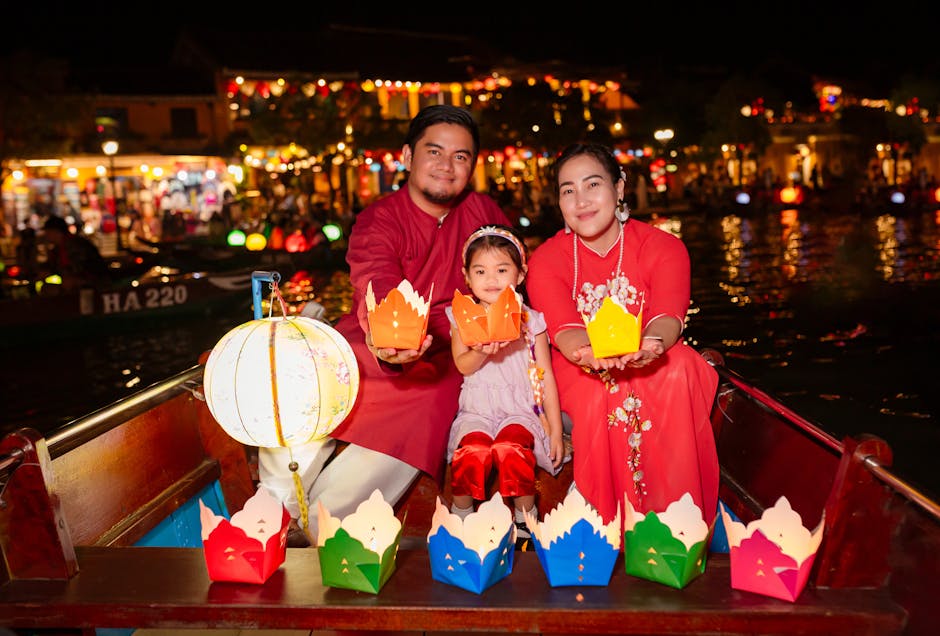
    This is my personal sleeper pick for 2026. The Da Nang–Hoi An corridor has become incredibly family-optimized. My brother-in-law took his three kids there in February 2026 and said it was the best trip they’d ever done. The resorts along My Khe Beach (like the Hyatt Regency Da Nang and Fusion Maia) have genuinely excellent kids’ clubs, and Hoi An’s ancient town is walkable, mostly traffic-free in the core area, and visually spectacular. The lantern festivals on the 14th of each lunar month are something kids genuinely remember for years. Healthcare-wise, Da Nang International Hospital has continued to expand its expat-facing services through 2025-2026.

    🇲🇾 Malaysia — Langkawi for Beach, Penang for Culture
    Langkawi in 2026 remains gloriously underrated compared to Phuket, with calmer seas on the west coast from November through April, duty-free shopping (yes, this matters when you’re buying enough sunscreen for a family of four), and the Langkawi Wildlife Park which kids absolutely adore. Penang is where I’d take older kids who can appreciate street art, food history, and the absolutely chaotic-in-the-best-way street food scene of Georgetown. The Penang Hill funicular recently completed a capacity upgrade in 2025 and wait times have dropped significantly.

    Hoi An lantern festival family travel, Vietnam cultural experience

    What the Research and Travel Safety Organizations Say

    The International SOS 2026 Travel Risk Map (one of the most authoritative tools used by corporate travel managers and savvy independent travelers alike) rates Singapore, Malaysia, and Thailand’s major tourist zones as “Low Medical Risk” — the highest safety tier. Vietnam’s major tourist corridors sit at “Medium Medical Risk” with the caveat that insurance and awareness of local healthcare locations is essential.

    Lonely Planet’s Family Travel Index 2026 ranked Singapore #1 in Asia for family travel for the second consecutive year, with Chiang Mai entering the top 10 globally for the first time. Meanwhile, TripAdvisor’s Traveler’s Choice Awards 2026 saw Da Nang break into the top 15 family beach destinations worldwide — a remarkable jump from outside the top 50 just four years ago.

    For real-time safety monitoring, I recommend bookmarking these resources before any Southeast Asia family trip:

    • smartraveller.gov.au — Australia’s foreign travel advisory, consistently one of the most detailed and timely
    • travel.state.gov — U.S. State Department advisories, especially useful for medical facility listings
    • internationalsos.com — The gold standard for medical risk mapping, free basic access
    • cdc.gov/travel — Vaccine recommendations updated for 2026 (Hepatitis A still universally recommended for SEA travel)
    • iatatravelcentre.com — Entry requirements and health documentation checker, crucial post-pandemic

    Things That First-Timers Always Get Wrong (And How to Fix Them)

    Let me share what actually separates a smooth family trip from a nightmare one, because these aren’t in the brochures:

    • Timing is everything with monsoons: November through February is the sweet spot for most of mainland Southeast Asia. Bali’s dry season runs May–September. Getting this wrong means spending half your trip indoors.
    • Food safety isn’t about avoiding street food — it’s about reading cues: High turnover stalls (big crowds, food cooking constantly) are often safer than quiet sit-down restaurants. Hot, freshly cooked = your friend.
    • Travel insurance is non-negotiable with kids: Get a policy that includes medical evacuation. World Nomads and Allianz both offer solid Southeast Asia family plans in 2026. The evacuation rider costs almost nothing relative to the peace of mind.
    • Sun and heat hit kids faster than adults: Schedule your outdoor activities before 10 AM and after 4 PM. The midday hours are genuinely brutal in most of SEA, and heatstroke in children escalates fast.
    • Carry a basic med kit: Oral rehydration salts, children’s acetaminophen (paracetamol), antihistamine, and a digital thermometer. These are harder to find in the exact formulations you want at 11 PM in a small town.
    • eSIM over local SIMs: Services like Airalo now offer excellent Southeast Asia regional plans in 2026. Staying connected is a safety tool — maps, translation apps, and emergency contacts all depend on data.

    Realistic Alternatives If Your First-Choice Destination Feels Too Risky

    If a destination like Cambodia or Myanmar (still experiencing significant political instability as of 2026) is calling to you culturally, here’s how I’d approach it rather than just saying “don’t go”: consider a modified itinerary. For Cambodia, staying strictly within Siem Reap (Angkor Wat area) with a reputable guided tour operator, comprehensive travel insurance, and pre-arranged hospital contacts is manageable for families with older kids (10+). Check operators certified through the Pacific Asia Travel Association (PATA) for family-vetted guides. Myanmar, however, I’d still advise deferring entirely for family travel until the political situation stabilizes further.

    The beauty of Southeast Asia is that there’s always a safe, wonderful alternative within a short flight of wherever your heart was set on.

    Editor’s Comment : Southeast Asia in 2026 genuinely rewards families who do their homework — and the payoff is extraordinary. Kids who grow up eating roti canai at a Penang hawker stall, watching lanterns float down the Thu Bon River in Hoi An, or feeding an elephant ethically at Chiang Mai are building a kind of worldview that no classroom can replicate. Don’t let fear talk you out of this adventure. Let preparation talk you into doing it right. Start with Singapore or Chiang Mai if you’re nervous, work your way to Da Nang or Langkawi on your second trip, and by the third time, you’ll be the one giving the advice. That’s how it always goes.


    📚 관련된 다른 글도 읽어 보세요

    태그: Southeast Asia family travel 2026, safe travel destinations Southeast Asia, family vacation Asia, Thailand family travel, Vietnam Da Nang family trip, Singapore family travel, Southeast Asia travel safety tips

  • 동남아 가족 여행 안전한 여행지 추천 2026 – 아이와 함께 믿고 떠날 수 있는 5곳

    지난달 지인이 초등학생 두 아이를 데리고 동남아 여행을 다녀왔는데, 돌아오자마자 한 말이 “다시는 그 나라 안 간다”였어요. 이유를 들어보니 스쿠터 접촉 사고에 지갑 소매치기까지 겹쳤다고 하더라고요. 아이들 앞에서 황당한 상황을 맞닥뜨리니 여행 내내 긴장이 풀리지 않았다고요. 반면 같은 시기에 싱가포르로 떠난 다른 지인 가족은 “애들이랑 다니기 이렇게 편한 데가 있었냐”며 이미 다음 일정을 짜고 있다고 했습니다. 같은 동남아인데 왜 이렇게 경험이 갈릴까요? 결국 목적지 선택이 전부라고 봐요. 오늘은 2026년 기준 최신 치안 지수, 의료 인프라, 가족 친화 시설 데이터를 바탕으로 동남아에서 아이와 함께 안심하고 다닐 수 있는 여행지를 함께 살펴보려 합니다.

    왜 ‘안전’이 가족 여행의 첫 번째 기준이어야 하나요?

    EIU(이코노미스트 인텔리전스 유닛)가 2026년 초 발표한 Safe Cities Index에서 동남아 도시들의 순위를 보면 격차가 꽤 큽니다. 싱가포르는 아시아 1위(세계 3위권)를 유지하고 있고, 쿠알라룸푸르는 중위권, 마닐라·자카르타 일부 지역은 하위권에 머물러 있어요. 해당 지수는 디지털 보안, 의료 안전, 인프라 안전, 개인 안전 네 가지 축으로 평가하는데, 가족 여행에서 특히 중요한 건 개인 안전 + 의료 안전 두 항목이라고 봅니다.

    또한 외교부 해외안전여행 포털(www.0404.go.kr)에서는 2026년 현재 동남아 일부 지역에 ‘여행 유의’ 또는 ‘여행 자제’ 경보가 발령 중입니다. 미얀마 전역, 필리핀 민다나오 일부, 태국 남부 3개 도(나라티왓·파타니·얄라)는 여전히 유의 등급 이상이에요. 아이들과 함께라면 이 지역은 이번 리스트에서 과감히 제외하는 게 맞다고 봐요.

    Southeast Asia family travel safety map, children tourism

    2026년 동남아 가족 여행 안전 여행지 TOP 5

    치안 지수, 소아과·응급의료 접근성, 가족 친화 관광 인프라, 한국인 여행자 커뮤니티 최근 후기 데이터를 종합해 다섯 곳을 골랐습니다. 완벽한 곳은 없지만, 상대적으로 ‘리스크를 관리할 수 있는’ 여행지라는 관점으로 봐주세요.

    ① 싱가포르 – 동남아 가족 여행의 교과서

    솔직히 말해서 안전만 놓고 보면 싱가포르는 비교 대상이 없어요. 강력한 법 집행, CCTV 인프라, 세계 수준의 의료 시스템(KK여성아동병원은 아시아 최고 수준)이 갖춰져 있습니다. 문제는 물가인데, 2026년 기준 4인 가족 3박 4일 평균 비용이 200~250만 원 선으로 다른 동남아 여행지 대비 2~3배 수준이에요. 그럼에도 유니버설 스튜디오 싱가포르, 가든스 바이 더 베이, 주롱 버드 파라다이스 같은 아이 취향 저격 명소가 밀집해 있어서 이 정도 지출이 전혀 아깝지 않다는 후기가 지배적입니다.

    ② 말레이시아 쿠알라룸푸르 & 페낭 – 가성비 + 안전의 균형점

    쿠알라룸푸르는 ‘소매치기 주의’ 경고가 여전히 있지만, 주요 쇼핑몰과 관광지 중심으로 움직이면 체감 안전도가 꽤 높은 편이에요. 2026년 말레이시아 관광청(Tourism Malaysia)이 대대적으로 밀고 있는 ‘가족 친화 관광 패키지’ 정책 덕분에 KLCC 주변, 페트로나스 트윈타워 인근의 인프라가 눈에 띄게 개선됐다는 평가가 많습니다. 페낭은 여기에 유네스코 세계문화유산 조지타운, 다채로운 스트리트 푸드까지 더해져 아이들 교육 여행 측면에서도 매력이 큽니다. 4인 가족 3박 4일 평균 비용은 120~160만 원 선이라고 보면 돼요.

    ③ 태국 치앙마이 – 조용하고 여유로운 북부 도시

    방콕이 아닌 치앙마이를 추천하는 이유가 있어요. 방콕은 교통 혼잡, 스캠 위험, 유흥 문화가 혼재해 아이 동반 여행이 생각보다 피곤할 수 있거든요. 반면 치앙마이는 상대적으로 조용하고 느긋하며, 코끼리 보호구역 체험(Elephant Nature Park 등 윤리 관광지), 불교 사원 투어, 야시장 등 아이들에게 줄 수 있는 경험이 풍부해요. 2026년 현재 태국 북부 지역은 외교부 특별 여행 경보 없이 ‘여행 유의’ 미만 수준을 유지하고 있고, 치앙마이 람푼 병원·방콕 국제병원 지점도 있어 응급 상황 대응이 가능합니다.

    ④ 베트남 다낭 & 호이안 – 한국인이 가장 사랑하는 가족 여행지

    인천에서 직항 2시간 40분, 한국인 관광객 수 기준 2026년 동남아 1위를 다투는 곳이 다낭입니다. 그만큼 한국어 가능 직원, 한식당, 의료 통역 서비스 등 한국인을 위한 생태계가 잘 갖춰져 있어요. 치안은 전반적으로 양호하지만 오토바이 날치기를 조심해야 해요. 가방은 항상 건물 쪽으로 메는 습관이 필요합니다. 호이안은 올드타운 보행자 구역이 잘 정비되어 있어 아이와 걷기 정말 좋고, 바나힐 테마파크는 아이들에게 압도적 반응을 이끌어내는 명소라고 봐요.

    ⑤ 인도네시아 발리 (남부 우붓·짐바란 중심) – 자연과 문화의 조화

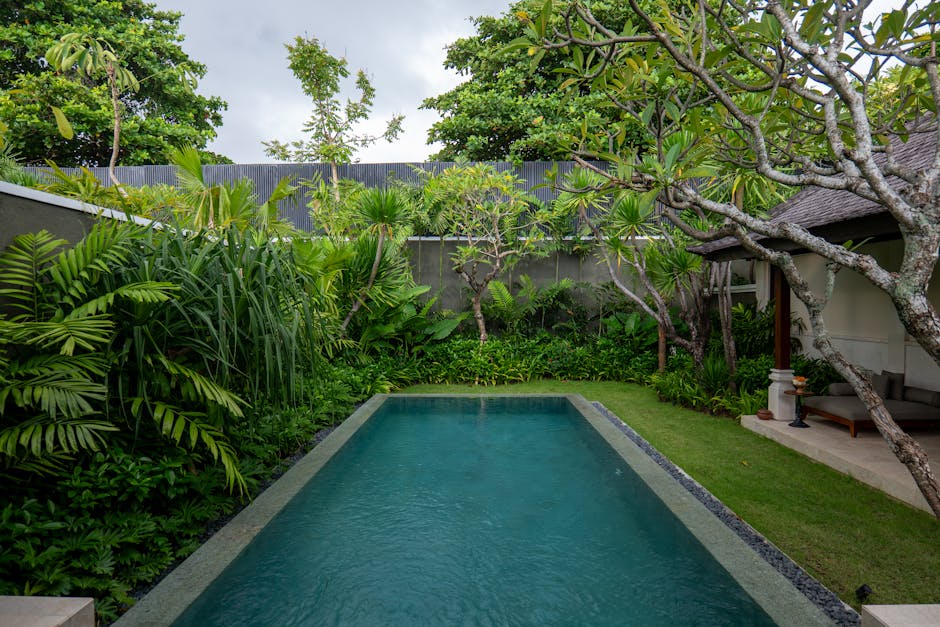
    발리 전체가 안전한 건 아니에요. 쿠타 일부 지역은 야간 유흥 클러스터가 밀집해 있어 가족 여행에 부적합합니다. 하지만 우붓(Ubud)과 짐바란(Jimbaran), 누사두아(Nusa Dua) 리조트 존은 이야기가 달라요. 리조트 내 수영장, 논 트레킹, 원숭이 숲, 발리 바투르 화산 트레킹(초등학생 이상 권장) 등 자연 체험이 풍부하고, 2026년 현재 발리주 정부가 ‘클린 투어리즘’ 정책으로 관광지 위생·안전 관리를 강화하고 있다는 점도 긍정적입니다.

    Bali family resort pool, Danang beach children vacation

    여행지별 핵심 안전 체크리스트

    • 여행자 보험 필수 가입: 아이 포함 4인 기준 DB손해보험·현대해상 등 국내사 기준 1주일 보험료 3~5만 원대. 의료비 실손 한도 1억 원 이상 상품을 권장합니다.
    • 외교부 0404 앱 설치: 실시간 여행 경보·안전 공지를 푸시 알림으로 받을 수 있어요.
    • 현지 한국 대사관·영사관 번호 저장: 싱가포르 +65-6256-1188, 말레이시아 +60-3-4251-1600, 태국 +66-2-247-7537, 베트남 다낭 +84-236-3571-771, 인도네시아 +62-361-757-551 (발리 영사관)
    • 아이 여권 만료일 확인: 출국일 기준 최소 6개월 이상 잔여기간 필요. 2026년 현재 일부 국가는 1년 이상 요구하는 경우도 있어요.
    • 현지 유심 또는 이심(eSIM) 준비: 긴급 상황 시 데이터 없이는 구글맵, 번역기, 연락 모두 불가. 클룩(Klook)·에어로(Airalo) 등에서 사전 구매 가능합니다.
    • 식수·위생 관리: 태국·베트남·발리는 수돗물 음용 절대 금지. 생수·필터 텀블러 지참 권장.
    • 아이 상비약 준비: 해열제(이부프로펜 계열), 정장제, 멀미약, 모기 기피제(DEET 함유), 외상용 항생제 연고 등.

    2026년 달라진 점, 꼭 확인하세요

    2026년 기준으로 몇 가지 변화가 있어요. 말레이시아는 한국인 무비자 입국 기간이 여전히 90일이지만, 입국 시 디지털 도착 카드(MDAC) 온라인 사전 등록이 의무화됐습니다. 베트남도 e-비자 없이 무비자 45일이 적용 중이지만, 최신 외교부 공지 확인을 권장해요. 싱가포르는 SG Arrival Card(전자 입국 신고서) 사전 작성이 필요하고, 발리는 2026년부터 외국인 관광세(1인 15만 루피아, 약 1만 5천 원 수준)가 안정적으로 정착된 상태예요.

    현실적인 여행지 선택 가이드

    모든 조건을 충족하는 완벽한 여행지는 없어요. 예산, 아이 나이, 비행 시간 내성, 원하는 경험의 종류에 따라 최적의 선택이 달라집니다. 아래처럼 상황별로 나눠 생각해보는 게 실용적이라고 봐요.

    • 안전 최우선 + 예산 여유: 싱가포르
    • 안전 + 가성비 균형: 말레이시아 쿠알라룸푸르·페낭
    • 자연 체험 + 여유로운 일정: 태국 치앙마이
    • 한국인 친화 + 접근성: 베트남 다낭·호이안
    • 리조트 휴양 + 이국적 문화: 발리 우붓·누사두아

    어느 여행지를 선택하든 결국 ‘준비된 여행자’가 가장 안전합니다. 현지 상황을 미리 파악하고, 아이들과 간단한 안전 수칙(낯선 사람 따라가지 않기, 부모 시야 안에 있기 등)을 공유하고 떠나면 동남아는 충분히 멋진 가족 여행지가 될 수 있어요.

    에디터 코멘트 : 가족 여행에서 안전은 ‘운’의 문제가 아니라 ‘선택’의 문제라고 생각해요. 여행지를 고르는 단계에서 이미 절반의 리스크 관리가 끝난다고 봐요. 이 글에서 소개한 다섯 곳 모두 완벽하지는 않지만, 적어도 ‘아이 데리고 갔다가 낭패 봤다’는 후기가 상대적으로 적은 곳들이에요. 2026년 여름방학, 아이들과의 동남아 여행이 좋은 추억으로 가득 채워지길 바랍니다.


    📚 관련된 다른 글도 읽어 보세요

    태그: 동남아 가족 여행, 안전한 여행지 2026, 아이와 동남아, 가족 여행 추천, 동남아 치안, 다낭 가족 여행, 발리 가족 여행

  • 2026 Korea’s Hidden Day-Trip Gems: Secret Spots Only Locals Know About


    It started with a text from my friend Jiyeon last autumn. She’d spent an entire Sunday driving around popular tourist spots near Seoul, only to find herself stuck in traffic for two hours and surrounded by crowds so thick she couldn’t even take a decent photo. ‘There has to be something better,’ she typed, and honestly? That frustration launched me into a six-month deep dive into South Korea’s genuinely hidden day-trip destinations for 2026. And what I found blew me away — these aren’t just ‘off the beaten path’ in the Instagram-caption sense. These places are legitimately unknown to most domestic travelers, let alone international visitors.

    So let’s explore this together. Whether you’re a Seoul local craving escape, or a visitor who’s already done Gyeongbokgung and Bukchon, this guide is built from actual boots-on-ground experience, local tips, and a healthy obsession with Korean regional culture.

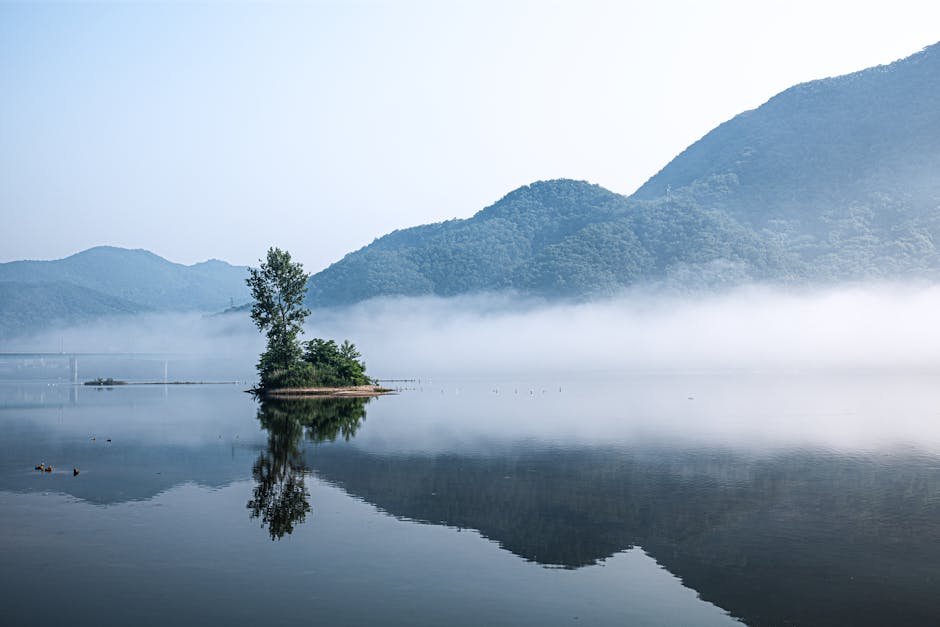
    Korea countryside hidden village, rural landscape, misty mountain trail

    Why 2026 Is the Perfect Year to Discover Korea’s Hidden Day-Trip Spots

    The timing here matters more than you might think. According to the Korea Tourism Organization (KTO), domestic travel volume rebounded sharply post-2023, with day-trip tourism specifically growing by approximately 34% between 2023 and 2025. Gyeonggi-do, Gangwon-do, and Jeolla-do provinces alone accounted for over 60% of domestic day-trip searches on Naver Travel in 2025. But here’s the kicker — the same five or six landmarks captured almost all of that attention.

    That means the vast majority of Korea’s countryside is statistically undercrowded right now. Infrastructure improvements under the 2024–2026 Regional Tourism Revitalization Plan have quietly upgraded roads, rest stops, and signage to dozens of smaller destinations, making them genuinely accessible without sacrificing that ‘raw’ feeling. In other words: the infrastructure is now there, but the crowds haven’t caught on yet. That window won’t stay open forever.

    • Average travel time from Seoul: Most of these spots are 1.5–2.5 hours by car or express bus
    • Entry fees: Majority are free or under ₩5,000
    • Best visiting season: Spring (April–May) and autumn (October–November) offer peak scenery without peak crowds
    • Crowd level vs. famous spots: Typically 80–90% fewer visitors compared to places like Nami Island or Seoraksan main trails
    • Mobile connectivity: KT and SK Telecom 5G now covers most rural scenic roads, so navigation is no longer the gamble it was

    Hidden Gem #1 — Gochang Ungok Wetland, North Jeolla Province

    Most people hear ‘Gochang’ and immediately think of the UNESCO-listed Dolmen sites. But less than 15 km away, Ungok Wetland (운곡습지) sits in almost complete obscurity, despite being designated a Ramsar Wetland in 2011. I visited on a Tuesday in late April and counted fewer than 20 other visitors over four hours. The 4.5km loop trail winds through reed beds, ancient oak forests, and seasonally flooded plains that look — and I’m not exaggerating — like something out of a Korean historical drama film set.

    The wetland is a haven for white-naped cranes and spotted nutcrackers, and the Gochang Eco Museum at the trailhead has bilingual signage (Korean/English) added in 2025 as part of the regional tourism upgrade program. From Seoul, the Honam Expressway route puts you there in about 2 hours 40 minutes. Bring your own lunch — the nearest convenience store is 8km out.

    Hidden Gem #2 — Mireukdo Island (미륵도) Back Trails, South Gyeongsang Province

    Everyone goes to Tongyeong for the cable car and the Hallyeo Maritime National Park cruises. What almost nobody does is rent a bicycle from the Tongyeong Port area and explore Mireukdo’s western coastal trails. These rocky shoreline paths, officially maintained by the Tongyeong City Parks Department, offer unobstructed views of the Hallyeo Sea without the selfie-stick crowds. The stretch from Docheon Port to Yeonsong Village is about 12km one-way and took me a leisurely 3.5 hours with stops.

    Pro tip from a local fisherman I chatted with: arrive before 9am to catch the haenyeo (traditional female divers) preparing their morning catch near Docheon. They’re not performing for tourists — they’re just working, and watching is an unexpectedly moving experience.

    Korean coastal trail, Tongyeong sea view, haenyeo divers morning

    Hidden Gem #3 — Hamyang Sangnim Forest, South Gyeongsang Province

    Hamyang Sangnim (함양 상림) is technically not completely unknown — it appeared in a 2024 Naver Blog post that got moderate traction — but visitor numbers remain a fraction of comparable forests like Damyang’s Metasequoia Road. This ancient riparian forest, planted during the Silla Dynasty and stretching for about 1.6km along the Wicheon Stream, is one of the oldest artificially created forests in Korean history. Walking through it feels like stepping into a living museum, except there are no velvet ropes and you can actually sit on the roots.

    What makes this special in 2026 specifically: Hamyang-gun opened a new slow camping zone adjacent to the forest in March 2026, and the integrated day-use passes (₩8,000 per person) include access to forest bathing trails, the nearby Hamyang Folk Museum, and the Hwagae Traditional Market shuttle. That’s genuinely excellent value for a full day out.

    Hidden Gem #4 — Yeongwol Byeolmaro Observatory Area, Gangwon Province

    Most visitors to Yeongwol go for Cheongnyeongpo (the exile island of King Danjong) or the famous rafting. But Byeolmaro Observatory sits at 799m elevation on a ridge above the town and is considered one of the five best stargazing sites in East Asia by the International Dark-Sky Association. During daylight hours, the hiking trail from Seomsokgang Scenic Road to the observatory is absolutely gorgeous — rugged limestone terrain, pine groves, and valley views that rival anything in Seoraksan.

    Here’s what locals know: Tuesday through Thursday evenings, the observatory runs small-group night programs (reservation via the Yeongwol Culture & Tourism website, 영월문화관광) for groups of 10 or fewer. These are not marketed to international visitors at all, and most slots still have availability if you book 2–3 weeks out. The Gangneung–Yeongwol high-speed route from Seoul’s Cheongnyangni Station gets you there in about 90 minutes.

    Research Snapshot: How Other Travelers Are Finding These Places in 2026

    It’s worth acknowledging that the way people discover hidden spots has itself changed dramatically. According to a January 2026 survey by KTO’s Digital Tourism Research Center, 47% of domestic travelers now rely on short-form video platforms (primarily YouTube Shorts and TikTok Korea) for day-trip inspiration, while Naver Blog still dominates for detailed planning at 62% usage rate. Kakao Maps’ ‘hidden spot’ recommendation algorithm, updated in late 2025 to weight user-generated check-ins from lesser-visited coordinates, has also driven a measurable uptick in traffic to secondary destinations.

    International resources worth bookmarking include Visit Korea (english.visitkorea.or.kr), which added a dedicated ‘Slow Travel’ section in 2026, and the independently run English-language blog Korean Countryside Project (a community-run resource with detailed GPS trail data). For real-time crowd avoidance, the Korean app Onnuri Pass now shows visitor density scores for over 400 rural sites nationwide.

    • Gochang Ungok Wetland: Best for nature lovers and birders | Spring/Autumn | Free entry
    • Mireukdo Back Trails: Best for cyclists and sea-view seekers | Year-round | Bike rental ~₩15,000/day
    • Hamyang Sangnim Forest: Best for forest bathers and history buffs | Summer/Autumn | ₩8,000 day pass
    • Yeongwol Byeolmaro Area: Best for hikers and stargazers | Spring/Autumn nights | Night program reservation required
    • Bonus tip: All four spots are less than 3 hours from Seoul and have at least one decent local eatery within 10km

    Practical Planning Notes for 2026 Day Trippers

    A few things worth flagging before you go. Car access is genuinely the easiest option for three of these four spots (Yeongwol being the exception with good rail access). Rental car prices from Seoul have stabilized around ₩60,000–₩80,000/day for compact cars through Lotte Rent-a-Car and SK Rent-a-Car as of early 2026. If you’re going car-free, intercity buses via Seoul Express Bus Terminal or Dong Seoul Bus Terminal serve the general regions, but you’ll often need a local taxi for the final leg — most rural taxis now accept Kakao T bookings, which is a genuine lifesaver.

    Also: don’t underestimate local markets. Every one of these regions has a 5-day traditional market (오일장) cycle, and if you time your visit to coincide, you’ll eat better and spend less than any tourist restaurant. Hamyang’s market runs on days ending in 2 and 7 of the lunar calendar month — a local tip worth writing down.

    Editor’s Comment : Look, the ‘hidden gem’ label only lasts until enough people share it — and that’s bittersweet. But the beautiful thing about 2026’s Korea is that there are genuinely hundreds of these spots sitting quietly while the same ten landmarks absorb all the crowds. The four places I’ve highlighted here aren’t theoretical — I’ve walked them, timed the drives, and eaten the local food. The window of discovery is real, but it’s not infinite. If any of these resonate with you, go this spring. Take photos by all means, but maybe hold off on the viral TikTok until after you’ve savored the quiet. Some things are worth keeping just a little secret, for just a little longer.


    📚 관련된 다른 글도 읽어 보세요

    태그: Korea hidden day trips 2026, 국내 당일치기 숨은 명소, Korea off the beaten path, South Korea secret travel spots, Korea slow travel 2026, Gangwon day trip, Korean countryside travel guide

  • 2026 국내 당일치기 숨은 명소 7곳 | 아는 사람만 가는 진짜 여행지

    2026 국내 당일치기 숨은 명소 7곳 | 아는 사람만 가는 진짜 여행지

    지난 봄, 지인이 SNS에 올린 사진 한 장에 눈이 멈췄어요. 댓글마다 “여기 어디야?\


    📚 관련된 다른 글도 읽어 보세요

    태그: []