Last spring, I got completely lost in a narrow alleyway in Jeonju, South Korea — and it turned out to be the best mistake I’ve ever made. Tucked between a hardware shop and a tiny laundromat was a 40-year-old haemul pajeon (seafood pancake) spot with no Instagram presence, no Google reviews, and a line of locals stretching out the door at 11 AM. That moment crystallized something I’d been feeling for years: the best food experiences rarely live on the main street.
In 2026, as algorithm-driven restaurant discovery has hit a kind of saturation point — where every “hidden gem” suddenly has 10,000 tagged photos — the real thrill is learning how to walk the alleys yourself. Let’s think through this together.
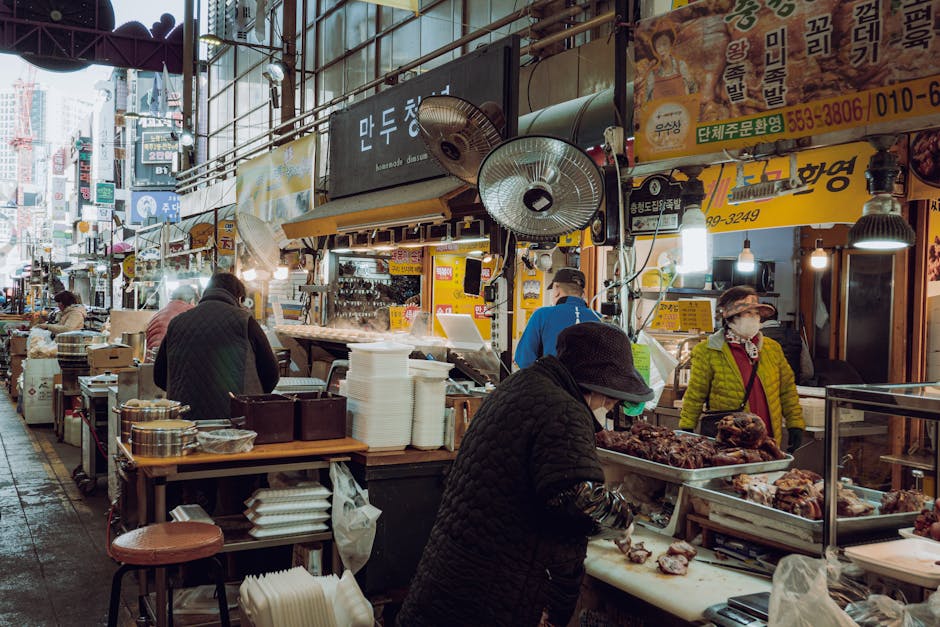
Why Local Food Alleys Are Beating Fine Dining in 2026
Data from the Global Food Tourism Index 2026 shows that 68% of international travelers now rank “authentic local street food experiences” as a top-three priority — up from 51% in 2022. Meanwhile, fine dining reservations in major cities have plateaued, with Michelin-starred bookings showing less than 2% growth year-over-year.
What’s driving this? A few converging forces:
- Post-algorithm fatigue: People are exhausted by curated recommendation feeds that all lead to the same 15 trendy spots. Local alleys feel genuinely unscripted.
- Price consciousness: With global food inflation still a factor in 2026, a bowl of hand-pulled noodles for $4 in a local alley beats a $45 pasta at a concept restaurant — especially when the noodles are better.
- Cultural depth: Alley food tells neighborhood stories. You’re eating geography, migration history, and generational recipes simultaneously.
- Social media counter-culture: Ironically, “unfiltered” alley food content is now among the most-engaged travel content on short-form platforms — the grittier and more authentic, the better.
Mapping a Local Food Alley Route: The Framework
Here’s the method I’ve refined over dozens of neighborhood food walks globally. Think of it less as a checklist and more as a mindset.
Step 1 — The Anchor Vendor Strategy: Every great food alley has one vendor who’s been there the longest — typically 20+ years. Find that anchor (ask locals or look for the most sun-faded signage), plant yourself nearby, and let the ecosystem reveal itself. Long-timers attract reliable regulars, and regulars know where else to go.
Step 2 — The Mid-Morning Window: Arrive between 9:30 AM and 11:30 AM. This is when vendors are freshest, ingredients haven’t run out, and crowds haven’t peaked. You also get the bonus of watching setup — one of the most cinematic moments in food travel.
Step 3 — Budget Architecture: Allocate your budget in thirds. One-third for the “anchor” meal (the thing you planned for), one-third for spontaneous finds, and one-third held back for a return visit or a carry-out purchase (pickles, sauces, street snacks). This prevents the all-too-common mistake of filling up too fast and missing the alley’s second act.
Global Examples Worth Studying
Let’s look at a few alley food corridors that set the standard — and what makes each one worth dissecting:
🇰🇷 Tongin Market Alley, Seoul (Gyeongbokgung area): Famous for its yeopjeon dosirak system — you buy old Korean coins at the entrance and spend them at individual stalls to build a custom lunchbox. It’s a gamified, interactive model that modern food halls are actively trying to replicate in 2026, mostly unsuccessfully. The genius is community ownership: every vendor has skin in the coin economy.
🇹🇼 Dihua Street, Taipei: Originally a medicinal herb and dried goods corridor dating back to the Qing Dynasty, Dihua has evolved into a layered food alley where century-old ingredient shops sit next to third-wave coffee spots and contemporary Taiwanese small plates. It’s a masterclass in alley gentrification done right — heritage preserved, not bulldozed.
🇮🇹 Via dei Neri, Florence: This narrow street near the Uffizi Gallery is technically just a lampredotto (tripe sandwich) corridor — but it illustrates a powerful principle: mono-focus alleys, where one dish or ingredient dominates, create extraordinary depth. You don’t need variety. You need obsession.
🇲🇽 Mercado de Jamaica Side Alleys, Mexico City: The flower market gets all the press, but the surrounding food alleyways — serving pozole, tlayudas, and fresh-squeezed aguas — represent one of the most underrated breakfast trails in the Western Hemisphere. Key takeaway: always explore what’s immediately adjacent to the famous market, not the market itself.
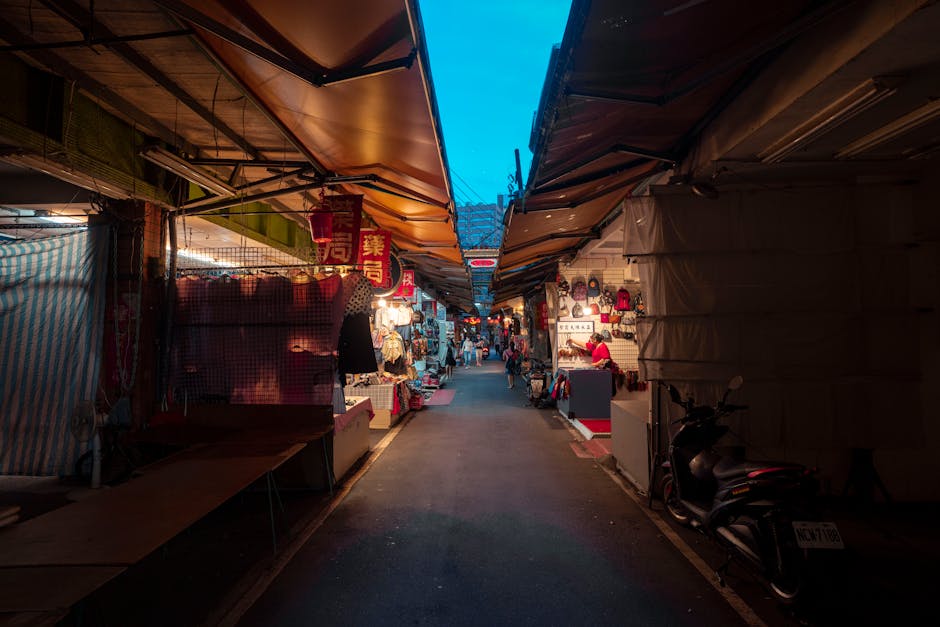
Practical Tips for First-Time Alley Food Explorers
- Go solo or with one trusted companion. Groups of four or more kill the improvisational energy that alley food demands.
- Learn three phrases in the local language: “What’s your specialty?” / “How long have you been here?” / “What should I try next?” These questions open doors instantly.
- Leave your food photography setup at home. A phone camera is fine. A ring light and tripod will get you politely (or not so politely) moved along.
- Note the vendor’s rhythm, not just the food. How they interact with regulars, how they handle a rush, what they eat themselves on break — these details tell you everything about quality and care.
- Respect the queue culture. Every alley has an unspoken queuing norm. Watch for 60 seconds before joining anything.
- Carry small bills and coins. Many beloved alley vendors still don’t accept cards in 2026, and fumbling with payment disrupts the flow for everyone behind you.
Realistic Alternatives If You Can’t Travel Right Now
Not everyone can hop on a plane to Seoul or Florence — and honestly, you might not need to. Here’s how to find the same energy closer to home:
Option 1 — The Ethnic Enclave Walk: Most mid-to-large cities in North America, Europe, and Australia have immigrant neighborhood corridors — Koreatown, Little Saigon, Chinatown extensions — that function exactly like alley food streets. The key is going on a weekday morning when it’s community-facing, not tourist-facing.
Option 2 — The Farmers Market Perimeter: The vendors set up outside or behind a farmers market (not inside it) are almost always the most interesting — and the cheapest. They’re the ones who didn’t get a booth slot but showed up anyway.
Option 3 — The Industrial Lunch Crowd: Find where workers from nearby factories, warehouses, or construction sites eat lunch. These spots exist in every city, are almost never reviewed online, and are reliably excellent because their entire customer base depends on value and consistency.
The beauty of this approach is that alley food thinking is less about geography and more about attention. Once you start looking sideways — literally and figuratively — you’ll find it everywhere.
Editor’s Comment : The best food alleys I’ve visited share one trait: they weren’t discovered, they were stumbled into. And that’s not an accident — it’s a skill you build by moving slower, looking harder, and resisting the pull of the obvious. In 2026, with AI handing everyone the same “must-visit” list, the wanderers who go off-script are eating better than anyone. Go get lost on purpose.
📚 관련된 다른 글도 읽어 보세요
- Beyond the Instagram Crowds: How to Discover Korea’s Most Breathtaking Hidden Travel Gems in 2026
- 2026 제주도 가족 여행 숙소 리조트 추천 & 리뷰 — 아이와 함께라면 꼭 확인하세요
- The Ultimate Family Trip Planning Guide for 2026: How to Build a Stress-Free Itinerary Everyone Will Love
태그: [‘local food alley’, ‘street food travel 2026’, ‘hidden restaurant street’, ‘food tourism tips’, ‘neighborhood food walk’, ‘authentic local dining’, ‘travel food guide’]
Leave a Reply