Last spring, I found myself standing at a tiny bus stop in the middle of Gyeongbuk with nothing but a 30-liter backpack and a vague Google Maps screenshot. No car, no rental, no tour group — just my feet and a stubborn curiosity. Three days later, I came back absolutely converted. The 뚜벅이 (car-free traveler) life in South Korea is not a compromise. It’s genuinely a superior way to discover places most people zoom past on the highway.
In 2026, with train networks expanding under the KTX-eum Phase 3 rollout and regional bus apps like Naver Map Transit and Kakao T Bus becoming remarkably accurate even in rural areas, traveling Korea without a car has never been more viable — or more rewarding. Let’s think through the best hidden spots together, and why they actually work better for foot travelers.
Why Car-Free Travel Unlocks a Different Korea
Here’s something worth chewing on: a 2025 Korea Tourism Organization survey found that 67% of domestic hidden-gem destinations are located within 500 meters of a public transit stop — yet fewer than 20% of domestic tourists arrive by transit. That gap is your opportunity.
When you travel by foot and transit, you’re forced to slow down. You wait at the village bus stop. You chat with the halmeoni selling perilla leaves. You stumble into the unmarked doenjang jjigae restaurant that has no Instagram presence but a 40-year recipe. This is the Korea that car travelers genuinely miss.
Top Hidden Gem Destinations for 뚜벅이 Travelers in 2026
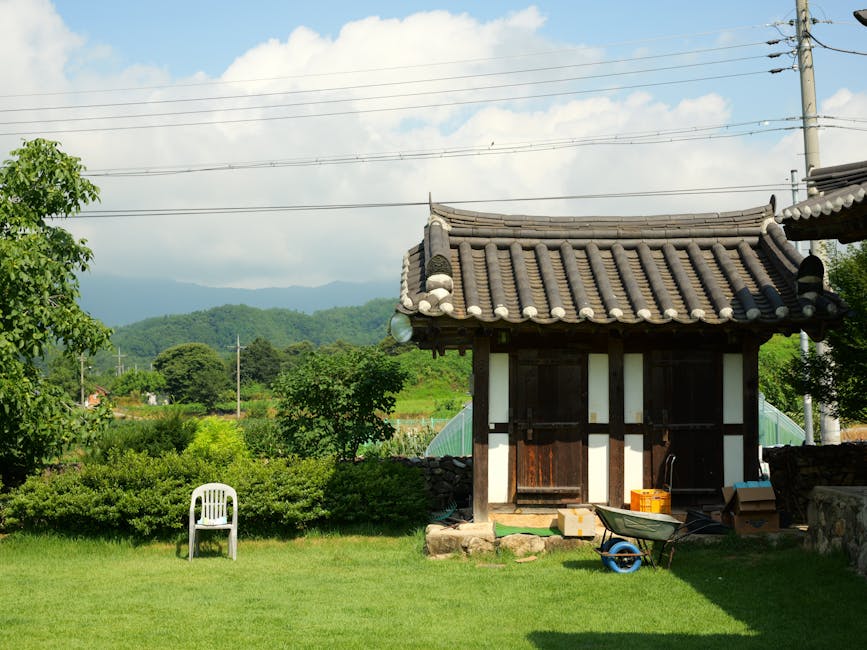
- Gyeongju Yangdong Village (양동마을), North Gyeongsang: A UNESCO-listed folk village that most people visit on a quick day trip from Gyeongju station. But staying overnight at one of the hanok guesthouses — reachable by local bus 203 — means you get the village entirely to yourself at dawn. The thatched rooftops in morning mist are genuinely cinematic.
- Imsil Pilbong Village (임실 필봉마을), North Jeolla: This is Korea’s living heartbeat of nongak (farmer’s music). The village runs weekend cultural stays, and the nearest intercity bus drops you within a 10-minute walk. In 2026, the Jeonbuk region is heavily promoting this as an “authentic culture corridor” — meaning more funding for visitor infrastructure without the crowds yet.
- Uljin Deokgu Hot Spring Area (울진 덕구온천), North Gyeongsang: Uljin is genuinely undervisited. The hot spring valley has a 2.2km boardwalk trail through a gorge with natural sulfur springs — and zero traffic because there’s literally no road through it. Take the intercity bus from Andong or Pohang. The payoff is enormous.
- Gochang Seonunsan Provincial Park (고창 선운산), North Jeolla: Famous for camellia blooms in early spring but deeply uncrowded outside that narrow window. The park entrance is a 15-minute walk from Seonunsan bus terminal. The ridge trail connects to a coastal view that honestly rivals Jeju — without the flight.
- Namhae German Village Area (남해 독일마을) → Mullae-ri Coastal Walk: Everyone knows the German Village, but almost nobody continues on foot to the Mullae-ri fishing hamlet 3km east. The coastal path between them is unmarked on most maps but perfectly walkable, and the view of Hallyeo Maritime National Park from the ridge is something else.
Real-World Logistics: How to Actually Get There
Let’s be honest about the friction points, because pretending it’s all seamless does you no favors. Rural bus schedules in Korea can be sparse — sometimes 3-4 buses per day. The golden rule for 뚜벅이 travelers in 2026:
- Always download Kakao Map and Naver Map — they have different transit databases and you’ll often find routes on one that don’t appear on the other.
- Use the 시외버스통합예약 (Intercity Bus Integrated Booking) app for advance seat reservations on longer routes — this matters especially for weekend travel.
- Check the 고속버스 O-train package for Gyeongbuk mountain regions — it’s a KTX + local shuttle combo that launched in late 2025 and is genuinely excellent value.
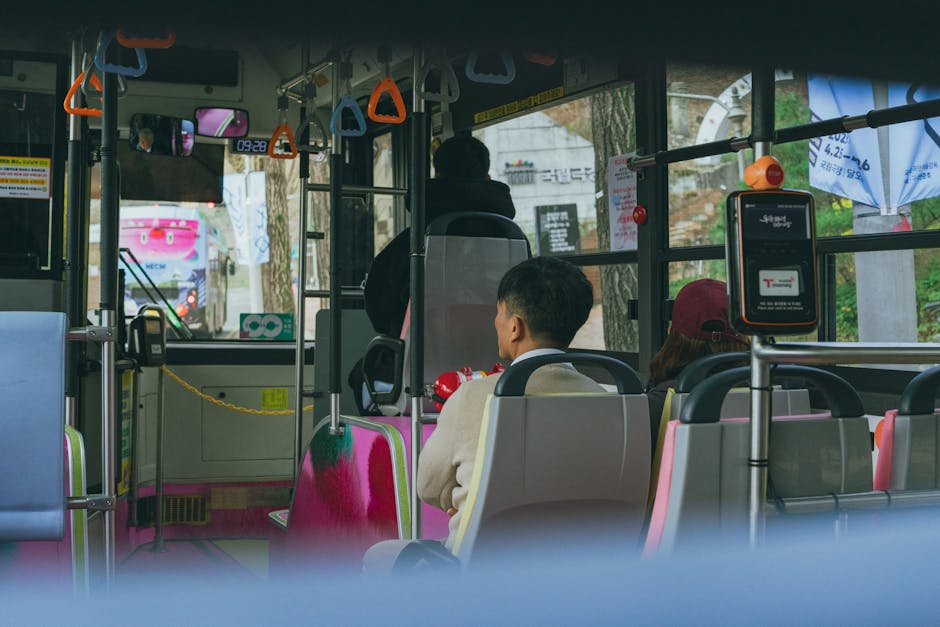
- Many villages now partner with local taxi cooperatives. A kakao T reservation to a trailhead is often only ₩4,000-8,000 from the bus stop.
International Comparison: Why Korea’s Model Is Actually Ahead
Japan’s tetsudo tabi (railway travel culture) is often cited as the gold standard for car-free domestic tourism, and rightly so — JR Pass infrastructure is legendary. But Korea’s advantage in 2026 is the density of cultural content within short walking distances of transit nodes. Gyeongju alone has more UNESCO-listed sites walkable from a single bus corridor than most Japanese rural prefectures combined.
Meanwhile, European slow travel advocates — particularly in Portugal’s Alentejo region and Slovenia’s hiking circuits — have long proven that foot-based itineraries generate 35-40% higher local economic spend per traveler (UNWTO, 2024 Rural Tourism Report). Korea’s rural municipalities are starting to catch on, with Jeollanam-do and Gyeongsangbuk-do both launching “뚜벅이 환영 마을” (foot traveler welcome village) certification programs in 2026.
Realistic Alternatives: When the Hidden Gem Is Too Hard to Reach
Let’s say you’ve researched Uljin but the bus schedule just doesn’t work for your itinerary. Here’s how to think about it logically:
- Swap Uljin → Baekam Hot Spring (백암온천), same province: More frequent buses from Yongchu terminal, similar hot spring valley atmosphere, less dramatic but entirely manageable in a weekend.
- Swap Gochang → Byeonsan Peninsula (변산반도): Served by Jeonbuk express buses almost hourly, coastal trails are equally beautiful, and the Gomso Salt Flats nearby are a hidden gem in their own right.
- Can’t manage overnight stays? Use the 당일치기 (day trip) model: Many of these spots work beautifully as day trips from Jeonju, Daegu, or Busan — cities with excellent overnight accommodation and fast transit connections.
The point is: don’t abandon the idea just because your first-choice spot has logistical friction. There’s almost always a lateral move that keeps the spirit of the adventure intact.
Editor’s Comment : Traveling Korea without a car used to feel like a constraint. In 2026, it genuinely feels like a philosophy — a choice to arrive slowly, notice more, and spend your money where it actually matters to local communities. If you’ve been putting off that rural Korea trip because you don’t have a driver’s license or can’t share a rental cost, consider this your permission slip. Pack light, download both map apps, and go find the bus stop no one else is waiting at. That’s usually where the best story begins.
📚 관련된 다른 글도 읽어 보세요
- 2026년 로컬 탐방 완벽 가이드 | 국내 소도시 여행 코스 추천 & 현실적인 일정 짜는 법
- Hidden Korea 2026: Secret Travel Spots Only Locals Know About (And How to Actually Find Them)
- 2026년 가족 힐링 여행지 추천 – 자연 속 캠핑·글램핑 후기로 알아보는 최고의 선택
태그: [‘Korea hidden gems 2026’, ‘뚜벅이 travel Korea’, ‘car-free travel South Korea’, ‘Korean rural tourism’, ‘Korea off the beaten path’, ‘domestic travel Korea transit’, ‘Korea slow travel destinations’]
Leave a Reply