Last autumn, a friend of mine returned from a weekend trip looking completely transformed — not just tanned, but genuinely recharged. She hadn’t gone abroad. She hadn’t splurged on a luxury resort. She’d simply followed a barely-marked trail up a ridge in North Gyeongsang Province that most locals had never even heard of. “I had the whole mountain to myself,” she said, still glowing. That got me seriously thinking: in a country as densely explored as South Korea, how many trails are still flying under the radar?
The answer, it turns out, is quite a few — and in 2026, with overtourism reshaping how we think about travel, seeking out these hidden gems isn’t just romantic; it’s genuinely smart lifestyle design.
Why Hidden Trails Matter More Than Ever in 2026
South Korea’s national park system recorded over 44 million visits in 2025, with Seoraksan and Jirisan consistently hitting capacity on weekends. The Korea National Park Service (KNPS) has responded by implementing timed-entry permits for peak zones — which, honestly, is a blessing in disguise for those of us willing to look a little further afield.
Here’s the logical math: fewer visitors = better trail conditions, richer wildlife encounters, and a dramatically lower chance of standing behind a queue of selfie sticks at a waterfall. Beyond aesthetics, studies from Seoul National University’s environmental psychology department suggest that solitary or small-group nature immersion produces measurably higher cortisol reduction than crowded nature visits. In other words, the hidden trail isn’t just prettier — it’s actually better for your nervous system.
5 Genuinely Under-the-Radar Trekking Spots in South Korea
- Mureung Valley Ridge Trail, Gangwon Province — Most visitors stop at the valley floor. But the ridge trail above Mureung (무릉계곡) winds through old-growth pine for about 9km, with virtually zero crowds past the first kilometer. Best visited April–June before summer humidity peaks.
- Geumo Island Coastal Loop, South Jeolla Province — This small island off Yeosu offers a 14km coastal circuit that combines rocky shoreline, camellia groves, and fishing village culture. The island’s permanent population is under 200, and most visitors take the 11am ferry back before noon.
- Daedeoksan Forest Therapy Trail, North Chungcheong Province — Officially designated as a chisangyo (healing forest) but criminally undervisited. The 6km loop passes through a dense hinoki cypress zone that produces phytoncide levels — aromatic compounds linked to NK cell immune activity — among the highest measured in any Korean forest.
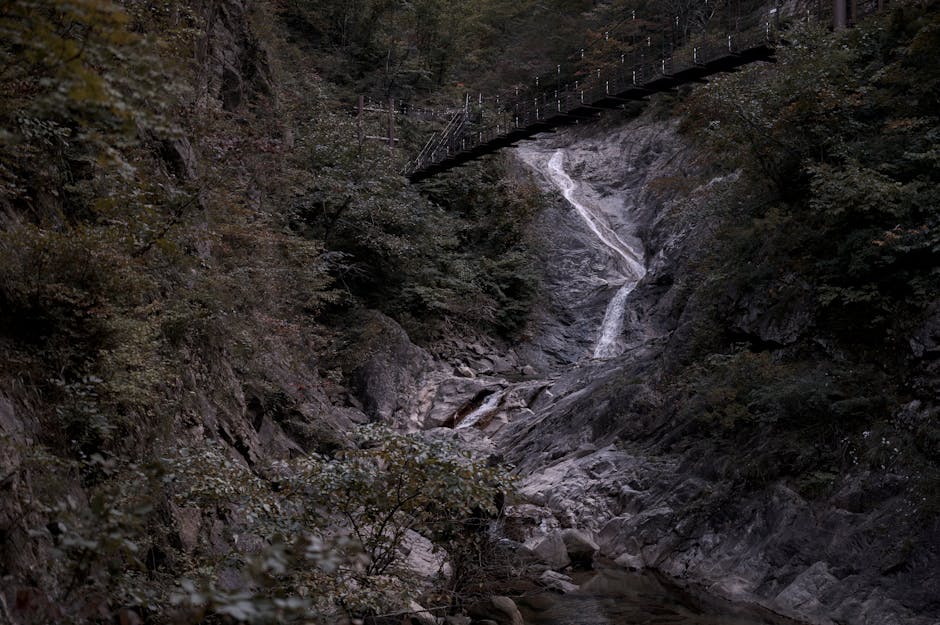
- Gwaneumsa–Tamna Valley Alternate Route, Jeju Island — Everyone takes Gwaneumsa Trail to Hallasan’s summit. Almost nobody takes the unmarked lateral branch into Tamna Valley, which offers waterfall viewpoints and lava tube formations without the summit-day crowds.
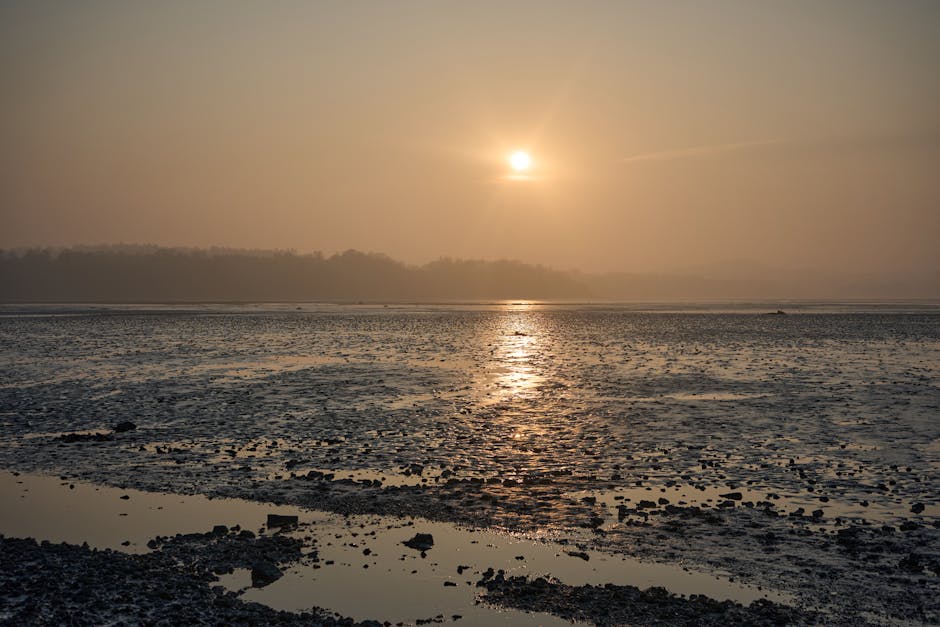
- Byeoksando Dulle-gil Section 7, South Chungcheong Province — The national dulle-gil (둘레길) network has well-known sections and forgotten ones. Section 7 around Byeoksando passes tidal mudflats at sunrise — an ecological spectacle that feels like it belongs in a nature documentary, not two hours from Seoul.
Learning from International Hidden Trail Culture
South Korea isn’t unique in grappling with this tension between accessibility and preservation. Japan’s Kumano Kodō pilgrimage network solved a similar problem by certifying less-traveled inner routes and marketing them specifically to slow travelers — resulting in a 30% redistribution of foot traffic away from the most eroded paths by 2024. New Zealand’s Department of Conservation uses a “Great Walks” versus “Other Tracks” two-tier system that subtly encourages experienced hikers toward wilder terrain.
South Korea’s KNPS is quietly moving in the same direction in 2026, piloting QR-code trail discovery programs in four provinces that unlock hidden route information only once you’ve completed a baseline trail registration. It’s a clever nudge toward exploration rather than a blanket restriction.
Practical Gear & Prep for Off-the-Beaten-Path Korean Trails
Hidden trails come with a real trade-off: less infrastructure. That means you need to think a little more carefully before you go. Here’s what I’d recommend based on experience:
- Navigation: Download offline maps via Naver Maps or KakaoMap before you lose signal. For serious ridge routes, Gaia GPS (now available with Korean topo overlays) is worth the subscription.
- Water: Many unmarked trails have no water stations. Carry a filter like a Sawyer Squeeze — Korean mountain streams are generally clean but not guaranteed.
- Trail reporting: Register your hike at the nearest ranger station or through the KNPS app. It’s not legally mandatory for most trails, but it’s genuinely responsible practice.
- Timing windows: Shoulder seasons — late March to mid-May, and late September to early November — offer the best combination of weather, foliage, and minimal crowds on hidden routes.
- Language prep: Trailhead signage on lesser-known paths is often Korean-only. Screenshot key phrases or use Papago’s camera translation feature.
Realistic Alternatives If You Can’t Reach the Hidden Gems
Not everyone can drive four hours to a coastal island or take a weekday off for a ridge trail. And that’s genuinely okay — let’s think through your actual options:
If you’re Seoul-based with limited time, early morning visits to mid-tier trails like Bukhansan’s Bibong Ridge (before 7am on weekdays) can replicate the solitude effect without the travel burden. If mobility is a constraint, Daedeoksan’s forest therapy trail offers a relatively flat, paved section that still delivers the phytoncide and sensory benefits without technical climbing. And if you’re traveling with children, the Geumo Island ferry trip itself — slow, scenic, and unhurried — functions as a form of nature immersion even before the trail begins.
The core principle is this: the goal isn’t the hidden trail specifically — it’s the quality of presence it enables. Any path that gets you out of algorithm-driven routine and into sensory contact with the natural world is doing its job.
Editor’s Comment : In 2026, the most radical travel choice you can make might simply be going somewhere most people aren’t. South Korea’s hidden trekking trails aren’t just scenic alternatives — they’re a quiet argument for slowing down, planning with intention, and trusting that the best experiences rarely come pre-hashtagged. Lace up, download that offline map, and go find your own Mureung ridge moment.
📚 관련된 다른 글도 읽어 보세요
- Family Themed Travel Abroad in 2026: Real Stories, Smart Tips & Alternatives for Every Budget
- 2026년 국내 뚜벅이 여행 숨은 명소 총정리 | 대중교통으로 떠나는 진짜 여행지
- 2026년 가족 힐링 여행지 추천 – 자연 속 캠핑·글램핑 후기로 알아보는 최고의 선택
태그: [‘South Korea hidden trails’, ‘Korean trekking 2026’, ‘off the beaten path Korea’, ‘nature hiking Korea’, ‘Korean national park trails’, ‘secret hiking spots Asia’, ‘slow travel Korea’]
Leave a Reply