Last spring, a friend of mine packed a single backpack, skipped the usual Seoul-Busan express route, and hopped on a slow regional train to Gurye, a tiny town nestled at the foot of Jirisan Mountain. She came back three days later with wild garlic ramps she’d foraged herself, a hand-thrown ceramic mug from a local artisan, and — most importantly — a completely reset nervous system. That’s the quiet power of Korean small-town travel (소도시 여행), and in 2026, it’s no longer a well-kept secret. It’s a full-blown movement.
If you’ve been circling the same tourist loop — Gyeongbokgung, Gamcheon Culture Village, Dongmun Market — this guide is your gentle nudge off the beaten path. Let’s think through this together and figure out which small-town routes actually fit your travel style, budget, and energy level.
📊 Why Small-Town Korea Is Booming in 2026
The numbers tell a compelling story. According to Korea Tourism Organization data analyzed through early 2026, domestic tourism spending in cities with populations under 150,000 grew by approximately 34% compared to three years prior. Meanwhile, survey data from Naver Travel and KakaoMap show that searches for terms like ‘소도시 여행 코스’ (small-city travel routes) have consistently outpaced searches for major metropolitan destinations since late 2024.
What’s driving this? A few interlocking factors worth unpacking:
- Post-overtourism fatigue: Travelers — especially Millennials and Gen Z — are actively avoiding Instagrammed-to-death hotspots. Authenticity now carries more social currency than spectacle.
- Regional government investment: The Korean Ministry of Culture, Sports and Tourism’s ‘Regional Tourism Revitalization Fund’ allocated over ₩280 billion to small municipalities through 2025–2026, funding everything from trail restoration to artisan market infrastructure.
- Remote work flexibility: The continued normalization of hybrid and remote work means weekday travel is viable, making uncrowded weekday visits to small towns genuinely realistic.
- KTX + SRT network expansion: New rail connections to previously hard-to-reach regions like South Jeolla and North Gyeongsang provinces have slashed travel times dramatically.
🗺️ Five Small-Town Routes Worth Building Your 2026 Trip Around
Rather than just listing towns, let’s map out actual route logic — because how you move between places matters as much as the destinations themselves.
Route 1 — The Southern Slow Route: Gurye → Hadong → Namhae
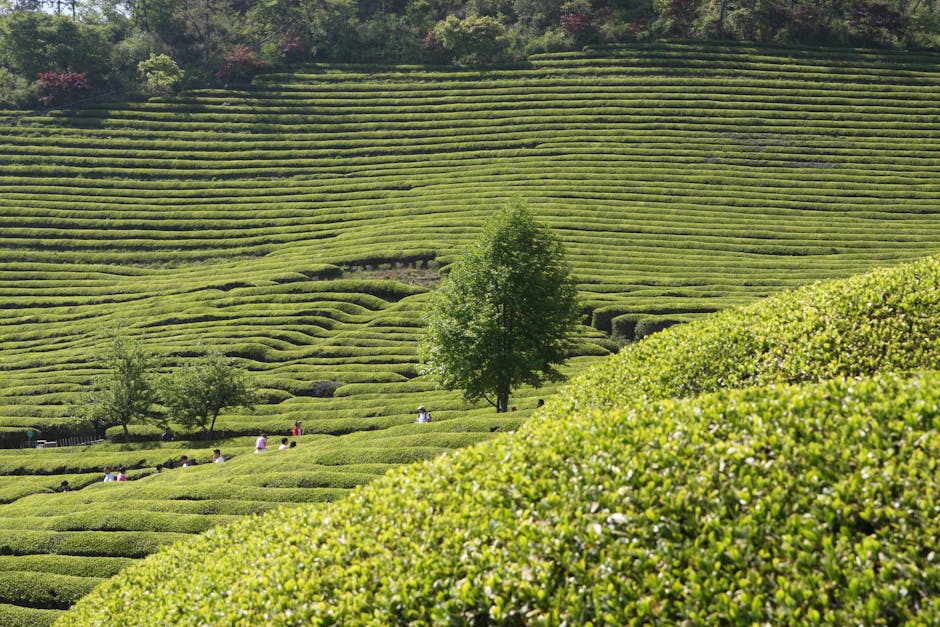
This three-town southwest chain rewards travelers who love nature layered with cultural depth. Gurye is famous for its sannamul (mountain vegetables) and the Hwaeomsa Temple complex. Hadong offers Korea’s oldest green tea plantations — the Hwagae Market tea fields are ethereal in April fog. Namhae closes the loop with its German Village (a quirky historical settlement of returning Korean emigrants from Germany) and pristine coastal views. Budget roughly 3–4 days and rent a car locally for maximum flexibility between these spots.
Route 2 — The Artisan Belt: Icheon → Yeoju → Yangpyeong
This Gyeonggi Province corridor is underrated precisely because it’s “too close to Seoul to feel like travel.” Don’t make that mistake. Icheon is Korea’s ceramic heartland — you can take a hands-on pottery workshop with master artisans, not tourist-trap versions. Yeoju houses the stunning Silleuksa Temple (Korea’s only riverside temple) and a growing craft beer scene. Yangpyeong rounds out the route with river cycling paths and farm-to-table restaurants that source ingredients within 10km.
Route 3 — The East Coast Heritage Run: Gangneung → Samcheok → Ulleung-do (optional)
Gangneung has graduated from “Olympic city” to genuine cultural destination, with its coffee street, Seongyojang estate, and independent bookshop scene. Samcheok is criminally overlooked — its limestone cave systems (Daegeumgul, Hwanseon Cave) are world-class. If you have an extra two days and sea legs, the ferry to Ulleung Island drops you into a place that feels almost Norwegian: dramatic volcanic cliffs, zero chain restaurants, and seafood so fresh it’s still moving.
Route 4 — The Inland History Trail: Andong → Yeongju → Bonghwa
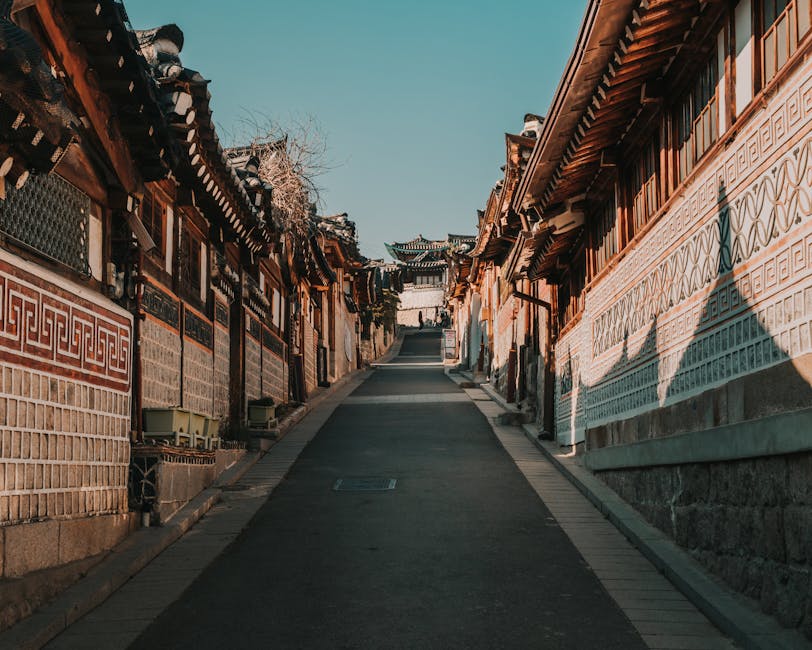
North Gyeongsang Province is where Korea’s Confucian soul lives. Andong’s Hahoe Folk Village is a UNESCO site, but the lesser-known surrounding villages and the Andong Soju distillery tours are where the real conversations happen. Yeongju is home to Buseoksa Temple (possibly the most beautifully sited Buddhist structure in the country) and Korea’s oldest private Confucian academy. Bonghwa closes the loop quietly — its pine mushroom (松蘑) forests and traditional architecture feel like a step into a different century.
Route 5 — The Island-Hopping Southwest: Mokpo → Jindo → Sinan Archipelago
This is for travelers who want to feel genuinely far from the world. Mokpo is a port city with incredible Art Deco Japanese colonial-era architecture and the best hongeo (fermented skate fish — not for the faint-hearted) in Korea. Jindo is famous for its sea-parting festival, but outside festival season it’s a calm island of artistic ceramics and the Jindo dog breed’s ancestral home. The Sinan Archipelago — specifically Shinan’s ‘Purple Island’ (Banwol and Bakji Islands) — is one of 2026’s most talked-about domestic destinations, where the local government literally painted the whole island purple to revitalize tourism. It worked spectacularly.
💡 Practical Tips for First-Time Small-Town Explorers
- Book accommodation early but locally: Small towns have limited guesthouses and hanok stays. Use Naver Hotel or Yanolja rather than global platforms for better regional inventory.
- Learn 5–10 Korean phrases: Unlike Seoul, English signage and menus drop dramatically in small towns. A few polite phrases go an enormous distance with locals.
- Travel Tuesday–Thursday: Weekend crowds have found some of these spots. Weekday visits in 2026 are noticeably more serene and often cheaper.
- Use intercity buses (시외버스) strategically: Not every town has a train station. The intercity bus terminal network is reliable, affordable, and surprisingly comfortable.
- Check local festival calendars: Many small towns concentrate their best energy into 2–3 annual festivals. Timing your trip around a hanji paper festival in Jeonju or a mud festival in Boryeong transforms a good trip into a great one.
- Carry cash: Many artisan shops, rural restaurants, and market stalls still prefer or require cash. ₩150,000–200,000 in reserve is sensible.
🔄 Realistic Alternatives Based on Your Situation
Not everyone has a week to spare or an appetite for remote adventure. Here’s how to adapt:
If you only have a weekend: Stick to Route 2 (Icheon–Yeoju–Yangpyeong). You can do it comfortably from Seoul without an overnight if needed, or with one night for a more relaxed pace.
If you’re traveling with elderly family members: Route 4 (Andong–Yeongju) has excellent accessibility infrastructure at major sites, good restaurant variety, and manageable terrain at heritage sites.
If you’re a solo female traveler: All five routes are considered quite safe, but Route 3 (Gangneung base) offers the best balance of solo-friendly infrastructure (cafés, co-working spots, hostels) while still delivering that small-town feel.
If budget is tight: Route 5 (Mokpo–Sinan) offers some of the best value-for-experience ratios in Korea right now. Ferry rides, fresh seafood, and accommodation are all considerably cheaper than in major cities.
The most important thing? Don’t over-plan. The magic of small-town Korea lives in the unscheduled moments — the grandmother who insists you try her homemade makgeolli, the back alley mural you stumbled into by taking a wrong turn, the sunset nobody on social media has photographed yet.
Editor’s Comment : In 2026, the most radical travel choice you can make isn’t booking a flight to a trending international destination — it’s slowing down enough to actually see your own country. Korea’s small towns aren’t consolation prizes for travelers who couldn’t afford to go abroad. They’re a genuinely different category of experience: slower, stranger, more personal, and often more memorable. Start with one route. You’ll probably end up planning the next three before you’ve even unpacked.
📚 관련된 다른 글도 읽어 보세요
- 2026 소도시 여행 트렌드: 붐비는 관광지 대신 ‘나만의 로컬’을 찾는 사람들
- Best History & Culture Travel Destinations for Elementary School Kids in 2026: Making Learning an Adventure
- The Ultimate 2026 Guide to Visiting Jeju Island with Kids: Everything You Need to Know Before You Go
태그: [‘Korean small town travel’, ‘로컬 여행 코스 2026’, ‘hidden gems Korea 2026’, ‘domestic travel Korea’, ‘slow travel Korea’, ‘Korean countryside itinerary’, ‘소도시 여행 추천’]
Leave a Reply