A few months ago, I found myself sitting at a tiny pojangmacha (street food tent) in a village outside Jeonju that didn’t appear on a single major travel app. The elderly owner laughed when I asked how tourists usually find the place. “They don’t,” she said, refilling my makgeolli. “Only people from here know.” That moment stuck with me — and honestly, it inspired everything I’m about to share with you.
South Korea’s tourism landscape in 2026 is fascinating. The country welcomed over 18 million international visitors last year, with the vast majority funneling through the same well-worn path: Gyeongbokgung Palace, Bukchon Hanok Village, Jeju Island, and Myeongdong. Don’t get me wrong — those places are iconic for a reason. But there’s a parallel Korea that most travelers never see, and it’s the one that locals actually love.
Let’s think through this together, because finding truly off-the-beaten-path spots isn’t just about luck — it’s a skill.
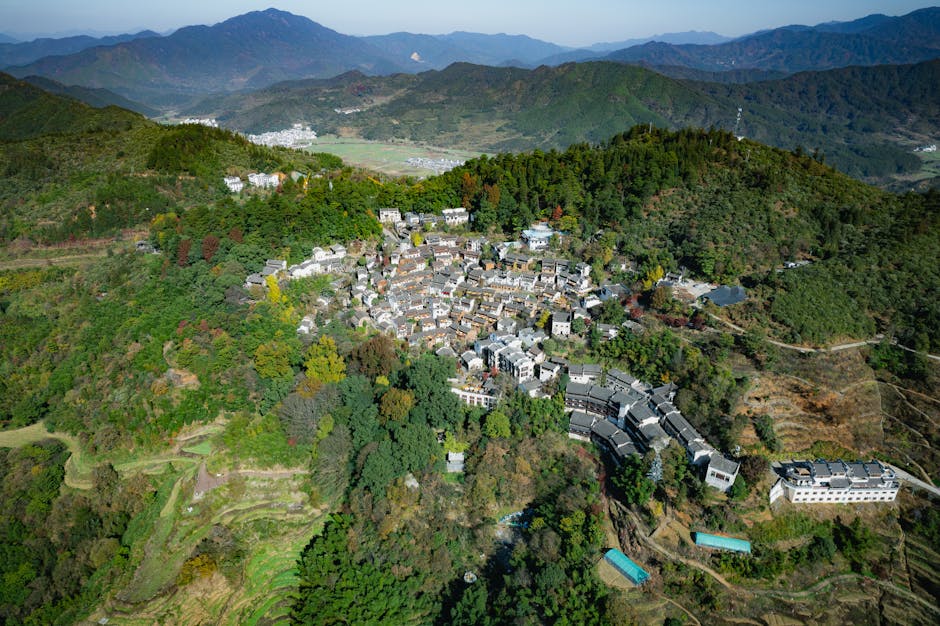
Why Do So Many Travelers Miss the Real Korea?
Here’s an interesting pattern worth analyzing: according to Korea Tourism Organization data from early 2026, roughly 73% of international tourists concentrate their activities within just 5 metropolitan areas. Meanwhile, South Korea has 229 administrative districts, many of which see fewer than 500 foreign visitors per year. That’s a staggering imbalance.
The reason isn’t lack of quality — it’s algorithmic invisibility. When a place isn’t hashtagged thousands of times or listed on major booking platforms in multiple languages, it simply doesn’t surface in most travelers’ research. Locals, on the other hand, inherit knowledge of these places through family outings, school trips, and word of mouth over generations.
The Hidden Gems That Locals Actually Visit
Let me walk you through some genuinely undervisited spots that came up repeatedly when I interviewed Korean friends, travel bloggers, and regional tourism boards in early 2026:
- Gurye, South Jeolla Province (구례군): Nestled near the base of Jirisan National Park, Gurye is where Seoul families go when they want to truly escape. The Seomjingang River cycling path here is breathtaking, and the village markets sell some of the freshest wild mountain vegetables (namul) you’ll find anywhere. Tourist infrastructure is minimal — which is exactly the point.
- Uljin, North Gyeongsang Province (울진군): This coastal town sits on the East Sea and is famous among Koreans for its crystal-clear waters and pine forests. The Bulyeongsa Temple Valley (불영사 계곡) is a UNESCO-recognized geological site that most international guides haven’t caught up with yet.
- Gochang, North Jeolla Province (고창군): Home to one of Korea’s most impressive dolmen (ancient megalithic tomb) sites — a UNESCO World Heritage designation — and vast fields of purple cosmos flowers in autumn. Locals come here specifically for the Seonunsan Provincial Park hiking trails and the famous Gochang panjori folk music tradition.
- Yeongwol, Gangwon Province (영월군): A small town with an almost cinematic quality, known for its connection to the tragic story of King Danjong. Beyond history, it hosts Korea’s most active astronomy village — the Yeongwol Astronomical Observatory area — where locals go for genuinely dark skies and stargazing camps.
- Namhae Island, South Gyeongsang Province (남해군): While Jeju gets all the island attention, Koreans will quietly tell you Namhae is where they prefer to go. The German Village (독일마을) — built by Korean miners who worked in Germany in the 1960s and later returned — is one of the most quietly moving cultural stories in modern Korean history.
What Makes These Places “Local Secrets” — And How Long Will They Stay That Way?
This is where it gets philosophically interesting. A destination stops being a local secret the moment it achieves critical digital mass — usually around 10,000+ Instagram tags or a feature in a major English-language publication. Bukchon Hanok Village, for example, was a genuine neighborhood secret as recently as 2015. By 2026, some alleyways there have crowd management systems installed.
Gurye and Yeongwol are probably safe for another 2-3 years. Namhae is already beginning to attract attention from savvy independent travelers. Uljin and Gochang remain relatively under the radar internationally, though they’re weekend staples for Korean domestic tourists.
The lesson? The window for visiting these places with a genuine “local feel” is real but finite. This isn’t meant to create FOMO — it’s just an honest assessment of how destination popularity cycles work.
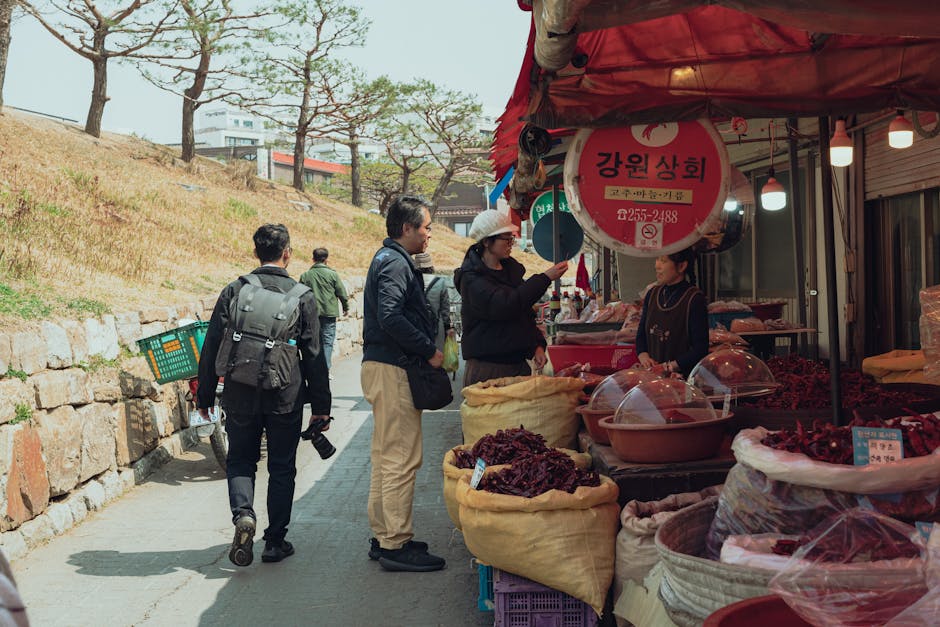
Practical Tips for Actually Finding Local Spots in Korea
Here’s my realistic framework for replicating this kind of discovery on your own trip:
- Use Naver Maps, not just Google Maps: Korean locals use Naver (네이버 지도) and Kakao Maps. Many small local restaurants, trails, and cultural spots are only listed there — often with user reviews exclusively in Korean. Use a translation app alongside it.
- Look for 군 (gun) districts, not 시 (si) cities: In Korea’s administrative system, 군 refers to rural county-level districts. If your itinerary only has 시 (city) destinations, you’re probably staying in the tourist lane.
- Ask accommodation hosts directly: Guesthouses and pensions run by locals (especially outside major cities) are goldmines. Ask them: “Where do you personally go on weekends?” — not “What should tourists see?”
- Check Korean travel blogs on Naver Blog or Tistory: These are where domestic Korean travelers document their trips with extraordinary detail. Google Translate handles them reasonably well in 2026.
- Travel mid-week and off-season: Even well-known Korean spots feel completely different on a Tuesday in February versus a Saturday in October. Locals know this and plan accordingly.
Realistic Alternatives for Different Types of Travelers
Not everyone can (or wants to) go fully off-grid. Here’s how to calibrate based on your comfort level and travel style:
If you’re a first-time visitor to Korea: Don’t skip Seoul entirely, but carve out at least 2–3 days for one rural destination. Jeonju makes a perfect bridge — it’s well-documented but genuinely maintains local culture, especially in its traditional hanok neighborhood and market food scene.
If you’ve already done the “main route”: Commit to a region and go deep. Spend 4–5 days in the Jeolla provinces or along the Gangwon coast. Use local buses (시외버스) rather than KTX bullet trains — they stop in places the train doesn’t.
If you’re a solo or independent traveler comfortable with uncertainty: Rent a car (international license is recognized in Korea) and simply drive a provincial road (국도) rather than the expressway. The roadside discoveries — small rest stops, local tofu houses, century-old temples — are often the best part.
The beautiful thing about South Korea in 2026 is that even with its hyper-connected digital infrastructure, genuine discovery is still absolutely possible. The country is geographically compact but culturally layered in ways that reward patience and curiosity over efficiency.
The locals haven’t been hiding these places to be secretive — they’ve just never needed to advertise them. The invitation was always open. You just had to know where to look.
Editor’s Comment : The real magic of travel in South Korea right now isn’t competing for the perfect shot at a famous palace — it’s sitting in a village where your presence genuinely surprises someone, and sharing a meal that exists nowhere on any app. In 2026, with algorithmic travel at its peak, the most radical thing you can do as a traveler is let go of the curated feed and follow a local’s instinct instead. These destinations won’t stay hidden forever, but right now? The window is beautifully open.
태그: [‘hidden gems South Korea’, ‘local travel Korea 2026’, ‘off the beaten path Korea’, ‘Korean travel secrets’, ‘underrated Korean destinations’, ‘authentic Korea travel’, ‘rural Korea tourism’]
Leave a Reply