A friend of mine — let’s call him Marcus — lost about $800 on a Southeast Asia trip last year. Not to scammers, not to pickpockets. He just didn’t think much about where and when he exchanged his money. Airport kiosks, hotel desks, and one sketchy walk-in booth later, he’d paid roughly 8–12% more than the mid-market rate on every single transaction. That story stuck with me, and honestly, it’s what pushed me down a rabbit hole of actually understanding how currency exchange works — not just the surface-level “avoid airports” advice you see everywhere.
So let’s dig into this together, because in 2025 the landscape has genuinely shifted. Digital alternatives have matured, some traditional banks have gotten worse, and a handful of tricks that worked three years ago are now outdated.
What “Mid-Market Rate” Actually Means — and Why It’s Your Benchmark
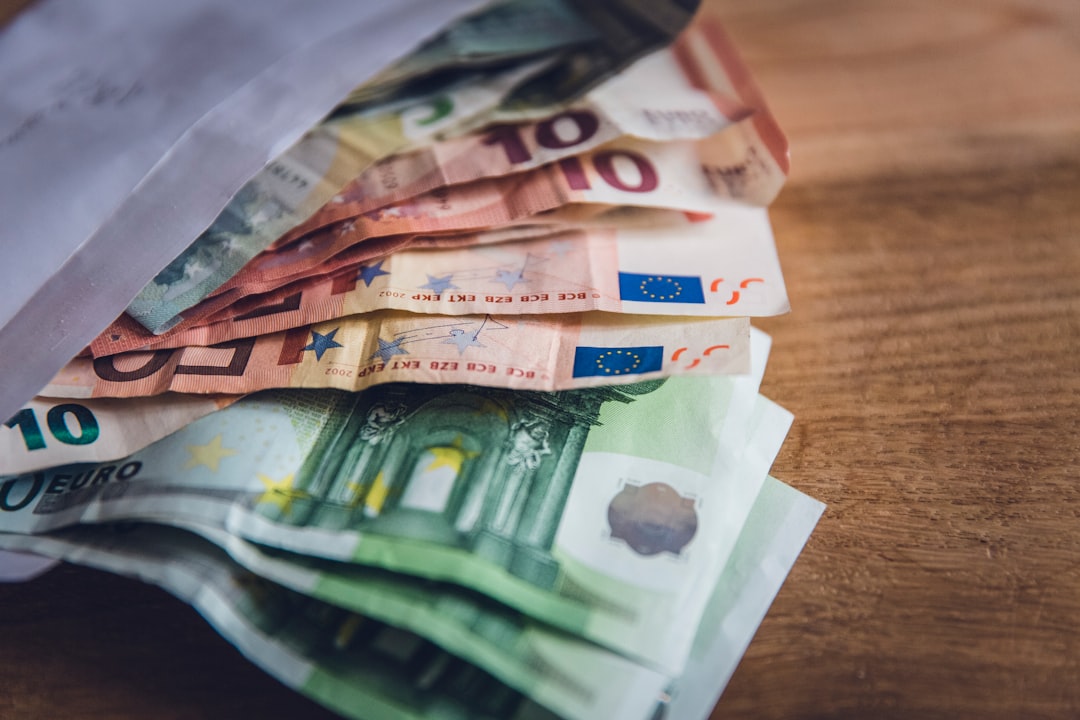
Before anything else, you need to know what you’re comparing against. The mid-market rate (also called the interbank rate) is the real exchange rate — the midpoint between global buy and sell prices for any currency pair. It’s what you see on XE.com, Google Finance, or Bloomberg. No retail customer ever gets this rate exactly, but your goal is to get as close to it as possible.
Here’s a rough cost hierarchy based on 2025 data from user reports and independent fee audits:
- Airport kiosks (e.g., Travelex, ICE): Typically 10–15% above mid-market. The most expensive option in nearly every city.
- Hotel exchange desks: Usually 8–12% markup. Convenient, but you pay dearly for that convenience.
- Traditional bank branches: 3–6% markup plus possible flat fees ($5–$15 per transaction). Better, but not great.
- Online travel cards (Wise, Revolut, Caxton): 0.35–1.5% above mid-market. The current gold standard for most travelers.
- Local ATMs abroad (using a fee-free debit card): 1–3% depending on the network. Strong option if your home bank refunds foreign ATM fees.
- Local exchange bureaus in destination cities: Wildly variable — can be 1–3% in Bangkok’s Silom area, or 9% at a tourist-district shop two streets over.
The 2025 Digital Card Reality Check
Wise (formerly TransferWise) and Revolut have become the default recommendations in nearly every travel forum, and honestly, they deserve it — but with caveats.
Wise charges a transparent conversion fee: for USD to EUR it’s typically around 0.41%, and for USD to THB it’s around 0.67% as of early 2025. There are no hidden margins baked into the rate itself, which is rare. You get the real mid-market rate every time. The downside? Wise’s free ATM withdrawal limit is $100/month (£200 in the UK tier), after which a 1.75% fee kicks in. Fine for card-tap countries, limiting in cash-heavy destinations like Vietnam or Egypt.
Revolut on the free plan gives you fee-free exchange up to $1,000/month at the mid-market rate — but only on weekdays. Weekend exchanges carry a 1% markup because the interbank market is closed and Revolut absorbs that risk. Upgrade to Revolut Premium ($9.99/month) and that weekend markup disappears. If you travel frequently enough, the math usually justifies the subscription.
Charles Schwab’s High Yield Investor Checking remains a cult favorite among long-term travelers: zero foreign transaction fees, the Visa exchange rate (roughly 0.5–1% above mid-market), and unlimited ATM fee rebates globally. The catch is it’s US-only and requires a linked brokerage account — but if you’re American, it’s arguably the most frictionless option available in 2025.
When Local Exchange Bureaus Actually Win
Here’s where most guides get it wrong: they write off physical exchange offices entirely. That’s lazy advice. In certain corridors, local bureaus genuinely beat digital cards.
In Bangkok, the SuperRich chain (orange logo, not green — they’re different companies) consistently offers USD/THB rates within 0.3–0.8% of mid-market, with no fees. Compare that to Revolut’s 0.5% weekday fee and a Wise card’s 0.67% conversion fee — SuperRich is competitive or better, especially for large amounts. Similar high-competition bureau ecosystems exist in Istanbul’s Grand Bazaar area, Kuala Lumpur’s Sungei Wang Plaza, and parts of Cairo near Tahrir Square.
The rule of thumb: if you’re exchanging more than $500 equivalent in a cash-economy country with known competitive bureau markets, research the local options first. For everything else, default to your Wise or Revolut card.
Five Practical Moves That Save Real Money in 2025
- Never exchange at the departure airport. Even a 10-minute Uber to an off-airport bureau or simply waiting until you land saves 5–10%.
- Use Google’s “X USD to [currency]” as your real-time benchmark before every transaction. Screenshot it. Show it to the bureau if needed.
- Decline Dynamic Currency Conversion (DCC) every time. When an ATM or card terminal abroad offers to charge you in your home currency “for convenience,” always say no. DCC rates are typically 3–7% worse. Always choose to be charged in the local currency.
- Stack your cards: Use Wise for card payments (mid-market rate, low fee), keep a Schwab debit or Revolut for ATM withdrawals, and carry a small emergency stash exchanged at a competitive local bureau.
- Check Wise’s rate for your specific corridor before assuming it’s cheapest. For some exotic pairs (e.g., USD to Uzbekistani Som or USD to Ethiopian Birr), Wise’s fees spike and local alternatives or even Western Union may be more cost-effective.
The Risk Side Nobody Talks About
Digital-first travel money sounds frictionless until it isn’t. In 2025, Revolut account freezes due to anti-fraud algorithms remain a documented pain point — users in Reddit’s r/Revolut report temporary locks triggered by unusual location patterns, which is exactly what travel creates. Always carry a backup payment method. Wise is generally more stable in this regard, but even Wise has had regional outages.
Also worth noting: cryptocurrency-based exchange apps have been marketed as “zero-fee” alternatives. In practice, apps like Crypto.com’s Visa card and Coinbase Card still embed spreads in their crypto conversion rates, and volatility risk is real. Unless you’re already holding crypto for other reasons, the complexity rarely justifies the marginal savings for typical travelers.
Quick Decision Framework
- Occasional traveler, card-friendly country (Western Europe, Japan, South Korea): Wise card as primary, local ATM as backup. Done.
- Frequent traveler, US-based: Charles Schwab checking + Wise card combination. Near-optimal for most situations.
- Cash-heavy destination (Vietnam, Cambodia, Morocco, Egypt): Research top-rated local bureau in your destination city + Wise card for emergencies.
- Large one-time transfer (buying property abroad, paying tuition): Wise Transfers or OFX for amounts over $10,000 — both offer rate locks and dedicated support.
Marcus, by the way, has since switched to a Wise card and a Schwab account. His last trip to Japan cost him less than $12 in total currency conversion fees across three weeks. The same itinerary would’ve cost him $180+ using his old approach. That’s not a rounding error — that’s a decent dinner in Kyoto.
💬 Editor’s note: The best currency exchange strategy in 2025 isn’t one tool — it’s a small stack of the right tools matched to your destination. Start with a Wise account (free to open), verify it before your trip, and use XE.com as your rate compass. From there, layer in local knowledge as you go. The travelers who lose money aren’t uninformed — they’re just using a single strategy in situations that demand a different one.
📚 관련된 다른 글도 읽어 보세요
- Why I Almost Gave Up on Garage Door Openers — Real 2025 Troubleshooting & Buyer Guide
- Why I Almost Gave Up on Cheap Flights — Real 2025 Budget Air Travel Guide
- Why I Almost Gave Up on Fermentation — Real 2025 Kimchi Making Guide for Beginners
태그: currency exchange, travel money tips, Wise card review, best forex rate 2025, avoid airport exchange, Revolut travel card, mid-market rate
Leave a Reply