A close friend of mine texted me last spring, frustrated after spending hundreds on a shampoo regimen that a popular influencer swore would ‘regrow a full head of hair in 90 days.’ Three months later, her bathroom shelf was full of half-empty bottles and her hairline was exactly the same. That conversation stuck with me — because I’d been down a similar rabbit hole myself a few years back, and it took an embarrassingly long time to separate the marketing noise from what’s actually backed by evidence.
So let’s dig into this together, not as a lecture, but as a honest walkthrough of what thinning hair actually is, what treatments have real data behind them in 2025, and where the money is genuinely worth spending.
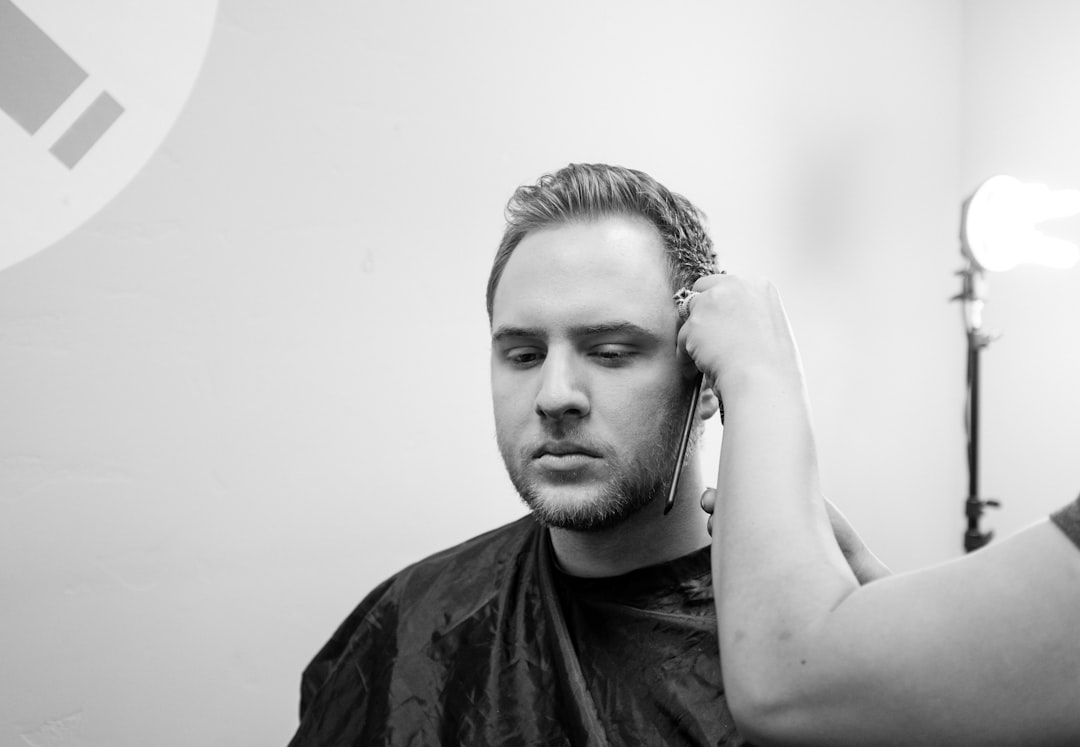
What’s Actually Causing Your Hair to Thin? (It’s Not Always What You Think)
Before jumping to solutions, the root cause matters enormously — and this is where most people skip a step. Thinning hair in 2025 is more nuanced than ever because we now have better diagnostic tools and a clearer understanding of the different pathways involved.
- Androgenetic Alopecia (AGA): The most common type, affecting roughly 50% of men over 50 and up to 40% of women by menopause. Driven by DHT sensitivity in hair follicles.
- Telogen Effluvium (TE): Stress-triggered shedding where follicles shift prematurely into the resting phase. Often reversible within 3–6 months once the trigger is addressed.
- Nutritional Deficiencies: Low ferritin (below 40 ng/mL is a common threshold cited in dermatology), low vitamin D, and low zinc are frequent culprits that blood panels can confirm.
- Thyroid Dysfunction: Both hypothyroidism and hyperthyroidism can cause diffuse thinning. A TSH panel is often the first thing a dermatologist orders.
- Traction Alopecia: Mechanical damage from tight hairstyles, commonly seen in people who wear braids, weaves, or high ponytails frequently.
Knowing your specific type changes everything about your treatment path. A DHT-blocking shampoo does nothing meaningful for telogen effluvium, for example. If you haven’t had bloodwork done, that’s actually the most useful first step — not buying a new product.
The Treatments with Real Evidence in 2025
Let’s get into the actual landscape of what works. I’m grouping these by evidence tier, because there’s a massive gap between ‘promising early data’ and ‘FDA-approved with decades of trials.’
Tier 1 — FDA-Approved, Well-Established:
- Minoxidil (Rogaine): Still the gold standard for topical use. The 5% foam formula for men and 2–5% for women. In 2025, oral low-dose minoxidil (0.25–2.5mg daily) has gained significant traction as an off-label option, with dermatologists reporting response rates of around 70–80% in AGA patients, per multiple small-scale studies published in the Journal of the American Academy of Dermatology between 2022 and 2024. Side effects like hypertrichosis (unwanted body hair) are the most common complaint, occurring in roughly 35% of female patients using oral doses above 1mg.
- Finasteride (Propecia): For men with AGA. Blocks 5-alpha reductase, reducing DHT levels by up to 70% in scalp tissue. The 5-year data from the original clinical trials showed 90% of men maintained or improved hair count. Sexual side effects affect approximately 2–4% of users — real, but often overstated in online forums.
- Dutasteride: Stronger than finasteride, inhibiting both Type 1 and Type 2 5-alpha reductase. Approved in South Korea and Japan for AGA; used off-label in the US and UK. Studies show superior results for scalp DHT reduction compared to finasteride, but the side effect profile is comparable.
Tier 2 — Strong Evidence, Widely Used but Not FDA-Cleared for Hair:
- PRP (Platelet-Rich Plasma) Therapy: Your own blood is spun in a centrifuge, and the platelet-rich portion is injected into the scalp. A 2023 meta-analysis in Dermatologic Surgery covering 22 studies found statistically significant improvements in hair density across AGA patients. Cost ranges from $500–$1,500 per session, with 3–4 sessions typically recommended in year one.
- Low-Level Laser Therapy (LLLT): Devices like the iRestore and Capillus have FDA clearance as ‘safe’ but not strictly as efficacious treatments. The 650nm wavelength range appears to stimulate follicular activity. A 2024 review in Lasers in Medical Science found an average hair count increase of 22–51 hairs per cm² over 26 weeks in compliant users. The commitment is significant — typically 25–30 minutes, 3x per week.
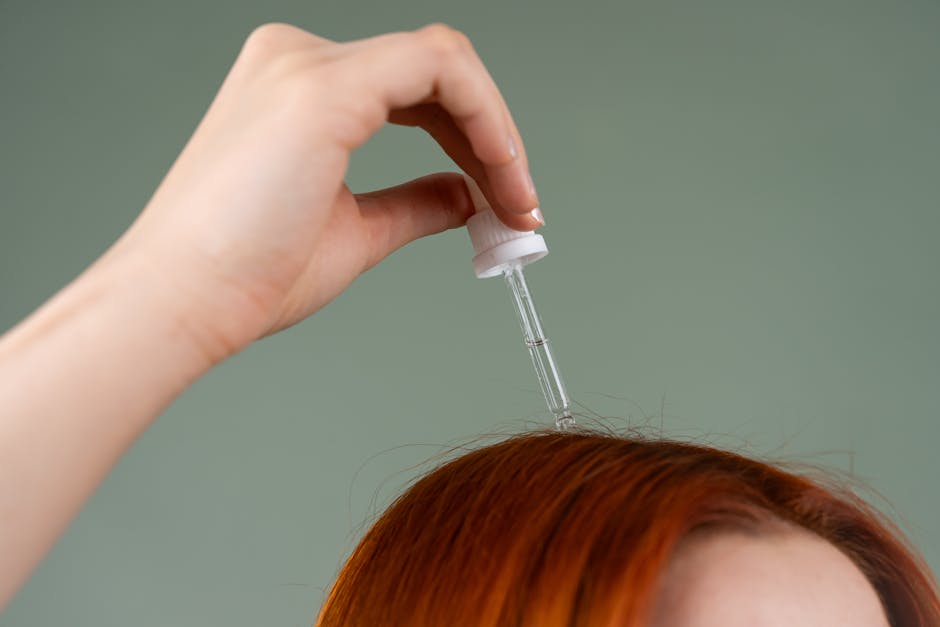
What’s Overhyped Right Now (And Where Your Money Leaks Out)
This is the part nobody puts in the product description. In 2025, the supplement and ‘natural hair growth’ market is enormous — estimated at over $3.8 billion globally — and the signal-to-noise ratio is brutal.
- Biotin mega-doses: Only useful if you have a confirmed biotin deficiency, which is actually rare. Dermatologists consistently note that most people excreting excess biotin in urine simply have expensive urine. It also interferes with thyroid and troponin lab tests at doses above 5,000 mcg.
- ‘DHT-blocking’ shampoos with saw palmetto: Saw palmetto has some weak evidence for oral use, but absorption through shampoo that sits on the scalp for 2 minutes is pharmacologically dubious. The mechanism doesn’t hold up under scrutiny.
- Collagen powders for hair growth: Collagen is broken down into amino acids in digestion, not delivered intact to follicles. The indirect benefit via amino acid availability is plausible but minimal compared to simply eating adequate protein.
- Stem cell shampoos: Unless plant stem cells can survive your digestive system (they can’t, and they’re being applied topically anyway), this is mostly a branding exercise.
The 2025 Realistic Action Plan (Based on Situation)
Here’s where I find a framework more useful than a single recommendation:
- If you’re a man under 40 with AGA pattern loss: Get a dermatology consultation about low-dose oral minoxidil + finasteride combo. This dual-pathway approach is increasingly the first-line recommendation in 2025, and the results compound over 12–18 months.
- If you’re a woman with diffuse thinning: Start with bloodwork (ferritin, thyroid, vitamin D, zinc). If all normal, discuss oral minoxidil (0.5–1mg) with a board-certified dermatologist. Avoid finasteride during reproductive years without serious discussion.
- If shedding started after stress, illness, or major life event: This is likely TE. Focus on sleep, protein intake (target 1.2–1.6g per kg of body weight daily), and patience. Most cases resolve in 6–9 months. Minoxidil can help bridge the emotional gap but isn’t fixing the cause.
- If budget allows and you want to accelerate results: Consider adding PRP to a topical/oral regimen. The combination approach is showing the most robust outcomes in current literature.
A Note on Consistency (The Boring Truth)
Every dermatologist I’ve read or interviewed says the same thing: the biggest predictor of treatment success isn’t which product you chose, it’s whether you actually stuck with it for 6–12 months. Minoxidil takes 4 months to show meaningful results. Finasteride needs 6–12. PRP needs a full series. People who quit at month 3 and say ‘it didn’t work’ are almost always in the middle of the treatment window, not past it.
If cost is a barrier, generic minoxidil solution (not foam) is as effective as brand-name Rogaine and runs about $10–$15 per month on platforms like Costco, Walmart, or Amazon. The barrier to entry for evidence-based treatment is genuinely lower than most people realize.
💬 Editor’s Note: If there’s one thing I’d suggest taking away from all of this — it’s to spend your first $30 on a blood panel, not a shampoo. Knowing your specific cause doesn’t just save money, it saves months of guessing. The treatments that work are accessible and well-documented in 2025. The trick is matching the right one to your actual situation, not the one with the best packaging.
📚 관련된 다른 글도 읽어 보세요
- Hidden Alley Gems in Small Towns: An Insider’s 2026 Review of Korea’s Most Underrated Street Spots
- Family Vacation Abroad Without Breaking the Bank: Insider Secrets to Slashing Package Tour Costs in 2026
- 지도에 없는 드라이브 코스 7선: 현지인만 아는 국내 비밀 명소 2026 완전판
태그: thinning hair treatment, hair loss 2025, minoxidil vs finasteride, androgenetic alopecia, PRP hair therapy, oral minoxidil, hair regrowth evidence
Leave a Reply