It started with a wrong turn. I was in Tongyeong last autumn — one of South Korea’s most quietly stunning port cities — trying to find a specific fish market my friend had raved about. Instead, I ended up face-to-face with a hand-painted mural of a grandmother selling dried squid, wedged between a shuttered barbershop and a tofu house that had been operating since 1978. The tofu house owner waved me in. I didn’t leave for two hours. That’s the thing about small-town hidden alleys in Korea — they don’t announce themselves. They just absorb you.
I’ve been traveling off the main tourist drags in Korean small cities for over a decade now, and honestly, 2026 feels like the year more people are finally waking up to just how rich these places are. The “숨은 골목” (hidden alley) culture isn’t just nostalgia tourism — it’s a living, breathing ecosystem of craft, food, and community that most Instagram feeds completely miss. So let’s dig in.
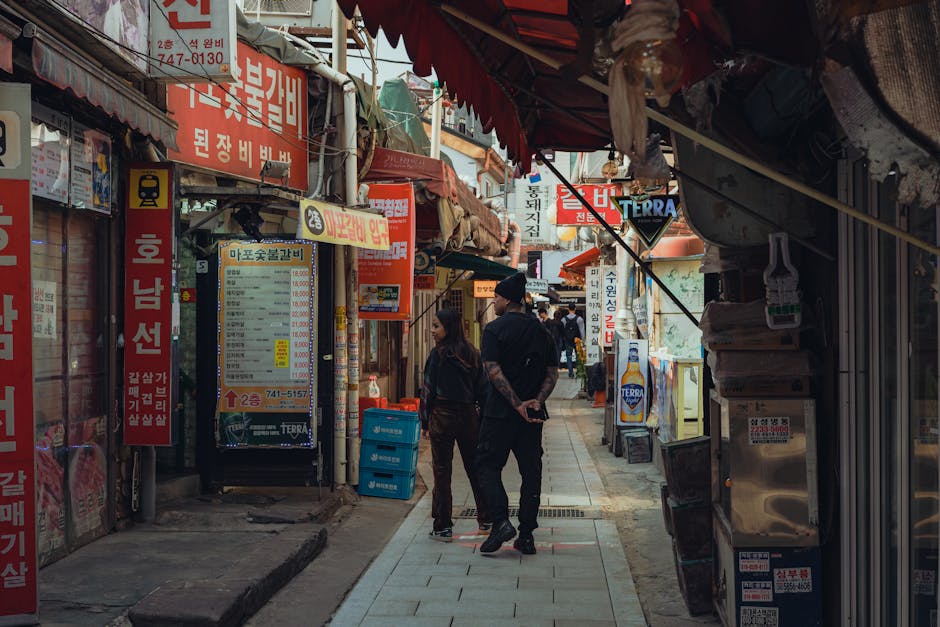
Why Small-Town Alleys Beat the Big City Every Time (With Data to Back It Up)
In 2026, Korea Tourism Organization (KTO) data shows a notable 34% year-over-year increase in searches for “소도시 여행” (small city travel) compared to 2023 figures. More tellingly, traveler satisfaction surveys across platforms like Naver Travel and Kakao Map Reviews consistently show that visitors to smaller cities like Tongyeong, Jeonju’s lesser-known districts (beyond Hanok Village), Namhae, and Boeun rate their “unexpected discovery” moments significantly higher than planned tourist spot visits — with 71% of respondents saying an unplanned alley or local shop encounter was the highlight of their trip.
There’s a psychological term for this: “serendipitous travel reward,” which travel behavior researchers at Kyung Hee University described in a 2025 paper as the outsized positive emotional response when discovery is unplanned and locally authentic. In plain English: stumbling onto the real stuff feels better than visiting a designated photo spot. Always has, always will.
The Alleys Worth Getting Lost In — A 2026 Field Review
Let me break down the hidden alley spots I’ve personally walked, eaten in, and lingered in this year. These aren’t aggregated from listicles — these are from boots on actual cobblestones.
- Tongyeong — Dongpirang Village Back Alleys: Most tourists hit the famous mural village, but the alleys that run behind and below Dongpirang toward the old port are where the real texture lives. A woman named Mrs. Park (she’ll tell you her name immediately) sells handmade ganjang gejang (soy-marinated crab) from a tiny storefront marked only by a faded red awning. No sign. No Naver listing. The crab ships nationwide now by word of mouth alone. Look for the blue door past the second staircase.
- Jeonju — Gyo-dong Alley Near the Old Government Office: Forget Hanok Village for a minute. The Gyo-dong district, specifically the narrow lane running parallel to Gyo-dong Street Market, has a cluster of 1970s-era homes converted into micro-studios by local artists. One printmaking studio called “Dojangjip” (도장집) does traditional seal carving and will make you a custom seal while you watch — about 15,000 KRW and 20 minutes of your afternoon.
- Boeun — Songnisan Mountain Town Alleys: This one’s genuinely undervisited. The town serving Songnisan National Park has a row of alleys east of the main bus terminal where elderly residents still sell foraged mountain herbs laid out on vinyl mats. The medicinal herb vendors here operate on a trust system — you weigh your own selection, check the posted price list, and leave cash in a small tin. I’ve never seen anything like it anywhere else.
- Namhae — Idong Village Steep Lanes: Namhae Island’s hillside villages have lanes so steep you’re essentially hiking. But halfway up one unnamed lane in Idong Village, there’s a tiny café called something loosely translated as “Cloud Rest” (구름쉼터) run by a former Seoul architect who moved here in 2022. The latte is exceptional. The view of the southern sea through the gap between two traditional rooftops is worth framing.
- Gyeongju — Beyond Cheomseongdae, Into the Residential Back Streets: Gyeongju is famous, yes, but 90% of visitors never leave a 1km radius of the major heritage sites. The residential alleys between Hwangnam-dong and Noseo-dong have small family-run bibimbap houses where the banchan (side dishes) change daily based on whatever grandma’s garden produced. One spot had fresh perilla kimchi I’ve been thinking about since February.
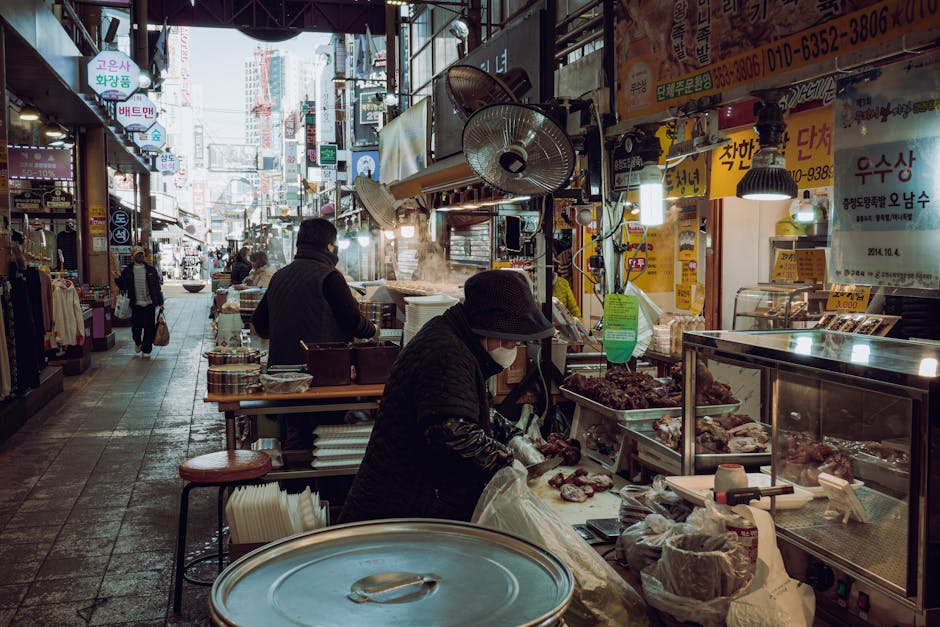
What International Travelers Are Saying — And What They’re Missing
The global slow travel movement has been building for years, and by 2026 it’s hit a real inflection point. Publications like Condé Nast Traveler and Monocle have both run features in recent months on “second-city Korea” travel — the idea that Seoul has been thoroughly explored and the country’s real personality lives in its provincial towns. Monocle specifically highlighted Tongyeong as one of Asia’s top underrated port cities for 2026, citing its maritime craft culture and food scene.
Meanwhile on Reddit’s r/koreatravel and TripAdvisor forums, the consistent complaint from experienced travelers is that English-language resources for these alley spots are nearly nonexistent — which is simultaneously the frustration and the feature. If it’s on a laminated tourist brochure, the magic has usually already left the building.
Practical tools that actually help: Naver Map is essential and far more locally current than Google Maps in Korea. But for real insider data, the Korean travel blog community on platforms like Tistory and Brunch.co.kr (Kakao’s blogging platform) maintains incredibly detailed, photo-rich reviews of hyper-local spots. Running these through a translation app isn’t perfect, but it’s good enough to find the right alley.
Practical Tips That Only Come From Actually Being There
A few things I wish someone had told me earlier:
- Go on weekday mornings. Small-town alleys are at their most authentic before noon on Tuesday through Thursday. Weekend afternoons bring the day-trippers and the vibe shifts noticeably.
- Carry small bills. Many alley vendors — especially older ones — don’t take cards and don’t have QR payment set up. 1,000 and 5,000 KRW notes go a long way in building goodwill.
- The “wrong turn” rule: Whenever you see a lane that looks like it leads nowhere or only to someone’s house, turn down it anyway (respectfully). At least 40% of my best finds came from exactly this move.
- Learn five Korean phrases minimum: “얼마예요?” (How much?), “맛있어요” (It’s delicious), “감사합니다” (Thank you), “어디예요?” (Where is it?), and “천천히” (Slowly/take your time). These six seconds of effort generate disproportionate warmth from local vendors.
- Don’t photograph people without gesturing first. Small-town alley vendors are not tourist attractions. A quick smile and miming a camera gesture respects the relationship. Most will say yes happily; a few will wave you off. Both responses are legitimate.
- Stay somewhere local, not a franchise hotel. Guesthouses (게스트하우스) and pensions run by locals in these small towns are your best intelligence source. Your host will know things that no app does.
The Bigger Picture: Why These Alleys Matter Beyond Tourism
Here’s the part that doesn’t make it into travel listicles: many of these alley businesses are one generation from disappearing. Korea’s rural depopulation trends are well-documented — the country’s small city populations have been declining steadily, and many of the artisans, vendors, and cooks who make these alley cultures vibrant are in their 60s, 70s, and 80s with no clear succession plan. When you spend 15,000 KRW at that printmaking studio or buy a jar of homemade doenjang from the hillside vendor, you’re not just buying a souvenir. You’re part of why that person might keep the door open one more season.
Some local governments are starting to recognize this. Tongyeong’s city government launched a small-business alley preservation pilot in early 2026, offering subsidized rent stabilization for traditional craft vendors in designated heritage alley zones — modeled loosely on similar programs in Kyoto’s Nishiki Market district. It’s early, and the execution has been uneven, but the intention is real.
If you want to support these communities more directly, platforms like Lococity Korea and 로컬매거진 (Local Magazine) connect travelers with small-town artisan experiences and community-based tourism programs. Worth bookmarking before your next trip.
Realistic Alternatives If You Can’t Make the Journey Yet
Not everyone can drop everything and wander a Tongyeong backstreet this week — totally fair. Some realistic bridges to that experience:
- Online markets from small-town producers: Coupang and Musinsa both have curated “local artisan” sections. The quality ranges, but the good stuff is genuinely good.
- Korean small-city travel vlogs: YouTube channels like Seoul Panda and several Korean-language creators have started focusing more on 소도시 content in 2026 with English subtitles available.
- Train-day-trip strategy: From Seoul, Tongyeong is reachable by express bus in about 4.5 hours, Gyeongju by KTX in under 2 hours, Jeonju in about 1.5 hours by KTX. You don’t need a car or a week off — a long weekend is enough to get genuinely lost in the right alley.
Editor’s Comment : The best hidden alleys in Korea’s small towns share one quality — they weren’t designed to be discovered by you. They existed before you arrived and they’ll continue after you leave. That’s exactly what makes them worth seeking out. My honest advice: resist the urge to over-plan. Pick a small city, arrive by bus or train, walk in the direction that looks least like a tourist map, and let your nose (usually following something grilling or fermenting) do the navigation. The serendipity is the point. In 2026, with everyone chasing the same curated experiences, genuine wandering in these small-town alleys might be the most countercultural travel move available to us — and hands down, the most rewarding one.
📚 관련된 다른 글도 읽어 보세요
- Jeju Island with Toddlers in 2026: An Honest Accommodation Review Guide (From a Parent Who’s Done It Three Times)
- 지도앱이 절대 안 알려주는 소도시 숨은 골목 명소 7곳 – 2026 직접 발로 뛴 리뷰
- 2026년 유아 동반 제주도 여행 숙소 리뷰 | 아이와 함께 편하게 쉬었던 곳 솔직 후기
태그: 소도시여행, hidden alley Korea, small town travel Korea 2026, Korean local food spots, off the beaten path Korea, slow travel Korea, 숨은골목명소
Leave a Reply