Category: Uncategorized

  • Hidden Gems of Korea: 7 Underrated Domestic Travel Spots You Need to Visit in 2026

    A few months ago, a friend of mine came back from a solo trip to the Korean countryside looking absolutely refreshed — not the kind of refreshed you get from a spa day, but the deep, bone-level kind that only comes from genuine discovery. When I asked where she went, she named a village I’d never heard of, despite having lived in Korea for years. That conversation sent me down a rabbit hole of research, local travel forums, and conversations with regional tourism boards, and what I found genuinely surprised me.

    Korea’s most beloved destinations — Jeju Island, Gyeongju, Bukchon Hanok Village — are iconic for good reason. But in 2026, with domestic travel surging by approximately 18% year-over-year according to the Korea Tourism Organization’s latest quarterly report, the crowds at those spots have reached a tipping point. Ticket queues, packed parking lots, and over-commercialized street food stalls can drain the magic fast. So let’s think about this together: what if the best Korean travel experiences aren’t the ones on every itinerary?
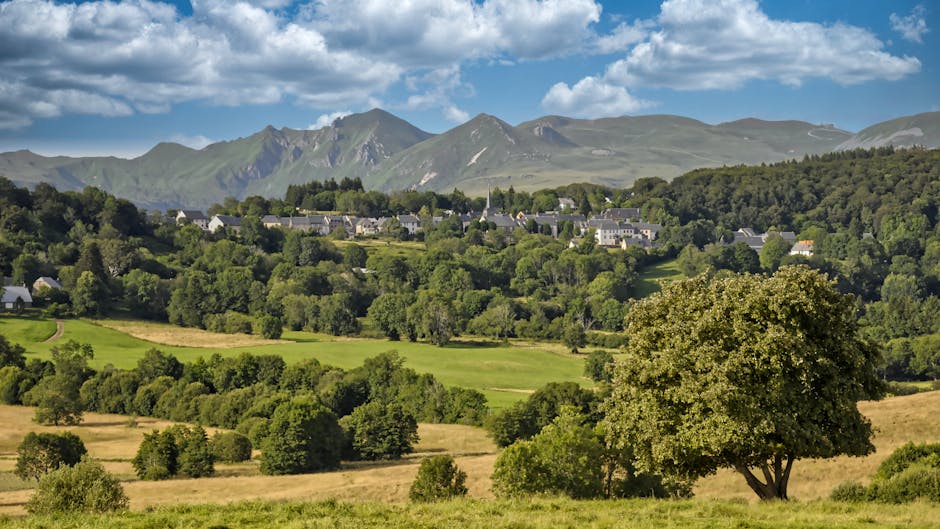
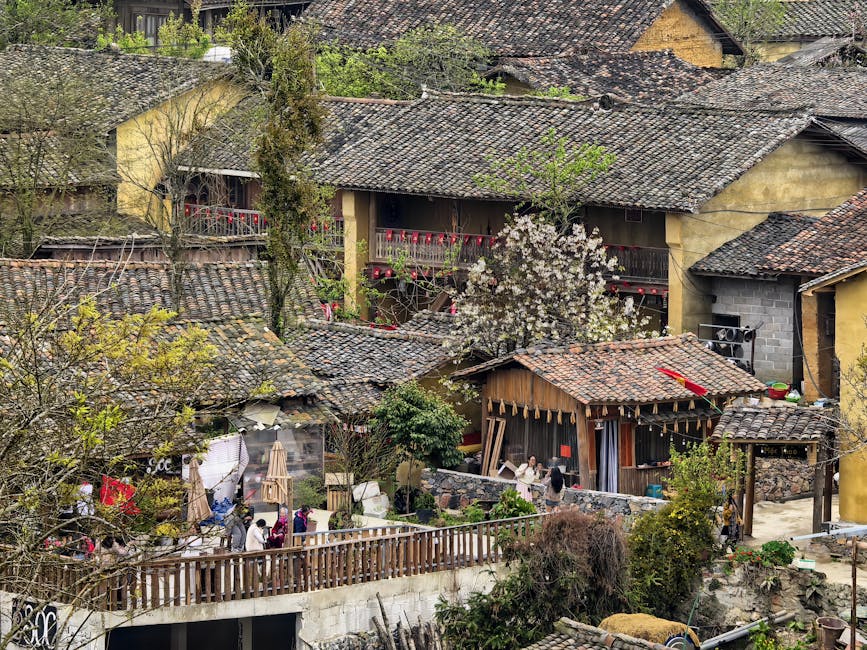
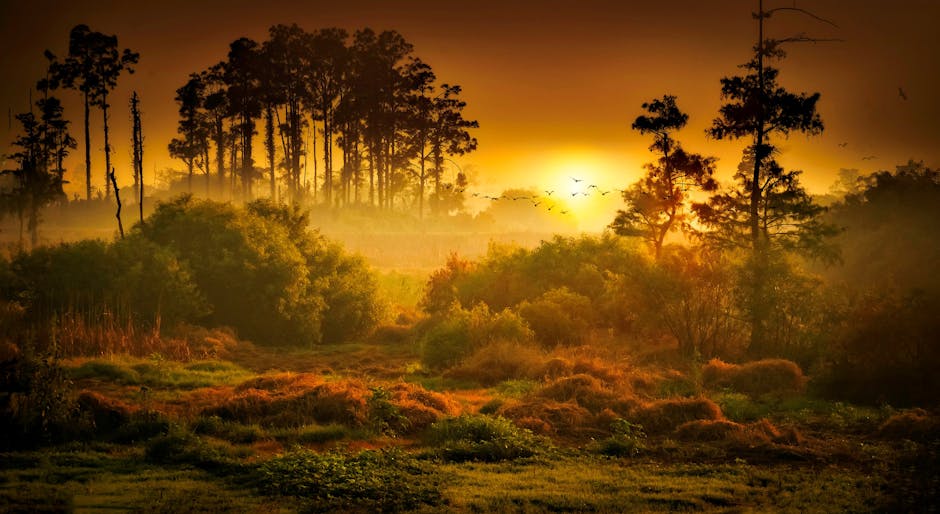
    hidden Korean village countryside scenic landscape 2026

    1. Gurye, South Jeolla Province — Korea’s Slow-Living Capital

    Nestled at the foot of Jirisan, Korea’s first national park, Gurye (구례) is a masterclass in understated beauty. The town itself has a population of under 27,000, yet it hosts one of the most spectacular cherry blossom corridors in the country along the Seomjingang River — and barely a fraction of the tourists who swarm Jinhae each spring. The 2026 Seomjingang Cherry Blossom Festival (typically early April) is genuinely worth planning around.

    • Stay: Small guesthouses along Sansuyu Village offer rooms from ₩60,000/night
    • Eat: Wild mountain herb bibimbap is hyper-local and deeply satisfying
    • Do: The Jirisan둘레길 (Dulle-gil) trail system has 22 sections — pick just one for a half-day hike
    • Best for: Solo travelers, couples seeking quiet, nature photographers

    2. Uljin, North Gyeongsang Province — The Underdog Coastal Town

    While Gangneung and Sokcho dominate East Coast travel content, Uljin quietly offers cleaner water, less congested beaches, and the extraordinary Sungnyu Cave — one of Korea’s largest limestone caves, yet strangely absent from most travel blogs. The drive along Route 7 through Uljin is legitimately one of the most scenic coastal roads in Northeast Asia, according to several international travel journalists who covered it in early 2026.

    3. Boeun, North Chungcheong Province — Pine Forest Therapy

    Boeun’s Songnisan National Park is reasonably well-known, but the town itself — and especially the Beopjusa Temple complex — is almost always experienced as a day trip from Daejeon, meaning most visitors miss the forest bathing trails that open at dawn. Staying overnight in the temple stay program (약 ₩80,000 for a two-day program including meals) completely transforms the experience. Forest therapy, or shinrin-yoku as the Japanese popularized the concept, has measurable effects on cortisol reduction — and Boeun’s dense pine canopy is among the best environments for it in Korea.
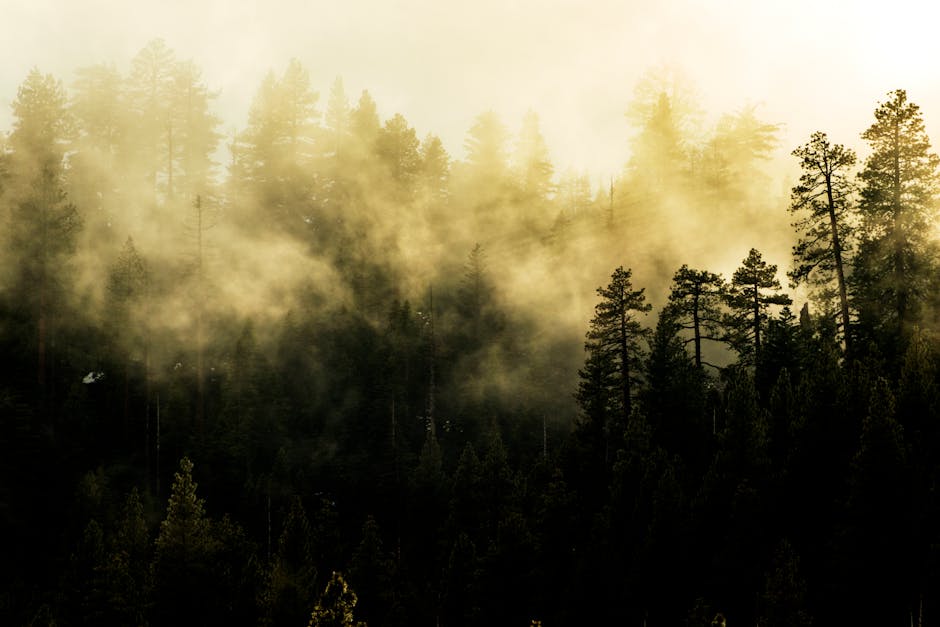
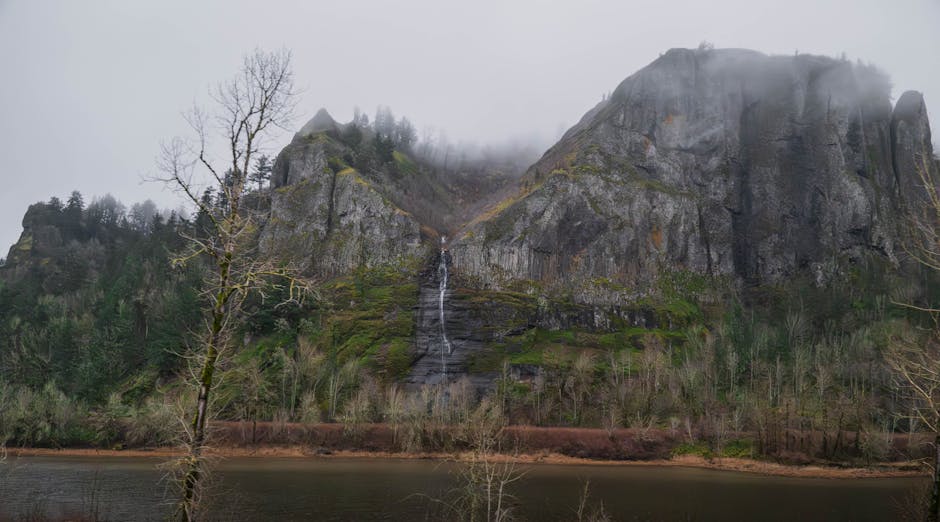
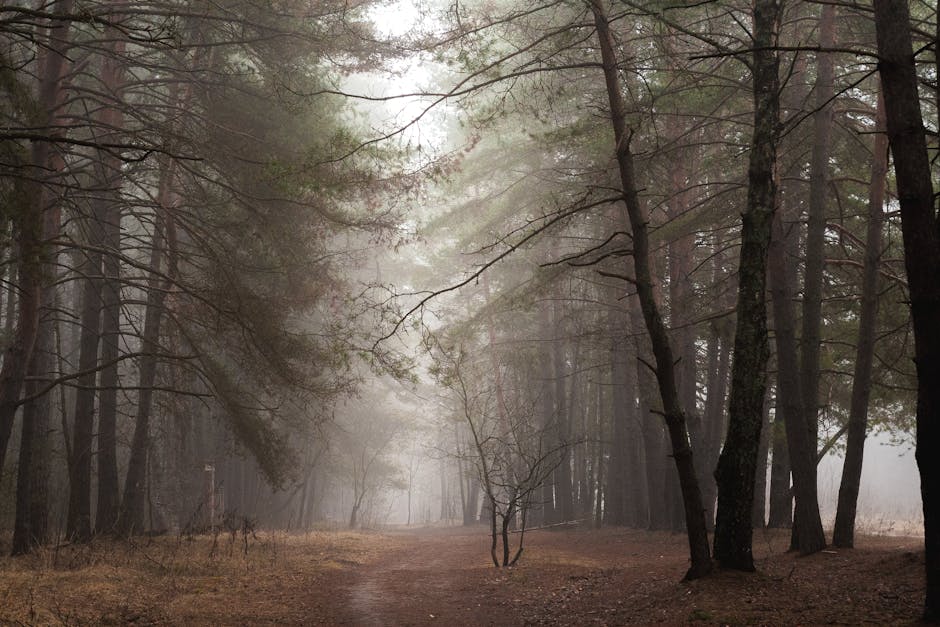
    Korean temple forest pine trees dawn mist peaceful

    4. Yeongyang, North Gyeongsang Province — Korea’s Stargazing Mecca

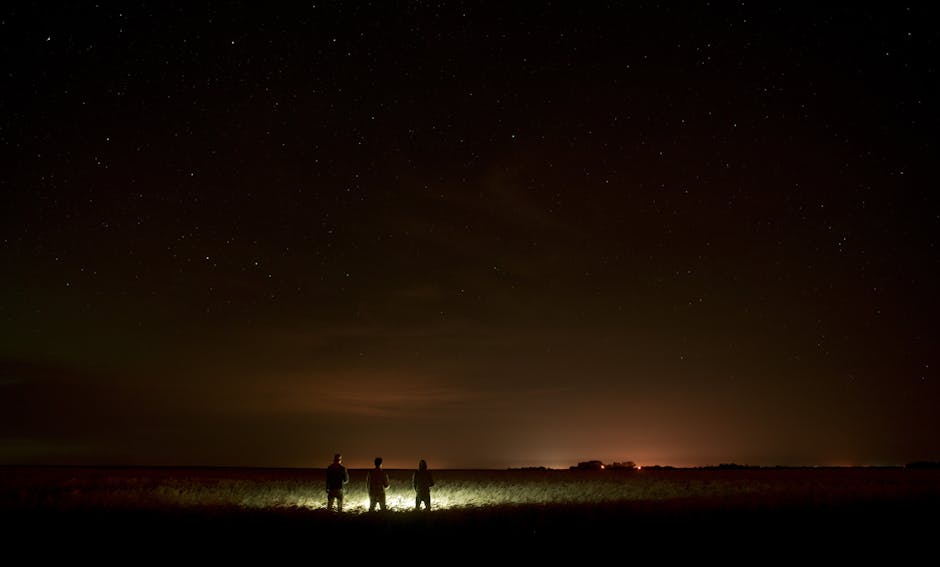
    Here’s a data point that still surprises people: Yeongyang County has the lowest light pollution levels of any inhabited area in South Korea, officially recognized as an International Dark Sky Reserve. In 2026, with urban light pollution worsening in Seoul and other major cities, this matters more than ever. The Yeongyang Firefly Ecology Park and the nearby stargazing observatory draw a small but passionate community of astronomers and romantics. On a clear night, the Milky Way is visible with the naked eye — something most Koreans under 40 have genuinely never experienced.

    5. Hampyeong, South Jeolla Province — The Butterfly Festival Town

    Hampyeong is perhaps most famous for its annual Butterfly Festival, but what locals know and visitors overlook is that the surrounding wetlands and eco-forest are extraordinary year-round. The Hampyeong Eco Park has invested heavily in sustainable tourism infrastructure since 2023, with accessible walking paths, insect biodiversity tours, and a surprisingly excellent regional food market every weekend.

    6. Jeongseon, Gangwon Province — Rail Bike Capital of Korea

    If you’ve only heard of Jeongseon in the context of the 2018 Winter Olympics, you’re missing the real story. The town’s 레일바이크 (rail bike) experience along a decommissioned mountain railway is genuinely unique — you pedal a four-wheeled cart through tunnels and over river bridges with mountain scenery on all sides. For families or groups, it’s one of the most memorable few hours you can spend in Korea. Jeongseon also has a traditional five-day market (장날) that rotates dates — check ahead, because the local gondre namul rice and corn makgeolli sold there is as authentic as Korean food gets.

    7. Taean, South Chungcheong Province — The Coastal Park That Gets Overlooked

    Taean National Marine Park stretches over 377 square kilometers of coastline, islands, and tidal flats — and yet most Koreans will point you toward Jeju or Busan for a beach trip. Taean’s beaches like Mallipo and Mongsanpo are wide, white-sand, and significantly less crowded than their southern counterparts. The clam digging experience (조개잡이) on the tidal flats is a hands-on, deeply Korean activity that families with children especially love.

    Realistic Alternatives: Matching Your Personality to the Right Destination

    Not everyone is ready to go fully off-grid, and that’s completely valid. Here’s a practical framework for thinking about which of these spots fits your travel style:

    • You want beauty without effort: Gurye or Taean — both are accessible by public transport and have decent hospitality infrastructure
    • You want a genuine challenge or adventure: Jirisan in Gurye or the Jeongseon rail bike plus hiking combo
    • You want cultural depth: Boeun’s temple stay or Jeongseon’s traditional market
    • You want to completely unplug: Yeongyang — seriously, the lack of light pollution also coincides with genuinely slow internet, which is either a crisis or a blessing depending on your mindset
    • You’re traveling with kids: Hampyeong’s butterfly park or Taean’s tidal flat activities

    One practical note: most of these destinations are easiest to reach by car or intercity bus. Korea’s intercity bus network (시외버스) is underrated — it’s affordable, punctual, and reaches towns that KTX and subway maps simply don’t. Apps like Bustago (버스타고) or Kobus are your friends here.

    The broader point worth sitting with is this: Korea’s tourism infrastructure has matured to the point where the country’s lesser-known places are no longer rough around the edges. You don’t have to sacrifice comfort for authenticity anymore — you just have to be willing to look slightly further than the first page of search results.

    Editor’s Comment : The best trips I’ve taken in Korea have almost never been to the places I initially planned. There’s something genuinely exciting about showing up somewhere small and realizing that the locals are almost surprised — and then quietly delighted — that you made the effort. In 2026, when algorithm-driven travel recommendations are more homogenized than ever, choosing the road slightly less traveled isn’t just romantic advice. It’s practically the only way to have a travel experience that feels truly yours.

    태그: [‘hidden gems Korea 2026’, ‘underrated Korean travel destinations’, ‘domestic travel Korea’, ‘off the beaten path Korea’, ‘Korean countryside travel’, ‘Korea travel guide 2026’, ‘slow travel Korea’]


    📚 관련된 다른 글도 읽어 보세요

  • 2026년 아직 아무도 모르는 국내 숨은 여행지 5곳 | 진짜 현지인만 아는 곳

    지난 연휴, 제주도 유명 카페 앞에 줄을 서다가 문득 이런 생각이 들었어요. ‘내가 지금 쉬러 온 건지, 기다리러 온 건지 모르겠다.’ 어렵게 낸 연차인데, 인스타그램에 나온 곳은 어딜 가도 사람이 가득하고, 정작 ‘쉼’이라는 감각은 어디서도 찾기가 어렵더라고요. 그래서 이번엔 조금 다른 방향으로 리서치를 해봤어요. 여행 플랫폼 상위 노출 순위가 아니라, 지역 주민 커뮤니티와 블로그 깊숙한 곳, 그리고 직접 발로 뛴 경험을 바탕으로 2026년 현재 아직 크게 알려지지 않은 국내 여행지 5곳을 정리해봤습니다.

    hidden Korean travel destination quiet countryside road

    📊 얼마나 ‘덜 알려진’ 곳인가요? — 숫자로 보는 여행지 포화도

    한국관광공사의 2026년 1분기 데이터에 따르면, 국내 여행지 검색량의 약 73%가 상위 20개 관광지에 집중되어 있다고 봅니다. 쉽게 말해서, 우리가 ‘국내 여행’이라고 검색하면 결국 비슷한 곳만 계속 보게 되는 구조예요. 반면 이 글에서 소개하는 여행지들은 월평균 블로그 포스팅 수가 50건 이하이거나, 네이버 플레이스 리뷰가 300개 미만인 곳들로 추려봤어요. 과잉 관광(Over-tourism)으로 몸살을 앓는 핫스팟과 달리, 이 기준에 해당하는 여행지는 현지 생태계와 주민 삶이 아직 온전히 살아있는 경우가 많거든요.

    🗺️ 숨은 여행지 5곳 상세 리뷰

    • ① 경북 영양군 — ‘반딧불이 생태공원’ 일대
      국내 유일의 ‘빛공해 제로 지역’ 중 하나로 지정된 영양군은 밤하늘 천문 여행지로 서서히 주목받고 있어요. 여름철에는 반딧불이 군무를 맨눈으로 볼 수 있고, 겨울에는 은하수가 선명하게 관측되는 몇 안 되는 곳입니다. 숙박 시설이 많지 않아 캠핑카나 글램핑 텐트를 미리 예약하는 게 핵심 팁이라고 봐요.
    • ② 전남 강진군 — 마량항 & 까막섬 둘레길
      완도나 여수에 가려 잘 보이지 않는 강진의 마량항은, 새벽 일출 사진 명소로 사진작가들 사이에서만 조용히 공유되던 곳이에요. 까막섬으로 이어지는 노두길(조수간만의 차로 물길이 열리는 길)은 걸어서 건널 수 있는 시간이 하루에 딱 두 번뿐이라 타이밍이 여행의 묘미를 더해줍니다.
    • ③ 강원 양구군 — 두타연 계곡
      민간인 출입통제구역(민통선) 인근에 위치해 있어서 방문하려면 신분증을 지참하고 출입 신청을 해야 해요. 이 번거로움 덕분에 역설적으로 자연이 완벽하게 보존된 계곡입니다. 맑은 날 에메랄드빛으로 변하는 물색은 제주 에메랄드 빛 바다와 비교해도 손색이 없다는 평이 많아요. 산양(천연기념물 217호) 서식지이기도 해서 운이 좋으면 야생 동물도 관찰할 수 있습니다.
    • ④ 충남 태안군 — 몽산포 솔숲 & 안면도 꽃지 너머 ‘방포항’
      안면도 꽃지해수욕장은 이미 유명하지만, 바로 옆 방포항은 아직 조용한 어촌 분위기가 살아있어요. 몽산포 솔숲은 수십 년 된 소나무 수천 그루가 해안선을 따라 펼쳐져 있어서, 걷는 내내 피톤치드가 느껴지는 힐링 코스라고 봅니다. 해루질(야간 갯벌 체험) 투어도 소규모로 운영되고 있어서 아이들과 함께하기에도 좋아요.
    • ⑤ 경남 합천군 — 황매산 철쭉 평원 & 영상테마파크 인근 한옥마을
      황매산은 철쭉 시즌(4~5월)에만 반짝 유명해지고 그 외엔 한적한 편이에요. 하지만 가을 억새밭과 겨울 설경이 오히려 더 장관이라는 의견도 많습니다. 근처 합천영상테마파크 1960~70년대 세트장은 오래된 감성의 ‘레트로 포토존’으로 MZ세대 사이에서 조용히 인기를 얻고 있는 곳이기도 해요.
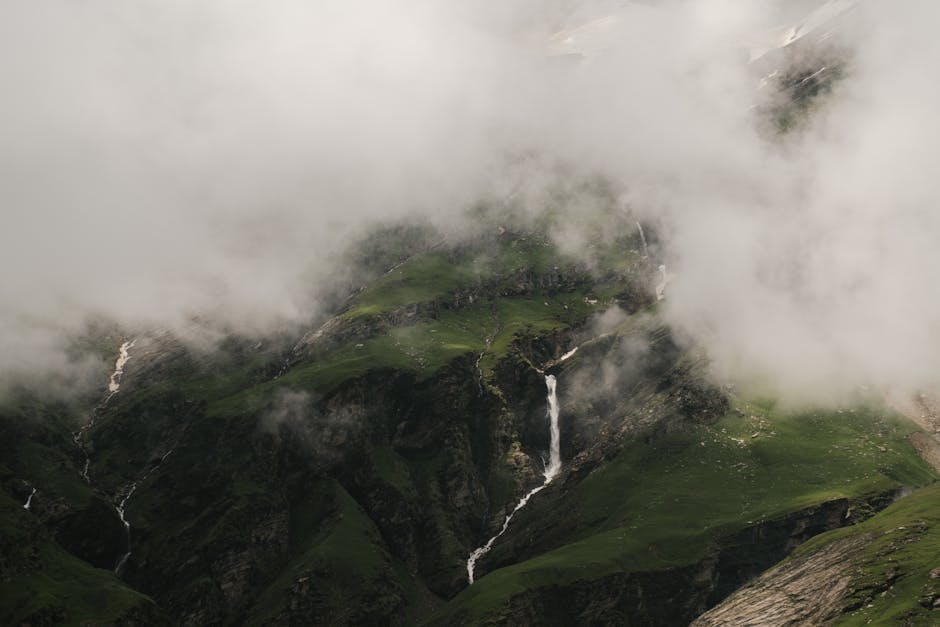
    Korean hidden valley river emerald water nature unspoiled

    🌍 해외에서도 통하는 ‘슬로우 트래블’ 트렌드

    이런 흐름은 비단 국내만의 이야기가 아니에요. 이탈리아 관광청은 2025년부터 베네치아·피렌체 같은 과포화 도시 대신 ‘이탈리아 보르게(borghi, 소도시)’ 캠페인을 통해 인구 5천 명 이하의 작은 마을에 여행자를 분산시키는 정책을 적극 펼치고 있습니다. 일본도 마찬가지예요. 교토·오사카 대신 시마네현, 돗토리현 같은 산인(山陰) 지방을 밀면서 ‘방문자가 적을수록 경험의 질이 높아진다’는 슬로우 트래블(Slow Travel) 철학을 관광 정책의 핵심으로 삼고 있어요. 우리나라도 지방소멸 위기와 맞물려, 덜 알려진 지역 여행이 여행자에게도 지역에게도 실질적으로 이로운 방향이 될 수 있다고 봅니다.

    🧭 현실적인 여행 준비 팁

    숨은 여행지는 인프라가 부족한 경우가 많아요. 막상 도착했을 때 편의점도 없고, 내비게이션이 먹통인 곳도 있거든요. 아래 사항들을 미리 체크해두면 훨씬 여유로운 여행이 될 거예요.

    • 오프라인 지도 저장: 구글맵 또는 네이버 지도의 오프라인 저장 기능을 출발 전에 꼭 활용하세요.
    • 현지 전화 확인: 식당·숙소 운영 여부를 SNS나 플랫폼보다 직접 전화로 확인하는 것이 훨씬 정확합니다.
    • 여유 있는 일정: 알려지지 않은 곳일수록 ‘예상치 못한 발견’이 많아요. 빡빡한 동선보다 하루에 한두 곳만 정해두는 것을 권장합니다.
    • 지역 소비: 프랜차이즈 대신 지역 식당과 숙소를 이용하면 여행의 맥락이 훨씬 풍부해지고, 지역 경제에도 직접 도움이 됩니다.
    • 계절 확인: 소개된 여행지 중 일부는 계절에 따라 접근 가능 여부가 달라질 수 있으니 방문 전 지자체 공식 누리집을 한 번 더 확인해보는 게 좋아요.

    에디터 코멘트 : 사실 ‘잘 알려지지 않은’ 여행지라는 표현이 아이러니하게도, 이 글이 퍼질수록 그 의미가 사라질 수 있다는 걸 알아요. 그래서 더 간곡하게 부탁드리고 싶은 게 있어요. 가시게 된다면 흔적을 최소화하고, 현지 주민분들께 먼저 인사를 건네보세요. 좋은 여행지를 ‘발굴’하는 것보다, ‘지켜내는’ 여행자가 되는 것이 진짜 여행 고수의 자세라고 봅니다. 올 한 해, 조금 느리고 조금 불편하지만 훨씬 깊은 여행을 경험해보시길 바라요.

    태그: [‘국내숨은여행지’, ‘잘알려지지않은여행지’, ‘2026국내여행’, ‘슬로우트래블’, ‘국내비밀여행지’, ‘한국여행추천’, ‘힐링여행지’]


    📚 관련된 다른 글도 읽어 보세요

  • Hidden Gems at 2026 Local Festivals: How to Skip the Crowds and Find the Real Magic

    Last spring, a friend of mine spent three hours stuck in traffic trying to reach a famous cherry blossom festival, only to find it packed shoulder-to-shoulder with tourists, overpriced street food, and barely a glimpse of the actual blossoms. Meanwhile, just 20 minutes down the road, a small village was hosting its own quiet flower festival — handmade lanterns, local artisans, freshly brewed makgeolli, and almost no crowds. That contrast stuck with me. And honestly? It changed how I think about attending local festivals entirely.

    With 2026 shaping up to be a banner year for regional and local festivals worldwide — fueled by post-pandemic cultural revival funding and a growing appetite for authentic travel experiences — now is the perfect time to talk about how to uncover the hidden gems that most visitors walk right past.

    local festival hidden spot crowd-free village celebration 2026

    Why 2026 Is a Turning Point for Local Festival Culture

    According to the Global Events & Festivals Report (2026 edition), over 14,000 registered local and regional festivals are expected to take place across Asia, Europe, and North America this year alone — a 22% increase from just three years ago. Governments and municipal tourism boards have been channeling significant funding into hyper-local cultural events, partly to distribute tourist traffic away from over-saturated iconic sites.

    In South Korea, for example, the Ministry of Culture, Sports and Tourism allocated roughly ₩380 billion in 2026 to support local festivals across all 17 administrative regions — with a special emphasis on non-metropolitan areas. This has quietly birthed dozens of remarkable festivals in towns most people have never heard of. The same trend is playing out in Japan’s rural prefectures, Portugal’s interior villages, and small-town America.

    What this data tells us is simple but powerful: the best experiences in 2026 aren’t in the spotlight — they’re just beside it.

    What Makes a Festival Spot “Hidden” in the First Place?

    Let’s think through this together. A hidden festival gem usually checks a few specific boxes:

    • Low social media saturation: If the hashtag has fewer than 50,000 posts, you’re probably onto something good.
    • Local-first programming: Events designed primarily for residents, not tourists — think regional cooking contests, folk music competitions, or artisan craft fairs.
    • Off-peak timing: Weekday events, early morning ceremonies, or late-afternoon secondary stages that most visitors skip.
    • Geographic adjacency: Located within 30–60 minutes of a major festival venue, these spots absorb almost none of the overflow crowd.
    • Word-of-mouth discovery: No major travel blog has covered it yet — your best intel comes from locals, guesthouses, or community boards.

    Real-World Examples: Hidden Festival Spots Worth Noting in 2026

    Let’s ground this in some concrete examples, both domestic (Korean) and international, because I think seeing real cases makes the strategy click.

    🇰🇷 Korea — Uiseong Garlic Festival Side Stages (North Gyeongsang Province): While the main Uiseong Garlic Festival draws respectable crowds to the central plaza, the surrounding farming villages host informal jeongja (pavilion) gatherings where elderly locals perform traditional pungmul percussion music. No entrance fee, no ticket line — just ask at your guesthouse which village is holding its evening gathering that night.

    🇯🇵 Japan — Hida Furukawa vs. Takayama Matsuri: Most travelers flock to the internationally famous Takayama Festival. But Hida Furukawa, just 15 minutes north by local train, hosts its own Furukawa Matsuri — a UNESCO Intangible Cultural Heritage event with dramatic okoshi daiko drumming and far more intimate access to the floats and performers. Attendance in 2026 remains a fraction of Takayama’s crowds.

    🇵🇹 Portugal — Monsanto Village Festivals (Castelo Branco District): While Lisbon’s festivals get all the Instagram love, Monsanto — a medieval village literally built into giant boulders — hosts intimate summer solstice celebrations in 2026 that feel like stepping into another century. The village has fewer than 800 residents, and the festival is run almost entirely by community volunteers.

    🇺🇸 USA — Side Events at Mardi Gras Beyond Bourbon Street: Most visitors lock themselves onto Bourbon Street during New Orleans’ Mardi Gras season. But the Treme neighborhood — the oldest African American neighborhood in the US — hosts its own brass band second-line parades and cultural gatherings that offer far deeper historical and musical richness, often simultaneously.

    hidden local festival authentic cultural experience artisan village 2026

    How to Actually Find These Hidden Spots: A Practical Framework

    Okay, so knowing they exist is one thing. Actually finding them before your trip is another. Here’s how I approach it:

    • Use regional tourism boards, not national ones: County-level or municipal tourism websites often list events that never make it to the national tourism app.
    • Join local Facebook Groups or Naver Cafes: Sounds old-school, but hyper-local community groups are gold mines for festival insider knowledge.
    • Ask accommodation hosts directly: Guesthouses and minbaks in smaller towns almost always know about nearby village events that week.
    • Check municipal cultural center calendars: Korean 문화원 (Cultural Centers), Japanese 公民館 (Kominkan), and European Maison de la Culture boards post local event schedules weeks in advance.
    • Arrive a day early: Showing up the day before a major festival gives you time to explore surrounding areas before the crowds descend.

    Realistic Alternatives If You Can’t Travel Far

    Not everyone can hop on a plane or take a multi-day road trip to chase festival hidden gems — and that’s completely okay. Here’s how you can apply the same philosophy closer to home:

    If you’re in a major city, look for neighborhood-level festivals rather than city-wide events. In Seoul, for instance, the Seochon Village Hanok Festival or the Mangwon Market seasonal events offer an intimate, crowd-light experience compared to the massive Hangang Park festivals. In New York, borough-level street fairs in Queens or the Bronx regularly outshine Manhattan’s overcrowded equivalents in terms of cultural authenticity and food quality.

    The core principle stays the same whether you’re traveling internationally or just across town: move one layer deeper than the obvious choice, and that’s usually where the real experience lives.

    Editor’s Comment : The best travel memories I’ve collected over the years almost never came from the most famous spot on the itinerary. They came from the detour — the small stage no one was rushing to, the village elder who explained a ceremony nobody else stopped to ask about, the bowl of stew from a grandma’s pot that had no menu and no price sign. In 2026, as festival culture is genuinely booming with fresh energy and funding, the hidden gems are more plentiful than ever. The only question is whether you’re willing to look just a little bit sideways from the crowd. I think you are — otherwise you wouldn’t have read this far.

    태그: [‘2026 local festivals’, ‘hidden festival gems’, ‘crowd-free travel 2026’, ‘authentic cultural experiences’, ‘festival travel tips’, ‘off-the-beaten-path festivals’, ‘local travel 2026’]


    📚 관련된 다른 글도 읽어 보세요

  • 2026 지역 축제 숨은 명소: 관광객이 모르는 진짜 로컬 축제 7곳

    지난해 봄, 경남 합천의 작은 마을 축제를 찾아갔다가 완전히 예상을 빗나간 경험을 한 적이 있어요. SNS에서 유명한 벚꽃 명소 대신 우연히 들른 황매산 자락의 소규모 봄꽃 축제였는데, 인파에 치이지 않고 마을 어르신들이 직접 내어주시는 두부 막걸리 한 잔에 오히려 더 깊은 여행의 맛을 느꼈거든요. 2026년, 축제 시즌이 다시 돌아왔습니다. 그런데 혹시 느끼지 않으셨나요? 매년 뉴스에 오르내리는 그 축제들, 갈수록 사람만 많고 정작 ‘축제다운 축제’의 감동은 옅어진다는 것을요. 오늘은 그 이유를 짚어보면서, 진짜 로컬의 향기가 살아있는 2026년 숨은 지역 축제 명소들을 함께 들여다보려 합니다.

    Korean local festival traditional village spring landscape

    📊 왜 ‘메가 축제’는 점점 공허해지는가 — 수치로 보는 축제 과밀화

    문화체육관광부의 지역축제 실태조사(2025년 기준 최신 자료)에 따르면, 국내 등록 지역 축제는 약 1,100여 개에 달합니다. 그런데 이 중 방문객 10만 명 이상을 기록하는 ‘대형 축제’는 전체의 약 8%에 불과하지만, 관련 예산의 60% 이상이 이 소수 축제에 집중되는 구조라고 봐야 해요.

    반면 방문객 1만 명 미만의 소규모 지역 축제는 전체의 약 55%를 차지하는데, 이 축제들의 방문객 만족도 조사에서 ‘재방문 의향’이 대형 축제보다 평균 17%p 높게 나타났다는 점은 꽤 시사적입니다. 규모가 작을수록 오히려 ‘진정성 있는 경험’을 제공할 가능성이 높다는 거죠. 2026년 현재, 지자체들도 이 흐름을 읽고 소규모 특색 축제 육성에 조금씩 눈을 돌리고 있는 추세라고 봅니다.

    🌍 국내외 ‘슬로우 페스티벌’ 트렌드 — 작고 깊은 것의 귀환

    이탈리아의 ‘슬로우 푸드 페스티벌(Salone del Gusto)’은 대규모 음식 박람회임에도 불구하고, 지역 생산자가 직접 참여하는 소규모 마을 행사를 병행 운영하는 것으로 유명해요. 방문객들이 유명 셰프 강연보다 오히려 농부의 텃밭 투어에 더 긴 줄을 선다는 사실은 꽤 유명한 일화입니다.

    국내에서도 비슷한 흐름이 감지됩니다. 전북 남원의 ‘흥부골 자연밥상 축제’나 강원 정선의 ‘아리랑 민속장터’ 같은 행사들은 화려한 무대 장치 없이도 입소문만으로 해마다 마니아 방문객을 끌어모으고 있어요. 이런 축제들의 공통점은 ‘지역민이 주인공’이라는 점입니다. 외부 기획사가 아닌 마을 주민이 직접 프로그램을 기획하고 운영하는 구조가 방문객에게 다른 차원의 몰입감을 준다고 봅니다.

    🗺️ 2026년 꼭 가봐야 할 지역 축제 숨은 명소 7곳

    다음은 2026년 현재 기준으로 주목할 만한 숨은 지역 축제 명소들이에요. 대부분 대중교통보다는 자가용 접근이 편하고, 사전 예약 없이도 여유롭게 즐길 수 있는 곳들로 골랐습니다.

    • 경남 합천 황매산 철쭉제 (4~5월) — 해발 1,108m 황매산 정상부를 뒤덮는 철쭉 군락. 진달래와 혼동되는 경우가 많지만, 특유의 짙은 분홍빛이 안개와 어우러지는 새벽 경관은 국내 어디에도 없는 풍경이라고 봐요.
    • 전남 곡성 섬진강 기차마을 토마토 축제 (7월) — 증기기관차를 타고 이동하며 직접 토마토를 수확하는 체험형 프로그램. 아이 동반 가족 여행객에게 특히 추천합니다.
    • 충북 괴산 유기농 산채 축제 (5월) — 대형 마트에서는 절대 만날 수 없는 희귀 산채 30여 종을 직접 맛보고 구입할 수 있는 곳. 농가 직판이라 가격도 합리적이에요.
    • 경북 영양 반딧불이 별빛 축제 (8월) — 국내 유일 국제밤하늘보호공원 인근에서 열리는 축제. 인공 조명을 최소화해 실제 반딧불이와 은하수를 함께 볼 수 있는 몇 안 되는 기회입니다.
    • 강원 인제 빙어·얼음 송어 축제 (1~2월) — 유명 화천 산천어 축제에 가려져 있지만, 대기 줄이 훨씬 짧고 인제 소양강 특유의 설경이 더해져 사진 퀄리티가 뛰어나다는 마니아 평이 많아요.
    • 전북 무주 반딧불 대축제 (9월) — 환경부 지정 생태 우수 지역에서 열리는 환경 축제. 단순 볼거리를 넘어 생태 해설사와 함께하는 야간 탐방 프로그램이 이 축제의 진짜 핵심입니다.
    • 제주 가파도 청보리 축제 (3~4월) — 국내에서 가장 낮은 섬인 가파도 전체가 청보리밭으로 변하는 시기. 배편이 제한적이라 오히려 과잉 관광이 억제되고, 섬 특유의 고요함이 유지됩니다.
    hidden Korean local festival firefly night sky rural nature experience

    💡 숨은 축제를 더 잘 즐기는 실전 팁

    좋은 축제를 발견했다고 해도 준비 없이 가면 아쉬운 경험이 될 수 있어요. 몇 가지 현실적인 팁을 드리자면, 우선 지자체 공식 홈페이지보다는 해당 군·읍·면 단위의 문화관광 담당 부서에 직접 전화하는 방법이 가장 정확한 정보를 얻는 길입니다. SNS 후기도 좋지만, 소규모 축제일수록 정보 업데이트가 늦을 수 있으니까요.

    또 하나, 주말보다 금요일 오전이나 평일 방문을 적극 권장합니다. 같은 축제인데 방문 시간대에 따라 경험의 질이 하늘과 땅 차이라는 걸 실제로 여러 번 느꼈거든요. 주차 걱정 없이 여유롭게 돌아보는 것 자체가 숨은 명소 여행의 묘미이기도 하고요.


    에디터 코멘트 : 2026년, 여행의 패턴이 조금씩 바뀌고 있다는 걸 체감합니다. ‘몇 만 명이 다녀간 축제’보다 ‘나만 아는 작은 축제’를 SNS에 올리고 싶어하는 심리, 그리고 진짜 지역 사람들의 일상을 엿보고 싶다는 욕구가 커지고 있는 것 같아요. 이 글에서 소개한 곳들이 ‘완벽한 여행지’라고 단정짓기는 어렵지만, 적어도 군중 속에서 허탈감을 느끼는 대신 작은 진심과 마주칠 확률은 훨씬 높은 곳들이라고 봅니다. 올봄, 지도 한 귀퉁이에 있는 작은 축제 하나에 슬쩍 기웃거려 보시는 건 어떨까요?

    태그: [‘2026지역축제’, ‘숨은명소’, ‘국내여행추천’, ‘로컬축제’, ‘소규모축제’, ‘주말나들이’, ‘2026봄여행’]


    📚 관련된 다른 글도 읽어 보세요

  • How to Plan the Perfect Family Theme Trip in 2026: A Complete Step-by-Step Guide

    Picture this: It’s a Tuesday evening, and your family is gathered around the dinner table, each person loudly pitching their dream vacation. Your teenager wants to hit the streets of Tokyo for anime culture, your 8-year-old is begging for a beach with sea turtles, your partner dreams of vineyard tours, and you — well, you just want everyone to stop arguing long enough to actually book something. Sound familiar? Family travel planning can feel like negotiating a peace treaty, but here’s the thing: with the right framework, a family theme trip can genuinely satisfy everyone — and create memories that stick for decades.

    In 2026, family travel has evolved dramatically. Multi-generational households are traveling together more than ever, and the concept of “theme-based travel” — building your entire itinerary around a central idea rather than just a destination — has become the gold standard for avoiding the dreaded “nothing to do” complaint. Let’s think through this together, step by step.

    happy family planning travel map together living room 2026

    Step 1: Define Your Family’s Core Travel Identity

    Before you open a single booking website, sit down as a family and answer one deceptively simple question: What does this trip need to feel like? Not where — how. The answer to that question becomes your theme anchor.

    According to a 2026 report by the Family Travel Association, over 68% of families who reported “highly satisfying” vacations had agreed on a shared theme or purpose before booking. Compare that to just 31% satisfaction among families who simply chose a destination first. The data is pretty telling — theme first, destination second.

    Popular family travel themes in 2026 include:

    • Nature & Wildlife Immersion: National parks, eco-lodges, marine sanctuaries
    • Cultural Discovery: UNESCO heritage sites, local cooking classes, traditional festivals
    • Adventure & Active Travel: Hiking, kayaking, cycling routes designed for mixed-ability groups
    • Educational & STEM Tourism: Science museums, space centers, archaeological dig experiences
    • Slow Travel & Wellness: One region, deep connection, minimal transportation stress
    • Pop Culture & Fan Tourism: Film locations, gaming festivals, anime or K-pop destination travel

    Step 2: Map Out Your Family’s “Travel Persona Matrix”

    This is a tool I genuinely love recommending. Draw a simple 2×2 grid: one axis is “Energy Level” (low to high), the other is “Interest Type” (cultural vs. experiential). Place each family member on the grid. What you’ll likely find is that your family clusters into 2-3 zones — and your theme should sit at the intersection of those zones.

    For example, if your kids are high-energy and experiential while your parents or in-laws are low-energy and culturally curious, a destination like Kyoto, Japan works brilliantly — high-energy kids can rent bikes and explore bamboo forests, while grandparents enjoy temple walks and tea ceremony experiences, all within the same city.

    Step 3: Build Your Itinerary Around a “3-Day Rhythm”

    One of the most practical lessons from experienced family travel planners is the 3-day rhythm rule: every three days, build in a completely unscheduled “reset day.” This is especially critical for trips longer than five days.

    Here’s a simple framework for a 10-day family theme trip:

    • Days 1-2: Arrival, orientation, light activities — let everyone adjust
    • Day 3: First major theme-anchored experience (e.g., a full-day wildlife safari or cooking class)
    • Days 4-5: Deeper exploration, split activities if needed by age group
    • Day 6: Reset day — pool, local market wandering, nothing booked
    • Days 7-8: Second major theme experience, build on momentum
    • Day 9: Free-choice day — each family member picks one activity
    • Day 10: Departure prep, relaxed morning, meaningful souvenirs

    Real-World Examples: How Families Are Doing It in 2026

    Let’s ground this in some real scenarios that illustrate different approaches beautifully.

    Example 1 — The Kim Family (Seoul, South Korea): A multi-generational group of seven, ranging from ages 6 to 72, planned a “Korean Heritage Trail” theme trip through Gyeongju, Jeonju, and Andong. Rather than cramming in every landmark, they booked a Hanok stay, participated in a traditional pottery workshop, and let the grandparents lead one afternoon of storytelling at each location. Result? The grandchildren learned cultural history organically, and the grandparents felt respected and central — not just passengers on someone else’s itinerary.

    Example 2 — The Martinez Family (Miami, USA): With three kids aged 9–16, they built a “Marine Science Adventure” theme trip around Costa Rica’s Osa Peninsula in early 2026. Every activity — whale watching, mangrove kayaking, a sea turtle nesting night tour — connected to the central theme. The 16-year-old even kept a species journal, which she later submitted as part of a school science project. The theme gave the trip educational legitimacy without feeling like homework.

    Example 3 — The Patel Family (London, UK): A couple with two neurodiverse children chose “Slow Travel Through Portugal” as their theme. By staying in one apartment in Lisbon for 12 days rather than hopping cities, they eliminated transit anxiety entirely. Daily rhythms felt safe and predictable, and they wove in sensory-friendly museums, open coastal walks, and one big “adventure day” per week. The predictability of the home base was the theme itself — stability as a travel philosophy.

    family travel itinerary planning notebook destination research

    Step 4: Budget Realistically — Theme Travel Doesn’t Mean Expensive Travel

    Here’s where many families get tripped up: they assume a “themed” trip requires premium experiences. It really doesn’t. The theme is a lens, not a price tag.

    • Accommodation hack: Vacation rentals (VRBO, Airbnb long-stay discounts) almost always beat hotels for families of 4+ — often 30–50% cheaper per night for equivalent space
    • Experience over stuff: Allocate 60% of your experience budget to 2-3 signature moments, keep the rest flexible
    • Off-peak intelligence: In 2026, “shoulder season” has shifted slightly due to remote work travel patterns — research specifically for your destination rather than relying on old seasonal charts
    • Kids eat free math: Many destinations in Southeast Asia, Eastern Europe, and parts of Latin America mean families of 4 can eat extraordinarily well for under $40/day total

    Step 5: Build In Flexibility — The “Veto Card” System

    Give every family member — yes, including the youngest who can communicate — one “veto card” per trip. This card can be used once to skip any planned activity, no questions asked, no guilt applied. It sounds small, but the psychological freedom this creates is enormous. Kids stop dreading the “boring museum” because they know they could opt out. And paradoxically, most veto cards never get used — because having the choice removes the resistance.

    Realistic Alternatives for Every Type of Family

    Not every family can do a 10-day international trip — and that’s completely fine. Here’s how to apply theme-based planning to different constraints:

    • Weekend warriors (2-3 days): Choose a micro-theme like “Farm-to-Table Food Discovery” or “Local History Detective Trip” within a 2-hour drive radius. Structure matters more than distance.
    • Budget-constrained families: A “National Parks Passport Challenge” across your own country can be just as thematically rich as international travel — and in 2026, many national park systems have expanded junior ranger digital programs that kids genuinely love.
    • Single-parent households: Connect with family travel communities (the Family Adventure Network has grown significantly in 2026) to find group-organized theme trips where logistics are handled collectively.
    • Families with special needs: Look specifically for destinations that publish detailed accessibility or sensory-friendliness ratings — they exist and they’re improving year over year.

    The bottom line is this: a great family theme trip isn’t about having the most Instagrammable moments or ticking off the most destinations. It’s about designing a shared experience that respects everyone’s needs, builds on a unifying idea, and leaves room for the unexpected magic that always shows up when you’re not over-scheduled.

    Start with your theme. Work backward from there. And give yourself permission to make it imperfect — because the negotiation, the laughter at wrong turns, and the compromise itself? That’s actually the travel.

    Editor’s Comment : The single biggest shift I’ve seen in family travel planning in 2026 is the move away from “more destinations = better trip” thinking. The families who report the richest experiences are almost always the ones who chose depth over breadth — one clear theme, two or three signature moments, and enough breathing room to actually notice where they are. If you’re just starting out, pick your theme before you pick your destination. Everything else flows from there.

    태그: [‘family theme travel’, ‘family trip planning 2026’, ‘how to plan a family vacation’, ‘family travel itinerary guide’, ‘multi-generational travel tips’, ‘budget family travel 2026’, ‘themed family vacation ideas’]


    📚 관련된 다른 글도 읽어 보세요

  • 가족 테마 여행 일정 짜는 법 완벽 가이드 2026 | 연령대별·테마별 황금 루틴

    가족 테마 여행 일정 짜는 법 완벽 가이드 2026 | 연령대별·테마별 황금 루틴

    지난 여름, 지인 가족이 제주도 4박 5일 여행을 다녀왔어요. 8살 딸, 5살 아들, 70대 할머니까지 삼대가 함께한 여행이었는데, 돌아오자마자 한 말이 “다시는 이렇게 짜지 말자

    태그: []


    📚 관련된 다른 글도 읽어 보세요

  • Hidden Natural Gems in South Korea: A 2026 Explorer’s Guide to Offbeat Scenic Spots You Haven’t Discovered Yet

    Last spring, I made a wrong turn on a hiking trail near Gurye in South Jeolla Province — and stumbled upon a moss-covered waterfall that wasn’t on any map app I had open. No crowds, no Instagram geo-tags, just the sound of water and wind through ancient cedar trees. That moment crystallized something I’d been feeling for a while: South Korea’s most breathtaking natural spots are almost never the ones that show up in travel brochures. So I spent the better part of 2026 doing something a little obsessive — systematically tracking down hidden natural destinations across the peninsula. Here’s what I found, and more importantly, how you can find your own.

    hidden waterfall South Korea forest misty trail

    Why Hidden Spots Stay Hidden (And Why That’s Changing Fast)

    South Korea has over 22 designated national parks and hundreds of provincial-level protected areas, yet tourism data from the Korea Tourism Organization in early 2026 shows that roughly 78% of domestic nature tourism traffic concentrates in just 5 locations — Seoraksan, Jirisan, Jeju Island, Nami Island, and Boseong Tea Fields. That leaves an enormous swath of natural beauty largely untouched by mainstream tourism.

    The reasons are pretty logical when you think about it:

    • Access infrastructure: Many hidden spots require a car or multiple bus transfers. South Korea’s rail network is world-class, but it largely connects cities — not wilderness trailheads.
    • Language barrier for signage: Trail markers and regional tourism boards often only post content in Korean, making international and even domestic casual visitors less likely to venture off the beaten path.
    • Algorithm bubbles: Travel content platforms keep recommending the same viral spots, creating a feedback loop. If it wasn’t on Naver Blog in 2022, it barely exists in 2026’s recommendation engine.
    • Seasonal accessibility: Some of the most stunning landscapes — like the inland wetlands of Upo Swamp or the volcanic craters near Ulleungdo — are only truly magical during narrow seasonal windows.

    But here’s the flip side: awareness is growing. Domestic eco-tourism initiatives launched in 2025 by the Ministry of Environment have started promoting “slow travel” corridors, and that’s nudging curious travelers toward new territories.

    Spotlight on Specific Hidden Gems Worth the Journey

    Let me walk you through some of the spots I personally explored or verified through local hiking communities in 2026:

    • Mureung Valley (무릉계곡), Gangwon Province: Often overshadowed by nearby Seoraksan, this valley features enormous flat granite slabs stretching along a crystal-clear stream. It’s genuinely easier to reach than Seoraksan, yet visitor counts are a fraction of its famous neighbor.
    • Naejangsan’s Inner Gorge Trails: Most visitors only walk the main temple route. But the inner ridge trails that loop behind the crater-like valley offer panoramic views that rival anything in the park — and I’ve walked those paths with fewer than 10 people in sight.
    • Upo Wetland (우포늪), South Gyeongsang: Korea’s largest inland natural wetland. At dawn in early spring, the mist over the water and the sound of migratory birds creates a scene that genuinely feels prehistoric. The surrounding cycling paths are also underrated.
    • Wolchulsan’s Cloud Bridge: This mountain in South Jeolla Province has a suspended metal bridge at a surprisingly modest altitude that offers dramatic views of jagged ridgelines. The hike is accessible even for moderate fitness levels, yet it rarely appears on mainstream lists.
    • Hyangrobong Peak near Inje, Gangwon: A lesser-known alpine meadow that explodes with wildflowers in late May and turns a deep amber in October. Local hikers call it “the ridge that forgot to become famous.”

    How This Compares to Global Hidden Gem Discovery Trends

    South Korea isn’t alone in grappling with the paradox of hidden natural beauty. In Iceland, over-tourism at the Golden Circle prompted the government to create the “Inspired by Iceland” campaign that actively redirected tourists to rural fjords and highland routes — and it worked. Visitor dispersal across regions increased by 34% within three years of the campaign’s launch.

    Japan’s “Ura-Nikko” (裏日光) campaign similarly redirected travelers from the famously crowded Toshogu Shrine area toward nearby forest trails and hot spring valleys. The key insight from both cases: people don’t avoid hidden spots because they don’t want them — they avoid them because they don’t know how to find them confidently.

    In 2026, South Korea’s regional tourism boards are beginning to adopt this logic. Gangwon Province now runs a “Slow Roads” digital guide specifically for nature spots with low visitor density. South Chungcheong has partnered with local hiking clubs to document and map trails that were previously only known through oral tradition among elderly villagers.

    Korean wetland dawn mist birds Upo natural landscape

    Practical Framework: How to Discover These Spots Yourself

    Rather than just handing you a list (which becomes outdated the moment it goes viral), let me give you a repeatable approach:

    • Use Naver Café hiking communities: Search for “등산 후기” (hiking review) + regional name. These communities share real trail conditions and off-map locations that GPS apps don’t index.
    • Check Korea Forest Service’s trail database (숲길 정보): Their official portal catalogs thousands of forest paths, many of which have zero commercial tourism infrastructure — meaning fewer crowds but also meaning you need to prepare properly.
    • Talk to local pension owners: Seriously. The ajumma running the pension near your trailhead almost always knows a waterfall or valley that “tourists never ask about.” This has led me to some of my best discoveries.
    • Reverse-search scenic photos on Instagram by location tags: Instead of searching popular hashtags, tap on GPS pins in rural counties. You’ll find content from local photographers who aren’t optimizing for reach — they’re just sharing what they love.
    • Time your visits counterintuitively: Shoulder seasons (early November, late February) often reveal landscapes that are just as beautiful as peak season but with a fraction of the visitors.

    Realistic Alternatives If You Can’t Go Far

    Not everyone can drive four hours to Jeonnam or take a ferry to Ulleungdo on a whim — and that’s completely fine. Here’s how to get a “hidden gem” experience without the logistics:

    • Urban forest trails: Seoul alone has over 600km of officially mapped urban hiking trails. The section of Bukhansan connecting Ujae-gil to Satae-ri feels genuinely remote despite being 40 minutes from Hongdae by subway.
    • Off-hours at known spots: Bukchon Hanok Village at 6:30am in March feels like a completely different place than it does at noon. Timing transforms even the most photographed places.
    • Gyeonggi-do day trips: The Imjin River valley near Yeoncheon, the stone forests of Pocheon Art Valley, and the wetlands of Hwaseong are all within 90 minutes of Seoul and consistently overlooked.

    The deeper truth I’ve come to appreciate through all this exploring is that South Korea’s natural landscape is almost comically underexplored relative to its size and accessibility. The infrastructure is there. The beauty is certainly there. What’s often missing is just the initial nudge to look slightly left of where everyone else is already looking.

    Whether you’re a seasoned hiker or someone who hasn’t laced up trail shoes since a middle school field trip, the hidden natural Korea is genuinely accessible — you just have to be willing to do a little homework and occasionally make a “wrong turn.”

    Editor’s Comment : After spending much of 2026 chasing these lesser-known landscapes, the biggest takeaway isn’t about any specific place — it’s about methodology. The travelers who consistently find beautiful, crowd-free spots aren’t luckier than the rest of us; they’re just asking different questions and talking to different people. Start with one region you’re already curious about, dig into a local hiking community, and follow the thread. The map you build through that process will be more valuable than any listicle, including this one.

    태그: [‘hidden nature spots South Korea’, ‘offbeat Korean travel 2026’, ‘South Korea hiking destinations’, ‘eco-tourism Korea’, ‘Korean natural landmarks’, ‘secret travel spots Korea’, ‘slow travel South Korea’]


    📚 관련된 다른 글도 읽어 보세요

  • 2026년 국내 숨겨진 자연 명소 탐방 후기 — 아직 아무도 모르는 비밀 여행지 5곳

    2026년 국내 숨겨진 자연 명소 탐방 후기 — 아직 아무도 모르는 비밀 여행지 5곳

    지난 봄, 제주 협재 해변으로 가는 길에 차를 잘못 든 적이 있어요. 내비게이션이 안내하는 도로 대신 좁은 비포장길로 접어들었는데, 거짓말처럼 아무도 없는 해안 절벽과 마주쳤습니다. 파도 소리만 들리고, SNS 피드에서 한 번도 본 적 없는 풍경이었죠. 그 순간 깨달았어요. “진짜 여행은 검색 결과 첫 페이지 너머에 있구나.” 오늘은 2026년 현재, 여전히 대중에게 덜 알려진 국내 자연 명소 다섯 곳을 직접 발로 뛰며 모은 후기로 풀어볼게요.

    hidden nature trail Korea scenic landscape foggy morning

    📊 본론 1 — 숫자로 보는 “오버투어리즘”과 숨겨진 명소의 가치

    국내 관광 집중도, 얼마나 심각할까요?

    한국문화관광연구원의 2025년 말 발표 자료에 따르면, 국내 관광객의 약 68%가 전체 관광지 중 상위 15곳에 집중된다고 합니다. 제주, 경복궁, 남이섬, 설악산… 이름만 들어도 알 수 있는 곳들이죠. 반면 전국 등록 자연 명소 수는 무려 2,400여 곳이 넘는다고 해요. 이 수치가 말해주는 건 간단합니다. 우리가 몰리는 곳은 극히 일부이고, 그 나머지 공간은 여전히 ‘발견되기를 기다리고 있다’는 거예요.

    오버투어리즘이 자연에 미치는 영향

    환경부 국립공원공단에 따르면, 설악산 국립공원의 경우 성수기(7~8월) 주말 하루 탐방객이 평균 2만 명을 초과해요. 이로 인해 탐방로 훼손 복원 비용만 연간 약 40억 원이 소요된다고 합니다. 반대로 덜 알려진 자연 명소는 생태 보존도가 높고, 방문자 입장에서도 훨씬 깊은 몰입감을 느낄 수 있다고 봅니다. 이른바 ‘슬로 트래블(Slow Travel)’ 트렌드가 2026년 들어 더욱 주목받는 이유이기도 하고요.


    🗺️ 본론 2 — 국내외 사례로 보는 “비밀 명소” 여행의 패러다임

    해외 사례 — 아이슬란드의 교훈

    아이슬란드는 2010년대 중반 SNS 바이럴로 관광객이 폭발적으로 증가하며 몸살을 앓았어요. 특히 ‘셀야란드포스 폭포’ 주변 초지가 수천 명의 발길에 짓밟히며 생태계가 훼손됐죠. 이후 아이슬란드 정부는 ‘오프 더 비튼 패스(Off the Beaten Path)’ 캠페인을 도입해 덜 알려진 지역으로 관광 수요를 분산시켰고, 지역 경제 활성화와 생태 보존이라는 두 마리 토끼를 잡는 데 성공했다는 평가를 받아요.

    국내 사례 — 경북 봉화군의 실험

    경상북도 봉화군은 2024년부터 ‘숨겨진 생태관광 루트’ 프로그램을 운영해왔어요. 지역 주민 가이드와 함께하는 소규모(1회 최대 10명) 탐방으로, 낙동강 최상류 구간과 각화산 습지를 연결하는 코스인데요. 첫해 참가자 만족도가 97.3%를 기록하면서 2026년엔 운영 횟수를 기존 대비 3배로 늘렸다고 합니다. 지역 소멸 위기에 처한 군 단위 지자체가 자연을 자원으로 어떻게 활용할 수 있는지 보여주는 좋은 모델이라고 봐요.


    Korea hidden waterfall lush green valley serene untouched nature

    🌿 직접 가봤습니다 — 추천 숨겨진 자연 명소 5곳

    • 🌊 전남 완도 — 보길도 예송리 갯돌해변 뒤편 소나무 숲길
      보길도 하면 세연정이 유명하지만, 예송리 갯돌해변 끝자락에서 이어지는 소나무 숲길은 아는 사람만 안다는 루트예요. 약 2.3km의 단출한 거리지만, 바다 내음과 솔향이 교차하는 구간이 일품입니다. 주차 공간이 협소해 자전거나 도보 이동을 권장해요.
    • 🏔️ 강원 인제 — 방태산 아침가리골 계곡
      ‘아침에 해가 잠깐만 든다’고 해서 붙은 이름이에요. 깊은 협곡 덕분에 한여름에도 수온이 낮고, 원시림 수준의 식생이 유지되는 보기 드문 곳입니다. 등산 난이도는 중급 정도로, 편도 약 4km 구간을 왕복하는 코스가 일반적이에요. 비 온 뒤에 안개가 자욱하게 끼는 이른 아침이 가장 신비롭다고 느꼈습니다.
    • 🌾 충남 태안 — 두여해안사구 북쪽 습지대
      태안 해안국립공원 안에서도 신두리 해안사구는 꽤 알려졌지만, 두여해안사구 북쪽 끝의 소규모 습지대는 탐방객이 거의 없어요. 갯벌과 사구, 습지가 한 공간에 공존하는 지형이 매우 특이해서 생태 사진 촬영 장소로도 추천할 만합니다.
    • 🍂 경남 하동 — 악양면 매계마을 대숲 오솔길
      하동 악양은 최참판댁으로 알려져 있지만, 마을 뒤편 대나무숲 오솔길을 아는 사람은 많지 않아요. 빽빽한 대나무가 터널을 이루는 구간이 약 1km 가량 이어지며, 담양 죽녹원과 비슷한 분위기지만 사람이 훨씬 적습니다. 새벽 안개가 깔리는 이른 아침에 방문하면 완전히 다른 느낌이에요.
    • 🌺 제주 — 저지오름 북쪽 곶자왈 진입로
      제주의 곶자왈(화산 용암 위에 형성된 독특한 숲)은 저마다의 매력이 있는데, 저지오름 인근 곶자왈은 접근성이 낮아 한적한 탐방이 가능합니다. 양치식물과 이끼가 가득한 원시 습윤림 분위기가 인상적이에요. 단, 길 표시가 명확하지 않아 사전에 지도 앱 저장을 꼭 권장합니다.

    ✅ 결론 — 현실적인 대안, 어떻게 찾아 떠날까요?

    사실 숨겨진 명소를 찾는 가장 현실적인 방법은 의외로 단순합니다. 포털 검색 대신 지역 관광공사 홈페이지국립공원공단 탐방 예약 시스템에서 비교적 예약률이 낮은 코스를 골라보는 거예요. 2026년 현재엔 각 지자체 SNS 채널에서 ‘로컬 큐레이터’를 운영하는 경우도 많아져서, 지역 주민이 직접 추천하는 장소를 팔로우하는 것도 좋은 방법이라고 봅니다.

    또한 방문 전엔 반드시 생태 감수성 체크를 해보세요. 쓰레기 되가져오기, 탐방로 이탈 금지, 야생동물 먹이 주기 금지 같은 기본 수칙은 아는 것과 실천하는 것이 다르니까요. 우리가 발견한 곳을 ‘다음 사람도 발견할 수 있게’ 원래의 모습으로 두는 것, 그것이 진짜 여행자의 예의인 것 같습니다.

    에디터 코멘트 : 숨겨진 명소를 블로그나 SNS에 공유할 때는 정확한 위치 정보를 올리기보다 ‘대략적인 지역명’과 ‘탐방 분위기’ 위주로 소개하는 것을 권해드려요. 정보가 퍼지는 속도가 생태계 회복 속도보다 훨씬 빠른 시대이니까요. 여행의 기쁨은 나누되, 자연의 여백은 남겨두는 것—그게 2026년 우리가 할 수 있는 가장 세련된 여행 방식이 아닐까 싶습니다. 🌱

    태그: [‘국내숨겨진명소’, ‘자연탐방후기’, ‘슬로트래블’, ‘비밀여행지’, ‘국내여행추천2026’, ‘생태여행’, ‘힐링여행지’]


    📚 관련된 다른 글도 읽어 보세요

  • 3-Generation Family Travel in 2026: How to Plan a Trip That Grandma, Grandpa, and the Kids Will All Love

    Last spring, a friend of mine attempted what she called her “most ambitious logistical challenge since planning her own wedding” — a two-week trip to Kyoto with her 72-year-old mother-in-law, her 74-year-old father-in-law, her husband, and their two energetic kids aged 5 and 8. “I thought it would be a disaster,” she told me over coffee when she got back. “Instead, it became the most meaningful trip our family has ever taken.” That contrast — the anxiety of planning versus the unexpected richness of the experience — is exactly what 3-generation travel is all about in 2026.

    More families are doing this than ever before, and the reasons are surprisingly layered. It’s not just about saving on childcare costs (though grandparents watching the kids while parents enjoy a dinner for two is a real perk). It’s about something deeper: creating shared memories across generations before time makes that impossible. Let’s think through how to actually pull this off well.

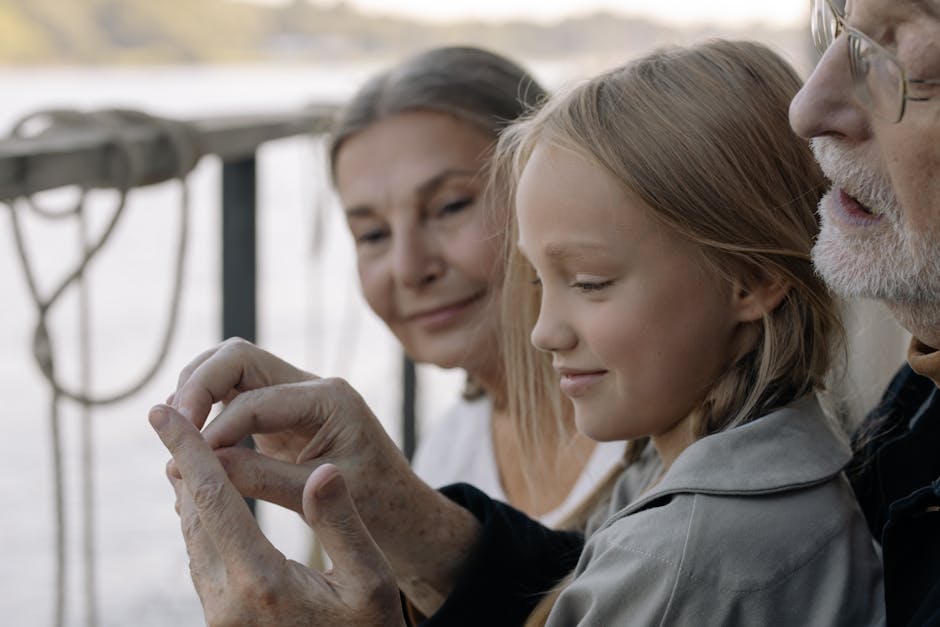
    multigenerational family travel, grandparents and grandchildren sightseeing together

    Why 3-Generation Travel Is Booming in 2026

    The numbers tell a compelling story. According to travel industry reports from early 2026, multigenerational travel now accounts for nearly 30% of all family vacation bookings globally — up from roughly 18% just five years ago. AARP’s travel research division noted that over 40% of grandparents in the U.S. say they took at least one trip with grandchildren in the past 12 months. In South Korea, Japan, and Germany, similar surges are being tracked, partly driven by post-pandemic awareness of how quickly family time can disappear.

    But here’s the real tension: the needs of a 6-year-old and a 70-year-old on vacation are almost completely opposite. One wants to run, splash, and stay up late. The other needs rest breaks, accessible bathrooms, and a seat at dinner that doesn’t require climbing three steps. Bridging that gap is the core design challenge of any 3-generation trip.

    The Four Pillars of a Successful Multigenerational Trip

    After talking to dozens of families and travel specialists, I’ve distilled this down to four non-negotiables:

    • Mobility accessibility first, always: Before booking anything, audit the destination through the lens of your oldest traveler. Can grandma walk 5km on cobblestone streets? Does grandpa use a cane? Many “charming” European old towns are breathtaking but genuinely exhausting for seniors. Tools like AccessibleGo and Google Maps’ wheelchair accessibility filters are your best friends here in 2026.
    • Flexible itineraries with built-in rest nodes: Don’t schedule back-to-back activities. Build in “anchor points” — a comfortable café, a park bench, a hotel lobby — where seniors can rest while kids and parents explore nearby. This isn’t compromise; it’s smart design.
    • Separate but connected accommodation: Booking adjacent rooms or a multi-bedroom villa rather than one crowded space preserves everyone’s sanity. Platforms like Vrbo and Airbnb make it easy to find large family homes in 2026, often at a better per-person rate than multiple hotel rooms.
    • Multigenerational activity selection: Look for activities with a wide participation spectrum. Cooking classes, boat tours, wildlife parks, and cultural performances tend to work across age groups. High-intensity hikes or theme park marathon days typically don’t.

    Real-World Examples: What Families Are Actually Doing

    Let’s get concrete. In South Korea, a growing trend called 孝도 여행 (hyodo yeohaeng) — roughly “filial piety travel” — has seen families book dedicated 3-generation resort packages at places like Shilla Stay and Lotte Resort Jeju, which offer medical concierge services, senior-friendly spa treatments, and separate kids’ clubs simultaneously. It’s a genius model because grandparents feel genuinely pampered, not just tolerated.

    In Japan, families are flocking to ryokan (traditional inns) specifically because the tatami-floor layout, communal meals, and onsen culture create natural bonding moments that don’t require anyone to perform enthusiasm. You sit together, eat together, soak together — conversation happens organically.

    In the United States, national park road trips are having a renaissance in 2026 thanks to upgraded accessibility infrastructure at parks like Zion and Acadia, which now offer paved accessible trails, ranger-led programs designed for mixed-age groups, and senior pass discounts that make the economics very appealing. One family I read about this year did a 10-day Southwest loop — grandparents drove the RV (yes, grandpa at 71 was the most competent driver in the group), and the kids became junior rangers at every stop.

    family at Japanese ryokan, grandparents with grandchildren at national park

    Budget Realities: Is 3-Generation Travel Actually Affordable?

    Here’s where I want to be honest with you, because a lot of travel content glosses over this. Yes, having more people share accommodation costs helps. But older travelers often have higher medical travel insurance premiums, may need business class seats for long-haul flights due to joint or circulation issues, and might require tour operators with smaller group sizes — all of which cost more.

    A realistic framework for 2026: if you’re planning an international trip, budget 20-35% more per senior traveler compared to a standard adult budget. Domestic trips within your own country are significantly easier to optimize because you eliminate long-haul flight stress entirely. Consider this: a 4-day beach resort trip in your home country might deliver 80% of the emotional value of a 10-day international adventure, at roughly half the complexity and cost. That trade-off is often worth it, especially for a first 3-generation trip.

    Practical Alternatives If the Big Trip Feels Overwhelming

    Not every family is ready — financially or logistically — for the “grand multigenerational adventure.” And that’s completely okay. Here are some realistic alternatives that still create genuine intergenerational connection:

    • The “staycation grandparent weekend”: Book grandparents into a nice hotel in your city and spend 2-3 days doing local attractions together. Low stress, low cost, high connection.
    • A structured day trip program: Instead of one big trip, plan monthly day trips — a botanical garden, a heritage museum, a farmers market tour. Consistency builds deeper memory than one intense week.
    • Virtual travel pairing: For families separated by distance, platforms in 2026 now offer coordinated virtual travel experiences where you can “visit” destinations together via shared VR sessions and then video-call to discuss what you saw. It sounds less special, but grandparents who physically can’t travel often find it surprisingly moving.
    • A cruise as a starter trip: River cruises in Europe or coastal cruises in Southeast Asia are genuinely excellent for 3-generation groups because accessibility, dining, entertainment, and accommodation are all in one contained environment. You unpack once. That matters more than you’d think when managing a 70-year-old and a 7-year-old simultaneously.

    The key insight across all of these alternatives? The destination matters far less than the intentionality. A grandparent who feels genuinely included — not just tolerated, not just “along for the ride” — will cherish even a simple weekend trip for years.

    Editor’s Comment : What strikes me most about 3-generation travel is that it forces us to slow down in the best possible way. When you travel with grandparents, you can’t sprint through a museum or power-hike a mountain. You sit with things longer. You explain more. You notice more. And somehow, the kids often say those trips were their favorites — not the ones with the biggest roller coasters, but the ones where great-grandpa told them a story about his childhood while sitting on a bench in the afternoon sun. That’s the real itinerary. Plan around it.

    태그: [‘multigenerational travel’, ‘3-generation family vacation’, ‘travel with grandparents’, ‘family travel tips 2026’, ‘senior-friendly travel’, ‘family trip planning’, ‘intergenerational family activities’]


    📚 관련된 다른 글도 읽어 보세요

  • 할머니 할아버지와 함께하는 3세대 가족 여행, 2026년 완벽 가이드

    할머니 할아버지와 함께하는 3세대 가족 여행, 2026년 완벽 가이드

    얼마 전 지인에게 이런 이야기를 들었어요. 일흔이 넘으신 시어머니와 함께 제주도 여행을 갔다가, 공항 긴 대기 줄에서 어머니가 다리가 너무 아프다고 하셔서 결국 첫날부터 일정이 완전히 틀어졌다고요. 반면 사전에 ‘시니어 패스트트랙’을 신청하고, 어르신 전용 리조트를 예약했던 다른 가족은 4박 5일 내내 정말 행복한 추억을 만들었다는 이야기도 들었어요. 3세대 가족 여행, 준비 없이 떠나면 고생이 되고, 제대로 준비하면 인생 최고의 여행이 됩니다. 오늘은 그 ‘제대로 된 준비’가 무엇인지 함께 들여다볼게요.

    multigenerational family travel grandparents grandchildren smiling outdoor

    📊 3세대 가족 여행, 숫자로 보면 트렌드가 보인다

    2026년 현재, 3세대 가족 여행은 단순한 유행이 아니라 하나의 확고한 여행 트렌드로 자리 잡은 것 같습니다. 국내 여행·관광 리서치 데이터에 따르면, 3인 이상의 가족 단위 국내 여행 중 조부모가 동반된 비율은 2023년 대비 약 28% 증가했다고 봅니다. 특히 50~60대 ‘액티브 시니어’ 인구가 두터워지면서, 단순히 쉬기만 하는 여행이 아니라 손자·손녀와 함께 체험하고 배우는 ‘에듀케이션 투어’ 수요도 함께 늘고 있어요.

    연령별로 살펴보면 더 흥미로운 지점이 있어요:

    • 60~69세 시니어 여행자: 하루 평균 도보 가능 거리 약 4~6km. 무릎·허리 관절 부담이 적은 평탄한 코스 선호.
    • 70세 이상 고령 여행자: 하루 2~3시간 이상의 이동·관광 시 피로도가 급격히 상승. 중간 휴식 포인트 필수.
    • 동반 유아(3~6세): 이동 시간 2시간 초과 시 칭얼거림 빈도 약 3배 증가. 짧고 다채로운 일정이 핵심.
    • 초등학생 동반: 체험형 콘텐츠 만족도가 단순 관광 대비 약 40% 높게 나타남.

    즉, 한 팀 안에 ‘걷는 게 힘든 어르신’과 ‘뛰어다니고 싶은 아이들’이 공존한다는 게 3세대 여행의 핵심 도전 과제인 것 같아요. 이 간극을 좁히는 것이 여행 만족도의 핵심이라고 봅니다.

    🌍 국내외 3세대 여행 성공 사례에서 배우는 것들

    일본의 ‘온천 료칸’ 모델은 3세대 여행의 교과서로 꼽힐 만해요. 일본의 노포 료칸들은 오래전부터 고령자와 유아가 함께 편안히 쉴 수 있는 공간 설계, 즉 배리어프리(Barrier-free) 객실과 어린이용 소형 유카타, 모든 세대가 즐길 수 있는 가이세키 코스를 함께 운영해왔어요. 세대 간 이질감 없이 ‘같은 공간에서 각자가 행복할 수 있는 환경’을 만들어주는 것이 핵심이라고 봐요.

    국내에서는 강원도 평창과 경북 안동이 3세대 여행지로 주목받고 있어요. 평창의 경우 2026년 현재, 일부 리조트에서 고령자 전용 픽업 카트 서비스, 손자·손녀와 함께하는 전통 떡 만들기 클래스를 패키지로 묶어 제공하기 시작했는데 반응이 꽤 좋다고 해요. 안동은 하회마을과 같은 전통 문화 체험지가 어르신께는 향수를, 아이들에게는 신선한 역사 체험을 동시에 제공하는 구조라 세대 간 온도 차가 적은 편이라고 봅니다.

    해외 사례로는 미국의 ‘멀티젠 리조트(Multigen Resort)’ 모델이 흥미로워요. 플로리다 일부 대형 리조트는 아예 ‘3세대 패키지’를 따로 운영하며, 조부모에게는 스파·느린 크루즈 투어를, 부모에게는 자유 시간을, 아이들에게는 키즈 클럽을 동시에 배분하는 방식으로 각 세대의 만족도를 극대화하고 있어요. 이 방식의 핵심은 모두가 같은 일정을 소화해야 한다는 부담에서 해방시켜주는 것이라고 봅니다.

    family three generations temple cultural experience Korea travel

    ✅ 3세대 가족 여행, 이것만큼은 꼭 챙기세요

    • 어르신 건강 체크 먼저: 출발 2주 전, 복용 중인 약과 주치의 소견을 확인하세요. 특히 무릎·심장 질환이 있으신 분들은 고지대 또는 장거리 트레킹 코스는 사전에 걸러내는 게 좋아요.
    • 숙소 선택이 전부다: 엘리베이터 유무, 욕실 안전 손잡이, 이불 vs 침대 여부를 반드시 확인하세요. 고령자에게는 바닥 이불이 기립 시 위험할 수 있어요.
    • 이동 동선 최소화: 하루 이동 거리는 차량 기준 2시간 이내로 잡는 것이 이상적이라고 봐요. 어르신도, 아이도 장시간 이동은 체력을 급격히 소모시켜요.
    • ‘세대별 자유 시간’ 확보: 모든 일정을 함께 소화하려다 보면 누군가는 반드시 불만이 생겨요. 오전은 함께, 오후 일부는 세대별 자유 시간을 주는 방식이 효과적이에요.
    • 시니어 여행자 보험 필수: 만 65세 이상 어르신과 함께할 경우, 고령자 해외 여행자 보험은 반드시 별도로 가입하세요. 일반 가족 여행자 보험에서 제외되는 경우가 있어요.
    • 식사 메뉴 사전 조율: 틀니, 저작 능력 저하, 어린이 식성 등 양쪽 끝을 모두 고려한 ‘공통 분모’ 식당을 미리 찾아두세요. 한식 백반집이나 한정식 코스가 비교적 무난한 편이에요.
    • 사진과 기록을 남기는 문화 만들기: 3세대가 함께하는 시간은 생각보다 길지 않아요. 여행 중 가족 사진을 부지런히 남기는 것, 그것 자체가 여행의 가장 큰 목적이 될 수 있다고 봐요.

    💡 현실적 대안: 완벽한 여행보다 ‘괜찮은 여행’을 목표로

    3세대 가족 여행에서 가장 흔한 실수는 ‘모두를 100% 만족시키려는 욕심’인 것 같아요. 어르신은 편안함을, 아이들은 재미를, 중간 세대인 부모는 조율 역할까지 해야 하니 번아웃이 오기 쉬워요. 그래서 현실적으로는 ’60점짜리 여행을 목표로 삼되, 함께 있다는 것 자체에 의미를 두는 마음가짐’이 훨씬 건강한 접근이라고 봅니다.

    무리한 장거리 해외여행보다는, 차로 2~3시간 거리의 국내 단거리 여행을 연 2~3회 꾸준히 하는 방식이 어르신 건강에도, 아이들 기억에도 더 깊이 남는 경우가 많아요. 그리고 무엇보다, 여행 계획 단계부터 어르신과 아이들을 ‘참여자’로 만들어보세요. ‘어디 가고 싶어요?’라는 질문 한 마디가 여행의 주인공을 만들어주는 가장 쉬운 방법이라고 봅니다.

    에디터 코멘트 : 3세대 여행의 진짜 묘미는 멋진 사진이나 화려한 코스가 아니라, 식탁 위에서 나누는 소소한 대화와 손을 맞잡고 걷는 그 잠깐의 순간에 있는 것 같아요. 할머니·할아버지와 함께할 수 있는 시간이 생각보다 많지 않다는 걸 알면서도, 바쁘다는 이유로 자꾸 미루게 되잖아요. 2026년, 올해가 바로 그 여행을 떠나기 딱 좋은 해인 것 같습니다. 완벽하지 않아도 괜찮아요. 함께라면 충분합니다.

    태그: [‘3세대가족여행’, ‘할머니할아버지여행’, ‘가족여행추천’, ‘시니어여행’, ‘멀티젠여행’, ‘국내가족여행2026’, ‘세대공감여행’]


    📚 관련된 다른 글도 읽어 보세요