A friend of mine — seasoned traveler, been to 47 countries — nearly missed a connecting flight at Incheon International Airport last spring. Not because of traffic, not because of a delayed train. Because he trusted a popular navigation app that routed him through Terminal 1 when his gate was deep in Terminal 2, and the app had no idea about the inter-terminal transit time. He made it, barely, with nine minutes to spare and zero dignity left. That story stuck with me, and honestly it’s why I started digging into what airport transfers actually look like when you do them right in 2025.
Whether you’re arriving in a foreign city for the first time or you’re a frequent flyer who just wants a smoother ride, airport transfer options have gotten surprisingly complex — and surprisingly good — in the past few years. Let’s think through this together.
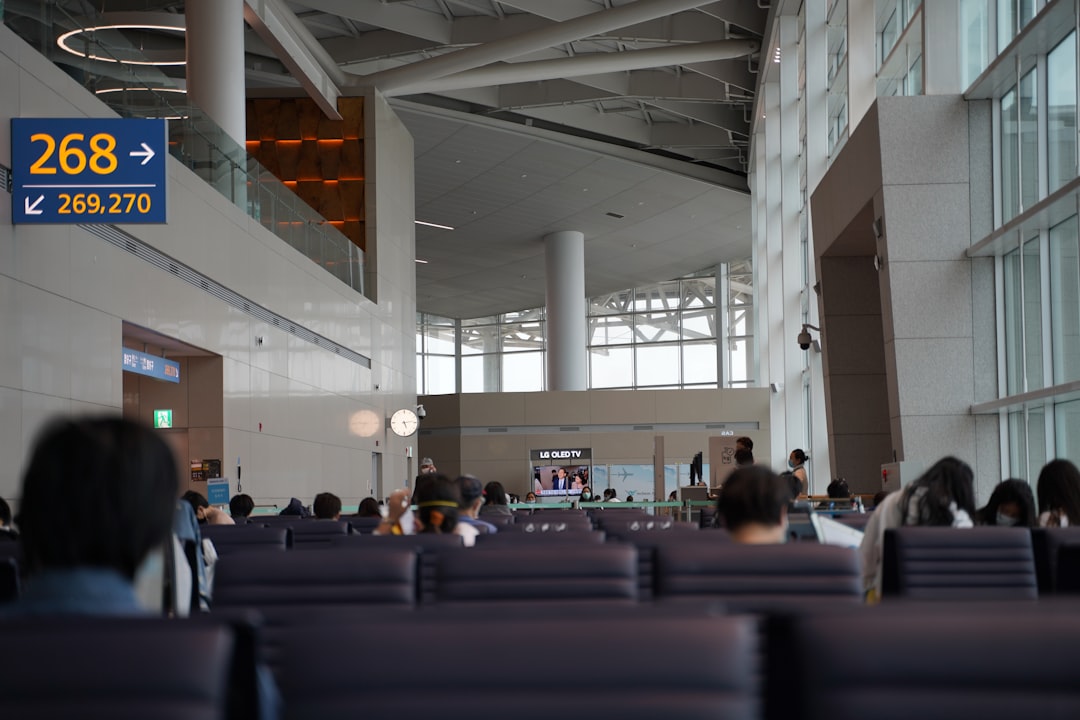
What “Airport Transfer” Actually Means in 2025
The term gets thrown around loosely. In the strictest sense, an airport transfer is any pre-arranged or structured service that moves you between an airport and your final destination (hotel, home, event venue) — or between two terminals/airports. In practice, in 2025, it breaks down into four main categories:
- Private transfer (chauffeur/car service): Fixed price, door-to-door, driver waits for you. Services like KakaoT Black, Grab Premium, or Blacklane operate in most major Asian and European hubs.
- Shared shuttle: Lower cost, shared vehicle, multiple stops. Great for budget travelers who aren’t in a rush. Companies like SuperShuttle (US) or Airport Bus Seoul still run these.
- Rail/subway connection: Often the fastest and most predictable option in cities with dedicated airport rail links — think AREX in Seoul, Heathrow Express in London, or Narita Express in Tokyo.
- Ride-hailing (Uber, Grab, Kakao): Flexible, app-based, no pre-booking required. But surge pricing and pickup zone confusion at busy airports can wreck your schedule.
The Cost vs. Convenience Matrix Nobody Talks About
Here’s where most guides go wrong — they list options without telling you when each one breaks down. So let me give you the honest breakdown based on 2025 pricing benchmarks:
Private transfer: Incheon → central Seoul typically runs ₩70,000–₩120,000 (approx. $52–$88 USD) depending on vehicle class. London Heathrow → central London via Blacklane starts at £85. The value proposition is clear only if you have heavy luggage, are traveling with 3+ people, or it’s past midnight when rail services drop off. If you’re a solo traveler with a carry-on at 10am, you’re just paying for comfort — which is fine, but be honest about it.
AREX (Seoul): The Express Train from Incheon T1 to Seoul Station takes exactly 43 minutes and costs ₩9,500 (~$7). The All-Stop Train takes 66 minutes and costs ₩4,950. In 2025, both trains now support contactless payment via any major credit card or mobile wallet, which removes the biggest friction point for foreign travelers. If your hotel is anywhere near Seoul Station, Hongdae, or Digital Media City stops, this is objectively the best option before 10pm.
Ride-hailing pitfall: At Incheon, Kakao and Uber pickups are restricted to designated zones on B1 of each terminal. The walk from arrivals to the pickup zone is 7–12 minutes depending on gate. Factor that in. At peak hours (7–9am, 5–8pm), surge pricing can push a Kakao Black ride to ₩150,000+, which erases any flexibility advantage.
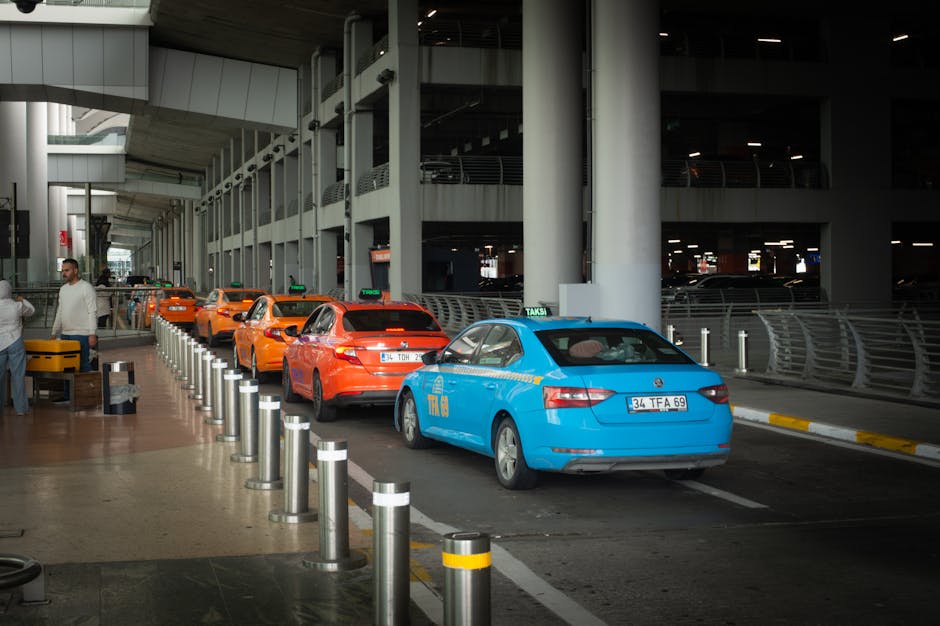
International Case Studies Worth Knowing
Singapore’s Changi Airport remains the global benchmark. In 2025, their Terminal Link train (free, runs 24/7) connects all four terminals in under 6 minutes. The MRT East-West line extension to Changi opened to Jewel terminal in 2023 and has been running smoothly. Grab pickup at Changi is zone-controlled and genuinely efficient — average wait under 4 minutes during off-peak. The reason it works: clear signage in 4 languages, dedicated pickup lanes physically separated from drop-off, and real-time app integration with terminal exit gates.
Compare that to Bangkok’s Suvarnabhumi, where the Airport Rail Link (City Line) runs to Phaya Thai in 30 minutes for ฿45 (~$1.25) — incredible value — but the train platform entrance is a 10-minute walk from baggage claim with no moving walkways, and the signage is inconsistent. It’s fast once you’re on it, but the onboarding friction trips up first-timers every time.
In Europe, the Flixbus Airport Connect network expanded significantly in 2025, now covering 38 secondary airports across Germany, Austria, and the Netherlands. For travelers flying into Frankfurt Hahn or Weeze instead of main hubs, a pre-booked Flixbus transfer can cost as little as €9 vs. €60+ for a taxi. The trade-off: fixed departure times, 45–90 minute trips, and no luggage assistance.
Red Flags When Booking Transfers Online
The online transfer booking market has exploded — sites like Kiwitaxi, HolidayTaxis, and GetTransfer aggregate drivers globally. Most are legitimate, but here’s what to watch for in 2025:
- No cancellation policy listed: Avoid any service without a clearly stated free-cancellation window (minimum 24 hours).
- Pricing in a currency different from the local one: Some aggregators charge in EUR while operating in countries where that conversion rate fluctuates wildly. Always confirm the final charge currency before confirming.
- Driver contact info not provided until 1 hour before: This is a scheduling red flag. Legitimate services share driver details 12–24 hours in advance.
- “Meet and greet” vagueness: Know exactly which exit/hall your driver will be at. “Arrivals hall” is not sufficient at airports with multiple exits per terminal.
If You’re Doing a Same-Day Layover Transfer
This is the scenario that burned my friend. If you have less than 3 hours between connecting flights and your layover involves any terminal change, here’s what actually matters in 2025:
At Incheon T1↔T2: The inter-terminal shuttle runs every 5–10 minutes from B1 of each terminal. Journey time is approximately 18 minutes. Factor 30 minutes minimum for the full transit including walking to the shuttle bay and clearing the boarding gate at the other end. Google Maps and Apple Maps still do not reliably factor this in as of mid-2025.
At Dubai DXB (Terminal 1, 2, 3): The Airport Metro Red Line connects T1 and T3 in about 4 minutes, but T2 requires a separate bus. If your connection goes through T2, you need at minimum 90 minutes buffer, not the 60 minutes many booking engines suggest.
Quick Decision Framework: Which Transfer Is Right for You?
- Solo traveler, carry-on only, arriving before 10pm → Rail/subway every time. Cheapest, most predictable.
- Group of 3–4, checked luggage, hotel far from rail stops → Private transfer. Split the cost and it’s competitive with taxis.
- Budget traveler, flexible on time → Shared shuttle or airport bus. Budget ₩10,000–₩20,000 for Korean routes, €15–€25 for European city connections.
- Late night arrival, unfamiliar city → Pre-booked private transfer. Don’t negotiate with exhaustion. Pay the premium, sleep in the car.
- Short layover, terminal change involved → Check the airport’s official website for inter-terminal transit times, not any third-party app.
The biggest meta-lesson here? Airport transfer planning rewards specificity. The more precisely you know your terminal, arrival time, luggage situation, and destination neighborhood — the better your decision will be. Generic advice (“just take a taxi” or “the subway is fine”) fails the moment your conditions don’t match the assumption baked into that advice.
And one thing that doesn’t get said enough: always have a backup. Know the name of the rail line, have a ride-hailing app pre-installed with payment set up, and screenshot your transfer booking confirmation with the driver’s number before you board your flight. Your roaming data may not kick in immediately on landing.
💬 Have you had a transfer situation go sideways at a major airport? Drop your story in the comments — the more specific the airport and terminal, the more useful it is for everyone reading this in 2025.
📚 관련된 다른 글도 읽어 보세요
- Why I Stopped Trusting Random Forex Signals — A Real 2025 Guide to Currency Exchange
- 연봉 3억 강남 치과 원장도 헷갈린다는 법인 vs 개인 세금 차이 — 2026년 기준 진짜 절세 전략
- Why I Almost Gave Up on Forex — And What Actually Works in 2025
태그: airport transfer, Incheon airport, travel tips 2025, airport shuttle, private transfer, layover guide, airport rail
Leave a Reply