Last summer, my friend Karen tried to take her parents, her husband, and her two kids — ages 4 and 7 — on a beach vacation to the Outer Banks. By day two, her 72-year-old father was exhausted from the sand, her mother’s knee was acting up from the uneven boardwalks, and the kids were melting down because they wanted to swim while grandma needed a nap. Sound familiar? Here’s the thing: the trip wasn’t a bad idea. The planning was the issue.
Three-generation family travel — what travel insiders now call “3-gen travel” or “multigenerational travel” — is one of the fastest-growing vacation categories in 2026. And it makes beautiful sense. Grandparents are living longer and staying more active, parents are carving out intentional family time, and kids are building memories that frankly no screen can replicate. But getting three generations with wildly different physical abilities, sleep schedules, and appetite for adventure to coexist happily on a single trip? That takes some serious strategic thinking. Let’s work through it together.
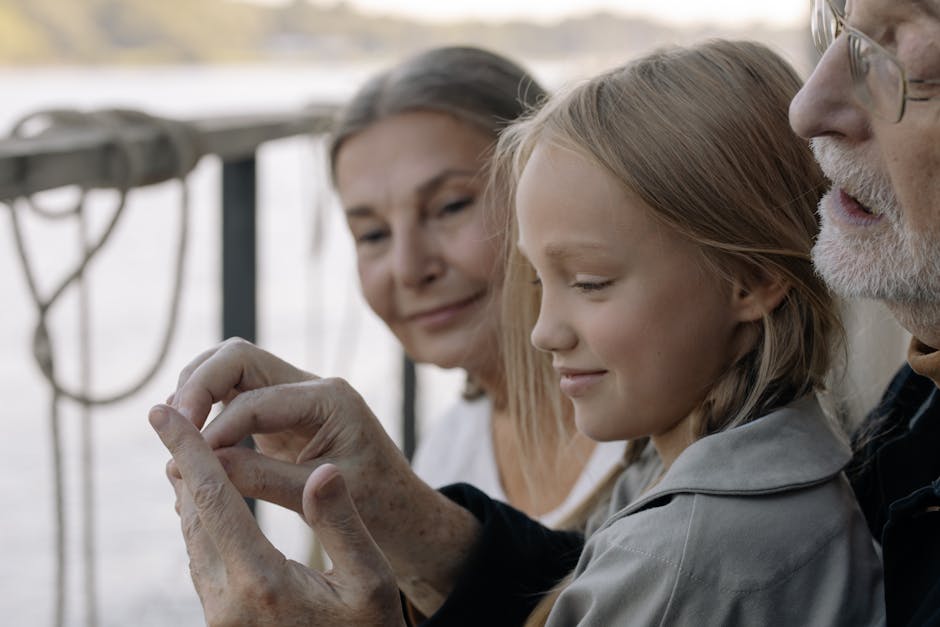
Why 3-Gen Travel Is Booming in 2026 — and Why It’s Worth the Effort
According to the American Association of Travel Advisors (ASTA) 2026 Travel Trends Report, multigenerational travel now accounts for roughly 31% of all leisure family bookings, up from 22% just four years ago. The driving factors are pretty clear when you dig into the data:
- Post-pandemic relationship repair: Families are still making up for lost time from years of restricted gatherings. Grandparents who missed milestones are eager to reconnect.
- Extended healthy longevity: The global average healthy life expectancy has nudged upward. Many grandparents in their 60s and 70s today are genuinely capable of keeping up — if the trip is designed thoughtfully.
- “Memory banking” psychology: Research from Cornell University’s Human Emotion Lab consistently shows that shared experiences — especially novel ones — cement family bonds far more durably than gifted objects.
- Cost-sharing appeal: Renting a large vacation home and splitting costs across three generations often ends up cheaper per household than separate vacations.
- Grandparent-as-childcare bonus: Let’s be honest — parents get a little breathing room when grandparents are happy to read bedtime stories while mom and dad sneak out for dinner alone.
The Core Challenge: Designing for Three Very Different Bodies and Minds
Here’s where most families go wrong: they plan a trip that works for one generation and expect the others to adapt. The 3-gen travel framework that actually works in 2026 is built on what travel designers call “parallel programming” — overlapping activities that everyone can share, plus dedicated time slots where each group pursues what genuinely suits them.
Think of it like a Venn diagram. The middle section — the overlap — is your shared itinerary: a leisurely morning stroll, a family dinner with a view, a light cooking class. The outer sections are where grandparents rest and reminisce, parents hit the cycling trail, and kids attack the waterpark. Nobody is dragging anyone through something miserable.
Real-World Destinations That Get 3-Gen Travel Right in 2026
Not all destinations are created equal for multigenerational groups. Here are some that have genuinely thoughtful infrastructure:
- Kyoto, Japan: Flat temple gardens, wheelchair-accessible paths in many historic areas, bullet train convenience, and cultural activities ranging from zen pottery for seniors to ninja workshops for kids. Japan’s universal design standards have improved dramatically in recent years.
- Tuscany, Italy (Agriturismo stays): Farm-stay accommodations with private villas mean grandparents can enjoy slow mornings with espresso and views while younger members explore nearby hill towns. The gentle, rolling countryside is low-impact and deeply beautiful.
- Branson, Missouri, USA: Often underestimated, Branson in 2026 offers a genuinely accessible, multi-activity resort environment — live shows grandparents love, ziplines for the adventurous, and calm lake activities for everyone. It punches above its weight for 3-gen groups.
- Jeju Island, South Korea: With its lava tube walking trails (many paved), coastal seafood markets, and a culture that deeply venerates elders, Jeju is practically purpose-built for 3-gen Korean families — and increasingly popular with international multigenerational travelers.
- Porto, Portugal: Compact, walkable in the flat riverside areas (avoid the steep hillside neighborhoods with mobility-limited grandparents), rich in history, affordable in 2026 relative to other Western European cities, and full of sensory experiences every age group enjoys.

The Practical Planning Checklist: What to Think Through Before You Book
Alright, let’s get tactical. Here’s a checklist I’ve refined from years of observing what makes these trips sing — or implode:
- Mobility audit first: Have an honest conversation with grandparents about their physical limits. Can they walk more than a mile? Do stairs pose a problem? Is the heat a medical concern? This shapes everything — destination, accommodation type, daily pace.
- Accommodation: private rentals over hotel rooms: A large vacation home or villa gives everyone private retreat space, a shared kitchen for flexible mealtimes, and eliminates the logistical nightmare of coordinating hotel rooms across floors.
- Build in mandatory rest periods: Don’t fill every hour. Grandparents (and honestly, toddlers) need predictable downtime. A 2-hour post-lunch quiet period isn’t wasted time — it’s what keeps everyone functional for the evening.
- Travel insurance is non-negotiable: Medical evacuation coverage and trip interruption policies are especially critical when traveling with older adults. In 2026, several insurers now offer dedicated multigenerational family policies — worth researching.
- Designate a logistics point person: One adult should own the bookings, reservations, and daily schedule. Decision-by-committee across three generations is a recipe for paralysis.
- Pre-book accessibility accommodations: Wheelchair rentals at airports, accessible tour vehicles, ground-floor room requests — these need to be arranged weeks in advance, not scrambled for on arrival.
- Create a “reunion ritual”: A simple daily anchor — maybe breakfast together every morning, or a sunset toast — gives the trip emotional cohesion even when the group splits up during the day.
Budget Reality: What Does a 3-Gen Trip Actually Cost in 2026?
Costs vary wildly by destination and group size, but let’s be realistic. A 7-night 3-gen trip for 6 people (2 grandparents, 2 parents, 2 children) to a domestic U.S. destination in a vacation rental typically runs $4,500–$8,000 all-in, depending on location and season. International trips to Europe can push $15,000–$25,000 for the same group once flights are included. The cost-sharing model genuinely helps — many families split accommodation costs three ways (grandparents, parent couple 1, parent couple 2) and find the per-household cost competitive with a solo family vacation.
One increasingly popular structure in 2026: grandparents contribute the accommodation cost as a “gift” in lieu of individual birthday and holiday presents. It’s a meaningful gesture that sidesteps the awkward “what do we get them?” problem for years.
When the Dream Trip Isn’t Possible: Realistic Alternatives
Let’s be honest — not every family can pull off a week-long trip together, whether due to budget constraints, health limitations, or just the reality of complicated family dynamics. Here are genuinely good alternatives that still create that multigenerational connection:
- Weekend regional getaway: A 2-night stay at a nearby lake cabin or resort is far more manageable and still creates strong shared memories. Many national park lodges now have excellent accessibility accommodations.
- Day trip series: Instead of one big trip, plan monthly day excursions — a botanical garden, a local food tour, a drive-in movie. The cumulative effect rivals a single big vacation.
- Home-based “staycation week”: Grandparents stay at your home for a week, and you plan day activities around your city like tourists. Low cost, low physical demand, high connection value.
- Virtual shared experience: For families separated by distance, synchronized online cooking classes, virtual museum tours, or even simultaneous movie nights with video chat can maintain that sense of doing something together.
The goal isn’t the perfect Instagram-worthy trip. It’s the grandmother teaching your daughter how to roll sushi. It’s the grandfather telling the story about his first car during a long car ride. It’s the specific, unrepeatable texture of time spent together across generations. The destination is just the backdrop.
Editor’s Comment : The best 3-gen trips I’ve seen aren’t the most expensive or the most exotic — they’re the most thoughtfully designed. When you build an itinerary that genuinely respects what each generation needs rather than forcing everyone into the same mold, something remarkable happens: people actually relax, and the real conversations start. Start small if you need to. Even one successful weekend trip builds the family’s confidence and appetite for the next one. That’s how traditions are born.
📚 관련된 다른 글도 읽어 보세요
- 2026 지역 축제 & 숨은 명소 완벽 가이드: 관광객 없는 진짜 여행지를 찾아서
- Hidden Alley Food Trails: How to Discover the Best Local Restaurant Streets Like a Pro in 2026
- Beyond the Instagram Crowds: How to Discover Korea’s Most Breathtaking Hidden Travel Gems in 2026
태그: [‘multigenerational travel 2026’, ‘family travel with grandparents’, ‘3-generation vacation planning’, ‘family travel tips’, ‘accessible travel destinations’, ‘vacation planning for seniors’, ‘family bonding travel’]
Leave a Reply