Picture this: It’s the night before your long-awaited family vacation. You’ve got a 7-year-old who only wants to swim, a 14-year-old glued to their phone demanding “something actually fun,” a partner who desperately needs rest, and a set of grandparents hoping for a leisurely cultural experience. Sound familiar? If you’ve ever tried to plan a family trip that genuinely works for everyone, you already know it’s less like booking a holiday and more like negotiating a small peace treaty.
Here’s the thing — it doesn’t have to be that chaotic. After years of researching travel psychology, family dynamics, and destination logistics, I’ve found that the secret isn’t finding the “perfect” destination. It’s about building a flexible framework that respects each person’s needs while keeping the whole group moving forward together. Let’s think this through, step by step.
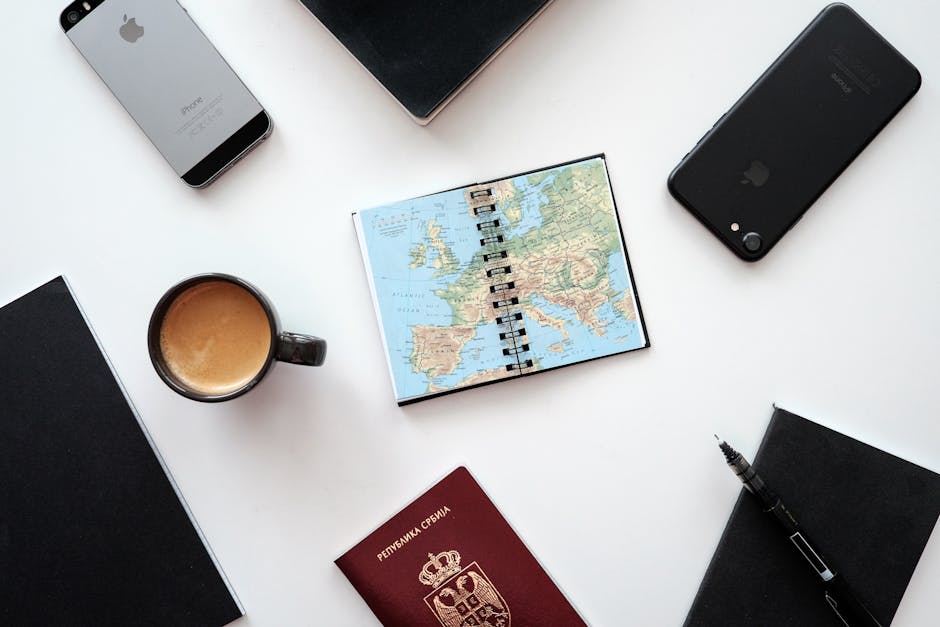
Step 1: Start With a Family Needs Audit (Before You Look at a Single Flight)
This is the step most families skip — and it’s the reason so many trips feel exhausting rather than refreshing. Before opening any travel app, sit down (literally or virtually) and have everyone answer three simple questions:
- What do you most want to feel on this trip? (Relaxed? Adventurous? Connected? Inspired?)
- What’s one thing you absolutely don’t want? (Crowded museums? Early mornings? Overloaded schedules?)
- What’s your personal “win” — one moment that would make this trip worth it?
According to a 2026 survey by the Global Family Travel Association, 68% of families reported that pre-trip expectation mismatches were the number one cause of in-trip conflict. When you align expectations before you commit to a destination, you’re already solving most problems before they start.
Step 2: Choose a Destination That Has Natural “Split Potential”
The best family destinations aren’t necessarily the most famous ones — they’re the ones where different family members can genuinely do different things within the same area. Travel planners call this “parallel itinerary capacity.”
For example, a destination like Kyoto, Japan offers temple-hopping for culture lovers, street food exploration for foodies, bamboo forest hikes for the adventurous, and tranquil ryokan stays for those who need downtime — all within a compact, walkable city. Similarly, places like Porto in Portugal or Chiang Mai in Thailand have this multi-layered quality that accommodates wildly different travel personalities without forcing everyone into the same activity.
In 2026, some of the top-rated family destinations with high “split potential” include:
- Okinawa, Japan — beach relaxation + cultural history + water sports
- Lisbon, Portugal — architecture + food tours + coastal day trips
- Colorado, USA — hiking + theme parks + mountain wellness retreats
- Penang, Malaysia — street art + heritage + culinary adventures
- South Tyrol, Italy — skiing + vineyard tours + kids’ outdoor activities
Step 3: Build a “Skeleton Itinerary” — Not a Minute-by-Minute Schedule
Here’s where most people go wrong: they plan too tightly. A skeleton itinerary means you lock in only the non-negotiables — flights, hotel check-ins, one or two big ticketed experiences — and leave everything else deliberately open.
Think of it this way: a 7-day trip should have maybe 3–4 anchored events. The rest? Flexible. This structure gives your family the freedom to be spontaneous (which is often where the best memories are made) while still keeping the trip from falling into disorganized chaos.
A practical skeleton for a 7-day family trip might look like this:
- Day 1: Arrival, neighborhood exploration, early dinner
- Day 2: [Anchor activity — e.g., guided city tour or national park visit]
- Day 3: Free morning + afternoon beach or leisure
- Day 4: [Anchor activity — e.g., day trip to nearby town]
- Day 5: Independent “choose your own adventure” day by preference
- Day 6: [Anchor activity — e.g., cooking class or theme park]
- Day 7: Slow morning, souvenir browsing, departure

Step 4: Budget With a “Family Fund + Personal Allowance” System
Financial tension is the silent trip-killer. One person feels overspent, another feels restricted — and suddenly the vacation feels like a source of stress rather than joy. A simple but effective approach used by many experienced family travelers is the two-tier budget system:
- Family Fund: Covers shared costs — accommodation, group meals, transportation, anchor activities.
- Personal Allowance: Each family member (including kids!) gets a set amount for their own wants — souvenirs, snacks, an extra activity they want solo or in a subgroup.
This approach respects individual autonomy while keeping shared finances transparent. Studies from behavioral finance researchers at Cornell University (2025–2026) consistently show that perceived financial fairness dramatically improves group satisfaction in shared experiences.
Step 5: Plan for the “Day 3 Dip” and Build Recovery Time
There’s a well-documented pattern in family travel psychology known informally as the “Day 3 Dip” — a moment mid-trip when fatigue, overstimulation, or unmet expectations converge into irritability. Kids are tired, adults are depleted, and suddenly everyone’s wondering why they didn’t just stay home.
The fix? Build a deliberate “recovery day” into your itinerary around that midpoint. Make it low-commitment: a pool day, a slow morning at a café, a visit to a local park. Not every day needs to be a highlight reel. In fact, the quiet days are often what families remember most fondly in retrospect.
Real-World Examples: How Families Are Planning in 2026
Take the Kim family from Seoul, who planned a 10-day trip to southern France in summer 2026. Rather than booking a rigid tour package, they rented a farmhouse in Provence as their base and planned only four fixed activities: a lavender farm visit, a cooking class in Avignon, a day trip to Marseille, and a guided wine tour for the adults while kids attended a French art workshop. Everything else was left open — and those unplanned afternoons wandering village markets became the centerpiece of their family photo album.
Contrast this with a Toronto-based family who tried to cram 6 cities into 12 days across Europe in 2024 (a classic over-planning trap). By day 5, the children were in meltdown, the parents were running on caffeine and anxiety, and they ended up skipping half their bookings just to rest. They’ve since adopted the skeleton itinerary model and haven’t looked back.
Realistic Alternatives: When the “Ideal Trip” Isn’t Possible
Not every family can pull off an international adventure — and that’s completely okay. Budget constraints, school schedules, health considerations, or aging grandparents can all reshape what’s possible. Here are some genuinely satisfying alternatives that deliver real family connection without the complexity:
- The “Staycation with Tourist Eyes” approach: Spend 3–4 days treating your own city like a tourist destination. Book a hotel downtown, visit museums you’ve always skipped, eat at restaurants you never tried. Surprisingly powerful for creating family memories.
- The “Nature Basecamp” option: Rent a cabin or glamping site within a 2-hour drive. Campfires, hiking, and disconnecting from screens often create more genuine bonding than any theme park.
- The “One Big Day Trip Per Weekend” model: Instead of one annual trip, plan 10–12 day excursions throughout the year. This keeps travel excitement alive year-round and reduces the pressure on a single vacation to “be everything.”
The point is: a meaningful family trip isn’t defined by its cost or distance. It’s defined by how well it fits your family’s actual rhythm, energy, and relationships at this moment in time.
Editor’s Comment : The best family itinerary isn’t the most detailed one — it’s the one that leaves room for your family to actually be your family. Plan the anchors, protect the downtime, and trust that the unscripted moments will carry the most weight. In 2026, with so many planning tools, AI assistants, and travel resources available, the real skill isn’t gathering information — it’s knowing when to put the spreadsheet down and just let the trip breathe.
📚 관련된 다른 글도 읽어 보세요
- 2026년 가족 여행 예산 절약 비법: 항공권·숙소·패키지 완전 정복 가이드
- Traveling Abroad with Toddlers in 2026: The Ultimate Packing List & Stress-Free Tips Every Parent Needs
- The Ultimate 2026 Guide to Visiting Jeju Island with Kids: Everything You Need to Know Before You Go
태그: [‘family travel planning’, ‘family trip itinerary 2026’, ‘how to plan a family vacation’, ‘stress-free family travel’, ‘travel planning tips’, ‘family vacation guide’, ‘best family destinations 2026’]
Leave a Reply