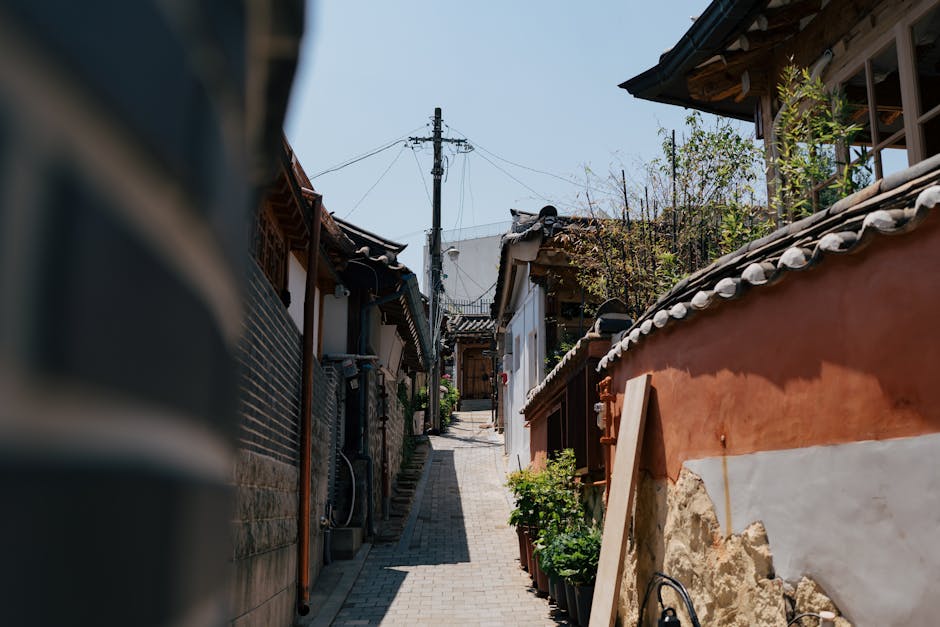
Last spring, I found myself hopelessly lost in a narrow alleyway somewhere between Jeonju’s famous hanok village and a district most tourists never bother to enter. A grandmother in a floral apron handed me a bowl of sikhye (sweet rice punch) through her doorway and pointed me toward a courtyard garden I hadn’t seen on any map app. That moment crystallized something I’d been thinking about for years: the best parts of Korea are almost never on the itinerary.
With international tourism to Korea surging past 18 million visitors in 2026 — largely fueled by K-content culture and the post-pandemic travel explosion — the usual hotspots like Gyeongbokgung, Bukchon, and Jeju’s Hallasan trail are genuinely overcrowded. So let’s think through this together: where do the locals actually go, and how do you get there without a tour bus?
Why “Secret” Destinations Stay Secret (And Why That’s Changing)
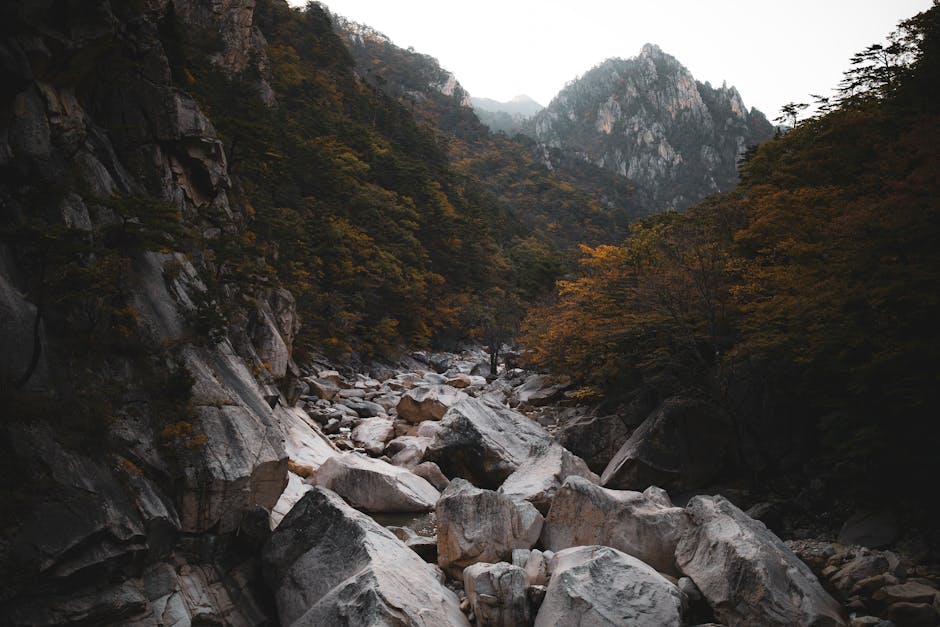
Korea has a fascinating geographic reality: roughly 70% of its landmass is mountainous, which means hundreds of valleys, coastal villages, and highland plateaus remain largely undeveloped for mass tourism. According to the Korea Tourism Organization’s 2026 Domestic Travel Trend Report, nearly 63% of Korean domestic travelers prefer destinations with fewer than 5,000 monthly visitors — a number that reflects a genuine cultural preference for honjok (alone-time culture) and unhurried exploration.
Here’s the logical chain worth thinking through: international tourists cluster around a handful of Instagrammable zones → locals migrate away from those zones → local knowledge concentrates in places that lack English-language coverage → those places stay hidden by default, not by design. That gap is actually your opportunity.
The Under-the-Radar Regions Worth Your Serious Attention in 2026
- Uljin, North Gyeongsang Province: A coastal town where pine forests literally run into the East Sea. The Geumgang Pine Forest (Geumgang Songgye) is a UNESCO-recognized biosphere, yet daily visitor counts remain in the hundreds. Local guesthouses here still practice minbak hospitality — home-cooked meals included.
- Gochang, North Jeolla Province: Home to dolmen UNESCO heritage sites AND a UNESCO Biosphere Reserve. The Seonunsan Provincial Park here has spring camellia blooms that rival anything you’d see on Jeju — without the crowds or the flight.
- Namhae Island, South Gyeongsang Province: Often called Korea’s “German Village” because it literally has a community of Koreans who returned from working in 1960s-70s West Germany. The terraced rice paddies and Mediterranean-style coastline make it visually unlike anywhere else in the country.
- Yeongwol, Gangwon Province: A mountain town with tragically undervisited river kayaking, a riverside astronomical observatory, and associations with the tragic history of King Danjong — giving it a quiet, contemplative atmosphere that history buffs will love.
- Boryeong’s Back Country (Beyond the Mud Festival): Most people know Boryeong for its summer mud festival. What they miss are the Sapsilcho Wetlands and the intricate tidal flat ecosystems that locals visit for clam digging and slow coastal walks in spring and autumn.
How Real Locals Find These Places: The Actual Methodology
Let’s be honest — searching “hidden travel spots Korea” in English mostly returns the same recycled listicles. Here’s what actually works, broken down logically:
1. Naver Blogs over Google: Korean domestic travel discourse lives on Naver Blog, not Instagram or Google. Even basic Korean search terms like “국내 여행 비밀장소” or “현지인 추천 여행지” will surface genuine personal blogs with photos, bus routes, and meal recommendations that Google simply doesn’t index well.
2. The KakaoMap “Review” Tab: Unlike Google Maps, KakaoMap’s Korean-language review ecosystem is dense with hyper-local commentary. If you drop a pin on a rural area and scroll through recent reviews, you’ll find references to nearby spots that never appear in official tourism materials.
3. Local Tourism Office Visits (Seriously): Every county-level municipality in Korea (gun or si) operates a tourism information office. Stop in and ask — not for brochures, but for what locals actually recommend that week. The staff response will almost always surprise you.
International Travelers Who’ve Done This Successfully
Travel writer Lena Müller documented her 2026 solo trip through rural Gangwon Province for Spiegel Reise, noting that by deliberately avoiding the standard Seoul-Busan axis, she encountered a Korea that “felt suspended in a quieter version of itself.” Similarly, the Australian travel community Indie Trails published a 2026 guide specifically focused on the Saemangeum coastal path and the fishing villages of the Gochang coast — destinations where English menus don’t exist, but hand signals, phone translators, and genuine curiosity go a very long way.
The pattern across these accounts is consistent: the willingness to be slightly uncomfortable — linguistically, directionally, and culinarily — is the price of admission to the real Korea. And by most accounts, it’s a bargain.
Realistic Alternatives Based on Your Travel Style
Not everyone can or wants to navigate rural Korea independently. Here’s how to think through your realistic options:
- If you’re time-limited (3-4 days): Focus on a single under-visited province rather than trying to hit multiple regions. Chungcheong Province (both North and South) is criminally overlooked and sits within 90 minutes of Seoul by KTX.
- If you’re language-anxious: Join small-group tours run by local Korean operators like Trazy or Hana Tour’s local experience branch — they increasingly offer “off the beaten path” itineraries with bilingual guides who are actual locals, not just certified tour guides.
- If you’re on a budget: Rural Korea is dramatically cheaper than Seoul. A night in a traditional hanok guesthouse in Andong or Damyang rarely exceeds ₩60,000–80,000 (roughly $45–60 USD), often with breakfast included.
- If you’re a repeat visitor: Consider renting a car (an International Driver’s Permit works throughout Korea) and following the 2-lane road rule: if a destination requires a 2-lane road to reach, you’re probably heading somewhere good.
The beautiful thing about Korea’s geography is that genuine remoteness is never more than a couple of hours from a major city. You don’t need two weeks of vacation to escape the tourist circuit — you need two days and a willingness to point yourself somewhere new.
Editor’s Comment : The secret to Korea’s secret places isn’t really a secret at all — it’s intentionality. In 2026, with real-time translation in your pocket and high-speed rail connecting nearly every province, the barriers to authentic travel in Korea are lower than ever. The only thing standing between you and a grandmother handing you rice punch in an unmarked alleyway is the decision to look for her.
📚 관련된 다른 글도 읽어 보세요
- Jeju Island Family Resort Reviews 2026: The Honest Guide to Picking the Perfect Stay with Kids
- 지방 소도시 숨겨진 관광지 추천 2026 | 아무도 안 가르쳐주는 진짜 여행지
- Jeju’s Hidden Gems in 2026: Secret Spots That Most Tourists Will Never Find
태그: [‘hidden Korea travel spots’, ‘secret travel destinations Korea 2026’, ‘local recommended Korea travel’, ‘off the beaten path Korea’, ‘Korean countryside travel guide’, ‘rural Korea tourism’, ‘authentic Korea travel tips’]
Leave a Reply