Last spring, my friend Mia spent two weeks in Gyeongju, South Korea — not Seoul, not Busan — just quietly wandering ancient burial mounds, eating hwangnambread from a 70-year-old bakery, and booking a stay in a renovated hanok for less than $40 a night. She came back glowing in a way that no Paris trip had ever managed. That story stuck with me, and honestly, it’s not just Mia. In 2026, small town travel isn’t a niche preference anymore — it’s quickly becoming the defining travel philosophy of our generation.
So let’s think through this together: what’s actually driving this shift, where are people going, and — most importantly — how do you find your version of this trend without falling into the tourist traps that are starting to pop up even in smaller destinations?
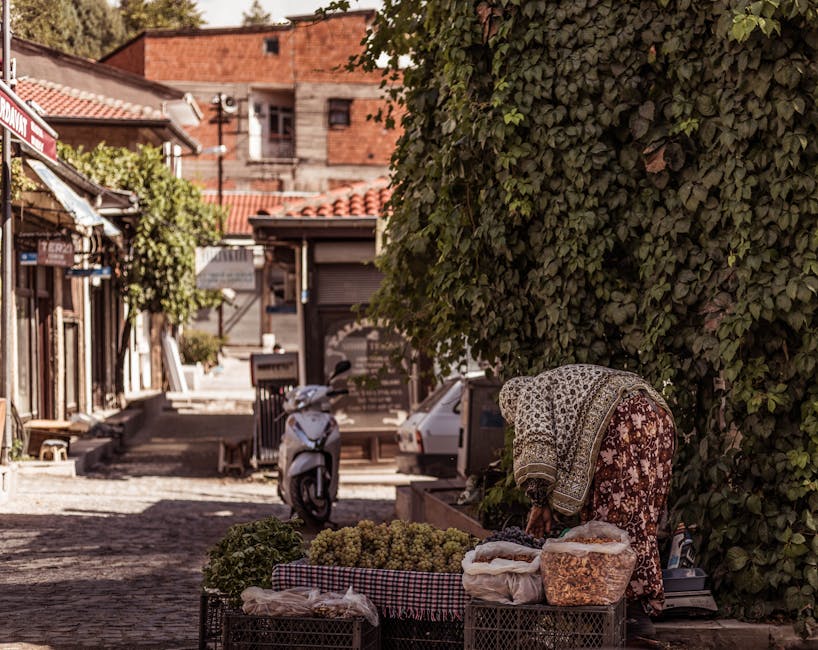
The Numbers Don’t Lie: Small Town Tourism Is Surging in 2026
According to the 2026 Global Travel Sentiment Report by Skyscanner and Booking.com’s joint trend index, searches for towns with populations under 100,000 grew by 41% year-over-year between 2024 and early 2026. Meanwhile, bookings in legacy megacities like Paris, London, and Tokyo saw a 12% dip in average length of stay — meaning people still visit, but they’re staying shorter and spending less. The money, the time, and the emotional investment? It’s flowing into smaller places.
Why now? A few converging forces are worth unpacking:
- Post-overtourism fatigue: After years of viral content turning places like Santorini and Kyoto into crowded spectacles, travelers — especially Millennials and Gen Z — are actively avoiding that experience. A 2026 Airbnb Trend Report noted that 67% of users under 35 said “avoiding crowds” ranked as their top travel priority.
- Remote work normalization: With hybrid and fully remote schedules now standard across most knowledge industries, travelers aren’t constrained by tight 5-day itineraries. Spending 3 weeks in a small Portuguese village? Totally viable.
- The authenticity premium: Travelers are increasingly willing to pay a premium — or travel further — for experiences that feel genuinely local rather than curated for tourists. Small towns, almost by definition, still deliver that.
- Cost efficiency: With inflation having reshaped travel budgets, a week in a small Italian hill town can cost less than three nights in Milan, with arguably richer cultural rewards.
- Social media’s long tail: Micro-influencers (10K–100K followers) are surfacing hidden gems faster than ever, and their audiences trust those recommendations more than glossy travel magazine spreads.
From Korea to Portugal: The Small Towns Leading the 2026 Wave
Let’s ground this in real examples — because theory only goes so far.
Domestic (Korea): Tongyeong & Namhae
While everyone debates Seoul’s latest café districts, Tongyeong on Korea’s southern coast has quietly built a reputation as the “Naples of Korea.” Its cable car, fresh seafood markets, and the legacy of composer Yun Isang draw a thoughtful, culture-hungry crowd. Namhae, just an hour’s drive away, is seeing a boom in slow-travel bookings — especially among Seoul-based remote workers who rent village homes for a month at a time. Local guesthouses there report occupancy rates up 35% compared to 2023.
International: Évora, Portugal
Évora, a UNESCO World Heritage city of about 57,000 people in Portugal’s Alentejo region, has become one of Europe’s most-watched small town destinations in 2026. It offers Roman ruins, medieval architecture, locally produced Alentejo wine, and a food scene that punches far above its weight — all at roughly 40% lower cost than Lisbon. Travel writers have started calling it “the anti-Lisbon,” which is both a compliment and a warning that the clock may be ticking before it gets discovered to death.
International: Kanazawa, Japan
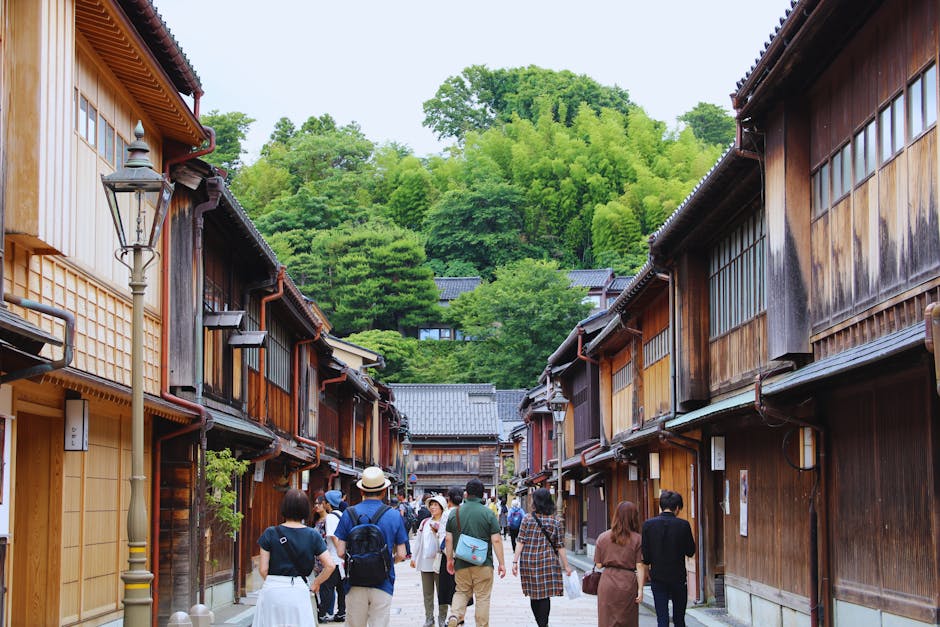
Japan’s Kanazawa — often called “Little Kyoto” — has been on slow-travel radar for a while, but 2026 is seeing a meaningful surge thanks to the expansion of the Hokuriku Shinkansen line. With its preserved geisha districts, world-class contemporary art museum (the 21st Century Museum of Contemporary Art), and one of Japan’s top three gardens, it offers a Kyoto-level experience without the Kyoto-level crowds. Average hotel prices remain about 30% lower than Kyoto.
But Wait — Is “Small Town Travel” Getting Overtouristed Too?
Here’s where we need to think critically, because this is genuinely happening. Hallstatt in Austria, once a quiet lakeside village, was so overwhelmed by Instagram-driven tourism that locals literally built a wall to block photo spots. Vernazza in Italy’s Cinque Terre faces similar pressures. The very attention that makes a small town “discovered” begins eroding what made it special.
The honest reality in 2026 is that some “small town travel” recommendations are already behind the curve. If a destination is on every major travel blog’s “hidden gems of 2026” list, it’s probably not hidden anymore. This brings us to the most important skill in modern travel: secondary discovery — finding the towns one step beyond the ones everyone is already talking about.
How to Actually Do This Right: Realistic Strategies for 2026
Here’s where I want to offer you something genuinely useful rather than just vibes:
- Use Google Trends + regional tourism boards together: Search for a trending small town, then look at what regional tourism boards list as “nearby” attractions. Those neighbors are usually 2–3 years behind in discovery cycles.
- Book shoulder season: Small towns feel entirely different in April or November versus August. Capacity is lower, locals are more present, and prices drop significantly.
- Stay longer, go fewer places: A week in one small town beats three days each in three different towns. You start seeing the regulars at the bakery. You learn which trail is actually worth waking up at 6am for.
- Use local accommodation, not chain hotels: Guesthouses, agriturismo stays, and family-run pensions are where real local knowledge lives. Your host will tell you things no travel guide has published.
- Follow local Instagram accounts, not travel influencers: Search hashtags in the local language for a destination. What locals photograph and share gives you a far more honest picture than curated travel content.
If you’re not ready to fully commit to a week in an unknown town, there’s also a middle path worth considering: day-tripping from a mid-sized city base. Staying in Seville but taking day trips to Ronda or Écija, for example, gives you the infrastructure of a city with genuine small-town immersion. It’s a realistic compromise that many 2026 travelers are quietly embracing.
Editor’s Comment : The 2026 small town travel trend isn’t just a reaction to overcrowded tourist hotspots — it’s a genuine recalibration of what travel is supposed to feel like. But like any trend, it carries its own risks: the towns we celebrate today may be the Hallstatts of 2028 if we’re not thoughtful about how we engage with them. The best version of this trend isn’t about finding the most Instagrammable undiscovered village — it’s about slowing down enough to actually be somewhere, rather than just passing through it. Travel with curiosity, spend locally, and leave things a little better than you found them. That philosophy never goes out of style.
📚 관련된 다른 글도 읽어 보세요
- Hidden Gems of Korea 2026: My Honest Review of 5 Secret Domestic Travel Spots Nobody Talks About
- Hidden Gem Small Towns You Need to Visit in 2026: The Ultimate Off-the-Beaten-Path Travel Guide
- 지방 소도시 숨겨진 관광지 추천 2026 | 아무도 안 가르쳐주는 진짜 여행지
태그: [‘small town travel 2026’, ‘slow travel trends’, ‘off the beaten path destinations’, ‘2026 travel trends’, ‘alternative travel destinations’, ‘sustainable tourism 2026’, ‘hidden gem travel’]
Leave a Reply