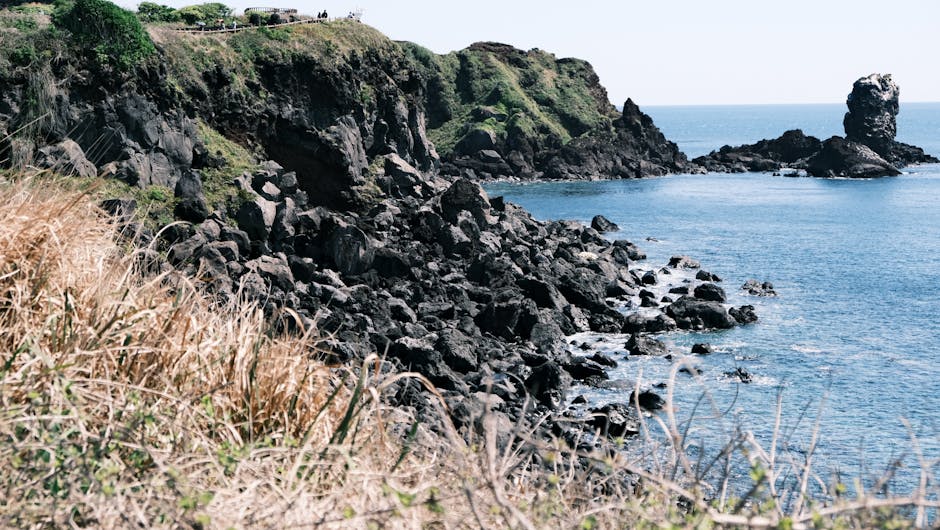
Last spring, I found myself standing on a cliff edge in a tiny fishing village on Korea’s southern coast, completely alone — no tour buses, no Instagram crowds, just the sound of waves crashing against volcanic rock and the smell of salt air. A local grandmother handed me a piece of dried squid and pointed at the horizon like she was gifting me a secret. That moment reminded me: South Korea has so many coastal treasures that never make it onto the mainstream travel radar.
Most people visiting Korea’s coastline default to Busan’s Haeundae Beach or Jeju Island’s Hyeopjae Beach — and don’t get me wrong, those are genuinely beautiful. But if you’re the kind of traveler who loves discovering a place before the crowds do, let’s think through some truly underrated options together.
Why Korea’s Lesser-Known Coasts Are Worth the Extra Effort
South Korea has roughly 2,413 km of coastline (excluding islands), with over 3,000 islands scattered across its western and southern seas. Despite this, tourism infrastructure is heavily concentrated in just a handful of hotspots. According to the Korea Tourism Organization’s 2026 regional travel data, the top 5 coastal destinations absorb nearly 68% of all domestic beach tourism — which means a staggering amount of natural beauty is sitting quietly, waiting to be explored.
The logic here is simple: less infrastructure often means more raw nature, friendlier locals, lower costs, and a much more genuine travel experience. Let’s break down some of the best-kept secrets.
1. Gosapo Beach, Chungcheongnam-do — The Tidal Flat Wonderland
Most travelers skip the West Sea (Yellow Sea) coastline entirely because the water isn’t as clear as the South or East Sea. That’s a reasoning mistake. Gosapo Beach near Boryeong is famous among a small circle of eco-travelers for its extraordinary tidal flats (getbol), which stretch nearly 2 km at low tide. The sunset here turns the exposed mud into liquid gold — it’s visually unlike anything else in Korea. The nearby Boryeong Mud Festival gets all the press, but the beach itself in the off-season is a completely different, meditative experience.
2. Guryongpo, Gyeongsangbuk-do — Japan Sea Drama Without the Crowds
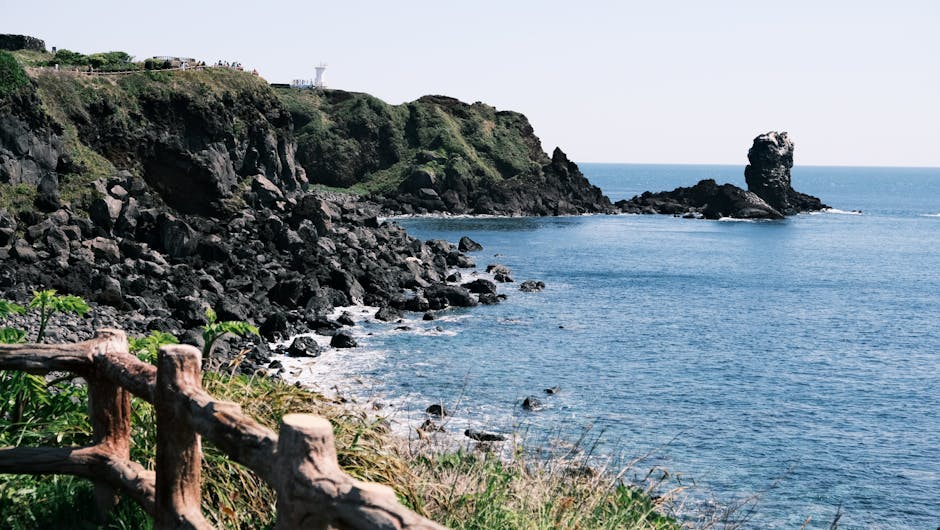
Perched on the southeastern tip of the Korean peninsula, Guryongpo is a small port town that most Koreans themselves associate only with gwamaegi (semi-dried Pacific saury fish). But the coastal walking trail here — particularly the stretch toward Homigot Cape — offers some of the most dramatic East Sea cliff views in the country. The 2026 trail restoration project has added new wooden walkways along the cliff face, making it far more accessible than it used to be.
3. Haesindang Park Area, Samcheok — Quirky Culture Meets Stunning Scenery
Yes, Samcheok is known internationally for… unusual reasons. But step past the novelty and you’ll find that the actual coastline around Sinnam Village is genuinely spectacular — rugged cliffs, pine forests meeting the sea, and a quiet fishing atmosphere that feels frozen in a beautiful past. The nearby Deokbong Mountain trail also gives panoramic views of the East Sea that rival anything in Gangwon-do’s more famous spots.
4. Imja Island (Imjado), Jeollanam-do — The Slow Island No One Talks About
While Hongdo and Heuksando get all the island love in the Shinan archipelago, Imjado offers a quieter alternative with its famous purple flower fields meeting the sea (lavender and bellflowers bloom spectacularly through summer) and a coastline full of small hidden coves. Ferry access from Mokpo takes about 50 minutes, and accommodation options, while simple, have been quietly upgraded by a handful of young entrepreneurs as of 2026.
5. Jeongdongjin to Jeongamsa Coastal Trail, Gangwon-do — Beyond the Famous Sunrise Spot
Everyone knows Jeongdongjin for sunrise. Far fewer people follow the coastal trail southward toward Jeongamsa Temple, a 7 km stretch where the East Sea crashes against dramatic rocky formations while pine trees frame every turn. It’s one of Korea’s most photogenic coastal hikes, yet it remains consistently uncrowded because tourists treat Jeongdongjin as a drive-by destination rather than a starting point.
Practical Breakdown: What to Expect at Each Spot
- Gosapo Beach: Best visited September–November for tidal flat walks; nearest train station is Daecheon (무궁화 line). Budget-friendly guesthouses under ₩60,000/night available.
- Guryongpo: Access via KTX to Pohang then local bus (~40 min). New cliff walkway completed January 2026. Try the gwamaegi while you’re there — it’s genuinely delicious.
- Samcheok/Haesindang area: Paired perfectly with a visit to Hwanseon Cave (nearby limestone cave system). Intercity buses run regularly from Gangneung.
- Imjado: Book the Mokpo ferry in advance during July–August as it fills up. The island is car-free friendly — bring a bicycle or rent one locally for ₩15,000/day.
- Jeongdongjin Trail: Start early (6–7am) to catch the sunrise AND the quiet morning trail. Trail is well-marked but bring proper hiking shoes — the rocky sections can be slippery after rain.
Realistic Alternatives Based on Your Travel Style
Not everyone can do a multi-day coastal road trip. Here’s how to think about this realistically:
If you have only a weekend from Seoul, Jeongdongjin or Guryongpo are your best bets — both accessible via KTX with overnight stays. If you’re traveling with young children, Gosapo’s flat, safe tidal flats are perfect for exploration. If you’re a solo photographer, Imjado’s color-saturated landscape is worth the extra ferry time investment. If you’re on a tight budget, Samcheok offers exceptional scenery with very affordable accommodation and food.
The key mental shift here: stop thinking of these as “consolation prize” destinations because they aren’t Busan. Think of them as prestige-tier experiences for people who know what to look for.
Final Thoughts
South Korea’s coastal geography is genuinely world-class — it just hasn’t been marketed that way outside its star players. The exciting thing about traveling in 2026 is that improved public transit connections and a wave of young guesthouse owners investing in remote coastal areas means that “off the beaten path” no longer has to mean “uncomfortable.” These spots are ready for visitors who are ready for them.
Start with one. Go alone or with a curious friend. Skip the tour package. Talk to the grandmother selling dried squid. You’ll understand immediately what I mean.
Editor’s Comment : The real magic of Korea’s hidden coasts isn’t just the scenery — it’s the feeling that you found something real. In a travel landscape increasingly curated by algorithms and influencer itineraries, choosing a place that hasn’t been aestheticized to death is a quietly radical act. These five spots aren’t hidden because they’re inferior; they’re hidden because the system hasn’t gotten to them yet. Go before it does — but go respectfully.
태그: [‘hidden beaches South Korea’, ‘Korean coastal travel 2026’, ‘off the beaten path Korea’, ‘underrated Korean destinations’, ‘East Sea hiking trails’, ‘South Korea travel guide’, ‘Korean island travel’]
Leave a Reply