Last autumn, a friend of mine — a seasoned traveler who had backpacked through Southeast Asia twice — confessed something unexpected: she had never ventured beyond Suwon’s Hwaseong Fortress in Gyeonggi-do. ‘I always assumed there was nothing past the usual tourist trail,’ she told me over coffee. Sound familiar? If you’ve been guilty of the same tunnel vision, you’re not alone. Most visitors to the greater Seoul area stick to the well-worn path, completely missing a treasure chest of experiences hiding just an hour or two outside the capital.
Gyeonggi-do (경기도), which literally wraps around Seoul like a generous embrace, is South Korea’s most populous province — but paradoxically, its outer edges remain blissfully underexplored. In 2026, with domestic travel surging by approximately 18% compared to pre-pandemic baselines (according to the Korea Tourism Organization’s Q1 2026 report), the competition for spots at popular venues is fiercer than ever. That’s exactly why smart travelers are pivoting to the outskirts. Let’s think through this together and map out the hidden gems worth your weekend.
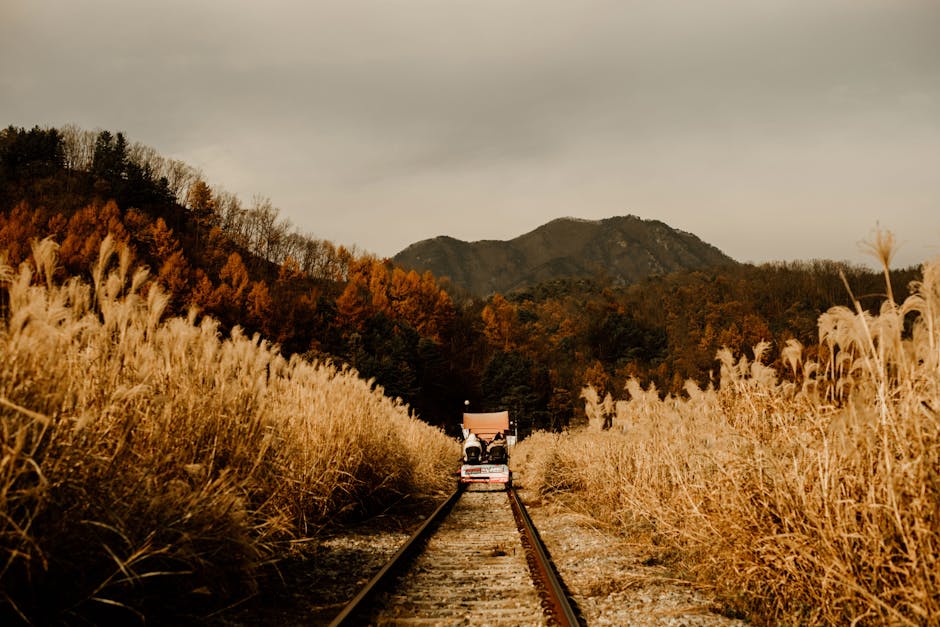
Why the Outskirts? The Logic Behind Going Off the Beaten Path
Before we dive into specific locations, it’s worth reasoning through why the outer edges of Gyeonggi-do deserve your attention in 2026 specifically. Three converging trends make this the ideal year to explore:
- Infrastructure upgrades: The GTX-A line extensions completed in late 2025 have significantly cut travel times to several northern and eastern Gyeonggi counties, making previously inconvenient destinations newly accessible.
- Overcrowding at main spots: Nami Island now regularly reports 10,000+ daily visitors on weekends. The math simply doesn’t favor a pleasant experience at the marquee destinations anymore.
- Local regeneration projects: Gyeonggi-do provincial government allocated ₩340 billion toward rural tourism infrastructure between 2024–2026, meaning many smaller towns now have proper facilities, signage, and cultural programming.
- Culinary authenticity: Outer Gyeonggi communities have preserved food traditions that urban areas have largely commercialized — think raw soy sauce fermented for decades, freshwater fish dishes, and heirloom grain markets.
The Hidden Gems: A Realistic Tour of 2026’s Best-Kept Secrets
Let’s walk through seven destinations I’d genuinely recommend — with the practical details you actually need, not just dreamy descriptions.
1. Yeoncheon (연천군) — Korea’s Geological Wonderland
Nestled in the northernmost tip of Gyeonggi-do near the DMZ, Yeoncheon is a geologist’s dream and a photographer’s obsession. The Hantangang River Geopark — a UNESCO-recognized site — features dramatic columnar basalt formations carved by ancient lava flows. What’s remarkable is that even in 2026, on a sunny Saturday, you might share the riverbanks with fewer than 200 visitors. The area also hosts the annual Yeoncheon Cosmos Festival each October, transforming agricultural fields into waves of pink and white. Practical note: Public bus access exists but is infrequent; renting a car from Dongducheon Station is the most reliable option.
2. Gapyeong’s Inner Villages (가평 내부 마을) — Beyond Petite France
Everyone knows Petite France. Far fewer people follow the secondary roads deeper into Gapyeong county, where small villages like Hoechang-ri operate organic farm stays and mountain herb markets. In 2026, the Gapyeong Slow Travel Route — a newly designated 42km hiking and cycling trail — connects several of these communities. The trail passes through old-growth pine forests and crosses the Bukhangang River at three scenic points. Budget travelers can find guesthouses here for under ₩50,000 per night, a stark contrast to the resort-heavy main tourist zone.
3. Icheon Haegang Ceramics Village (이천 해강도자미술관 일대)
While Icheon is famous for its ceramics festival, the area surrounding the Haegang Ceramics Museum is a quieter, more contemplative experience. Local master potters open their studios on weekends, and in 2026 a new ‘kiln-to-table’ dining concept has emerged — restaurants serving meals on vessels made by the same artisans who fired the kilns. This is the kind of layered cultural experience that no tour package has quite figured out how to commodify yet, which is precisely its charm.
4. Yangpyeong Dumulmeori (양평 두물머리) — Yes, But Go Deeper
Dumulmeori itself has become crowded — but the farmlands and riverside paths extending 8–12km upstream from the famous confluence point remain genuinely serene. The Yangpyeong Organic Market, held every Saturday morning near Yangpyeong Station, is a legitimate community gathering rather than a tourist-oriented performance. Arrive before 9am, buy locally roasted perilla oil, and strike up a conversation. You’ll leave with more than just groceries.
5. Pocheon Art Valley (포천 아트밸리)
A former granite quarry dramatically transformed into an open-air art space, Pocheon Art Valley has existed for over a decade — but its surrounding area has quietly developed into something more. The Sanbul-dong creative district nearby now hosts ceramic and glass studios, an independent music venue, and a surprisingly sophisticated café scene run largely by Seoul expatriates who relocated post-pandemic. The quarry’s astronomical observatory remains one of the best spots in the greater Seoul region for stargazing, given minimal light pollution.
6. Anseong Farmland (안성팜랜드) — And Its Neighbors
Anseong Farmland itself is well-known, but the rural townships east of the city — particularly around Jungang-ri — operate traditional market cycles (5-day traditional markets, or 오일장) that bring together farmers, craftspeople, and food vendors in an atmosphere unchanged for generations. The Anseong noodle tradition (칼국수 and 수제비) here is considered by Korean food historians to represent one of the most authentic surviving regional variations. Pair a market visit with a loop through the pear orchards (배 과수원) in late summer for a genuinely immersive local experience.
7. Hwaseong Jeongnamjin Area (화성 정남진)
South Gyeonggi’s coastal edge along the West Sea (Yellow Sea) near Hwaseong offers tidal flat (갯벌) experiences that rival more famous Chungcheongnam-do destinations. The Jeongnamjin area in 2026 has developed guided mudflat ecology tours led by local marine biologists, aimed at both families and serious nature enthusiasts. Clam digging, haenyeo (해녀) diving demonstrations, and sunset views over the tidal flats create an experience that feels worlds away from the Seoul metropolitan sprawl — yet it’s under 90 minutes by car.
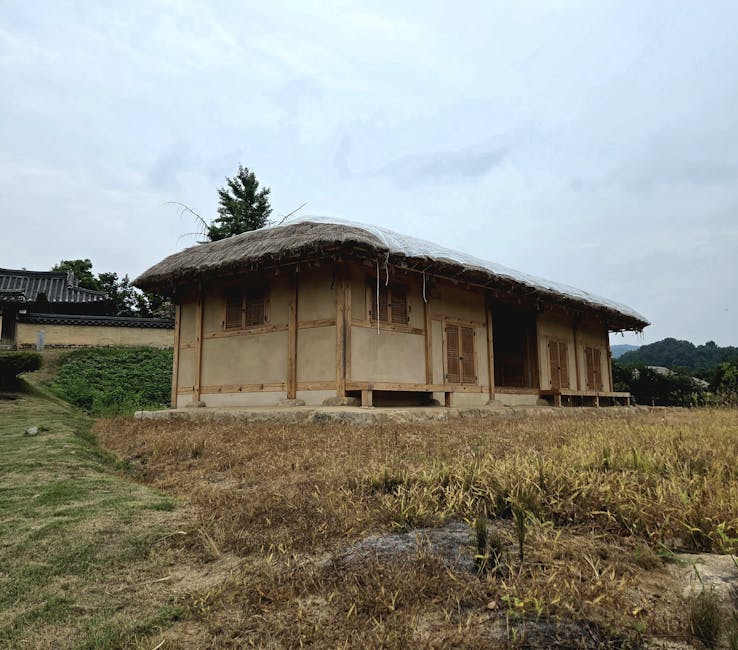
Practical Alternatives Based on Your Situation
Not everyone has the same constraints, so let’s be realistic about tailoring these recommendations:
- If you have only one day: Pocheon Art Valley or Yangpyeong’s organic market zone are your best bets — both are within 60–75 minutes of central Seoul and offer a concentrated experience without requiring overnight stays.
- If you’re traveling with kids: Hwaseong’s tidal flat tours and Anseong Farmland area provide hands-on, educational engagement that children genuinely respond to beyond just photo opportunities.
- If you don’t drive: Gapyeong’s Slow Travel Route is the most public-transit-friendly option in 2026, with the ITX-Cheongchun train running regularly from Yongsan Station. Icheon is also accessible via the Gyeonggang Line.
- If you’re a solo traveler seeking community: The Anseong traditional market or Gapyeong village farm stays tend to draw thoughtful, curious travelers — the kind you actually want to meet.
- If budget is a concern: Yeoncheon and Yangpyeong offer the highest experiential return for the lowest spend, with most attractions being free or under ₩10,000 entry.
The Bigger Picture: What Traveling the Outskirts Actually Teaches You
There’s an argument to be made — and I genuinely believe it — that traveling Gyeonggi-do’s outer edges in 2026 teaches you something that a perfectly curated Instagram itinerary simply cannot. These communities are navigating real tensions: agricultural land being converted, young people leaving for Seoul, traditional knowledge at risk of generational loss. When you spend money at a family-run pottery studio in Icheon or eat at a grandmother’s guesthouse near Yeoncheon, you’re participating in a living ecosystem, not consuming a packaged product.
That participation changes how you travel. It slows you down in the best possible way. And in a year when AI can plan your entire Seoul trip in 30 seconds, there’s something quietly radical about choosing the road that the algorithm doesn’t default to.
Editor’s Comment : The outer reaches of Gyeonggi-do in 2026 represent one of the genuinely underrated opportunities in Korean domestic travel — not because they’re secret in some gatekeeping sense, but because they require a little more intention and curiosity than the average trip allows. If you can extend your planning horizon by even a few extra hours, the reward is an experience that feels authentically yours rather than borrowed from a highlight reel. Start with one destination, go slowly, and let the place surprise you. That’s the whole point.
태그: [‘Gyeonggi-do hidden gems 2026’, ‘off the beaten path Korea’, ‘Korean rural travel destinations’, ‘Gyeonggi countryside travel guide’, ‘secret spots near Seoul 2026’, ‘Korean domestic travel 2026’, ‘underrated Korea travel’]
Leave a Reply